Tag: reducing

  • The Power of Deep Breathing: A Guide to Reducing Stress

    The Power of Deep Breathing: A Guide to Reducing Stress

    Introduction to Deep Breathing

    Deep breathing, also known as diaphragmatic breathing, is a powerful technique that can have a significant impact on both physical and mental well-being. By incorporating deep breathing into your daily routine, you can reduce stress, improve your mood, and increase your overall quality of life. In this article, we will explore the benefits of deep breathing, how to practice it effectively, and provide tips for incorporating it into your daily life.

    The Science Behind Deep Breathing

    Deep breathing involves breathing deeply into the lungs, using the diaphragm, rather than shallowly into the chest. This type of breathing stimulates the parasympathetic nervous system, which promotes relaxation and reduces stress. When we breathe deeply, our heart rate slows down, our blood pressure decreases, and our body’s “fight or flight” response is calmed. This can lead to a range of benefits, including reduced anxiety and depression, improved sleep, and increased energy levels.

    Benefits of Deep Breathing

    The benefits of deep breathing are numerous and well-documented. Some of the most significant advantages of deep breathing include:

    • Reduced stress and anxiety: Deep breathing can help to calm the mind and body, reducing feelings of stress and anxiety.
    • Improved sleep: Deep breathing can help to improve sleep quality, leading to better rest and recovery.
    • Increased energy: Deep breathing can increase oxygenation of the body, leading to increased energy levels and improved physical performance.
    • Improved mood: Deep breathing can help to reduce symptoms of depression and improve overall mood.
    • Improved focus and concentration: Deep breathing can help to improve focus and concentration, leading to greater productivity and efficiency.

    How to Practice Deep Breathing

    Practicing deep breathing is simple and can be done anywhere, at any time. Here are the steps to follow:

    1. Find a comfortable and quiet place to sit or lie down.
    2. Close your eyes and take a deep breath in through your nose, allowing your diaphragm to drop and your belly to rise.
    3. Hold the breath for a few seconds.
    4. Slowly exhale through your mouth, allowing your diaphragm to rise and your belly to fall.
    5. Repeat the process several times, focusing on your breath and letting go of any distracting thoughts.

    Tips for Incorporating Deep Breathing into Your Daily Life

    Incorporating deep breathing into your daily routine can be simple and easy. Here are some tips to get you started:

    • Start small: Begin with short sessions of deep breathing, such as 5-10 minutes a day, and gradually increase as you become more comfortable with the practice.
    • Make it a habit: Incorporate deep breathing into your daily routine, such as right after waking up or before bed.
    • Use reminders: Set reminders on your phone or place sticky notes in strategic locations to remind you to practice deep breathing throughout the day.
    • Find a quiet space: Identify a quiet and comfortable space where you can practice deep breathing without distractions.

    Overcoming Challenges and Obstacles

    While deep breathing is a simple and effective technique, there may be challenges and obstacles to overcome. Here are some common obstacles and tips for overcoming them:

    • Difficulty quieting the mind: Try using a guided meditation or focusing on a physical sensation in the body, such as the breath or a sensation in the toes.
    • Feeling self-conscious: Practice deep breathing in private, and try to focus on the benefits rather than any feelings of self-consciousness.
    • Lack of time: Start small, and try to incorporate deep breathing into your daily routine, such as during commutes or breaks at work.

    Deep Breathing Exercises and Techniques

    There are many different deep breathing exercises and techniques that can be used to enhance the practice. Here are a few examples:

    • Box breathing: Breathe in for a count of 4, hold for a count of 4, exhale for a count of 4, and hold again for a count of 4.
    • Alternate nostril breathing: Close one nostril and breathe in through the other, then switch and exhale through the other nostril.
    • 4-7-8 breathing: Breathe in through the nose for a count of 4, hold for a count of 7, and exhale through the mouth for a count of 8.

    Conclusion

    Deep breathing is a powerful technique that can have a significant impact on both physical and mental well-being. By incorporating deep breathing into your daily routine, you can reduce stress, improve your mood, and increase your overall quality of life. Remember to start small, be consistent, and be patient with yourself as you develop the practice. With regular practice, you can experience the many benefits of deep breathing and improve your overall health and well-being.

    FAQs

    Q: What is deep breathing?
    A: Deep breathing, also known as diaphragmatic breathing, is a type of breathing that engages the diaphragm and promotes relaxation and reduced stress.
    Q: How do I practice deep breathing?
    A: To practice deep breathing, find a comfortable and quiet space, close your eyes, and breathe deeply into your diaphragm, holding the breath for a few seconds before exhaling slowly.
    Q: What are the benefits of deep breathing?
    A: The benefits of deep breathing include reduced stress and anxiety, improved sleep, increased energy, improved mood, and improved focus and concentration.
    Q: How often should I practice deep breathing?
    A: Aim to practice deep breathing at least once a day, ideally for 5-10 minutes, and gradually increase as you become more comfortable with the practice.
    Q: Can deep breathing help with anxiety and depression?
    A: Yes, deep breathing can help to reduce symptoms of anxiety and depression by promoting relaxation and reducing stress.
    Q: Can I practice deep breathing anywhere?
    A: Yes, deep breathing can be practiced anywhere, at any time, making it a convenient and accessible technique for reducing stress and improving overall well-being.

  • 10 Best Daily Supplements for Reducing Stress and Boosting Energy in 2025

    10 Best Daily Supplements for Reducing Stress and Boosting Energy in 2025

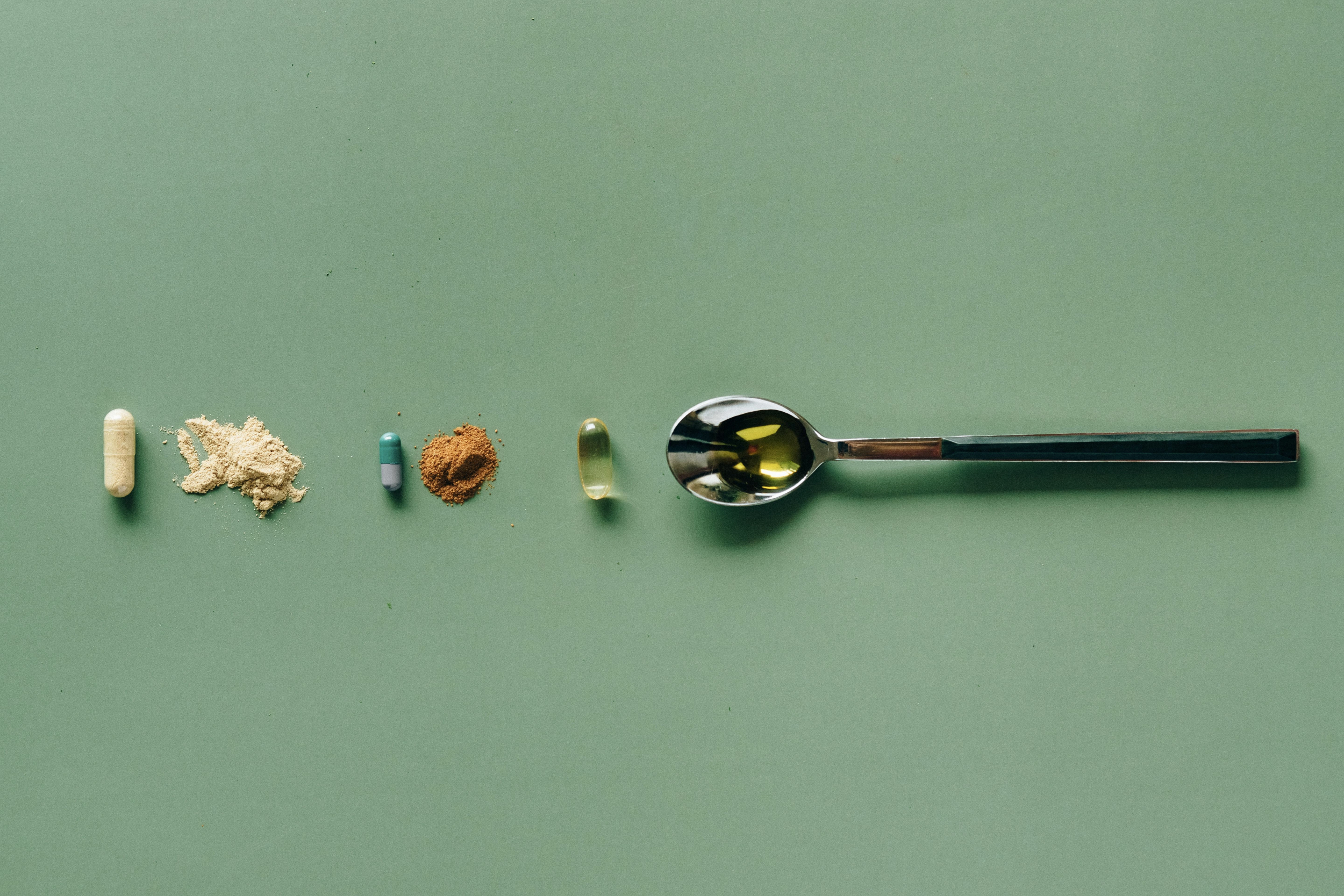
    Let’s face it, life in 2025 is busy, exhausting, and sometimes stressful. Nearly 40% of UK adults report feeling highly stressed, according to recent surveys, leaving many searching for ways to stay energised without endless coffee. A handful of trending daily supplements can help. From calming adaptogens to energy-boosting vitamins, here are ten options worth exploring.

    1. Ashwagandha: Calm Your Mind, Boost Your Energy

    Ashwagandha is a very popular adaptogenic herb that regulates cortisol, your body’s main stress hormone. Clinical trials show it can reduce cortisol by up to 28% over 60 days, improving sleep quality and daytime energy. Check it out at Medical News Today.

    2. Magnesium: The Muscle and Mind Ally

    Magnesium supports over 300 bodily processes, including nerve function and energy production. Around 75% of adults in the UK and US don’t get enough, which can leave you tired and irritable. Supplementation can ease muscle tension and promote a calmer state of mind.

    3. B-Complex Vitamins: Fuel for Mood and Vitality

    B12 and B6 are essential for energy metabolism and neurotransmitter production. Up to 15% of adults over 50 have low B12, which can make you feel foggy or stressed. A B-complex supplement supports energy, focus, and emotional resilience. Check availability at Vitaquest.

    4. Rhodiola Rosea: The Stress-Busting Superstar

    Rhodiola Rosea is an adaptogen that enhances focus and combats fatigue. Clinical trials report a 20–25% improvement in fatigue scores among stressed adults taking it regularly. Professionals often rely on Rhodiola during periods of high workload. Explore products at BBC Good Food.

    5. Vitamin D3 + K2: Shine Even in Winter

    Around 40% of the UK population is vitamin D deficient, especially in darker months. Pairing D3 with K2 improves calcium absorption, supports bone health, and helps maintain energy and mood when sunlight is scarce.

    6. L-Theanine: Chill Without Losing Focus

    L-Theanine, an amino acid in green tea, promotes relaxation without drowsiness. Studies suggest it can lower stress scores by up to 30% while improving attention and focus. Ideal for busy professionals or students.

    7. CoQ10: Power Your Cells

    Coenzyme Q10 fuels the mitochondria in your cells, your natural energy factories. Levels drop by around 50% by age 40, leaving many feeling sluggish. Supplementing can restore vitality and protect against oxidative stress.

    8. Ginseng: Energy with a Mental Edge

    Ginseng improves stamina and cognitive performance. Research shows it can boost energy by 12–15% for adults with mild fatigue.

    9. Omega-3 Fatty Acids: Brain Boosters

    Omega-3s from fish oil improve brain function and reduce inflammation. Daily intake of 1,000mg of EPA and DHA can improve mood in 60% of participants experiencing mild stress.

    10. Adaptogenic Blends: All-in-One Support

    Blends like Huel Daily Greens combine vitamins, minerals, and herbs for stress and energy support. Users report increased energy and improved focus within two weeks, making them ideal for a busy lifestyle.

    Take Charge of Your Stress and Energy

    Managing stress and energy in 2025 requires more than luck, it demands consistency. Incorporating these supplements into your daily routine, alongside good sleep and balanced meals, can enhance resilience, focus, and overall vitality. Always check with a healthcare professional before starting new supplements to ensure they fit your personal needs.

    Originally published on IBTimes UK

    Source link

  • 5 Simple Meditation Techniques for Reducing Stress and Anxiety

    5 Simple Meditation Techniques for Reducing Stress and Anxiety

    5 Simple Meditation Techniques for Reducing Stress and Anxiety

    Are you tired of feeling anxious and stressed out? Do you wish you could find a way to calm your mind and relax your body? Meditation may be just what you need. Meditation is a powerful tool that can help you reduce stress and anxiety by training your mind to focus, relax, and release tension. In this article, we’ll explore 5 simple meditation techniques for reducing stress and anxiety, so you can start feeling more calm and centered in no time.

    1. Body Scan Meditation

    One of the simplest and most effective meditation techniques is body scan meditation. To do this, find a quiet and comfortable place to sit or lie down, and close your eyes. Bring your attention to your toes, and start to focus on any sensations, feelings, or thoughts that arise. Slowly work your way up your body, pausing to notice any areas of tension or discomfort. As you reach each area, take a few deep breaths and imagine any tension or stress leaving your body. Continue this process until you reach the top of your head, taking a few final, deep breaths and opening your eyes when you’re ready.

    Benefits of Body Scan Meditation:

    • Reduces physical tension and discomfort
    • Helps to release stored emotions and memories
    • Increases relaxation and calmness
    • Improves sleep quality

    2. Mindful Breathing Meditation

    Mindful breathing meditation is another powerful technique for reducing stress and anxiety. To do this, find a quiet and comfortable place to sit, and close your eyes. Bring your attention to your breath, focusing on the sensation of the air moving in and out of your body. When your mind wanders, gently bring it back to your breath without judgment. Start with short periods, such as 5-10 minutes, and gradually increase the duration as you become more comfortable with the practice.

    Benefits of Mindful Breathing Meditation:

    • Reduces stress and anxiety
    • Lowers blood pressure
    • Improves sleep quality
    • Increases self-awareness

    3. Guided Imagery Meditation

    Guided imagery meditation involves using visualization techniques to create a mental scenario that promotes relaxation and calmness. To do this, find a quiet and comfortable place to sit or lie down, and close your eyes. Listen to a guided imagery recording or create your own scenario in your mind. Imagine yourself in a peaceful place, such as a beach or a forest, and engage all of your senses in the experience. Use all of your senses to create a vivid mental picture, and allow yourself to feel calm and relaxed.

    Benefits of Guided Imagery Meditation:

    • Reduces stress and anxiety
    • Improves mood
    • Increases creativity
    • Enhances problem-solving skills

    4. Loving-Kindness Meditation

    Loving-kindness meditation, also known as metta meditation, is a Buddhist practice that cultivates feelings of love and compassion towards oneself and others. To do this, find a quiet and comfortable place to sit, and close your eyes. Begin by directing loving-kindness towards yourself, repeating phrases such as "May I be happy, may I be healthy, may I be at peace." Gradually expand your circle of kindness to include others, including friends, family, and even those you may have difficulty with.

    Benefits of Loving-Kindness Meditation:

    • Increases feelings of love and compassion
    • Reduces stress and anxiety
    • Improves relationships
    • Enhances sense of well-being

    5. Walking Meditation

    Walking meditation is a simple yet powerful technique that combines physical movement with mindfulness. To do this, find a quiet and comfortable place to walk, such as a park or a peaceful path. Pay attention to the sensation of your feet touching the ground, the movement of your legs and arms, and the rhythm of your breath. Bring your attention back to the present moment whenever your mind wanders.

    Benefits of Walking Meditation:

    • Reduces stress and anxiety
    • Improves mood
    • Increases mindfulness
    • Enhances physical health

    Conclusion:

    Meditation is a powerful tool for reducing stress and anxiety, and these 5 simple techniques can help you get started. Whether you’re new to meditation or a seasoned practitioner, these techniques can help you cultivate relaxation, calmness, and inner peace. By incorporating meditation into your daily routine, you can experience a reduction in stress and anxiety, improved mood, and increased sense of well-being. So take a few minutes each day to sit, breathe, and relax – your mind and body will thank you.

    Frequently Asked Questions:

    Q: What is meditation?
    A: Meditation is a practice that involves training your mind to focus, relax, and release tension.

    Q: How do I get started with meditation?
    A: Start with short periods, such as 5-10 minutes, and gradually increase the duration as you become more comfortable with the practice.

    Q: What is the best way to meditate?
    A: There is no "right" or "wrong" way to meditate – choose a technique that resonates with you and make it a regular part of your routine.

    Q: Can meditation really reduce stress and anxiety?
    A: Yes, meditation has been shown to reduce stress and anxiety by training the mind to focus, relax, and release tension.

    Q: Can anyone meditate?
    A: Absolutely – anyone can meditate, regardless of age, ability, or experience.

    By incorporating these 5 simple meditation techniques into your daily routine, you can start to experience the benefits of reduced stress and anxiety, improved mood, and increased sense of well-being. So take a deep breath, find a quiet spot, and let the calmness begin.

  • Study Says Reducing Red Meat Could Lower Risk

    Study Says Reducing Red Meat Could Lower Risk

    Iron is beneficial for health, but the source of iron can affect your diabetes risk, according to a study. Researchers found that heme iron, which is present in red meat and other animal products, could increase the risk of type 2 diabetes. In contrast, non-heme iron in plant-based food does not pose a similar risk.

    The latest study conducted by researchers at Harvard T.H. Chan School of Public Health adds more evidence to previous studies that have identified diabetes risks associated with red meat.

    The research evaluated 206,615 adults enrolled in the Nurses’ Health Studies I and II and the Health Professionals Follow-up Study for their dietary details over 36 years. The iron intake of the participants including the total, heme, non-heme, dietary, and supplemental was noted along with their type 2 diabetes status. The results were published in Nature Metabolism.

    “The study found a significant association between higher heme iron intake and T2D risk. Participants in the highest intake group had a 26% higher risk of developing T2D than those in the lowest intake group,” the news release stated.

    The results also showed that heme iron accounted for more than half of the type 2 diabetes risk associated with unprocessed red meat and also contributed moderately to the risk from various dietary patterns related to type 2 diabetes. However, there was no significant association between intakes of non-heme iron from diet or supplements with diabetes risk.

    “Compared to prior studies that relied solely on epidemiological data, we integrated multiple layers of information, including epidemiological data, conventional metabolic biomarkers, and cutting-edge metabolomics. This allowed us to achieve a more comprehensive understanding of the association between iron intake and T2D risk, as well as potential metabolic pathways underlying this association,” said lead author Fenglei Wang, research associate in the Department of Nutrition.

    The researchers also raised concern about the addition of heme to plant-based meat alternatives to enhance their meaty flavor and appearance. As these alternatives gain popularity, they suggest that further investigation into the health effects is needed.

    “This study underscores the importance of healthy dietary choices in diabetes prevention. Reducing heme iron intake, particularly from red meat, and adopting a more plant-based diet can be effective strategies in lowering diabetes risk,” said corresponding author Frank Hu, Fredrick J., Stare Professor of Nutrition and Epidemiology.

    Source link