Tag: Protein

  • Does Less Protein Increase FGF21 for Longevity?

    Does Less Protein Increase FGF21 for Longevity?

    Fasting and exercise can boost the longevity hormone FGF21, but what can we eat—or avoid eating—to get similar effects?

    Over a century ago, fasting was hailed not only as a means of combating “cerebral lassitude,” but also for the “prolongation of healthy longevity.” If that turns out to be true, FGF21 might be a missing link. FGF21 is characterized as a “systemic enhancer of longevity.” It can be boosted through prolonged fasting, but thankfully, there are other, less drastic measures, such as more carbs or less protein.

    Give people lots of starchy foods, and their FGF21 levels shoot up. The healthiest sources would likely be whole grains and beans, since butyrate appears to boost FGF21, too, and we get that from fiber. That’s one of the things our good gut bugs make from fiber-rich foods.

    Circulating FGF21 levels also increase dramatically after eating a lower-protein diet—more than a 150% increase within four weeks. By the way, “lower protein” simply means reducing intake from the typical excess consumed by most Americans down to the recommended amount.

    The recommended daily allowance of protein for most men is 56 grams of protein a day, though most American men are getting more than 100 grams. When researchers studied men who had been getting the typical excess of about 112 grams a day and reduced them down to 64, which is still more than the recommended 56 grams, so the protein “restricted” group was still getting more than enough protein—they found that FGF21 levels in the blood essentially doubled. That may help explain why they lost more body fat, despite getting significantly more calories. How can you eat 300 more calories a day and still lose two more pounds of straight body fat? By just bringing your protein levels down to normal levels. Who hasn’t fantasized about a diet that allows eating excess calories that are effortlessly burned off by ramping up fat-burning? So, maybe we should “play down protein to play up metabolism,” thanks to FGF21.

    Even just a modest protein restriction regimen down to recommended levels might have significant clinical benefits. Now, this was after a month and a half. A similar study found that even less protein restriction, taking men down to just 73 grams a day, resulted in a sixfold increase in FGF21 within a single week, accompanied by a significant increase in insulin sensitivity, as you can see below and at 2:46 in my video How to Boost FGF21 with Diet for Longevity.Researchers concluded that dietary protein dilution promotes our metabolic health.

    Evidence suggesting that lower protein intake has positive associations with better health, survival, and insulin sensitivity has continued to grow, but we weren’t sure exactly how. Maybe FGF21 provides an explanation. Interestingly, the studies were feeding people 9 percent of calories from protein, which is about what the Okinawans were getting when they were one of the healthiest, longest-living populations in the world.

    I’ve talked previously about methionine restriction to fight cancer and as a life-extension strategy. Methionine is an amino acid found predominantly in animal proteins, so one could achieve methionine restriction by cutting back on animal foods. That may actually be an FGF21 effect. Methionine restriction boosts levels, so much so that it’s been called “the most important mediator of metabolic reprogramming in methionine restriction.” Some proteins may be more important to restrict than others. The highest methionine levels are in meat. Legumes (beans, split peas, chickpeas, and lentils) have about three times less methionine than meat, as you can see below and at 3:55 in my video.FGF21 has been proposed as a potential mediator of the protection from cancer, autoimmune diseases, diabetes, and obesity, afforded by strictly plant-based diets. Maybe that’s one of the reasons whole food, plant-based diets have been shown to have such extraordinary results. Take Dr. Esselstyn’s work, for example, showing that coronary disease—the number one killer of men and women—can be largely halted or reversed, and the risk of heart attack almost eliminated, with the help of a whole food, low-fat vegan diet. This benefit can’t be attributed solely to cholesterol reduction, as we have powerful cholesterol-lowering drugs now that can force cholesterol levels as low as those of healthy eaters but appear to have less effect. So, the marked benefits Esselstyn reported seem to reflect a variety of protective mechanisms associated with whole food, plant-based diets, and FGF21 may be one of those mechanisms. So, it’s not just the fat and cholesterol—the quantity and quality of protein may also be playing a role. But there’s never been a study to see whether vegans do indeed have higher levels of FGF21…until now.

    In addition to studying New Zealand obese mice, researchers investigated the circulating FGF21 levels among those eating plant-based diets, and then put it to the test by removing meat from other people’s diets to see if FGF21 levels would go up. They found that FGF21 levels were markedly higher in vegan people compared to omnivores, and the levels went up when the omnivores were switched to vegetarian diets after just four days. And not just by a small amount—FGF21 levels increased by 232% after just four meat-free days.

    The bottom line is that “the various fasting approaches are likely to have limited efficacy, particularly on aging and conditions other than obesity, unless combined with high-nourishment diets such as the moderate calorie intake and mostly plant-based Mediterranean or Okinawa low-protein diets,” by which they mean the recommended amount of protein.

    Doctor’s Note

    I introduced FGF21 in the first video. If you missed it, check out Life Extension with FGF21.

    The methionine videos I mentioned are Methionine Restriction as a Life-Extension Strategy and Starving Cancer with Methionine Restriction.


    Source link

  • Can Too Much Protein Harm Your Kidneys? What Science Really Says About Kidney Health

    Can Too Much Protein Harm Your Kidneys? What Science Really Says About Kidney Health

    The idea that a high protein diet could damage kidney health has been debated for years. From bodybuilding plans to low-carb eating patterns, higher protein intake is often promoted for muscle growth, weight control, and satiety—yet concerns about long-term safety remain.

    Many people worry that excess protein overloads the kidneys and increases protein diet risks, especially for those with diabetes or high blood pressure. The reality is more complex. For healthy adults, evidence does not clearly show that high protein causes kidney disease, but for people with existing kidney problems, very high intake may pose real risks.

    What a High Protein Diet Means for Kidney Health

    When discussing a high protein diet, researchers typically define it as intake above 1.0-1.2 grams per kilogram of body weight per day, with levels exceeding 1.6-2.0 g/kg/day considered very high when maintained long term. For a 70 kg adult, this could mean consistently eating more than 110–140 grams of protein daily. According to the National Kidney Foundation, healthy kidneys are designed to filter waste products from normal protein metabolism, and most people with normal kidney function can handle typical dietary protein without difficulty. The organization emphasizes that protein restriction is mainly recommended for individuals with diagnosed kidney disease rather than the general population .

    Protein metabolism produces nitrogen-containing waste such as urea, which the kidneys remove from the bloodstream. In healthy individuals, higher protein intake can temporarily increase filtration rate, a process known as adaptive hyperfiltration, which is not the same as structural kidney damage. While this adaptation has raised questions about potential long-term effects in certain groups, context matters. The overall impact on kidney health depends on total intake, diet quality, and whether kidney function is already impaired.

    High Protein Diet and Healthy Kidneys: What Research Shows

    When evaluating protein diet risks in people with normal kidney function, large reviews have generally found little evidence of harm. A widely cited meta-analysis available through the National Institutes of Health reviewed multiple controlled trials and found that higher protein intake increased glomerular filtration rate (GFR) but did not show progressive kidney damage in healthy adults. Based on a study conducted by researchers analyzing randomized trials, the rise in GFR appears to reflect physiological adaptation rather than injury in individuals without underlying kidney disease.

    At the same time, researchers caution that hyperfiltration could potentially contribute to stress if combined with other risk factors such as uncontrolled hypertension, obesity, or type 2 diabetes. Long-term data spanning several decades remain limited, making absolute certainty difficult. Current evidence suggests that a moderately high protein intake is unlikely to trigger chronic kidney disease in healthy adults, though protein source may matter, with plant-based options often linked to more favorable metabolic and cardiovascular outcomes that indirectly support kidney health.

    Protein Diet Risks in Chronic Kidney Disease

    The picture changes for individuals with chronic kidney disease (CKD), where filtration capacity is already reduced. In this setting, excess dietary protein can increase the workload on compromised filtration units and contribute to higher levels of waste products in the blood. According to the National Institute of Diabetes and Digestive and Kidney Diseases, people with CKD are often advised to moderate protein intake to help slow disease progression, as excess protein may increase waste buildup when kidney function is impaired.

    Clinical guidance commonly suggests protein intake in the range of 0.6–0.8 g/kg/day for many non-dialysis CKD patients, although needs vary by disease stage and individual health status. Based on studies conducted in CKD populations, moderate protein restriction has been associated with slower decline in estimated glomerular filtration rate (eGFR) in some individuals. Animal-based proteins may exert greater intraglomerular pressure and dietary acid load compared with plant proteins, potentially accelerating decline in vulnerable patients, which makes individualized medical guidance essential when managing protein diet risks in CKD.

    How to Balance a High Protein Diet for Better Kidney Health

    For healthy adults pursuing fitness or weight goals, a high protein diet in the range of 1.2–1.6 g/kg/day is generally considered safe. Going far beyond that—especially without medical supervision—offers limited additional benefit and may not be necessary. To support kidney health while maintaining adequate protein intake:

    • Focus on balanced distribution of protein across meals rather than consuming very large single servings.
    • Combine plant proteins such as beans, lentils, tofu, and nuts with lean animal sources.
    • Limit processed meats, which are associated with broader cardiometabolic risks.
    • Monitor blood pressure, blood glucose, and body weight, as these are stronger drivers of kidney damage than protein alone.

    If you have diabetes, high blood pressure, or a family history of kidney disease, periodic screening of kidney function—such as serum creatinine and urine albumin tests—can help detect issues early. Protein is an essential macronutrient. The goal is not elimination but alignment with personal health status and long-term sustainability.

    Protecting Kidney Health While Meeting Your Protein Needs

    A high protein diet does not automatically equal kidney damage. For people with healthy kidneys, current evidence shows little proof that moderate to moderately high intake alone causes chronic kidney disease. The body is equipped to adapt to higher protein loads when kidney function is normal.

    That said, protein diet risks increase in those with existing kidney impairment or major risk factors. In these cases, moderation and professional guidance matter. Rather than fearing protein, focus on total diet quality, blood pressure control, and metabolic health. With thoughtful planning, it is possible to meet protein needs while protecting long-term kidney health.

    Frequently Asked Questions

    1. Can a high protein diet cause kidney disease in healthy people?

    Current research does not show strong evidence that a high protein diet causes kidney disease in people with normal kidney function. Healthy kidneys can adapt to increased protein intake by temporarily increasing filtration. This adaptation does not automatically mean damage. Long-term extreme intake may not be necessary, but moderate increases appear safe for most healthy adults.

    2. How much protein is too much for kidney health?

    For healthy adults, intake above 2.0 g/kg/day for prolonged periods may be considered very high. Most benefits for muscle and weight management occur at lower levels, around 1.2–1.6 g/kg/day. Consuming significantly more does not clearly provide extra advantage. People with kidney disease should follow individualized targets from a healthcare provider.

    3. Is animal protein worse for kidneys than plant protein?

    Animal protein can increase acid load and intraglomerular pressure more than plant protein. Some studies suggest plant-based diets are associated with better kidney outcomes. However, total diet pattern and overall health matter more than a single source. A mixed approach emphasizing plants may support both kidney and heart health.

    4. Should people with chronic kidney disease avoid protein completely?

    People with CKD should not eliminate protein entirely. Protein is essential for maintaining muscle and immune function. Instead, they are usually advised to consume moderate, carefully planned amounts. A renal dietitian can tailor intake based on disease stage and overall health needs.


    Source link

  • Applications of Cathepsin B Protein (CTSB) in Enzymology Studies

    Applications of Cathepsin B Protein (CTSB) in Enzymology Studies

    Cathepsin B Protein (CTSB) is a cysteine protease enzyme that plays an important role in breaking down proteins inside cells. It is a part of the papain-like protease family, which includes enzymes with similar structure and functions.

    Cathepsin B is mainly used in enzymology research because of its dual proteolytic activity (breaking down proteins into smaller pieces) and well-characterized structure. Researchers used this enzyme to study how proteases work, how they interact with substrates, and how their activity is controlled.

    This post shows how Cathepsin B Protein (CTSB) is used in enzymology studies.

    Structure of Cathepsin B in Enzyme Studies

    Cathepsin B protein (CTSB) has a well-defined three-dimensional structure that supports its catalytic function. It has a folded protein shape that brings amino acids together to form an active site. The active site contains catalytic residues (cysteine, histidine, and asparagine), which work together to break peptide bonds in the protein substrates.

    One main feature of Cathepsin B is the “occluding loop,” which differentiates it from other proteases. By controlling access to the active site, this loop controls substrate specificity and reaction behavior.

    Structural analysis of Cathepsin B provides important insight into enzyme-substrate interactions and helps researchers better understand protease activity and kinetics studies.

    What Is the Catalytic Mechanism of Cathepsin B

    Cathepsin B breaks down proteins by dividing peptide bonds through a cysteine-based active site. The catalytic process involves the accurate positioning of the substrate and activation of the cysteine residue, which enables the bond cleavage.

    Cathepsin B differs from other proteases because it can act both as an endopeptidase (cutting internal peptide bonds) and as an exopeptidase (removing terminal amino acids). This helps researchers to understand different proteolytic patterns (protein cutting fingerprints) using a single enzyme.

    The enzyme is active in acidic conditions, which shows its natural environment inside lysosomes. This property makes Cathepsin B useful for studying pH-regulated enzyme activity. This enzyme is commonly used in kinetic studies to measure reaction speed, catalytic efficiency.

    Use of CTSB in Protease Assay Development

    Enzyme Activity Measurement:

    It is mostly used in protease activity assays. Researchers use CTBS to study how proteases cut peptide bonds under controlled conditions.

    Substrate-Based Detection Method:

    CTBS is commonly tested using fluorogenic and chromogenic substrates, which help measure enzyme action through visible signals.

    Regulatory Studies:

    CTBS helps assess how different molecules enhance enzyme activity. Researchers use these assays to study protease-inhibitor interactions. This helps understand enzyme regulation at a molecular level.

    Assay Validation Tool:

    Researchers use Cathepsin B to check if an assay gives consistent results.

    Comparative Enzymology Studies:

    This assay helps researchers compare protease performance in different experiments, which include buffer systems, pH levels, or expression platforms.

    Role of Recombinant Cathepsin B in Enzymatic Research

    • Recombinant Cathepsin B is produced under controlled laboratory conditions and is widely used in enzymology.
    • It provides a high level of purity that is required for accurate kinetic measurements.
    • This enzyme is mainly used in test-tube experiments to measure activity and performance.
    • These controlled conditions help understand the functional properties of the enzyme.

    Role of Cathepsin B in Protease Regulation Studies

    CTBS helps researchers to understand how protease enzymes are controlled inside the cells. Researchers use it to check how enzyme activity is influenced by chemical inhibitors, activators, and environmental factors.

    This enzyme is made in an active form and then activated through processing. This makes it suitable to study the enzyme maturation process and how lysosomal enzymes are controlled to maintain a balanced proteolytic activity.

    Final Thought

    Cathepsin B protein (CTSB) is an important enzyme that helps researchers understand how proteases function at a molecular level. Its catalytic properties allow researchers to study protease activity in a controlled environment. This makes CTBS a useful enzyme for research and protein processing.

    Source link

  • Progress on added sugar, protein hype, saturated fat contradictions • The Nutrition Source

    Progress on added sugar, protein hype, saturated fat contradictions • The Nutrition Source

    The 2025–2030 Dietary Guidelines for Americans (DGAs) were released this week with the tagline “eat real food,” and a stronger stance on limiting added sugars and highly processed foods. 

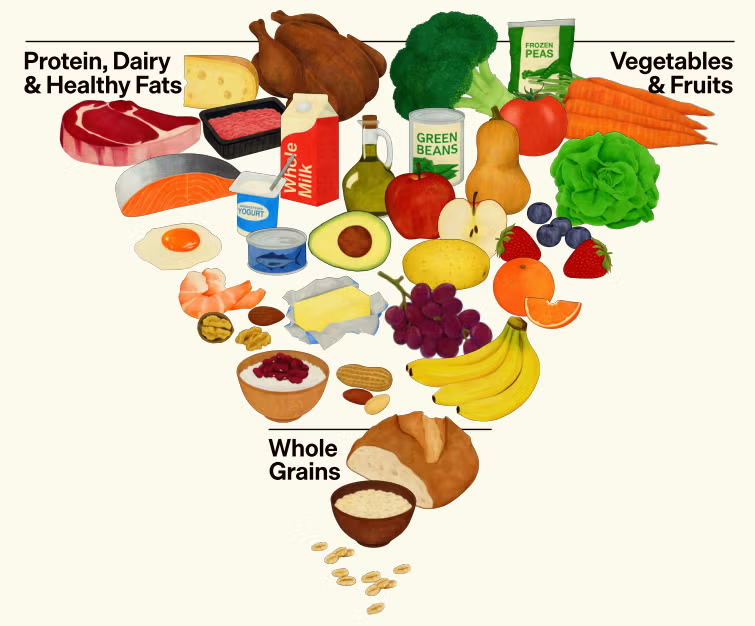
    Dietary Guidelines for Americans 2025-2030 New Food Pyramid

    But it also brought the return of a pyramid-like graphic—this time flipped on its head, emphasizing foods like steak, full-fat milk, and butter. The visual prominence of such options might have you thinking saturated fat limits were tossed out with the MyPlate graphic, but the actual Guidelines retain the longstanding upper limit of 10% of total daily calories. 

    “I think the new Guidelines move in the right direction by reinforcing the importance of reducing added sugars and cutting back on refined grains and other highly processed foods,” said Frank Hu, professor of nutrition and epidemiology and chair of the Department of Nutrition at the Harvard T.H. Chan School of Public Health. “However, there appear to be several contradictions within the DGAs and between the DGAs and the new pyramid. The mixed messages surrounding saturated-fat-rich foods such as red meat, butter, and beef tallow may lead to confusion and potentially higher intake of saturated fat and increased LDL cholesterol and cardiovascular risk.” 

    While the other largest section of the pyramid is sensibly composed of vegetables and fruits, Dr. Hu did flag the relatively smaller depiction of whole grains in the pyramid despite the Guidelines’ recommendation of 2-4 servings per day.  

    These details matter, as images and taglines may be more memorable than the nuanced details and underlying text. It’s one of the reasons why we created our Healthy Eating Plate (and the Healthy Eating Pyramid before that).  

    Below we unpack some key changes in this newest edition of the DGAs, considering both its written guidance and the “New Food Pyramid.”  

    Calling out “highly processed” foods 

    While previous DGAs have emphasized whole foods while minimizing added sugar and sodium, this edition is the first to call out a broader category of “highly processed foods.” Although this terminology is somewhat vague on the surface (food processing is a spectrum after all), the text recommends avoiding sugar-sweetened beverages as well as salty or sweet packaged snacks and ready-to-eat foods (even the illustrated yogurt container in the pyramid specifies “unsweetened”). The guidance on grains prioritizes whole, fiber-rich options while calling for a significant reduction in highly processed, refined carbohydrates, such as white bread. 

    Further reductions on added sugar 

    The new DGAs take an overall strict position on sweets, noting that “no amount of added sugars or non-nutritive sweeteners is recommended or considered part of a healthy or nutritious diet.” In practice, it recommends no one meal should contain more than 10 grams of added sugars (although meals aren’t generally how people track added sugar in their diet). This is reduction from the previous DGAs’ limit of 10% of daily calories (e.g., 50 grams of added sugar each day in a 2,000-calorie diet). It also now calls for children to avoid added sugars until age 10—a jump from age 2. The DGAs are clear on avoiding added sugar, but far less clear on how these recommendations can be implemented in everyday life. 

    Contradictory guidance on healthy fats

    When it comes to dietary fat and long-term health outcomes, what’s most important is the type of fat you eat—reducing saturated fat and replacing it with sources of unsaturated fat. As mentioned, the DGAs maintained existing consensus that saturated fat consumption should not exceed 10% of total daily calories.  

    What’s confusing is that the “healthy fat” guidance groups animal-based foods higher in saturated fat—such as meats and full-fat dairy—with plant-based foods lower in saturated fat. There is no mention as to which of these foods should be chosen more or less often to help stay within the upper limit. And on the pyramid, steak, cheese, whole milk, and butter seem to play a prominent role.  

    Saturated fat math

    What does this guidance look like in daily practice? Let’s take a 2,000-calorie diet where the 10% limit equates to roughly 22 grams of saturated fat. In the DGAs’ guidance on daily servings by calorie level, 3 servings of dairy are recommended daily. If full fat versions are selected for the examples given [one 8-oz cup of whole milk (5 grams saturated fat); ¾ cup of full-fat Greek yogurt (6 grams); 1 ounce of cheddar cheese (6 grams)], you are already at 17 grams of saturated fat. If you were to add a single tablespoon of butter (7 grams) or beef tallow (6 grams)—both suggested cooking fat options—you’re over the limit. And this isn’t even considering other foods consumed throughout the day, including some of the recommended protein options (more on that below).

    While olive oil is visualized in the pyramid and suggested as a healthy fat, it is referenced as an option with “essential fatty acids.” While olive oil is a healthy choice lower in saturated fat (2 grams per tablespoon), Dr. Hu explains how there are better sources when consuming essential fatty acids is the goal:  

    “Olive oil contains mostly oleic acid, but relatively small amounts of essential fatty acids such as alpha-linolenic acid and linoleic acid compared with other oils that are rich sources of these fatty acids, such as soybean oil and canola oil. Importantly, all these plant oils have been shown to lower LDL cholesterol and cardiovascular risk compared with animal fats such as butter or tropical fats such as coconut oil and palm oil.” 

    Hype around protein quantity 

    The new DGAs suggest that adults consume 1.2 to 1.6 grams of protein per kilogram of body weight per day, 50-100% more than what was previously recommended for minimum intake. Certainly, protein needs are highly variable—and wider ranges have been set by groups like the National Academy of Medicines—but these needs are best determined by a healthcare provider or a registered dietitian, as consuming excess protein can still be converted to fat in the body and lead to weight gain. What’s also missing from the Guidelines is clarity on the quality of different protein foods, especially when many in the U.S. are consuming more than enough protein

    “Substantially raising overall protein intake without distinguishing between different protein sources may have unintended long-term health implications,” says Dr. Hu. “Evidence continues to suggest that plant-based proteins and fish are associated with more favorable health outcomes than diets high in red meat.” 

    When we eat foods for protein, we also eat everything that comes alongside it: the different fats, fiber, sodium, and more. It’s this protein “package” that’s likely to make a difference for health. While the Guidelines recommend a “variety of protein foods” from both animal and plant sources, there’s no clear messaging about which options should be chosen more regularly. Given the DGAs’ stated saturated fat limits, this is an important consideration depending on what other foods are consumed throughout the day. For example: 

    • A 4-ounce broiled sirloin steak is a significant source of protein—about 33 grams worth. But it also delivers about 5 grams of saturated fat. 
    • A cup of cooked lentils provides about 18 grams of protein and 15 grams of fiber, and it has virtually no saturated fat.  

    “Less” Alcohol

    On alcohol, the DGAs offer a vague message to “consume less alcohol for better health,” Without concrete limits, it’s hard for people to know what “less” actually means.

    Still no consideration of environmental impacts 

    Another concern is that the DGAs do not consider the environmental and socioeconomic impact of dietary recommendations. This omission is problematic because food choices significantly affect the environment, and in turn are strongly shaped by socioeconomic and cultural factors

    Bottom line 

    Despite stronger positions on added sugars and highly processed foods, and technical alignment with the scientific consensus on saturated fat limits, certain aspects of the 2025 Guidelines send mixed signals. The New Food Pyramid graphic itself is particularly puzzling, given the visual emphasis on animal products high in saturated fat. Although DGAs are typically launched as policy documents, this edition appears more consumer-friendly, given its shorter length, associated graphics, and interactive website. Historically, research finds that Americans do not follow the dietary guidelines, so it remains to be seen if this edition will be any different. However, if you find yourself confused by some of the conflicting messaging, we recommend checking out the Healthy Eating Plate, or consulting a registered dietitian for more personalized guidance.  

    Related: A different road to this year’s DGAs

    Every five years, the DGAs are updated by the U.S. Departments of Agriculture (USDA) and Health and Human Services (HHS) for use by federal nutrition program operators, policy makers, and healthcare providers. But first, the Dietary Guidelines Advisory Committee—an independent group of nutrition science experts—summarizes the current state of nutrition science without influence from government or food industry. Members are vetted through extensive background checks, undergo ethics training, and scientific committee meetings are livestreamed. The public is also given opportunities to submit comments. After two years of evidence review and synthesis, the Committee released their Scientific Report to USDA and HHS.  

    But this time around, the Committee’s report was ultimately rejected by the current administration. Instead, a supplemental scientific analysis was conducted by a group of individuals selected through a “federal contracting process.” Although the supplemental document notes that “evidence was evaluated based solely on scientific rigor” and underwent “internal quality checks” with external peer review, some have raised concern over the lack of transparency in their process. In an Q&A with Harvard Chan News, Deirdre Tobias, assistant professor in the Department of Nutrition who served on the 2025-2030 Dietary Guidelines Advisory Committee, noted: 

    “As of today, there has not been transparency in who wrote the new DGAs. Although there are documents included in the appendices by named scientists, there is no transparency in the methodology and rigor that was employed, or why certain topics were selected to be relitigated. The reviews themselves, as well as their overall presentation and integration, deviate significantly from the rigorous process that the HHS developed for the DGAs to ensure the evidence base and its committees’ conclusions were replicable, unbiased, transparent, and free from non-scientific influences.” 

    Others have also flagged reviewers’ financial ties to the beef and dairy industries (which is disclosed in the supplemental analysis), given the prime placement of meat and dairy products in the DGAs.

    Source link

  • Boost Your Protein Intake: A Comprehensive Guide to High-Protein Vegetarian Foods (Target keywords: high-protein vegetarian foods, protein intake)

    Boost Your Protein Intake: A Comprehensive Guide to High-Protein Vegetarian Foods (Target keywords: high-protein vegetarian foods, protein intake)

    As people become more health-conscious, they are constantly looking for ways to improve their diet and increase their nutrient intake. One essential nutrient that is often overlooked is protein. Protein is a vital component of a healthy diet, and it is especially important for vegetarians who may struggle to get enough protein from plant-based sources. Fortunately, there are many high-protein vegetarian foods that can help boost protein intake and support overall health.

    Understanding the Importance of Protein Intake

    Protein is a macronutrient that plays a crucial role in building and repairing tissues in the body. It is made up of amino acids, which are the building blocks of protein. There are 20 different amino acids that the body uses to build protein, and nine of these are essential, meaning that they must be obtained through the diet. Protein is essential for building and repairing muscles, bones, skin, and hair, as well as producing enzymes, hormones, and other biomolecules. Without enough protein, the body may start to break down muscle tissue to use for energy, leading to a range of health problems.

    High-Protein Vegetarian Foods: A Comprehensive Guide

    Fortunately, there are many high-protein vegetarian foods that can help boost protein intake. These foods include legumes, nuts, seeds, whole grains, and soy products. Legumes, such as beans, lentils, and peas, are some of the richest sources of protein in the plant-based diet. They are also rich in fiber, vitamins, and minerals, making them a nutritious and filling addition to meals. Nuts and seeds, such as almonds, chia seeds, and hemp seeds, are also high in protein and healthy fats, making them a great snack or addition to meals.

    Whole grains, such as quinoa, brown rice, and whole wheat, are also good sources of protein, as well as fiber, vitamins, and minerals. Soy products, such as tofu, tempeh, and edamame, are some of the highest protein-containing foods in the plant-based diet. They are also rich in isoflavones, which have been shown to have numerous health benefits, including reducing the risk of heart disease and certain types of cancer.

    Incorporating High-Protein Vegetarian Foods into Your Diet

    Incorporating high-protein vegetarian foods into your diet can be easy and delicious. Here are some tips to get you started:

    • Start your day with a high-protein breakfast, such as oatmeal with nuts and seeds, or a tofu scramble with whole grain toast.
    • Add legumes to your meals, such as lentil soup, chickpea salad, or black bean tacos.
    • Snack on nuts and seeds, such as almonds and pumpkin seeds, or try a protein smoothie made with soy milk and spinach.
    • Try new whole grains, such as quinoa or farro, and add them to your favorite recipes.
    • Experiment with soy products, such as tofu stir-fries or tempeh salads.

    Benefits of High-Protein Vegetarian Foods

    In addition to providing essential protein, high-protein vegetarian foods have numerous health benefits. They are rich in fiber, vitamins, and minerals, and are often lower in saturated fat and higher in healthy fats than animal-based protein sources. A diet rich in high-protein vegetarian foods has been shown to reduce the risk of heart disease, type 2 diabetes, and certain types of cancer. High-protein vegetarian foods are also often lower in calories and higher in fiber, making them a great choice for weight management.

    Common Myths About High-Protein Vegetarian Foods

    There are many common myths about high-protein vegetarian foods that can make it difficult for people to get enough protein in their diet. One of the most common myths is that it is difficult to get enough protein from plant-based sources. However, as we have seen, there are many high-protein vegetarian foods that can provide all the protein the body needs. Another myth is that plant-based protein sources are incomplete, meaning that they do not provide all the essential amino acids. However, this is not true, and many plant-based protein sources, such as legumes and whole grains, provide all the essential amino acids.

    Conclusion

    In conclusion, high-protein vegetarian foods are a nutritious and delicious way to boost protein intake and support overall health. With so many options to choose from, it is easy to incorporate high-protein vegetarian foods into your diet. Whether you are a vegetarian or just looking to reduce your meat intake, high-protein vegetarian foods are a great choice. By understanding the importance of protein intake and incorporating high-protein vegetarian foods into your diet, you can support your overall health and well-being.

    Frequently Asked Questions

    Q: How much protein do I need in my diet?
    A: The amount of protein you need in your diet depends on your age, sex, weight, and activity level. Generally, the recommended daily intake of protein is 0.8 grams per kilogram of body weight.

    Q: Are plant-based protein sources complete?
    A: Yes, many plant-based protein sources, such as legumes and whole grains, provide all the essential amino acids.

    Q: Can I get enough protein from vegetarian sources?
    A: Yes, it is easy to get enough protein from vegetarian sources, such as legumes, nuts, seeds, whole grains, and soy products.

    Q: Are high-protein vegetarian foods expensive?
    A: No, many high-protein vegetarian foods, such as beans and lentils, are affordable and can be purchased in bulk.

    Q: Can I use protein powder as a supplement?
    A: Yes, protein powder can be a convenient way to boost protein intake, but it is always best to get protein from whole foods whenever possible.

    boost-your-protein-intake-a-comprehensive-guide-to-high-protein-vegetarian-foods-target-keywords-high-protein-vegetarian-foods-protein-intake

  • Protein Powder 101: A Beginner’s Guide to Choosing the Best Supplement for Your Fitness Goals

    Protein Powder 101: A Beginner’s Guide to Choosing the Best Supplement for Your Fitness Goals

    She knows that getting started with a fitness routine can be overwhelming, especially when it comes to navigating the world of supplements. With so many options available, it’s easy to feel lost and unsure of where to begin. But when it comes to protein powder, she’s in luck. This comprehensive guide will walk her through everything she needs to know to choose the best protein powder supplement for her fitness goals.

    Understanding the Importance of Protein
    Protein is an essential nutrient that plays a critical role in building and repairing muscles. When she’s working out regularly, her muscles are constantly being broken down and rebuilt, and protein is necessary to support this process. Without enough protein, she may find that she’s not seeing the results she wants from her workouts, or that she’s feeling fatigued and sore. By incorporating a high-quality protein powder into her routine, she can ensure that she’s giving her muscles the nutrients they need to grow and recover.

    Types of Protein Powder
    There are several types of protein powder available, each with its own unique benefits and drawbacks. Some of the most popular types of protein powder include whey protein, casein protein, pea protein, and plant-based protein blends. Whey protein is one of the most popular and fast-digesting proteins, making it ideal for post-workout recovery. Casein protein, on the other hand, is slower-digesting and can help to promote muscle growth and recovery during sleep. Pea protein is a great option for those with dietary restrictions, as it’s hypoallergenic and easily digestible. Plant-based protein blends often combine multiple sources of protein, such as pea, rice, and hemp, to provide a complete amino acid profile.

    Choosing the Best Protein Powder for Her Fitness Goals
    When it comes to choosing the best protein powder, she needs to consider her specific fitness goals. Is she looking to build muscle, lose weight, or simply support overall health and wellness? Different types of protein powder are better suited to different goals, so it’s essential to do her research and choose a protein that aligns with her objectives. For example, if she’s trying to build muscle, she may want to opt for a whey protein or casein protein supplement. If she’s looking to lose weight, a plant-based protein blend or pea protein may be a better option.

    Factors to Consider When Selecting a Protein Powder
    In addition to considering her fitness goals, there are several other factors she should take into account when selecting a protein powder. These include the protein source, protein concentration, additives and fillers, flavor and texture, and brand reputation. She wants to choose a protein powder that is made from a high-quality source, such as grass-fed cows or non-GMO plants. She should also look for a protein powder that has a high protein concentration, typically around 20-25 grams per serving. Additionally, she should be wary of additives and fillers, such as artificial sweeteners and flavors, and opt for a protein powder that has a simple and natural ingredient list.

    How to Use Protein Powder
    Once she’s chosen a protein powder, she needs to know how to use it effectively. The timing and dosage of protein powder can vary depending on her fitness goals and schedule. Generally, it’s recommended to consume protein powder within 30-60 minutes after a workout, when her muscles are most receptive to nutrient uptake. She can also consume protein powder as a snack or meal replacement, or before bedtime to support muscle recovery during sleep. The recommended dosage of protein powder can vary, but a typical serving size is around 20-30 grams.

    Benefits of Protein Powder
    Incorporating a high-quality protein powder into her fitness routine can have numerous benefits. Some of the most significant advantages of protein powder include increased muscle growth and recovery, improved weight management, enhanced athletic performance, and support for overall health and wellness. By providing her muscles with the necessary nutrients, protein powder can help her to build lean muscle mass, recover faster from workouts, and support her overall fitness goals.

    Common Mistakes to Avoid
    While protein powder can be a valuable addition to her fitness routine, there are several common mistakes to avoid. These include over-relying on protein powder, using low-quality protein powder, not considering her dietary needs, and not staying hydrated. She should remember that protein powder is a supplement, not a replacement for whole foods. She should also choose a high-quality protein powder that meets her dietary needs and preferences, and stay hydrated by drinking plenty of water throughout the day.

    Conclusion
    Choosing the best protein powder can seem overwhelming, but by considering her fitness goals, researching different types of protein powder, and taking into account factors such as protein source and concentration, she can make an informed decision. With the right protein powder, she can support her muscle growth and recovery, manage her weight, and enhance her athletic performance. By avoiding common mistakes and using protein powder effectively, she can unlock the full potential of her fitness routine and achieve her goals.

    Frequently Asked Questions

    • What is the best type of protein powder for building muscle?
      The best type of protein powder for building muscle is typically whey protein or casein protein, as they provide a complete amino acid profile and are quickly absorbed by the body.
    • Can I use protein powder if I’m lactose intolerant?
      Yes, there are many lactose-free protein powder options available, such as pea protein, rice protein, and plant-based protein blends.
    • How much protein powder should I take per day?
      The recommended dosage of protein powder can vary, but a typical serving size is around 20-30 grams. She should consult with a healthcare professional or registered dietitian to determine the best dosage for her specific needs.
    • Can I use protein powder as a meal replacement?
      While protein powder can be used as a snack or meal replacement, it’s generally recommended to consume whole foods as much as possible. Protein powder should be used to supplement her diet, not replace whole foods.
    • Is protein powder safe for everyone?
      While protein powder is generally considered safe, she should consult with a healthcare professional before starting any new supplement, especially if she has any underlying health conditions or is taking medication.

    protein-powder-101-a-beginners-guide-to-choosing-the-best-supplement-for-your-fitness-goals

  • Maximize Muscle Growth: The Ultimate Guide to Protein Intake and Nutrition (Target keywords: protein intake, muscle growth, nutrition)

    Maximize Muscle Growth: The Ultimate Guide to Protein Intake and Nutrition (Target keywords: protein intake, muscle growth, nutrition)

    She’s always been fascinated by the world of fitness and muscle growth, and one thing she’s learned is that protein intake is crucial for achieving those gains. When it comes to maximizing muscle growth, having a solid understanding of nutrition is essential. It’s not just about consuming enough protein, but also about ensuring that overall nutrition is on point. In this article, we’ll delve into the world of protein intake and nutrition, providing readers with a comprehensive guide on how to fuel their bodies for optimal muscle growth.

    Understanding the Importance of Protein Intake

    He knows that protein is often referred to as the building block of muscle tissue, and for good reason. Protein provides the necessary amino acids that muscles need to grow and repair themselves. When it comes to muscle growth, protein intake is critical. Without sufficient protein, muscles won’t have the necessary tools to rebuild and grow, making it challenging to achieve those gains. Generally, it’s recommended that individuals seeking to maximize muscle growth consume between 1.2 and 1.6 grams of protein per kilogram of body weight daily.

    The Role of Nutrition in Muscle Growth

    She’s aware that nutrition plays a vital role in muscle growth, and it’s not just about protein intake. A well-balanced diet that includes a mix of carbohydrates, healthy fats, and protein is essential for providing the body with the necessary energy and nutrients to support muscle growth. Carbohydrates, for example, provide the energy needed for intense workouts, while healthy fats support hormone production and overall health. Aiming to consume a balanced diet that includes a mix of whole foods, such as lean meats, fish, eggs, dairy, whole grains, and plenty of fruits and vegetables, is vital for supporting muscle growth.

    Macronutrient Breakdown for Optimal Muscle Growth

    He recommends that to maximize muscle growth, it’s essential to have a solid understanding of macronutrient breakdown. Generally, a diet that consists of 25-30% protein, 40-50% carbohydrates, and 25-30% healthy fats is recommended. Of course, this can vary depending on individual needs and goals, but as a general guideline, it provides a solid foundation for supporting muscle growth. Additionally, ensuring that overall calorie intake is sufficient to support muscle growth is crucial. A calorie surplus, which means consuming more calories than the body burns, is necessary for providing the energy needed to build new muscle tissue.

    The Benefits of Meal Frequency and Timing

    She knows that meal frequency and timing can also play a role in supporting muscle growth. Eating smaller, more frequent meals throughout the day can help keep the body in a positive nitrogen balance, which is essential for muscle growth. Additionally, consuming a meal or snack that includes protein and carbohydrates within 30-60 minutes after a workout can help promote muscle recovery and growth. This is often referred to as the "anabolic window," and it’s a critical period for providing the body with the necessary nutrients to support muscle growth.

    Supplementation and Protein Intake

    He’s aware that supplementation can also play a role in supporting muscle growth. Protein supplements, such as whey protein or casein protein, can be a convenient way to increase protein intake, especially for those who struggle to consume enough protein through whole foods. Additionally, other supplements like creatine and HMB can help support muscle growth by providing additional energy and reducing muscle damage. However, it’s essential to note that supplements should not replace a healthy diet, but rather complement it.

    Common Mistakes to Avoid in Protein Intake and Nutrition

    She’s seen that one of the most common mistakes individuals make when it comes to protein intake and nutrition is not consuming enough protein. This can lead to muscle loss and a lack of progress in muscle growth. Another common mistake is not eating enough overall calories, which can lead to a lack of energy and a decrease in muscle mass. Additionally, not consuming enough healthy fats can lead to hormone imbalances and a lack of overall health. By avoiding these common mistakes, individuals can ensure they’re providing their bodies with the necessary tools to support muscle growth.

    Creating a Personalized Nutrition Plan

    He recommends that to maximize muscle growth, it’s essential to create a personalized nutrition plan. This involves taking into account individual needs and goals, such as daily protein intake, calorie needs, and macronutrient breakdown. Working with a registered dietitian or nutritionist can be helpful in creating a personalized plan that takes into account individual needs and goals. Additionally, using online resources or nutrition planning tools can also be helpful in creating a personalized plan.

    Conclusion

    In conclusion, maximizing muscle growth requires a solid understanding of protein intake and nutrition. By consuming enough protein, overall calories, and a balanced mix of macronutrients, individuals can provide their bodies with the necessary tools to support muscle growth. Additionally, meal frequency and timing, supplementation, and avoiding common mistakes can also play a role in supporting muscle growth. By following the guidelines outlined in this article, individuals can create a personalized nutrition plan that supports their muscle growth goals.

    Frequently Asked Questions

    Q: How much protein do I need to consume daily to support muscle growth?
    A: Generally, it’s recommended to consume between 1.2 and 1.6 grams of protein per kilogram of body weight daily.

    Q: What’s the best source of protein for muscle growth?
    A: The best source of protein for muscle growth includes lean meats, fish, eggs, dairy, and plant-based options like legumes and tofu.

    Q: Do I need to consume supplements to support muscle growth?
    A: While supplements can be helpful, they should not replace a healthy diet. Consuming enough protein and overall calories through whole foods is essential for supporting muscle growth.

    Q: How often should I eat to support muscle growth?
    A: Eating smaller, more frequent meals throughout the day can help keep the body in a positive nitrogen balance, which is essential for muscle growth.

    Q: What’s the importance of meal timing after a workout?
    A: Consuming a meal or snack that includes protein and carbohydrates within 30-60 minutes after a workout can help promote muscle recovery and growth.

    maximize-muscle-growth-the-ultimate-guide-to-protein-intake-and-nutrition-target-keywords-protein-intake-muscle-growth-nutrition

  • Unlock the Power of Protein: A Beginner’s Guide to Navigating the World of Protein Powders

    Unlock the Power of Protein: A Beginner’s Guide to Navigating the World of Protein Powders

    In the quest for a leaner, stronger, and healthier body, many individuals turn to the mighty world of protein powders. With the endless options available, it’s easy to get lost in the sea of choices. But fear not, dear beginner, for this comprehensive guide is here to demystify the world of protein powders and unlock the power of this powerful nutrient.

    Understanding Protein: The Building Block of Life

    Protein is the building block of life, making up a whopping 15% of our body mass. It’s the stuff that helps us grow strong muscles, repair damaged tissues, and maintain a healthy immune system. In fact, protein is so important that our bodies require a minimum of 0.8 grams of it per kilogram of body weight daily. Without sufficient protein, our bodies would crumble, quite literally.

    The Types of Protein: A Primer

    When it comes to protein powders, there are several types to choose from. While each has its unique advantages and disadvantages, understanding the differences can help you make an informed decision. Here are the most popular types of protein powders:

    • Whey Protein: Derived from milk, whey protein is a rapidly digested and absorbed protein that’s perfect for post-workout recovery. It’s rich in essential amino acids (EAAs) and branched-chain amino acids (BCAAs).
    • Casein Protein: Another milk-derived protein, casein is a slower-d digested and absorbed protein ideal for before bedtime or as an inter-meal snack.
    • Plant-Based Proteins: Coming from sources like pea, rice, potato, and hemp, these plant-based proteins are perfect for vegans and those with dairy allergies or intolerance. Some plant-based proteins can be higher in EAA and BCAA content than others.
    • Collagen Protein: Made from animal bones and connective tissue, collagen protein is rich in amino acids and perfect for skin, hair, and nail health.
    • Egg Protein: A byproduct of the egg production process, egg protein is high in EAA and BCAA content and often used as a post-workout supplement.

    When to Take Your Protein: Timing is Everything

    Timing is crucial when it comes to protein intake. Here’s a general guide to help you optimize your protein consumption:

    • Post-Workout: 15-30 grams of whey protein within 30-60 minutes after exercise to aid in muscle recovery and growth.
    • Pre-Workout: 10-20 grams of a slower-digested protein like casein or plant-based protein 30-60 minutes prior to exercise.
    • Inter-Workout: A small 5-10 gram snack of a slower-digested protein to sustain energy and satiety between meals.
    • Bedtime: 20-30 grams of casein or micellar casein before sleep to promote muscle growth and recovery during the night.

    How to Choose the Right Protein Powder for You: Key Considerations

    With so many options available, it’s easy to get overwhelmed. Here are the key factors to consider when selecting the perfect protein powder for your needs:

    • Quality of Ingredients: Look for powders from reputable manufacturers using high-quality protein sources and minimal additives.
    • Protein Content: Check the label for the amount of protein per serving (usually 20-30 grams).
    • Flavor and Mixability: Choose a powder that’s easy to mix and has a flavor you enjoy.
    • Allergen Concerns: If you have allergies or intolerances, opt for a hypoallergenic protein powder.
    • Price: Set a budget and look for value for money.

    The Benefits of Protein: A Powerhouse of Nutrition

    Protein is more than just a supplement – it’s a fundamental component of a healthy diet. Some of the benefits of a high-protein intake include:

    • Muscle Growth and Repair: Protein helps build and repair muscle tissue, ideal for athletes and fitness enthusiasts.
    • Weight Loss: Protein can increase satiety, reducing the likelihood of overeating and aiding in weight loss.
    • Bone Health: A diet rich in protein can improve bone density, reducing the risk of osteoporosis.
    • Immune System Support: Protein is essential for immune system function and can help reduce the severity of illnesses.

    Frequently Asked Questions

    Q: Can I take protein powder with other supplements?
    A: Yes, but consult with a healthcare professional to ensure compatibility and avoid negative interactions.

    Q: Can I take protein powder if I’m lactose intolerant?
    A: If you’re lactose intolerant, opt for a plant-based protein or consider a lactose-free protein.

    Q: Can protein powder be used while on a calorie-restricted diet?
    A: Yes, protein powder can be an effective addition to a calorie-restricted diet, but consult with a healthcare professional for personalized guidance.

    Q: Can I take protein powder with antibiotics or other medications?
    A: Consult with a healthcare professional before combining protein powder with medications, as some may interact with each other.

    In conclusion, protein powder is a powerful tool for anyone looking to optimize their health, fitness, and nutrition. By understanding the different types of protein powders, when to take it, and how to choose the right one for you, you’ll be well on your way to unlocking the power of protein. Remember to always consult with a healthcare professional before starting any new supplement regimen, and don’t be afraid to ask questions. Happy mixing!

    unlock-the-power-of-protein-a-beginners-guide-to-navigating-the-world-of-protein-powders

  • Protein & GI issues in cancer

    Protein & GI issues in cancer

    Earlier this year, Certified Specialist in Oncology Nutrition, Valaree Williams presented Managing gastrointestinal disturbances in cancer patients: Strategies for optimizing patient care.Valaree is back to talk about the importance of protein for those going through cancer treatment and to continue answering YOUR questions from the webinar. Tune in to learn ways to make protein foods appealing when taste and appetite have been impacted by cancer treatment, how to address swallowing issues, and nuanced recommendations for diarrhea and constipation– there may be a case for marshmallows…

    Hosted by Kristin Houts

    Biography

    Valaree Williams, MS, RDN, CSO, LDN, CNSC, FAND, became a registered dietitian nutritionist in 2006 and has focused many years of her work on the provision of nutrition care to patients with cancer. She is currently employed as a clinical dietitian at Memorial Sloan Kettering Cancer Center in Middletown, New Jersey. Valaree serves in volunteer roles for the Academy of Nutrition and Dietetics, Commission on Dietetic Registration, and ASPEN, where she currently serves as the chair for CDR. Additionally, she has contributed to several oncology nutrition publications. 

    In this episode, we discuss:

    • Protein recommendations for cancer patients
    • Modifications to meals and snacks for those with swallowing difficulty
    • Fiber’s role in the management of treatment-induced diarrhea and constipation
    • The collaborative nature of cancer care and integral role of the dietitian on a medical team


    Additional resources

    In case you missed it, you can watch Valaree’s presentation Managing gastrointestinal disturbances in cancer patients: Strategies for optimizing patient care” here.


    Supported by 


    The content, products and/or services referred to in this podcast are intended for Health Care Professionals only and are not, and are not intended to be, medical advice, which should be tailored to your individual circumstances. The content is for your information only, and we advise that you exercise your own judgement before deciding to use the information provided. Professional medical advice should be obtained before taking action. The reference to particular products and/or services in this episode does not constitute any form of endorsement. Please see  here  for terms and conditions.

    Source link

  • The Ultimate Protein Plan: A Step-by-Step Guide to Muscle Growth and Strength

    The Ultimate Protein Plan: A Step-by-Step Guide to Muscle Growth and Strength

    Building the Foundation: Understanding the Importance of Protein for Muscle Growth and Strength

    When it comes to building muscle and increasing strength, protein is often the most overlooked yet crucial component of a successful workout routine. As the building block of muscle tissue, protein plays a vital role in facilitating muscle growth, repair, and recovery. Without sufficient protein intake, it’s challenging to achieve significant gains in muscle mass and strength. In this article, we’ll delve into the world of protein and provide a step-by-step guide on how to create the ultimate protein plan for muscle growth and strength.

    Step 1: Determine Your Daily Protein Needs

    Before diving into the world of protein, it’s essential to understand how much protein you need to consume daily. The general recommendation is to consume 1.2-1.6 grams of protein per kilogram of body weight. For example, if you weigh 70 kilograms, you should aim to consume 84-112 grams of protein per day. However, if you’re an athlete or serious weightlifter, you may need to consume more protein to support muscle growth and recovery.

    Step 2: Choose the Right Protein Sources

    When it comes to protein sources, there are numerous options to choose from. Here are some of the most effective protein sources for muscle growth and strength:

    • Lean Meats: Chicken breast, turkey breast, lean beef, and pork tenderloin are all excellent sources of protein.
    • Fish and Seafood: Salmon, tilapia, shrimp, and cod are rich in protein and omega-3 fatty acids.
    • Eggs: Eggs are an excellent source of protein and can be consumed in a variety of ways, including scrambled, fried, or boiled.
    • Dairy: Milk, Greek yogurt, and cottage cheese are all high in protein and can be easily incorporated into your diet.
    • Plant-Based Options: Legumes, beans, lentils, and tofu are all plant-based protein sources that can be used as alternatives to animal-based protein sources.

    Step 3: Incorporate Protein into Your Diet

    Now that you’ve determined your daily protein needs and chosen the right protein sources, it’s time to incorporate protein into your diet. Here are some tips to help you get started:

    • Eat Protein with Every Meal: Aim to consume protein with every meal to ensure you’re meeting your daily protein needs.
    • Spread Out Your Protein Intake: Instead of consuming all your protein in one meal, try to spread it out throughout the day.
    • Use Protein Supplements: If you’re struggling to get enough protein from whole food sources, consider using protein supplements such as whey protein or casein protein.

    Step 4: Timing is Everything

    When it comes to protein timing, it’s essential to consume protein at the right times to maximize muscle growth and recovery. Here are some tips to help you optimize your protein timing:

    • Post-Workout Protein: Consume protein within 30-60 minutes after your workout to help promote muscle recovery and growth.
    • Pre-Workout Protein: Consume protein 30-60 minutes before your workout to help increase muscle strength and endurance.
    • Bedtime Protein: Consume protein before bed to help promote muscle recovery and growth during sleep.

    Step 5: Monitor Your Progress

    The final step in creating the ultimate protein plan is to monitor your progress. Here are some tips to help you track your progress:

    • Track Your Protein Intake: Use a food diary or mobile app to track your protein intake and ensure you’re meeting your daily protein needs.
    • Monitor Your Muscle Mass: Use body fat calipers or a body composition scale to track changes in your muscle mass.
    • Monitor Your Strength: Use a weightlifting log or mobile app to track changes in your strength.

    Conclusion

    Creating the ultimate protein plan for muscle growth and strength requires a combination of the right protein sources, adequate protein intake, and optimal protein timing. By following the steps outlined in this article, you’ll be well on your way to building the muscle mass and strength you desire. Remember to stay consistent, patient, and committed to your protein plan, and you’ll be amazed at the results you achieve.

    Frequently Asked Questions

    Q: How much protein do I need to consume daily?
    A: The general recommendation is to consume 1.2-1.6 grams of protein per kilogram of body weight.

    Q: What are the best protein sources for muscle growth and strength?
    A: Lean meats, fish and seafood, eggs, dairy, and plant-based options are all excellent sources of protein.

    Q: Can I consume too much protein?
    A: While it’s unlikely to consume too much protein, excessive protein intake can lead to kidney strain and other health issues. Aim to consume 1.2-1.6 grams of protein per kilogram of body weight.

    Q: Can I use protein supplements to meet my daily protein needs?
    A: Yes, protein supplements such as whey protein and casein protein can be used to supplement your daily protein intake. However, it’s essential to consume whole food sources of protein as well.

    Q: How often should I consume protein?
    A: Aim to consume protein with every meal, and consider consuming protein 30-60 minutes before and after your workout.

    the-ultimate-protein-plan-a-step-by-step-guide-to-muscle-growth-and-strength