Tag: Preventive

  • Is Aging Gracefully the New Anti-Aging? Brandon Hyatt on Science-Backed Aesthetics for Preventive Healthcare

    Is Aging Gracefully the New Anti-Aging? Brandon Hyatt on Science-Backed Aesthetics for Preventive Healthcare

    The human body has often been perceived as a canvas, and for many years, humans have modified, adorned, and cared for it as an act of identity and intention. Today, that same attention, which was occasionally deemed as vanity, has become an extension of preventive healthcare, embraced under the label of aesthetic and regenerative medicine.

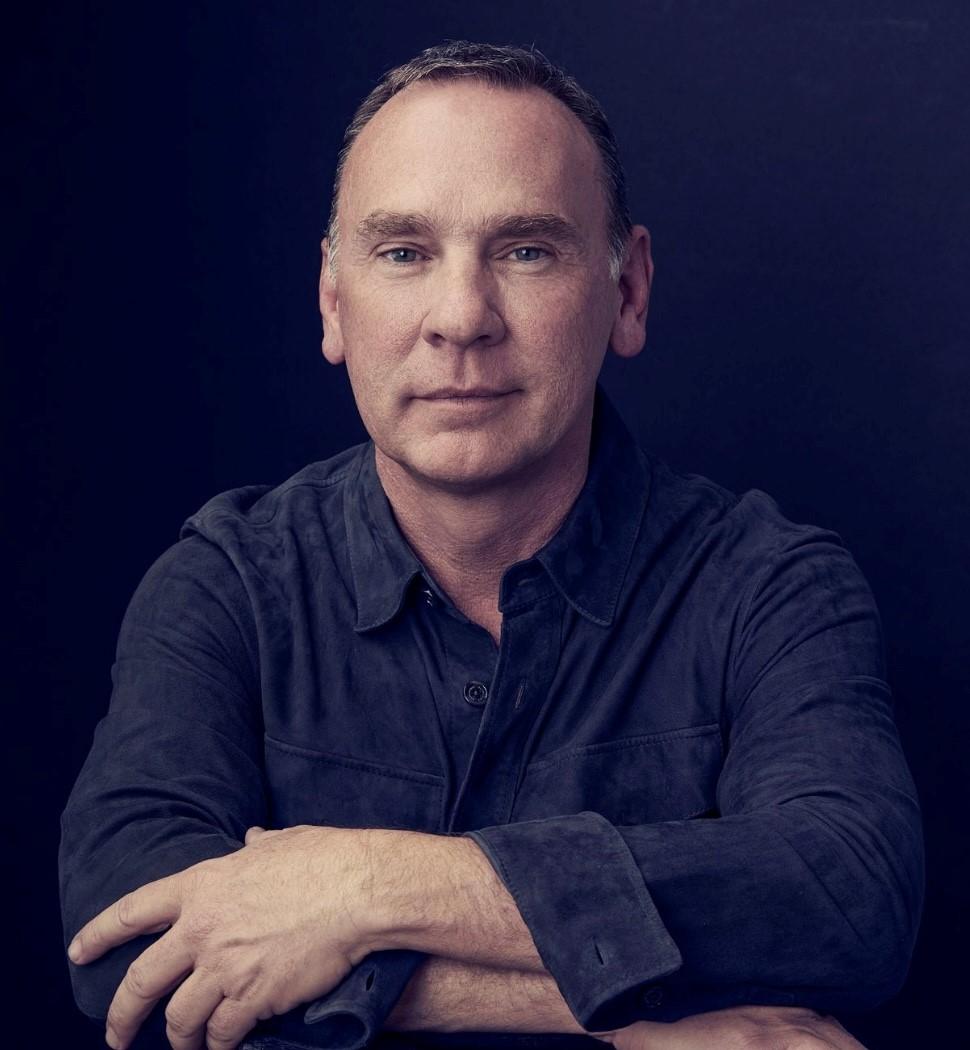
    Brandon Christopher Hyatt, BSN, RN, LHP, founder of The Wellness Lab, has spent his career serving that precise conviction. A former critical care nurse turned advanced aesthetic practitioner, Hyatt challenges industry convention from the ground up, his foundational premise being that the goal of any intervention should never be to override the body’s biology, but to reinforce it.

    Brandon Christopher Hyatt, BSN, RN, LHP, Founder of The Wellness Lab

    “My goal is enhancing your own natural beauty rather than changing who you are,” Hyatt says. “In my view, aesthetics and wellness are intertwined; it’s not just about looking good, it’s about feeling good as well.”

    The numbers validate his orientation. The global aesthetics market is projected to exceed $191 billion by 2032, yet Hyatt argues that the segments leading that growth aren’t cosmetic surgery or injectables, but regenerative and cellular wellness. This belief informs Hyatt’s clinical philosophy at The Wellness Lab, where treatments expand into NAD+ therapy, platelet-rich plasma, stem cell treatments, exosomes, and peptide therapy.

    Hyatt believes this shift signals that consumers are no longer purchasing aesthetic services solely to change how they look. They are investing in how they thrive, and that drives how he approaches regenerative medicine in itself. His focus is centered around enhancing physiological efficiency so that visible outcomes reflect internal health.

    Collagen and elastin regeneration, fibroblast activation, and improved cellular communication form the foundation of what he refers to as reinforcing the skin’s structural matrix. “Doing treatments that reinforce that matrix will allow you to need less Botox, less filler, less of those services, but also give you more healthy, youthful-looking skin at the same time,” he says

    Misconceptions surrounding aesthetic medicine remain a consistent theme in Hyatt’s perspective. He observes that the rapid expansion of injectable treatments, particularly Botox and dermal fillers, has contributed to a saturation of minimally trained providers entering the space. He says, “The industry got flooded with people wanting to capitalize on beauty and Botox and filler.” The consequence, in his view, has been a normalization of overcorrection, where aesthetic outcomes can sometimes detach from natural facial harmony.

    Hyatt’s process begins beneath the skin. Instead of defaulting to dermal fillers or neuromodulators as primary interventions, he seeks to assess clients at a biological level, evaluating internal health markers before recommending any treatment pathway.

    “I treat clients more at a cellular level, which enhances the longevity of their aesthetic goals,” he says. “Through treatments like NAD+ and PRP, things that can build collagen and elastin, you’re actually treating aging concerns at a cellular level rather than applying superficial band-aid fixes.”

    His background in life coaching informs this methodology, particularly in the emphasis on education and trust. “I’m not here to sell people, I’m here to advise,” he states, reinforcing a clinical stance that prioritizes informed decision-making over procedural volume.

    Among the modalities Hyatt champions, peptide therapy, he believes, has emerged as particularly transformative. With its ability to stimulate collagen synthesis, inhibit inflammation, and accelerate tissue regeneration, he frames peptides as an enabler, allowing the body to work at its optimal state without the suppressive effects associated with more invasive or exogenous interventions.

    This regenerative model extends into how care plans are structured. Hyatt advocates for incorporating cellular therapies alongside daily lifestyle foundations, assessing budget, goals, and timeline with each client. “Anti-aging is not a real thing,” he states. “We don’t anti-age. But we can age gracefully, taking care of our body inside and out with nutrition, sleep, and science to support health and wellness.”

    He believes clients should begin engaging with aesthetic care as soon as they reach adulthood, even through foundational interventions such as skincare, medical-grade facials, microneedling, or early peptide support. “Just as individuals maintain dental health through routine care, aesthetic health should also be maintained through consistent biological upkeep,” he says.

    Hyatt also underscores that immediate results, while often desired, are only one part of a broader clinical equation. He explains that his role involves balancing short-term aesthetic improvements with long-term tissue health. In practice, this means combining modalities that deliver visible results with therapies that strengthen underlying skin architecture, reducing dependency on repetitive filler-based correction over time.

    Aesthetic clinics are evolving, and Hyatt believes those that will define the next decade will look more like integrative health ecosystems. He sees the model taking shape at The Wellness Lab as a preview of that trajectory, a practice where cellular health, regenerative science, cosmetic outcomes, and personal empowerment exist within a single clinical philosophy. Critically, he insists that philosophy must be designed to include everyone.

    “We all want to look and feel our best,” he says. “I don’t want to exclude people. Whether you’re a plumber or a professional, this is for you, it’s about looking good and feeling good, for you.” The practitioners leading this movement, Hyatt adds, are offering something unparalleled, grounded and valuable: the science to age on one’s own terms.

    Source link

  • Preventive Care for Busy Schedules with Essential Checkups, Vaccines, and Screenings

    Preventive Care for Busy Schedules with Essential Checkups, Vaccines, and Screenings

    Preventive care is often overlooked by people managing busy schedules, yet it remains one of the most effective ways to maintain long-term health. Preventive checkups, vaccines, and screenings help detect potential issues early, reducing the risk of serious conditions and minimizing disruptions to daily life. By staying consistent with preventive care, individuals can save both time and healthcare costs in the long run.

    What Is Preventive Care and Why Is It Important?

    Preventive care includes routine checkups, vaccines, and screenings designed to prevent illness or detect conditions early. Instead of reacting to symptoms, this approach focuses on maintaining health before problems arise.

    For those with busy schedules, preventive care provides stability. Early detection often leads to simpler treatments, shorter recovery periods, and fewer interruptions to work and personal responsibilities. It also supports overall productivity by reducing the likelihood of unexpected health issues.

    Essential Preventive Checkups You Shouldn’t Skip

    Preventive checkups are the foundation of a healthy routine. Annual physical exams help assess overall health and identify potential concerns early.

    Blood pressure and cholesterol checks are essential for detecting heart-related risks, which often develop without symptoms. Routine lab tests, including blood work, provide insights into blood sugar levels and organ function.

    Dental and eye exams should not be neglected, as they can reveal underlying health issues beyond oral and vision concerns. For people with busy schedules, combining multiple checkups into one visit can make preventive care more manageable.

    Vaccines Adults Need to Stay Protected

    Vaccines are a key part of preventive healthcare, helping protect individuals and communities from infectious diseases.

    The flu vaccine is recommended annually, especially for those frequently exposed to public environments. COVID-19 vaccines and boosters may still be advised depending on current health guidance.

    The Tdap vaccine, which protects against tetanus, diphtheria, and pertussis, is typically required every ten years. Other vaccines, such as HPV and shingles, are recommended based on age and risk factors.

    Keeping track of preventive vaccines through reminders or digital records can help individuals stay consistent despite busy schedules.

    Recommended Screenings by Age and Risk

    Preventive screenings help detect diseases before symptoms appear. Cancer screenings, including breast, cervical, colorectal, and prostate exams, are among the most important.

    Screenings for diabetes and heart disease are also essential, particularly for those with risk factors such as family history or lifestyle habits. Mental health screenings play a growing role in preventive care, helping identify stress, anxiety, or depression early.

    For older adults, bone density screenings can detect osteoporosis and reduce the risk of fractures. Following recommended preventive screenings ensures timely intervention and better health outcomes, according to Johns Hopkins Medicine.

    How to Fit Preventive Care Into a Busy Schedule

    Time constraints are a common barrier, but preventive care can still fit into busy schedules with proper planning.

    Bundling appointments allows multiple checkups and screenings to be completed in one visit. Telehealth offers a convenient option for consultations that do not require physical exams.

    Setting reminders through digital calendars or health apps helps ensure that appointments and vaccines are not missed. Choosing clinics with extended hours, including evenings or weekends, also improves accessibility.

    Planning ahead and scheduling appointments early can prevent conflicts and reduce cancellations.

    What Preventive Care Should Adults Get Regularly?

    Adults should prioritize annual preventive checkups, routine lab tests, and recommended vaccines. Preventive screenings, including blood pressure, cholesterol, and cancer screenings, should be completed based on age and individual risk factors.

    Dental and eye exams are also essential parts of a consistent preventive care routine.

    How Often Should You Go for a Health Checkup?

    Most adults benefit from yearly checkups, although some may require more frequent visits depending on their health status. Preventive screenings and vaccines follow different schedules, with some occurring annually and others every few years.

    Which Vaccines Do Adults Need Every Year?

    The flu vaccine remains the primary annual recommendation. COVID-19 boosters may also be advised periodically. Other vaccines, such as Tdap or shingles, follow longer timelines but remain important for preventive care.

    What Screenings Are Recommended for Different Age Groups?

    Preventive screenings vary by age and risk level. Younger adults typically focus on baseline health checks, while older adults require more comprehensive screenings for chronic conditions and cancer.

    Healthcare providers tailor recommendations to ensure screenings remain relevant and effective, as per UCLA Health.

    Common Mistakes Busy People Make About Preventive Care

    Many people skip preventive checkups due to time constraints, assuming they are healthy without regular monitoring. Others delay vaccines and screenings, increasing the risk of undetected conditions.

    Failing to track appointments and medical records can also lead to missed preventive care opportunities. Consistency is key to making preventive healthcare effective.

    Quick Preventive Care Checklist

    • Schedule annual preventive checkups
    • Stay updated on vaccines
    • Complete recommended screenings
    • Track medical records and results
    • Set reminders for appointments

    Why Preventive Care Matters for Busy Schedules

    Preventive care is a practical and time-saving approach for individuals with busy schedules. Staying consistent with preventive checkups, vaccines, and screenings helps reduce health risks and avoid unexpected medical issues.

    By making preventive care a priority, individuals can maintain control over their health while managing daily responsibilities more effectively.

    Frequently Asked Questions

    1. Can preventive care be done without health insurance?

    Yes, many clinics, community health centers, and pharmacies offer low-cost preventive checkups, vaccines, and screenings.

    2. Are at-home health tests reliable for preventive screenings?

    Some at-home tests can be useful for initial screening, but results should still be confirmed by a healthcare provider.

    3. What time of year is best to schedule preventive checkups?

    Early in the year is ideal so follow-up screenings or treatments can be completed without delays.

    4. Do lifestyle habits count as part of preventive care?

    Yes, habits like balanced nutrition, regular exercise, and adequate sleep are essential components of preventive care alongside checkups, vaccines, and screenings.


    Source link

  • Emergence, Dangers, and Preventive Measures

    Emergence, Dangers, and Preventive Measures

    In the United States in January 2025 alone, approximately 20 million commercially-raised birds, mostly egg-laying hens, were affected by the highly pathogenic avian influenza (H5N1). These numbers are staggering yet barely scratch the surface of a potentially larger threat looming over the country. If action is not taken now, the next pandemic could be far deadlier than the 1918 influenza and COVID-19.


    What Was the 1918 Influenza?

    According to the World Health Organization (WHO), “The 1918 influenza pandemic killed more people in less time than any other disease before or since”; it was the “most deadly disease event in the history of humanity.” Indeed, it killed more people in a single year than the bubonic plague—the “black death”—in the Middle Ages killed in a century. The 1918 virus also killed more people in twenty-five weeks than AIDS killed in twenty-five years. According to one academic reviewer, this “single, brief epidemic generated more fatalities, more suffering, and more demographic change in the United States than all the wars of the Twentieth Century.”


    What Caused the 1918 Flu Pandemic?

    Although the human influenza virus wasn’t even discovered until 1933, an inspector with the U.S. Bureau of Animal Industry had been publishing research as early as 1919 that suggested a role for farm animals in the pandemic. Inspector J.S. Koen of Fort Dodge, Iowa, wrote: “The similarity of the epidemic among people and the epidemic among pigs was so close, the reports so frequent, that an outbreak in the family would be followed immediately by an outbreak among the hogs, and vice versa, as to present a most striking coincidence if not suggesting a close relation between the two conditions. It looked like ‘flu,’ and until proven it was not ‘flu,’ I shall stand by that diagnosis.”

    The answer to where the 1918 virus came from was published in October 2005. Humanity’s greatest killer appeared to originally come from avian influenza—bird flu.


    What Is Bird Flu?

    Evidence now suggests that all pandemic influenza viruses—in fact all human and mammalian flu viruses in general—owe their origins to avian influenza. Back in 1918, schoolchildren jumped rope to a morbid little rhyme:

    I had a little bird,
    Its name was Enza.
    I opened the window,
    And in-flu-enza.


    Is Bird Flu Worse Than Regular Flu?

    As devastating as the 1918 pandemic was, the mortality rate was less than 5 percent on average. But the H5N1 strain of bird flu virus that first emerged in China in 1997 and spread to more than 60 countries seems to kill about 50 percent of its known human victims, on par with some strains of Ebola, making it potentially ten times as deadly as the worst plague in human history.

    Leading public health authorities, from the U.S. Centers for Disease Control and Prevention (CDC) to the World Health Organization, feared that this bird flu virus was but mutations away from spreading efficiently though the human population, triggering the next pandemic. “The lethal capacity of this virus is very, very high; so it’s a deadly virus that humans have not been exposed to before. That’s a very bad combination,” said Irwin Redlener, former director of the National Center for Disaster Preparedness at Columbia University. Scientists speculate worst-case scenarios in which H5N1 could end up killing a billion or more people around the world. “The only thing I can think of that could take a larger human death toll would be thermonuclear war,” said Council on Foreign Relations senior fellow Laurie Garrett. H5N1 has the potential to become a virus as ferocious as Ebola and as contagious as the common cold.


    H1N1 vs. H5N1

    The 1918 pandemic virus was H1N1. The annual flu strain remained H1N1, infecting relatively few people every year for decades until 1957, when an H2N2 virus suddenly appeared as the “Asian flu” pandemic. Because the world’s population had essentially only acquired immunity to H1 spikes, the virus raced around the globe, infecting a significant portion of the world’s population. For example, half of U.S. schoolchildren fell ill. H2N2 held seasonal sway for 11 years. In 1968, the H3N2 “Hong Kong Flu” virus triggered another pandemic and has been with us every year since.

    So there were three influenza pandemics in the twentieth century—in 1918, 1957, and 1968—but, as the director of the National Institute for Allergy and Infectious Diseases has said, “There are pandemics and then there are pandemics.” The half-and-half bird/human hybrid viruses of 1957 and 1968 evidently contained enough previously recognizable human structure that the human population’s prior partial exposure dampened the pandemic’s potential to do harm. In contrast, the pandemic strain of 1918 was wholly avian-like. Instead of diluting its alien avian nature, the 1918 bird flu virus “likely jumped straight to humans and began killing them,” noted Taubenberger, the man who helped resurrect it. The same could be happening with the new spate of avian influenza viruses sporadically infecting people in more recent years, like H5N1. The human immune system had never been known to be exposed to an H5 virus before. As the WHO points out, “Population vulnerability to an H5N1-like pandemic virus would be universal.”


    How Dangerous Is H5N1 Bird Flu?

    H5N1 developed a level of human lethality not thought possible for influenza. So far, about half of those known to have come down with this flu have died. H5N1 is good at killing, but not at spreading. To trigger a pandemic, the virus has to learn how to spread efficiently from person to person. Now that the genome of the 1918 virus has been completely sequenced, we understand that it may have taken only a few dozen mutations to turn a bird flu virus into humanity’s greatest killer, and we have seen some of those changes taking form in H5N1. The further H5N1 spreads and the more people it infects, the greater the likelihood that it might lock in mutations that could allow for efficient human-to-human transmission. “And that’s what keeps us up at night,” said the chair of the Infectious Diseases Society of America’s task force on pandemic influenza.


    How Did Bird Flu Emerge?

    More than a century ago, researchers confirmed the first outbreak of a particularly lethal form of avian influenza that they called “fowl plague.” Plague comes from the Greek word meaning “blow” or “strike.” Later, the name “fowl plague” was abandoned and replaced by “highly pathogenic avian influenza” or HPAI.

    Domesticated poultry can also become infected with a low-grade influenza, so-called low pathogenic avian influenza, or LPAI, which may cause a few ruffled feathers and a drop in egg production. Influenza viruses with H5 or H7 spikes, however, are able to mutate into the high-grade variety that can cause devastating illness among the birds. Webster’s term for H5 and H7 strains of flu says it all: “the nasty bastards.” And you don’t get nastier than H5.


    Avian Influenza, Poultry, and Eggs

    To avoid contracting bird flu, an influenza expert at the UK Health Protection Agency warned, “[a]void being in touching distance [of birds who could be affected]. Don’t kiss chickens.” Kissing aside, what is the risk of putting our lips on them in other ways?

    In 2001, the virus was found and confirmed in frozen duck meat. The investigators concluded, “The isolation of an H5N1 influenza virus from duck meat and the presence of infectious virus in muscle tissue of experimentally infected ducks raises concern that meat produced by this species may serve as a vehicle for the transmission of H5N1 virus to humans.”

    The finding of H5N1-contaminated poultry meat triggered a more extensive survey. Top flu researchers at the U.S. Department of Agriculture (USDA) looked into chicken meat. Chickens who inhaled H5N1 became infected even more systemically than did ducks. The virus spread through the internal organs, into the muscle tissue, and even out into the skin. Virus was found in both white and dark meat.

    There is a precedent for bird-borne virus-infected meat. Unlike bacteria, viruses can remain infective for prolonged periods even in processed foods. Some methods of preservation, like refrigeration, freezing, or salting, may even extend the persistence of viruses in food. On the other hand, since viruses cannot replicate without living tissue, improper storage of food is less problematic.

    What about eggs? “Be careful with eggs,” the World Health Organization has warned. “Eggs from infected poultry could also be contaminated with the [H5N1] virus…”


    Mutating and Getting More Virulent

    Within a single individual, a virus evolves, adapts, learns. It hits dead ends and tries something new, slowly notching up mutations that may lock into place the ability to effectively survive in, and transmit between, people. Every single person who gets infected presents a risk of spawning the pandemic virus. Describes one virologist, “You’re playing Russian roulette every time you have a human infection.” Experts fear that as more and more people become infected, a virus will finally figure out the combination—the right combination of mutations to spread not just in one elevator or building, but in every building, everywhere, around the globe. Then it won’t just be peasant farmers in Vietnam dying after handling dead birds or raw poultry—it will be New Yorkers, Parisians, Londoners, and people in every city, township, and village in the world dying after shaking someone’s hand, touching a doorknob, or simply inhaling in the wrong place at the wrong time. It’s happened before, and it may soon happen again.

    Said a WHO spokesperson about a virus like H5N1, “All the indications are that we are living on borrowed time.” A senior associate at the Center for Biosecurity listed the indications: “The lethality of the virus is unprecedented for influenza, the scope of the bird outbreak is completely unprecedented and the change that needs to happen to create a pandemic is such a small change—it could literally happen any day.”

    Never before H5N1 had bird flu spread so far, so fast, and the longer the virus circulates in poultry production systems the higher the likelihood of additional human exposure.


    Can H5N1 Be Eradicated?

    H5N1 may be here to stay. “This virus cannot now be eradicated from the planet,” said Center for Biosecurity director O’Toole. “It is in too many birds in too many places.” The virus seemed to be getting more entrenched. “If you described it as a war, we’ve been losing more battles than we’ve won,” a WHO spokesperson told The Financial Times. “From a public health point of view, and an animal health point of view, this virus is just getting a stronger and stronger grip on the region.”

    In a tone uncharacteristic of international policy institutions, the FAO wrote: “Over this bleak landscape sits a black cloud of fear that the virus might become adapted to enable human-to-human transmission and then spread around the globe.” The urgency and alarm among those tracking H5N1’s building momentum was palpable. “It’s like watching a volcano getting ready to erupt,” described a spokesperson of the World Organization for Animal Health (known as OIE, for Office Internationale des Epizooties). “We’re all holding our breath,” said Julie Gerberding, former head of the CDC.


    Breeding Grounds for Disease

    The world’s three leading authorities—the Food and Agriculture Organization of the United Nations, the World Health Organization, and the World Organization for Animal Health—held a joint consultation in 2004 to determine the key underlying causes. Four main risk factors for the emergence and spread of these diseases were identified. Bulleted first: “Increasing demand for animal protein.” This has led to what the CDC refers to as “the intensification of food-animal production,” the factor blamed in part for the increasing threat.

    The way we kept animals when we first domesticated them ten thousand years ago is a far cry from how they are reared today. Chickens used to run around the barnyard on small farms. Now, “broiler” chickens—those raised for meat—are typically warehoused in long sheds confining an average of 20,000 to 25,000 birds. A single corporation, Tyson, can churn out more than 20 million pounds of chicken meat a day. Worldwide, an estimated 70 to 80 percent of egg-laying chickens are intensively confined in battery cages, small barren wire enclosures stacked several tiers high and extending down long rows in windowless sheds. The cages are stocked at such densities that each hen is typically allotted less floor space than a standard letter-sized piece of paper. It is not uncommon for egg producers to keep hundreds of thousands—or even a million—hens confined on a single farm. Half the world’s pig population—now approaching one billion—is also crowded into industrial confinement operations. This represents the most profound alteration of the animal-human relationship in ten thousand years.


    What Can We Do?

    To reduce the emergence of viruses like H5N1, humanity must shift toward raising birds in smaller flocks, under less stressful, less crowded, and more hygienic conditions, with outdoor access, no use of human antivirals, and with an end to the practice of breeding for rapid growth or unnatural egg production at the expense of immunity. This would also be expected to reduce rates of increasingly antibiotic-resistant pathogens such as Salmonella, the number one foodborne killer in the United States. We need to move away from the industry’s fire-fighting approach to infectious disease to a more proactive preventive health approach that makes birds less susceptible—even resilient—to disease in the first place.

    In the United States, the American Public Health Association (APHA) is among those advocating for “radical” (from the Latin radix, for “root”) change. In 2003, the APHA passed a “Precautionary Moratorium on New Concentrated Animal Feed Operations,” in which it urged all federal, state, and local authorities to impose an immediate moratorium on the building of new factory farms—including industrial turkey, laying hen, broiler chicken, and duck facilities. In November 2019, it reiterated its stance, publishing a new policy statement calling once again for a moratorium on new factory farms, as well as a moratorium on the expansion of existing ones.


    Eating to Beat Bird Flu

    The journal of the APHA published an editorial entitled “The Chickens Come Home to Roost” that went beyond just calling for a deintensification of the pork and poultry industries. The editorial questioned the prudence of raising so many animals for food in the first place, given the pandemic threat they may pose: “It is curious, therefore, that changing the way humans treat animals, most basically ceasing to eat them, or at the very least, radically limiting the quantity of them that are eaten—is largely off the radar as a significant preventive measure. Such a change, if sufficiently adopted or imposed, could still reduce the chances of the much-feared influenza epidemic. It would be even more likely to prevent unknown future diseases that, in the absence of this change, may result from farming animals intensively and killing them for food. Yet humanity doesn’t even consider this option.”

    However, thanks to food innovations, this may be changing, with plant-based meats, milks, and eggs growing in popularity with expanded options in supermarkets. And, making healthier choices could also help mediate the next coronavirus epidemic by also decreasing the rates of comorbidities found to increase the risk in SARS, MERS, and COVID-19. For example, consider the underlying risk factors for COVID-19 severity and death—obesity, heart disease, hypertension, and type 2 diabetes—all of which can be controlled or even reversed with a healthy enough plant-based diet and lifestyle.


    Egg-Free Eggs

    There are so many delicious egg-free egg recipes, like this Garden Veggie Tempeh Scramble created by NutritionFacts.org’s own executive director.


    Conclusion

    H5N1 was discovered in chickens decades ago, a flu virus that would forever change our understanding of how bad pandemics could get—a flu virus that appears capable of killing half the people it infects. Imagine if a virus like that started explosively spreading from human to human. Consider a pandemic a hundred times worse than COVID-19, one with a fatality rate not of one in two hundred but rather a coin flip of one in two. Thankfully, H5N1 has so far remained a virus mainly of poultry, not people, but H5N1 and other new and deadly animal viruses like it are still out there, still mutating, with an eye on the eight-billion-strong buffet of human hosts. With pandemics, it’s never a matter of if, but when. A universal outbreak with more than a few percent mortality wouldn’t just threaten financial markets but civilization itself as we know it.

    A pandemic triggered by a bird flu virus could leave hundreds of millions dead. “An influenza pandemic of even moderate impact,” Michael Osterholm, the director of the Center for Infectious Disease Research and Policy at the University of Minnesota, wrote, “will result in the biggest single human disaster ever—far greater than AIDS, 9/11, all wars in the 20th century and the recent tsunami combined. It has the potential to redirect world history as the Black Death redirected European history in the 14th century.”1 Hopefully, for humanity’s sake, the direction world history will take is away from raising birds by the billions under intensive confinement so as to potentially lower the risk of us ever being in this same precarious place in the future. The silver lining of COVID-19 is that the world will be better prepared for the next global health crisis. Tragically, it may take a pandemic with a virus like H5N1 before the world realizes the true cost of cheap chicken.


    1 Kennedy M. 2005. Bird flu could kill millions: global pandemic warning from WHO. “We’re not crying wolf. There is a wolf. We just don’t know when it’s coming.” Gazette (Montreal), March 9, p. A1.



    Source link

  • Why Preventive Healthcare Is So Important (And Why We Often Neglect It)

    Why Preventive Healthcare Is So Important (And Why We Often Neglect It)

    Preventive healthcare is a crucial investment, both for individuals and for the medical system. The whole idea is to take proactive care of your body and mind, ultimately preventing or mitigating conditions that would otherwise jeopardize your health. Unfortunately, many people skip or neglect preventative healthcare, setting themselves up for disaster.

    Why is this the case? And how can we get people to take preventive health care more seriously?

    It’s All About Being Preventative

    Preventative care for humans is a bit like preventative maintenance for vehicles. If you take good care of your body, or if you take good care of your vehicle, you’ll be much less likely to run into issues in the future. That’s because both human bodies and machines are complex systems with many complexly interrelated parts; if there’s a small problem with one part or the way different parts work together, it can quickly become worse and affect the entire system. If you catch these problems early enough, you can mitigate the damage and prevent them from spiraling out of control.

    Preventative healthcare can:

    Identify and correct bad habits. Many people engage in bad habits regularly that put their health in jeopardy, often without even realizing it. Visiting the doctor and discussing these habits, as well as evaluating your body, can help you identify and correct these bad habits before it’s too late.

    Catch problems in progress. Preventative medicine is also about catching problems that are already in progress. As a simple example, you might find out that you have high cholesterol, despite engaging in best practices to keep cholesterol levels low. Catching this early means you can fight against it before it leads to more serious complications, like heart disease.

    Save time and money. Even if health isn’t your primary concern, preventative health care can help you save time and money. Correcting a small issue early on is usually much easier than correcting a big issue once it’s already developed. As a result, you’ll have fewer appointments, lower expenses, and fewer headaches along the way.

    Why We Neglect Preventative Healthcare

    With all these benefits, why do we neglect preventative health care so regularly?

    Lack of motivation. Some people simply aren’t motivated to make appointments when they feel like there’s nothing wrong with them. If a person isn’t in pain and isn’t uncomfortable, they may see no reason to make an appointment for a regular physical. Unfortunately, this can cause them to miss issues that don’t cause immediately noticeable symptoms.

    Lack of recognition of benefits. Other people simply don’t recognize how beneficial it is to pursue preventative healthcare. They may see regular appointments as a trivial exercise that isn’t truly necessary, especially if those appointments have seemed fruitless in the past.

    Fear or worry. Many people fear going to the doctor, or have worries about how their appointments might go. Some people have a bad history with doctors and hospitals. Others have a looming fear that if they visit the doctor, they’ll find out they have some terrible disease or complication. Either way, they become reluctant to make new appointments.

    Complexity concerns. Scheduling a preventative appointment isn’t necessarily hard, but there are enough steps involved that it becomes intimidating for many people. Navigating the complexities of our modern healthcare system can be challenging.

    Cost concerns. Preventative medicine is designed to be cheap, and with good insurance policies, preventative appointments are often free or highly inexpensive. Still, not everyone has the spare money to visit doctors regularly without concern.

    How We Can Change Our Preventative Healthcare Attitudes

    So what can we do about this?

    Make preventative healthcare easier and more accessible. It should be easy to make preventative healthcare appointments and preventative care should be more accessible to more people. Obviously, achieving this reality is easier said than done. But if we can solve this problem and make healthcare more available, we can change many lives for the better.

    Improve public awareness. There are already many public health campaigns dedicated to helping people better understand the importance of preventative healthcare. However, they arguably haven’t gone far enough. The average person should understand exactly how valuable it is to attend regular preventative screenings and check-ups.

    Instate rewards for getting preventative attention. We could also modify our system to concretely reward people for getting preventative healthcare. For example, we could set things up so that people earn functional credits with insurance companies for attending things like annual physicals.

    Preventative healthcare remains highly important, despite our seeming apathy to it in many cases. With even a few changes to our cultural attitudes toward preventative healthcare, we may be able to make a difference in how many people take advantage of it.

    Source link

  • The Importance of Early Detection in Preventive Health

    The Importance of Early Detection in Preventive Health

    When it comes to our health, the old adage rings true: an ounce of prevention is worth a pound of cure. Catching potential health issues early can make a world of difference in overall well-being and quality of life down the road. That’s why regular preventive care is so vital for people of all ages.

    “Early detection saves lives—it’s just that simple,” says Dr. James Flowers, founder of J. Flowers Health Institute. “Identifying a condition in its beginning stages gives us the best chance of treating it quickly and effectively before lasting damage can occur.”

    The key is being proactive and not waiting until symptoms appear. Many dangerous illnesses like heart disease, diabetes, and cancer don’t have obvious warning signs in their initial phases. The only way to catch them early is through things like regular wellness exams, screening tests based on your age and risk factors, self-checks, or paying attention to subtle body changes. When you and your doctor work together to uncover issues early, you have more options for treatment and better potential outcomes.

    Catching Diseases and Disorders Early

    Many major health problems that become serious over time can be picked up early through preventive care if you know what to look out for and when. Here are some top conditions that benefit dramatically from early detection:

    Heart Disease

    Underlying cardiovascular issues often have no symptoms, which is why heart disease goes undiagnosed in so many people until they have a heart attack or other major cardiac event.

    Getting regular checkups and knowing cardiac risk factors like blood pressure, cholesterol levels, and body weight for your age helps uncover red flags sooner, when lifestyle changes and medication can still make an impact. Catching early warning signs also allows closer monitoring.

    Diabetes

    Like heart disease risk, a diabetes diagnosis begins with knowing your blood sugar levels and if you have prediabetes. The disease can silently damage organs for up to 10 years before typical symptoms like blurred vision or frequent urination appear. Getting ahead of it early minimizes the likelihood of neuropathy, kidney disease, vision loss, and other severe complications. Lifestyle adjustments when blood sugar is only mildly elevated can potentially reverse the progression to diabetes altogether.

    Breast Cancer

    Thanks to improved awareness and screening techniques, doctors can now detect the vast majority of breast tumors at an early stage, when they are small and localized (stage 0 or 1) and often responsive to treatment.

    Monthly self-exams help women notice unusual lumps right away, while regular mammograms and clinical breast exams by specialists aid diagnosis for more subtle changes undetectable by touch. The earlier breast cancer treatment begins, the better the outcome.

    Colon Cancer

    Like breast cancer, when detected early, colon cancer has over a 90 percent 5-year survival rate. If the cancer spreads to distant organs and advances to stage 4, survival drops below 15 percent. Starting regular colon cancer screening methods like at-home tests or colonoscopies at age 45—sooner with certain risk factors—is key because there typically aren’t clear symptoms early on. Detecting and removing precancerous polyps prevents their progression to cancer.

    Mental Health Disorders

    Many mental health conditions have early signs and symptoms that can prompt earlier support and treatment. For example, statistically a majority of lifetime cases of anxiety, depression, bipolar disorder, and schizophrenia begin by the mid-20s.

    Paying attention to changes from your norm in sleep, mood, thinking, or behavior allows both you and your doctor to address issues sooner and reduce impacts with counseling, lifestyle adjustments, or medication. Especially for young people, early intervention can redirect life trajectories.

    The list goes on—monitoring prostate changes or skin for melanoma, doing oral self-checks to find mouth cancer early, getting regular eye exams to detect glaucoma progression before vision loss, tracking PAP smears to catch precancerous cervical cell changes right away. No matter your age or gender, prioritizing preventive visits gives clinicians a chance to assess disease risk and detect any abnormalities at the earliest, most treatable points.

    Prevention Through Lifestyle

    Of course, early detection is only part of the equation—true preventive health prioritizes reducing disease likelihood in the first place through positive lifestyle choices.

    As Dr. Flowers emphasizes, “We know from extensive research that certain daily habits and ways of living dramatically impact health trajectories over the long run. The most proactive thing anyone can do is make prevention through nurturing these healthy lifestyle fundamentals your number one priority.”

    What does a lifestyle focused on disease prevention look like on a daily basis? According to Dr. Flowers, it includes pillars like a balanced, nutrient-dense diet centered around whole foods like vegetables, fruits, whole grains, beans and lentils. It also means getting regular exercise, ideally 30 minutes a day at moderate intensity, 5 days a week.

    Remaining smoke-free or quitting smoking, limiting alcohol consumption, and maintaining a healthy body weight all help safeguard health. So does effectively managing stress through mindfulness practices like meditation or yoga. Quality sleep, both getting enough hours and not facing interruptions like sleep apnea, is also vital.

    And it’s critical to take any doctor-prescribed medications properly to treat existing conditions as a form of tertiary prevention.

    Dr. Flowers emphasizes that consistently building habits in these areas day after day, year after year is what moves the prevention needle. Then combining it with regular wellness visits, age-appropriate health screenings, and early detection testing as needed offers optimal prevention through both lifestyle and medical oversight.

    The Takeaway

    Catching concerns about changes in your body early in their progression makes a world of difference in potential impacts and outcomes—allowing illnesses to advance untreated for too long leads to exponentially worse prognosis. But the only way to detect emerging issues early is through proactive preventive care.

    “We have to shift our thinking as a society away from just treating diseases after the fact to preventing them in the first place through healthy living and early detection,” urges Dr. Flowers. “If we don’t prioritize wellness proactively, we lose the power to direct our health journeys.”

    Source link