Tag: PREGNANCY

  • Subtle Pregnancy Symptoms Week 1 That Show Up Before a Missed Period

    Subtle Pregnancy Symptoms Week 1 That Show Up Before a Missed Period

    Early pregnancy signs can appear before a missed period, and many people notice subtle body changes in the days after conception. These symptoms can be confusing because they often overlap with premenstrual syndrome (PMS), making it hard to tell what is happening without a test.

    Can You Feel Pregnancy Symptoms Before a Missed Period?

    Some individuals report early pregnancy signs as soon as one to two weeks after conception, even before the expected period. Hormonal changes, particularly rising levels of human chorionic gonadotropin (hCG) and progesterone, can trigger symptoms such as fatigue, breast tenderness, and mood shifts during this time.​

    These early changes are not the same for everyone, and some may feel no noticeable symptoms at all before a missed period. Because these sensations can mimic PMS, pregnancy cannot be confirmed based on symptoms alone and still requires a reliable test.​

    What Are The Earliest Pregnancy Symptoms Before a Missed Period?

    Many of the earliest pregnancy symptoms week 1 are subtle and easy to overlook. However, patterns of small changes in how the body feels can suggest that implantation and early pregnancy are underway.​

    The presence, absence, or intensity of these early pregnancy signs does not reliably predict how the pregnancy will progress. Each pregnancy can feel different, even for the same person across different pregnancies.​

    Sore or Tender Breasts

    Breast changes are among the most commonly reported early pregnancy signs before a missed period. Hormonal shifts can cause soreness, swelling, a feeling of fullness, or increased sensitivity of the nipples, sometimes beginning within days after conception.​

    This symptom can resemble premenstrual breast tenderness, but in early pregnancy it may feel more intense or last longer than usual. Some also notice darker areolas or more visible veins on the breasts as blood flow increases.​

    Mild Cramping and Implantation Pain

    Light, period-like cramping can occur when the fertilized egg implants into the uterine lining, usually about 6 to 12 days after ovulation. These cramps are often described as mild, intermittent, or localized rather than strong and widespread.​

    Implantation-related cramping typically does not involve severe pain and does not last as long as a usual menstrual cramp episode. Strong or one-sided pain, especially with heavy bleeding, is not typical and should be checked by a healthcare professional.​

    Light Spotting or Implantation Bleeding

    Implantation bleeding is another possible early pregnancy sign before a missed period. It usually appears as very light pink or brown spotting on underwear or toilet tissue, and it often lasts from a few hours to a couple of days, according to Mayo Clinic.​

    This spotting is generally lighter than a normal period and does not require the same level of sanitary protection. Heavy bleeding, bright red flow, or bleeding with clots and significant pain should be discussed with a clinician as soon as possible.​

    Nausea, With or Without Vomiting

    Nausea does not always wait until later in the first trimester; it can appear even before a missed period in some pregnancies. This queasiness is sometimes called morning sickness, but it may occur at any time of day or be triggered by motion, an empty stomach, or certain foods.​

    Vomiting does not need to be present for nausea to be related to pregnancy. If nausea is severe, persistent, or prevents adequate food and fluid intake, medical guidance is important.​

    Bloating and Digestive Changes

    Hormonal shifts, especially higher progesterone, can slow digestion and contribute to bloating, gas, or constipation very early in pregnancy. This can make the abdomen feel fuller or tighter than usual even before the uterus has enlarged significantly.​

    Because PMS can cause similar bloating, this symptom alone is not a reliable indicator of pregnancy. When bloating appears along with other early pregnancy signs, it may add to the overall pattern of clues.​

    Mood Swings and Emotional Changes

    Mood swings are common both in PMS and in early pregnancy, and they can include irritability, sadness, anxiety, or sudden changes in emotions. Fluctuating progesterone and estrogen levels, along with stress about trying to conceive, may contribute to these shifts, as per Cleveland Clinic.​

    Because mood symptoms are so nonspecific, they are most meaningful when combined with other early pregnancy signs. If mood changes are persistent or severe, mental health support can be beneficial regardless of pregnancy status.​

    Raised Basal Body Temperature

    For those who track fertility, a consistently elevated basal body temperature (BBT) is one of the more technical early pregnancy signs. After ovulation, BBT normally rises slightly; if it remains higher than usual for more than about two weeks, early pregnancy may be a possibility.​

    Tracking BBT requires daily measurements under similar conditions and is often used alongside ovulation charting. On its own, an isolated high reading is less meaningful than a sustained pattern across multiple days.​

    What Are Pregnancy Symptoms in Week 1?

    The phrase “pregnancy symptoms week 1” can be confusing, because medically week 1 is counted from the first day of the last menstrual period, when conception has not yet occurred.

    During this very early phase, common experiences may include mild cramping, breast tenderness, fatigue, slight bloating, and subtle nausea or food aversions. Some people feel almost no changes at all, while others are very sensitive to hormonal shifts.​

    How Do Early Pregnancy Symptoms Differ From PMS?

    Early pregnancy symptoms and PMS share many features, including breast tenderness, mood swings, bloating, and mild cramps. The main differences are often in timing, duration, and progression rather than in the specific symptoms themselves.​

    In early pregnancy, symptoms may start slightly earlier than usual, feel more intense, or continue beyond the expected start of the period instead of resolving. Despite these patterns, only a pregnancy test can reliably distinguish between PMS and pregnancy.​

    Understanding Early Pregnancy Signs Before a Missed Period

    Recognizing early pregnancy signs and common pregnancy symptoms week 1 can help someone tune into their body and make informed decisions about testing and medical care.

    While symptoms such as breast tenderness, mild cramping, fatigue, nausea, and light spotting can appear before a missed period, they are not definitive proof of pregnancy on their own.​

    An objective approach combines awareness of these early clues with timely pregnancy testing and appropriate medical follow-up when needed. Paying attention to patterns, tracking cycles, and seeking professional advice concerning symptoms can provide clarity during the uncertain days before a missed period.​

    Frequently Asked Questions

    1. Can early pregnancy signs come and go from day to day?

    Yes, early pregnancy signs can fluctuate, and it is common for symptoms to appear one day and feel milder or absent the next. Hormone levels rise gradually, so fatigue, nausea, breast tenderness, or bloating can vary in intensity instead of staying constant.​

    2. Do all people experience pregnancy symptoms in week 1?

    No, many people feel no noticeable pregnancy symptoms in week 1, even if conception has occurred. The body may still be in the very early stages of implantation and hormonal change, so symptoms can be minimal or completely absent at first.​

    3. Can stress or anxiety cause signs that feel like early pregnancy symptoms?

    Stress and anxiety can create physical sensations that resemble early pregnancy signs, such as fatigue, sleep changes, stomach upset, or increased awareness of bodily sensations. Because of this overlap, symptoms alone are not a reliable way to confirm pregnancy without testing.​

    4. Is it possible to have early pregnancy signs but still get a negative test?

    Yes, it is possible to notice early pregnancy signs and still see a negative result if testing is done too early, before hCG levels are high enough to detect. Waiting a few days and retesting, or consulting a healthcare professional, can provide clearer answers.​


    Source link

  • Internet Reacts To Trump’s Unproven Claim Linking Tylenol Use During Pregnancy To Autism

    Internet Reacts To Trump’s Unproven Claim Linking Tylenol Use During Pregnancy To Autism

    US President Donald Trump, joined by Robert F. Kennedy Jr., recently claimed that the use of Tylenol (acetaminophen) during pregnancy is linked to a rise in autism, urging women to avoid it unless absolutely necessary. He also suggested re-evaluating vaccine schedules in children. Medical experts and pregnancy health authorities immediately criticised the statements as lacking credible scientific support.

    Online, reactions have been intense and varied. On X/Twitter, many users expressed frustration and fear, saying the claims could cause undue worry among pregnant women. Memes have spread too — some exaggerated the scenario, others sarcastically comparing Tylenol to ‘superpowers’ lost if avoiding it. There are also posts sharing personal stories: parents debating whether their own use of painkillers might have played a role, even though they acknowledge they weren’t doctors. Meanwhile, groups such as the National Autistic Society condemned the claim, calling it ‘anti-science’ and warning against the spread of misinformation.


    Medical experts emphasise that decades of research, including large-scale Swedish and US studies, have found no causal link between acetaminophen use in pregnancy and autism. Makers of Tylenol, Kenvue, issued statements opposing Trump’s claim, citing the drug’s record of safety. Health regulators in the UK and elsewhere also reaffirmed that Tylenol remains among the safest options for treating pain and fever in pregnant women, when used correctly.

    Originally published on IBTimes UK


    Source link

  • GOP Lawmaker Branded ‘Hypocrite’ After Declaring the Left ‘Scared’ Doctors Over Her Ectopic Pregnancy: ‘You Voted for This’

    GOP Lawmaker Branded ‘Hypocrite’ After Declaring the Left ‘Scared’ Doctors Over Her Ectopic Pregnancy: ‘You Voted for This’

    A Republican lawmaker is being branded a “hypocrite” online after she accused the left of scaring doctors and healthcare providers after she had to plead for her ectopic pregnancy to be treated.

    Florida Rep. Kat Cammack revealed in a Wall Street Journal article earlier this week that she experienced an ectopic pregnancy in May 2024. However, due to Florida implementing bans against abortions after six weeks, medical providers were hesitant to give her the care that would save her life.

    However, despite abortion bans being largely pushed and passed by Republican legislators, Cammack blamed the left for her health scare, accusing them of “fearmongering” which she said left doctors “scared” to provide care.


    “These healthcare providers had been receiving pro-abortion lobby ads, to the tune of millions of dollars being spent on these ads that were threatening and scaring doctors away from helping women, saying that they could lose their license, they could go to jail,” Cammack said in a Fox News interview Thursday.

    Cammack said she tried to explain how she could still receive care under the law, but the providers “felt like they couldn’t do anything.”

    “It dawned on me as I was sitting there with my husband: this is what women have been experiencing because of the fearmongering around women’s healthcare. The left absolutely played a role in making sure that doctors and women were scared to seek out the help that they needed,” she continued.

    After Cammack’s interview was shared online, social media users responded with backlash. Several users accused her of not grasping the implications of a ban like Florida’s and claimed that her experience was her “fault.”


    “The left said keep government out of healthcare. You voted for this,” one user commented. Another added, “It was the right who put into place all these abortion bans. Peak gaslighting.”

    “The absolute worst kind of hypocrite. She nearly died because of her own stupid party and she’s out there shilling for them like it was nothing,” an X user chided. One user declared, “Sis this is you and your party’s fault.”


    “A bill written by the right, supported by the right, passed by the right, and signed by the right. Yet, she blames the people who fought AGAINST it! Looks like Kat just discovered that the bill she supported has consequences,” another wrote.

    Originally published on Latin Times


    Source link

  • Florida Republican Blames ‘Fearmongering’ Left After Doctors Hesitated to Treat Her Ectopic Pregnancy Over Abortion Laws

    Florida Republican Blames ‘Fearmongering’ Left After Doctors Hesitated to Treat Her Ectopic Pregnancy Over Abortion Laws

    A Republican lawmaker in Florida blamed the “fearmongering” left after doctors hesitated to treat her life-threatening ectopic pregnancy due to the state’s strict abortion laws.

    In May 2024, the same month Florida’s 6-week abortion ban took effect, Rep. Kat Cammack learned she was experiencing an ectopic pregnancy, a condition in which a fertilized egg implants outside the uterus and cannot survive. She required an injection of methotrexate to terminate the pregnancy, but medical staff hesitated, fearing they could lose their licenses or face prison time under the new law, according to reporting by The Wall Street Journal.

    Cammack argued that her pregnancy was nonviable, that she was just five weeks along, and that her life was in danger. She even called Gov. Ron DeSantis’s office for help, but got no response. Eventually, doctors agreed to administer the drug, ultimately saving her life.

    Despite the ordeal, Cammack did not blame the law itself, instead accusing the left of scaring medical professionals by emphasizing the risk of criminal charges.

    “It was absolute fearmongering at its worst,” Cammack told The Wall Street Journal, adding that abortion-rights advocates are quick to blame Republicans for the confusion caused by what they see as vague legislation.

    “There will be some comments like, ‘Well, thank God we have abortion services,’ even though what I went through wasn’t an abortion,” Cammack said.

    Molly Duane, a senior attorney at the Center for Reproductive Rights, pushed back on Cammack’s claim, arguing that state regulators had made clear their intent to strictly enforce the abortion ban. She added that blaming medical professionals follows “the playbook of antiabortion extremists that for decades have been blaming and villainizing doctors.”

    Originally published on Latin Times

    Source link

  • Brain-Dead Georgia Woman Kept Alive Due to Pregnancy Delivers Baby Weighing Less Than 2 Pounds Via C-Section

    Brain-Dead Georgia Woman Kept Alive Due to Pregnancy Delivers Baby Weighing Less Than 2 Pounds Via C-Section

    A Georgia woman who was put on life support after being declared brain dead in February at eight weeks pregnant has given birth to a baby boy.

    Adriana Smith’s son, named Chance, was delivered by emergency cesarean section early Friday morning, June 13, at just under 26 weeks gestation, Smith’s family told 11 Alive. Weighing approximately 1 pound 13 ounces, he is currently in the neonatal intensive care unit (NICU).

    “He’s expected to be OK,” Smith’s mother, April Newkirk said. “He’s just fighting.”

    Smith, 31, was declared brain dead on February 19 after suffering a medical emergency linked to blood clots in her brain. Her case garnered national attention as her family said they were told Georgia’s abortion law—House Bill 481, also known as the LIFE Act—required that she be kept on life support to allow the pregnancy to continue, even though she was legally dead.

    State officials later said the law does not mandate life support in such cases, but the lack of clarity contributed to confusion and distress for Smith’s family.

    Newkirk said doctors had hoped to deliver the baby closer to 32 weeks but were forced to act early. The family now prepares to say goodbye to Smith, who will be removed from life support on Tuesday.

    “She was a ray of light,” Newkirk said. “I shouldn’t be burying my daughter. My daughter should be burying me.”

    Smith leaves behind two sons: newborn Chance and a 7-year-old. The family has launched a fundraiser to help cover mounting hospital costs and provide long-term support for the children.

    Newkirk is calling for greater clarity and compassion in laws impacting medical decision-making, particularly in complex cases like her daughter’s. “I’m not saying we would have chosen to terminate her pregnancy,” she said. “But we should have had a choice.”

    Originally published on Latin Times

    Source link

  • Best Pregnancy Pillows for Comfort, Support, and a Restful Sleep

    Best Pregnancy Pillows for Comfort, Support, and a Restful Sleep

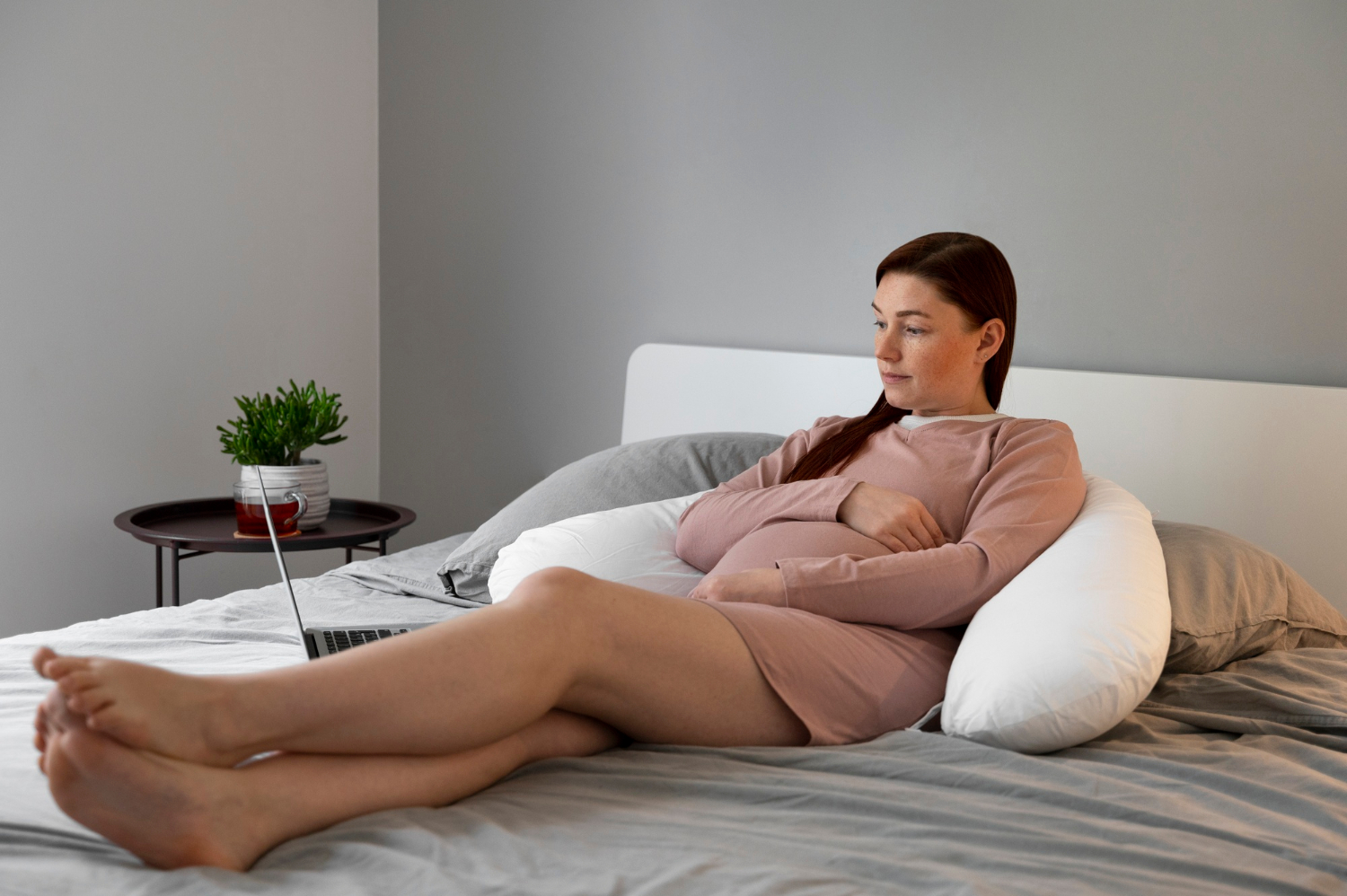
    Pregnancy is a transformative journey that brings immense joy but also unique physical challenges. As the body adapts to support the growing life within, comfort can sometimes become elusive—especially during rest. Pregnancy pillows are thoughtfully designed solutions that provide much-needed support, easing discomfort and ensuring quality sleep for expectant mothers. Here’s an exploration of their benefits and how they can enhance this special journey.

    Alleviating Physical Strain

    As the pregnancy progresses, the body experiences significant changes, including weight redistribution and pressure on joints. Pregnancy pillows are crafted to reduce strain on key areas such as the lower back, hips, and abdomen. By maintaining proper spinal alignment and offering targeted support, these pillows help mitigate common pregnancy pains like sciatica, pelvic discomfort, and leg swelling.

    Enhancing Sleep Quality

    Quality sleep becomes more elusive as pregnancy advances, with many mothers-to-be struggling to find a comfortable position. Pregnancy pillows are designed to accommodate the unique contours of a pregnant body, promoting side-sleeping—a recommended position for optimal blood flow to the baby. These pillows cradle the body, allowing expectant mothers to rest more deeply and wake up refreshed.

    Supporting Posture Beyond Sleep

    The benefits of pregnancy pillows extend beyond bedtime. They can be used as lumbar support while sitting, helping to maintain proper posture during activities like reading, working, or watching TV. This versatility ensures that comfort accompanies expectant mothers throughout the day.

    Versatile Designs for Varied Needs

    Pregnancy pillows come in a variety of shapes and sizes to meet different needs. U-shaped pillows offer full-body support, while C-shaped pillows provide targeted cushioning for the back and abdomen. Compact wedge pillows are ideal for travel or localized support, ensuring that every preference and lifestyle is catered to.

    Postpartum Benefits

    The usefulness of pregnancy pillows doesn’t end with delivery. Many new mothers find them indispensable during postpartum recovery and nursing. They can be used to support the baby during breastfeeding or bottle-feeding, reducing strain on the neck and shoulders, while continuing to provide comfort for the healing body.

    How to Choose the Right Pregnancy Pillow

    1. Shape and Support Needs: Consider the shape of the pillow that best suits your body and comfort preferences. U-shaped pillows provide full-body support, cradling your back, belly, and legs, while C-shaped options focus more on the back and abdomen. Wedge pillows are compact and great for targeted support under the belly or behind the back.
    2. Material and Firmness: Opt for a pillow made of hypoallergenic and breathable materials to ensure comfort and safety. The firmness level should provide adequate support without being too hard or overly soft, accommodating your unique pressure points.
    3. Size and Space: Take into account the size of your bed and sleeping space. Larger pillows like U-shaped models can take up significant space, so if you share your bed, a smaller or more compact option might be ideal.
    4. Multi-Purpose Use: Choose a pillow that can serve multiple purposes, such as providing lumbar support during the day or transitioning into a nursing pillow postpartum. This ensures long-term usability and better value for your investment.

    Here are the best pregnancy pillows available online

     25. Memory Foam Pregnancy Wedge Pillows for Sleeping

    The premium memory foam pregnancy pillow offers exceptional support with its unique concave curve, providing a “zero-pressure” sensation that reduces pain and ensures better sleep quality. Designed for side-sleeping moms, it features adjustable straps for a customized fit and can also provide relief for back and knee pain. Made from high-quality memory foam with a removable, washable cover, it’s perfect for all stages of pregnancy and comes with a satisfaction guarantee for peace of mind.

    24. cauzyart Pregnancy Maternity Pillows

    The Cauzyart body pillow offers ultimate support for a restful night’s sleep, helping relieve discomfort from pregnancy, sciatica, fibromyalgia, and more. Its versatile design can also be used for relaxation on the bed, couch, or floor, and serves as a nursing pillow, reading support, or post-surgery cushion. With a removable, washable cover and adjustable filling, this pillow ensures long-lasting comfort and makes an ideal gift for anyone in need of extra support.

    23 Dr. Talbot’s Mom’s Pregnancy Pillow

    Dr. Talbot’s C-shaped pregnancy pillow is designed to provide support to expectant mothers, helping alleviate pregnancy-related aches and pains, especially back discomfort. Its cooling technology in the breathable fabric ensures comfort during sleep, while also doubling as a great nursing pillow for new moms. All products from Dr. Talbot’s Mom line meet high safety standards, offering moms peace of mind while providing essential comfort and support.

    22.  Frida Mom Pregnancy Pillow, Body Pillow

    This adjustable pregnancy pillow offers ultimate support, adapting to C, I, L, and U shapes to support your belly, back, and legs. The micro-bead filling provides cooling comfort, allowing heat to pass through for a restful night’s sleep. The compact, easy-to-clean design features soft, stretchy fabric on one side and non-stretch fabric on the other, making it perfect for comfort and convenience during travel or at home.

    21. BATTOP Pregnancy Pillow for Sleeping

    This versatile body pillow offers comfort for sleeping, reading, and relaxation, making it perfect for anyone looking for support. Designed with an ergonomic shape, it provides full-body support, making it ideal for pregnancy, nursing, and general comfort. The machine-washable cover ensures easy maintenance, and the pillow’s softness and adaptability make it a thoughtful gift for expecting mothers.

    20. Chilling Home Pregnancy Pillows

    This U-shaped pregnancy pillow provides full body support, helping to relax and align the hips for improved sleep quality. Its versatile design makes it perfect for expectant mothers, offering comfort during sleep, breastfeeding, and even as room decor. The pillow’s removable, washable cover ensures long-lasting comfort and convenience, making it an ideal gift for first-time moms.

    19. Tinkerz Pregnancy Pillow

    The high-density memory foam pregnancy pillow offers customized comfort by molding to your body, providing support for your abdomen, back, and hips. With an adjustable width and breathable, washable cover, it ensures a cool and comfortable night’s sleep. Its portable design and versatile use make it an ideal gift for expectant mothers, offering relief in various situations such as side sleeping, leg support, or lumbar cushioning during travel.

    18. Pregnancy Pillows for Sleeping

    The LGCLGY pregnancy pillow is designed for maximum comfort with breathable, cool probiotic fabric and an ergonomic structure that ensures a comfortable and healthy sleep environment. Its adjustable Velcro design allows for flexibility, accommodating abdominal growth and ensuring safe sleep positions. Made from hypoallergenic materials, the pillow is easy to clean with a machine-washable cover, and it’s ideal for pregnant women, elderly individuals, and those recovering from surgery.

    17. Momcozy Portable Pregnancy Pillow

    The W-shaped pregnancy pillow offers optimal support for your belly, back, and hips, with a flexible design that promotes a comfortable side-sleeping position throughout pregnancy. Its adjustable Velcro belly wedge accommodates all trimesters and body types, and the 30° slope ensures a snug fit for enhanced comfort. Lightweight, compact, and with a durable, machine-washable cover, this pillow is perfect for on-the-go comfort, helping alleviate discomfort from sciatica, back pain, and other conditions.

    16. WhatsBedding Pregnancy Pillows for Sleeping

    The J-shaped pregnancy pillow is designed for side, back, or stomach sleepers, offering full-body support to relieve discomfort associated with pregnancy, sciatica, fibromyalgia, and more. Made with memory foam and a soft Dutch velvet cover, it provides plush comfort and durability, ensuring restful sleep throughout the night. Available in multiple colors and sizes, this pillow is backed by excellent after-sales service for complete customer satisfaction.

    15. AMCATON 60 Inch Pregnancy Pillow for Sleeping

    The upgraded U-shaped pregnancy pillow offers enhanced comfort with increased length on one side to better support expectant mothers, relieving pressure on the head, neck, spine, hips, knees, and back. This multipurpose pillow not only aids in sleep during pregnancy but also serves as a nursing pillow post-birth and provides support for post-operative recovery. Vacuum-sealed for safe packaging, the pillow easily regains its shape after being fluffed, offering comfort for individuals of all ages and sizes.

    14. KAILE Pregnancy Pillows for Sleeping

    This pregnancy pillow offers premium support for the back, legs, and abdomen, ensuring a peaceful night’s sleep throughout pregnancy. Made with Turkish probiotic fabric, it provides comfort and safety, while the removable, machine-washable pillowcase makes it easy to clean and maintain. Lightweight and portable, this pillow can be carried anywhere, with a satisfaction guarantee for any discrepancies between product and packaging.

    13. Gresource Pregnancy Pillows

    The 30-degree wedge design of this maternity pillow provides optimal support for side-sleeping pregnant women, offering comfort and relaxation throughout the night. Made with breathable cotton mesh and food-grade PE soft mini fluffy filling, it ensures a safe, odor-free sleep while providing full body support. Adjustable, detachable, and easy to clean, this versatile pillow is not only ideal for expectant mothers but also for seniors, post-surgery recovery, and anyone seeking extra support.

    12. QUEEN ROSE Cooling Pregnancy Pillows

    The QUEEN ROSE U-shaped pregnancy pillow offers optimal body support, replacing multiple pillows to ensure a comfortable sleep for pregnant women by supporting the belly, back, and hips. The buttery soft comfort and cooling viscose pillowcase promote restful sleep, even for hot sleepers. Versatile in use, it’s perfect for reading, nursing, or post-surgery recovery, making it a thoughtful gift for anyone needing extra comfort and support.

    11. MOON PINE Pregnancy Pillow

    This U-shaped pregnancy pillow offers full-body support, targeting key areas like the head, neck, back, and belly to ease muscle strain and promote restful sleep. The breathable velour pillowcase with mesh holes ensures superior air circulation, keeping you cool throughout the year. Versatile in use, it’s perfect for sleeping, reading, or nursing, and provides comfort for all types of sleepers, including post-surgery recovery.

    10. Oskeray Pregnancy Pillow, Maternity Pillow

    This maternity pillow is designed to provide essential support and comfort, helping pregnant women experience restful, rejuvenating sleep despite common discomforts like back pain and swelling. Featuring ergonomic curves, adjustable filling, and a removable cover, it ensures customizable comfort and convenience. The pillow promotes proper sleeping posture, supporting abdominal growth and alleviating sleep disruptions for expectant mothers.

    9. Anfrandce Pregnancy Pillow 

    This maternity pillow is designed to enhance sleep quality for pregnant women by promoting correct sleeping posture and offering customizable support. Filled with high-quality polyester, it ensures comfort and durability, providing relief from common pregnancy discomforts like back pain and swelling. Its ergonomic shape perfectly fits the body, helping expectant mothers enjoy a restful, rejuvenating sleep throughout pregnancy.

     8. Oternal Pregnancy Pillow for Pregnant Women

    The pregnancy wedge pillow offers targeted comfort for belly sleeping, with a design that stays in place and can be easily adjusted for side sleeping. Its lightweight and compact build makes it convenient for use anywhere, ensuring support throughout pregnancy. The soft foam material and detachable cover make it easy to clean, providing a fresh and comfortable experience every night.

    7. Sasttie Pregnancy Pillows

    The SASTTIE 5.0 upgraded pregnancy pillow offers versatile support with detachable velcro and zippers, perfect for expectant mothers. Filled with a premium down-alternative blend, it provides the right balance of comfort and support for your head, back, legs, and abdomen. Its ultra-soft, breathable, and removable cover ensures easy maintenance, while the vacuum-sealed packing ensures safe delivery and quick expansion.

    6. Cute Castle Pregnancy Pillows

    The Cute Castle full-body pillow offers head-to-toe support, ensuring perfect alignment and relieving pressure for a rejuvenating sleep experience. Crafted with durable, premium polyester, it balances comfort and support while maintaining its shape over time. Ideal for pregnancy and beyond, this versatile pillow caters to side and back sleepers, providing relief from various discomforts and enhancing overall relaxation.

    5. MOON PARK Pregnancy Pillows for Sleeping

    The Moon Park full-body pillow provides ergonomic support for the entire body, relieving pressure and improving blood circulation for deep, restful sleep. Filled with premium polyester, it ensures lasting comfort and maintains its shape over time. Perfect for various uses, it’s ideal for pregnancy, pain relief, or general relaxation, making it a thoughtful gift for anyone.

    4. ALLOPERA Pregnancy Pillow

    The ALLOPERA ergonomic pillow offers 360-degree full-body support, relieving pressure on limbs and alleviating pain in the back, neck, knees, and shoulders. Made with OEKO-certified 3D polyester fiber, it features adjustable firmness and a removable, machine-washable cover. Perfect for sleeping or lounging, this versatile pillow ensures cloud-like comfort and improved sleep quality.

    3. Pharmedoc Pregnancy Pillows

    The PharMeDoc U-Shape Pillow, with its cooling cover, keeps you comfortable during summer and pregnancy by dispersing heat for restful sleep. Its detachable extension provides versatile full-body support for the back, belly, legs, and neck. Ideal for anyone seeking extra comfort, it comes with a lifetime warranty and satisfaction guarantee for risk-free use.

    2.  Busarilar Pregnancy Pillows for Sleeping

    The Busarilar Maternity Pillow offers ergonomic design and adjustable support, ensuring optimal comfort for pregnant women while promoting correct sleeping positions. Its removable, washable cover and adjustable filling enhance hygiene and personalization. Ideal for pregnancy and beyond, it also supports seniors, post-surgery recovery, and those seeking full-body comfort.

    1. Momcozy Pregnancy Pillows for Sleeping

    The Momcozy Velvet Ergonomic Supportive Pillow offers full-body support, replacing multiple pillows to relieve pressure and improve comfort. Its premium polyester filling ensures durability and a cloud-like sleeping experience. Versatile for pregnancy and beyond, it supports various positions and relieves discomfort from conditions like sciatica and back pain.

    Published by Medicaldaily.com

    Source link

  • Indiana Doctors Go To Court To Keep Terminated Pregnancy Reports From Being Released To The Public

    Indiana Doctors Go To Court To Keep Terminated Pregnancy Reports From Being Released To The Public

    Two abortion providers in Indiana advocating against the release of individual terminated pregnancy reports have taken the matter to court, filing a lawsuit in Marion County to keep the records private.

    Licensed OB-GYN physicians Caitlin Bernard and Caroline Rouse filed the suit to prevent the Indiana Department of Health from releasing documents relating to terminated pregnancies under Indiana’s Access to Public Records Act, stating that such records are exempt and do not have to be divulged, Inside Indiana Business reported.

    If released, the reports would not reveal the names of the patients who terminated pregnancies, but would include other personal information such as age, race and county of residence. The reports would also list the name of the physician who performed the abortion.

    “We are once again in court defending our patients and their right to privacy,” Bernard and Rouse said in a joint statement, as reported by The Hill.

    “Everyone receiving medical care deserves to have their personal health decisions and pregnancy outcomes protected. There is no reason to release this sensitive information to the public. We will keep fighting to protect patients’ privacy and the trust between doctors and patients,” they continued.

    Bernard gained national attention after speaking out about a patient who she had helped to receive an abortion in 2022: a 10-year-old girl from Ohio who had reportedly been sexually assaulted.

    The Indiana Department of Health stopped releasing individual reports of terminated pregnancies following the state’s implementation of a near-total abortion ban, continuing only to release aggregate reports of terminated pregnancies within the state.

    From July to September of 2023, the IDOH reported 764 abortions. Only 17 of these were performed after August when abortion bans took effect. The agency then addressed concerns that identifying reports could be “reverse-engineered” to identify patients who terminated pregnancies due to the small number of abortions being carried out within the state.

    “Given that the report is populated with information that could be reverse engineered to identify patients — especially in smaller communities — (IDOH argues) that the required quarterly reports should suffice in terms of satisfying any disclosure and transparency considerations,” the December informal opinion from Public Access Counselor Luke Britt said.

    Pro-life advocacy group Voices for Life continued to sue the state of Indiana, demanding the release of individual reports. Voices for Life further stated it would file an appeal after the case was dismissed by a Marion County judge in 2024. However, in January 2025, Indiana’s newly elected Republican Governor, Mike Braun, demanded that the reports be publicized through executive order.

    IDOH, which settled and agreed to publicize the records, stated that they would make redactions to the reports that “adequately protect personal health identifiers and that do not inhibit examination of the terminated pregnancy reports to determine whether a physician performed an abortion in accordance with Indiana law,” per the Indiana Capitol Chronicle.

    The court has yet to set a hearing for the suit brought forward by Bernard and Rouse.

    Originally published by Latin Times.

    Source link

  • Study Identifies Best Time To Get RSV Vaccine During Pregnancy

    Study Identifies Best Time To Get RSV Vaccine During Pregnancy

    Pregnant women are advised to get vaccinated against respiratory syncytial virus (RSV) to protect both themselves and their newborns, who are too young to be vaccinated. Current guidelines recommend getting the shot between 32 and 36 weeks of pregnancy, but is there an optimal timing within this slot that could further boost newborn protection?

    RSV is a common respiratory virus that can cause serious infections in older adults and young children. The U.S Center for Disease Control and Prevention (CDC) recommends protecting infants from severe RSV with either a maternal vaccine during pregnancy or an antibody dose for the baby.

    Researchers of a recent study found that getting vaccinated earlier in the recommended timeframe, closer to 32 weeks, may offer the best protection for newborns against RSV.

    In an earlier research by the same team, the investigators found that the timing of COVID vaccination during pregnancy could affect the immune responses in the mother and transplacental antibody transfer to the fetus. The latest study tested how the timing of getting the RSV vaccine affected 124 pregnant women who received the shots between 32–36 weeks of pregnancy. To understand the level of protection in infants, the researchers also tested the antibodies in the umbilical codes of 29 infants born to these mothers.

    “The investigators found that maternal RSV vaccination at least 5 weeks prior to delivery led to the most efficient transfer of maternal antibodies across the placenta to the newborn, compared with maternal vaccination at 2-3 or 3-4 weeks prior to delivery,” the news release stated.

    When comparing antibodies in maternal and cord blood after RSV vaccination to those of unvaccinated mothers, researchers found that vaccination led to significantly higher and longer-lasting RSV antibody levels in both mothers and their newborns.

    “This work provides much-needed data to guide physicians in counseling patients about RSV vaccine timing during pregnancy. Our findings suggest that being vaccinated earlier within the approved timeframe allows for the most efficient placental transfer of antibodies to the newborn. They also may have implications for when the RSV monoclonal antibody, Nirsevimab, should be administered to newborns. Similar research should be conducted for other vaccines administered during pregnancy,” said senior author Dr. Andrea Edlow in a news release.

    Researchers say more studies are needed to find the minimum antibody levels needed to protect infants from RSV and to understand the added protection from breast milk of vaccinated mothers.

    Source link

  • Vitamin D During Pregnancy Linked To Better Bone Health In Children At Age 7: Study

    Vitamin D During Pregnancy Linked To Better Bone Health In Children At Age 7: Study

    Vitamin D is essential for maintaining healthy bones, and a recent study reveals that supplementing with this vitamin during pregnancy can have a lasting impact on children’s bone health, keeping them strong into mid-childhood.

    Researchers found that children have greater bone mineral density at age 7 when expectant mothers had taken vitamin D supplements during pregnancy.

    “Our findings show that the benefits of vitamin D supplementation during pregnancy persist into mid-childhood. This early intervention represents an important public health strategy. It strengthens children’s bones and reduces the risk of conditions like osteoporosis and fractures in later life,” said Dr. Rebecca Moon, lead investigator of the study in a news release.

    The researchers began the MAVIDOS study in 2009, enlisting over 1,000 pregnant women in England to explore the potential effects of vitamin D on child bone health. During the trial, the women were randomly divided into two groups: one received an additional 1,000 International Units of vitamin D daily, while the other took a placebo. The participants and healthcare providers who attended them did not know which group they belonged to.

    As part of the study’s first phase, researchers assessed the bone mass of the children at age four using detailed bone scans. The results showed that children born to mothers who received vitamin D supplements during pregnancy had greater bone mass compared to those whose mothers had taken a placebo.

    In the latest phase of the study, researchers examined whether the benefits of prenatal vitamin D would extend into mid-childhood. They conducted follow-up bone scans on 454 children between the ages of six and seven, finding that those whose mothers had received vitamin D supplements continued to show stronger bone density at age seven.

    “These findings suggest that pregnancy vitamin D supplementation may represent a population health strategy to improve bone health, although further work is needed to demonstrate the persistence of this effect into adulthood, together with, ideally replication in additional studies,” the researchers wrote in the study published in The American Journal of Clinical Nutrition.

    Although vitamin D deficiency during pregnancy remains a significant concern, the U.S. dietary recommendations for vitamin D intake in pregnant women remain conservative. It is primarily due to concerns over potential toxicity. However, current evidence suggests that a daily intake of 4,000 IU of vitamin D3 is both safe and necessary to meet the needs of all pregnant women, with no adverse effects reported.

    Since the effects and harms of vitamin D supplementation on maternal and infant health are not yet fully understood, WHO does not recommend vitamin D supplementation as part of standard prenatal care.

    Source link

  • Being Overweight Raises Pregnancy Complications Regardless Of Women’s Country Of Birth: Study

    Being Overweight Raises Pregnancy Complications Regardless Of Women’s Country Of Birth: Study

    Obesity increases health complications during pregnancy, including miscarriage, preterm birth, and preeclampsia. Researchers have now found that being overweight during pregnancy raises these risks regardless of a woman’s country of birth.

    The latest study conducted by researchers at Linköping University and Karolinska Institutet in Sweden examined the risk of complications faced by overweight pregnant women, including both those born in Sweden and those who have moved there.

    “We know that overweight and obesity are linked to many complications during pregnancy and childbirth for women born in Sweden. Therefore, we wanted to investigate whether the inequalities in pregnancy complications between women born in different countries can to some extent be explained by differences in body weight. If you know that there are health inequalities, you want to find out why, in order to be able to do something about the inequalities in the next step,” said Pontus Henriksson who led the study in a news release.

    The researchers evaluated nearly two million pregnancies and focused on eight significant complications that can impact the mother or baby during pregnancy and childbirth. The complications examined include those related to pregnancy, including preeclampsia, gestational diabetes, and infant mortality within the first year of life. It also looked at preterm birth, extremely preterm birth, and low Apgar scores, which assess a newborn’s vitality. The researchers also considered the risks associated with having a large baby or a small baby concerning the length of the pregnancy.

    The findings published in The Lancet Public Health suggest that promoting a healthy weight has the potential to prevent pregnancy complications for all women.

    The researchers explored how many pregnancy complications, such as gestational diabetes, could be prevented if all women started their pregnancies at a normal weight.

    “For example, we concluded that about half of all cases of gestational diabetes could potentially be prevented. This applies to both women born in Sweden and foreign-born women, said Maryam Shirvanifar, the first author of the study.

    The study also revealed that the impact of weight on these complications varies significantly; for instance, high body weight is particularly linked to an increased risk of gestational diabetes compared to other pregnancy-related issues.

    Source link