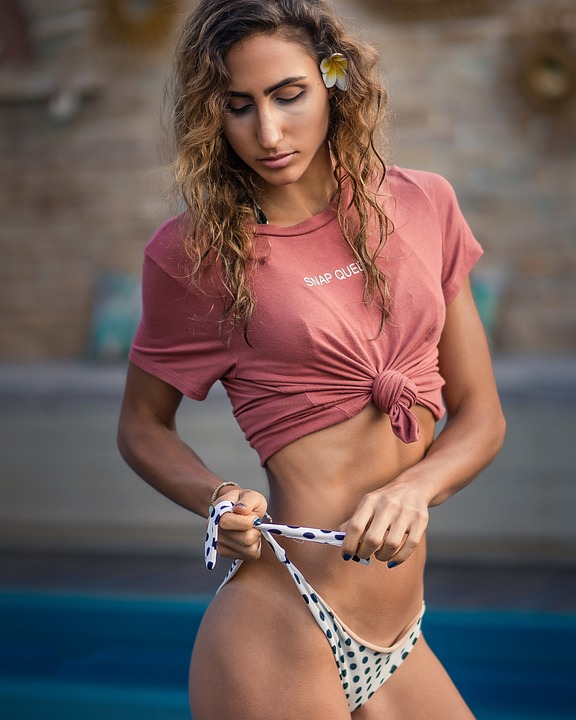
She knows that getting started with a fitness routine can be overwhelming, especially when it comes to navigating the world of supplements. With so many options available, it’s easy to feel lost and unsure of where to begin. But when it comes to protein powder, she’s in luck. This comprehensive guide will walk her through everything she needs to know to choose the best protein powder supplement for her fitness goals.
Understanding the Importance of Protein
Protein is an essential nutrient that plays a critical role in building and repairing muscles. When she’s working out regularly, her muscles are constantly being broken down and rebuilt, and protein is necessary to support this process. Without enough protein, she may find that she’s not seeing the results she wants from her workouts, or that she’s feeling fatigued and sore. By incorporating a high-quality protein powder into her routine, she can ensure that she’s giving her muscles the nutrients they need to grow and recover.
Types of Protein Powder
There are several types of protein powder available, each with its own unique benefits and drawbacks. Some of the most popular types of protein powder include whey protein, casein protein, pea protein, and plant-based protein blends. Whey protein is one of the most popular and fast-digesting proteins, making it ideal for post-workout recovery. Casein protein, on the other hand, is slower-digesting and can help to promote muscle growth and recovery during sleep. Pea protein is a great option for those with dietary restrictions, as it’s hypoallergenic and easily digestible. Plant-based protein blends often combine multiple sources of protein, such as pea, rice, and hemp, to provide a complete amino acid profile.
Choosing the Best Protein Powder for Her Fitness Goals
When it comes to choosing the best protein powder, she needs to consider her specific fitness goals. Is she looking to build muscle, lose weight, or simply support overall health and wellness? Different types of protein powder are better suited to different goals, so it’s essential to do her research and choose a protein that aligns with her objectives. For example, if she’s trying to build muscle, she may want to opt for a whey protein or casein protein supplement. If she’s looking to lose weight, a plant-based protein blend or pea protein may be a better option.
Factors to Consider When Selecting a Protein Powder
In addition to considering her fitness goals, there are several other factors she should take into account when selecting a protein powder. These include the protein source, protein concentration, additives and fillers, flavor and texture, and brand reputation. She wants to choose a protein powder that is made from a high-quality source, such as grass-fed cows or non-GMO plants. She should also look for a protein powder that has a high protein concentration, typically around 20-25 grams per serving. Additionally, she should be wary of additives and fillers, such as artificial sweeteners and flavors, and opt for a protein powder that has a simple and natural ingredient list.
How to Use Protein Powder
Once she’s chosen a protein powder, she needs to know how to use it effectively. The timing and dosage of protein powder can vary depending on her fitness goals and schedule. Generally, it’s recommended to consume protein powder within 30-60 minutes after a workout, when her muscles are most receptive to nutrient uptake. She can also consume protein powder as a snack or meal replacement, or before bedtime to support muscle recovery during sleep. The recommended dosage of protein powder can vary, but a typical serving size is around 20-30 grams.
Benefits of Protein Powder
Incorporating a high-quality protein powder into her fitness routine can have numerous benefits. Some of the most significant advantages of protein powder include increased muscle growth and recovery, improved weight management, enhanced athletic performance, and support for overall health and wellness. By providing her muscles with the necessary nutrients, protein powder can help her to build lean muscle mass, recover faster from workouts, and support her overall fitness goals.
Common Mistakes to Avoid
While protein powder can be a valuable addition to her fitness routine, there are several common mistakes to avoid. These include over-relying on protein powder, using low-quality protein powder, not considering her dietary needs, and not staying hydrated. She should remember that protein powder is a supplement, not a replacement for whole foods. She should also choose a high-quality protein powder that meets her dietary needs and preferences, and stay hydrated by drinking plenty of water throughout the day.
Conclusion
Choosing the best protein powder can seem overwhelming, but by considering her fitness goals, researching different types of protein powder, and taking into account factors such as protein source and concentration, she can make an informed decision. With the right protein powder, she can support her muscle growth and recovery, manage her weight, and enhance her athletic performance. By avoiding common mistakes and using protein powder effectively, she can unlock the full potential of her fitness routine and achieve her goals.
Frequently Asked Questions
- What is the best type of protein powder for building muscle?
The best type of protein powder for building muscle is typically whey protein or casein protein, as they provide a complete amino acid profile and are quickly absorbed by the body. - Can I use protein powder if I’m lactose intolerant?
Yes, there are many lactose-free protein powder options available, such as pea protein, rice protein, and plant-based protein blends. - How much protein powder should I take per day?
The recommended dosage of protein powder can vary, but a typical serving size is around 20-30 grams. She should consult with a healthcare professional or registered dietitian to determine the best dosage for her specific needs. - Can I use protein powder as a meal replacement?
While protein powder can be used as a snack or meal replacement, it’s generally recommended to consume whole foods as much as possible. Protein powder should be used to supplement her diet, not replace whole foods. - Is protein powder safe for everyone?
While protein powder is generally considered safe, she should consult with a healthcare professional before starting any new supplement, especially if she has any underlying health conditions or is taking medication.
protein-powder-101-a-beginners-guide-to-choosing-the-best-supplement-for-your-fitness-goals

 People with diabetes were