Tag: parents

  • Children Health Risks of Sugary Drinks and Why Pediatricians Urge Parents to Rethink Kids’ Favorite Beverages

    Children Health Risks of Sugary Drinks and Why Pediatricians Urge Parents to Rethink Kids’ Favorite Beverages

    Sugary drinks are woven into many children’s daily routines, from school lunches to weekend treats, and pediatricians are increasingly concerned about sugary drinks’ children’s health risks that come with this constant exposure.

    These beverages may seem like harmless rewards, but evidence links regular intake to weight gain, dental problems, sleep and behavior issues, and a higher risk of chronic diseases. Because children’s bodies are smaller and still developing, the impact of added sugars can be especially significant.

    Parents often focus on food and overlook the sugar in drinks, even though beverages can quietly add a large amount of calories without providing meaningful nutrients. Understanding why pediatricians worry about sugary drinks helps families make more informed choices that support children’s health now and in the future.

    What Counts as a Sugary Drink for Children?

    Sugary drinks include much more than soda. Pediatricians group together regular soft drinks, fruit drinks and punches, sweetened iced teas, lemonades, energy drinks, sports drinks, and many flavored milks as part of the same problem. They share a key feature: added sugars that increase sweetness and calories, but add little nutritional value.

    Some products that appear healthier still contribute to sugary drinks’ children’s health risks. Juice boxes, fruit drinks marketed with “real fruit,” flavored waters, and certain smoothies can contain several teaspoons of sugar per serving.

    Packaging that highlights vitamins or natural flavors can distract from the actual sugar content. Learning to read ingredient lists and nutrition facts helps caregivers spot added sugars such as high-fructose corn syrup, cane sugar, honey, and syrups.

    Natural sugar in whole fruit comes with fiber and nutrients that slow absorption and promote fullness. In contrast, the sugars in most kids’ drinks, whether added or concentrated in juice, are absorbed quickly and can disrupt appetite and metabolism.

    Why Are Sugary Drinks So Bad for Kids’ Health?

    Sugary drinks are often called “empty calories” because they provide energy without important nutrients like protein, fiber, or essential vitamins and minerals. When children drink these beverages regularly, they can exceed recommended daily sugar and calorie limits without feeling full.

    Liquids do not trigger satiety signals as effectively as solid foods, so kids usually eat the same amount of food on top of what they drink.

    This pattern is central to sugary drinks’ children’s health risks. The body absorbs liquid sugar rapidly, causing spikes and dips in blood sugar that can affect energy, mood, and hunger.

    Over time, regular exposure to high-sugar drinks can promote unhealthy eating patterns and metabolic changes that increase the likelihood of weight gain and other health issues.

    How Sugary Drinks Drive Childhood Obesity

    Rising childhood obesity rates are closely linked to sugary beverage intake. Children who consume sugary drinks frequently are more likely to gain excess weight than those who rarely drink them. Because these drinks do not satisfy hunger well, they often add calories on top of regular meals and snacks rather than replacing them.

    In pediatric clinics, doctors see these patterns reflected in higher body mass index (BMI) percentiles and early signs of weight-related concerns. Reducing sugary drink intake is often one of the first and most effective steps recommended to families working to improve a child’s weight trajectory.

    The widespread availability and aggressive marketing of sugary drinks make them a normalized part of childhood, which is why pediatricians repeatedly emphasize the sugary drinks’ children’s health risks during visits.

    Diabetes, Heart Health, and Long-Term Risks

    Pediatricians also worry about how sugary drinks affect the body’s ability to manage blood sugar over time. Frequent spikes in blood sugar force the body to produce more insulin, and repeated strain can contribute to insulin resistance, a key risk factor for type 2 diabetes.

    Doctors are seeing more children and adolescents with conditions once considered “adult” diseases, including prediabetes, type 2 diabetes, high blood pressure, and abnormal cholesterol levels, according to the Centers for Disease Control and Prevention.

    While sugary drinks are only one factor, they are a concentrated and easily reduced source of added sugar, making them a practical target for prevention.

    These long-term concerns underscore why sugary drinks’ children’s health risks are highlighted in professional guidelines and public health messages. Changing drink choices is a relatively simple step that can help lower a child’s risk for serious conditions later in life.

    Impact on Kids’ Teeth, Sleep, and Behavior

    Sugary drinks also affect oral health. Bacteria in the mouth feed on sugar and produce acids that weaken tooth enamel, leading to cavities and tooth pain.

    When children sip sugary drinks throughout the day or fall asleep with sweet liquids in bottles or cups, their teeth face prolonged acid exposure. Both baby and permanent teeth can be damaged, affecting comfort, nutrition, and speech.

    Behavior and sleep can be influenced as well. Rapid changes in blood sugar can contribute to irritability, restlessness, and difficulty concentrating, which may show up as school and behavior challenges. Many sugary drinks, especially colas and energy drinks, also contain caffeine.

    Caffeine can interfere with falling asleep, staying asleep, and overall rest quality, which in turn affects mood, learning, and even weight. These combined effects form another layer of sugary drinks’ children’s health risks that pediatricians discuss with families.

    Are Supposedly ‘Healthier’ Sugary Drinks Any Safer?

    Products marketed as healthier, such as fruit drinks with added vitamins, sports drinks with electrolytes, and flavored milks, can still carry significant amounts of sugar. The added nutrients do not eliminate the risks associated with excessive sugar intake.

    Even 100% fruit juice, while free of added sugar, lacks the fiber in whole fruit and can still raise blood sugar quickly.

    Sports drinks are rarely necessary for most children’s routine activities, and diet or zero-sugar drinks, while lower in sugar, introduce other ingredients and are not recommended as daily staples for kids.

    From a pediatric perspective, many of these beverages still fit within the broader picture of sugary drinks’ children’s health risks when used frequently.

    Practical Ways to Reduce Sugary Drinks’ Children Health Risks

    Health experts routinely recommend water as the main drink for children. Plain milk, within age-appropriate portion and fat guidelines, supports growth and bone development. Limited amounts of 100% fruit juice may fit some diets but are often best kept small or diluted, as per Harvard Health.

    Families can make progress by changing habits gradually. Helpful strategies include: not keeping soda and sweetened drinks at home, offering water with meals, serving smaller portions of juice, and slowly diluting sweet drinks with water.

    Letting children choose a favorite refillable water bottle or adding fruit slices to water can make healthier choices more appealing. When adults also choose water and unsweetened drinks, they reinforce that these habits are normal rather than restrictive.

    Supporting Children’s Health by Rethinking Sugary Drinks

    Paying attention to sugary drinks’ children’s health risks gives families a manageable, high-impact way to support kids’ well-being. Sugary beverages contribute to obesity, dental decay, metabolic problems, and behavior and sleep issues, yet they are one of the easiest parts of the diet to change.

    Simple steps, such as replacing one sugary drink a day with water, limiting juice to small portions, and reserving sweet drinks for special occasions, can add up over time.

    By rethinking what children drink and making healthier options the default, caregivers help build a stronger foundation for growth, learning, and long-term health.

    Frequently Asked Questions

    1. Are flavored sparkling waters better than sugary drinks for kids?

    Lightly flavored sparkling waters without added sugar or sweeteners are generally a better choice than sugary drinks because they avoid excess sugar and calories. Still, plain water is the best everyday option.

    2. How quickly can cutting sugary drinks improve a child’s health?

    Some changes, like more stable energy and fewer cavities, may appear within weeks, while weight and long-term disease risk improve gradually over months and years.

    3. Is it okay for kids to have sugary drinks only on weekends?

    Occasional sugary drinks, such as limited weekend treats, are usually considered more acceptable than daily intake, as long as portions stay small and water remains the main drink.

    4. Do homemade smoothies count as sugary drinks?

    Homemade smoothies can be healthier if they use whole fruit, milk or yogurt, and no added sugars, but large portions with lots of juice or sweeteners can still act like sugary drinks.




    Source link

  • Months Before the ByHeart Recall, Babies Were Already Sick — Parents Ask Why Early Warning Signs Were Missed

    Months Before the ByHeart Recall, Babies Were Already Sick — Parents Ask Why Early Warning Signs Were Missed

    The manufacturer ByHeart issued a voluntary recall of all its powdered infant formula products earlier this November, following a multistate outbreak of infant botulism linked to the brand’s Whole Nutrition Infant Formula.

    However, several families say their babies fell ill months earlier, between late 2024 and mid-2025, after being fed the same product. This has raised concerns about whether early warning signs were overlooked.

    According to the United States Food and Drug Administration (FDA) and the Centers for Disease Control and Prevention (CDC), at least 31 infants across 15 states are suspected or confirmed to have developed botulism after consuming ByHeart formula during the period from 9 August to 13 November.

    Symptoms of infant botulism to watch for in babies who may have consumed the affected product include poor feeding, loss of head control, difficulty swallowing and decreased facial expression.

    Early Cases Spark Questions Over Outbreak Timing

    In California, the state health department confirmed that six babies who consumed ByHeart formula between November 2024 and June 2025 were hospitalised with infant botulism or suspected cases. A parent, in a conversation with the Associated Press, said they did not believe it was a coincidence.

    Despite these earlier illnesses, health officials say they could not establish a clear connection to the outbreak due to missing lot numbers and insufficient product samples. Dr Jennifer Cope of the CDC clarified that this does not necessarily mean the cases were unrelated.

    Expanded Recall After Bacteria Detected in Formula

    The investigation revealed that unopened cans of ByHeart formula have tested positive for Clostridium botulinum.

    On 8 November, California officials announced the confirmation of type A botulinum bacteria in an opened can linked to a recent case. ByHeart subsequently informed the FDA that tests conducted by independent laboratories on unopened cans also detected the bacterium. This prompted an expanded recall covering all lots, regardless of whether a specific illness had been reported.

    The FDA noted that while ByHeart accounts for roughly 1 percent of US formula sales, it has been associated with a disproportionately high number of the cases under investigation.

    Why Initial Cases Failed to Trigger Investigation

    For affected families, the situation has prompted frustration and confusion. As one mother asked: ‘Why did the cases beginning in August flag an investigation, but the cases that began in March did not?’

    The delay in linking the early cases to the broader outbreak appears to stem from several factors. Infant botulism is extremely rare, which complicates monitoring and trend detection. Symptoms can take weeks to appear and may initially resemble other conditions.

    Health authorities also stressed that many of the early cases lacked product lot details or retained formula containers, both of which are essential for laboratory testing and tracing the source. As a result, early clusters did not have enough statistical support to trigger a formal investigation until cases surged dramatically after August.

    Parents Urged to Stay Vigilant Amid Recall

    Ongoing enquiries by the FDA and CDC now focus on determining how contamination occurred, identifying any manufacturing or distribution issues and understanding why earlier illnesses were not flagged sooner.

    Parents are urged to remain vigilant and monitor babies closely for any symptoms, while staying informed about recall alerts.

    The incident underscores the need for stringent quality-control measures, robust supply-chain tracking and rapid regulatory action, particularly for high-risk products such as infant formula.

    While botulism linked to powdered formula is rare, this outbreak highlights how contamination in even small-market brands can lead to widespread risk.

    Authorities anticipate that the situation will lead to heightened scrutiny of formula manufacturing practices and environmental safety standards across the industry.

    Originally published on IBTimes UK

    Source link

  • Parenting 101: Essential Tips for New Parents

    Parenting 101: Essential Tips for New Parents

    Introduction to Parenting 101

    Parenting is a journey that is both rewarding and challenging. As a new parent, it’s natural to feel overwhelmed by the sheer amount of information and advice available. However, with the right mindset and support, you can navigate the ups and downs of parenthood with confidence. In this article, we’ll cover the essential tips for new parents, from preparing for your baby’s arrival to establishing a daily routine, and everything in between.

    Preparing for Your Baby’s Arrival

    Before your baby arrives, it’s essential to prepare your home, your relationship, and yourself for the new addition. Here are some tips to get you started:

    • Create a safe sleep environment: Make sure your baby’s sleep space is safe and comfortable. This includes investing in a crib or bassinet that meets current safety standards, using a firm mattress, and keeping soft toys and blankets out of the crib.
    • Stock up on essentials: Diapers, onesies, and baby wipes are just a few of the many essentials you’ll need for your baby. Make a list and check it twice to ensure you have everything you need.
    • Take a parenting class: Parenting classes can provide you with valuable information and support as you prepare for your baby’s arrival. They can also give you the opportunity to connect with other expectant parents and build a community of support.
    • Prepare your relationship: Having a baby can put a strain on your relationship, so it’s essential to communicate with your partner and make time for each other. Schedule regular date nights and make an effort to stay connected.

    Establishing a Daily Routine

    Establishing a daily routine can help you and your baby feel more grounded and secure. Here are some tips for creating a daily routine:

    • Create a schedule: Plan out your day, including feeding times, nap times, and playtime. Be flexible, but also try to establish a consistent routine.
    • Prioritize self-care: Taking care of yourself is essential for being a good parent. Make time for activities that nourish your mind, body, and soul, such as exercise, meditation, or reading.
    • Get moving: Exercise is essential for both physical and mental health. Try to incorporate physical activity into your daily routine, such as taking a walk with your baby or doing a postnatal workout.
    • Ask for help: Don’t be afraid to ask for help when you need it. Whether it’s a family member, friend, or neighbor, having a support system can make all the difference.

    Feeding and Nutrition

    Feeding your baby can be a challenging but rewarding experience. Here are some tips for feeding and nutrition:

    • Breastfeeding: Breast milk is the best nutrition for your baby, and it’s essential to establish a good breastfeeding routine. If you’re having trouble breastfeeding, don’t hesitate to reach out to a lactation consultant for support.
    • Formula feeding: If you’re formula feeding, make sure to choose a high-quality formula that meets your baby’s nutritional needs. Always follow the instructions on the label, and never leave your baby alone with a bottle.
    • Solid foods: When introducing solid foods, start with single-ingredient purees and gradually introduce new foods. Always check with your pediatrician before introducing new foods, especially if your baby has a history of allergies.
    • Healthy snacks: As your baby gets older, it’s essential to provide healthy snacks to support their growth and development. Choose snacks that are low in sugar and salt, and high in nutrients.

    Sleep and Bedtime Routine

    Sleep is essential for both you and your baby. Here are some tips for establishing a bedtime routine:

    • Establish a bedtime routine: Develop a calming and predictable bedtime routine that includes activities like bath time, reading, and singing.
    • Create a sleep-friendly environment: Make sure your baby’s sleep space is dark, quiet, and at a comfortable temperature.
    • Watch for sleepy cues: Pay attention to your baby’s sleepy cues, such as yawning, rubbing their eyes, or becoming less active.
    • Avoid overstimulation: Avoid stimulating activities or exposing your baby to screens before bedtime, as this can interfere with their sleep.

    Baby Development and Milestones

    As your baby grows and develops, it’s essential to monitor their progress and celebrate their milestones. Here are some tips for tracking your baby’s development:

    • Keep a baby journal: Writing down your baby’s milestones and progress can help you track their development and identify any potential issues.
    • Schedule regular check-ups: Regular check-ups with your pediatrician can help you stay on top of your baby’s development and address any concerns.
    • Provide opportunities for learning: Provide your baby with opportunities for learning and exploration, such as reading, singing, and playing with toys.
    • Be patient: Every baby develops at their own pace, so be patient and don’t compare your baby to others.

    Safety and Emergency Preparedness

    As a parent, it’s essential to be prepared for emergencies and take steps to ensure your baby’s safety. Here are some tips for safety and emergency preparedness:

    • Install safety gates: Install safety gates at the top and bottom of stairs to prevent falls.
    • Secure furniture and appliances: Secure furniture and appliances to prevent tip-overs and other accidents.
    • Keep emergency numbers handy: Keep emergency numbers, such as the poison control hotline, handy in case of an emergency.
    • Take a first aid class: Take a first aid class to learn how to respond to common childhood injuries and illnesses.

    Building a Support Network

    As a new parent, it’s essential to build a support network of family, friends, and other parents. Here are some tips for building a support network:

    • Join a parenting group: Join a parenting group or online community to connect with other parents and get support.
    • Attend parenting classes: Attend parenting classes or workshops to learn new skills and connect with other parents.
    • Reach out to family and friends: Don’t be afraid to reach out to family and friends for support and help when you need it.
    • Take breaks: Take breaks and practice self-care to avoid burnout and maintain your mental health.

    Conclusion

    Parenting is a journey that is both rewarding and challenging. By following these essential tips, you can navigate the ups and downs of parenthood with confidence. Remember to prioritize self-care, build a support network, and stay flexible. With time and practice, you’ll become a confident and capable parent, and you’ll be able to provide your baby with the love, care, and support they need to thrive.

    FAQs

    Q: How often should I feed my baby?
    A: The frequency of feedings will depend on your baby’s age and individual needs. Generally, newborns need to be fed every 2-3 hours, while older babies can go longer between feedings.
    Q: How can I get my baby to sleep through the night?
    A: Establishing a bedtime routine, creating a sleep-friendly environment, and watching for sleepy cues can help your baby sleep through the night.
    Q: What are some common baby milestones?
    A: Common baby milestones include rolling over, sitting up, crawling, and walking. Every baby develops at their own pace, so be patient and don’t compare your baby to others.
    Q: How can I keep my baby safe?
    A: Installing safety gates, securing furniture and appliances, and keeping emergency numbers handy can help keep your baby safe.
    Q: How can I build a support network as a new parent?
    A: Joining a parenting group, attending parenting classes, and reaching out to family and friends can help you build a support network and get the help you need as a new parent.

  • Parents Express Concern After President Donald Trump Brings Back Presidential Fitness Test

    Parents Express Concern After President Donald Trump Brings Back Presidential Fitness Test

    President Donald Trump’s decision to bring back the Presidential Fitness Test has sparked intense debate among parents nationwide.

    The test, which was phased out in 2013 during former President Barack Obama’s administration, will once again require students to perform physical challenges, including the mile run, sit-ups, push-ups, and flexibility tests. Many parents remember their own experiences with the test and express serious concerns about its impact on their children’s mental health and self-esteem.

    The announcement came in July 2025 when Trump signed an executive order surrounded by professional athletes in the White House Roosevelt Room. Health and Human Services Secretary Robert F. Kennedy Jr. will oversee the program as part of the broader “Make America Healthy Again” initiative. The order states that declining physical fitness poses “a threat to the vitality and longevity of our country” and weakens America’s economy, military readiness, and national morale, according to Cronkite News.

    Concerns Among Parents

    Parents across the country are sharing their own childhood experiences with the test, and many memories are far from positive. “I remember how hurtful this program was when we were in school. Traumatic and bullying. Hopeless,” wrote Mike from Salem, New Hampshire, in response to media polls about the test’s return. Similar sentiments are echoing through social media platforms and parent groups nationwide.

    The original Presidential Fitness Test, which ran from 1966 to 2013, required students to meet specific benchmarks to earn awards. For example, a 14-year-old girl needed to run a mile in under eight minutes, complete 40 sit-and-reaches, shuttle-run in about 10 seconds, and do 47 curl-ups to qualify for recognition, among other things, 29News reported.

    Physical education expert Judy LoBianco, who worked in New Jersey schools for over two decades, believes the test can embarrass less athletic kids, make them anxious, and discourage them from pursuing fitness. She argues that modern physical education should focus on joy, social interaction, and life skills rather than competitive testing.

    Implementation Questions Remain

    Parents are also questioning the practical aspects of the revived program, as many wonder whether schools with lower-performing students will receive additional resources, better meals, and improved physical education equipment.

    The Trump administration has positioned the test as part of a broader focus on youth health, citing concerning statistics about childhood obesity and physical inactivity. Kennedy’s “Make America Healthy Again” report highlights that more than 70% of children ages six to 17 fail to meet federal guidelines for daily physical activity, as per NPR.


    Originally published on parentherald.com

    © {{Year}} ParentHerald.com All rights reserved. Do not reproduce without permission.

    Source link

  • Hospital Under Fire After Doctors Blame Parents for Child’s Condition — Later Revealed as Cancer

    Hospital Under Fire After Doctors Blame Parents for Child’s Condition — Later Revealed as Cancer

    A toddler’s heartbreaking death exposes NHS failings as doctors wrongly accused parents of causing a facial lump, delaying cancer diagnosis by months in a case reigniting debates on child protection protocols and medical accountability.

    Delilah-Rai Reid-Floyd, just 19 months old, passed away on 9 August 2023 after a pea-sized mass discovered in January ballooned into aggressive soft tissue cancer, with her mother Kayleigh Reid alleging neglect through misdiagnosis and three-month waits.

    As investigations unfold into Russells Hall Hospital and Birmingham Children’s Hospital, families demand swifter scans and less hasty abuse assumptions to prevent such tragedies in the UK’s overburdened health system.

    Mum Spots Lump Sparking Urgent GP Referral

    Kayleigh Reid noticed a pea-sized lump on her daughter Delilah-Rai’s face while bathing her on 30 January 2023, prompting an immediate doctor’s visit the next day. The GP referred the one-year-old to Russells Hall Hospital in Dudley, suspecting non-accidental injury without initial scans, a move that left the family reeling from unfounded blame.

    This hasty assumption sidelined potential tumour checks, as Delilah-Rai awaited transfer to Birmingham Children’s Hospital amid growing parental distress.

    Doctors Misdiagnose Growth as Injury

    At Russells Hall on 9 May 2023, a CT scan revealed a paranasal cystic lesion, leading to an ENT specialist referral, but a three-month wait for Birmingham Children’s Hospital stalled progress until July.

    A biopsy on 16 July 2023 initially diagnosed desmoid fibromatosis as non-cancerous on 30 July, cancelling scheduled surgery on 5 August, only for tests to confirm aggressive soft tissue cancer days later.

    Kayleigh Reid later stated, ‘With so many delays and misdiagnoses throughout, I believe the NHS neglected her and didn’t give her the care she deserved.’

    Cancer Ravages Toddler as Condition Declines

    Delilah-Rai’s condition deteriorated swiftly post-diagnosis, with the tumour spreading aggressively, and she passed away peacefully at home on 9 August 2023, days after her 19-month milestone.

    The ‘sweetest’ and ‘cheekiest’ girl, known for her loving nature, endured unnecessary pain from postponed interventions, as her mother believes earlier action could have improved survival odds. X post from The Sun Health on 13 September 2025 captured public outrage: ‘Girl, 1, dies of cancer after docs ‘assumed facial lump was caused by parents’.


    Hospitals Launch Internal Reviews

    Both The Dudley Group NHS Foundation Trust and Birmingham Women’s and Children’s NHS Foundation Trust initiated reviews on 12 September 2025, vowing to share findings with the family and implement learnings to avoid future errors.

    Diane Wale, chief executive at Dudley Group, expressed, ‘On behalf of the Trust, I would like to extend our sincere condolences to Delilah’s family. We will look into the issues raised and speak with Delilah’s family to better understand the circumstances surrounding this sad loss.’ Kayleigh Reid is pursuing legal action against the trusts, supported by a GoFundMe raising funds for awareness.

    Mother’s Campaign Raises Alarm Delays, Missteps

    Kayleigh, reflecting on her ‘very very loving’ daughter, aims to spotlight desmoid fibromatosis and soft tissue cancers affecting young children, urging faster diagnostics amid 1,800 annual UK under-five cases. She affirmed, ‘Going forward I wish to raise more awareness for this cruel disease, but I also want the NHS held accountable for their part they played in my daughter’s passing.’

    Birmingham Trust spokesperson added, ‘The Trust would like to offer Delilah-Rai’s family our deepest sympathies… An internal review is now under way.’ This case, resurfacing on 12 September 2025, underscores urgent calls for reformed referral timelines, with experts noting abuse suspicions can eclipse medical urgency in 20% of paediatric assessments.

    Families like the Reids highlight how such oversights compound grief, pushing for mandatory rapid imaging in lump cases. As probes progress, Kayleigh’s resolve ensures Delilah-Rai’s story drives systemic change, preventing other parents from enduring similar heartbreak in Britain’s strained NHS landscape.

    Originally published on IBTimes UK

    Source link

  • Influencer Urges Parents to Give Kids Bleach to Treat Autism Despite Reports of Vomiting, Suffering Seizures: Report

    Influencer Urges Parents to Give Kids Bleach to Treat Autism Despite Reports of Vomiting, Suffering Seizures: Report

    A social media influencer is under fire for promoting a dangerous and discredited chemical as a so-called “autism cure,” despite alarming reports of serious harm to children.

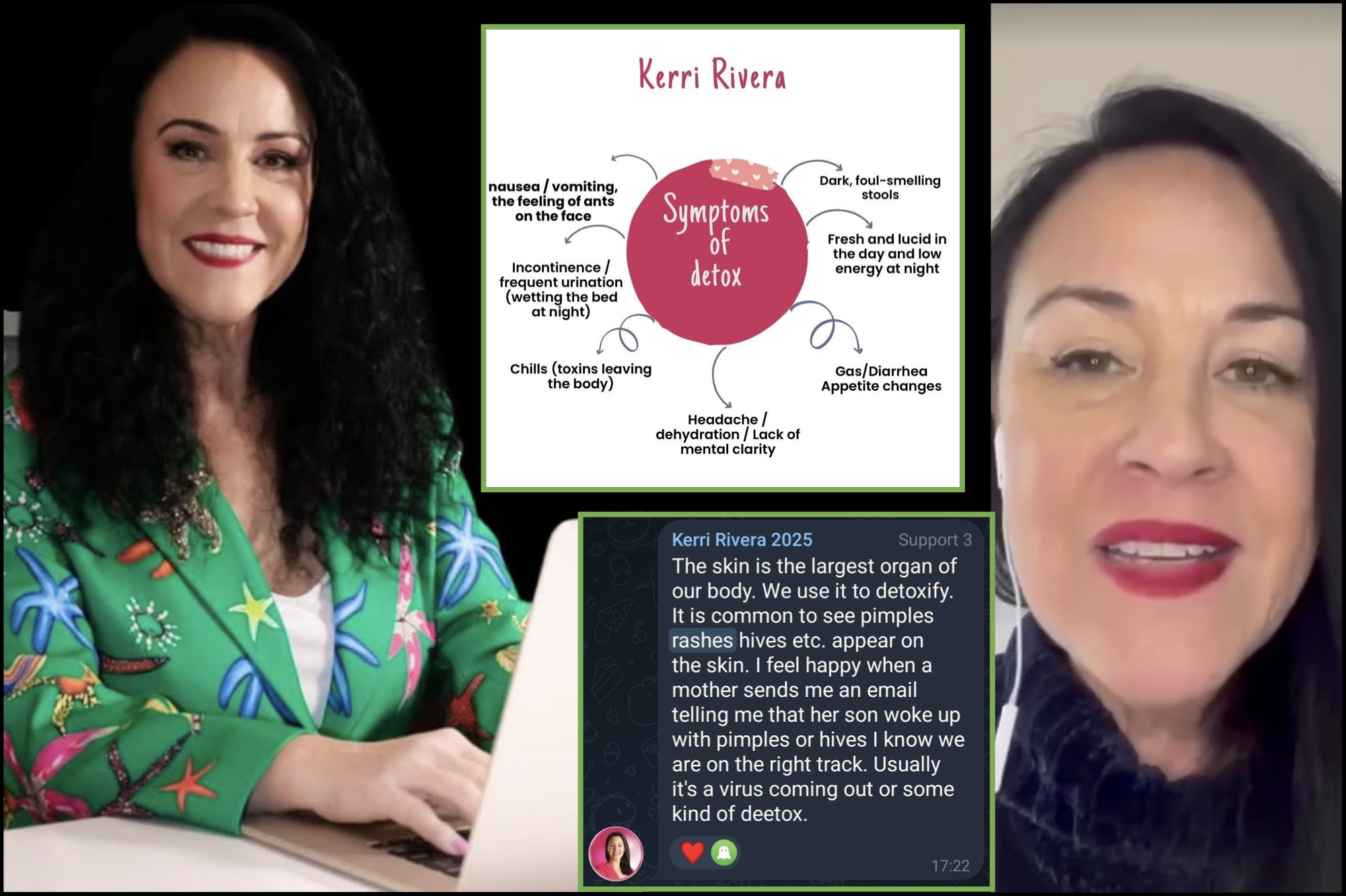
    Kerri Rivera, who has over 17,000 followers on Instagram, encourages parents to administer chlorine dioxide (CD)—an industrial bleach used in textile manufacturing and disinfection—orally and by enema to their autistic children. Rivera falsely claims this “protocol” rids the body of parasites she believes cause autism.

    Messages from Rivera’s private support group show parents reporting disturbing side effects, including vomiting, rashes, seizures, and chemical-smelling urine. Despite these symptoms, Rivera routinely reassures followers that these are signs the bleach is “working” and the body is “detoxifying.”

    Ingesting chlorine dioxide can result in severe vomiting, liver failure, respiratory problems, developmental delays and death.

    Tim Nicholls of the National Autistic Society called Rivera’s claims “sickening.”

    “This information is wrong, dangerous and harmful to autistic people and their families,” Nicholls told The Independent.

    “No autistic person, parent or carer should be told to ‘cure’ their child by administering a dangerous, potentially life-threatening chemical,” he continued. “Autism is a lifelong neurodivergence and disability, it is not a disease that can be ‘treated’ or ‘cured.’”

    TikTok has removed Rivera’s account, and Amazon removed her storefront where she earned commission on products she recommended to administer “protocols.” Her Instagram remains active.

    Advocacy groups are urging social media platforms and government agencies to take stronger action against the promotion of toxic treatments and to encourage parents to seek advice from trusted medical professionals.

    Rivera has not responded to the growing backlash.

    Originally published on Latin Times


    Source link

  • Texas Lawmakers Look to Make Child Vaccine Exemptions Easier for Parents as Measles Outbreak Continues

    Texas Lawmakers Look to Make Child Vaccine Exemptions Easier for Parents as Measles Outbreak Continues

    Texas lawmakers have approved a bill to simplify the vaccine exemption process for schoolchildren—just as the state contends with its worst measles outbreak in decades.

    On Sunday, the Texas Senate passed House Bill 1586 in a 23-9 vote. The legislation, authored by Rep. Lacey Hull, doesn’t alter the state’s vaccine schedule but makes it easier for parents to opt out by allowing them to download exemption forms online rather than requesting them through the mail, as reported by the Texas Tribune.

    Since 2003, Texas law has allowed parents to claim vaccine exemptions for their children based on medical, religious, or conscientious grounds. Over the years, demand for exemptions has surged, doubling from 45,900 in 2018 to over 93,000 in 2024.

    The move to make vaccine exemptions easier comes as the state is currently experiencing a major measles outbreak, with 729 cases reported since January and two confirmed child deaths.

    Supporters, including groups like Texans for Vaccine Choice, hailed the bill as a win for parental rights and government efficiency. Meanwhile critics, including public health advocates and The Immunization Partnership, warn the bill will lead to a drop in vaccination rates and a rise in preventable diseases. They argue that easier access to exemptions will compound current health risks, especially as the state grapples with an ongoing measles crisis.

    Gov. Greg Abbott now has the final say on whether the bill becomes law.

    Originally published on Latin Times

    Source link

  • Dentist Cautions Parents About Dangers Of Sleep Apnea

    Dentist Cautions Parents About Dangers Of Sleep Apnea

    Snoring in children might seem like an innocent quirk, but a California dentist warns it could signal a hidden health issue that if addressed early, could transform their well-being.

    “Your child’s snoring isn’t just noise—it’s a signal. Snoring, bedwetting, mouth breathing, daytime sleepiness, and difficulty focusing aren’t just ‘childhood quirks’ or laziness. They’re signs of a bigger issue that could impact your child for life: sleep-disordered breathing,” Dr. Mark Burhenne a dentist in Sunnyvale, California cautions in a video on Instagram.

    Dr. Burhenne is talking about a common sleep disorder called sleep apnea when breathing repeatedly stops and starts. It could be linked to obstructive sleep apnea (OSA), a common condition where relaxed throat muscles block airflow to the lungs, or central sleep apnea (CSA), which occurs when the brain fails to send proper signals to control breathing.

    An estimated 1 billion people worldwide have sleep apnea, with obstructive sleep apnea affecting up to 1% to 5% of children across all age groups, from babies and toddlers to adolescents and teenagers.

    Warning signs of sleep apnea in children include mouth breathing, loud snoring, pauses in breathing, coughing or choking during sleep, restless tossing and turning, night sweats, sleepwalking, and bedwetting.

    If you notice any of these signs, it is important to get checked with a healthcare provider who might conduct a sleep study to understand the sleep pattern. Untreated sleep apnea in children can lead to learning difficulties, behavioral problems, chronic fatigue, and even serious health issues like heart disease and high blood pressure, Dr. Burhenne warns.


    However, the good news is that early intervention can make a world of difference. “This isn’t just about sleep—it’s about giving your child the best chance for a healthy, vibrant life. Parents, if your child snores, mouth-breathes, or struggles with fatigue, don’t ignore it,” he said.

    Treatments like palate expansion can widen airways to improve breathing while encouraging nasal breathing helping children sleep better and feel more rested. Myofunctional therapy strengthens airway muscles for lasting health, and addressing enlarged tonsils or adenoids removes barriers to proper airflow, transforming a child’s quality of life, Dr. Burhenne explained.

    “Every child deserves the gift of great sleep. As a dentist and a father and now grandfather, I have seen firsthand the life-changing difference these things make,” he added.


    Source link

  • Strange ‘Werewolf Syndrome’ In Spain, Infants Resembling ‘Wookiees’ After Parents Use Hair Loss Remedy: Report

    Strange ‘Werewolf Syndrome’ In Spain, Infants Resembling ‘Wookiees’ After Parents Use Hair Loss Remedy: Report

    A strange condition known as “Werewolf Syndrome” has left nearly a dozen babies in Spain covered in hair, with extreme cases even resembling the iconic Wookiees from Star Wars. The rare disorder, officially called Hypertrichosis, is believed to be triggered by the parents’ use of a hair loss remedy, according to a recent report.

    Hypertrichosis occurs when individuals have excessive hair growth anywhere on the body. While some people are born with it due to genetic mutations (congenital hypertrichosis), others can develop it later in life (acquired hypertrichosis). The condition can be triggered by factors like certain medications, autoimmune disorders, or even malnutrition. Antibiotics such as streptomycin, anti-inflammatory drugs like benoxaprofen and corticosteroids, or the use of antiseptics with hexachlorobenzene are also known triggers.

    According to the report from El Economista, a Spanish news outlet, Navarra Pharmacovigilance Centre, detected 11 babies with Hypertrichosis or “Werewolf Syndrome,” after being exposed to minoxidil, a hair loss medication used by their parents. The drug is believed to have transferred from adults to infants through direct skin contact or by the babies sucking on contaminated surfaces, which may have affected their systems.

    “The skin of young children is more permeable due to the thinner layer of their stratum corneum, as they have a greater surface area/body weight ratio. For this reason, they are more easily able to absorb drugs administered topically systemically,” Navarra Pharmacovigilance Centre explained in the El Economista report as translated by Google.

    The patients were tested for exposure to other medications and investigated for other possible triggers. The symptoms reportedly subsided after stopping contact with the medication.

    Minoxidil, available in both solution and foam forms, is commonly used to promote hair growth, especially in the treatment of male pattern baldness. It belongs to a class of drugs called vasodilators, which work by improving blood flow to hair follicles and stimulating hair growth.

    Although generally safe, minoxidil can cause some side effects, including burning, stinging, or redness at the application site. In rare cases, the medication could be absorbed through the skin and may cause more serious effects such as unwanted facial or body hair, dizziness, fast or irregular heartbeat, fainting, chest pain, swelling in the hands or feet, unusual weight gain, fatigue, or difficulty breathing.

    Source link