
Tag: moving

  • Get Moving: A 30-Day Fitness Plan for Beginners

    Get Moving: A 30-Day Fitness Plan for Beginners

    Get Moving: A 30-Day Fitness Plan for Beginners

    Are you ready to kickstart your fitness journey but don’t know where to begin? Getting started with a new exercise routine can be overwhelming, especially for beginners. Worry no more! In this article, we’ll introduce you to a 30-day fitness plan specifically designed for beginners, covering exercises, tips, and tricks to help you get moving and stay motivated.

    Before You Start

    Before embarking on this fitness journey, it’s essential to consult with a doctor, especially if you have any health concerns or medical conditions. Make sure you’re cleared to exercise and take necessary precautions.

    Week 1: Setting the Foundation (Days 1-7)

    • Day 1: Warm-Up and Stretching

      • Warm up with 5-10 minutes of light cardio (jogging, jumping jacks, etc.)
      • Stretching exercises: Neck stretch, shoulder rolls, chest stretch, and hamstring stretch
    • Day 2: Brisk Walking

      • Brisk walk for 20-30 minutes, 3 times a week
      • Increase pace by 10% each day
    • Day 3: Bodyweight Exercises

      • Squats: 3 sets of 10 reps
      • Push-ups: 3 sets of 10 reps
      • Planks: 3 sets of 30-second hold
    • Day 4: Cool-Down and Foam Rolling

      • Cool down with 5-10 minutes of light stretching
      • Use foam rolling to relieve muscle tension

    Week 2: Building Strength and Endurance (Days 8-14)

    • Day 8: Strength Training

      • Dumbbell squats: 3 sets of 12 reps
      • Dumbbell chest press: 3 sets of 12 reps
      • Tricep dips: 3 sets of 12 reps
    • Day 9: Cardio

      • Jumping jacks: 3 sets of 30 seconds
      • Burpees: 3 sets of 10 reps
      • Mountain climbers: 3 sets of 30 seconds
    • Day 10: Balance and Core

      • Single-leg squats: 3 sets of 10 reps (per leg)
      • Plank jacks: 3 sets of 30 seconds
      • Russian twists: 3 sets of 10 reps
    • Day 11-14: Repeat Week 1 Routine

    Week 3: Challenging Yourself (Days 15-21)

    • Day 15: Hill Sprints

      • Find a gentle hill or incline
      • Sprint uphill for 30 seconds, walk back down for 1 minute, repeat for 3 sets
    • Day 16: Upper Body

      • Incline dumbbell press: 3 sets of 12 reps
      • Bent-over dumbbell rows: 3 sets of 12 reps
      • Bicep curls: 3 sets of 12 reps
    • Day 17: Lower Body

      • Deadlifts: 3 sets of 12 reps
      • Calf raises: 3 sets of 12 reps
      • Leg press: 3 sets of 12 reps
    • Day 18-21: Repeat Week 2 Routine

    Week 4: Fine-Tuning and Maintenance (Days 22-30)

    • Day 22: Active Recovery

      • Light yoga or stretching for 10-15 minutes
      • Foam rolling for 5-10 minutes
    • Day 23: Cardio and Strength

      • Mix and match exercises from Weeks 2-3
      • Focus on increasing intensity and decreasing rest time
    • Day 24-30: Continue and Modify Routine

    Tips and Tricks

    • Listen to your body and rest when needed
    • Incorporate different exercises and workouts to avoid plateaus
    • Drink plenty of water and fuel your body with a balanced diet
    • Track your progress and celebrate small victories
    • Find a workout buddy for motivation and accountability

    Conclusion

    Congratulations! You’ve made it to the end of the 30-day fitness plan for beginners. Remember, consistency is key, and patience is essential. As you progress, be sure to modify the routine to suit your needs and goals. Keep in mind that this plan is designed for beginners, and it’s normal to feel overwhelmed or plateau at times.

    Frequently Asked Questions

    Q: What if I miss a day or two? Should I start over?
    A: No, don’t worry if you miss a day or two. Just get back on track as soon as possible. Don’t restart the entire 30-day plan.

    Q: How often should I eat during my workouts?
    A: Eat a light snack or meal about an hour before your workout to provide energy. Aim for a balanced diet throughout the day to support your fitness goals.

    Q: What if I experience discomfort or pain during exercise?
    A: If you experience discomfort or pain, stop the exercise immediately and rest. Consult with a doctor or fitness professional if the discomfort persists.

    Q: How do I measure progress and track my results?
    A: Take progress photos, measurements, and track your workouts to monitor your progress. Focus on non-scale victories like increased endurance and strength.

    Remember, the most important thing is to stay committed and motivated. With patience, consistency, and persistence, you’ll be on your way to achieving your fitness goals in no time!
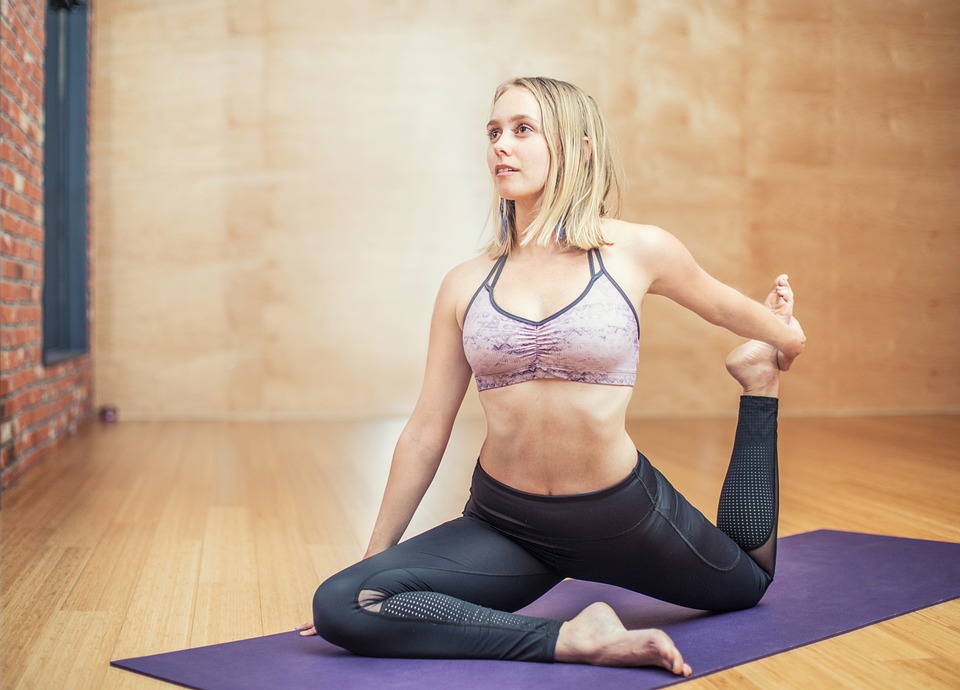
  • Get Moving: Top 5 Tips for Beginner Runners to Kick-Start Their Fitness Journey (Target keywords: running for beginners, fitness tips, running tips)

    Get Moving: Top 5 Tips for Beginner Runners to Kick-Start Their Fitness Journey (Target keywords: running for beginners, fitness tips, running tips)

    As a beginner runner, getting started can be both exciting and intimidating. However, with the right guidance and mindset, you can kick-start your fitness journey and achieve your running goals. In this article, we’ll share the top 5 tips for beginner runners to help you get moving and stay motivated.

    Tip #1: Start with Small Steps (and Small Distances)

    When it comes to running, it’s essential to start slow and gradual. Don’t try to do too much too soon, as this can lead to burnout, injuries, and frustration. Begin with short distances, such as 10-20 minutes, and gradually increase your running time and distance as your body adapts. This will help you build endurance, confidence, and a strong foundation for your running journey.

    Incorporating walk breaks into your runs is also crucial for beginners. It’s normal to feel out of breath and tired when starting out, and walking breaks can help you catch your breath and recharge. Remember, the goal is to make progress, not to push yourself too hard. Start with short intervals of walking and running, and gradually increase the duration of your runs.

    Tip #2: Listen to Your Body (and Your Mind)

    Running is a mental and physical challenge, and it’s essential to listen to your body and mind. Pay attention to your body signals, such as fatigue, pain, or discomfort, and take regular breaks to rest and recover. This will help prevent injuries, reduce stress, and boost your overall well-being.

    Additionally, listen to your mind and acknowledge your thoughts and emotions. It’s normal to feel anxious or nervous when starting a new exercise routine, but by acknowledging these feelings, you can overcome them and build confidence. Remember, every runner has setbacks and plateaus, but by listening to your body and mind, you can stay motivated and focused on your goals.

    Tip #3: Find Your Why

    Having a clear reason for starting a running routine is crucial for motivation and commitment. Ask yourself, "Why do I want to start running?" Is it to improve your health, increase energy levels, or feel more confident? Identifying your "why" will help you stay focused and driven, even on tough days.

    When finding your why, consider what drives you and what you hope to achieve through running. This could be weight loss, improved mental health, or a sense of accomplishment. Whatever your reason, make sure it’s personal and meaningful to you, and use it as a reminder to stay on track.

    Tip #4: Invest in Good Gear (and Comfort)

    Investing in good running gear and clothing can make a significant difference in your running experience. A good pair of running shoes, for example, can provide support, stability, and comfort, reducing the risk of injuries and improving your overall performance.

    Dress comfortably and choose clothes that wick away moisture, breathe well, and provide compression. Avoid heavy or restrictive clothing that can impede your movement or cause discomfort. Additionally, consider investing in a heart rate monitor, GPS watch, or other tracking devices to help you monitor your progress and stay motivated.

    Tip #5: Join a Running Community or Find a Running Buddy

    Running with others can be a great motivator, especially for beginners. Joining a running community, finding a running buddy, or participating in group fitness classes can provide accountability, support, and social connection. This can help you stay motivated, learn new techniques, and share your experiences with others.

    Search for local running groups, online forums, or social media communities to connect with other runners. You can also find running buddies at your local gym, park, or community center. Remember, running is a social activity, and by sharing your journey with others, you can build stronger bonds and achieve your running goals.

    Conclusion

    Starting a running routine as a beginner can be daunting, but with the right mindset, gear, and support, you can achieve your fitness goals. Remember to start slow, listen to your body and mind, find your why, invest in good gear, and join a running community or find a running buddy. By following these tips, you’ll be well on your way to kick-starting your fitness journey and achieving a lifelong habit of running.

    FAQs

    Q: I’m new to running, where do I start?
    A: Start with small steps (and small distances) and gradually increase your running time and distance as your body adapts. Begin with short intervals of walking and running, and gradually increase the duration of your runs.

    Q: What are some common injuries for beginner runners?
    A: Common injuries for beginner runners include shin splints, plantar fasciitis, and knee pain. To prevent these injuries, start slow, incorporate proper warm-up and cool-down routines, and wear proper running shoes.

    Q: How often should I run as a beginner?
    A: As a beginner, it’s recommended to start with 2-3 times per week, with at least one day of rest in between. Gradually increase your running frequency as your body adapts.

    Q: Can I run in the heat or cold?
    A: Yes, but take precautions to stay safe. When running in hot weather, wear light-colored clothing, stay hydrated, and run during cooler parts of the day. When running in cold weather, wear warm clothing, and consider wearing a hat and gloves for added warmth.

    Q: How do I track my progress?
    A: Use a heart rate monitor, GPS watch, or tracking app to monitor your progress. Take note of your distance, time, and pace, and use these metrics to set goals and track your progress.

    get-moving-top-5-tips-for-beginner-runners-to-kick-start-their-fitness-journey-target-keywords-running-for-beginners-fitness-tips-running-tips