Tag: Movement

  • Mindful Movement: How to Boost Fitness Results with Meditation and Awareness (Target keywords: mindfulness, fitness, meditation)

    Mindful Movement: How to Boost Fitness Results with Meditation and Awareness (Target keywords: mindfulness, fitness, meditation)

    As the world becomes increasingly fast-paced, people are looking for ways to improve their physical and mental well-being. One approach that has gained significant attention in recent years is mindful movement, which combines the principles of mindfulness, fitness, and meditation to achieve better health outcomes. By incorporating mindfulness and meditation into their fitness routine, individuals can experience a range of benefits, from enhanced physical performance to improved mental clarity and reduced stress levels.

    The Power of Mindfulness in Fitness

    Mindfulness, at its core, is about being present in the moment and paying attention to one’s thoughts, feelings, and physical sensations without judgment. When applied to fitness, mindfulness can help individuals develop a greater awareness of their body and its movements, allowing them to optimize their exercise routine and achieve better results. By focusing on the present moment and letting go of distractions, individuals can tap into their inner strength and motivation, leading to a more enjoyable and effective workout experience.

    One of the key benefits of mindfulness in fitness is its ability to enhance physical performance. When individuals are fully engaged in their workout, they are able to tap into their full potential, resulting in improved strength, flexibility, and endurance. Mindfulness also helps individuals develop a greater sense of body awareness, allowing them to move with greater precision and control, reducing the risk of injury and improving overall technique.

    The Role of Meditation in Mindful Movement

    Meditation plays a crucial role in mindful movement, as it helps individuals cultivate a greater sense of awareness and calm, both on and off the mat. By incorporating meditation into their fitness routine, individuals can experience a range of benefits, from reduced stress and anxiety to improved focus and concentration. Meditation also helps individuals develop a greater sense of self-awareness, allowing them to tune into their body’s needs and respond accordingly, whether that means taking a rest day or pushing through a challenging workout.

    There are many different types of meditation that can be incorporated into a mindful movement practice, including loving-kindness meditation, transcendental meditation, and guided meditation. Loving-kindness meditation, for example, involves focusing on sending kindness and compassion to oneself and others, helping to cultivate a greater sense of empathy and understanding. Guided meditation, on the other hand, involves following a guided audio or visualization, helping individuals to relax and focus their mind.

    How to Incorporate Mindfulness and Meditation into Your Fitness Routine

    Incorporating mindfulness and meditation into your fitness routine is easier than you might think. Here are a few tips to get you started:

    • Start small: Begin by incorporating short periods of mindfulness and meditation into your daily routine, such as taking a few deep breaths before a workout or practicing a quick meditation session after a run.
    • Focus on your breath: Bring your attention to your breath, noticing the sensation of the air moving in and out of your body. This can help you stay present and focused, even in the midst of a challenging workout.
    • Listen to your body: Pay attention to your physical sensations, noticing areas of tension or discomfort. This can help you adjust your workout routine and avoid injury.
    • Practice mindfulness in daily activities: Mindfulness isn’t just limited to the gym or meditation cushion. Practice mindfulness in daily activities, such as eating, walking, or even doing the dishes.

    The Benefits of Mindful Movement

    The benefits of mindful movement are numerous, ranging from improved physical health to enhanced mental well-being. Some of the key benefits include:

    • Improved physical performance: Mindful movement can help individuals develop greater strength, flexibility, and endurance, leading to improved overall fitness.
    • Reduced stress and anxiety: Mindfulness and meditation can help individuals reduce stress and anxiety, leading to a greater sense of calm and well-being.
    • Improved focus and concentration: Mindful movement can help individuals develop greater focus and concentration, leading to improved performance in all areas of life.
    • Enhanced self-awareness: Mindfulness and meditation can help individuals develop a greater sense of self-awareness, allowing them to tune into their body’s needs and respond accordingly.

    Common Mindful Movement Practices

    There are many different types of mindful movement practices, each with its own unique benefits and advantages. Some of the most common practices include:

    • Yoga: A physical practice that combines movement, breath, and meditation to promote flexibility, strength, and relaxation.
    • Tai chi: A slow, flowing practice that combines movement, breath, and meditation to promote balance, flexibility, and relaxation.
    • Pilates: A physical practice that combines movement, breath, and meditation to promote core strength, flexibility, and body awareness.
    • Walking: A simple yet powerful practice that involves paying attention to the sensation of your feet touching the ground, promoting relaxation and reducing stress.

    Conclusion

    Mindful movement is a powerful approach to fitness that combines the principles of mindfulness, fitness, and meditation to achieve better health outcomes. By incorporating mindfulness and meditation into their fitness routine, individuals can experience a range of benefits, from enhanced physical performance to improved mental clarity and reduced stress levels. Whether you’re a seasoned athlete or just starting out on your fitness journey, mindful movement can help you achieve your goals and cultivate a greater sense of overall well-being.

    Frequently Asked Questions

    Q: What is mindful movement?
    A: Mindful movement is an approach to fitness that combines the principles of mindfulness, fitness, and meditation to achieve better health outcomes.

    Q: How do I incorporate mindfulness and meditation into my fitness routine?
    A: Start by incorporating short periods of mindfulness and meditation into your daily routine, focusing on your breath, and listening to your body.

    Q: What are the benefits of mindful movement?
    A: The benefits of mindful movement include improved physical performance, reduced stress and anxiety, improved focus and concentration, and enhanced self-awareness.

    Q: What are some common mindful movement practices?
    A: Common mindful movement practices include yoga, tai chi, Pilates, and walking.

    Q: Do I need to be flexible or have prior experience with mindfulness and meditation to practice mindful movement?
    A: No, mindful movement is accessible to everyone, regardless of age, ability, or experience level. Start slow, be gentle with yourself, and have fun!

    Q: Can I practice mindful movement at home?
    A: Yes, mindful movement can be practiced anywhere, at any time. Find a quiet space, put on some calming music, and get started with some simple stretches or movements.

    Q: How often should I practice mindful movement?
    A: Aim to practice mindful movement at least 2-3 times per week, ideally daily if possible. Consistency is key to experiencing the benefits of mindful movement.

    mindful-movement-how-to-boost-fitness-results-with-meditation-and-awareness-target-keywords-mindfulness-fitness-meditation

  • 10 Powerful Women of the Mindfulness Movement: 2025

    10 Powerful Women of the Mindfulness Movement: 2025

    The women platformed here show us what’s possible when we honor ourselves and honor each other. In this fifth installment of our feature shining a light on powerful women—nominated by their peers—who are leading the mindfulness movement, a common thread ties each of their stories: the strength to live with open eyes and an open heart, even when it would be easier to shut down and tune out. They exemplify the courage to listen deeply, to be fully present with themselves and the world around them, to welcome the moment and work with it. They’ve each shaped unique practices that nourish their growth and calling. And in sharing their stories, they bolster us with inspiration so that each of us may, in our own way, do the same.

    Embrace What’s Broken

    Brenda K. Mitchell

    Pastor, Activist, Teacher

    All her adult life, Brenda K. Mitchell has rightly been known as a strong tower in her community: driven, politically active, rising up in her career. As a pastor, she cares deeply for others and gets things done. 

    When her 31-year-old son Kenneth was killed by gun violence in 2005, leaving behind two young sons with another on the way, Brenda tried to keep being that strong tower. She had grandsons to care for and people who needed her. 

    She didn’t understand then how trauma affects both mind and body. Grief took an immense toll, and her doctor told her she needed to stop everything. “As strong as I’ve always been,” she says, “I had to stop and embrace my brokenness so that I could finally start to heal.” 

    “As strong as I’ve always been, I had to stop and embrace my brokenness so that I could finally start to heal.”

    Pastor Mitchell took her doctor’s advice and rested. At a grief group, she was asked to try a mindfulness retreat with other survivors of gun violence. 

    At the retreat, she discovered the “power of the pause” and how to be fully with herself and others in the present moment. She saw there were still pieces of herself left unattended, even in the midst of good healing work. 

    The compassion of mindfulness allowed her to make herself the priority in her healing process, to fully own all grief’s scattered pieces. 

    She committed herself to practice and leadership in mindfulness spaces, especially to help other survivors of trauma and violence. 

    Today, she incorporates mindfulness into all she does—as a leader, pastor, activist, and facilitator. “I realized how important this is to me, to work in communities of color and in the faith community,” she says. “Yes, you have God. Yes, you have therapy. But there still might be a need for deeper healing. We have to utilize all our resources, because trauma is real.” – SM

    Center Love and Liberation

    Shelly Harrell

    Psychologist, Mindfulness Teacher, Founder of the Soulfulness Center

    Motown was the soundtrack of Shelly Harrell’s childhood in the ’60s in Detroit. Earth, Wind & Fire’s That’s the Way of the World and Stevie Wonder’s Songs in the Key of Life played on repeat. “In those songs, compassion is so central, care for humanity is so central,” she says.

    She credits music as her first ever mindfulness teacher, dance as her first form of meditation, “a place I could come home to.” When she was a teenager, her father passed away and “all I could think to do was dance,” she says. “I started to trust coming back to my body and coming into presence with my inner life.” 

    Today, Harrell’s personal and professional growth are guided in part by seeking wisdom about mental health and healing beyond Eurocentric frameworks. “Stillness and silence are beautiful, but those aren’t the only paths to mindful presence,” she says.

    “Stillness and silence are beautiful, but those aren’t the only paths to mindful presence.”

    In the early 2000s she recognized a gap between Black Americans and the mindfulness community, caused not only by mostly white representation in mindfulness spaces, but also by the undercurrent of detachment that lies beneath attempts to attain individual calm and happiness. “For collectivist, communal, interconnected-worldview cultures, a message of detachment just doesn’t call,” she says. So she founded The Soulfulness Center where the focus is “love and liberation…centering connection and reconnection to what has been lost, stolen, forgotten,” she says. 

    “Mindfulness is about return, return to breath, return to that anchor again and again.” Harrell often refers to an African proverb, associated with the West African Adinkra symbol called Sankofa, meaning “to return and get it.” 

    “There’s this temporal interconnectedness that we’re invited into with past, present, and future ancestors and living descendants, to connect with that continuity of where we come from, where we are, and where we’re going,” she says. “For me it’s this bigger worldview, the wisdom of a collective, that centers interconnectedness as an ethic. And when we start there, what does that mean for how we live?” – AWC

    Meet It With Love

    Caverly Morgan

    Founder of Peace in Schools, Teacher, Author

    Before Caverly Morgan found mindfulness, she had no idea that she had any negative self-talk at all. On her first retreat, she thought the people who were talking about this were a little loopy. “To me, it wasn’t negative self-talk. These were just facts about myself. So there was this voice that was always driving the car, and I didn’t even know it.” 

    Her mindfulness practice started as a way to learn how to be in a different kind of relationship to this voice. 

    Once we realize the presence of that Inner Critic, she says, we’re conditioned to make the logical leap that there’s something we have to fix. We have to overcome the voice, learn more practices, and build more skills so we can get better at being compassionate. Then our lives will feel happier and more complete. 

    When we approach compassion with that energy of self-improvement, though, we just turn it into something else that we can get good at or fail at. We stay stuck in the mental ruts of good enough/not good enough. 

    “When we approach compassion with that energy of self-improvement, we stay stuck in the mental ruts of good enough/not good enough.”

    Morgan offers gentle guidance for how to rewire these mental patterns. When the Inner Critic shows up, we don’t have to defeat it. We can greet it and meet it with a practice that’s steeped in unconditional reassurance. 

    Unconditional reassurances aren’t just saying the opposite of the Inner Critic by offering false positivity. They’re anchored in the truth, regardless of what’s happening or how we feel about it. So when we’re struggling with a sense of failure, the practice isn’t to say, You’re amazing and super-successful! It’s Whether you succeed or you don’t, I love you no matter what. 

    Our mindfulness practice, then, isn’t a tool we wield to change what we don’t like about ourselves. Rather, it’s like a life preserver we hold onto when we’re flailing, until we feel safe enough to simply float again in the vast ocean of love. Our practice helps us return to presence, and the more we return to presence, the more we sense the reality that compassion is already in and around us—that compassion is actually a natural byproduct of who we authentically are. We don’t have to make more of it for ourselves or other people; we just need to sit still long enough to allow it to naturally emerge. – SM

    Celebrate Who You Are

    Sue Hutton

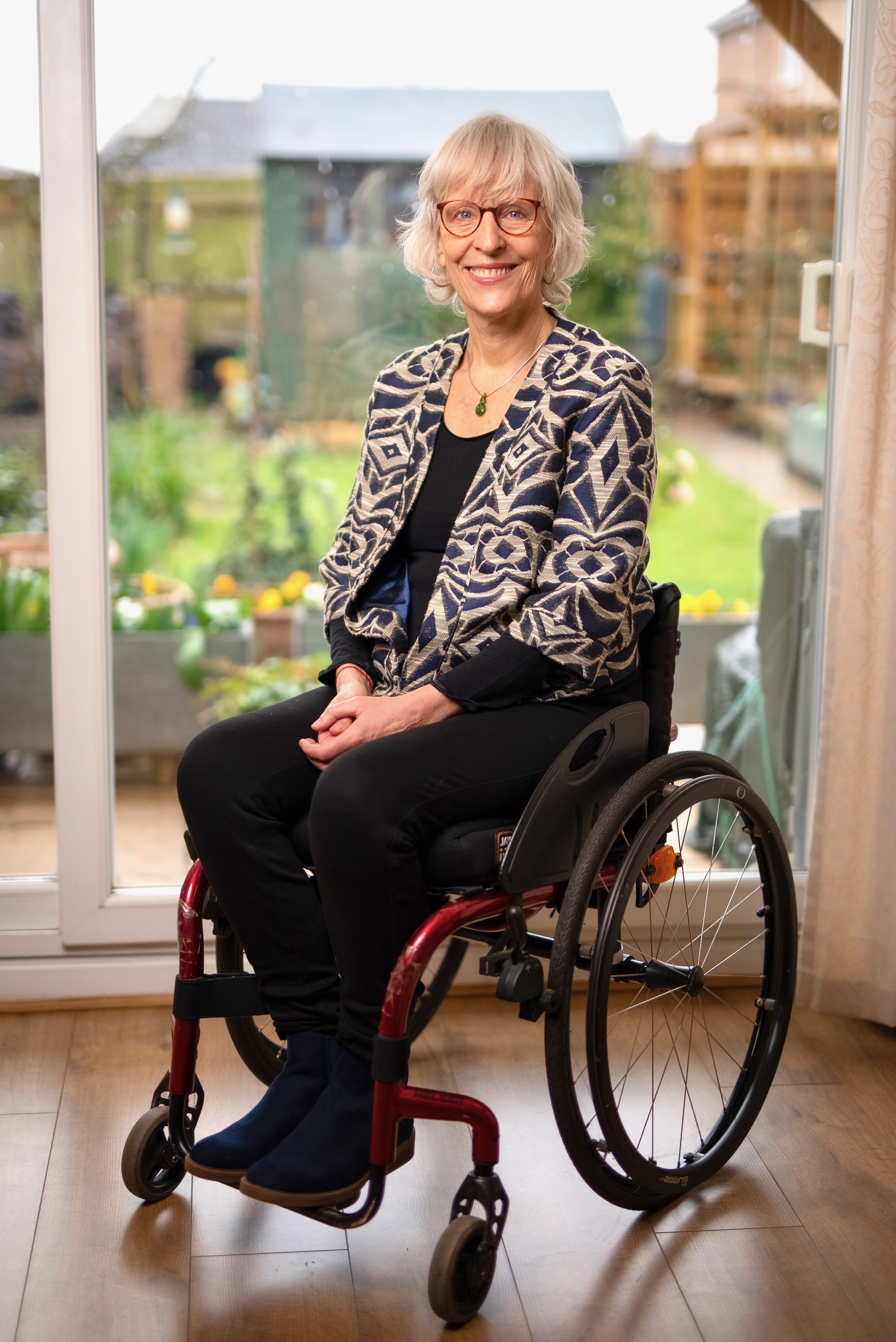
    Social Worker, Mindfulness Teacher, Disability Rights Advocate

    Sue Hutton has been working with neurodevelopmentally disabled adults, as well as their families and caregivers, since her 20s—and practicing mindfulness for even longer. These communities offer a beautiful place to practice, she says. “I love celebrating our differences and getting to know people’s individual ways of being and helping celebrate who they are.”

    Compassion has always motivated her. As a child, her mother’s suicide attempts awakened her desire to help ease suffering. “My experiences of being an outsider or alienated rested within me and really strengthened my interest in validating other people and never wanting anyone to feel like an outsider.” At the Azrieli Adult Neurodevelopmental Centre in Toronto, Hutton works alongside paid autistic advisers to develop and adapt mindfulness curriculums for neurodivergent communities and caregivers. 

    Earlier in her career, Hutton specialized in providing disability rights education to disabled adults and their families. And because there is also neurodiversity in her own family, she says, “Weaving access to justice and accessibility rights into my mindfulness practice was a natural fit.” 

    “I love celebrating our differences and getting to know people’s individual ways of being and helping celebrate who they are.”

    Although conversations around disability and neurodiversity have become more common, including in the mindfulness sphere, meaningful change lags behind. She says she often witnesses tokenistic actions that result in even more exclusion, instead of a genuine commitment to the work of inclusion and accessibility rights. 

    Alongside systemic change, Hutton also believes in the power of self-compassion. She notes that with standardized meditation instruction, it is assumed that we all experience the practice in more or less the same way, so self-compassion is particularly important for neurodivergent meditators. 

    “Every single person who sits down to meditate is doing so through the fabric of their wiring and their brain structure,” she says. “For me, it is so important to know that each person is going to have their very unique and individualized way of experiencing mindfulness, and to honor and accept that, hey, we all do this differently.” – AT

    Find Your Strength

    Melli O’Brien

    Mindfulness Educator, Entrepreneur, Mental Health Coach

    As a teenager, Melli O’Brien went to her public school library and pulled every book she could find on mental health and happiness. 

    At the time, her days were defined by deep depression and an eating disorder fueled by a belief that she wasn’t enough. Meanwhile, the Iraq war raged on and she struggled to make sense of world leaders taking actions that harmed so many. She saw only two paths ahead: One would lead to taking her own life and the other would mean trying to heal, build inner strength, and maybe be part of the change she wanted to see in the world. 

    “If I believed all those voices and if I didn’t transform them, I don’t think I would have been able to help so many people,” she says today. “That’s a really good reason to unlock your own gifts, so that you can share them with the world and do your own little thing, no matter what it is, to make other people’s lives a bit better too.” 

    Her study of happiness led to two lessons that changed her life: that inner strength is a skill you can build, and that mindfulness is one way to cultivate it. 

    “That’s a really good reason to unlock your own gifts, so that you can share them with the world.”

    “Within a couple sessions of mindfulness training I had the experience of understanding I’m not my mind, I’m not my thoughts, I can get space… I got a taste of freedom,” she says. “I fell in love with the practice.” 

    O’Brien spent years nurturing her practice, which helped her heal and led her to become a mindfulness teacher. In 2015, she cofounded The Mindfulness Summit, which raised $500,000 for mental health charities around the world and led to her cofounding the popular app Mindfulness.com in 2020. 

    And then she burned out

    “The amount of adversity coming my way in one go really had me on my metaphorical knees,” she says. Around this time, the World Health Organization named a world mental health crisis, which she saw reflected not only in herself, but her clients. 

    “I had to get really still inside and really think about who I want to be now, how I want to serve now, how I want to live now,” she says. And the result was The Deep Resilience Method, and her forthcoming book by the same name. 

    “I think this book and this method are like a love letter to myself. It’s the answer to my own question of What do I need? And what I need is hopefully going to be what really serves other people when they want to show up in these crazy times we’re living in and be able to make positive change,” she says. 

    “One of the biggest obstacles that I’ve observed is people feeling like there’s no point, and it’s practices like recognizing your own strength that would help you get there.” – AWC

    Come Home to the Body

    S. Helen Ma

    Clinical Psychologist, Mindfulness Researcher, Teacher Trainer

    In 1998, S. Helen Ma traveled from Hong Kong to the US for mindfulness training with Jon Kabat-Zinn, founder of Mindfulness-Based Stress Reduction. She told him, “I know mindfulness helps, but I want to know how it helps.” 

    At that time, Ma had spent much of her career working in Hong Kong and Australia hospitals with people experiencing clinical depression. While she saw healing, she also saw relapse. Empathy and compassion fatigue threatened to take over—until a colleague introduced her to mindfulness. 

    “For psychology we would be very interested in people’s stories—what’s happened before now,” she says. But in mindfulness, “You don’t need to be concerned about the stories at all… Everything comes and everything goes. It’s so liberating.” 

    She learned she could say to herself, It’s just a thought that I’m not helping people, it’s just a thought that the suffering will go on forever. Instead, in this moment, what is happening?

    “Everything comes and everything goes. It’s so liberating.”

    Kabat-Zinn connected Ma with John Teasdale, a leading Oxford researcher, and together they conducted one of the first studies on mindfulness for clinical depression relapse. The study showed mindfulness is a viable intervention in clinical settings, revolutionizing the field. 

    Lately, though, she’s taken a step back from her career in researching and educating about mindfulness to be a full-time caregiver to her husband, who has dementia. 

    “I’m forever grateful for the practice,” she says. “There’s still attachment, there’s still aversion, there’s still joy, there’s still sorrow, and sometimes the narrative is so thick… But I can recognize, right now my heart is hurting. So can I allow my heart to open up, to fill with sorrow, to feel the grief? Let me see how long it will last and when it will fade. 

    “It’s very difficult now in this very fast-paced and electronic age, but if we can just allow for a moment of stillness and coming back to the body and sensing how the body is tensing up… There’s so much wisdom that starts with being mindful of the body,” she says. “It’s coming home, you know. If everyone in the world could come home, it would be a different world.” – AWC

    Create New Paths

    Nanea Reeves

    Founder and CEO of TRIPP

    Nanea Reeves learned to meditate, she says, before mindfulness “was even a thing.” Her mother struggled with mental illness and addiction, and 15-year-old Nanea (whose name is Hawaiian for peacefulness and serenity) found herself in hospital, experiencing a crisis. A hospital therapist taught her a breathing technique to connect to the present moment. 

    “I believe it was one of the greatest gifts I’ve ever been given,” she says. After her younger sister, Vicki, died from a drug overdose, Reeves deepened her commitment to helping others access the healing tools meditation can offer. 

    “It’s been a real practice for me to learn how to open up my heart more. And now, to be able to put it into work is an honor.”

    A vision began to take shape while she was working in the video game industry. Today her award-winning company, TRIPP, offers virtual reality- and AI-powered guided meditations. “There are many paths up the mountain,” Reeves says. “If we can give people the experience of having present-moment awareness through this method, can it help them translate that into the physical world as well?” 

    The TRIPP app’s AI guide, Kōkua—a Hawaiian word for support and selfless giving—generates guided meditations tailored to a meditator’s mood, and adjusts with their feedback. While not meant to replace human support, Reeves describes it as “that compassionate voice that you can connect to at two in the morning.” 

    “As a kid who had to deal with a lot of violence in the home, I tended to really close off my heart, because it had been hurt so much,” she says. “It’s been a real practice for me to learn how to open up my heart more. And now, to be able to put it into work is an honor.” – AT

    Hold It Lightly

    Vidyamala Burch

    Mindfulness Teacher, Writer, Founder of Breathworks

    After 50 years of living with chronic pain and 40 years of meditation, Vidyamala Burch says, “I laugh much, much more than I used to.” She smiles. “I love telling people that because it’s so surprising.” 

    “I think one of the fruits of long-term practice is an ability to hold life lightly. Take it seriously, because it is a very serious business, but hold it lightly.” 

    Burch is the founder of Breathworks, a charity based in the UK that teaches people living with chronic pain, illness, and stress how to live a fuller life with the help of mindfulness. Her approach comes from her own lived experience of pain. 

    As a child, she lived an active, outdoorsy life in New Zealand and dreamed of becoming a wildlife officer. But that all changed when her spine was fractured, once at the age of 16 and again at 23. 

    “You can’t really be mindful without being loving, and can’t really be loving without being mindful.”

    Lying alone in an intensive care unit after the second accident, faced with intolerable pain, she didn’t know how she would make it to morning. Then she realized that all she had to do was make it through one moment, then one more, and in this way she made it to dawn. 

    “As human beings, we’ve always got two options. One is to turn away from suffering, and the other is to acknowledge it and see if we can keep our hearts open,” she says. “I always say to people at Breathworks, ‘You’re heroes because you’re willing to look at your mind and you’re willing to be in your body.’” 

    At Breathworks, they teach people how to embody a middle way between denial and overwhelm, first with their own pain but also with global issues. “If we had billions of humans who were able to be with whatever’s happening with an open heart and not tipping into either denial or overwhelm, we might have a species that was quite well-equipped to deal with the challenges of our age.” 

    “Just keep practicing. This is what the world needs. This is what we need as individuals,” she says. “You can’t really be mindful without being loving, and can’t really be loving without being mindful.” – AWC

    Keep Your Heart Open

    Shalini Bahl

    Mindfulness Teacher, Researcher, Consultant, Author

    Shalini Bahl feels that trees were her first mindfulness teachers. Years ago, after getting divorced and then moving with her son from India to Amherst, Massachusetts—leaving behind family, friends, and culture—she would sit among the trees, “contemplating my life,” she says. “I’d have all these questions: Why me? What happened? Then I would get this sense or thought in my mind: Just breathe first, and you will get the answers.” 

    This reflective experience sparked her mindfulness journey, and she pursued training with luminaries including Jon Kabat-Zinn and Mirabai Bush. In her academic career, she began sharing the practice with her marketing students. Eventually she redirected her full-time work toward mindfulness, not only teaching, but offering organizational consulting as well as leading research on beneficial ways to be mindful in marketing and business. “What I’m really interested in is using these mindfulness skills for real-world change, to create a better world.” 

    If that sounds simple, it’s not. While serving as an Amherst town councilor, Bahl realized that the qualities she’d been honing in meditation—compassion, equanimity, curiosity—weren’t always translating to the way she was showing up. So she developed a framework for acting and living mindfully in everyday life, using eight habits rooted in foundational contemplative teachings. 

    “The important thing is that we keep our hearts open, and we continue to keep our eyes open and see each other along the way.”

    This framework forms the basis of her book Return to Mindfulness, published in January 2024. Its reminders, she says, “allow us to take a breath, to step back: Am I acting from a place of reaction, default bias, unconscious bias? Or is it from a place of spaciousness, ease, and clarity?” 

    She’s also noticed how cultivating openness and clarity can lead us to deeper compassion. One day, she was talking with an unhoused man on the sidewalk, and a passerby gave the man a bag with two croissants. Immediately, he offered one to Bahl. This act of selfless generosity moved her deeply. “I had judged him as someone who was there on the street, who needs my help.” They became friends, enriching her understanding of shared humanity. 

    At the time, she set an intention: “For now, I’m going to show up for him and stay open. Don’t close my heart. And when I can do more, my heart and my eyes will be open to seeing that opportunity.” Later, when she was elected to town council, that intention gave her the courage to speak up in support of shelters for unhoused people and others who needed help. 

    “I think that’s part of living compassionately, when we don’t know what we can do right away,” she says. “But the important thing is that we keep our hearts open, and we continue to keep our eyes open and see each other along the way.” – AT

    Tell a New Story

    Yuria Celidwen

    Scholar, Researcher, Teacher, Indigenous Nahua and Maya

    When Yuria Celidwen talks about contemplative practice, she’s describing something much more expansive than solely what’s going on in the mind. 

    “From the Mesoamerican tradition specifically, but generally in many Indigenous practices, it’s also about the emotional state, the heart that is involved with the body that informs the mind processes that end up revealing…that animating principle of life.” 

    As a child, she already possessed this rich awareness of complexity. From her parents, grandparents, and great-grandparents, she says, “I learned a lot about how to really be with the landscape, be part of the landscape of a larger community.” Then, starting in elementary school, she faced racist discrimination. Inhabiting these conflicting worlds led her to the study of identity, consciousness, and cultural narratives. 

    Today, a growing range of Indigenous perspectives is found within contemplative studies; when Celidwen entered the field 15 or 20 years ago, there was no such representation. “I was the one to push for Indigenous wisdoms to be part of this field, and to also look at them as sophisticated systems of transforming our sense of identity and cultural identity, examining those identities, and then creating social and environmental transformation for well-being,” she says. 

    “How do we learn to listen to the world? To the whole living, beautiful mother planet that we inhabit?”

    Mindfulness is often interpreted in the West as a set of tools to benefit primarily the individual self. In the Indigenous epistemologies that she researches and teaches about at the University of California, Berkeley, there’s a vision of “a responsible community, an ethical community,” where there is room for every being to be heard and valued as kin. “How do we learn to listen to the world? To the whole living, beautiful mother planet that we inhabit?” she asks. 

    These are glimpses into what Celidwen calls the Ethics of Belonging. It’s elucidated in her academic work, as well as explored in her new book, Flourishing Kin: Indigenous Wisdom for Collective Well-Being (published November 2024). 

    “We know that humans learn through stories,” she says. And old narratives that haven’t served us—“about uniqueness, personal achievement, material possessions, using nature as a resource”—can be composted, she says, “for the nourishment of a new story, but a new story that brings us together. 

    “To relate better, to listen better, to express better, to create better, to nourish our landscapes better—so we realize that yes, we are part of this system, and we can be part of the change.” – AT


    Source link

  • 5 Ways to Make Exercise Less Boring

    5 Ways to Make Exercise Less Boring

    Exercise feels monotonous and boring, and it’s the last thing I want to do with my free time.

    Sound familiar? Believe us, you’re not alone if you feel this way. It’s hard to drum up motivation when you think something is boring. Nobody wants to spend their free time doing monotonous and tedious tasks! So, how can we make movement less tedious and more enjoyable—something you look forward to?

    Savoring is a psychological tool that can help with changing our perspective. Let’s unpack this to transform “Exercise is boring” into “I’m motivated to do this!”

    How to Make Exercise Enjoyable

    Exercise can often feel more like a “should” than a want. You know it’s good for you in the long term, but you don’t want to invest the time right now. Temptation bundling is pairing something that has delayed rewards (exercise, in this case) with something that is pleasurable in the short term. In a large research study with over 6,000 participants, when subjects were told to pair their session with a pleasurable audiobook they only listened to when they exercised, it boosted their likelihood of doing a weekly workout by 10–14%. Why? When you temptation bundle exercise, it’s instantly less boring and more gratifying.

    Being with friends can turn into a pickleball meetup. Your love for coffee can turn into a walk to the local café to grab a cup. Stretching your hips or being active in the garden can pair nicely with listening to your favorite podcast. To shift your perspective on exercise monotony, think about the type of exercise you’re trying to motivate yourself to do, then come up with some fun, enjoyable activities you can do or environments you can create at the same time. You can try some of these ideas:

    • Take a walk at the farmers’ market.
    • Call your sister while walking.
    • Watch your favorite show at the gym (and only at the gym!).
    • Wear your most comfy exercise clothes while you move.
    • Bike along the prettiest streets.
    • Book a class with your favorite instructor.

    I (Diana) temptation bundle by stretching while watching our favorite family show, The Amazing Race. Teams are racing around the world, and I send my foot around in circles, or take a figure four stretch to work on my hips, or practice doing headstands with my kids. My body thanks me for it, and it feels better to move while watching people sprint to the finish line.

    With temptation bundling, it’s pretty simple: to make your movement less monotonous, pair it with something else you love.

    I (Katy) love rocking out to music, but between work and family time, I struggle to find time to blast what I want to hear. So for me, heading out for a walk is just as much about a chance to listen to music uninterrupted as it is the exercise of taking a walk. Looking forward to picking out my own music is often what motivates me at the end of the day.

    With temptation bundling, it’s pretty simple: to make your movement less monotonous, pair it with something else you love. And be present while you do it (don’t worry, we’re about to teach you how!).

    How to Savor Exercise

    You can make movement less boring by bringing awareness to the full experience of moving your body…and savoring it. Savoring is the act of intentionally paying attention to, appreciating, and enhancing the positive aspects of an experience. When you savor your experience, it increases your positive emotions, helps with stress reduction, and can turn even the most mundane experiences into pleasurable ones.

    The key here is to be fully present with pleasurable aspects of what you are doing—flexibly shining your attention spotlight on the good stuff. This doesn’t mean ignoring discomfort; it’s more about attentional shift—which involves perspective-taking and being present. You get to choose where you place your attention.

    Try this right now: 

    1. Let your chin drop toward your chest, then gently bring your right ear toward your right shoulder, then slowly take your left ear to your left shoulder. 
    2. Notice: Where is the movement restricted? Where is it easy? 
    3. Linger on the spots that could use a little extra love. Breathe into and around the areas that are tight and relax your shoulders. Close your eyes and luxuriate in the chance to rest your mind as you roll. 
    4. Have gratitude for this moment to be with your body. Even the most monotonous things can become interesting when you are present for them and savor them.

    There are five ways to savor an experience, according to Erika Miyakawa, a Japanese psychologist who researches savoring: thanksgiving, basking, marveling, luxuriating, and knowing. They all involve being fully present with your experience. Let’s explore how you can apply each of these to your movement or exercise.

    5 Ways to Savor

    Pick a physical activity that you usually find tedious or repetitive (for me, Diana, this is walking in circles around the airport while waiting to board, or waiting during my son’s baseball practice while he’s doing drills). Now try to apply each of these types of savoring to it. Notice how it changes your experience.

    1. Thanksgiving: Appreciate the opportunity to move your body. Feel gratitude for this chance to move. Appreciate the place, people, and activities you get to engage with by moving your body.
    2. Basking: Take in feelings of pride at growing stronger in your body with movement. Feel the accomplishment of living out your values, finishing a challenging workout, or meeting movement goals.
    3. Marveling: Let yourself feel awe through movement. Be amazed by the beauty of nature, surprising sights, and the capabilities of your human body.
    4. Luxuriating: Enjoy the physical and sensory pleasures of movement. Enjoy the good feeling of stretching your muscles, the release of tension and stress, the flow of your body, or the creativity of movement.
    5. Knowing: Savor the wisdom that comes through moving your body—the knowledge you gain from interacting with new places, fresh faces, experiences, and challenges, or the knowledge gained by learning about yourself and your capacities.

    The next time you find exercise a drag, dear reader, try this savoring skill and focus your attention on the positive aspects of movement. The most important factor is being fully present—shifting your attention to here and now, and the good that can come with moving your body.

    Rethinking Movement: Make It Playful

    Exercise often has to be slotted into our free time, where it’s competing with all the other things we enjoy doing. For many, exercise can feel like a chore: boring! Counting reps or laps, monitoring intensity, and paying attention to other metrics is the opposite of play, and when it comes to motivating ourselves to pick movement, we might need to boost the fun factor.

    Think about the physical activities you loved as a kid, back before you thought about them being good for you and instead just thought they were fun.

    Any movement can become playful—play has more to do with your attitude than the specific activity—and playful activities can be easier to stick to. Sports and physical games, like pickleball and Kubb (a backyard throwing game) count, but it’s also playful to get a weighted hoop going around your midsection for fifteen minutes while you’re standing in the living room. Reroute your daily walk past a playground, where you can go across the monkey bars, ride the slide, and hop on the swings to challenge your vestibular/balance system. Put on your favorite dance music and boogie. I (Diana) keep a big open space in our living room solely for the purpose of fun movement. Over the years we’ve played balloon volleyball and Twister, and made forts together there. Open spaces are great invitations for the whole family to move.

    Think about the physical activities you loved as a kid, back before you thought about them being good for you and instead just thought they were fun. For me (Katy), some playful activities were “being a mermaid” in the pool for hours, riding bikes with my sister around our neighborhood until dark, and hitting tennis balls against the side of the house by myself. When you’re looking to add movement, there’s no need to pick from a list of activities you find boring. Find exercise that closely resembles your “play” list so it’s easier to choose.

    This excerpt is from Diana Hill and Katy Bowman’s forthcoming book I Know I Should Exercise, But…: 44 Reasons We Don’t Move and How to Get Over Them (Uphill Books, March 2025) and is reprinted with permission from the publisher.


    Source link

  • The Power of Running and Meditation: A Guide to Mindful Movement

    The Power of Running and Meditation: A Guide to Mindful Movement

    While this article has been reviewed for accuracy and fairness by Mindful editors, some material in this article was generated by AI. To learn more about our AI practices and why we sometimes use AI to generate content, please see our statement here.


    Combining running and meditation can create a powerful experience known as mindful running, which enhances both mental and physical health. This article will explore the benefits of integrating mindfulness into your running routine, offering insights into how this practice can improve your well-being and overall quality of life.

    Whether you’re a seasoned runner or new to the concept of mindfulness, this guide provides practical tips and techniques to help you embrace the power of running meditation, stay focused on the present moment, and enjoy a more fulfilling running experience.

    Key Takeaways

    • Mindful running is a powerful tool for improving mental and physical health, and can be adapted to suit individual needs and goals.
    • By incorporating mindfulness into your running routine, you can reduce stress, improve focus, and enhance overall well-being.
    • Remember to stay present, focused, and mindful, and to enjoy the journey of mindful running.

    What is Mindful Running?

    Mindful running is a practice that combines physical movement with mindfulness techniques to cultivate a greater sense of awareness and presence in the present moment.

    It involves paying attention to your breath, body, and surroundings while running, allowing you to stay focused and fully engaged in the experience.

    Combining mindfulness with physical activity like running can enhance mental and physical health, reduce stress, improve emotional resilience, and increase body awareness. Mindful running can be done anywhere, at any time, and can be adapted to suit individual needs and goals.

    Benefits of Running Meditation

    Enhanced Focus and Clarity

    Running meditation sharpens your focus by training your mind to stay present. This heightened awareness can translate into improved concentration in everyday life, allowing you to tackle tasks with greater clarity and efficiency.

    Increased Pain Tolerance

    Engaging in running meditation strengthens the connection between your mind and body. By paying attention to how your body feels during each step and breath, you develop a deeper understanding of your physical and mental state, fostering a sense of harmony and balance. 

    By practicing mindfulness during your runs, you become more attuned to your body’s sensations. This awareness can help you manage discomfort and increase your pain tolerance, making it easier to push through challenging workouts.

    Improved Cardiovascular Health

    Combining the physical activity of running with the calming effects of meditation can lead to better cardiovascular health. The rhythmic nature of running meditation promotes healthy heart function, improving circulation and reducing the risk of heart-related issues.

    Greater Emotional Resilience

    Running meditation helps build emotional resilience by enabling you to process and release negative emotions. As you focus on your breath and the present moment, you learn to navigate stressful situations with a calm and balanced mindset, enhancing your overall mental well-being.

    Strengthened Mind-Body Connection

    Engaging in running meditation strengthens the connection between your mind and body. By paying attention to how your body feels during each step and breath, you develop a deeper understanding of your physical and mental state, fostering a sense of harmony and balance.

    Incorporating these additional benefits into your running routine can further enhance your mental and physical health, making running meditation a valuable practice for overall well-being.

    Running Meditation Can Help Boost Mood

    Participating in moving meditation while running can immerse you in a sense of positivity. Running naturally triggers the release of endorphins, those mood-enhancing chemicals that can boost your spirits. By incorporating meditation into your run, you intensify this positive effect, which has been proven to help reduce symptoms of depression and anxiety.

    By anchoring yourself in the present moment and concentrating on your breathing pattern during running meditation, you foster a deep sense of well-being and emotional upliftment, making it a powerful method for improving mental health.

    Running Meditation May Provide More Energy

    Engaging in aerobic exercise, such as running, increases your heart rate and circulation, providing an energy boost. By combining running with meditation, you can keep your mind sharp, potentially altering your perception of the run’s difficulty. Staying fully aware of your body’s natural rhythm and taking deep breaths can help you tap into more energy during your run, enhancing both physical and mental performance.

    Running Meditation May Improve Performance

    Running meditation can help you find your flow during a workout. By staying mindful, you can connect with your body, discover a pace that feels comfortable, and lower the risk of injury. Being present and in tune with how your body feels can enhance your running routine and lead to better outcomes. This approach not only improves performance but also supports lasting heart health.

    Running Meditation May Lower Stress Levels

    Everyday stress can feel overwhelming, but running meditation provides a much-needed respite. As you immerse yourself in your run and focus on the present, the typical worries that clutter your mind begin to fade away. By integrating mindfulness into your running practice, you can effectively reduce stress and anxiety, leading to a calmer and more balanced mental state. This approach not only helps you manage stressful situations more smoothly but also improves your overall quality of life.

    Running Meditation Could Lead to Better Sleep

    If you find yourself tossing and turning at night, incorporating running meditation into your routine might be the solution you need. This practice not only helps expend excess energy but also cultivates a tranquil mind, making it easier to slip into a restful sleep. By blending mindfulness with your running routine, you’ll not only enhance the quality of your sleep but also reap the physical and mental benefits that come with a rejuvenating night’s rest. This approach supports overall well-being, making you feel more energized and balanced in everyday life.

    The Science Behind Mindfulness

    Mindfulness practice can change the structure and function of the brain, increasing gray matter in areas related to attention, emotion regulation, and memory.

    It can also increase the production of neurotransmitters such as dopamine and serotonin, and reduce the production of stress hormones such as cortisol. Aerobic exercise like running can enhance mental alertness and cognitive function by increasing blood flow and heart rate.

    The rhythmic nature of running can help induce a meditative state, making it easier to practice mindfulness.

    Running Meditation Techniques

    • Focus on your breath, taking deep breaths in through your nose and out through your mouth.
    • Pay attention to your body, noticing how it feels with each step and movement.
    • Use a phrase that you repeat to yourself or a physical sensation to help keep your mind focused and present.
    • Practice walking meditation as a way to transition into running meditation.

    Running Meditation for Beginners

    Running meditation is a wonderful way to blend physical movement with mindfulness practice, helping you stay focused and present in the moment. If you’re new to this practice, it’s important to start with the basics and gradually build up your routine. Here’s a step-by-step guide to help you get started with running meditation:

    1. Start with Walking Meditation: Begin by practicing walking meditation. This involves walking slowly and mindfully, paying attention to each step and your breath. This will help you get used to the idea of combining movement with mindfulness.
    2. Focus on Your Breath: As you transition to running, keep your focus on your breath. Take deep breaths in through your nose and out through your mouth. This will help you stay centered and calm.
    3. Pay Attention to Your Body: Notice how your body feels with each step. Are your muscles tense or relaxed? How does the ground feel under your feet? This awareness will help you stay present and connected to your body.
    4. Use a Mantra: Choose a simple word or phrase to repeat in your mind as you run. This can help keep your mind focused and prevent it from wandering.
    5. Start Slow: Begin with short runs and gradually increase your distance and intensity. This will help you build endurance and get comfortable with the practice.
    6. Stay Patient: Remember, running meditation is a practice. It’s normal for your mind to wander. When it does, gently bring your focus back to your breath or your mantra.

    By following these steps, you can start to incorporate running meditation into your routine, helping you stay focused, reduce stress, and enjoy the many benefits of mindful running.

    Preparing for Mindful Running

    Start by incorporating mindfulness into your everyday life, such as through meditation or deep breathing exercises, and recognize the importance of physical activity in enhancing both mental and physical health.

    Begin with short runs and gradually increase distance and intensity as you become more comfortable with the practice.

    Find a safe and comfortable running route, and consider running with a buddy or joining a mindful running group.

    Overcoming Challenges

    Don’t get discouraged if your mind wanders—simply acknowledge the thought and refocus on your breath or body.

    If you’re feeling tired or struggling with motivation, try incorporating physical training exercises into your routine.

    Remember that mindful running is a practice, and it’s okay to take breaks and rest when needed.

    Mindfulness Practice for Runners

    Practice meditation before or after your run to help calm your mind and prepare your body. Engaging in physical activity, such as running, enhances both mental and physical health by reducing stress, improving emotional resilience, and increasing body awareness.

    Use mindfulness techniques during your run to stay focused and present.

    Mindful Running in Daily Life

    Incorporate mindfulness into your daily routine through meditation or deep breathing exercises to cultivate a sense of calm and balance.

    Use mindful running as a powerful tool to reduce stress and enhance mental health, allowing you to navigate life’s challenges with greater ease.

    Apply the principles of mindful running to other areas of your life, such as work or relationships, by staying present and fully aware of your thoughts and emotions, leading to improved communication and emotional resilience.

    Frequently Asked Questions

    What is the difference between mindful running and regular running?

    Mindful running focuses on staying present and aware, unlike regular running, which targets physical training and performance. Regular running often involves goals like speed or distance, while mindful running emphasizes breath, body sensations, and surroundings to maintain a meditative state. Mindful running enhances mental health, reducing anxiety and boosting well-being, making it a holistic exercise approach.

    How do I get started with mindful running?

    Starting mindful running combines the physical benefits of running with the mental clarity of mindfulness. Here’s a quick guide:

    1. Set Your Intention: Before running, decide on a goal, like staying present or reducing stress.
    2. Choose a Quiet Place: Pick a peaceful route outdoors, if it’s available to you, to connect with nature and avoid distractions.
    3. Focus on Breathing: Maintain a comfortable pace, focusing on nasal breathing to stay calm.
    4. Be Aware of Your Body: Pay attention to sensations, from your feet hitting the ground to muscle movements.
    5. Stay Present: Redirect wandering thoughts to your breath or body, using a mantra if needed.
    6. Reflect Post-Run: After running, consider any changes in mood or energy.

    By following these steps, transform your runs into a moving meditation that boosts well-being. Remember, it’s a practice, so be patient and enjoy the journey.

    Can I practice mindful running if I’m not an experienced runner?

    Absolutely! Mindful running is for everyone, no matter your experience level. Focus on the present moment and integrate mindfulness into your run, without stressing over performance. Start at a comfortable pace, paying attention to your breathing and body sensations.

    You can begin with walking meditation and gradually transition to running. Mindful running is about self-discovery, reducing stress, and improving mental well-being, offering benefits for beginners and seasoned runners alike.

    Mindful Running and Technology

    Use apps or online resources to help guide your mindful running practice. There are numerous applications available that offer guided meditations, mindfulness tips, and running plans tailored to enhance your mental state and physical performance.

    Consider using a fitness tracker or running watch to track your progress and stay motivated. These devices can monitor your heart rate, pace, and distance, providing valuable insights into your running routine and helping you maintain a comfortable pace.

    Be mindful of your use of technology, and avoid distractions such as music or social media. While technology can aid your practice, it is essential to stay focused on the present moment, paying attention to your breathing pattern and how your body feels during the run.

    Mindful Running Communities

    Engaging with a mindful running community can significantly enhance your practice and motivation. Joining a local mindful running group or club offers a wonderful opportunity to connect with fellow runners who share your interest in combining physical activity with mindfulness. This sense of community can provide encouragement, shared experiences, and tips to help you stay focused and inspired.

    Additionally, participating in online forums or social media groups dedicated to mindful running can expand your network, offering a platform to exchange ideas, discuss challenges, and celebrate achievements with like-minded individuals from around the world. For those looking to deepen their practice, attending a mindful running retreat or workshop can be incredibly beneficial. These events often provide structured guidance, immersive experiences, and expert insights into the art of mindful running, helping you to refine your techniques and enhance your overall well-being.


    Source link

  • The Value of Mindfulness Practice: 13 Quotes from Women Leading the Movement

    The Value of Mindfulness Practice: 13 Quotes from Women Leading the Movement

    Earlier this year, the Mindful editorial team had the joy of interviewing 10 women leading the charge to make the world a more kind, connected place for our 2025 edition of the Powerful Women of the Mindfulness Movement feature article. With each conversation, we were inspired by these women’s stories, heartened by their dedication to true compassion, and puzzled over how we were going to fit so much wisdom into such short profiles. Spoiler alert: Despite our best efforts, a lot of great stuff ended up having to be cut. Here, we’re sharing some of their wise words about mindfulness that didn’t make it into the feature, but deserve to be shared. 

    To learn more about The Powerful Women of the Mindfulness Movement: 2025, check out the feature article here, and guided meditations by the women here

    13 Quotes About Mindfulness and Meditation

    1. “I think the absolute superpower of mindfulness is that it’s always available. We can find mindfulness in any moment. We don’t need any equipment.” – Vidyamala Burch

    2. “If you put 50 different brains together in a circle and you look at all of them, they’re all going to be completely different. They’re all going to be thinking and perceiving their environment in individual and unique ways. And they’re all perfect exactly as they are. Same with mindfulness: Every single person who sits down to meditate is doing so through the fabric of their wiring and their brain structure, so it’s going to be different for every single solitary person.” – Sue Hutton

    “Every single person who sits down to meditate is doing so through the fabric of their wiring and their brain structure, so it’s going to be different for every single solitary person.”

    Sue Hutton

    3. “Mindfulness doesn’t have to be all serious, something we only do when we’re stuck or when there’s suffering. We can even play with mindfulness. When we are having a good time, a good conversation, in the good moments when everything is going well for us, we tend to forget about mindfulness.” – Shalini Bahl

    4. “What I understand, through my practice, is that we all get the journeys we’re meant to have.” – Nanea Reeves

    5. “As a pastor, I believe in this process of mindfulness meditation. You have to own your own space, and so it’s not one-size-fits-all. Everybody approaches it differently. Nevertheless, it’s still mindfulness. It’s still meditation, it’s still tuning in, and it’s still allowing yourself to be present with yourself in the moment. You’re not in control of externals, but you do own the process, your own reckoning, your body structure and system.” – Brenda K. Mitchell

    “You have to own your own space, and so it’s not one-size-fits-all. Everybody approaches it differently. Nevertheless, it’s still mindfulness.”

    Brenda K. Mitchell

    6. “The power of contemplative practice is that it makes us observe what we are bringing, and then question that. Not falling to the inflation of, like, ‘All of what we do is right,’ but rather like, ‘Wait a second, is this truly helpful?’ And if not, what needs to change?” – Yuria Celidwen

    7. “Be present. Let go of clinging. Release into flow and love. Breathe in, breathe out. And that’s kind of it, really.” – Vidyamala Burch

    8. “When we are disconnected from the humanity of ourselves, we behave in ways that are less humane, and that paves the way to see others not in their humanity.” – Shelly Harrell

    9. “The more we can bathe ourselves in self-compassion and realize we’re okay exactly as we are, then we can build that strength, and that gives us a little bit more of a foundation to handle the tough stuff.” – Sue Hutton

    10. “Just by sitting in the moment to connect to our breath, to try to shift our mindset to just being grateful for the gift of life—which, you know, a breathing practice will definitely connect you to—even if I don’t feel good about who I am in the world in that moment, the fact that I’m taking that time to approach self-care is an act of self-love.” – Nanea Reeves

    “Who we truly are, what we truly are, has been calling us home.”

    Caverly Morgan 

    11. “What we long for is our very being. We are what we’ve been striving after. Who we truly are, what we truly are, has been calling us home. It’s possible, then, to rest in who you are rather than trying to become who you think you should be. So if you meditate to be a better person or to be more compassionate, you’ll always be busy trying to be a better person or trying to be more compassionate. But if you practice mindfulness because you’re just in love with resting in your own luminous, infinite being, you’ll always be in love.” – Caverly Morgan

    12. “Clearly, within mindfulness, if we really look at the teachings more deeply, interconnectedness is core, but a lot of the teaching front-facing is how it can help you with stress and be more happy and be more individually not attached to the world in some way…There’s a different vibe you can feel when you’re in spaces that are emphasizing things like detachment and bliss.” – Shelly Harrell

    13. “What we call pain is a mixture of all those factors: sensations, resistance, resentment, breath holding, tension, stress, anxiety, fear, all that. And what we can do with mindfulness is we can interrupt that cascade.” – Vidyamala Burch


    Source link

  • 13 Life Lessons From Women Leading the Mindfulness Movement

    13 Life Lessons From Women Leading the Mindfulness Movement

    Earlier this year, the Mindful editorial team had the joy of interviewing 10 women leading the charge to make the world a more kind, connected place for our 2025 edition of the Powerful Women of the Mindfulness Movement feature article. With each conversation, we were inspired by these women’s stories, heartened by their dedication to true compassion, and puzzled over how we were going to fit so much wisdom into such short profiles. Spoiler alert: Despite our best efforts, a lot of great stuff ended up having to be cut. Here, we’re sharing some of their wise words and life lessons that didn’t make it into the feature, but deserve to be shared. 

    To learn more about The Powerful Women of the Mindfulness Movement: 2025, check out the feature article here, and guided meditations by the women here

    13 Quotes About Life From Women Leading the Mindfulness Movement

    1. “Oftentimes being the only woman in the room, working in the video game industry, I could really just drop into the moment because I do an open-eye meditation. No one knows what I’m doing. I can choose to not react to how I might be feeling in that moment in a way that could be self-destructive. And sometimes not speaking up can be self-destructive. So it’s really just learning how to insert that pause, and then make the choice that’s the right one for me in that moment.” – Nanea Reeves 

    2. “I didn’t start a mindfulness practice because I was interested in Zen Buddhism or enlightenment. I started a mindfulness practice because, to put it bluntly, I had this holy s*** moment of realizing that something had been running my life that I didn’t even know was running it.” – Caverly Morgan

    “It’s been awesome to honor the space that belongs to my son, because that piece of me has never left me. The love resides, and we occupy the same space.”

    Brenda K. Mitchell

    3. “I lost a son to gun violence, and there is an understanding that there will never be a new norm for you. Normal is not something that I look for. It will never happen. But what I did learn to do [through mindful practices] was to create a new narrative for myself that allowed space to be happy. It’s been awesome to honor the space that belongs to my son, because that piece of me has never left me. The love resides, and we occupy the same space.” – Brenda K. Mitchell

    4. “What I sometimes say these days is that the highest teaching of all is to relax the bum. Because if you like, you just try it right now. If you relax your bum, it’s very hard to be mentally and physically agitated with a soft bum. The other thing about that that makes it the highest teaching is it’s good humored, because that’s another thing about mindfulness: the more I practice it, the more I realize it’s innately associated with lightheartedness, which I find really interesting because we can think mindfulness would make you a very serious, kind of earnest person.” – Vidyamala Burch

    5. “Soul is not a noun, it’s a verb. Soul is experience—of inner aliveness, of being touched and moved and this depth of experience and this real sense of interconnectedness.” – Shelly Harrell

    6. “That was a really huge realization for me, that strength is kind of like a skill, like riding a bike or learning to drive a car or learning the steps of a dance, like you can actually learn it and then get competent at it and then it can become like second nature. When I heard that, for me it was like a beacon of hope.” – Melli O’Brien

    7. “There’s so much craving. Like when my husband [who has dementia] can speak a whole sentence, I go, ‘Oh wow, good!’ and then when he forgets and gets frustrated in expressing himself, my heart sinks. So all of this is happening and I’m very glad that I’ve got this practice of knowing that all this is human, and going, Can I create space to watch it come and go?” – S. Helen Ma

    8. “My late husband was a beautiful meditator, and very traditional. And I feel like our life together informed what I’m building now in a way that, you know, part of his energy is still continuing.” – Nanea Reeves

    9. “When the inner critic speaks, we meet that voice with an unconditionally loving reassurance. And it’s really important to acknowledge that reassurances are just a voice that says the opposite of the inner critic. So it’s not responding to the voice that says, You’re not smart enough with another voice that says, You’re the smartest person in the room! An unconditionally loving reassurance says, I love you no matter what. You’re going to have days where you feel like you nailed it and you’re going to have days where you feel like you flopped. And I’m here and worthy, no matter what. That’s where the real healing is.”  – Caverly Morgan

    “If you want to see me in my fullness, it’s not just on your terms or what makes you comfortable to only see part of me or some fragment of me, but to see the whole me.”

    Shelly Harrell

    10. “Someone actually told me my blackness was not invited into the meditation space. Like I should detach from that, that that would be a better thing to do, that we all should just not even see race, so to speak. That is not the message that is going to make mindfulness inclusive to a diverse population whose real lived experience says, This is what’s happening. If you want to see me in my fullness, it’s not just on your terms or what makes you comfortable to only see part of me or some fragment of me, but to see the whole me.” – Shelly Harrell

    11. “I was so broken, and the trauma changed everything about me. I didn’t want to see another mother go through that. But I’m so grateful to become this new person that I am. I’m still thriving, and I’m still learning. I’m happily on a mindfulness meditation journey and sharing that healing journey with other people.” – Brenda K. Mitchell

    12. “The reason I started this work, and the reason I continue this work, is thinking back to when I was a 25-year-old young woman lying in a hospital bed and being told there wasn’t anything medically that could be done to help me. My back was damaged in such ways that there was no medical solution and I had to figure it all out for myself, how to create a good life with this body. For, you know, a lot of that time it has been very lonely and difficult so I’ve always thought, If I can help one person have an easier time of it, then that is my life’s work. The fact is, it’s now hundreds of thousands of people who have learned this superpower where any given moment you have this choice: Do you crank your pain up or do you dial it down? It’s so accessible. It’s just amazing.” – Vidyamala Burch

    13. “Dance became a place, particularly when I started choreographing, that was a refuge. It was a place where I could connect deeply to my body and allow my body to be a mode of expression. It was a place I could come home to. I very much began to experience my body as home. Coming home to my somatic experience was part of what dance did. Coming home but also allowing expression of whatever that inner experience was, it came out through movement and so movement became meditation.” – Shelly Harrell


    Source link