Tag: lives

  • Self-Care for Busy Lives: Quick and Easy Tips to Reduce Stress and Increase Productivity

    Self-Care for Busy Lives: Quick and Easy Tips to Reduce Stress and Increase Productivity

    Introduction to Self-Care for Busy Lives

    In today’s fast-paced world, it’s easy to get caught up in the hustle and bustle of daily life. With work, family, and social obligations, it can be challenging to find time for oneself. However, neglecting self-care can lead to burnout, decreased productivity, and a weakened immune system. The good news is that self-care doesn’t have to be time-consuming or expensive. With a few quick and easy tips, you can reduce stress and increase productivity, even with a busy schedule.

    Understanding the Importance of Self-Care

    Self-care is not just a luxury, it’s a necessity. It’s essential to take care of your physical, emotional, and mental well-being to maintain a healthy work-life balance. When you prioritize self-care, you’ll experience improved mood, increased energy, and enhanced focus. Self-care is not selfish; it’s essential to being the best version of yourself. By incorporating self-care into your daily routine, you’ll be better equipped to handle the demands of your busy life.

    Quick and Easy Self-Care Tips

    Here are some quick and easy self-care tips to help you reduce stress and increase productivity:

    • Take a few deep breaths: When you’re feeling overwhelmed, take a few minutes to breathe deeply and slowly. This simple technique can help calm your mind and reduce stress.
    • Get moving: Exercise is a great way to reduce stress and increase energy. Even a short walk or some stretching exercises can make a big difference.
    • Practice gratitude: Take a minute each day to reflect on the things you’re grateful for. This helps shift your focus to the positive aspects of your life.
    • Connect with nature: Spend time outdoors, whether it’s walking in a park, hiking, or simply sitting in a garden or on a balcony with plants.
    • Use positive self-talk: Be kind to yourself and practice positive affirmations. This helps to boost your mood and confidence.

    Time Management for Self-Care

    Effective time management is crucial for incorporating self-care into your busy schedule. Here are some tips to help you make time for self-care:

    • Schedule self-care: Treat self-care as a non-negotiable part of your daily routine, just like brushing your teeth or taking a shower.
    • Start small: Begin with small, manageable self-care activities, such as taking a few deep breaths or going for a short walk.
    • Prioritize: Identify the most important self-care activities for you and prioritize them.
    • Use your commute: Use your commute to practice self-care, such as listening to a podcast, meditating, or reading a book.

    Self-Care for the Mind

    Taking care of your mental health is essential for overall well-being. Here are some self-care tips for the mind:

    • Meditate: Meditation is a powerful tool for reducing stress and increasing focus. Even a few minutes a day can make a big difference.
    • Practice mindfulness: Be present in the moment and focus on your thoughts, feelings, and sensations.
    • Read: Reading can be a great way to relax and escape from the stresses of daily life.
    • Learn something new: Engage in a hobby or activity that challenges your mind and helps you learn something new.

    Self-Care for the Body

    Taking care of your physical health is essential for overall well-being. Here are some self-care tips for the body:

    • Get enough sleep: Aim for 7-8 hours of sleep per night to help your body and mind recharge.
    • Eat a healthy diet: Fuel your body with a balanced diet that includes plenty of fruits, vegetables, whole grains, and lean protein.
    • Stay hydrated: Drink plenty of water throughout the day to help your body function at its best.
    • Exercise regularly: Aim for at least 30 minutes of moderate-intensity exercise per day to help reduce stress and increase energy.

    Self-Care for the Soul

    Taking care of your emotional and spiritual well-being is essential for overall happiness. Here are some self-care tips for the soul:

    • Connect with loved ones: Spend quality time with family and friends to help you feel connected and supported.
    • Practice self-compassion: Be kind and understanding with yourself, just as you would with a close friend.
    • Engage in activities that bring you joy: Whether it’s painting, playing music, or cooking, make time for activities that bring you happiness and fulfillment.
    • Practice forgiveness: Let go of grudges and forgive yourself and others to help you move forward and find peace.

    Conclusion

    Self-care is not a luxury, it’s a necessity. By incorporating quick and easy self-care tips into your daily routine, you can reduce stress and increase productivity, even with a busy schedule. Remember to prioritize self-care, schedule it into your daily routine, and start small. Take care of your physical, emotional, and mental well-being, and make time for activities that bring you joy and fulfillment. By prioritizing self-care, you’ll be better equipped to handle the demands of your busy life and live a happier, healthier, and more balanced life.

    FAQs

    Here are some frequently asked questions about self-care:

    Q: What is self-care?
    A: Self-care is the practice of taking care of one’s physical, emotional, and mental well-being.

    Q: Why is self-care important?
    A: Self-care is essential for maintaining a healthy work-life balance, reducing stress, and increasing productivity.

    Q: How can I incorporate self-care into my busy schedule?
    A: Start small, schedule self-care into your daily routine, and prioritize activities that bring you joy and fulfillment.

    Q: What are some quick and easy self-care tips?
    A: Take a few deep breaths, get moving, practice gratitude, connect with nature, and use positive self-talk.

    Q: How can I prioritize self-care when I’m feeling overwhelmed?
    A: Start by taking a few minutes each day to breathe deeply and slowly, and then gradually add more self-care activities into your routine.

    Q: Is self-care selfish?
    A: No, self-care is not selfish. It’s essential to taking care of oneself to maintain a healthy and balanced life.

    Q: How can I make self-care a habit?
    A: Schedule self-care into your daily routine, start small, and be consistent. Remember, self-care is a non-negotiable part of maintaining a healthy and happy life.

  • The 5-Minute Fashion Fix: Quick Style Tips for Busy Lives

    The 5-Minute Fashion Fix: Quick Style Tips for Busy Lives

    Introduction to The 5-Minute Fashion Fix

    In today’s fast-paced world, time is of the essence. Between juggling work, social life, and personal responsibilities, it can be challenging to find the time to focus on one’s fashion sense. However, looking good and feeling confident can greatly impact one’s day-to-day life. That’s where the 5-minute fashion fix comes in – quick, easy, and effective style tips that can be implemented in no more than a few minutes. In this article, we’ll explore the best ways to upgrade your style without sacrificing your busy schedule.

    Understanding the Importance of Fashion in Daily Life

    Fashion is often seen as a hobby or an interest, but it plays a significant role in our daily lives. The way we dress can influence how others perceive us, and more importantly, how we perceive ourselves. When we look good, we feel good, and that confidence boost can translate into various aspects of our lives, from our careers to our social interactions. However, for those with busy lives, finding the time to put together an outfit or follow the latest trends can seem daunting. The 5-minute fashion fix is designed to bridge this gap, providing practical advice for incorporating fashion into a hectic lifestyle.

    Simplifying Your Wardrobe: The Foundation of Quick Style

    Before diving into quick style tips, it’s essential to have a solid foundation – a simplified wardrobe. A cluttered and disorganized closet can make getting dressed in the morning a frustrating experience. The first step in the 5-minute fashion fix is to streamline your wardrobe. This involves paring down your clothes to the essentials: pieces that are versatile, fit well, and can be mixed and matched to create multiple outfits. Consider adopting a capsule wardrobe approach, where you focus on a limited number of high-quality, timeless items that can be easily combined.

    5-Minute Morning Routines for a Stylish You

    The morning is often the most challenging time for those with busy lives, as it sets the tone for the rest of the day. Implementing a quick and effective morning routine can make a significant difference in how you look and feel. Here are a few 5-minute morning routines to get you started:

    • The 5-Minute Face: Focus on enhancing your natural features with a quick skincare routine and minimal makeup. A moisturizer, a swipe of mascara, and a lip balm can work wonders.
    • Hair in a Hurry: For a stylish and easy hairdo, consider a low bun or a simple ponytail. These styles are not only quick but also versatile and suitable for most occasions.
    • Dress to Impress: Keep a few outfits ready in your simplified wardrobe. These can be mixed and matched to create new looks. Aim for outfits that can be dressed up or down, depending on your schedule for the day.

    Quick Style Tips for Any Occasion

    Not every day is the same, and our outfits should reflect the activities and events we have planned. Here are some quick style tips for common occasions:

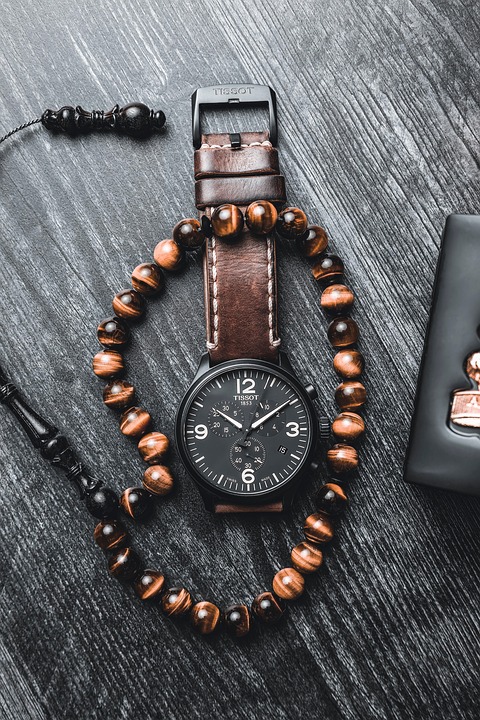
    • Workwear in a Flash: Invest in a few statement pieces like a quality blazer or a classic watch. These can instantly elevate a simple outfit and make it more professional.
    • From Work to Play: Transitioning from a day at the office to a night out with friends doesn’t have to be complicated. Adding a bold piece of jewelry or changing into a pair of heels can quickly transform your look.
    • Casual Chic: For those laid-back weekends, focus on comfortable yet stylish pieces. A good pair of jeans, a crisp white shirt, and sneakers can create a chic and effortless look.

    Accessories: The Ultimate 5-Minute Fix

    Accessories have the power to completely transform an outfit. They can add a pop of color, texture, and interest to even the simplest of ensembles. When it comes to the 5-minute fashion fix, accessories are your best friend. Here are some tips on how to use accessories to elevate your style quickly:

    • Bags and Purses: A good bag can make or break an outfit. Consider investing in a few high-quality, versatile bags that can be used for different occasions.
    • Jewelry: A statement piece of jewelry can instantly elevate a simple outfit. Whether it’s a bold necklace, earrings, or a watch, jewelry can add a touch of personality to your look.
    • Shoes: Shoes can completely change the vibe of an outfit. Keep a few pairs of versatile shoes in your wardrobe, such as loafers, boots, and sneakers, to quickly adapt your look to different situations.

    The Power of Layering

    Layering is a simple yet effective way to add depth and interest to an outfit. It’s also a great strategy for adapting to changing temperatures or dressing for different occasions. Here’s how you can use layering as part of your 5-minute fashion fix:

    • Start with a Base: A simple tee or tank top is a great base layer. Look for high-quality, breathable fabrics that will keep you comfortable.
    • Add a Mid-Layer: A sweater, cardigan, or denim jacket can add a versatile mid-layer to your outfit. These pieces can be easily added or removed as needed.
    • Finish with a Statement: A leather jacket, blazer, or coat can make a great final layer. These statement pieces can elevate your outfit and add a touch of sophistication.

    Conclusion

    The 5-minute fashion fix is all about incorporating quick, easy, and effective style tips into your busy life. By simplifying your wardrobe, adopting quick morning routines, and utilizing accessories and layering, you can look and feel great without sacrificing too much of your valuable time. Remember, fashion is about expressing yourself and feeling confident in what you wear. With these tips, you can achieve a stylish and chic look in no more than a few minutes, making it possible to enjoy the benefits of fashion even on the most hectic of days.

    FAQs

    Q: How can I simplify my wardrobe for the 5-minute fashion fix?

    A: Start by paring down your clothes to the essentials: pieces that are versatile, fit well, and can be mixed and matched. Consider adopting a capsule wardrobe approach for a more streamlined and efficient wardrobe.

    Q: What are some essential accessories for a quick style fix?

    A: Essential accessories include a good watch, quality handbags, versatile shoes, and statement pieces of jewelry. These can instantly elevate an outfit and add a touch of personality to your look.

    Q: How can I layer my clothing for a stylish look?

    A: Start with a base layer such as a tee or tank top, add a mid-layer like a sweater or denim jacket, and finish with a statement piece like a blazer or coat. Layering can add depth and interest to an outfit and is a great way to adapt to different occasions and temperatures.

    Q: Are there any specific style tips for transitioning from work to a night out?

    A: Yes, adding a bold piece of jewelry, changing into a pair of heels, or swapping your bag for a smaller, more evening-appropriate option can quickly transform your workwear into a night-out look.

    Q: How can I ensure my 5-minute fashion fix is also budget-friendly?

    A: Focus on investing in high-quality, timeless pieces rather than trendy items. Also, consider shopping during sales, looking for discounts, and mixing high-end pieces with more affordable options to create a budget-friendly yet stylish wardrobe.

  • Fitness for the Rest of Us: A Low-Impact Workout for Busy Lives

    Fitness for the Rest of Us: A Low-Impact Workout for Busy Lives

    Introduction to Fitness for the Rest of Us

    In today’s fast-paced world, it’s easy to get caught up in the hustle and bustle of daily life and neglect our physical health. Many of us lead busy lives, juggling work, family, and social responsibilities, leaving little time for exercise. However, regular physical activity is essential for maintaining our overall health and wellbeing. The good news is that you don’t have to be a fitness enthusiast or have hours to spare to reap the benefits of exercise. A low-impact workout can be a great way to get started, and it’s perfect for busy lives.

    What is Low-Impact Exercise?

    Low-impact exercise refers to physical activities that are easy on the joints and don’t require high-impact movements, such as jumping or running. These types of exercises are perfect for people who are new to exercise, have mobility issues, or are recovering from an injury. Low-impact exercises can be modified to suit different fitness levels, making them accessible to everyone. Some examples of low-impact exercises include walking, swimming, cycling, and yoga.

    Benefits of Low-Impact Exercise

    Low-impact exercise offers numerous benefits, including improved cardiovascular health, increased strength and flexibility, and weight management. Regular physical activity can also reduce the risk of chronic diseases, such as heart disease, diabetes, and some types of cancer. Additionally, exercise can boost mood, reduce stress, and improve sleep quality. Low-impact exercise is also a great way to improve balance and coordination, reducing the risk of falls and injuries.

    Getting Started with Low-Impact Exercise

    Getting started with low-impact exercise is easy. You don’t need any special equipment or a gym membership. Here are a few tips to help you get started:

    • Schedule it in: Treat exercise as a non-negotiable part of your daily routine, just like brushing your teeth or taking a shower.
    • Start small: Begin with short, manageable sessions, and gradually increase the duration and intensity as you become more comfortable.
    • Find an activity you enjoy: Experiment with different types of low-impact exercises to find what works best for you.
    • Make it a habit: Incorporate exercise into your daily routine, such as first thing in the morning or right after dinner.

    Low-Impact Exercise Options for Busy Lives

    There are many low-impact exercise options that are perfect for busy lives. Here are a few examples:

    • Brisk walking: Walking is a great way to get some exercise, and it’s easy to incorporate into your daily routine. Try taking a short walk during your lunch break or after dinner.
    • Bodyweight exercises: Bodyweight exercises, such as squats, lunges, and push-ups, are a great way to improve strength and flexibility. You can do them anywhere, at any time.
    • Yoga: Yoga is a low-impact exercise that can help improve flexibility, balance, and strength. It’s also a great way to reduce stress and improve mood.
    • Swimming: Swimming is a low-impact exercise that’s easy on the joints. It’s a great way to improve cardiovascular health and build endurance.
    • Cycling: Cycling is a low-impact exercise that’s easy on the joints. You can cycle indoors or outdoors, making it a great option for people with busy lives.

    Creating a Low-Impact Workout Routine

    Creating a low-impact workout routine is easy. Here are a few tips to help you get started:

    • Set realistic goals: Define your fitness goals and set realistic targets. This will help you stay motivated and focused.
    • Mix it up: Vary your routine to avoid boredom and prevent plateaus. Try different types of low-impact exercises to keep things interesting.
    • Listen to your body: Rest and recovery are just as important as exercise. Listen to your body and take rest days as needed.
    • Make it a habit: Incorporate exercise into your daily routine, such as first thing in the morning or right after dinner.

    Overcoming Common Barriers to Exercise

    There are many common barriers to exercise, including lack of time, lack of motivation, and lack of energy. Here are a few tips to help you overcome these barriers:

    • Schedule it in: Treat exercise as a non-negotiable part of your daily routine, just like brushing your teeth or taking a shower.
    • Find an exercise buddy: Exercising with a friend or family member can be a great motivator.
    • Reward yourself: Set small rewards for yourself after reaching fitness milestones.
    • Focus on how you feel: Regular exercise can boost mood, reduce stress, and improve sleep quality. Focus on how you feel, rather than the number on the scale.

    Staying Motivated and Accountable

    Staying motivated and accountable is crucial for maintaining a regular exercise routine. Here are a few tips to help you stay on track:

    • Track your progress: Keep a fitness journal or use a mobile app to track your progress.
    • Set reminders: Set reminders on your phone or calendar to remind you to exercise.
    • Find a workout community: Join a fitness group or find a workout buddy to stay motivated and accountable.
    • Celebrate milestones: Celebrate your fitness milestones, no matter how small they may seem.

    Conclusion

    Regular physical activity is essential for maintaining our overall health and wellbeing. A low-impact workout can be a great way to get started, and it’s perfect for busy lives. With so many low-impact exercise options available, there’s no excuse not to get moving. Remember to schedule it in, start small, and find an activity you enjoy. With consistency and patience, you can achieve your fitness goals and improve your overall health and wellbeing.

    FAQs

    Q: What is low-impact exercise?
    A: Low-impact exercise refers to physical activities that are easy on the joints and don’t require high-impact movements, such as jumping or running.
    Q: What are the benefits of low-impact exercise?
    A: Low-impact exercise offers numerous benefits, including improved cardiovascular health, increased strength and flexibility, and weight management.
    Q: How do I get started with low-impact exercise?
    A: Getting started with low-impact exercise is easy. Schedule it in, start small, and find an activity you enjoy.
    Q: What are some low-impact exercise options for busy lives?
    A: There are many low-impact exercise options that are perfect for busy lives, including brisk walking, bodyweight exercises, yoga, swimming, and cycling.
    Q: How do I create a low-impact workout routine?
    A: Creating a low-impact workout routine is easy. Set realistic goals, mix it up, listen to your body, and make it a habit.
    Q: How do I overcome common barriers to exercise?
    A: There are many common barriers to exercise, including lack of time, lack of motivation, and lack of energy. Schedule it in, find an exercise buddy, reward yourself, and focus on how you feel.
    Q: How do I stay motivated and accountable?
    A: Staying motivated and accountable is crucial for maintaining a regular exercise routine. Track your progress, set reminders, find a workout community, and celebrate milestones.

  • Ketamine Is Saving Lives In Critical Moments

    Ketamine Is Saving Lives In Critical Moments

    Every 40 seconds, someone in the world dies by suicide.

    Sons, daughters, parents, friends, neighbors. All people who believed there was no way out. Each one leaves behind grieving family, friends, and communities asking what more could have been done to save them.

    For decades, the best available treatments for depression and suicidal thoughts have been too slow. Ketamine infusions can work within hours.

    For a person in a suicidal state, that speed can mean the difference between life and death.

    “Suicidal thoughts are urgent and life-threatening,” says Dr. Benjamin Shapiro, psychiatrist at Serenity Mental Health Centers. “For too long, we’ve asked people in crisis to wait for traditional treatments to work. Ketamine changes that and it gives us the ability to act immediately and save lives.”

    Behind Ketamine’s Fast Action

    Ketamine, originally developed as an anesthetic, has emerged as a rapid-acting treatment for depression and suicidal ideation.

    Unlike traditional antidepressants, which target serotonin pathways and can take weeks, ketamine works on the glutamate system to rapidly “reset” brain circuits linked to mood, motivation, and suicidal thinking.

    Key facts about ketamine in suicide prevention:

    • Many patients report relief within hours of treatment, sometimes the same day.
    • With repeated treatment, relief can last weeks to months, providing critical time for longer-term therapy.
    • Ketamine encourages the brain to form new connections, helping patients recover patterns of thinking and feeling that support hope and stability.

    “We’ve seen patients arrive feeling hopeless and ready to end their lives. Within hours of ketamine, their symptoms subside,” said Dr. Shapiro. “It’s a critical treatment that buys time for necessary recovery.”

    At Serenity Mental Health Centers, ketamine is administered in a safe and supervised environment, with close monitoring and individualized treatment plans.

    Real Relief: Charles’ Story

    “I had difficulty motivating myself to get out of bed most days, and everywhere I went, I encountered conflict with those around me,” said Charles, a Serenity Mental Health Centers patient.

    Charles had battled severe Obsessive-Compulsive Personality Disorder, depression, anxiety, and Post-Traumatic Stress Disorder (PTSD) for most of his life.

    Over the years, he tried countless medications and worked with multiple providers, but nothing seemed to bring real relief. Instead, the side effects piled up while his symptoms stayed the same or got worse. He then attempted to take his own life.

    Everything changed when Charles came to Serenity Mental Health Centers and began ketamine infusion therapy. After his second treatment, he noticed a dramatic difference.

    It wasn’t just a lift in his mood. For the first time in a long time, Charles could function daily, find motivation, and connect with his loved ones again.

    Charles now looks to the future with hope. Ketamine therapy gave him back the ability to live, not just survive.

    “When someone like Charles has battled their mental health for years with no relief, it can feel like there’s no way forward,” says Dr. Benjamin Shapiro. “Ketamine gave him a breakthrough, and more people deserve access to this treatment.”

    Taking Action

    Charles’ story is a powerful reminder that help is possible. Ketamine is a lifeline for those in crisis, offering rapid relief when every second matters.

    If you or someone you love is struggling with suicidal thoughts or severe depression, don’t wait. Immediate help can save a life.

    Reach out to a provider trained in ketamine therapy, like those at Serenity Mental Health Centers.

    Your life and your future matter. Call 844-310-1667 to take the first step toward recovery today.

    Source link

  • The Rare Surgery That Saved Their Lives

    The Rare Surgery That Saved Their Lives

    Born twice? It sounds impossible, but that’s exactly the story of miracle baby Rafferty Isaac in the U.K. At just 20 weeks, he was temporarily removed while in the womb so doctors could perform life-saving surgery on his mother, who had been diagnosed with ovarian cancer. After the complex five-hour procedure, Rafferty was placed back into the womb to finish growing and was “born again” at full term in January.

    Rafferty’s mother, 32-year-old Lucy Isaac, was just 12 weeks pregnant when she received the devastating diagnosis of ovarian cancer. The cancerous cells needed to be removed urgently, as delaying treatment until after childbirth would allow the disease to spread, threatening the life. But by then, Lucy had already entered her second trimester, so doctors ruled out the possibility of performing standard keyhole surgery.

    That’s when a team of surgeons at John Radcliffe Hospital in Oxford proposed a bold, life-saving solution: an extraordinary and rare procedure that involved temporarily removing Lucy’s womb, still carrying her unborn baby, from her abdomen to reach the cancerous cells hidden behind it, before carefully repositioning it to allow her pregnancy to continue. The surgery was risky to both mother and child and was carried out very rarely.

    However, trusting the expertise of her medical team, Lucy agreed to the high-risk surgery in October. During the operation, doctors successfully removed the tumors, which had already progressed to grade two, and began invading the tissues surrounding her ovaries.

    During the procedure, Lucy’s womb was outside for two hours, carefully wrapped in a sterile, warm saline pack to replicate the conditions inside the body and maintain the proper temperature. Throughout the operation, two medics closely monitored the child’s heart rate and temperature to ensure his safety.

    Rafferty’s birth as a healthy, full-term baby in January, weighing 6lb 5oz, was not just a medical triumph but a deeply emotional milestone for the Isaac family. Just two years earlier, Lucy’s husband, Adam, 42, had undergone a kidney transplant. “To finally hold Rafferty in our arms after everything we have been through was the most amazing moment,” Adam told the Daily Mail.

    In the weeks after the delivery, Lucy returned to John Radcliffe Hospital with her miracle baby to express their gratitude to the medical team. “It felt as if I had met him previously. It was a rare and a very emotional experience for me,” said surgeon Hooman Soleymani Majd, who led the team.

    Source link

  • Mystery Disease Claims Dozens of Lives, Including Children Who Died After Eating a Bat

    Mystery Disease Claims Dozens of Lives, Including Children Who Died After Eating a Bat

    More than 50 people have died in the northwest Democratic Republic of Congo from a mystery illness that first appeared in three children who ate a bat.

    The disease has an alarming fatality rate, infecting at least 419 people since its outbreak on January 21, according to the World Health Organization (WHO) and local doctors. Many victims die within 48 hours of showing symptoms, as reported by the Associated Press.

    “That’s what’s really worrying,” Serge Ngalebato, the medical director of Bikoro Hospital, told AP.

    The outbreak began in the town of Boloko after three children reportedly consumed a bat and died shortly afterward from hemorrhagic fever symptoms. A second outbreak followed in the nearby town of Bomate on February 9.

    Samples from 13 cases have been sent to Congo’s National Institute for Biomedical Research, but tests for Ebola and other hemorrhagic fevers, such as Marburg, have so far come back negative. Some patients tested positive for malaria, but its connection to the illness remains unclear.

    Congo has battled an overlapping series of disease outbreaks, including typhoid, malaria and mpox. The most recent mpox outbreak surged to 47,000 suspected cases and is thought to have caused over 1,000 deaths. Another unidentified flu-like illness killed more than 143 people in 2024 before health authorities determined malaria was the likely cause, CBS News reported.

    Zoonotic diseases—illnesses that jump from animals to humans—have long been of concern to health officials, particularly in regions where wild animals are commonly consumed. WHO has reported a 60% increase in such outbreaks in Africa over the past decade.

    Originally published by Latin Times.

    Source link