Why are nuts associated with decreased mortality, but not peanut butter?
According to the largest study of risk factors for death in human history, a poor diet causes more deaths than anything. Cigarettes only kill about 8 million people a year, whereas humanity’s diet kills millions more, as you can see below and at 0:20 in my video Do the Health Benefits of Peanut Butter Include Longevity?.What are the worst aspects of our diet? Processed meat? Twinkies? Soda? No, the five deadliest things about our diet are: not enough fruit, not enough whole grains, not enough vegetables, too much salt, and not enough nuts and seeds, as shown here and at 0:42 in my video.
Nuts should come as no surprise since interventional trials have shown that eating nuts improves artery function, and arterial diseases like heart disease are among our leading killers. But that’s not all nuts can do. They may also improve blood sugar control, lower cholesterol, suppress inflammation, reduce oxidative stress, and feed our friendly gut flora. Do all nuts do that, or just tree nuts?
What about peanuts and peanut butter? About half of peanut consumption in the United States is from peanut butter, but the link between peanut butter consumption and mortality has not been evaluated thoroughly. To get that specific, we can call on the National Institutes of Health-AARP study, the largest prospective health and diet study in history that followed more than half a million people since the 1990s.
Researchers found that nut consumption in general appeared to protect against all-cause mortality, meaning nut-eaters live—on average—longer lives. Specifically, they are less likely to die from cancer, cardiovascular disease, liver disease, respiratory disease, kidney disease, and infectious causes (so, maybe nuts help immunity as well). However, no such associations were found for peanut butter. So, when it comes to living longer, peanut butter doesn’t seem to count. Why?
Well, we know peanut butter consumers tend to eat more meat, smoke cigarettes, and are less likely to exercise, but the researchers controlled for all those factors, as well as their alcohol consumption, fruit and veggie intake, education, and more. So, it’s not like the peanut butter eaters were just eating more white bread sandwiches or something. (The researchers didn’t control for sugar, though, so it’s possible they could have been eating more sugary jelly.)
Another explanation: It could be the processing that goes into making peanut butter—the added trans fat, oil, salt, and sugar. But regular nuts are also often eaten with added oil, sugar, and salt.
Could it just be the peanuts themselves? Technically, they aren’t nuts, so maybe they don’t have the same benefits. But no, a meta-analysis of all such studies found the same nut-like benefits for whole peanuts, but not peanut butter.
Well, one thing missing from even no-salt, oil-free, sugar-free nut and seed butters is intact cellular structure. As I noted in How Not to Diet, no matter how well we chew whole or chopped nuts, some of the nutrients remain trapped in tiny particles that deliver a bounty of prebiotic goodness to our friendly gut flora. That makes me wonder if there would have been any difference between chunky and smooth peanut butter.
Meanwhile, there is “compelling evidence” to recommend eating nuts (preferably raw nuts over salted or toasted, and whole or chopped nuts rather than nut butters) at least three times a week to maximize our chance of living a longer and healthier life.
What can physicians do to promote healthy, life-extending lifestyle changes?
A pivotal paper published in Europe more than a decade ago entitled “Healthy Living Is the Best Revenge” found that practicing just four simple, healthy lifestyle factors compared to none could potentially have a strong impact on preventing chronic diseases. We’re talking nearly 80% less chronic disease risk, slashing diabetes risk by 93%, dropping heart attack risk by 81%, and cutting stroke risk in half and cancer risk by 36%. Think about what that means. The potential for preventing disease and death is enormous. In the United States alone every year, there are a half million first heart attacks, a half million first strokes, a million new cases of diabetes, and a million new cancer diagnoses. The message is clear: Practicing a few healthy behaviors can have a huge impact.
What are those four fabled factors?
never smoking
not being obese
averaging about a half hour of exercise a day
following healthful dietary principles, including a lot of fruits, vegetables, and whole grains, and less meat
Follow those four simple rules and boom! Enjoy nearly 80% reduced risk of major chronic diseases.
What does that mean for mortality risk? As I discuss in my video How to Increase Your Life Expectancy 12 to 14 Years, a similar combination of four healthy behaviors predicted “a 4-fold difference in total mortality in men and women, with an estimated impact equivalent to 14 y[ears] in chronological age,” meaning the individuals were dying at such a reduced rate that it was as if they were 14 years younger. “Finally, a Regimen to Extend Human Life Expectancy,” proclaimed a commentary in reference to a study that had made a similar analysis of the impact of healthy lifestyle behaviors on life expectancies. But this time, it looked directly at the U.S. population, which is particularly important, since Americans have a shorter life expectancy compared to people living in nearly all other higher-income countries. The researchers concluded that a healthy lifestyle could substantially reduce premature mortality and increase life expectancy in U.S. adults. Okay, but by how much? They estimated that adhering to a low-risk lifestyle could extend life expectancy at age 50 by 14 years in women and 12.2 years in men. So, if you’re 50 right now, instead of only living to 79 if you’re a woman and 75½ if you’re a man in the United States, taking even just basic care of yourself could propel you to an average life expectancy of 93 if you’re a woman and 87½ if you’re a man.
The bottom line is it’s never too late to turn back the clock. A midlife switch just to the basics—at least five daily servings of fruits and vegetables, walking 20 minutes a day, not smoking, and maintaining a healthy weight—leads to a substantial reduction in mortality even in the following few years. We’re talking a 40% lower risk of dying in the subsequent four years. Indeed, “making the necessary changes to adhere to a healthy lifestyle is extremely worthwhile, and…middle-age is not too late to act.”
As an aside, when I realized the 12 to 14 years of added life expectancy were based on data from health professionals, I got excited about all the potential ripple effects. If health professionals start getting healthier, they can become role models for more healthful living and potentially save more lives than just their own. But that may have been wishful thinking. Practicing what you preach can sometimes backfire. Evidently, “displays of excellence can paradoxically turn off the very people they are trying to inspire.”
It’s reasonable to assume that not being a hypocrite and trying to walk the walk would lead to positive consequences, inspiring confidence in others. Don’t you want a dance instructor who can dance, a music teacher who can play, and a health professional who’s healthy? But “this simple intuition fails to take into account the concerns about devaluation than an expert’s superior behavior elicits in others”—that is, that may make people feel inadequate. For example, you know how vegetarians often become targets of ridicule and hostility? That’s because they may come off as morally superior and make other people feel like they’re being looked down upon.
There was an elegant demonstration of this phenomenon in a study where “principled deviants who take the high road threaten others’ moral self-worth.” Participants were asked to complete “a racist task,” and those “moral rebels” who refused to do so were cheered on by observers but disparaged by their fellow participants who had done the task. Why? Because the rebels’ stance was “an implied indictment of their spinelessness.” Isn’t that interesting?
So, when doctors portray themselves as “the picture of health,” patients might think they’re being holier-than-thou, which can unintentionally alienate those who need the doctors’ help the most. It’s easy to imagine how someone with a weight issue might feel threatened and judged by a physician triathlete. But what are we supposed to do? We want healthy practitioners. Physicians who smoke are less likely to tell their patients to quit smoking, physicians who are overweight are less likely to advise about weight loss, and physicians who don’t work out are less likely to talk about exercise. What doctors can do to make patients more comfortable is emphasize that their role is to help people meet their own personal health goals, whatever they may be. Studies show that when doctors take this approach, it increases the appeal of “fitness-focused” physicians to overweight patients. So, doctors can then display model behavior without inadvertently alienating those who would most benefit from their counsel.
Doctor’s Note
For more on lifestyle medicine, see related posts below.
Do potato eaters live longer or shorter lives than non-potato eaters?
Is there a link between potato intake and the incidence of hypertension? Harvard researchers followed the diets and diseases of more than 100,000 men and women for decades and found that those who ate potatoes on most days—not only French fries and potato chips, but even mashed, boiled, or baked—appeared to be at higher risk of developing high blood pressure. But what do people put on potatoes? Salt, not to mention butter, so might the potatoes just be innocent bystanders? The researchers made attempts to tease out the effects of salt and saturated fat, and there still seemed to be a link between potato consumption and high blood pressure.
Maybe potato eaters are meat-and-potatoes people. After all, these same Harvard researchers found that meat, including poultry, seemed to be associated on its own with an increased risk of hypertension, and the same goes for even a moderate amount of canned tuna. So, in the potato study, they were careful to try to factor out any effects from the consumption of all types of animal flesh. Yet, they still found an increased risk and became concerned that associating potato intake with hypertension could be a “critical public health problem.” It was assumed potatoes might actually decrease high blood pressure, given their high potassium content, but they found evidence of the opposite effect.
As I discuss in my video Do Potatoes Increase the Risk of High Blood Pressure and Death?, two similar studies performed in Mediterranean Europe did not find any association between potato consumption and high blood pressure, though. Perhaps this is because they don’t smother their potatoes in butter and sour cream in that neck of the woods and instead eat potatoes with other vegetables. Now, the Harvard researchers tried to control for the salty and fatty dietary components associated with eating potatoes in the West, just like these researchers tried to factor out all the extra vegetables, but you can’t control for everything.
One of the main reasons we care about blood pressure is because we care about the consequences. In two studies done in Sweden, where they primarily eat their potatoes boiled, no evidence was found that potato consumption was associated with the risk of major cardiovascular disease. No relationship between potato consumption and risk of premature death was found in Southern Italy either. In the United States, however, potato consumption was associated with increased mortality: a whopping 65% increased risk of dying from heart disease, a 26% increased risk of fatal stroke, a 50% increased risk of dying from cancer, and an increased risk of dying from all causes put together. However, this association disappeared after adjusting for confounding factors. In other words, it wasn’t the potatoes at all. Potato eaters must just smoke more, drink more, or eat more saturated fat or something. Once you control for all these other factors, the link between potatoes and death disappears.
This was confirmed in the NIH-AARP study, the largest such study of diet and health in human history. If you separate out just the potatoes, researchers find they are not associated with increased risk of death, with the possible exception of French fries, which are associated with an increased risk of dying from cancer. Put all the studies together—20 in all—and no significant association has been found between potato consumption and mortality, though again, fried potatoes may be the exception. Even just twice a week, fries may double one’s risk of dying prematurely, independently of other factors, but the consumption of unfried potatoes seemed to be neutral.
I’ve talked a lot about how all plant foods are not created equal, as well as healthy versus unhealthy plant-based diets. To this end, researchers created not only an overall plant-based diet index (PDI)—just scoring plant versus animal foods—but also a healthy plant-based diet index (hPDI) and an unhealthy plant-based diet index (uPDI). The healthy index puts a greater emphasis on whole plant foods, whereas the unhealthy index scores how much low-quality plant foods you’re eating, grouping potatoes along with soda, cake, and Wonder Bread. When you run the numbers, the more plant-based you eat, the longer you live, and the lower your risk of cardiovascular disease. In other words, more plant foods and less animal foods are associated with a significantly lower risk of dying prematurely. This benefit was limited, though, to those eating the healthier plant-food diets. However, the researchers were surprised that those eating the less healthy plant-based diets with processed plant-based junk did not live significantly shorter lives. Maybe that’s just because they were eating fewer animal products, and that’s really the primary determinant of lifespan here, or maybe the lack of an association between less healthy plant-based diets and mortality is because potatoes were kind of coming to the rescue. And indeed, higher intake of potatoes did appear protective; so, given these conflicting results, future studies may consider just resigning fried potatoes to the unhealthy list.
Now, in terms of mortality, fried potatoes may not be as bad as fried meat—fried chicken and fried fish—but that’s not really saying much. The French fry/death data gave the industry trade group Potatoes USA a bit of a chip on its shoulder, reminding readers that observational studies can only prove correlation, not causation, to which the authors replied, “Our data add to the pressing public health calls to limit fried potato consumption.” French fries may be so bad for you that it wouldn’t be ethical to do an interventional study and randomize people to eat them.
Aside from French fries, potato consumption is not associated with mortality. Potato eaters tend to live just as long as non-potato eaters. That’s actually bad news. A whole plant food that’s not associated with living longer? One that has a neutral effect on lifespan? That’s a lost opportunity. But what if you really like white potatoes? Then you should chill and reheat them, as I explain in my next video.
Coming up:
For more on preventing and treating high blood pressure, see related posts below.
All orders are protected by SSL encryption – the highest industry standard for online security from trusted vendors.
Life Purpose Blueprint is backed with a 60 Day No Questions Asked Money Back Guarantee. If within the first 60 days of receipt you are not satisfied with Wake Up Lean™, you can request a refund by sending an email to the address given inside the product and we will immediately refund your entire purchase price, with no questions asked.
Autoimmune diseases are conditions in which the body’s own defense system mistakenly targets healthy cells, tissues, and organs. These immune disorders can affect nearly any part of the body and are often lifelong, making them a major cause of chronic illness. Understanding how they develop, how they are treated, and how they affect daily life helps patients, families, and caregivers make informed choices.
What Are Autoimmune Diseases?
In a healthy person, the immune system protects against viruses, bacteria, and other harmful invaders. In autoimmune diseases, this system misidentifies the body’s own tissues as threats and attacks them. The result is ongoing inflammation, pain, and, over time, possible organ or tissue damage.
Autoimmune diseases can be organ-specific, such as Hashimoto’s thyroiditis, which mainly affects the thyroid, or systemic, like systemic lupus erythematosus, which can involve multiple organs.
Common immune disorders include rheumatoid arthritis, lupus, multiple sclerosis, type 1 diabetes, psoriasis, inflammatory bowel disease, and autoimmune thyroid conditions. Most are chronic illnesses requiring long-term monitoring and management rather than a one-time cure.
What Causes Autoimmune Diseases?
The causes of autoimmune diseases are complex and not fully understood. Most evidence points to an interaction between genetic susceptibility and environmental triggers. People with a family history of autoimmune or related immune disorders are at higher risk, though not everyone with a genetic predisposition will develop disease.
Environmental factors seem to act as triggers in those who are vulnerable. These may include infections, smoking, certain medications or chemicals, prolonged stress, and hormonal changes.
Many autoimmune diseases occur more often in women, suggesting a link with hormones and sex-related immune differences. Ethnicity and family patterns may also influence risk, but autoimmune diseases can affect people from any background.
Symptoms and Daily Life Impact
Different autoimmune diseases damage different tissues, but they share many core symptoms. Common early signs include:
Persistent fatigue that rest does not relieve
Joint pain, stiffness, or swelling
Muscle aches
Low-grade fevers
Skin rashes
Digestive problems or abdominal pain
Symptoms often wax and wane. People may go through flares, when symptoms suddenly worsen, and remissions, when they ease. This unpredictability can make daily planning difficult.
Pain and stiffness can limit mobility and make routine tasks like walking, cooking, or working on a computer more challenging. Fatigue and “brain fog” can impair concentration, memory, and decision-making, affecting performance at work or school.
Beyond physical effects, autoimmune diseases can take an emotional and social toll. Invisible symptoms may lead others to underestimate the severity of the illness. People may feel misunderstood, frustrated, or isolated.
Adjusting social activities and roles within the family to match changing energy levels can be stressful for both patients and loved ones.
Diagnosis and Medical Management
Diagnosing autoimmune diseases can be challenging, according to Cleveland Clinic. Symptoms may resemble those of infections, other chronic illnesses, or even stress-related conditions. A diagnosis usually relies on a combination of:
Detailed medical history and symptom review
Physical examination
Blood tests (for antibodies, inflammation markers, and organ function)
Imaging or biopsies when needed
Because signs can be vague, diagnosis may take time and sometimes involves ruling out other possibilities.
Most autoimmune diseases cannot currently be cured, but they can often be controlled. Treatment generally aims to reduce inflammation, relieve symptoms, and prevent long-term damage. Common medications include:
Nonsteroidal anti-inflammatory drugs (NSAIDs) for pain and inflammation
Corticosteroids to control stronger flares
Disease-modifying drugs and biologic agents that target specific parts of the immune response
Since these conditions are chronic, regular follow-up care is important. Treatment plans are tailored to the individual, based on the type of autoimmune disease, severity of symptoms, and other health factors. Over time, medications may be adjusted to balance disease control with potential side effects.
Living With Autoimmune Diseases Day to Day
Living with autoimmune diseases often requires ongoing adaptation. Many people need to manage medication schedules, medical appointments, and symptom changes while also handling work, school, and family responsibilities.
Good days may allow for a fairly typical routine, while flare days may require extra rest, reduced activity, or assistance with daily tasks.
Work can be especially affected. Fatigue, pain, and cognitive issues may reduce productivity or make certain jobs difficult. Some people benefit from flexible hours, the option to work from home, or changes to duties.
Simple accommodations, such as ergonomic equipment, rest breaks, or modified physical tasks, can help someone with a chronic illness stay employed and engaged.
Relationships may also shift. Family members and partners may need to adjust expectations around energy, household chores, and social plans. Open communication about limitations, needs, and feelings can reduce misunderstandings and strengthen support.
Many people find comfort and validation by connecting with others who live with similar immune disorders, whether through in-person groups or online communities.
Coping Strategies and Lifestyle Support
Medical treatment is only one part of managing autoimmune diseases. Practical self-management strategies help many people function better and reduce flares. These can include:
Pacing activities and prioritizing essential tasks
Planning rest periods and avoiding overexertion on good days
Using assistive devices or adaptive tools to protect joints and conserve energy
Lifestyle factors can influence symptom levels. Although there is no single “autoimmune diet” that works for everyone, many healthcare professionals encourage a balanced, nutrient-dense eating pattern, maintaining a healthy weight, and avoiding smoking.
Gentle, regular physical activity, like walking, swimming, or yoga, can support joint mobility, strength, mood, and sleep, as long as it is adjusted to the person’s current condition. Stress management is also important because long-term stress may worsen inflammation and flares for some people.
Techniques such as mindfulness, breathing exercises, counseling, and support groups can help individuals cope with the emotional side of chronic illness.
Mental health care is an essential part of long-term management. Anxiety and depression are more common in people with chronic illness, and addressing them through therapy, medication when appropriate, and social support can significantly improve overall well-being.
When to Seek Help and How to Advocate
Persistent or recurring symptoms, such as unexplained fatigue, ongoing joint pain, chronic digestive problems, or rashes, should prompt a visit to a healthcare professional, especially if they interfere with daily life. Sudden, severe changes, like new neurological symptoms or significant breathing difficulties, need urgent evaluation.
Self-advocacy can improve care. Keeping a symptom diary, noting triggers and patterns, helps both patients and clinicians understand the condition more clearly.
Bringing questions to appointments, asking for explanations of test results, and seeking second opinions when necessary can lead to more accurate diagnoses and better treatment plans. Learning about one’s specific autoimmune disease from reliable sources supports meaningful participation in decisions.
Autoimmune Diseases and the Future of Care
Research on autoimmune diseases is evolving rapidly. Scientists are uncovering more about how the immune system works, why it turns against the body, and how to interrupt this process more precisely.
New targeted therapies and biologic drugs are already improving outcomes for several conditions, and more treatments are under development.
While autoimmune diseases remain a major cause of chronic illness, many people are able to build satisfying, productive lives.
Early diagnosis, tailored medical care, realistic lifestyle adjustments, and strong social and emotional support all contribute to better quality of life. As understanding of immune disorders grows, so does the potential for more effective, personalized care in the years ahead.
Frequently Asked Questions
1. Can stress alone cause an autoimmune disease?
Stress by itself is unlikely to be the only cause, but long-term or severe stress can act as a trigger or worsen symptoms in someone who is already genetically susceptible.
2. Are autoimmune diseases contagious?
No. Autoimmune diseases are not infections and cannot be passed from person to person, although they can run in families due to shared genetic risk.
3. Can autoimmune diseases go into remission?
Yes. Some people experience periods where symptoms lessen or disappear, especially with effective treatment and lifestyle management, but monitoring is still important.
4. Is it possible to have more than one autoimmune disease?
Yes. Some individuals develop more than one autoimmune condition over time, which is why regular follow-up and broad monitoring are important.
The cause traced back to a severe elbow injury in his youth, one that gradually reshaped both bone and daily life. The joint fused, the structure weakened, and simple routines turned into daily negotiations. When he finally reached Vinmec, the challenge extended beyond surgery itself.
The Limits of the Elbow
Years of unsuccessful treatment slowly reshaped Phong’s expectations. Multiple surgeries offered little improvement, and the prospect of living with the deformity became increasingly real, until he reached Vinmec Times City International Hospital.
There, doctors determined that his condition represented an exceptionally complex post-traumatic sequel. “This is an extremely rare case with a very high level of complexity, and there are virtually no precedents in Vietnam,” said Dr. Tran Quyet, Head of Upper Limb Surgery, Musculoskeletal and Orthopedic Trauma Center, Vinmec Times City.
Time had taken more than movement from Phong’s elbow. In fact, it had stripped away much of its structure. The joint was completely fused and unstable, with an estimated six-centimeter defect in the distal humerus, leaving the left arm four to five centimeters shorter than the right.
That degree of damage placed the case beyond the reach of standard elbow replacement. Historically, megaprostheses were developed primarily for limb-salvage surgery in bone cancer. While their use has gradually expanded over time, its application at the elbow, particularly outside oncologic settings, continues to remain uncommon.
Phong’s condition fell into that demanding category, where conventional solutions had long since run out.
Engineering a Second Chance
After extensive multidisciplinary discussions, Vinmec’s medical team reached a decision shaped as much by responsibility as by expertise: a total elbow megaprosthesis combined with reconstruction of the extensive bone defect. For a patient who had already waited 27 years, there was little room for uncertainty.
The work began long before the day of surgery. Using in-hospital 3D technology, surgeons rebuilt Phong’s elbow virtually, layer by layer, studying what time had altered, anticipating what could be restored. CT-based models allowed the team to visualize the deformity in full, plan each step with care, and design a prosthesis tailored specifically to his anatomy. From that digital reconstruction, a patient-specific elbow joint was created using 3D printing.
Vinmec’s doctors created a bespoke elbow joint designed exclusively for Phong.
“The patient has waited for 27 years. Another failure would have had a severe psychological impact. That is why we were determined to create a new opportunity to change his life,” Dr. Quyet stated.
That preparation changed everything. The surgery was completed successfully, with no nerve or vascular injury recorded. Within three days, Phong was able to begin gentle movement of his arm. Two weeks later, he could extend and flex the elbow, lift his arm, and raise it overhead.
“After nearly 30 years, I finally feel like I have a normal arm again,” Phong said. “It moves so naturally, almost as if I never had surgery at all.”
Yet the most profound outcome was not measured in surgical time or range of motion. It emerged quietly, as a man who had learned to live within limitation began to reclaim independence, through ordinary actions.
Advancing Orthopedic Excellence
Such a miracle did not happen in an instant. It emerged gradually, shaped by a series of groundbreaking clinical achievements. In 2025, Vinmec carried out a personalized total femoral replacement using 3D-printed metal for a young child with aggressive bone cancer—preserving the limb in a case where amputation had been widely advised. Earlier, the system became the first hospital in Southeast Asia to successfully perform a fully 3D-printed titanium chest wall reconstruction.
These landmark procedures exemplify Vinmec’s patient-centered philosophy, where multidisciplinary expertise converges to confront the most complex conditions.
Stories like Phong’s extend far beyond Vietnam. They echo among patients worldwide, many of whom have been told that options are exhausted. At Vinmec International Healthcare System, growing clinical evidence shows that those paths are being created thoughtfully and deliberately.
Life Medical‘s growth story is rooted in a simple question that continues to guide its direction: how can care be delivered in a way that better reflects how patients actually live? According to CEO Dov Brafman, the company did not begin with an ambition to build a multi-specialty organization. Instead, it emerged through a series of practical decisions shaped by firsthand exposure to gaps in care delivery.
Approximately eight years ago, Life Medical officially launched as a medical transportation service. Brafman explains that the original focus was straightforward, helping patients travel safely between medical appointments and their homes. “Transportation was a very tangible entry point,” he notes. “It allowed us to support people in a way that was immediately useful, while also giving us visibility into how fragmented care can feel from a patient’s perspective.”
Through those early interactions, Brafman began communicating with providers, facilities, and caregivers across different parts of the healthcare landscape. Those conversations, he says, highlighted recurring challenges around continuity and access once patients returned home. It was during this period that he met Michelle Werner, VP at Life Medical, whose background was rooted in in-home support services. Their discussions prompted a broader consideration of how Life Medical might expand beyond logistics alone.
“The question became, why stop at transportation?” Brafman explains. “If we were already serving people at critical transition points, it made sense to think about what additional support could look like.” That curiosity led to Life Medical’s first expansion into in-home assistance, marking the beginning of a multi-service approach that would later define the organization.
From there, growth unfolded fast but, more importantly, thoughtfully. “Every service we have added has gone through the same set of questions,” Brafman explains. “Does it make operational sense, does it genuinely add value for patients, and do we have the right leadership in place to execute it well? Over time, that approach is what led us to build a broader ecosystem that includes urgent clinical care, ongoing medical support, rehabilitation, palliative care, mobile imaging, private homecare, and hospice.”
A defining characteristic of Life Medical’s expansion has been its emphasis on leadership readiness. While clinical hiring follows established standards and credentialing processes, Brafman says leadership roles receive exceptional scrutiny. “If we are entering a new area of care, the person leading that service is critical,” he explains. “That’s where I’ll take my time. I’m comfortable waiting as long as it takes to find the right individual.”
This deliberate approach reflects a belief that execution depends less on speed and more on alignment. From Brafman’s perspective, innovation is not just about introducing new services, but about ensuring those services integrate seamlessly into the broader system. “We look at whether something fits within the ecosystem we are building,” he says. “If it doesn’t connect meaningfully, it’s probably not something we pursue.”
Life Medical
Life Medical’s service offerings have expanded alongside this philosophy. Rather than positioning services as standalone units, the organization emphasizes coordination across care stages. According to Brafman, this structure helps reduce gaps that can emerge when patients move between different forms of support. “It allows clinicians and care teams to stay connected with patients in a more continuous way,” Brafman says. “That engagement might begin in an urgent care setting, transition into support in the home, and, when appropriate, extend into longer-term clinical oversight.”
Brafman also points to the importance of adaptability. “Healthcare needs are not static,” he explains. “They change based on circumstance, environment, and timing. Our goal has been to build a system that can respond to those changes without adding unnecessary complexity for patients.”
Today, Life Medical operates as a multi-specialty medical organization shaped by years of iteration rather than a single expansion moment. Its growth reflects an ongoing effort to align operational decisions with real-world patient experiences, guided by a leadership philosophy that prioritizes thoughtful execution over rapid scale. “The business has evolved by staying focused on the people we serve,” Brafman says. “Every step forward has been about asking what would make care feel more connected, more accessible, and more coherent for those relying on it.”
Breathing is one of the body’s most automatic and essential functions, yet proper breathing benefits are often taken for granted. Every breath fuels the body with oxygen, sustains energy production, and removes carbon dioxide, all essential processes for maintaining vitality and promoting long-term health.
Recent studies and wellness practices now highlight how proper breathing benefits both the body and mind, influencing everything from stress response to cellular repair. Understanding and optimizing breath health isn’t just a wellness trend; it’s a scientifically supported approach to improving lifespan and overall quality of life.
What Is Proper Breathing and Why Does It Matter?
Proper breathing refers to the natural and efficient use of the diaphragm, allowing the lungs to expand fully and ensuring balanced oxygen and carbon dioxide exchange. This deep, slow, rhythmic breathing pattern contrasts with the shallow chest breathing common among individuals under chronic stress or poor posture.
When practiced correctly, it optimizes oxygenation, reduces muscle tension, and calms the nervous system, according to the American Lung Association. It allows the diaphragm to move freely, improving circulation and supporting core stability.
Conversely, improper or shallow breathing limits oxygen intake, placing additional strain on the heart and brain. Over time, it can contribute to fatigue, anxiety, and even cardiovascular issues. Therefore, proper breathing forms the basis of physical resilience and mental balance.
The Science Behind Breath and Longevity
The link between breathing and longevity lies within the body’s autonomic nervous system, which regulates heart rate, digestion, and stress response. Slow, rhythmic breathing activates the parasympathetic nervous system, often called the “rest and digest” mode, helping to lower blood pressure and promote recovery.
As research advances, scientists are exploring how breathing affects cellular activity and aging. Controlled breathing enhances oxygen utilization efficiency, minimizing oxidative stress, one of the key contributors to aging and chronic disease.
Major Proper Breathing Benefits
The proper breathing benefits extend across multiple systems in the body:
Improved cardiovascular and lung performance: Regular deep breathing enhances oxygen absorption and strengthens the respiratory muscles.
Reduced stress and anxiety: Slower breathing patterns help regulate cortisol levels and emotional responses.
Enhanced focus and mental clarity: Improved oxygen flow to the brain supports cognitive performance.
Improved sleep quality and energy recovery: More efficient breathing supports restorative sleep cycles.
Many wellness experts agree that proper breathing acts as a “reset button” for the body’s internal balance, improving both immediate health and long-term vitality.
Longevity Breathing Techniques for Everyday Life
Various longevity breathing techniques have been developed across cultures to improve vitality, mental clarity, and resilience. Here are several evidence-backed methods that promote breath health and overall longevity:
Diaphragmatic Breathing
This involves breathing deeply into the abdomen rather than the chest. By engaging the diaphragm, it maximizes oxygen intake and reduces tension in the upper body. Practicing for 5–10 minutes daily can significantly improve relaxation and lung efficiency.
Box Breathing
Also known as “square breathing,” this technique involves four equal parts: inhale for four counts, hold for four, exhale for four, and hold again. It’s often used by athletes and professionals to maintain calm focus under pressure.
Alternate Nostril Breathing (Nadi Shodhana)
Rooted in yogic tradition, this technique balances both hemispheres of the brain by alternating the breath between nostrils. It enhances concentration, clears sinus pathways, and stabilizes heart rate variability, all markers of good breath health.
4-7-8 Breathing
This technique involves inhaling for four counts, holding for seven, and exhaling for eight. It activates the body’s relaxation response and is particularly useful for reducing sleep onset time.
Each of these practices promotes mindful control of breathing, helping individuals develop awareness of their own respiration patterns while cultivating long-term physical and mental resilience.
How Breath Health Supports Cellular and Mental Vitality
At a cellular level, breath health directly influences the body’s ability to regenerate and maintain balance. Oxygen is pivotal in cellular metabolism, supporting energy production through the mitochondria, the powerhouses of each cell. Efficient breathing ensures cells receive adequate oxygen to function, grow, and repair themselves, as per Cleveland Clinic.
Furthermore, the balance between oxygen intake and carbon dioxide retention (known as the Bohr effect) determines how effectively cells absorb oxygen. Shallow or erratic breathing disrupts this equilibrium, leading to fatigue and diminished performance.
From a mental perspective, steady breathing patterns synchronize neural activity between different regions of the brain, enhancing focus, memory retention, and emotional regulation. In this way, improved breath health nurtures clarity and vitality on both the physical and psychological levels.
Simple Daily Habits to Improve Breath Health
Developing healthy breathing habits requires both awareness and consistency. Even small adjustments throughout the day can strengthen respiratory function.
Here are simple, actionable steps to integrate into daily routines:
Maintain good posture by keeping the spine aligned and shoulders relaxed, giving the diaphragm space to move freely.
Take mindful breathing breaks, pausing every hour to breathe deeply for 60 seconds can stabilize oxygen levels and reduce stress.
Minimize environmental toxins, using air purifiers and avoiding pollutants protects lung tissue and supports long-term respiratory efficiency.
Stay physically active, as moderate exercise like walking or yoga reinforces proper breathing rhythms.
Consistency is key. By staying mindful of one’s breath and integrating these small practices into daily living, individuals can gradually enhance their breath health and vitality without specialized equipment or training.
Breathing, Sleep, and Recovery
Breathing patterns significantly influence sleep quality and recovery. During sleep, proper nasal breathing ensures efficient airflow and oxygen delivery to tissues. In contrast, mouth breathing or obstructed airflow can lead to snoring, sleep apnea, and morning fatigue.
Addressing these patterns through positional adjustments, nasal breathing retraining, and relaxation breathing before bed can dramatically improve both the depth and quality of sleep.
In response to how proper breathing improves sleep quality, researchers note that consistent breath control promotes parasympathetic activity, slows the heart rate, and induces a state of calm, crucial components for restorative rest.
Integrating Breathing Into a Longevity Lifestyle
Optimal breathing should be seen as part of an integrated lifestyle approach to longevity. Combining longevity breathing techniques with balanced nutrition, regular exercise, and mindfulness practices enhances overall well-being.
Unlike quick fixes, respiratory training influences both immediate relaxation and long-term health outcomes. Regular breathwork complements cardiovascular fitness, supports emotional balance, and can even improve athletic performance by increasing oxygen utilization efficiency.
To the question, how often should one practice breathing exercises for maximum benefit? experts recommend daily practice sessions of 5–15 minutes. Over time, these techniques become automatic habits that continually support the body’s natural rhythms and vitality.
Proper breathing sits at the intersection of mind and body, a natural, accessible pathway to improved longevity and vitality. By understanding and applying proper breathing benefits, individuals enhance oxygen delivery, reduce stress, and strengthen cellular performance.
Integrating longevity breathing techniques into daily routines represents a sustainable, science-backed strategy for maintaining breath health and extending both lifespan and quality of life. With consistent practice, each breath becomes not just a reflex, but a conscious act of renewal.
Frequently Asked Questions
1. Can improper breathing shorten lifespan?
While improper breathing doesn’t directly shorten lifespan, it can contribute to health issues that affect longevity over time. Shallow or rapid breathing elevates stress hormones, increases heart rate, and may reduce oxygen efficiency. These conditions can lead to chronic stress, fatigue, and cardiovascular strain, factors indirectly linked to premature aging.
2. How does hydration affect breath health?
Hydration plays an important role in maintaining breath health because water keeps the mucous membranes in the nose, throat, and lungs moist. When the body is dehydrated, airways can become irritated, increasing the likelihood of shallow breathing and respiratory discomfort. Proper hydration supports smooth airflow and helps the lungs function efficiently.
3. Are there specific foods that support better breathing?
Yes, certain foods can enhance respiratory health and oxygen utilization. Diets rich in antioxidants (like berries, leafy greens, and citrus fruits) reduce inflammation in the airways. Omega-3 fatty acids, found in fish and flaxseeds, also support lung elasticity. Reducing processed foods and sugar helps regulate inflammation that can hinder proper breathing.
4. Can technology or breathing apps help track breath patterns?
Modern breathing and mindfulness apps can be valuable tools for improving breath health. Many offer guided longevity breathing techniques, timing cues, and real-time feedback on breath duration and frequency. Consistent use trains users to develop awareness of their breathing rhythm and gradually integrate healthier patterns into daily life.
Staying active throughout the workday isn’t just about fitness—it’s about maintaining energy, focus, and long-term well-being. In today’s work culture, where professionals are often glued to screens and tied to tight schedules, staying active can feel like a luxury rather than a necessity. As Evyatar Nitzany notes, even small efforts to incorporate more physical activity can lead to noticeable improvements in mood, productivity, and resilience.
The key lies in finding what works for your lifestyle and making it a consistent, yet flexible, part of your day. By shifting the mindset around physical activity and embracing even the simplest changes, professionals can foster a healthier work-life rhythm that supports their physical and mental health.
Why Staying Active Matters
Regular movement during the day supports physical health and mental clarity. Professionals who stay active often report feeling more alert and better able to manage stress throughout the day. Even light activity can help reduce the fatigue that builds up from sitting for long periods.
When physical activity is part of a daily routine, it can lead to better posture, improved focus, and greater job satisfaction. A simple walk during a lunch break or light stretching between meetings can make a noticeable difference in energy levels. Those who prioritize staying active tend to recover faster from mental fatigue and maintain a more balanced mood across high-pressure workdays.
Barriers for Busy Professionals
Busy schedules and demanding workloads often leave little room for physical activity. It’s not uncommon for professionals to feel drained after long hours in front of a screen or in back-to-back meetings. The mental load of work can make even a short walk seem like an extra task rather than a break.
In many office settings, the atmosphere itself can discourage movement. Sitting for extended periods becomes the norm, especially when meetings are virtual or held back-to-back. Some workplaces also lack facilities or policies that encourage taking active breaks, leaving employees feeling stuck in sedentary routines.
Balancing personal responsibilities outside of work adds another layer of difficulty. Between commuting, family duties, and errands, finding time to move can feel like a luxury. Over time, this lack of regular activity can lead to fatigue, diminished motivation, and even minor health issues that get brushed aside.
Simple Ways to Add Physical Activity into the Workday
Active habits don’t always require major changes—they often begin with small shifts in routine. Choosing to take the stairs instead of the elevator or walking during a phone call can break up long periods of sitting without disrupting workflow. These minor adjustments add up over the week. Even setting a timer to stand up every hour can make a difference in how the body feels.
Some find that brief activities between tasks help them reset mentally. A short walk around the building or even a few minutes of stretching at the desk can improve circulation and refresh focus. These quick breaks can often lead to a clearer mind and a more creative approach to problem-solving.
Incorporating activity into the workday can even make meetings more engaging. Standing discussions or walking meetings not only boost energy but also encourage more dynamic conversations. These alternatives help reduce the stiffness and sluggishness that often come with sitting all day.
Choosing Activities That Fit Your Lifestyle
The best kind of physical activity is the one that feels manageable and enjoyable within your daily routine. A person juggling early meetings might prefer a short yoga session at home, while someone with a free lunch hour could use that time for a brisk walk outdoors. The key is to align with your schedule, not work against it. Making the activity convenient increases the chances of sticking with it.
When selecting an activity, it helps to consider your energy levels throughout the day. Some thrive on early morning workouts, while others find their rhythm in the evening after the workday winds down. What matters most is creating a rhythm that feels natural and doesn’t add stress to an already packed schedule.
Building Habits That Stick
Starting small often leads to lasting change. Aiming for consistency over perfection can be more effective in the long run. Setting a simple reminder on your phone or linking actions to an existing habit—like stretching after pouring your morning coffee—can make the new routine feel second nature.
Progress doesn’t always come in leaps. Tracking through an app or journal can highlight patterns and boost motivation on days when energy feels low. When the routine is flexible and forgiving, it becomes easier to maintain through busy and unpredictable schedules.
Support from those around you makes a difference. When coworkers encourage short breaks or join in a lunchtime walk, staying active feels less like a solo effort and more like a shared norm.
Organizations that prioritize employee wellness are seeing the benefits of flexible schedules and active spaces. When leadership models healthy habits, others tend to follow.
Longevity scientists focus on autophagy due to its role in cellular repair, a process that degrades damaged proteins and organelles to maintain healthy cells. Autophagy benefits extend to reducing age-related diseases and promoting lifespan extension in various organisms. In longevity science, enhancing this mechanism counters aging hallmarks like inflammation and mitochondrial dysfunction.
What Is Autophagy?
Autophagy serves as the body’s cellular housekeeping system, where cells engulf and break down dysfunctional components for recycling. This process activates under stress conditions such as nutrient scarcity, enabling cellular repair by clearing debris that accumulates with age. Longevity science views autophagy’s decline as a key driver of pathologies including neurodegeneration and metabolic disorders.
Discovered by Yoshinori Ohsumi, whose 2016 Nobel Prize work highlighted its mechanisms, autophagy involves forming autophagosomes that fuse with lysosomes for degradation. In humans, basal autophagy sustains daily cellular maintenance, while induced forms respond to fasting or exercise, according to Harvard Health.
Autophagy benefits include preserved energy production and reduced oxidative stress, positioning it central to longevity science efforts. Recent 2025 research from the World Longevity Summit in Kyotango reinforces autophagy’s molecular basis, with ATG genes enabling selective forms like xenophagy for pathogen clearance and lysophagy for organelle renewal.
How Does Autophagy Promote Longevity?
Autophagy promotes longevity by mitigating oxidative damage and supporting mitochondrial health, essential for energy and cellular repair. Studies in yeast, worms, and mice demonstrate that boosting autophagy genes extends lifespan, often via pathways like mTOR inhibition. Longevity science links this to evolutionary advantages in long-lived species like whales and naked mole rats, where high autophagic activity correlates with disease resistance.
Enhanced autophagy preserves proteostasis, preventing protein aggregates seen in Alzheimer’s and Parkinson’s. It also fosters metabolic flexibility, allowing cells to adapt to nutrient shifts and reduce inflammation. Pharmacological agents like rapamycin, which induce autophagy, extend mouse lifespan, underscoring its therapeutic potential in longevity science.
Breakthroughs in 2025, such as AutoPhagyGO’s human autophagy measurement tools and Rubicon protein suppression, show lifespan extension in models by countering age-related autophagy inhibitors, enhancing motor function and reducing senescence signals.
What Are Autophagy Benefits for Healthy Aging?
Autophagy benefits for healthy aging include neuroprotection by clearing toxic proteins linked to cognitive decline. Cellular repair through this process supports stem cell renewal and telomere maintenance, delaying senescence. Longevity science research shows autophagy reduces frailty, cancer risk, and chronic inflammation, improving overall healthspan.
Additional autophagy benefits encompass better insulin sensitivity for diabetes prevention and enhanced immune function against infections. In brain health, it combats oxidative stress, preserving memory and slowing Parkinson’s progression.
These effects make autophagy a cornerstone of longevity science strategies for disease mitigation, with 2025 studies highlighting its dual role in aging and cancer suppression by recycling molecules during tumor stress.
Clears damaged mitochondria, boosting energy and reducing reactive oxygen species.
Promotes DNA repair and epigenetic stability for youthful gene expression.
Aids fat metabolism, supporting weight control and cardiovascular health.
Suppresses senescence via Rubicon modulation, extending functional lifespan.
How to Induce Autophagy for Longevity?
Fasting induces autophagy by mimicking starvation, activating AMPK and inhibiting mTOR to trigger cellular repair. Intermittent fasting protocols, like 16:8 or 24-hour fasts, elevate autophagic flux within 12-24 hours, aligning with longevity science findings from experts like Valter Longo. Caloric restriction similarly extends lifespan in models by sustaining autophagy.
Exercise stimulates autophagy through muscle stress, enhancing mitochondrial biogenesis and insulin sensitivity, as per the Cleveland Clinic. Compounds like resveratrol, spermidine, and metformin pharmacologically boost it, with trials showing lifespan benefits in animals.
Emerging 2025 options include IU1 for dual proteasome-autophagy activation and food molecules like fermented teas that trick cells into youth-like cleanup. Longevity science recommends combining these, fasting with activity, for optimal autophagy benefits without extremes.
Heat exposure via saunas and polyphenol-rich diets further promote autophagy. Consistency yields cumulative cellular repair, but consulting professionals ensures safety, especially for those with conditions. AutoPhagyGO’s lifestyle programs integrate diet, exercise, and AI-tracked supplements like Awabancha extract, achieving 14% lifespan gains in worms superior to rapamycin.
Longevity scientists prioritize autophagy for its proven role across species in extending healthy years. Ongoing 2025 trials, including XPRIZE challenges, explore drugs and measurable interventions targeting its pathways, promising interventions for age-related decline. Autophagy benefits and cellular repair mechanisms offer a blueprint for healthier aging.
Frequently Asked Questions
1. Is autophagy safe to induce through fasting for everyone?
Autophagy induction via fasting carries risks for certain groups, such as pregnant individuals, those with eating disorders, or people on medications affecting blood sugar. Clinical studies emphasize monitoring by healthcare providers to avoid nutrient deficiencies or metabolic stress, particularly in older adults where baseline autophagy may already be low.
Longevity science trials, like those on intermittent time-restricted eating, confirm benefits in healthy obese adults but stress personalized approaches.
2. What role does autophagy play in cancer prevention versus progression?
Autophagy acts dualistically in cancer: early stages promote cellular repair to suppress tumors by eliminating damaged cells, while advanced cancers exploit it for survival under stress. 2025 research positions it as a convergence point, where inhibitors or activators could target specific phases, but human trials remain exploratory. Longevity science views balanced autophagy as protective against oncogenic mutations.
3. Are there genetic factors influencing autophagy efficiency for longevity?
Genetic variations in ATG genes affect autophagy flux, with some alleles linked to faster aging in model organisms due to condition-dependent impairments. Human studies suggest polymorphisms influence responses to inducers like daf-2 mutations analogs, impacting lifespan extension potential. Longevity science explores these for personalized interventions, as seen in long-lived species genetics.
4. How do emerging drugs like AA-20 differ from rapamycin in autophagy activation?
AA-20 enhances autophagy without mTORC1 inhibition, reducing lipid and protein aggregates to extend lifespan in nematodes via TFEB pathways. Unlike rapamycin’s broad immunosuppression risks, AA-20 shows promise for proteinopathies without pathway overlap, per 2025 preclinical data. This positions it as a safer candidate in longevity science pipelines.
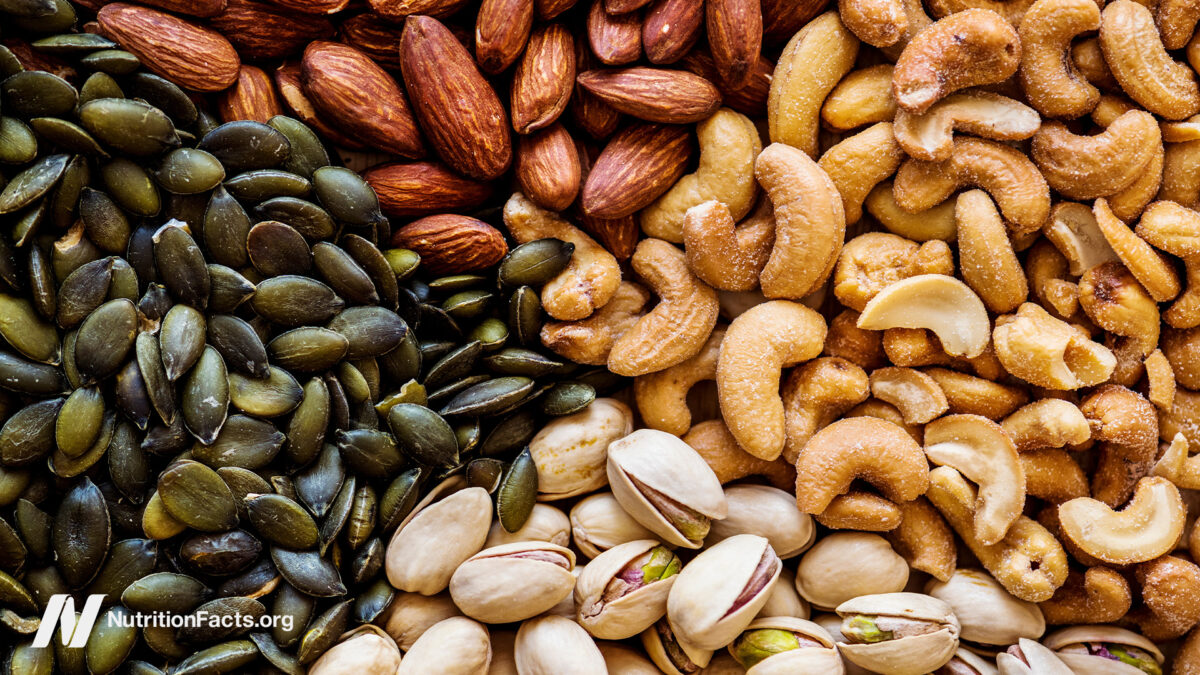
 What are the worst aspects of our diet? Processed meat? Twinkies? Soda? No, the five deadliest things about our diet are: not enough fruit, not enough whole grains, not enough vegetables, too much salt, and not enough nuts and seeds, as shown here and at 0:42 in my video.