Tag: Industry

  • Amazon Removes Series on Healthcare Industry After UnitedHealth Called It ‘Defamatory’

    Amazon Removes Series on Healthcare Industry After UnitedHealth Called It ‘Defamatory’

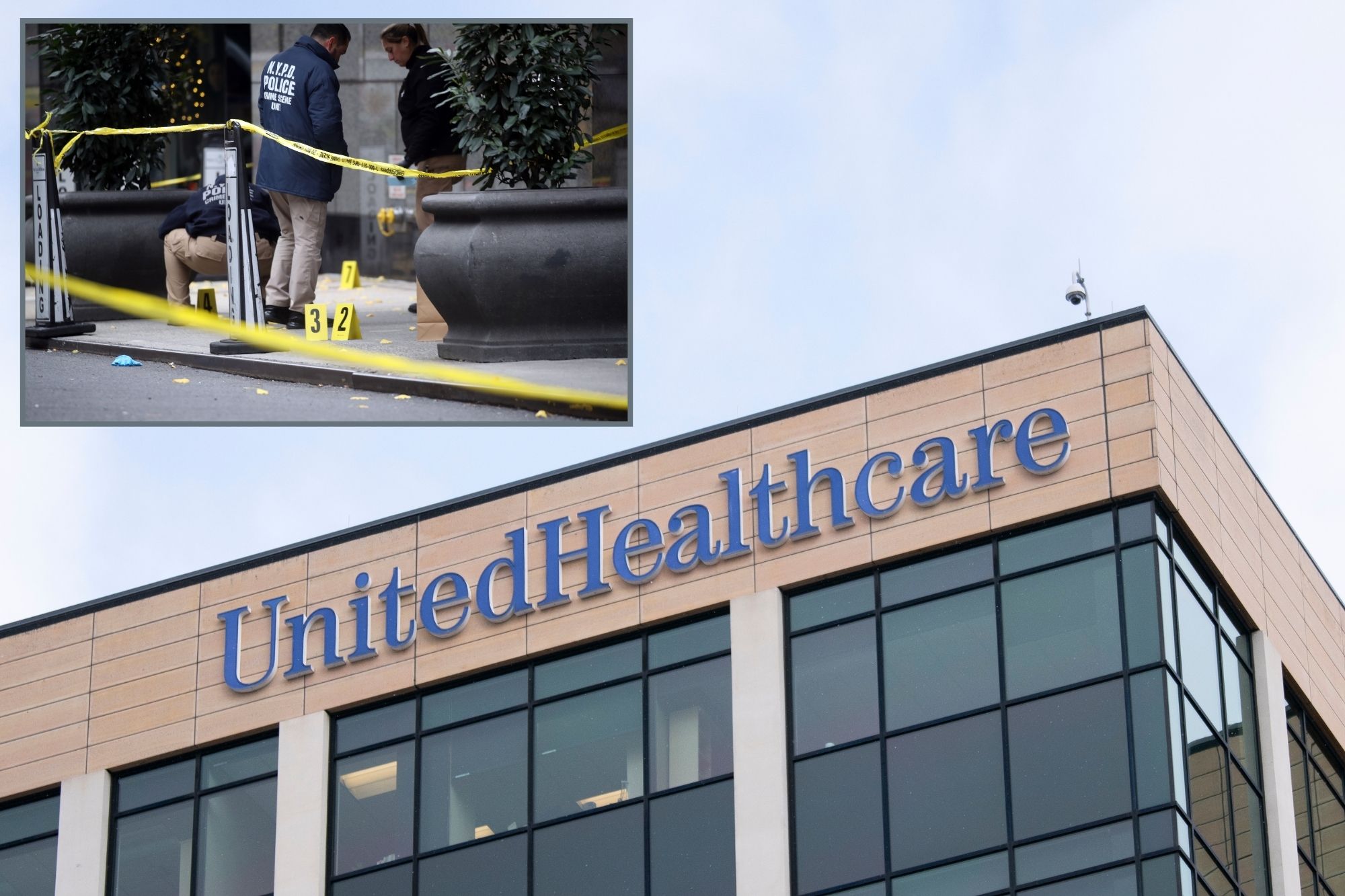
    A documentary series criticizing the United States healthcare industry was removed from Amazon’s video-streaming platforms earlier this year after it was denounced by UnitedHealth for allegedly being “defamatory”.

    The docuseries, developed by Wisconsin filmmaker Mary Strause, was removed from the platform after a law firm employed by UnitedHealth sent a letter to Amazon advocating for the series to be removed, stating that it defamed the health care company.

    The video was removed from both Amazon and Vimeo’s platforms as a result of UnitedHealth’s legal efforts. Furthermore, their actions resulted in The Guardian postponing the publishing of an article investigating the company after they sued the media organization over another article which they alleged was defamatory.

    This is the latest indication of a more aggressive campaign adopted by UnitedHealth to silence its detractors, according to The New York Times. The company has begun targeting media that criticize them in any way, shape or form, arguing that such criticism would encourage violence against their employees after the shooting of CEO Brian Thompson last year.

    This new campaign is indicative of an increased willingness of companies to levy legal repercussions against critics and detractors. Observers have noted that similar campaigns have been on the rise since the Trump administration assumed power.

    “Some version of this has been going on for a long, long time,” said Lee Levine, a retired First Amendment lawyer who has defended news outlets, including The New York Times. However, “the incidence of it has increased,” he indicated.

    UnitedHealth has recently experienced adverse effects from negative press, which is likely a factor motivating their new approach. They are actively dealing with multiple federal criminal and civil investigations, including investigations into supposed Medicare fraud and antitrust violations, according to The Wall Street Journal.

    “Negative publicity may adversely affect our stock price, damage our reputation and expose us to unexpected or unwarranted regulatory scrutiny,” UnitedHealth noted in its most recent annual report.

    Originally published on Latin Times

    Source link

  • RFK Jr Forced to Take Back His Words After Accusing Lawmaker of Accepting Millions From the Pharmaceutical Industry

    RFK Jr Forced to Take Back His Words After Accusing Lawmaker of Accepting Millions From the Pharmaceutical Industry

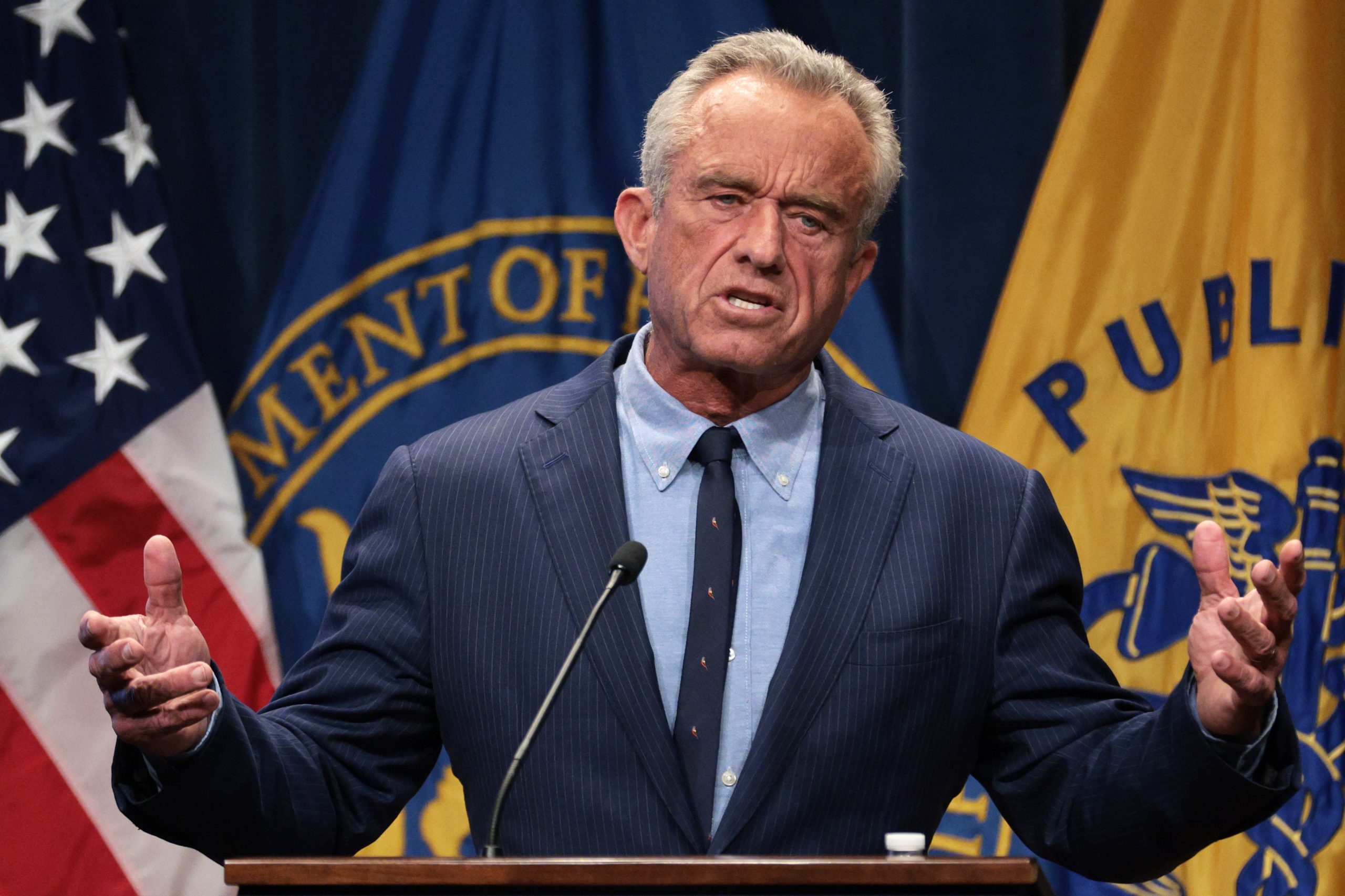
    Heath Secretary Robert F. Kennedy Jr. was forced to walk back his words after he accused a Democratic lawmaker of accepting millions from the pharmaceutical industry, and claimed that those contributions affected his ability to do his job.

    The request for RFK Jr. to do so came after a heated exchange with New Jersey Rep. Frank Pallone, where the lawmaker questioned him over the recent firing of a vaccine advisory committee.

    “You have made a number of major decisions about vaccines, and there’s been no public comment process or public accountability on that either. What are you afraid of? With regard to vaccines, are you just afraid to receive public comments on proposals?” Pallone asked.


    “We have a public process for regulating vaccines. It’s called the ACIP committee and it’s a public meeting—” RFK Jr. responded before Pallone cut him off.

    “You fired the committee,” he stated. The health secretary let go of all 17 members of the Advisory Committee on Immunization Practices earlier this month. At the time, Kennedy defended the decision, saying that the Trump administration would not have been able to appoint most new members until 2028.

    During the Tuesday hearing, RFK Jr. stated that he “fired people who had conflicts with the pharmaceutical industry.” He claimed that the “committee has been a template for medical malpractice for years.”

    Pallone went on to accuse Kennedy of being “anti-science and anti-vaccine.”

    The health secretary later appeared to accuse Pallone of letting political donations impact his work and stances, particularly on issues having to do with the pharmaceutical industry.

    “Fifteen years ago, [when] you and I met, you were at that time a champion for people who had suffered injuries from vaccines. You were very adamant about it, you were the leading member of Congress on that issue,” Kennedy said.


    “Since then you’ve accepted $2 million dollars from pharmaceutical companies in contribution — more than any other member of this committee. Your enthusiasm for supporting the old ACIP committee, which was completely rife and pervasive with pharmaceutical conflicts, seems to be an outcome of those conflicts,” he continued.

    Kennedy’s assertion prompted Colorado Rep. Diana DeGette to jump in and ask him to retract the statement.

    “The secretary implied that Mr. Pallone would not fight for vaccine victims because he took money from the pharmaceutical industry. He needs to take back those words,” she said.

    RFK Jr. then agreed to “retract those words” following a request from the chairman of the Health Subcommittee for the Committee on Energy and Commerce.

    Originally published on Latin Times


    Source link

  • How Robyn Bordes is Reshaping the Aesthetic Industry and Revolutionizing PR for Medical Practices

    How Robyn Bordes is Reshaping the Aesthetic Industry and Revolutionizing PR for Medical Practices

    Behind every successful medical practice or aesthetic clinic making waves in the industry, there’s often a powerhouse working tirelessly behind the scenes. For almost two decades, that powerhouse has been Robyn Bordes, CEO of Illumination PR. Known for her innovative approach to healthcare public relations, Robyn has earned her reputation as the go-to expert for aesthetic clinics and medical groups looking to grow, scale, and thrive in an increasingly competitive market.

    From managing over 40+ doctors nationwide to helping aesthetic practices achieve multi-million-dollar valuations and sales to venture capital firms, Robyn’s work is transforming the way healthcare professionals approach branding, growth, and long-term success.

    Elevating the Aesthetic Industry

    The aesthetic industry is one of the fastest-growing segments in healthcare, with patients seeking more than just medical expertise—they’re searching for trust, transparency, and a brand that resonates. Robyn Bordes recognized this shift early on and built Illumination PR to help aesthetic clinics thrive in this environment.

    Robyn’s strategy goes beyond traditional PR. She and her team focus on building authentic stories around the clinics they represent, spotlighting their expertise and highlighting the patient experience. This approach has helped countless aesthetic practices stand out in a crowded market and attract the attention of strategic buyers, venture capital firms, and group practices.

    “It’s not just about getting press,” Robyn explains. “It’s about creating a brand that patients trust and investors value. When you can do both, you unlock incredible opportunities for growth.”

    One of Illumination PR’s standout achievements was working with an aesthetic practice that was looking to scale. Through strategic media placements, digital branding, and patient engagement strategies, Robyn helped the practice grow its revenue significantly, ultimately leading to a multi-million-dollar sale to a venture capital firm.

    Managing 40+ Doctors Nationwide

    While Robyn’s work in the aesthetic space is impressive, it’s only one piece of the puzzle. Illumination PR also manages public relations for more than 40 doctors in medical groups across the country, providing tailored solutions for each practice’s unique needs.

    “Managing PR for a single doctor is one thing, but managing it for a group of 40-plus doctors spread across the nation is an entirely different challenge,” Robyn says. “It requires a deep understanding of healthcare, communication, and the ability to adapt to each doctor’s individual goals.”

    Robyn’s team handles everything from building personal brands for individual physicians to creating unified marketing strategies for entire medical groups. Their work ensures that each doctor’s expertise is highlighted while maintaining a cohesive message for the group as a whole.

    This approach has led to measurable results, including increased patient retention, improved online reputations, and a stronger presence in the healthcare community.

    The Power of Strategic Storytelling

    At the heart of Robyn’s success is her ability to tell powerful stories. Whether she’s working with an aesthetic clinic preparing for a sale or a medical group looking to attract new patients, Robyn focuses on crafting narratives that resonate with audiences.

    “Patients want to know the story behind their doctor,” Robyn explains. “They want to understand why you do what you do and what makes you different. That’s what builds trust.”

    This emphasis on storytelling has been a game-changer for Robyn’s clients. By showcasing the human side of healthcare, she helps doctors connect with their patients on a deeper level, leading to stronger relationships and long-term loyalty.

    Creating Value for Venture Capital Firms

    Robyn’s knack for creating value doesn’t just benefit her clients—it also catches the attention of venture capital firms and group practices looking for investment opportunities.

    Her ability to position aesthetic clinics as market leaders has led to several high-profile sales, including multi-million-dollar deals that have redefined the financial futures of her clients. These successes aren’t just about numbers—they’re about creating sustainable growth and ensuring that practices are well-positioned for long-term success under new ownership.

    “When venture capital firms invest in a practice, they’re not just buying a business—they’re buying a brand, a reputation, and a promise of future growth,” Robyn explains. “Our job is to make sure those elements are in place and ready to scale.”

    What Sets Robyn Apart

    Robyn’s dedication to her clients is unmatched. She doesn’t just deliver PR campaigns—she becomes a partner in their growth. Her ability to navigate the complexities of healthcare, combined with her strategic mindset and relentless work ethic, makes her a force to be reckoned with in the industry.

    “She has an incredible ability to see the bigger picture while still focusing on the details that matter,” says one of her long-time clients, a physician who credits Robyn with helping his practice achieve record growth.

    Her leadership style is grounded in collaboration and a commitment to excellence. Robyn’s team of experts shares her vision, working tirelessly to ensure that every campaign delivers measurable results.

    The Future of Illumination PR

    As the aesthetic industry continues to grow and evolve, Robyn Bordes and Illumination PR are poised to remain at the forefront. Their work in helping practices scale, attract investment, and build lasting relationships with patients is setting new standards in healthcare public relations.

    For Robyn, the focus is always on creating value—whether that’s for patients, doctors, or investors. Her ability to combine strategic thinking with authentic storytelling has made Illumination PR the go-to partner for medical professionals looking to achieve their full potential.

    “The work we do isn’t just about PR—it’s about transformation,” Robyn says. “We help practices grow, connect, and thrive in ways they never thought possible. That’s what drives me every day.”

    Source link

  • How Navneet Kaur Is Championing Regulatory Excellence In The Pharmaceutical Industry

    How Navneet Kaur Is Championing Regulatory Excellence In The Pharmaceutical Industry

    Navneet Kaur
    Supplied

    Navneet Kaur, a seasoned Senior Manager in Regulatory Affairs, embarked on her journey driven by a deep passion for science and a commitment to improving patient health. Her academic foundation includes a Bachelor’s and Master’s in Chemistry (Honors) from Guru Nanak Dev University, an M.S. in Regulatory Affairs for Drugs, Biologics, and Medical Devices from Northeastern University, and over a decade of rigorous training in compliance and regulatory practices. She has built a career that seamlessly blends technical expertise with strategic decision-making. Kaur’s extensive experience spans multiple markets, including the United States, Europe, Canada, Australia, and Brazil, making her an asset in navigating the global regulatory environment.

    “Every product represents hope for countless patients, and it’s my job to navigate the intricate regulatory pathways, specifically in chemistry manufacturing and controls to make that hope a reality,” Navneet shares.

    Understanding the Risks

    Spending the early years of her professional life in quality and compliance, Kaur gained a profound understanding of the high stakes involved when quality, safety, and efficacy do not meet the required standards. With an average of over 1,284 drugs recalled annually, the pharmaceutical industry demands vigilance. Quality control issues, ranging from incorrect labeling to contamination, can result in costly recalls, regulatory fines, and reputational damage.

    Thankfully, there are many ways to prevent these setbacks, particularly through audits and regulatory inspections. A quality management system helps identify potential issues before they escalate, ensuring compliance with regulations and maintaining the safety and efficacy of pharmaceutical products. Regular audits also help catch discrepancies early, reducing the risk of significant financial and operational impacts​​.

    The Power of Prevention

    Preventing setbacks is paramount, and Kaur recognizes the importance of audits and regulatory inspections. A strong quality management system not only identifies potential issues early but also ensures compliance with regulations while maintaining the safety and efficacy of pharmaceutical products. Regular audits catch discrepancies, mitigating financial and operational risks. Kaur’s expertise in this area has been instrumental in safeguarding the integrity of numerous pharmaceutical products.

    From Quality Control to Regulatory Mastery

    Kaur started her professional journey at Ultra-Chiron Pharmaceuticals as a quality control analyst, where she developed her skills in product testing, on-the-floor quality assurance, drug product reviews, and compliance. At Parabolic Drugs Ltd., she played a pivotal role in establishing a stability testing laboratory for Active Pharmaceutical Ingredients (APIs), ensuring compliance with ICH guidelines. As a quality assurance officer at Ranbaxy Laboratories Ltd. (now Sun Pharmaceuticals Ltd.), Kaur managed deviations, conducted root cause analyses, implemented corrective and preventive actions (CAPAs), and collaborated with various departments to ensure adherence to regulatory standards.

    Global Regulatory Prowess

    Kaur’s move to the United States further solidified her regulatory expertise. At Sanofi Genzyme, she provided critical support for a remediation project, reviewing, assessing, and approving key documentation required to comply with FDA expectations. Hired as a Corrective and Preventive Actions (CAPA) expert, she addressed critical non-compliance issues for a pharmaceutical company in Cambridge, MA. She thoroughly assessed the vendor management system and prepared efficient processes to ensure the organization’s continued success. Her ability to review and approve crucial documentation—from Master Batch Records and deviations to analytical data and defining successful CAPAs—demonstrated her capacity to handle complex compliance issues effectively.

    She began her journey in regulatory affairs as an Associate, progressing to Senior Regulatory Affairs Associate at Johnson Matthey Pharmaceutical Services (now Veranova). At the Devens site in Massachusetts, she was pivotal in managing regulatory activities, developing submission strategies for drug substances supporting Investigational New Drug (IND) applications, and Abbreviated New Drug Applications (ANDAs). Her expertise extended to authoring and reviewing Module 3 documentation for drug substances, Drug Master Files (DMFs), and Active Substance Master Files (ASMFs), preparing comprehensive risk assessments, and ensuring compliance with evolving regulatory requirements—managed amendments and life cycle for all the products.

    Her proficiency in navigating the complex regulatory landscape ensured timely, high-quality submissions. Among her notable achievements, she successfully prepared and submitted drug substance dossiers for an oncology generic product to both the FDA and Brazil’s health authorities, leading to approvals in both markets and facilitating access to affordable oncology treatments. Additionally, she prepared and submitted a Drug Master File (DMF) dossier to Health Canada for a cardiovascular drug, which received approval and has since made a meaningful impact on patient care.

    Kaur has obtained Certificates of Pharmaceutical Products (CPP) for various countries on behalf of a prominent pharmaceutical client. A CPP, issued by the regulatory authority in the exporting country, serves to confirm that a pharmaceutical product adheres to rigorous quality, safety, and efficacy standards. This document is essential for the legal importation and distribution of medications in foreign markets, ensuring compliance with international drug manufacturing and distribution regulations while facilitating the global flow of quality-assured pharmaceuticals.

    Furthermore, Kaur has applied her extensive knowledge of the International Council for Harmonization (ICH) Q3D guidelines to conduct thorough risk assessments for multiple products. These assessments have critically evaluated the necessity for additional control strategies to ensure that elemental impurities (EIs) adhere to the Permitted Daily Exposure (PDE) limits, thereby reinforcing product safety and ensuring regulatory compliance.

    Driving Excellence at Alkermes Inc.

    In her current role at Alkermes Inc., Kaur continues to drive regulatory excellence. She collaborates with internal partners to develop regulatory Chemistry Manufacturing and Controls (CMC) strategies, preparing comprehensive clinical trial applications (CTAs), INDs and IMPDs (Investigational Medicinal Product Dossier). Her responsibilities extend to assessing, classifying, and performing regulatory impacts on the drug product changes. Her strategic mindset ensures that regulatory risks are identified early, safeguarding development projects. She is proficient in managing the CMC lifecycle.

    The Future of Regulatory Affairs

    As the pharmaceutical industry evolves, regulatory affairs professionals like Navneet Kaur are becoming increasingly vital. Her strategic approach, meticulous attention to detail, and ability to navigate complex regulations make her an invaluable asset. Kaur’s journey serves as an inspiration for aspiring regulatory professionals, highlighting the importance of strategic thinking, continuous learning, and a commitment to excellence.

    In an industry where the stakes are high and the margin for error is slim, Kaur stands out as a leader who consistently delivers regulatory excellence. Her capacity to prevent setbacks, navigate global regulations, and foster a collaborative environment ensures that pharmaceutical products meet the highest standards of quality, safety, and efficacy. As the industry looks to the future, professionals like Kaur will continue to shape the regulatory landscape and safeguard patient health and well-being worldwide.
    Source link

  • Warehousing industry increases health-harming pollutants, research shows

    Warehousing industry increases health-harming pollutants, research shows

    America’s demand for products delivered to the doorstep has led to a dramatic increase in e-commerce and the warehousing industry.

    A first-of-a-kind study now shows that people living in communities located next to these large warehouses are exposed to 20% more of a traffic-related air pollutant that can lead to asthma and other life-threatening health conditions.

    “Increased truck traffic to and from these recently built large warehouses means people living downwind are inhaling an increased amount of harmful nitrogen dioxide pollution,” said Gaige Kerr, lead author of the study and an assistant research professor of environmental and occupational health at the George Washington University Milken Institute School of Public Health. “Communities of color are disproportionately affected because they often live in close proximity to warehouses, especially dense clusters of warehouses.”

    Kerr and his colleagues measured a traffic-related pollutant called nitrogen dioxide by using a satellite instrument from the European Space Agency to zero in from space on the nearly 150,000 large warehouses located across the United States. Trucks and other vehicles traveling to and from these large warehouses spew out nitrogen dioxide, particulates, and other harmful pollutants.

    The researchers also looked at traffic information from the Federal Highway Administration and demographic data from the US Census Bureau.

    Additional key findings of the study:

    • Although the average spike of nitrogen dioxide associated with warehouses was 20%, nitrogen dioxide levels near warehouses were even larger when there was greater heavy duty vehicle activity near these facilities.
    • Warehouses with more loading docks and parking spaces attract the most traffic and are associated with the highest nitrogen dioxide levels.
    • Communities with large racial and ethnic minority populations are often located near warehouses and thus are inhaling more nitrogen dioxide and other pollutants. For example, this study found that the proportion of Hispanic and Asian people living close to the largest clusters of warehouses is about 250% higher than the average nationwide.
    • Although warehouses are located all over the US, 20% are concentrated in just 10 counties: Los Angeles, California; Harris, Texas; Cook, Illinois; Miami-Dade, Florida; Maricopa, Arizona; San Bernardino, California; Orange, California; Dallas, Texas; Alameda, California; and Cuyahoga, Ohio.

    The pandemic fueled the explosion of the e-commerce industry and warehouses that receive and sort consumer goods. The transportation infrastructure needed to ship goods to warehouses and then onto consumers is enormous, according to the researchers. For example, Amazon, an industry leader in e-commerce operated 175,000 delivery vans and more than 37,000 semi trailers in 2021 alone.

    Earlier studies have looked at warehouses and pollution in specific neighborhoods around the country, but this is the first nationwide study to show that people living near these warehouses are exposed to higher than average levels of damaging pollutants. And while other research has shown that communities of color are exposed to more nitrogen dioxide pollution than predominantly non-Hispanic white communities, this is the first study linking the warehousing industry to the exposure inequities faced by these overburdened populations, Kerr says.

    Previous research by the GW team found that communities of color in the US face a growing burden from polluted air. That study showed that such communities endure nearly 8 times higher rates of pediatric asthma from exposure to nitrogen dioxide and 30% higher rates of dying prematurely from exposure to fine particulate matter, both of which are emitted by cars, trucks and other vehicles.

    The authors say the new study underscores the need for regulations that drive zero-emission vehicle use in logistics, particularly to protect vulnerable communities located near industrial hubs. They also say that industry leaders and utilities have crucial roles in planning and implementing this transition.

    “Such measures would mean people living near warehouses could breathe cleaner air,” said Kerr. “In addition to a reduced risk of pollutant-related diseases, such measures would also reduce greenhouse gas emissions associated with climate change.”

    The study, “Air pollution impacts from warehousing in the United States uncovered with satellite data,” was published July 24, 2024 in Nature Communications. In addition to Kerr, Susan Anenberg, professor and chair of the Department of Environmental and Occupational Health at GW, and Daniel Goldberg, assistant research professor in the same department, contributed to this paper alongside researchers from the International Council on Clean Transportation.

    The research was funded by NASA.

    Source link