Tag: Illness

  • Mindfulness and Hypnosis: Tools for Navigating Chronic Illness

    Mindfulness and Hypnosis: Tools for Navigating Chronic Illness

    Several years ago, I experienced what at the time I did not realize was the beginning of a life-changing journey into chronic illness. 

    It started with noticing shortness of breath when I bent over to pick something up off the floor, and rapidly snowballed. It felt as if I had stepped into an alternate reality, where I went from being a healthy person whose life was punctuated with hiking, dancing, and travel, to someone whose body would no longer cooperate with life. At my worst, my heart rate spiked throughout the day and night to levels that would send healthy friends running to the ER. I was exhausted and at times too weak to walk.

    Already a Buddhist meditation teacher and hypnotherapist, I found myself on a crash course in treating a complex medical condition and learning how to live a meaningful life inside a body that had fundamentally changed.

    This was the beginning of a complex condition involving almost every system in my body, eventually traced back to my time living in a small cottage that unknowingly housed an uninvited tenant: black mold. At the time, I couldn’t have imagined how profoundly this experience would change my body, my life, and my work.

    Already a Buddhist meditation teacher and hypnotherapist, I found myself on a crash course in treating a complex medical condition and learning how to live a meaningful life inside a body that had fundamentally changed. 

    Over the years that followed, I worked to carve out spaces of healing, resilience, and joy, rebuilding a life that in many ways felt happier and more free than the one I had lost. I also found myself supporting more clients navigating complex illnesses themselves. Again and again, I saw how mindfulness and hypnosis could help people feel a renewed sense of hope, agency, and capacity to relate to their lives and bodies differently.

    A Nervous System Mobilizing Against Threat

    When we live with chronic illness or pain, it can often feel like we are stuck on high alert—and with good reason. The body is designed to detect danger and mobilize quickly against threat. We have survived across generations of human evolution because of this finely honed system. It’s an incredible gift—until it’s not.

    Pain, stress, illness, and other issues can send signals throughout our body communicating that something is profoundly wrong. It’s our system’s way of saying, “Hey! Stop! Please take care of me.” 

    Maladaptive neuroplasticity” happens when the body and mind begin to reorganize in order to address the ongoing threat that is occurring. Unfortunately, we don’t always reorganize in a way that helps us long-term or feels particularly good. To our brain and body, it’s about one thing and one thing alone: our survival. 

    But in chronic conditions occurring over time, this repeated activation can make our nervous system extra sensitive to threat. Our body’s warning system begins to fire over and over, responding to even small changes in posture, environment, or life conditions as if they were a five alarm fire. This is part of why hypnosis and meditation have been shown to be highly supportive for chronic illness and pain, when used in complement with appropriate medical care.

    You’ve probably heard the term “neurons that fire together wire together,” meaning that when we repeat anything over and over, we build strong neural pathways that operate automatically. This trait is fantastic in so many situations: we effortlessly remember how to drive a car, we see the face of someone we love and a feeling of warmth washes over us, we wake up and go to our meditation cushion because it’s a habitual part of our routine.

    Our brains are incredibly efficient. They want to save energy, so they create shortcuts to do so. This is often helpful, but when it comes to chronic pain and illness, this can result in heightened sensitivity, and what some researchers call maladaptive neuroplasticity

    What does that mean for us? Essentially, the body and mind begin to reorganize in order to address the ongoing threat that is occurring. Unfortunately, we don’t always reorganize in a way that helps us long-term or feels particularly good. To our brain and body, it’s about one thing and one thing alone: our survival.

    Over time, an inner algorithm is created in the brain, body, and nervous system: We get exposed to a trigger or feel the beginning of the symptom and automatically, a cascade of chemical, physiological, and emotional responses fire up within a fraction of a second. Emotions are heightened, thought loops start spinning, discomfort worsens, and the neural pathways connecting things like fear, grief, hopelessness, frustration, and physical symptoms grow stronger. 

    The wonderful thing about neuroplasticity is that you have agency over more of this process than you might imagine, especially when it comes to navigating habitual thoughts and reactions, distress, and overwhelm.

    Neuroplasticity Means You Have More Power Than You Know

    It’s understandable that these processes can feel big, automatic, and beyond our control, but that’s not the full picture. The wonderful thing about neuroplasticity is that you have agency over more of this process than you might imagine, especially when it comes to navigating habitual thoughts and reactions, distress, and overwhelm.

    This is where mindfulness and hypnosis can offer real support. Both practices help you notice when the alarm bells start going off, so that you can interrupt the cascade of reactivity and learn to steer it in a different direction. Through relaxation, breath, focused attention, visualization, and active work with the subconscious mind, you can begin to support the nervous system and create space where triggers, symptoms, and recurring attitudes and thoughts can be met and worked with. 

    The more you practice cultivating and resting in qualities like safety, compassion, kindness, and relaxation, the more hardwired and automatic they become. Just like you’ve strengthened the muscles of stress and overwhelm, you can strengthen the muscles of ease, trust, and permission to rest and take care of yourself.

    One of my clients has described this process as being able to access her “own little sanctuary”—a place where even in the midst of years-long, complex illness, she is able to rest, remember her wholeness, and feel relief. With that, her sleep has significantly improved along with her overall sense of hope, personal power, and wellbeing.

    Addressing the Whole Person

    Of course, this does not mean thinking we can just “meditate away” a condition that needs treatment. These practices are best done in conjunction with medical care, because they allow us to navigate the full spectrum of our experience—from stress around doctor’s appointments and treatment protocols, to changes in our relationships and career, to celebrating the wins and progress when they do come. Living with pain and illness touches our bodies but also our identities, spirituality, and outlook on the world. These practices can allow us to show up for all parts of it. 

    Adding meditation and hypnosis to our chronic illness care regimen can reveal that we have more power than we think: the ability to interrupt familiar thought loops, to create moments of relief and inner safety, and even to reshape the emotions, beliefs, and patterns that can make life with chronic illness feel harder than it already is.

    Adding meditation and hypnosis to our chronic illness care regimen can reveal that we have more power than we think: the ability to interrupt familiar thought loops, to create moments of relief and inner safety, and even to reshape the emotions, beliefs, and patterns that can make life with chronic illness feel harder than it already is.

    This is so powerful because in the type of mind states available through meditation and hypnosis, the mind becomes more flexible, creative, and adaptive. In fact, early research suggests that mind-body practices like meditation and hypnosis may influence brain-derived neurotrophic factor (BDNF), a molecule linked to neuroplasticity, learning, pain modulation, and the nervous system’s capacity to adapt in response to stress. 

    When we add these practices to our toolbox, we are partnering with the subconscious mind so that we can remodel our relationship to illness from the inside out.


    Source link

  • Wearable Health Technology Breakthroughs That Help Your Smartwatch Detect Illness Early

    Wearable Health Technology Breakthroughs That Help Your Smartwatch Detect Illness Early

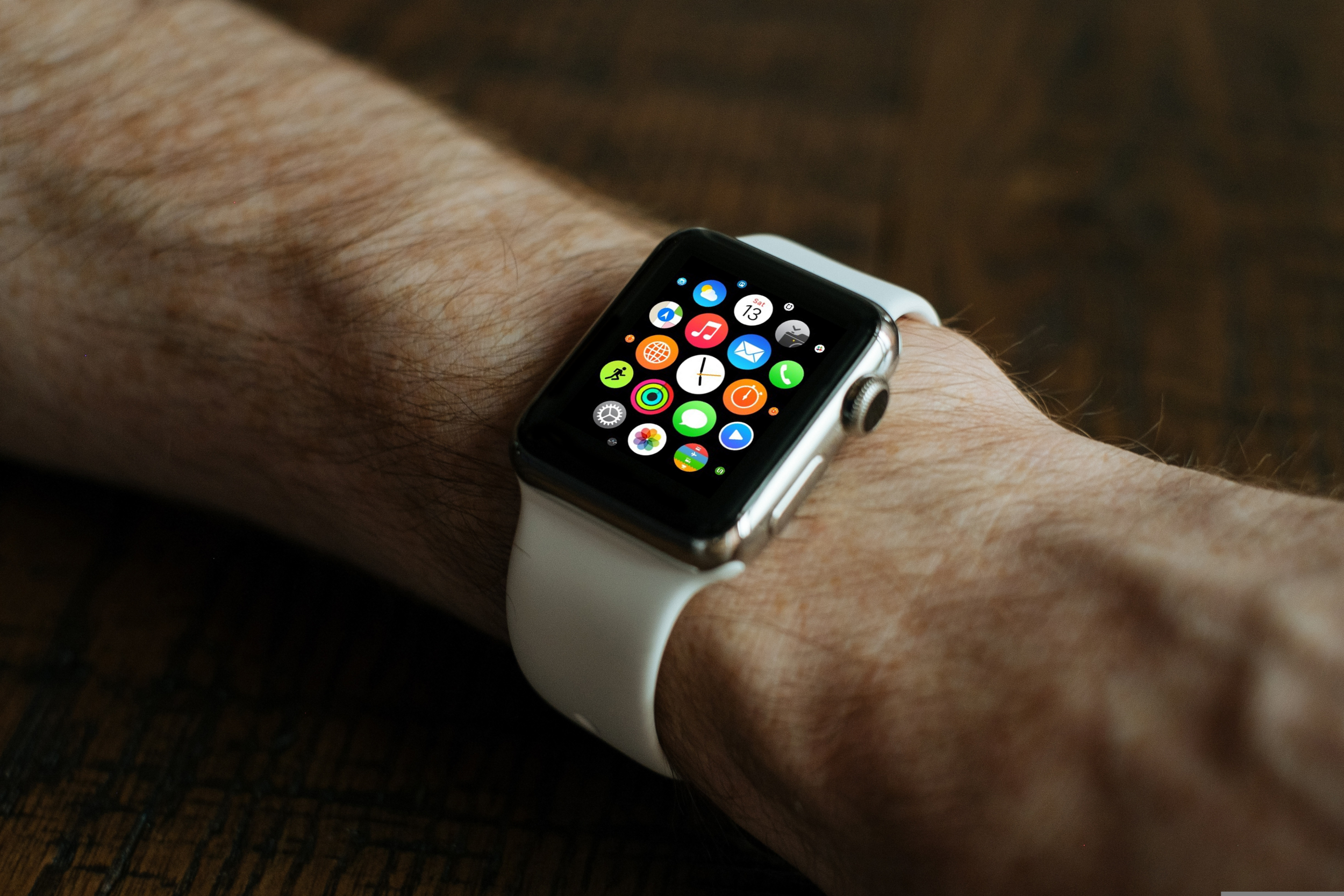
    Wearable health technology has moved rapidly from niche fitness gadgets to everyday companions that promise deeper insight into the body’s signals. Smartwatches now track far more than steps, offering continuous heart rate, sleep, and activity data that some people use to spot changes before they feel obviously unwell. This raises a central question: how reliably can these devices detect illness early?

    The Rise of Wearable Health Technology

    Wearable health technology refers to body-worn devices that collect health-related data in real time, such as heart rate, activity, sleep, and sometimes temperature or blood oxygen. Smartwatches and fitness bands are the most visible examples, while smart rings, patches, and medical-grade devices extend the category further.

    What makes them powerful is their ability to monitor people continuously during everyday life rather than only during clinic visits.

    Consumer wearables focus mainly on wellness and lifestyle insights, whereas clinical devices are designed and tested to support medical decisions.

    The line between them is blurring as smartwatches add advanced health features like ECG recording and irregular rhythm alerts. Still, most wearable health technology in the consumer market remains closer to screening and self-awareness than formal diagnosis.

    How Smartwatches Detect Health Changes

    Smartwatches rely on a set of small sensors to capture signals from the body. Optical sensors estimate heart rate and heart rate variability using light, while accelerometers and gyroscopes measure movement and activity intensity. Some devices also estimate blood oxygen levels, breathing rate, or skin temperature trends.

    Software turns these raw streams into meaningful information. Algorithms learn a person’s baseline patterns and highlight deviations that may matter. For example, a smartwatch might notice that resting heart rate remains higher than usual, sleep is disrupted, and activity has dropped.

    Within the broader world of wearable health technology, these pattern shifts underpin features like irregular rhythm notifications and prompts to check for possible illness.

    Can Smartwatches Detect Illness Early?

    Current evidence suggests that smartwatches can sometimes identify certain issues earlier than a person might otherwise notice, especially for heart rhythm problems like atrial fibrillation.

    In these cases, devices act as screening tools that encourage users to seek professional evaluation when irregular patterns are detected. The watch does not confirm a diagnosis; instead, it raises a flag that something may need attention.

    For infections or other acute illnesses, early signs may show up as a combination of elevated resting heart rate, reduced variability, poorer sleep, and changes in temperature-related metrics. Some users report that these indicators change a day or two before symptoms.

    However, these patterns are not specific to illness and may also reflect intense exercise, stress, travel, or stimulants like caffeine. Smartwatch signals are therefore best viewed as clues rather than answers, according to the Centers for Disease Control and Prevention.

    What Smartwatches Monitor – And How Accurate They Are

    Smartwatches are strongest in tracking cardiovascular and lifestyle-related metrics. Continuous heart rate, movement patterns, workout tracking, and sleep timing are now standard.

    Some models offer on-demand ECG readings that can help detect specific arrhythmias, while others include blood oxygen and basic stress indicators derived from heart rate variability.

    Accuracy depends on the metric and the context. Heart rate at rest or during moderate activity is often close to clinical instruments, but high-intensity exercise or a loose fit can degrade signal quality.

    Skin tone, tattoos, sweat, and motion all influence optical sensor performance. Because of these limitations, wearable health technology is most reliable for showing trends over time rather than precise single measurements.

    Medical Claims and Regulatory Limits

    Some smartwatch features have regulatory clearance for narrow medical uses, such as detecting possible atrial fibrillation episodes or recording a single-lead ECG. This means the feature was tested in defined conditions and met specific performance criteria. Even so, these tools are intended to support, not replace, medical judgment.

    Many other features of wearable health technology, including step counts, generic sleep scores, or stress estimates, are marketed as wellness tools and do not go through the same level of scrutiny.

    They can still be helpful but should not be interpreted as formal diagnoses. Understanding this distinction keeps expectations realistic and prevents overreliance on any one metric or alert.

    Using Smartwatch Alerts Wisely

    When a smartwatch issues a health alert, context is crucial. Checking for obvious causes, such as intense recent exercise, emotional stress, caffeine, or poor sleep, can explain many short-term changes, as per Harvard Health.

    If unusual patterns persist, seem out of character, or occur alongside concerning symptoms like chest pain, extreme shortness of breath, or fainting, seeking medical care becomes more important.

    Sharing summaries or exported reports from wearable health technology can help clinicians see broader trends instead of isolated readings.

    The most useful information often includes timing, duration, and associated symptoms rather than raw second-by-second data. In this way, smartwatch data can support clinical decision-making without overwhelming professionals.

    Who Gains the Most From Wearable Health Technology?

    People who are already motivated to understand and improve their lifestyle often benefit most from wearable health technology.

    They tend to act on insights by increasing activity, prioritizing sleep, or managing stress, which can have a cumulative impact on long-term health. For them, early detection is less about one dramatic alert and more about noticing gradual changes over weeks and months.

    Individuals with known risk factors for heart rhythm disorders or other chronic conditions may also gain value, especially when they use wearables under guidance from healthcare providers.

    Older adults and caregivers may appreciate features like fall detection and emergency SOS. Across these groups, the real advantage comes from combining continuous data with thoughtful interpretation and professional input.

    Wearable Health Technology’s Growing Role in Early Detection

    As sensors become more capable and algorithms more sophisticated, wearable health technology is poised to play a larger role in early detection and ongoing health monitoring.

    Future devices may track additional physiological signals and integrate seamlessly with telehealth and electronic records, offering a more complete picture of day-to-day health. For now, smartwatches are best understood as powerful companions that highlight trends and potential warning signs rather than definitive diagnostic tools.

    Used with realistic expectations and in collaboration with clinicians, wearable health technology can help people notice meaningful changes sooner and make more informed decisions about when to seek care.

    Frequently Asked Questions

    1. Can wearable health technology help reduce healthcare costs over time?

    Yes, by encouraging preventive habits and prompting earlier checkups, wearable health technology can sometimes help avoid more expensive treatments later, especially for lifestyle-related conditions.

    2. Is smartwatch health data admissible or useful in legal or insurance claims?

    It can be considered supporting information but is rarely treated as primary evidence; insurers or courts typically rely more on medical records and professional evaluations.

    3. Can smartwatches detect mental health issues like anxiety or depression?

    They cannot diagnose mental health conditions, but changes in sleep, activity, and heart rate patterns may highlight stress or behavior shifts worth discussing with a clinician or therapist.

    4. Do different smartwatch brands interpret health data in the same way?

    No, each brand uses its own algorithms, metrics, and scoring systems, so results can differ; trends over time on the same device are usually more meaningful than cross-device comparisons.


    Source link

  • How Immune Disorders Shape Everyday Life With Chronic Illness

    How Immune Disorders Shape Everyday Life With Chronic Illness

    Autoimmune diseases are conditions in which the body’s own defense system mistakenly targets healthy cells, tissues, and organs. These immune disorders can affect nearly any part of the body and are often lifelong, making them a major cause of chronic illness. Understanding how they develop, how they are treated, and how they affect daily life helps patients, families, and caregivers make informed choices.

    What Are Autoimmune Diseases?

    In a healthy person, the immune system protects against viruses, bacteria, and other harmful invaders. In autoimmune diseases, this system misidentifies the body’s own tissues as threats and attacks them. The result is ongoing inflammation, pain, and, over time, possible organ or tissue damage.

    Autoimmune diseases can be organ-specific, such as Hashimoto’s thyroiditis, which mainly affects the thyroid, or systemic, like systemic lupus erythematosus, which can involve multiple organs.

    Common immune disorders include rheumatoid arthritis, lupus, multiple sclerosis, type 1 diabetes, psoriasis, inflammatory bowel disease, and autoimmune thyroid conditions. Most are chronic illnesses requiring long-term monitoring and management rather than a one-time cure.

    What Causes Autoimmune Diseases?

    The causes of autoimmune diseases are complex and not fully understood. Most evidence points to an interaction between genetic susceptibility and environmental triggers. People with a family history of autoimmune or related immune disorders are at higher risk, though not everyone with a genetic predisposition will develop disease.

    Environmental factors seem to act as triggers in those who are vulnerable. These may include infections, smoking, certain medications or chemicals, prolonged stress, and hormonal changes.

    Many autoimmune diseases occur more often in women, suggesting a link with hormones and sex-related immune differences. Ethnicity and family patterns may also influence risk, but autoimmune diseases can affect people from any background.

    Symptoms and Daily Life Impact

    Different autoimmune diseases damage different tissues, but they share many core symptoms. Common early signs include:

    • Persistent fatigue that rest does not relieve
    • Joint pain, stiffness, or swelling
    • Muscle aches
    • Low-grade fevers
    • Skin rashes
    • Digestive problems or abdominal pain

    Symptoms often wax and wane. People may go through flares, when symptoms suddenly worsen, and remissions, when they ease. This unpredictability can make daily planning difficult.

    Pain and stiffness can limit mobility and make routine tasks like walking, cooking, or working on a computer more challenging. Fatigue and “brain fog” can impair concentration, memory, and decision-making, affecting performance at work or school.

    Beyond physical effects, autoimmune diseases can take an emotional and social toll. Invisible symptoms may lead others to underestimate the severity of the illness. People may feel misunderstood, frustrated, or isolated.

    Adjusting social activities and roles within the family to match changing energy levels can be stressful for both patients and loved ones.

    Diagnosis and Medical Management

    Diagnosing autoimmune diseases can be challenging, according to Cleveland Clinic. Symptoms may resemble those of infections, other chronic illnesses, or even stress-related conditions. A diagnosis usually relies on a combination of:

    • Detailed medical history and symptom review
    • Physical examination
    • Blood tests (for antibodies, inflammation markers, and organ function)
    • Imaging or biopsies when needed

    Because signs can be vague, diagnosis may take time and sometimes involves ruling out other possibilities.

    Most autoimmune diseases cannot currently be cured, but they can often be controlled. Treatment generally aims to reduce inflammation, relieve symptoms, and prevent long-term damage. Common medications include:

    • Nonsteroidal anti-inflammatory drugs (NSAIDs) for pain and inflammation
    • Corticosteroids to control stronger flares
    • Disease-modifying drugs and biologic agents that target specific parts of the immune response

    Since these conditions are chronic, regular follow-up care is important. Treatment plans are tailored to the individual, based on the type of autoimmune disease, severity of symptoms, and other health factors. Over time, medications may be adjusted to balance disease control with potential side effects.

    Living With Autoimmune Diseases Day to Day

    Living with autoimmune diseases often requires ongoing adaptation. Many people need to manage medication schedules, medical appointments, and symptom changes while also handling work, school, and family responsibilities.

    Good days may allow for a fairly typical routine, while flare days may require extra rest, reduced activity, or assistance with daily tasks.

    Work can be especially affected. Fatigue, pain, and cognitive issues may reduce productivity or make certain jobs difficult. Some people benefit from flexible hours, the option to work from home, or changes to duties.

    Simple accommodations, such as ergonomic equipment, rest breaks, or modified physical tasks, can help someone with a chronic illness stay employed and engaged.

    Relationships may also shift. Family members and partners may need to adjust expectations around energy, household chores, and social plans. Open communication about limitations, needs, and feelings can reduce misunderstandings and strengthen support.

    Many people find comfort and validation by connecting with others who live with similar immune disorders, whether through in-person groups or online communities.

    Coping Strategies and Lifestyle Support

    Medical treatment is only one part of managing autoimmune diseases. Practical self-management strategies help many people function better and reduce flares. These can include:

    • Pacing activities and prioritizing essential tasks
    • Planning rest periods and avoiding overexertion on good days
    • Using assistive devices or adaptive tools to protect joints and conserve energy

    Lifestyle factors can influence symptom levels. Although there is no single “autoimmune diet” that works for everyone, many healthcare professionals encourage a balanced, nutrient-dense eating pattern, maintaining a healthy weight, and avoiding smoking.

    For some specific autoimmune diseases, such as celiac disease, strict dietary changes are necessary, as per the National Institutes of Environment Health Sciences.

    Gentle, regular physical activity, like walking, swimming, or yoga, can support joint mobility, strength, mood, and sleep, as long as it is adjusted to the person’s current condition. Stress management is also important because long-term stress may worsen inflammation and flares for some people.

    Techniques such as mindfulness, breathing exercises, counseling, and support groups can help individuals cope with the emotional side of chronic illness.

    Mental health care is an essential part of long-term management. Anxiety and depression are more common in people with chronic illness, and addressing them through therapy, medication when appropriate, and social support can significantly improve overall well-being.

    When to Seek Help and How to Advocate

    Persistent or recurring symptoms, such as unexplained fatigue, ongoing joint pain, chronic digestive problems, or rashes, should prompt a visit to a healthcare professional, especially if they interfere with daily life. Sudden, severe changes, like new neurological symptoms or significant breathing difficulties, need urgent evaluation.

    Self-advocacy can improve care. Keeping a symptom diary, noting triggers and patterns, helps both patients and clinicians understand the condition more clearly.

    Bringing questions to appointments, asking for explanations of test results, and seeking second opinions when necessary can lead to more accurate diagnoses and better treatment plans. Learning about one’s specific autoimmune disease from reliable sources supports meaningful participation in decisions.

    Autoimmune Diseases and the Future of Care

    Research on autoimmune diseases is evolving rapidly. Scientists are uncovering more about how the immune system works, why it turns against the body, and how to interrupt this process more precisely.

    New targeted therapies and biologic drugs are already improving outcomes for several conditions, and more treatments are under development.

    While autoimmune diseases remain a major cause of chronic illness, many people are able to build satisfying, productive lives.

    Early diagnosis, tailored medical care, realistic lifestyle adjustments, and strong social and emotional support all contribute to better quality of life. As understanding of immune disorders grows, so does the potential for more effective, personalized care in the years ahead.

    Frequently Asked Questions

    1. Can stress alone cause an autoimmune disease?

    Stress by itself is unlikely to be the only cause, but long-term or severe stress can act as a trigger or worsen symptoms in someone who is already genetically susceptible.

    2. Are autoimmune diseases contagious?

    No. Autoimmune diseases are not infections and cannot be passed from person to person, although they can run in families due to shared genetic risk.

    3. Can autoimmune diseases go into remission?

    Yes. Some people experience periods where symptoms lessen or disappear, especially with effective treatment and lifestyle management, but monitoring is still important.

    4. Is it possible to have more than one autoimmune disease?

    Yes. Some individuals develop more than one autoimmune condition over time, which is why regular follow-up and broad monitoring are important.


    Source link

  • Rising Awareness of Breast Implant Illness: Dr. Pryor Explains

    Rising Awareness of Breast Implant Illness: Dr. Pryor Explains

    For decades, women with breast implants who developed unexplained fatigue, brain fog, or chronic pain were often told their symptoms were “in their heads.” Today, that’s beginning to change. As awareness of Breast Implant Illness (BII) continues to rise, more patients are finding answers — and hope — through trusted medical advocates like Dr. Landon Pryor and his team at PryorHealth, a national leader in explant and recovery care.

    Understanding Breast Implant Illness

    “Breast Implant Illness, or BII, is a condition that many women experience after receiving breast implants, though it’s still not fully recognized by all in the medical community,” explains Dr. Pryor, founder of PryorHealth and a board-certified plastic surgeon with more than 20 years of experience. “Common symptoms include fatigue, brain fog, chronic pain, joint and muscle aches, autoimmune-like reactions, and unexplained inflammation. Each patient experiences it differently, which is why listening to their story is so important.”

    That approach — listening first, healing second — is the foundation of PryorHealth’s BII Initiative, which aims to raise awareness and deliver compassionate, patient-centered care to those suffering from the condition.

    Recognizing the Signs

    Because BII presents differently for each woman, recognizing potential symptoms can be difficult. “If you have implants and are experiencing chronic, unexplained symptoms that started or worsened after surgery, it’s worth exploring the possibility of BII,” says Dr. Pryor. There is no single diagnostic test, which makes patient awareness and self-advocacy critical. “The key is to track your symptoms, seek a knowledgeable surgeon or advocate, and understand that your experiences are valid—even if the medical community hasn’t fully recognized the condition yet.”

    Dr. Pryor operanting on a patientDr. Pryor operanting on a patient

    A Focus on Total Healing

    Dr. Pryor is one of the few plastic surgeons in the country who made the rare decision to stop performing breast augmentations altogether — dedicating his practice exclusively to explant surgery and whole-body recovery. At PryorHealth, the standard procedure for BII patients is a total capsulectomy, which removes both the implants and the surrounding scar tissue capsule.

    “This is critical for safety and symptom relief, especially if the implant has ruptured,” he explains. “Recovery varies by patient, but many notice symptom improvement shortly after surgery. Typical downtime is about two weeks, and most patients resume full activity without restriction by six weeks.”

    While total capsulectomy is the most direct solution for addressing the root cause of BII, Dr. Pryor and his team also emphasize holistic recovery. “Without removing the implants and capsules, nonsurgical therapies can only do so much,” he notes. “However, after proper en bloc explant and total capsulectomy, additional detox treatments can definitely help in reducing toxins and inflammation in the breasts, body, and brain.”

    To support patients’ long-term wellness, PryorHealth offers complementary therapies such as IV treatments and platelet-rich plasma (PRP) therapy, designed to accelerate detoxification and healing.

    The BII Centers of Excellence: Expanding Access and Awareness

    Recognizing how many women were struggling to find knowledgeable care for Breast Implant Illness, Dr. Pryor established the PryorHealth BII Centers of Excellence — a national model dedicated exclusively to safe explant surgery, advocacy, and recovery.

    The Centers of Excellence reflect Dr. Pryor’s commitment to making specialized BII treatment more accessible. Each center combines board-certified surgical expertise, dedicated patient advocacy, and comprehensive wellness programs, creating a trusted environment for patients seeking answers and relief.

    Since the launch of the Centers in Illinois, PryorHealth has expanded into Florida, broadening access for women across the country who often have few local options for BII-specific care. The Centers also collaborate with the University of Illinois Chicago Rockford campus to study inflammatory responses linked to implants — bridging the gap between lived experience and scientific understanding.

    PryorHealth’s BII Initiative is about more than surgery — it’s about giving women validation after years of being dismissed. The team includes BII advocates and survivors Laura Bowden and Yvette Melby, who provide hands-on guidance and emotional support throughout the explant journey. Their personal experiences make them invaluable advocates for patients navigating the same uncertainty they once faced.

    Dr Pryor empowering women to be heardDr Pryor empowering women to be heard

    Empowering Women to Be Heard

    Ultimately, Dr. Pryor hopes women understand one thing: their symptoms are real and deserve to be taken seriously. “You don’t have to accept unexplained fatigue, pain, or autoimmune-like issues as your new normal,” he says. “With the right care, advocacy, and treatment — including total capsulectomy — recovery is possible. You deserve to be believed and supported every step of the way.”

    For thousands of women, that message of validation is life-changing. As BII awareness continues to grow, PryorHealth’s BII Centers of Excellence stand at the forefront — not only as hubs of advanced surgical expertise, but as beacons of empathy, advocacy, and healing for women reclaiming their health nationwide.

    Source link

  • Challenges and Solutions When Dealing With Long-Term Illness At Home

    Challenges and Solutions When Dealing With Long-Term Illness At Home

    Anyone who is living with a long-term illness, or who has known a close family member who is living with one, knows that it can be challenging. Apart from the illness itself, there are a range of difficulties that can come with living with an illness. Some challenges are things that have to be overcome every day and can be particularly draining. While long-term illness can often include extended hospital stays, the reality for most people is that they spend most of their time at home.

    When living with a long-term illness from home, while there are challenges presented, there are also solutions to those challenges. Many solutions require only small changes, searching for ways to increase the comfort or enhance the mobility of the ill person, finding ways to bring greater emotional relief or keep motivated, and even decreasing the financial burdens of living with a long-term illness. Let’s look closer at some challenges and solutions that are common for both carers and the person with a chronic illness.

    Staying Comfortable and Increasing Mobility

    For many people who are living with a chronic illness, just getting comfortable can be a struggle. Many chronic illnesses cause fatigue, muscle weakness and pain. All of which makes getting comfortable difficult in even the best circumstances. The reality for many people with a long-term illness is that normal furniture is simply unfit for their use, or for their carers to help them.

    While it can be difficult to remove the symptoms of pain and weakness, it is much easier to acquire some furniture that is designed for people in weaker conditions. By searching out specialized chairs or reliable hospital beds for sale, the comfort of people living with a long-term illness can be marginally increased. Many beds and chairs designed for chronically ill people take into account their lack of mobility, and therefore include features that can help them to sit up or get up. This can be especially welcome when it comes to caring for someone with a chronic illness, as it takes some of the burden off the carer.

    The level of investment in this type of solution should fit the requirements. If there is slight discomfort sitting for long periods of time, a specialized padded chair or bed with backrest elevation could be all that is required. For more extreme needs, there is equipment that can help to lift and rotate supine patients and allow carers to help them up with minimal physical effort on their part.

    Transforming the environment that a chronically ill person spends most of their time in into an environment that is designed to help them will not only ease the physical burden, but it is also likely to help them fight the mental war as well.

    The Emotional and Mental Struggle

    For most people, living with a long-term or chronic illness can be emotionally and psychologically taxing. Coping with the loss of independence, frustration of their situation, as well as feelings of depression and anxiety, are all part of the reality of living with a long-term illness. For the carers and family members of the chronically ill, feelings of guilt and helplessness are also common, as well as the possibility of burnout if they are required to sacrifice their own desires to help their loved one.

    Finding solutions for the mental war is often not as simple or convenient as buying new furniture, but it is every bit, if not more, as important as achieving a level of physical comfort. There are a number of things that can be done to help win the mental battle for people with chronic illness and their carers, including, but not limited to:

    • Freely communicating with each other about needs and feelings. Being able to have an open dialogue can help both carers and chronically ill people to feel closer and understand each other better.
    • Engaging in professional therapy or counselling. Even if it’s just to talk through your feelings, it can be incredibly beneficial to speak to a professional.
    • Joining community support groups. Being part of a community of people with similar experiences helps you feel like you aren’t going through it alone.
    • Picking up hobbies. While it might seem cavalier to suggest, making sure that both chronically ill people are still doing things for no other reason than enjoyment is an important part of helping them to live with their illness.

    Remember, everyone copes with things differently. The key is to find what will ease the mental burden for you. If therapy doesn’t work, maybe hobbies like reading or painting could prove therapeutic.

    The Elephant in the Room, Cost

    It might not be nice to discuss it, but the harsh reality is that, in many cases, living with a chronic illness can be expensive. Not only are there costs, sometimes exorbitant, associated with medication, equipment and potentially necessary modifications to the home, but there is also the consideration that income streams are likely to dwindle or stop. For many families, this means that they have to make sacrifices and attempt to find their way through complicated financial systems.

    There are no silver-bullet solutions for easing the financial reality of living with a long-term illness. Some families will simply have fewer options than others, but there are some things that everyone can do to help, such as:

    • Reaching out to social workers. Getting in touch with someone who specializes in finding assistance and helping people in your situation is a must. They will know the ins and outs of different programs and grants that might be able to help you.
    • Signing up for benefits. Many areas and regions have some levels of government assistance available for chronically ill people who are in difficult financial positions. It might not be ideal, but this is the time to ask for help.
    • Budget and plan. Where you can, plan for the future and budget accordingly.
    • Take advantage of sales and second-hand options. It might not be ideal, but keeping an eye out for refurbished and second-hand options for tertiary needs like furniture could save a good deal of money.

    The financial reality can often be grim, but taking some steps to help feel at least partially in control is likely to alleviate some measure of financial stress.

    Don’t Let the Daily Routine Overcome You

    For many people living with long-term and chronic illnesses, the daily routine can be complicated and tiring. There are medical appointments to keep and complicated medication regimes, add to this that the normal activities like keeping up personal hygiene, cleaning the house and preparing meals might all be difficult or impossible activities. The daily routine can be incredibly difficult for many chronically ill individuals.

    Everyone’s situation is different, but some solutions for easing the daily routine include things like:

    • Using technology. If possible, investing in smart technology and apps can help to organise the day. Reminders for medication and hygiene can help to keep things on track.
    • Plan it out. If you plan out the entire daily routine, it will reduce the likelihood that anything important gets left out.
    • Use automation. Getting groceries delivered or having scheduled prescription refills can be a huge time-saving boon for the chronically ill and their carers.
    • Prepare in advance. Preparing meals, medications and appointments in advance is a smart time-saving method. This means cooking batches of things and setting out the week’s medications ahead of time.

    While specific situations will vary, preparing and planning are likely to be helpful to everyone, even if just to mentally understand what each day is likely to look like.

    Staying Connected and Social

    For many people living with a long-term or chronic illness, feelings of isolation and disconnection can be common. They have to abandon their previous lives and all the connections and socialisation that went along with them. They might be limited by their condition and can often feel as though the world is moving on without them, leaving them forgotten and alone.

    Fighting these feelings is a key part of the mental war against chronic illness. Thankfully, there are plenty of simple ways to help people feel connected to others. This includes, but is not limited to, the following:

    • Keeping in touch. Keeping in contact and encouraging family and friends to visit periodically can be a huge mood-booster.
    • Make use of volunteers. Many regions have volunteer programs designed specifically for the purpose of helping people feel connected, even if they cannot leave their homes.
    • Join digital communities. The modern digital age abounds with digital communities that people can join. Just about any interest or hobby under the sun has a digital community associated with it. Engaging with these communities is a great way to make new friends and remain social.

    Even if their old social life is a thing of the past, chronically ill people can find ways to connect with others and build a new social life.

    Keeping Hope Alive Matters

    One of the most difficult things for many people with chronic and long-term illnesses to do is to keep hope for the future. It can be devastating to be diagnosed with something that dramatically alters what you had planned for your future and hoped for in your life. But losing hope for the future is a hefty blow in the mental war.

    While the overall outlook might not seem ideal, taking solace in small victories is often the best solution to keep hope alive. Any reason to celebrate is a good one.

    Add to this the setting of realistic goals. Planning to walk a marathon immediately isn’t realistic, but getting to the end of the garden and back could be within your grasp. Even a small goal or accomplishment like learning a skill online could be enough to give someone a newfound sense of purpose.

    Many people might find comfort in things like meditation, faith or philosophy, and there are huge libraries relating to all of these disciplines online. Sharing your experiences with others and helping them to come to terms with their own illnesses might also provide a sense of purpose and bring hope.

    It might seem impossible, but keeping a positive mindset and having some hope for the future can be massively important for someone’s well-being.

    Final Thoughts

    Living with a chronic or long-term illness is one of the most difficult things that many people will experience. It takes a great deal of strength, both from the chronically ill and from their friends and family.

    We have discussed only a few of the challenges that the chronically ill are likely to experience every day. Everyone will have a different experience and face different challenges, but each challenge they face will have some solutions.

    Keep hope alive and live the best way you can, whatever that means for you and however you can.

    Source link

  • Where To Get Huntington’s Disease Treatment? Hope Flows As Doctors Claim First Patient Cured From Neuro Illness

    Where To Get Huntington’s Disease Treatment? Hope Flows As Doctors Claim First Patient Cured From Neuro Illness

    In a groundbreaking development, researchers in the UK have reported the first-ever successful treatment for Huntington’s disease, a hereditary neurodegenerative disorder previously deemed incurable. The experimental gene therapy, known as AMT-130, slowed disease progression by 75% over three years, offering renewed hope to patients and families affected by the condition.

    What Is Huntington’s Disease?

    Huntington’s disease is a progressive neurological disorder caused by a mutation in the HTT gene, leading to the production of a toxic protein that damages brain cells. Symptoms typically manifest in mid-adulthood and include motor dysfunction, cognitive decline, and psychiatric disturbances. The disease is fatal, with patients often succumbing within 15–20 years of symptom onset.

    The Breakthrough Treatment

    Led by Professor Sarah Tabrizi at University College London (UCL), the pioneering clinical trial utilised an innovative gene therapy approach. The treatment involves a one-time surgical procedure lasting up to 20 hours, during which a specially engineered, harmless virus is infused directly into the brain. This virus carries a DNA strand designed to deactivate the mutant huntingtin protein responsible for the disease.

    The results have been nothing short of remarkable. According to a press release from UCL, patients who underwent the treatment experienced a 75% reduction in the expected progression of the disease over a three-year period. Instead of the expected rapid decline, these patients maintained neurological function, effectively gaining years of quality life.

    Expert Insights

    Professor Tabrizi expressed her astonishment at the results, stating, ‘We never in our wildest dreams would have expected a 75% slowing of clinical progression.’ She emphasised that this breakthrough could pave the way for earlier interventions, potentially preventing the onset of symptoms altogether.

    Where to Access Huntington’s Disease Treatment in the UK

    For individuals seeking treatment or support for Huntington’s disease, the UK offers several renowned centres specialising in diagnosis, care, and research:

    • University College London (UCL) Institute of Neurology: A leading research and clinical centre focusing on Huntington’s disease, offering multidisciplinary care and conducting pioneering clinical trials.
    • Cardiff University Huntington’s Disease Centre: A prominent centre dedicated to research and coordination of Huntington’s disease studies across South Wales.
    • Royal Hospital for Neuro-disability: Specialises in providing care and support for patients with complex needs due to Huntington’s disease.
    • Guy’s and St Thomas’ NHS Foundation Trust: Offers follow-up services for individuals diagnosed with Huntington’s disease, including participation in clinical trials.

    These institutions are at the forefront of Huntington’s disease care and research, providing essential services to patients and families affected by the condition.

    Global Implications

    Approximately 6,000 to 10,000 individuals in the UK are affected by Huntington’s disease, with many more at risk due to family history. The success of this gene therapy trial has the potential to revolutionise treatment approaches globally.

    Biotechnology company UniQure plans to seek approval for the therapy in the United States, signalling a new era in the fight against this devastating disorder.

    Looking Ahead

    While gene therapy presents a promising avenue for treatment, the procedure remains complex and expensive. As the medical community continues to assess its long-term efficacy and accessibility, this breakthrough stands as a powerful testament to scientific innovation and its potential to transform lives.

    Originally published on IBTimes UK

    Source link

  • Know About Rare Illness, Life-Threatening Complications

    Know About Rare Illness, Life-Threatening Complications

    Brazil has reported the first-ever deaths from Oropouche Virus, a relatively unknown illness with no specific vaccines or medications for prevention and treatment.

    Two women in Bahia, a northeastern Brazilian state, have died of forest Oropuche virus, which has already infected 7,236 people this year in Brazil, the country’s health ministry reported last week. The Oropouche virus primarily spreads to people through the bite of infected midges, though some mosquitoes can also transmit the virus.

    According to reports, both the victims were under 30 years old, with no history of comorbidities, but had developed symptoms similar to dengue, another mosquito-borne illness.

    The Oropouche virus was first identified in a Caribbean forest worker in 1955. Since then, many countries in the Amazon region, including Bolivia, Brazil, Colombia, Ecuador, French Guiana, Panama, and Peru, have reported cases of infection. Currently, there is no evidence of disease transmission in the United States, according to the U.S. Centers for Disease Control and Prevention (CDC).

    Know Signs and Complications:

    The symptoms typically start abruptly with severe fever, headache, fatigue, and muscular and joint pain within a week after being bitten by the infected midges or mosquito. These symptoms can last a week and may return after a few days or weeks.

    The patients with mild illness recover within days or weeks. However, more serious cases (up to 4% of cases) develop neurologic symptoms. Patients may develop neuroinvasive diseases such as meningitis (inflammation of the membranes around the brain and spinal cord), encephalitis (inflammation of the brain), or experience bleeding. Since the symptoms of the Oropouche disease are similar to those of dengue, chikungunya, Zika, or malaria, it can be often misdiagnosed.

    Treatment:

    For those with mild Oropouche infection, supportive care that typically includes rest, plenty of fluids, and the use of analgesics and antipyretics is recommended. In case of severe symptoms, patients require hospitalization for close observation and more intensive supportive treatment.

    Prevention tips:

    Since there are no effective vaccinations and drugs for Oropouche, the best way to protect from the infection is to prevent bites from midges and mosquitoes. Like all vector-borne viral infections, effective strategies for vector control can also reduce disease transmission.

    Source link