All orders are protected by SSL encryption – the highest industry standard for online security from trusted vendors.
The Happy Dog Gut Blueprint – 7-Step Video Course is backed with a 60 Day No Questions Asked Money Back Guarantee. If within the first 60 days of receipt you are not satisfied with Wake Up Lean™, you can request a refund by sending an email to the address given inside the product and we will immediately refund your entire purchase price, with no questions asked.
Your gut microbiome is shaped by more than food choices and lifestyle habits. New research suggests that the people you live with may also influence the mix of microbes in your digestive system. Through everyday contact, shared spaces, meals, and routines, housemates and partners may gradually exchange bacteria that contribute to microbial diversity and overall wellness.
This growing digestive health study area shows that close social relationships can affect the balance of gut bacteria over time. Couples and families often develop more similar microbial communities than people living alone. These findings are helping scientists better understand how relationships, environment, and daily interactions may support long-term digestive and immune health.
Gut Microbiome: Mechanisms of Social Microbial Exchange
The gut microbiome changes constantly in response to diet, sleep, stress, and environment. Researchers now believe that close personal contact may also play a major role through social microbial exchange. Shared kitchens, touching common surfaces, preparing food together, hugging, and kissing can all create opportunities for bacteria to move between people.
According to ScienceDaily, a study led by the University of East Anglia found that people living closely together shared more anaerobic gut microbes, especially bacteria that do not survive long outside the body. This suggests direct social contact may be important in transferring specific strains that would otherwise struggle to spread through air or surfaces alone.
Researchers noted that couples and cohabiting individuals often showed stronger microbial overlap than unrelated people living apart. These findings support the idea that everyday routines can gradually reshape the microbial ecosystem inside the body.
Gut Bacteria: Evidence From Human and Animal Cohorts
Studies involving humans and animals continue to show how gut bacteria may reflect social relationships. In households, family members often develop similar microbiome patterns because they share food, schedules, and environments. However, evidence suggests direct contact may create additional microbial overlap beyond those shared lifestyle factors.
Based on a study conducted by Nature, strong social bonds in animal groups were linked to more similar gut microbiota compositions. Researchers observed that animals spending more time grooming or staying near one another often carried closer microbial profiles.
Human studies report similar patterns. Married couples or long-term partners may have higher microbiome similarity than siblings who live separately. Some findings also suggest that people living with others may show greater microbial richness than those experiencing prolonged social isolation, though more research is still needed.
Digestive Health Study: Health Implications of Shared Microbiomes
Why does this matter? A more diverse gut microbiome is often linked with better resilience and stronger digestive function. Scientists are examining whether microbial sharing through social contact could support positive health outcomes by increasing helpful strains or maintaining variety within the microbiome.
According to the National Institutes of Health, gut microbial diversity is associated with immune regulation, metabolism, and digestive balance. Lower diversity has been linked in some studies to inflammation and metabolic disorders, while higher diversity is generally considered beneficial.
That does not mean every shared bacterium is helpful, but it highlights how human connection may influence health in ways once overlooked. Living with others may contribute to microbial exchange that supports digestion, immunity, and adaptation to environmental stressors.
Additional Insights on Shared Living and Gut Microbiome Health
As scientists learn more about shared microbes, readers often want practical details about how everyday living arrangements affect digestive wellness. This added section expands on the article with useful points connected to household habits, relationships, and gut health.
How Shared Kitchens Influence Gut Bacteria: People who cook and eat together are often exposed to similar foods, surfaces, and meal schedules. These shared habits may help shape comparable gut bacteria communities over time.
Why Couples Gut Similarity Happens: Partners usually spend more time in close contact than most other relationships. Frequent interaction can increase opportunities for microbial exchange and stronger couples gut similarity.
Can Pets Affect the Gut Microbiome Too?: Household pets introduce additional microbes into the home environment. Some studies suggest pet ownership may increase microbial diversity in shared spaces.
Does Living Alone Change Digestive Health?: People living alone may have less exposure to shared household microbes from regular close contact. Diet, stress levels, and social routines may then play a larger role in shaping digestive health.
How Hygiene Habits Fit Into Social Microbial Exchange: Clean living spaces and proper hygiene remain important while microbial sharing occurs naturally. Good habits help reduce harmful germs while allowing normal environmental exposure.
Can Roommates Share Similar Gut Bacteria?: Roommates who share bathrooms, kitchens, and routines may gradually develop some microbiome overlap. The level of similarity often depends on contact frequency and lifestyle habits.
Why Diversity Matters for Gut Health: A more diverse gut microbiome is often associated with resilience and balanced digestion. Exposure to varied environments and healthy habits may support that diversity.
Best Daily Habits to Support a Healthy Microbiome: Eat fiber-rich foods, stay active, sleep well, and manage stress consistently. Positive routines often have the biggest long-term effect on microbiome balance.
Optimize Gut Microbiome Health Through Shared Living Dynamics
The idea that relationships affect the gut microbiome adds a new layer to digestive wellness. Food choices, exercise, and sleep still matter greatly, but daily interaction with partners, family, and housemates may also help shape internal microbial communities. Human health is connected not only to habits, but also to the people around us.
Supporting healthy gut bacteria still starts with balanced nutrition, fiber-rich foods, movement, and stress management. Yet this research suggests that positive shared living environments may offer another benefit. The microbes exchanged through everyday contact could become part of a broader picture of long-term digestive and immune health.
Frequently Asked Questions
1. Can living with someone really change your gut microbiome?
Yes, research suggests close contact and shared environments may gradually influence your gut microbiome. Couples and housemates often show more similar microbial patterns over time. Shared meals, surfaces, and routines may all contribute. Scientists continue to study how strong this effect can be.
2. Are all shared gut bacteria beneficial?
Not every microbe transferred between people is automatically beneficial. Some bacteria are neutral, while others may support digestive balance. Health depends on the overall diversity and stability of the microbiome. Good hygiene and healthy habits still remain important.
3. Do couples have more similar gut bacteria than friends?
Studies suggest long-term couples may have greater microbial similarity than unrelated people who do not live together. Shared homes and frequent close contact likely play a role. Similar diets and schedules can also influence results. Individual differences still remain significant.
4. How can I improve gut microbiome health naturally?
Focus on fiber-rich foods, fruits, vegetables, legumes, and fermented foods when appropriate. Regular exercise, quality sleep, and stress control also support the gut microbiome. Limiting unnecessary antibiotics may help preserve diversity. Healthy social connection may be another helpful factor.
Hidden viruses in the gut are emerging as a new frontier in cancer research, and the virome may be just as important as bacteria when it comes to colorectal cancer risk. A newly described bacteriophage hiding inside common Bacteroides bacteria has been linked to roughly doubled odds of developing colorectal cancer, and it may one day serve as a non‑invasive stool biomarker for earlier detection.
This finding is pushing scientists to look beyond bacteria alone and consider how viral communities in the intestine shape health and disease.
Colorectal Cancer and the Need for Better Screening
Colorectal cancer starts in the colon or rectum, usually from small polyps that can become malignant over many years.
Because early stages often cause no symptoms, detection before spread is crucial for survival and treatment success. When found early, colorectal cancer is usually much more treatable and associated with better long‑term outcomes.
Current screening tools include colonoscopy, sigmoidoscopy, fecal occult blood tests (FOBT/FIT), and stool DNA tests. Colonoscopy is highly effective but invasive, requires bowel preparation, and can be difficult to access for some people.
Stool‑based tests are simpler and non‑invasive, but they can miss early cancers or advanced polyps. These limitations drive interest in new stool biomarkers, including those that come from the gut virome, bacteriophages, and specific Bacteroides strains.
Microbiome, Virome, and Cancer Risk
Most research on colorectal cancer and the gut has focused on the microbiome, the community of bacteria in the intestine. Studies repeatedly show that certain bacteria, such as Fusobacterium and some Bacteroides species, are more common in people with colorectal cancer than in healthy controls.
These microbes may promote inflammation, produce toxins, or form biofilms that help tumors develop and escape immune defenses.
Alongside bacteria, the gut also hosts a rich virome, made up largely of bacteriophages, viruses that infect bacteria, not human cells. Bacteriophages can integrate into bacterial genomes (as prophages) or lyse their hosts. In doing so, they can change which bacteria are present and how they behave.
A bacterium carrying a particular prophage may produce more toxins, adhere more strongly to the gut lining, or interact differently with the immune system.
Because of these effects, the virome is now seen as an important factor in colorectal cancer. Distinct bacteriophage patterns have been observed in stool samples from colorectal cancer patients.
These patterns suggest that certain phages, especially those linked to Bacteroides, could act as both contributors to disease and as stool biomarkers that signal increased risk.
Bacteroides fragilis and a Hidden Bacteriophage
Bacteroides is a major bacterial genus in the human colon and plays key roles in digestion and immune development. Among its species, Bacteroides fragilis is widely present in healthy individuals.
Most strains are harmless or beneficial, but some enterotoxigenic Bacteroides fragilis (ETBF) strains produce toxins that can cause diarrhea and chronic inflammation.
Recent work has revealed a previously unrecognized bacteriophage integrated into Bacteroides fragilis genomes. In its prophage state, this virus sits quietly inside the bacterial DNA and is not visible as an active infection.
Using high‑throughput sequencing of bacterial isolates and stool samples, researchers identified a specific viral sequence that appeared far more often in Bacteroides fragilis from people with colorectal cancer than in those without the disease.
This suggests that the combination of Bacteroides and a particular bacteriophage may matter more than the bacterium alone.
How Strong Is the Association With Colorectal Cancer?
Across large international cohorts, individuals with colorectal cancer were about twice as likely to carry this Bacteroides‑associated bacteriophage compared with cancer‑free controls.
This does not prove that the virus causes cancer, but it signals a strong association worth further study. It raises the possibility that the bacteriophage could affect bacterial virulence, toxin production, or interactions with the gut lining in ways that promote tumor development.
Mechanistically, researchers suspect that prophage integration might alter gene regulation in Bacteroides fragilis, increase production of inflammatory or genotoxic factors, or encourage biofilm formation on the colon mucosa.
Even if the virus itself is not directly oncogenic, it may mark a broader virome and microbiome shift that creates a more cancer‑prone environment. From a screening perspective, this kind of consistent association is valuable, because a reliable marker can help identify people at higher risk.
Virome-Based Stool Biomarkers: A New Screening Frontier
Stool is an ideal medium for non‑invasive testing because it contains DNA and RNA from bacteria, viruses, and the host. Traditional stool tests for colorectal cancer look for blood or human DNA mutations.
Microbiome‑based approaches add information about bacterial composition. Virome‑based testing extends this by targeting bacteriophages and other gut viruses as additional indicators.
Bacteriophages are attractive stool biomarkers because they are abundant and often highly specific to their bacterial hosts. A virome‑focused assay could, in principle, detect the Bacteroides‑associated bacteriophage linked to colorectal cancer.
This could be done with broad metagenomic sequencing or with targeted PCR approaches that look specifically for the viral sequence.
In real‑world use, such a viral marker would likely be combined with bacterial, human DNA, and blood‑based markers in a multi‑parameter stool test, improving sensitivity for early disease while maintaining acceptable false‑positive rates.
Before any virome‑based stool biomarker becomes part of standard care, it must be validated in large prospective studies, tested across diverse populations, and shown to be cost‑effective and practical in routine clinics. Laboratory methods will need standardization, and regulatory approval will be required.
Virome-Driven Advances in Colorectal Cancer Prevention
The emerging link between the gut virome, specific bacteriophages, Bacteroides, and colorectal cancer underscores how complex the intestinal ecosystem is. As research continues, virome‑based stool biomarkers may complement colonoscopy and existing stool tests, offering more personalized and less invasive screening options.
If the Bacteroides‑associated bacteriophage consistently identifies individuals at higher risk, an accessible stool biomarker built around this virome signal could help detect colorectal cancer earlier and guide timely prevention and treatment.
Frequently Asked Questions
1. Can changing my diet modify the gut virome and possibly affect colorectal cancer risk?
A diet rich in fiber, fruits, and vegetables can shift both the microbiome and virome toward more diverse, stable communities, which is generally associated with lower inflammation and may indirectly reduce colorectal cancer risk.
2. Is it possible to remove harmful bacteriophages like the one in Bacteroides with probiotics?
Current probiotics mainly influence bacteria, not specific bacteriophages; while they might alter the overall ecosystem, there is no evidence yet that standard probiotic products selectively remove this Bacteroides‑associated virus.
3. Could antibiotics help by eliminating Bacteroides strains carrying cancer‑linked bacteriophages?
Broad antibiotics can reduce Bacteroides and associated phages, but they also disrupt beneficial microbes and may harm long‑term gut health, so they are not considered a targeted or preventive strategy for colorectal cancer.
4. Are at-home microbiome tests able to detect virome patterns linked to colorectal cancer?
Most consumer microbiome kits focus on bacterial DNA and do not comprehensively profile the virome, so they cannot reliably detect cancer‑associated bacteriophage signatures at this time.
Creating a healthy evening routine is one of the simplest yet most effective ways to prepare the body and mind for restful sleep. Modern lifestyles often expose people to stress, digital distractions, and irregular eating patterns that interfere with relaxation and recovery.
A structured nighttime ritual calms the brain, supports digestive balance, and helps regulate essential hormones that drive the body’s internal clock. By aligning these elements, individuals can experience deeper, more restorative sleep and improved overall well-being.
What Is a Healthy Evening Routine?
A healthy evening routine refers to a consistent set of actions that signal to the body that it’s time to rest. Unlike morning routines that focus on alertness and productivity, evening habits aim to slow down the day’s pace, allowing the mind and body to transition smoothly into sleep mode.
Healthy routines commonly include turning off electronic devices, adjusting lighting, engaging in relaxing activities, and avoiding stimulating foods or beverages. When followed regularly, these small actions create a rhythm that enhances sleep consistency, improves mood stability, and boosts morning energy levels.
A well-crafted routine acts as a nightly reset, helping the body restore itself physically while giving the mind space to process, unwind, and recover from cognitive fatigue.
Why a Sleep Wind-Down Routine Matters
A proper sleep wind-down routine prepares the nervous system for rest by easing the transition from wakefulness to sleep. Without it, the brain often remains in a state of alertness, especially after exposure to blue light from screens or after engaging in demanding mental tasks. This overstimulation delays melatonin release, the hormone responsible for inducing sleepiness.
Scientific studies show that individuals who dedicate 20–30 minutes to relaxation before bed fall asleep faster and experience better sleep quality. Techniques such as deep breathing, meditation, or listening to calm music help lower cortisol levels, promoting a sense of safety and calm.
Avoiding stimulants like caffeine or intense exercise within two hours before bed also enhances the body’s ability to enter deeper sleep stages more efficiently. A consistent sleep wind-down routine becomes a biological signal that it’s time to power down, physically, mentally, and emotionally.
Understanding the Gut-Brain Connection and Its Impact on Sleep
The gut-brain connection plays a crucial role in how the body transitions to rest. This bidirectional communication system links emotional and cognitive centers of the brain with intestinal functions, mainly through the vagus nerve and neurotransmitters.
When the gut’s microbiome is healthy and diverse, it produces compounds such as serotonin and gamma-aminobutyric acid (GABA), both essential for regulating mood and sleep. Poor diet, stress, or irregular eating patterns can disrupt this communication, leading to sleep disturbances and anxiety.
Supporting the gut-brain connection before bed involves eating nutrient-rich foods that feed beneficial bacteria, such as yogurt, kefir, bananas, and oatmeal, and avoiding heavy or sugary meals late at night. Herbal teas like chamomile or peppermint can also soothe digestion while promoting relaxation signals to the brain.
The Role of Nighttime Hormone Balance
Several hormones govern the body’s ability to fall asleep and stay asleep. The balance among melatonin, cortisol, and serotonin directly influences the quality of nighttime rest, according to the World Health Organization. Maintaining proper nighttime hormone balance ensures that energy, appetite, and mood function in harmony with the body’s natural circadian rhythm.
Melatonin levels rise in response to darkness, signaling that it’s time for sleep. Blue light exposure delays this release, so dimming lights at least an hour before bed helps prepare the body.
Cortisol, the stress hormone, should gradually decrease at night. However, prolonged stress or irregular sleeping hours can keep levels high, making it difficult to relax.
Serotonin serves as a precursor to melatonin. Eating foods rich in tryptophan, such as eggs, nuts, or turkey, and getting enough daylight exposure during the day boosts its production.
Mindful lifestyle choices, such as limiting caffeine after midday and minimizing emotional strain in the evening, naturally encourage better nighttime hormone balance.
Bedtime Habits for Better Sleep
Developing sustainable bedtime habits for sleep helps train the body to anticipate rest. These habits do not need to be complex, consistency is what matters most.
Effective bedtime behaviors include:
Maintaining a set sleep schedule even on weekends.
Turning off electronics 30–60 minutes before lying down.
Reading or journaling to clear mental clutter.
Practicing mindful relaxation, such as deep breathing or light stretching.
Setting the environment for comfort: cool temperature, dim light, and minimal noise.
Incorporating routines like aromatherapy or soft background sounds can further enhance relaxation. Over time, these bedtime habits for sleep build strong associations between the environment and the act of resting, improving both sleep onset and duration.
What to Eat or Avoid Before Bed
Nutrition strongly influences the gut-brain connection and the overall sleep-wake rhythm. Eating the right foods can promote stable blood sugar levels and enhance hormone production, while heavy or caffeinated meals can cause discomfort and restlessness.
Foods that support relaxation include:
Whole grains and nuts for magnesium, which aids muscle relaxation.
Greek yogurt or bananas for tryptophan and serotonin support.
Herbal tea blends like chamomile or lavender to calm the nervous system.
It’s best to avoid large, fatty, or spicy foods as they slow digestion and can cause heartburn during the night. Similarly, alcohol and caffeine, even in the afternoon, may reduce rapid eye movement (REM) sleep, the stage essential for memory and emotional processing.
Light, nutrient-balanced snacks, like oatmeal with walnuts, can help maintain both the gut-brain connection and nighttime hormone balance naturally.
Creating a Personalized Sleep Wind-Down Routine
Everyone’s ideal sleep wind-down looks slightly different, but the principles remain consistent: minimize stimulation, focus on relaxation, and maintain regularity. Tailoring the process ensures higher adherence and better results.
Here’s a sample 30-minute plan:
10 minutes: Prepare the sleep environment, dim lights, lower the room temperature, and set aside devices.
10 minutes: Engage in a calming activity like reading, journaling, or guided meditation.
10 minutes: Practice mindfulness or breathing exercises while seated or lying comfortably.
Those with demanding schedules can adapt this to their needs, parents might include short stretches or a warm shower, while professionals might prefer quiet reflection or aromatherapy, as per the Centers for Disease Control and Prevention. By aligning the routine with personal preferences, individuals reinforce the rhythm of a healthy evening routine with minimal effort.
Mistakes That Disrupt Sleep and Hormone Balance
Even small missteps can interfere with sleep quality and disrupt the body’s hormonal rhythm. Common mistakes include:
Eating late dinners or skipping relaxation before bed.
Using phones or bright screens close to bedtime.
Maintaining irregular sleep and wake times.
Bringing work or emotional stress into the bedroom.
These behaviors elevate cortisol levels and interfere with melatonin release, directly harming nighttime hormone balance. Recognizing and correcting such habits often makes a noticeable difference in mood, focus, and energy after just a few nights.
When to Seek Help for Persistent Sleep Problems
If consistent routines still fail to improve rest, underlying issues like hormonal imbalances, anxiety, or digestive dysfunction might be contributing factors. Consulting a sleep specialist, endocrinologist, or nutritionist can help identify the root cause.
They can offer insights into optimizing the gut-brain connection and restoring hormonal equilibrium through testing, diet adjustments, and targeted therapy.
Professional support becomes valuable when poor sleep begins affecting daily concentration, mood, or long-term health.
A Calmer Night Starts with a Healthy Evening Routine
A truly healthy evening routine integrates mental relaxation, digestive care, and natural hormonal rhythms. It’s less about strict discipline and more about intentional self-care that aligns with the body’s design for rest.
Through consistent sleep wind-down rituals, balanced eating, and mindful bedtime habits for sleep, individuals can nurture both mind and body toward genuine restoration.
The harmony between the gut, brain, and hormonal systems forms the foundation of sustained well-being. With patience and regular practice, every evening can become an opportunity to recharge, rebalance, and prepare for the day ahead.
Frequently Asked Questions
1. Can evening exercise affect nighttime hormone balance?
Yes. Intense workouts right before bed can raise cortisol and adrenaline, delaying sleep. Light stretching or yoga in the early evening supports calmer hormone activity.
2. How does screen time interfere with the gut-brain connection?
Prolonged screen exposure increases stress and disrupts melatonin release, which can indirectly affect digestion and gut signaling. Reducing blue light helps both the gut and brain relax.
3. Are naps harmful to a healthy evening routine?
Short power naps earlier in the day are fine, but late or long naps can make it harder to fall asleep at night and disrupt sleep drive.
4. Can supplements help improve bedtime habits for sleep?
Some people benefit from natural aids like magnesium, L-theanine, or melatonin, but they work best when combined with consistent wind-down habits and good sleep hygiene.
What is the recommended diet for treating leaky gut? Which foods and food components can boost the integrity of our intestinal barrier?
Our intestinal tract is the largest barrier between us and the environment. More than what we touch or breathe, what we eat is our largest exposure to the outside world. Normally, our entire gastrointestinal tract is impermeable to what’s inside of it, allowing our body to pick and choose what goes in or out. But there are things that may make our gut leaky, and the chief among them is our diet.
The standard American or Western diet can cause gut dysbiosis, meaning a disruption in our gut microbiome, which can lead to intestinal inflammation and a leaky intestinal barrier. Then, tiny bits of undigested food, microbes, and toxins can slip uninvited through our gut lining into our bloodstream and trigger chronic systemic inflammation.
“To avoid this dysbiosis and intestinal inflammation, a predominantly vegetarian diet”—in other words, eating plants—“should be preferred.” The gut bacteria of people eating a vegetarian diet are associated with intestinal microbiome balance, high bacterial biodiversity, and integrity of the intestinal barrier. Vegetarians tend to have markedly less uremic toxins, like indole and p-cresol, and because fiber is the primary food for our gut microbiome, the gut bacteria of those eating plant-based diets have been found to produce more of the good stuff—namely short-chain fatty acids that play “a protective and nourishing role” for the cells lining our gut, “ensuring the preservation” of our intestinal barrier. Plant fiber is of “prime importance” to preserving the integrity of our intestinal barrier, but you can’t know for sure until you put it to the test.
When people with non-alcoholic fatty liver disease were given whole grains, beans, lentils, fruits, vegetables, nuts, and seeds for six months, they had a significant reduction in zonulin levels.
Zonulin is a protein responsible for the disassembly of the tight junctions between gut-lining cells and is “considered to be the only measurable biomarker that reflects an impairment of the intestinal barrier.” In other words, zonulin is a useful marker of a leaky gut. But since adding all those plants seemed to lower levels, that may “imply that appropriate fiber intake helps to maintain the proper structure and function of the intestinal barrier.” But whole healthy plant foods have a lot more than fiber. How do we know it’s the fiber? And the study didn’t even have a control group. That’s why the researchers said “gut permeability might be improved by dietary fiber” [emphasis added]. To prove cause and effect, it’d be nice to have a randomized, double-blind, crossover study where you compare the effect of the same food with or without fiber.
Such a study does, in fact, exist! A group of healthy young men was randomized to eat pasta with or without added fiber, and there was a significant drop in zonulin levels in the added-fiber group compared to both pre-intervention levels and those of the control group, as you can see below and at 2:51 in my video How to Heal a Leaky Gut with Diet.
So, fiber does indeed appear to improve gut leakiness.
Are there any plant foods in particular that may help? Curcumin, the yellow pigment in the spice turmeric, can help prevent the intestinal damage caused by ibuprofen-type drugs in rats. Similar protection was noted for the broccoli compound sulforaphane in mice. There are no human studies on broccoli yet, but there was a study on three days of the equivalent of about 2 to 3 teaspoons a day of turmeric, which did reduce markers of gastrointestinal barrier damage and inflammation caused by exercise compared to a placebo. Less turmeric may work, too, but no smaller doses have been put to the test.
If you ask alternative medicine practitioners what treatments they use for a leaky gut, number one on the list—after reducing alcohol consumption—is zinc. You can see the list below and at 3:42 in my video.
Zinc doesn’t just protect against aspirin-like drug-induced intestinal damage in rats; when put to the test in a randomized trial of healthy adults, the same thing was found. Five days of 250 mg of indomethacin, an NSAID drug, “caused a threefold rise in gut permeability,” as one would expect from that class of drugs. But this rise in permeability did not occur when participants also took zinc, “strongly suggesting a small-intestinal protective effect.” The dose they used was massive, though—75 mg a day, which is nearly twice the tolerable upper daily limit for zinc. What about getting zinc just at regular doses from food?
A significant improvement in gut leakiness was found even with a dose of just 3 mg of zinc, suggesting that even relatively low zinc supplementation may work. You can get an extra 3 mg of zinc in your daily diet by eating a cup (200g) of cooked lentils.
Common drugs, foods, and beverages can disrupt the integrity of our intestinal barrier, causing a leaky gut.
Intestinal permeability, the leakiness of our gut, may be a new target for both disease prevention and therapy. With all its tiny folds, our intestinal barrier covers a surface of more than 4,000 square feet—that’s bigger than a tennis court—and requires about 40% of our body’s total energy expenditure to maintain.
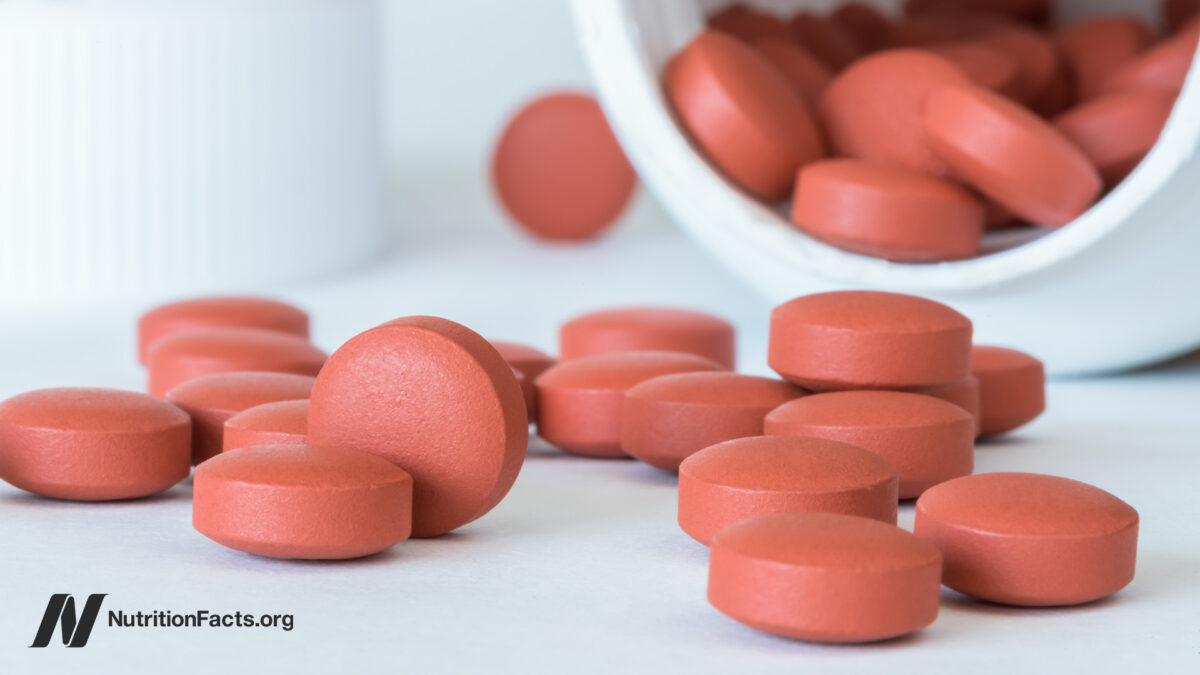
There is growing evidence implicating “the disruption of intestinal barrier integrity” in the development of a number of conditions, including celiac disease and inflammatory bowel disease. Researchers measured intestinal permeability using blue food coloring. It remained in the gut of healthy participants but was detected in the blood of extremely sick patients with sepsis with a damaged gut barrier. You don’t have to end up in the ICU to develop a leaky gut, though. Simply taking some aspirin or ibuprofen can do the trick.
Indeed, taking two regular aspirin (325 mg tablets) or two extra-strength aspirin (500 mg tablets) just once can increase the leakiness of our gut. These results suggest that even healthy people should be cautious when using aspirin, as it may cause gastrointestinal barrier dysfunction.
What about buffered aspirin, an aspirin-antacid combination which theoretically “buffers” gastrointestinal irritation? It apparently doesn’t make any difference: Regular aspirin and Bufferin both produced multiple erosions in the inner lining of the stomach and intestine. Researchers put a scope down people’s throats and saw extensive erosions and redness inside 90% of those who took aspirin or Bufferin at their recommended doses. How many hours does it take for the damage to occur? None. It can happen within just five minutes. Acetaminophen, sold as Tylenol in the United States, may not lead to gastrointestinal damage and could be a better choice, unless you have problems with your liver. And rather than making things better, vitamin C supplements appeared to make the aspirin-induced increase in gut leakiness even worse.
Interestingly, this may be why NSAID drugs like aspirin, ibuprofen, and naproxen “are involved in up to 25% of food-induced anaphylaxis.” In other words, they are associated with over 10-fold higher odds of life-threatening food allergy attacks, presumably because these drugs increase the leakiness of the intestinal barrier, causing tiny food particles to slip into the bloodstream. But can exercise increase risk, too?
Strenuous exercise—for instance, an hour at 70% maximum capacity—may divert so much blood to the muscles and away from our internal organs that it may cause transient injury to our intestines, causing mild gut leakiness. But this can be aggravated if athletes take ibuprofen or any other NSAID drugs, which is unfortunately all too common.
Alcohol can also be a risk factor for food allergy attacks for the same reason—increasing gut leakiness. But cut out the alcohol, and our gut might heal up.
What other dietary components can make a difference? Elevated consumption of saturated fat, which is found in meat, dairy, and junk food, can cause the growth of bad bacteria that make the rotten-egg gas hydrogen sulfide, which can degrade the protective mucus layer. You can see the process below and at 3:21 in my video Avoid These Foods to Prevent a Leaky Gut.
It is said to be clear that high-fat diets in general have a negative impact on intestinal health by “disrupting the intestinal barrier system through a variety of mechanisms,” but most of the vast array of studies that cited the negative effects were done on lab animals or in a petri dish. Are people affected the same way? You don’t know for sure until you put it to the test.
Rates of obesity and other cardiometabolic disorders have increased rapidly alongside a transition from traditional lower-fat diets to higher-fat diets. We know a disturbance in our good gut flora has been shown to be associated with a high risk of many of these same diseases, and studies using rodents suggest that a high-fat diet “unbalances” the microbiome while impairing the gut barrier, resulting in disease. To connect all the dots, though, we need a human interventional trial—and we got one: a six-month randomized controlled-feeding trial on the effects of dietary fat on gut microbiota. It found that, indeed, higher fat consumption was associated with unfavorable changes in the gut microbiome and proinflammatory factors in the blood. Note that this wasn’t even primarily saturated fat, such as from meat and dairy. The researchers just replaced refined carbohydrates with refined fats—swapping out white rice and wheat flour for soybean oil. These findings suggest that countries westernizing their diets should advise against increasing dietary fat intake, while countries that have already adopted such diets should consider cutting down.
All orders are protected by SSL encryption – the highest industry standard for online security from trusted vendors.
SlimLeaf – Gut Health & Digestive Wellness Support is backed with a 60 Day No Questions Asked Money Back Guarantee. If within the first 60 days of receipt you are not satisfied with Wake Up Lean™, you can request a refund by sending an email to the address given inside the product and we will immediately refund your entire purchase price, with no questions asked.
All orders are protected by SSL encryption – the highest industry standard for online security from trusted vendors.
Ozelyt CS 20b – Women’s Probiotic for Gut & Vaginal Balance is backed with a 60 Day No Questions Asked Money Back Guarantee. If within the first 60 days of receipt you are not satisfied with Wake Up Lean™, you can request a refund by sending an email to the address given inside the product and we will immediately refund your entire purchase price, with no questions asked.
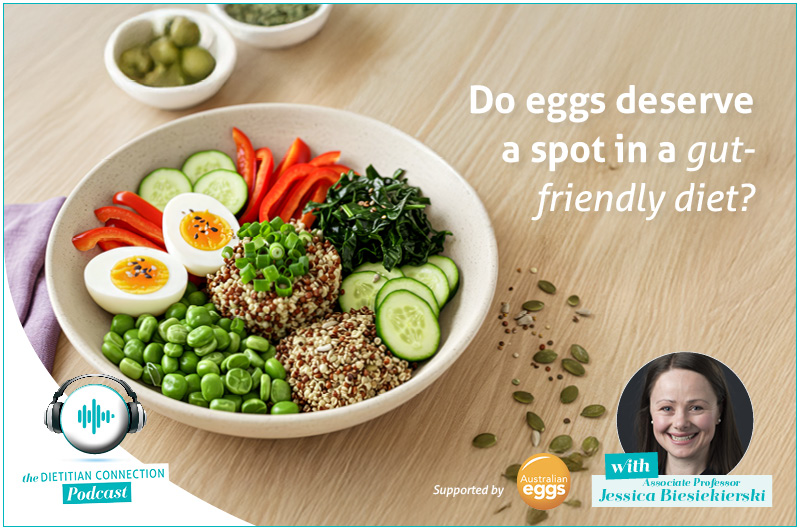
Gut health is a hot topic in nutrition, and new research is reshaping how we think about the role of everyday foods in supporting the microbiome. In this episode, Associate Professor Jessica Biesiekierski unpacks the latest preliminary science on eggs and gut health. You’ll hear about surprising research findings on everyday foods, like eggs, and walk away with practical ways to apply this knowledge in patient care.
Hosted by Brooke Delfino
Biography
Associate Professor Jessica Biesiekierskiis Head of Human Nutrition at the University of Melbourne and an NHMRC Emerging Leadership Fellow. Her research explores how diet shapes gastrointestinal function and gut-brain interactions, spanning nutrient-specific investigations through whole-diet interventions and, most recently, egg-consumption trials. A recipient of the 2024 Rome Foundation Research Award and the Nutrition Society of Australia Mid-Career Research Award, Jess leads a multidisciplinary team advancing clinical and mechanistic nutrition studies.
In this episode, we discuss:
How food influences gut health and the microbiome
Key nutrients for digestive health
The emerging science behind eggs and gut health
Short-chain fatty acids and the gut barrier
Evidence-based tips for communicating effectively with patients
Additional resources
Sign up herefor research updates and resources from Australian Eggs, shared straight to your inbox every two months.
The content, products and/or services referred to in this podcast are intended for Health Care Professionals only and are not, and are not intended to be, medical advice, which should be tailored to your individual circumstances. The content is for your information only, and we advise that you exercise your own judgement before deciding to use the information provided. Professional medical advice should be obtained before taking action. The reference to particular products and/or services in this episode does not constitute any form of endorsement. Please see here for terms and conditions.
Colorectal cancer rates are climbing globally, with a particularly alarming rise among young adults under 50. Researchers now believe they may have uncovered a hidden culprit behind the medical mystery. A recent study suggests that early exposure to a toxin produced by harmful strains of E. coli could be a possible driver behind the surge.
In the latest study published in the journal Nature, researchers found that childhood exposure to colibactin, a toxin produced by certain strains of E.coli, damages DNA and these mutations raise the risk of bowel cancer before the age of 50.
In a large-scale genome analysis of 981 colorectal cancer across 11 countries, researchers noted a distinct pattern of DNA mutations caused by colibactin. These specific DNA patterns were over three times more common in patients under 40 compared to those over 70.
Interestingly, these genetic fingerprints were not just seen in young adults, but more often in countries with the highest rates of early-onset colorectal cancer, pointing to a possible link between bacterial exposure and the rising number of young adults affected worldwide.
“These mutation patterns are a kind of historical record in the genome, and they point to early-life exposure to colibactin as a driving force behind early-onset disease,” said study senior author Ludmil Alexandrov in a news release.
“If someone acquires one of these driver mutations by the time they’re 10 years old, they could be decades ahead of schedule for developing colorectal cancer, getting it at age 40 instead of 60,” Alexandrov explained.
While earlier studies including prior research from the same team had linked colibactin to 10 to 15 percent of all colorectal cancer cases, they did not differentiate between younger and older patients.
“When we started this project, we weren’t planning to focus on early-onset colorectal cancer. Our original goal was to examine global patterns of colorectal cancer to understand why some countries have much higher rates than others. But as we dug into the data, one of the most interesting and striking findings was how frequently colibactin-related mutations appeared in the early-onset cases,” said the first author Marcos Díaz-Gay.
Researchers are now exploring innovative ways to translate these findings into early detection and prevention tools. One promising idea is a stool test designed to detect colibactin-related markers, which could help identify individuals at higher risk for early-onset colorectal cancer. They are also investigating the potential of probiotic therapies aimed at rebalancing the gut microbiome in children to reduce the risk later in life.