Tag: Game

  • Mind Over Matter: How Meditation Can Boost Your Fitness Game (Target keywords: meditation, fitness, benefits)

    Mind Over Matter: How Meditation Can Boost Your Fitness Game (Target keywords: meditation, fitness, benefits)

    She had always been passionate about fitness, spending hours at the gym and pushing her body to its limits. But despite her dedication, she couldn’t shake the feeling that something was missing. It wasn’t until she discovered meditation that she realized the key to unlocking her true fitness potential. By incorporating meditation into her daily routine, she experienced a significant boost in her physical performance, and her overall well-being improved dramatically.

    The connection between meditation and fitness is a fascinating one. While meditation is often associated with spiritual growth and self-awareness, it also has a profound impact on physical health. Regular meditation practice has been shown to reduce stress and anxiety, improve sleep quality, and increase focus and concentration. All of these benefits can have a direct impact on fitness, enabling individuals to perform at a higher level and recover more quickly from intense physical activity.

    Introduction to Meditation and Fitness

    Meditation is a practice that involves training the mind to achieve a state of calm and clarity. It involves focusing the mind on a single point, such as the breath, a mantra, or a physical sensation, and observing any thoughts or distractions that arise without judgment. By regular practice, meditation can help individuals develop greater self-awareness, improve their emotional regulation, and enhance their cognitive function. When it comes to fitness, meditation can be a powerful tool for improving performance, reducing injury, and enhancing overall well-being.

    One of the primary ways that meditation can benefit fitness is by reducing stress and anxiety. When we experience stress, our bodies respond by releasing hormones like cortisol and adrenaline, which can have a negative impact on physical performance. Elevated cortisol levels can lead to decreased muscle mass, reduced bone density, and impaired recovery. By reducing stress and anxiety through meditation, individuals can create a more favorable environment for physical activity, allowing them to perform at a higher level and recover more quickly.

    The Benefits of Meditation for Fitness

    The benefits of meditation for fitness are numerous and well-documented. Some of the most significant advantages include:

    • Improved focus and concentration: Meditation can help individuals develop greater focus and concentration, allowing them to stay motivated and engaged during physical activity.
    • Enhanced recovery: Meditation has been shown to reduce inflammation, improve sleep quality, and enhance the body’s natural repair processes, all of which can help individuals recover more quickly from intense physical activity.
    • Increased strength and flexibility: Regular meditation practice has been linked to increased strength and flexibility, as well as improved balance and coordination.
    • Better emotional regulation: Meditation can help individuals develop greater emotional awareness and regulation, reducing the risk of burnout and improving overall well-being.

    In addition to these physical benefits, meditation can also have a profound impact on mental performance. By reducing stress and anxiety, improving focus and concentration, and enhancing emotional regulation, meditation can help individuals develop a more positive and resilient mindset. This can be particularly beneficial for athletes and fitness enthusiasts, who often face intense pressure to perform and recover quickly.

    How to Incorporate Meditation into Your Fitness Routine

    Incorporating meditation into a fitness routine can be simple and straightforward. Here are a few tips to get started:

    • Start small: Begin with short, daily meditation sessions, and gradually increase the duration as you become more comfortable with the practice.
    • Find a quiet space: Identify a quiet, comfortable space where you can meditate without distraction or interruption.
    • Focus on the breath: Bring your attention to your breath, observing the sensation of the air moving in and out of the body.
    • Be consistent: Aim to meditate at the same time each day, making it a consistent part of your routine.

    It’s also important to note that meditation can be practiced in a variety of forms, including mindfulness meditation, transcendental meditation, and guided meditation. Experiment with different styles and techniques to find what works best for you.

    Common Myths and Misconceptions about Meditation and Fitness

    Despite the growing body of research supporting the benefits of meditation for fitness, there are still several common myths and misconceptions surrounding the practice. Some of the most prevalent include:

    • Meditation is only for relaxation: While meditation can certainly be relaxing, it can also be a powerful tool for improving physical performance and reducing injury.
    • Meditation requires a lot of time and effort: While regular practice is certainly beneficial, even short, daily meditation sessions can have a significant impact on physical and mental well-being.
    • Meditation is only for athletes: Meditation can benefit anyone, regardless of their fitness level or athletic ability.

    By understanding the true benefits and nature of meditation, individuals can unlock its full potential and experience a significant boost in their fitness game.

    Real-Life Examples of Meditation and Fitness

    There are numerous real-life examples of meditation and fitness in action. Many professional athletes and fitness enthusiasts have incorporated meditation into their training routines, with impressive results. For example:

    • Professional athlete, LeBron James: The NBA star has credited meditation with improving his focus, reducing stress, and enhancing his overall performance on the court.
    • Fitness enthusiast, Rich Roll: The ultra-endurance athlete has spoken publicly about the benefits of meditation for his training and recovery, citing improved focus, reduced injury, and enhanced overall well-being.

    These examples demonstrate the powerful impact that meditation can have on physical performance and overall well-being.

    Conclusion

    Meditation is a powerful tool for improving fitness and overall well-being. By reducing stress and anxiety, improving focus and concentration, and enhancing emotional regulation, meditation can help individuals perform at a higher level and recover more quickly from intense physical activity. Whether you’re a professional athlete or a casual fitness enthusiast, incorporating meditation into your daily routine can have a significant impact on your physical and mental health. So why not give it a try? With regular practice and patience, you can unlock the full potential of meditation and experience a significant boost in your fitness game.

    FAQs

    Q: What is meditation, and how does it work?
    A: Meditation is a practice that involves training the mind to achieve a state of calm and clarity. It involves focusing the mind on a single point, such as the breath, a mantra, or a physical sensation, and observing any thoughts or distractions that arise without judgment.

    Q: How can meditation improve my fitness?
    A: Meditation can improve fitness by reducing stress and anxiety, improving focus and concentration, and enhancing emotional regulation. It can also help individuals develop greater self-awareness, improve their emotional regulation, and enhance their cognitive function.

    Q: Do I need to be flexible or have prior experience with meditation to benefit from it?
    A: No, you don’t need to be flexible or have prior experience with meditation to benefit from it. Meditation is a practice that can be adapted to suit any level of experience or physical ability.

    Q: How often should I meditate to experience the benefits?
    A: The frequency and duration of meditation practice can vary depending on individual goals and needs. However, even short, daily meditation sessions can have a significant impact on physical and mental well-being.

    Q: Can meditation help with recovery from injury or illness?
    A: Yes, meditation can help with recovery from injury or illness by reducing stress and anxiety, improving sleep quality, and enhancing the body’s natural repair processes.

    mind-over-matter-how-meditation-can-boost-your-fitness-game-target-keywords-meditation-fitness-benefits

  • Game Over? Tips and Techniques for Mindful Gaming

    Game Over? Tips and Techniques for Mindful Gaming

    Playing video games can help you feel energized and engaged, but they can also be a huge drain on your well-being. Here’s an intro to gaming mindfully, using simple habits to help you keep playing (and feeling) your best.

    Video games offer endless sense-rocking pleasure, welcoming you into an incredible multiverse of art and story, the dopamine rush of points, the pure escapism of an all-consuming on-screen experience. It can be hard to pull yourself away from the screen, even when you really need to. Here’s what’s important to know: Constant sensory super-charge is like constantly revving your engine, without giving it time to cool down. Mindful strategies can help you game the game by learning how to rev down, which will help you sleep, which will help you feel less exhausted, making you stronger and more savvy in the game of life.

    In life, and in the game, when something comes your way that you don’t want and can’t avoid, you might feel powerless, cornered, or destabilized. The key to regaining strength and agility—health points, if you will—is seeing what is right in front of you, ready to be used to help you bounce back. This might include super-simple and highly effective rejuvenators like standing up once an hour, stretching and walking around the room, going to work or class, talking to people you love, petting your dog, cuddling with your goldfish, and generally maintaining your connection to the vividness of life, on and offscreen.

    The key to regaining strength and agility—health points, if you will—is seeing what is right in front of you, ready to be used to help you bounce back.

    This is mindfulness. Other mindfulness practices include the following ways to help you keep your eye on the prize when life is pwning you.

    3 Mindful Gaming Techniques

    1. A simple breath technique can help you be more present, stable, and energized, in and out of the game. Bonus points: Training yourself to focus on breathing can help when upsetting thoughts threaten to bring you down.  

    Try This: Once you take a seat at your monitor, take a moment to feel what happens when your body breathes in and out. Notice the belly rise, the back expand and any ways that you experience your body breathing. Focus your attention, as best you can, on feeling yourself breathing in and out three times.

    Level up: To bring deeper calm, engage the body’s relaxation response by experimenting with making your out-breath longer than your in-breath. Extending your out-breath soothes the parasympathetic nervous system, which will also help you feel more relaxed and focused. 

    Try breathing in for a count of three and breathing out for a count of five. Do this for three or more breaths. Find your ideal ratio: Is it two breaths in and four breaths out?  Or maybe five breaths in and seven breaths out? 

    Explore the ratio that brings you greatest calm.

    2. Tuning in to your senses is another technique that’s great for gaming. Give yourself five seconds throughout your day to intentionally focus on one or more of your senses. Five seconds of acute listening. Five seconds of feeling your body being held by the chair.

    Level Up: When you leave the familiar and welcoming world of the game, you might find it can take time to transition from that sensurround world to being able to joyfully and fully connect to life outside of the game.  Paying close attention to your senses, rather than the burbling of your mind can give you somewhere to anchor other than terrified thoughts about an uncertain future or negative chatter about the past.  Your senses can only be experienced in the here and now. If you start to feel overwhelmed in daily life, regain ground by diving into touch, taste, smell, sight, and hearing to increase a feeling of okayness.

    Try This: A 5-Second Sensory Mission 

    Explore Sound

    • Bring your attention to your ears and deeply listen to the sounds in the room for five seconds. 
    • Then, bring your attention to fully listening to the music and immersive soundscape of the video game.
    • Heighten awareness by noticing how the creators have used adaptive music and sound to create a fantastical world.  

    Seeing Is Believing

    • Look around the room or at your screen and find something that’s been right in front of your eyes this whole time, but you never noticed it. 
    • For five seconds, take in the artwork, the colors, the impressive detail. Don’t just rush by. Appreciate what you are seeing. (This helps increase the flow of dopamine, endorphins, serotonin, and oxytocin—the feel-good chemicals.)
    • Notice what happens to your busy mind when you take five seconds to tune in to what you can see, or any of your other senses. 

    3. Try a little IRL movement. Feeling fidgety? Been sitting playing all night? Just Died and waiting for the scene to load again? Don’t forget you have a body that also needs refreshing to support your AAA game. 

    Just Died and waiting for the scene to load again? Don’t forget you have a body that also needs refreshing to help support your AAA game.

    Try This: Stand up and walk around your room. While you are walking, bring your attention to the ordinary sensations of movement that you normally wouldn’t take the time to notice. Feel yourself walking: picking up a foot, moving it through the air, feeling the foot touching the ground. Just keep bringing your attention back to the feeling of picking up your foot, moving it through space, and putting it down. Easter Egg: You’ve just unlocked the synergy between body and mind. 

    Level Up: Going outside to catch at least 5-15 minutes of morning sun every day will feed your bones, help you sleep, and keep you buff.

    Try these short mindful gaming exercises, using your senses to connect you to the present, to help you to feel more alive and give you more game. Feel your feet touching the ground as you walk to your gaming chair. Be gently alert, because going gently allows you to be more precise and takes a lot less energy than wasting fire power that isn’t needed. You are cultivating mindfulness and focus by gathering your energy before you even sit down. Well Played.


    Source link

  • Fuel Your Game: The Top 10 Superfoods for Powering Up Your Performance as an Athlete

    Fuel Your Game: The Top 10 Superfoods for Powering Up Your Performance as an Athlete

    As an athlete, staying on top of your game can be a daunting task, especially when you’re constantly pushing your body to its limits. However, with the right fuel, you can unlock your full potential and take your performance to the next level. In this article, we’ll explore the top 10 superfoods for powering up your performance, so you can dominate the competition and stay energized all season long.

    ### The Science Behind Superfoods

    Before we dive into the top 10 superfoods, it’s essential to understand the science behind why they’re so effective. When you exercise, your body depletes its energy stores, leading to fatigue, muscle breakdown, and decreased performance. To overcome this, you need to replenish your energy reserves and support muscle repair and growth. Superfoods contain unique compounds that help to:

    • Boost energy production and reduce fatigue
    • Support muscle recovery and growth
    • Enhance oxygen delivery to the cells
    • Neutralize oxidative stress and inflammation
    • Support immune function

    ### 1. Blueberries

    Rich in antioxidants and anti-inflammatory compounds, blueberries are the perfect snack for athletes. They’re packed with anthocyanins, powerful flavonoids that help reduce muscle damage and inflammation, allowing you to recover faster and bounce back from intense training sessions.

    ### 2. Brazil Nuts

    Selenium-rich Brazil nuts are a must-have for any athlete seeking to optimize their performance. This essential mineral plays a crucial role in energy production, antioxidant defenses, and immune function, making it an excellent addition to your pre-workout routine.

    ### 3. Salmon

    Omega-3 fatty acids in salmon are the key to reducing muscle soreness and inflammation, allowing you to jump back into your training with renewed energy and vigor. These fatty acids also support mental performance, helping you stay focused and alert during competition.

    ### 4. Spinach

    Packed with iron, spinach is an excellent source of oxygen delivery to the cells, reducing fatigue and increasing endurance. Its high antioxidant levels also protect against oxidative stress, keeping your muscles fresh and ready for action.

    ### 5. Sweet Potatoes

    This starchy superstar is loaded with complex carbohydrates, the perfect fuel for sustained energy and endurance. Rich in vitamin A, sweet potatoes support eye health, immune function, and even muscle recovery, making them an excellent post-workout snack.

    ### 6. Turmeric

    Turmeric contains curcumin, a potent anti-inflammatory compound that reduces muscle soreness and joint pain, allowing you to push through challenging workouts with ease. Its antioxidant properties also support immune function and overall health.

    ### 7. Greek Yogurt

    Protein-rich Greek yogurt is a staple in any athlete’s diet, providing sustained energy and muscle repair. Look for varieties with live cultures to support gut health and immune function, ensuring you’re always at your best.

    ### 8. Broccoli

    Rich in vitamin C and beta-carotene, broccoli is a superfood that supports immune function and antioxidant defenses. Its high fiber content also helps regulate digestion, reducing bloating and cramping during exercise.

    ### 9. Olive Oil

    Packed with healthy fats, olive oil supports energy production and reduces inflammation, making it an excellent pre-workout addition. Its antioxidants also support immune function, keeping you healthy and resilient throughout the season.

    ### 10. Dark Chocolate

    Who doesn’t love a sweet treat? Dark chocolate, in moderation, provides a natural energy boost and supports brain function, reducing stress and anxiety. Look for varieties with at least 70% cocoa for the most antioxidants and anti-inflammatory compounds.

    ### Putting it All Together

    To truly fuel your game, aim to incorporate these superfoods into your daily routine. A simple and achievable plan might look like this:

    * Start with a balanced breakfast featuring oatmeal with blueberries and walnuts, Greek yogurt with banana and honey, or scrambled eggs with spinach and feta.
    * Snack on trail mix with nuts and dried fruit, or a handful of Brazil nuts with a few antioxidant-rich dark chocolate chips.
    * Include salmon or sweet potatoes in your lunch, paired with a side of steamed broccoli or a green salad with olive oil and vinegar.
    * Fuel your post-workout routine with a smoothie featuring Greek yogurt, frozen berries, and a sprinkle of chia seeds, or a grilled chicken breast with roasted sweet potatoes and steamed spinach.

    ### FAQs

    Q: Can I consume these superfoods in supplements or powders instead of whole foods?
    A: While supplements can be convenient, whole foods provide a more balanced and sustained release of nutrients. Opt for a combination of both for the best results.

    Q: How much of each superfood should I consume daily?
    A: Aim for a serving size of 1-2 cups of leafy greens, 1/2 cup of cooked legumes, 1/4 cup of nuts or seeds, and 1-2 ounces of lean protein sources. Individual needs may vary based on age, sex, and physical activity level.

    Q: Can I have too much of these superfoods?
    A: While the benefits of superfoods are well-documented, overconsumption can lead to imbalances and negative side effects. Listen to your body and adjust your intake accordingly.

    Q: Are there any superfoods missing from this list?
    A: Yes, the science is still evolving, and new superfoods are being discovered regularly. Stay informed and adapt your diet accordingly to optimize your performance.

    In conclusion, incorporating these top 10 superfoods into your daily routine can help fuel your game, reduce performance decrements, and keep you energized and focused. As an athlete, you must realize that fueling your body is an investment in your overall performance, and with these superfoods, you’ll be unstoppable. So, get cookin’, and let the gains begin!
    fuel-your-game-the-top-10-superfoods-for-powering-up-your-performance-as-an-athlete

  • Stay Ahead of the Game: 10 Hydration Tips for Optimal Performance

    Stay Ahead of the Game: 10 Hydration Tips for Optimal Performance

    The age-old adage " hydration is key" is no longer just a cliché, but a scientifically-backed fact. Proper hydration plays a crucial role in enhancing physical and mental performance, and can be the difference between a mediocre and a remarkable experience. In a world where competition is rife and expectations are sky-high, staying ahead of the game requires more than just skill and strategy – it demands optimal hydration. In this article, we’ll delve into the realm of hydration and provide 10 essential tips to help you stay ahead of the curve and achieve peak performance.

    Tip #1: Prioritize Hydration Before, During, and After Exercise

    When engaging in physical activity, the importance of hydration cannot be overstated. Dehydration can lead to fatigue, decreased performance, and an increased risk of injury. To stay ahead of the game, make sure to drink water or a sports drink 30 minutes to 1 hour before exercising, and continue to replenish fluids during and after your workout. Aim for at least 8-10 ounces of fluid for every 30 minutes of exercise.

    Tip #2: Monitor Your Body’s Signs of Dehydration

    It’s easy to overlook the subtle signs of dehydration, but paying attention to your body’s subtle cues can be the difference between success and failure. Look out for symptoms such as headaches, dizziness, and fatigue, and take proactive measures to address them. If you experience any of these symptoms during exercise, stop and hydrate immediately.

    Tip #3: Make Electrolytes Your New BFF

    Electrolytes play a vital role in regulating fluid balance and nerve function. When we sweat, we lose not only water but also valuable electrolytes like sodium, potassium, and calcium. To replenish these vital minerals, incorporate electrolyte-rich foods like bananas (potassium), avocados (potassium), and dates (potassium) into your diet.

    Tip #4: Don’t Forget About Mouthwash and Mouth Breathers

    Believe it or not, the mouth can play a significant role in hydration. Dry mouth and mouth breathing can lead to dehydration, as the mouth is unable to effectively process water. To combat this, chew sugar-free gum or suck on ice chips to stimulate saliva production.

    Tip #5: Infuse Your Water with Flavor and Function

    If plain water is too bland for your taste buds, try infusing it with fruits, herbs, or cucumber slices. Not only will this add flavor to your hydration routine, but it can also provide added benefits like antioxidants and digestive aid.

    Tip #6: Get Creative with Hydration on-the-go

    In today’s fast-paced world, staying hydrated on-the-go can be a challenge. To make hydration a priority, consider investing in a refillable water bottle or a portable hydration pack. You can also carry a small water bottle in your bag or car for easy access.

    Tip #7: Make Hydration a Priority in Hot Weather

    Heat and humidity can wreak havoc on our bodies, particularly when it comes to hydration. When exercising or working outdoors in hot weather, make sure to drink an additional 16-20 ounces of fluid for every hour of exercise.

    Tip #8: Limit Your Caffeine and Sugar Intake

    Caffeine and sugar can have a dehydrating effect on the body, particularly when consumed in excess. To stay ahead of the game, limit your intake of these substances or opt for alternatives like coconut water or herbal tea.

    Tip #9: Monitor Your Urine Output

    The color of your urine can be a useful indicator of your hydration status. Aim for a pale yellow color, and drink water if your urine is dark yellow or amber.

    Tip #10: Make Hydration a Team Effort

    Hydration is not a solo effort – it requires a team effort from your body, mind, and environment. To stay ahead of the game, make sure to prioritize hydration as a member of your team, whether that’s on the athletic field, in the workplace, or at home.

    Conclusion

    Staying ahead of the game in today’s fast-paced world requires more than just physical and mental prowess – it demands optimal hydration. By incorporating these 10 tips into your daily routine, you’ll be well on your way to achieving peak performance and staying ahead of the curve. Remember to prioritize hydration before, during, and after exercise, and don’t forget to pay attention to your body’s subtle signs of dehydration.

    Frequently Asked Questions

    Q: How much water should I drink each day?
    A: The general recommendation is to drink at least 8-10 cups (64-80 ounces) of fluid per day.

    Q: Can I drink too much water?
    A: While it’s rare, drinking too much water can lead to a condition called water poisoning or hyponatremia. Aim to drink water in moderation, and pay attention to your body’s signs of overhydration.

    Q: Is it okay to drink electrolyte-rich beverages like Gatorade or Powerade?
    A: While these beverages can provide essential electrolytes, they can also be high in sugar and calories. Opt for electrolyte-rich foods or electrolyte tablets instead.

    Q: Can I use tap water for hydration?
    A: While tap water is generally safe to drink, it may contain contaminants and additives that can affect the taste and quality of your hydration. Consider using a water filter or purification tablets to ensure the best taste and quality.

    Q: How can I make my water more flavorful?
    A: Try infusing your water with fruits, herbs, or cucumber slices for added flavor and nutrition.

    Q: Can I exercise without proper hydration?
    A: No, it’s not recommended to exercise without proper hydration. Dehydration can lead to fatigue, decreased performance, and increased risk of injury. Always prioritize hydration before, during, and after exercise.

    stay-ahead-of-the-game-10-hydration-tips-for-optimal-performance

  • Secret To Cholesterol Control? Study Finds Corn Flour Blend Could Be A Game Changer

    Secret To Cholesterol Control? Study Finds Corn Flour Blend Could Be A Game Changer

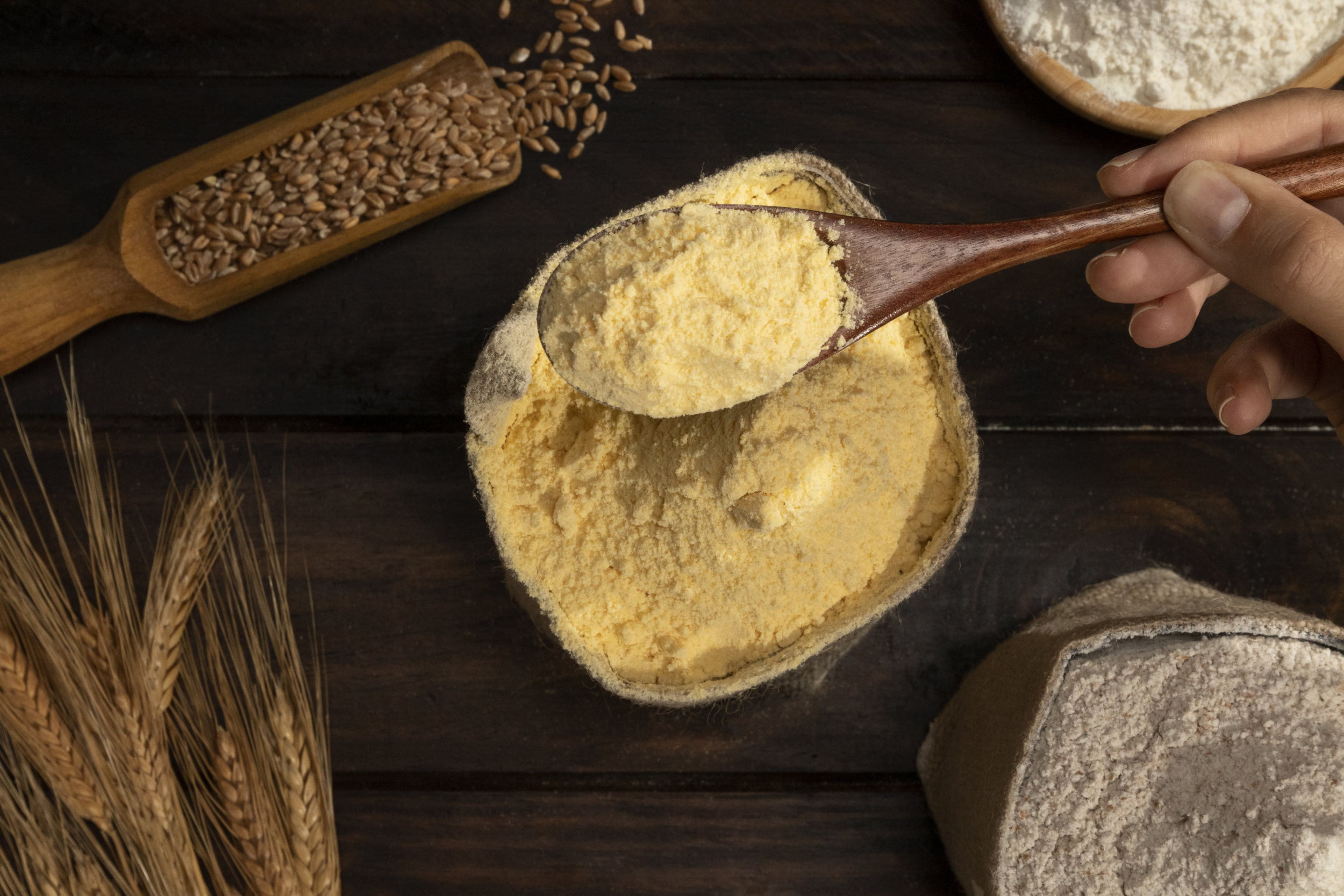
    Yes, you can control your cholesterol levels through diet, but could it be as simple as adding a corn flour blend to your meals for just a few weeks? Researchers have found that incorporating a blend of refined corn flour and corn bran can reduce LDL (low-density lipoprotein) cholesterol levels by 5% to 13.3% in just four weeks.

    In a clinical trial involving 36 adults with LDL cholesterol above 110 mg/dL, researchers evaluated the consumption of three types of corn flour: whole-grain corn meal, refined corn meal, and a blend (refined corn meal plus corn bran). The participants took each food intervention for four weeks, with at least a two-week break in between, before returning to their baseline.

    At the end of the four weeks, the team found that 70% of the participants had reductions in LDL cholesterol concentrations when consuming the blend, while there were no reductions in other groups. The findings were published in the Journal of Nutrition.

    The researchers provided participants with corn flour incorporated into baked goods, aiming to test a practical and realistic intervention.

    “People often think that dietary changes must be robust and significant to have a real impact on cardiovascular health and metabolic regulation. The bottom-line is this: corn is unique and underappreciated. The art and science of refining grains and making full use of corn bran can result in delicious foods that, in this case, also happen to produce real results for heart health,” Corrie Whisner, a researcher from the Arizona State University, said in a news release.

    The researchers noted that there were no digestive discomforts for any participants during the interventions, indicating that there was no significant change in gut microbiota. However, they found an increase in gut bacteria- Agathobaculum during the phase in which participants had whole-grain corn, but not in the other two groups.

    “The increase in Agathobaculum could be due to the greater diversity of polyphenols found in whole grain corn, which has the highest antioxidant capacity (compared to wheat, oats, and rice), but the study did not analyze this possibility,” Whisner said.

    “Nevertheless, while the influence of whole grains on the microbiota varies from person-to-person, some universals are generally known fibers in whole grains can be fermented by microbes into butyrate, and both fiber and butyrate are frequently associated with a healthy gut. These findings support that understanding,” Whisner added.

    Source link