Tag: Future

  • Hidden Gut Virus Inside a Common Bacterium May Double Colon Cancer Risk and Could Become a Future Stool-Based Screening Marker

    Hidden Gut Virus Inside a Common Bacterium May Double Colon Cancer Risk and Could Become a Future Stool-Based Screening Marker

    Hidden viruses in the gut are emerging as a new frontier in cancer research, and the virome may be just as important as bacteria when it comes to colorectal cancer risk. A newly described bacteriophage hiding inside common Bacteroides bacteria has been linked to roughly doubled odds of developing colorectal cancer, and it may one day serve as a non‑invasive stool biomarker for earlier detection.

    This finding is pushing scientists to look beyond bacteria alone and consider how viral communities in the intestine shape health and disease.

    Colorectal Cancer and the Need for Better Screening

    Colorectal cancer starts in the colon or rectum, usually from small polyps that can become malignant over many years.

    Because early stages often cause no symptoms, detection before spread is crucial for survival and treatment success. When found early, colorectal cancer is usually much more treatable and associated with better long‑term outcomes.

    Current screening tools include colonoscopy, sigmoidoscopy, fecal occult blood tests (FOBT/FIT), and stool DNA tests. Colonoscopy is highly effective but invasive, requires bowel preparation, and can be difficult to access for some people.

    Stool‑based tests are simpler and non‑invasive, but they can miss early cancers or advanced polyps. These limitations drive interest in new stool biomarkers, including those that come from the gut virome, bacteriophages, and specific Bacteroides strains.

    Microbiome, Virome, and Cancer Risk

    Most research on colorectal cancer and the gut has focused on the microbiome, the community of bacteria in the intestine. Studies repeatedly show that certain bacteria, such as Fusobacterium and some Bacteroides species, are more common in people with colorectal cancer than in healthy controls.

    These microbes may promote inflammation, produce toxins, or form biofilms that help tumors develop and escape immune defenses.

    Alongside bacteria, the gut also hosts a rich virome, made up largely of bacteriophages, viruses that infect bacteria, not human cells. Bacteriophages can integrate into bacterial genomes (as prophages) or lyse their hosts. In doing so, they can change which bacteria are present and how they behave.

    A bacterium carrying a particular prophage may produce more toxins, adhere more strongly to the gut lining, or interact differently with the immune system.

    Because of these effects, the virome is now seen as an important factor in colorectal cancer. Distinct bacteriophage patterns have been observed in stool samples from colorectal cancer patients.

    These patterns suggest that certain phages, especially those linked to Bacteroides, could act as both contributors to disease and as stool biomarkers that signal increased risk.

    Bacteroides fragilis and a Hidden Bacteriophage

    Bacteroides is a major bacterial genus in the human colon and plays key roles in digestion and immune development. Among its species, Bacteroides fragilis is widely present in healthy individuals.

    Most strains are harmless or beneficial, but some enterotoxigenic Bacteroides fragilis (ETBF) strains produce toxins that can cause diarrhea and chronic inflammation.

    Recent work has revealed a previously unrecognized bacteriophage integrated into Bacteroides fragilis genomes. In its prophage state, this virus sits quietly inside the bacterial DNA and is not visible as an active infection.

    Using high‑throughput sequencing of bacterial isolates and stool samples, researchers identified a specific viral sequence that appeared far more often in Bacteroides fragilis from people with colorectal cancer than in those without the disease.

    This suggests that the combination of Bacteroides and a particular bacteriophage may matter more than the bacterium alone.

    How Strong Is the Association With Colorectal Cancer?

    Across large international cohorts, individuals with colorectal cancer were about twice as likely to carry this Bacteroides‑associated bacteriophage compared with cancer‑free controls.

    This does not prove that the virus causes cancer, but it signals a strong association worth further study. It raises the possibility that the bacteriophage could affect bacterial virulence, toxin production, or interactions with the gut lining in ways that promote tumor development.

    Mechanistically, researchers suspect that prophage integration might alter gene regulation in Bacteroides fragilis, increase production of inflammatory or genotoxic factors, or encourage biofilm formation on the colon mucosa.

    Even if the virus itself is not directly oncogenic, it may mark a broader virome and microbiome shift that creates a more cancer‑prone environment. From a screening perspective, this kind of consistent association is valuable, because a reliable marker can help identify people at higher risk.

    Virome-Based Stool Biomarkers: A New Screening Frontier

    Stool is an ideal medium for non‑invasive testing because it contains DNA and RNA from bacteria, viruses, and the host. Traditional stool tests for colorectal cancer look for blood or human DNA mutations.

    Microbiome‑based approaches add information about bacterial composition. Virome‑based testing extends this by targeting bacteriophages and other gut viruses as additional indicators.

    Bacteriophages are attractive stool biomarkers because they are abundant and often highly specific to their bacterial hosts. A virome‑focused assay could, in principle, detect the Bacteroides‑associated bacteriophage linked to colorectal cancer.

    This could be done with broad metagenomic sequencing or with targeted PCR approaches that look specifically for the viral sequence.

    In real‑world use, such a viral marker would likely be combined with bacterial, human DNA, and blood‑based markers in a multi‑parameter stool test, improving sensitivity for early disease while maintaining acceptable false‑positive rates.

    Before any virome‑based stool biomarker becomes part of standard care, it must be validated in large prospective studies, tested across diverse populations, and shown to be cost‑effective and practical in routine clinics. Laboratory methods will need standardization, and regulatory approval will be required.

    Virome-Driven Advances in Colorectal Cancer Prevention

    The emerging link between the gut virome, specific bacteriophages, Bacteroides, and colorectal cancer underscores how complex the intestinal ecosystem is. As research continues, virome‑based stool biomarkers may complement colonoscopy and existing stool tests, offering more personalized and less invasive screening options.

    If the Bacteroides‑associated bacteriophage consistently identifies individuals at higher risk, an accessible stool biomarker built around this virome signal could help detect colorectal cancer earlier and guide timely prevention and treatment.

    Frequently Asked Questions

    1. Can changing my diet modify the gut virome and possibly affect colorectal cancer risk?

    A diet rich in fiber, fruits, and vegetables can shift both the microbiome and virome toward more diverse, stable communities, which is generally associated with lower inflammation and may indirectly reduce colorectal cancer risk.

    2. Is it possible to remove harmful bacteriophages like the one in Bacteroides with probiotics?

    Current probiotics mainly influence bacteria, not specific bacteriophages; while they might alter the overall ecosystem, there is no evidence yet that standard probiotic products selectively remove this Bacteroides‑associated virus.

    3. Could antibiotics help by eliminating Bacteroides strains carrying cancer‑linked bacteriophages?

    Broad antibiotics can reduce Bacteroides and associated phages, but they also disrupt beneficial microbes and may harm long‑term gut health, so they are not considered a targeted or preventive strategy for colorectal cancer.

    4. Are at-home microbiome tests able to detect virome patterns linked to colorectal cancer?

    Most consumer microbiome kits focus on bacterial DNA and do not comprehensively profile the virome, so they cannot reliably detect cancer‑associated bacteriophage signatures at this time.


    Originally published on Science Times

    Source link

  • How to Set an Intention for Your Future

    How to Set an Intention for Your Future

    When we use our imaginations to envision the future life we most hope, we can bring ourselves one step closer to that actual life. This mindfulness practice is called “imagine if.” 

    If you joined me for Module 1, or even if you haven’t, let’s just recap: we’ve explored how to uncover the meaning in our lives, how to touch in with our core values. So, today, I want to build on that and really think about how to set an intention based on the things that are important to us. In order to do that, I always like to begin by taking a moment to arrive. As you’re listening to this, you may be just starting your day or arriving from a busy day. Whatever the circumstances, I always find it really nourishing to just take a moment to allow our mind and heart and body to catch up with one another—inviting all parts of us into the same moment and taking a moment to arrive here.

    How to Set an Intention for Your Future

    Watch the video:

    Listen to the audio:

    Read the practice:

    1. If you’re comfortable, I invite you to close your eyes or simply direct your gaze downward, softening the visual field. Sit or find a comfortable position for your body. Allow your attention to settle. 

    2. Collect your attention and become aware of your body. Feel the places where your feet make contact with the ground or the chair. Tune into the felt sense of your body wherever you find yourself—perhaps sitting in a way that’s alert but relaxed at the same time; sitting in a way that embodies this quality of alertness, of clarity, that we will be practicing today. 

    3. Now gently but firmly gather your attention and direct it towards the sensation of breathing. Note the sense of the air moving in and out of your body. Bring your full, undivided attention in a firm but gentle way to this experience of breathing. 

    4. And just as you are, let’s continue this meditation on intention by considering something you hope for in your life. More specifically, what you may hope your life will look like at some future date and time. It could be near-term: the next six months or a year; or longer-term: three years, five years, 10 years. Choose whatever time horizon is useful for you at this moment.

    5. Now, really consider what you envision for your life, with vividness and clarity. I invite you to imagine you living your best life. And to take this further, I’d like you to imagine you living your best life in a way as though it’s already happened. So, what are you hoping for? Imagine it’s five years from now, or 10, and you’re living your best life. What does that look like? Let’s pause here and really envision what this future life looks like. Who are you? What are you doing? Who is there with you? What conditions exist, what circumstances? 

    6. Continuing now, call into your mind and heart and sense in your body what it feels like to be living this future life that you most hope for. The easiest way to envision this is to simply imagine what it would feel like. What would it feel like to be living this future life? 

    7. As we end this meditation I invite you to take a few deeper breaths at your own pace. And then rejoin: Open your eyes, if you have your eyes closed. 

    Reflecting on your intention practice:

    So, this is really an exercise in “imagine if.” And again, this is part of an intention-setting exercise. And the reason I’m inviting you to envision a future life that you most hope for is because imagining it, and thinking and acting as though we’ve already experienced it, we can bring ourselves one step closer to that actual life. If that doesn’t seem clear, here’s another simple prompt you can either use as a meditation or reflection, or you can write or journal about. It’s a kind of fill-in-the-blank: I am living my best life, and I am ….

    If there’s something that you’re hoping for—a change, a difference in your life—begin with that. An example of this reflection would be: It is three years from now, and I’m living my best life, and I am …. I invite you to fill in that blank. 

    It’s 10 years from now, I am living my best life, and I am writing and teaching—that would be mine. And I am a published author of three books.

    So I invite you to try this out for yourself: imagine your future life because this is the intention-setting exercise at the heart of this module. 

    I invite those who aren’t writing to just meditate on that prompt. And if you’re comfortable writing, please go ahead and take a minute or so and write this out: I’m living my best life and I am …. Fill in the blank. 

    Continue that reflection by considering how you feel. What does it feel like in this future place? Write that down, or inhabit that feeling. What are you doing? How do you feel? What’s happening in this best version of your life?

    Just remember this vision, this felt sense, as we end the reflection. If you’re doing this as a meditation, take a couple of deep breaths at your own pace and then rejoin us. 

    Thank you for that thought exercise, that meditation. This is intention-setting: imagining the way forward and setting the intention around it. I specifically wanted to invite you to reflect on your own life, perhaps your life and work, and then consider how all of this would look in the best life you could hope for—and then, write it down. Or you can really get clear on the qualities of that best life and then live your way forward into that life. That is the intention-setting invitation. Have a great day.


    Source link

  • The Women Engineering the Future of Cardiovascular Tech

    The Women Engineering the Future of Cardiovascular Tech

    Few health threats loom larger in the U.S. than heart disease. It remains the nation’s leading cause of death, killing over 900,000 people in 2023, according to the CDC. Yet despite the universal stakes, the cardiovascular technology sector responsible for developing treatments and devices continues to be led overwhelmingly by men. This imbalance matters: when leadership and R&D teams do not reflect the diversity of the patient population, blind spots in design and decision-making can emerge.

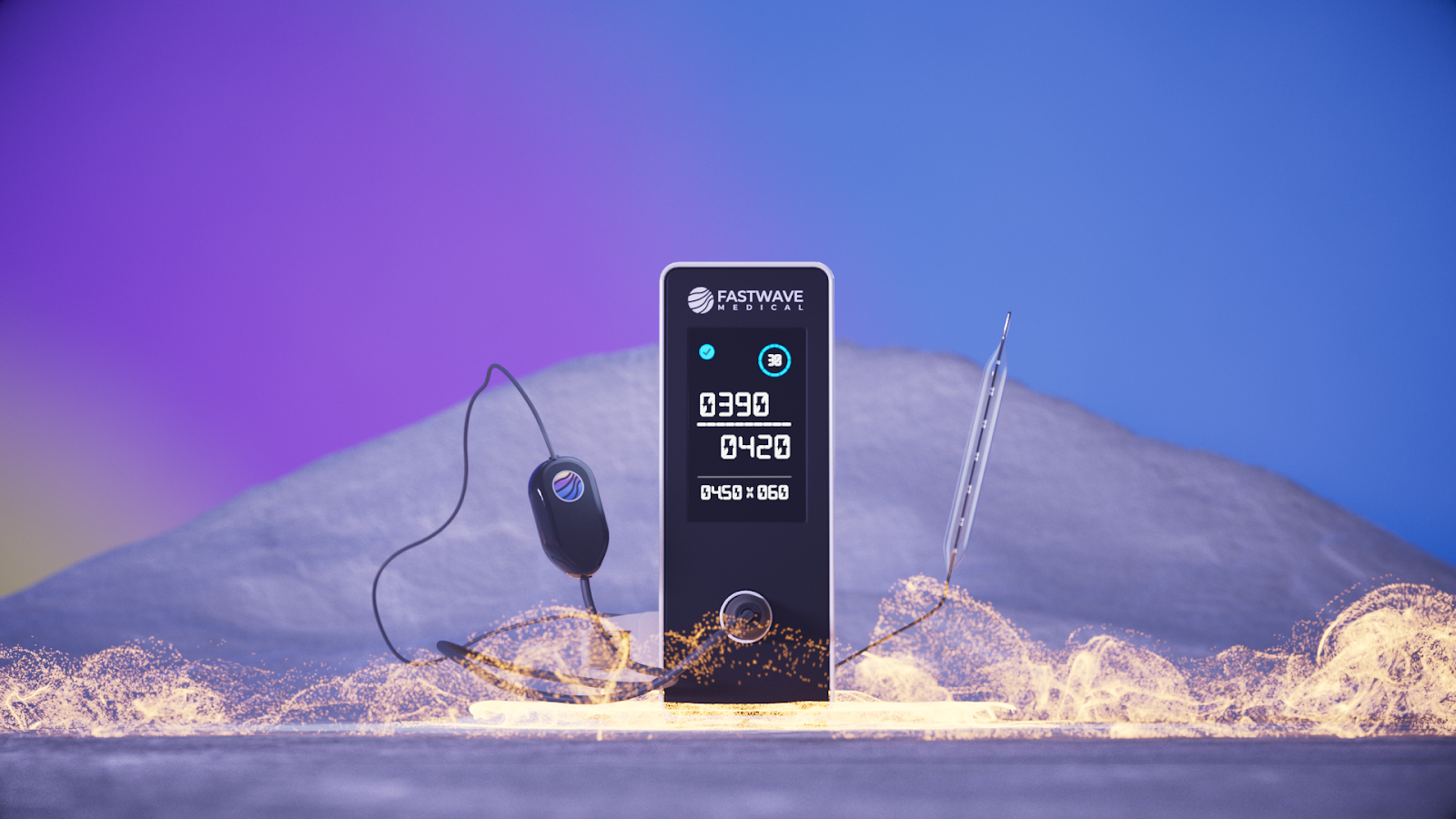
    One exception is FastWave Medical, where women hold pivotal roles in both operations and technology, shaping the company’s next-generation intravascular lithotripsy (IVL) platforms for calcified arteries. It’s a model that remains relatively uncommon in cardiovascular device development — and one that’s influencing how the technology itself is being designed.

    Why Representation Matters in Cardiovascular Innovation

    How did that composition come about? It wasn’t the result of deliberate targets, as FastWave Co-Founder and CEO Scott Nelson explains. “At FastWave, we have a majority female leadership team — not because of quotas, but because they were simply the best people for the job,” he says. That framing — merit first, diversity as outcome — reflects a hiring philosophy that prioritizes environment over intention. “Our philosophy is straightforward: create a great place to work, and you’ll attract top talent. That’s exactly how we’ve ended up with such a strong team.”

    The benefit extends beyond hiring philosophy. When team members bring different perspectives to the table, they surface questions that more homogeneous teams may not think to ask. In cardiovascular innovation — where patient needs vary widely across gender, age, and anatomy — that breadth of insight shapes everything from device design to workflow integration.

    Building Technology Through Diverse Perspectives

    The company is advancing a dual-platform approach to IVL, with two devices engineered to address limitations of first-generation systems: Sola, its coronary laser IVL platform, and Artero, its electric IVL platform for peripheral artery disease. But the technology isn’t being shaped just by leadership on paper — it’s being built day-to-day by women with decades of device development experience.

    Tristan Tieso, FastWave’s Chief Operating Officer, brings more than 20 years of experience in cardiovascular and neurovascular devices to her role — including leadership positions at Vention Medical, where she managed over 50 professionals, and at Worrell, a global healthcare design and strategy firm.

    At FastWave, she oversees engineering, quality, regulatory, and preclinical operations, and her leadership has been instrumental in building the company’s intellectual property portfolio. “When you consider that FastWave is only four years old, securing nine U.S. patents is really quite remarkable — it speaks to our team’s innovative capabilities and how seriously we’ve approached building our intellectual property portfolio from day one,” Tieso says. “This isn’t just about collecting patents for the sake of it. We’re strategically protecting the core technologies that differentiate our platforms.”

    What drives those technologies is “problem-first design.” Tieso explains, “Our entire development approach has been built around spending extensive time with interventional cardiologists, vascular surgeons, and interventional radiologists to understand their daily frustrations with existing IVL technology, then engineering backward from those pain points,” she explains. One clear example: doctors were consistently reporting hassles with reusable dongles and time lost to generator charging. “That direct input led us to make some compelling improvements to the user experience,” Tieso says — resulting in a plug-and-play, AC-powered system with one-click activation that does away with reusable dongles, generator charging, and the need to hold down buttons during procedures.

    Sukanya Iyer, Head of Technology, leads product development and engineering. With prior roles at Boston Scientific, Abbott, and St. Jude Medical, she holds multiple patents in ablation systems and has contributed to the development of major cardiovascular devices, including multiple generations of the WATCHMAN system, force-sensing ablation catheters, and renal denervation systems.

    At FastWave, she is reimagining how sonic pressure waves are generated and delivered. “From a technology perspective, we’ve fundamentally reimagined how sonic pressure waves are generated and delivered,” Iyer explains, “Artero utilizes independently powered emitters that deliver uniform, circumferential sonic pressure, eliminating the uneven energy delivery and localized degradation issues that plague legacy IVL systems. Sola, our other platform, takes an entirely different approach with a single, translating laser emitter that delivers true 360° sonic pressure with every pulse.”

    For Iyer, physician input is essential to the engineering itself. “We’ve spent considerable time listening to physicians describe moments when existing IVL technology simply didn’t meet their clinical needs,” she says. “What became clear was that legacy systems had fundamental engineering limitations that created clinical constraints — physicians were dealing with limited energy pulses and unpredictability when treating eccentric or nodular calcific lesions.” Those technical insights drove the team to question the underlying physics of how sonic pressure waves should be generated and delivered.

    “We’ve spent considerable time listening to physicians describe moments when existing IVL technology simply didn’t meet their clinical needs,” she says. “What became clear was that legacy systems had fundamental engineering limitations creating clinical constraints — physicians were dealing with limited energy pulses and unpredictability when treating eccentric or nodular calcific lesions.” Those technical insights drove the team to question the underlying physics of how sonic pressure waves should be generated and delivered.

    A Model for Medtech

    Despite progress in some areas of medtech, cardiovascular technology leadership remains predominantly male, particularly at the senior technical level. But there are other paths forward. When companies build leadership teams on merit and foster cultures that value diverse perspectives, technical excellence, and representation, the two don’t just coexist — they reinforce each other.

    At FastWave, women aren’t just present in leadership meetings. Tieso and Iyer are shaping intellectual property, redesigning workflow, and rethinking how procedures can be performed more efficiently and safely. As the team has grown, other FastWave leaders like Anindita Sengupta, Head of QA/RA, have joined to build out the regulatory and quality infrastructure needed to bring the technology to market.

    Crucially, they are also leading with openness — actively engaging with cardiologists and vascular specialists from a variety of backgrounds to refine and advance the company’s platforms. That willingness to integrate broad, real-world feedback ensures the technology reflects not just engineering expertise but the lived experience of those using it in practice.

    The outcome is instructive: when diverse, merit-based leadership combines technical depth with responsiveness to user needs, the technology becomes more aligned with both physician workflow and patient realities. In cardiovascular care, where the stakes are life and death, that alignment matters. Tieso and Iyer offer evidence that representation, technical rigor, and an openness to diverse voices can intersect to advance medical technology in meaningful ways.

    Source link

  • The future of dairy, nutrition and deliciousness

    The future of dairy, nutrition and deliciousness


    US dietitians: “From farm to flavor: The future of dairy, nutrition and deliciousness” awards 1.0 CPEU in accordance with the Commission on Dietetic Registration’s CPEU Prior Approval Program. You can claim 1.0 CPEU for listening to the podcast OR watching the webinar recording

    You can access your post-test learner assessment here. CE for listening to the podcast or watching the webinar recording expires October 8th, 2028. Please access your certificate before then. 

    CPD/CEU hours are applicable for Australia and New Zealand dietitians. Check your local country requirements to see if you can claim for continuing education.

    To obtain your CPEU/CPD certificate or certificate of completion, click here then fill in your name and the date you listened to the podcast.

    What happens when cutting-edge farming meets culinary creativity? You get food that’s better for our health, our taste buds, and the planet. In this episode of Dietitian to Dietitian, Joy Bauer of NBC’s Today Show along with Abbey Copenhaver, MS, RDN, CDN and dietitian & chef Cindy Kleckner, RD, LD, FAND will pull back the curtain on the future of food. From regenerative farming practices that boost nutrient density, to kitchen innovations that turn dairy into crave-worthy functional dishes, you’ll see how sustainability and science are reshaping what lands on our plates.

    Hosted by Joy Bauer 

    Biographies

    Abigail (Abbey) Copenhaver, MS, RDN, CDN is a New York native, mom, registered dietitian and dairy farmer. She farms with her husband and 3 other families on 2 dairy farms, totaling 1500 milking cows and 2500 acres of crops. Abbey works as a dietitian through her business Farmstead Nutrition & Consulting, which ranges in a variety of dietetic and agricultural services focusing on farm food production and family nutrition. In addition, she teaches at Finger Lakes Community College’s in their Nutritional Science program and serves on community and agricultural boards.


    Cindy Kleckner, RDN, LD, FAND is an award-winning registered dietitian nutritionist, Fellow of the Academy of Nutrition and Dietetics, culinary educator and author. She has been nationally recognized for her innovative culinary nutrition education programs for the public.  For almost 20 years she has been an adjunct professor at Collin College’s Institute for Hospitality and Culinary Education and loves teaching the importance of how to combine the science of nutrition with the art of culinary.


    Joy Bauer, MS, RDN, CDN, one of America’s leading health authorities, is the nutrition and healthy lifestyle expert for NBC’s TODAY show. She also hosts her own Amazon Live weekly show, Health, Happiness, Joy, where she cooks up mouthwatering recipes, answers viewers’ questions in real-time, and shares her favorite products and kitchen hacks. In addition, Joy is the official nutritionist for the New York City Ballet, the creator of JoyBauer.com, and a #1 New York Times bestselling author with 14 bestsellers to her credit.


     

    In this episode, we discuss:

    • Learn how modern dairy farming is changing how dairy foods get from a farm to your fridge and how that impacts nutrition.
    • Get fresh ideas for bringing flavor + function together in meals your patients will actually crave.
    • Walk away with practical knowledge you can share with clients who are curious about sustainability, nutrient quality, and the future of food.


    The content, products and/or services referred to in this podcast are intended for Health Care Professionals only and are not, and are not intended to be, medical advice, which should be tailored to your individual circumstances. The content is for your information only, and we advise that you exercise your own judgement before deciding to use the information provided. Professional medical advice should be obtained before taking action. The reference to particular products and/or services in this episode does not constitute any form of endorsement. Please see  here  for terms and conditions.


    Commercial support provided by Dairy MAX.

    Abbey Copenhaver and Cindy Kleckner received an honorarium for this presentation from Dairy MAX. 


    Source link
  • How Jay Bhaumik is Shaping the Future of Pharmacy Startups

    How Jay Bhaumik is Shaping the Future of Pharmacy Startups

    The idea of a pharmacy once evoked a counter, white coats, and a shelf lined with bottles. People came for prescriptions and advice. Now, pharmacies are changing as technology and new business ideas reshape the field.

    Today’s pharmacy startups build patient-centered services, digital health tools, and at-home care. This change comes as consumers expect more control, flexibility, and guidance in their health journeys.

    While tradition still matters, startups now guide the next chapter of pharmacy, influenced by tech trends, changing patient needs, and fresh ideas that see the person, not just the prescription. Jay Bhaumik, CEO of Texas Star Pharmacy, explores how the profession is shifting, what drives these changes, and where pharmacy startups might head in the future.

    From the Counter to Startup Culture: How Pharmacy is Reinventing Itself

    For decades, pharmacies followed a reliable script: Fill and dispense prescriptions, offer advice, and stay within well-defined limits set by state and federal law. But a new energy is pulling the field forward, sparked by changes in health policy, consumer behaviors, and the tools now available for care delivery.

    Today, companies large and small are moving past the countertop model. They see gaps in care and work to close them with smart products and seamless services. Some focus on easier prescription refills. Others enable drug price transparency, connect patients with pharmacists over video calls, or provide medication synchronization at home.

    Startups also look beyond medicine, addressing wellness, chronic disease support, and even genetic screening. Growth in telehealth, mobile apps, and artificial intelligence has helped this shift. Patients can go online for care, get reminders to take medications, or use wearables that connect them to support.

    These innovations reflect a broader shift in healthcare, where business models organize around what patients want and need, not just what insurance requires. This new wave is driven by three main forces: Regulatory adjustments that encourage competition, a growing demand for convenience and value, and technology that puts control in the consumer’s hands.

    “Pharmacy is less about transactions and more about relationships, education, and outcomes,” says Jay Bhaumik. “The profession is at a turning point, where startups extend beyond the boundaries of pharmacy to broader healthcare, setting new standards.”

    Technology is revolutionizing the pharmacy startup landscape, turning routine medication management into a personalized, digital-first experience. Telehealth platforms now let patients consult pharmacists remotely, while AI enhances safety by flagging drug interactions and delivering timely medication reminders.

    Mobile apps simplify refills, track adherence, and connect users to live support, making pharmacy access more seamless than ever. These innovations do more than streamline transactions. They improve healthcare access for those with limited mobility, remote locations, or irregular work hours.

    Automated alerts help boost adherence, reduce hospital visits, and improve outcomes. AI processes large datasets to detect side effects, making today’s pharmacies as reliant on algorithms as on active ingredients. Startups thrive by rapidly testing, refining, and scaling their tech solutions.

    Real-time user feedback fuels ongoing improvements, replacing outdated feedback loops with agile responsiveness. At the core is a shift in mindset: the patient is now a customer, expecting convenience, transparency, and personalized care. Startups rise to meet these demands with features like home delivery, intuitive interfaces, and real-time support.

    Services go beyond prescriptions, offering wellness guidance and chronic care management. Even pharmacy education is adapting, training professionals to deliver empathetic, digitally-savvy care that supports the patient’s broader health journey.

    Excitement about pharmacy innovation often collides with practical hurdles, especially in licensure and funding. Pharmacy is highly regulated. New companies must secure licenses in each state they serve and keep up with laws that change frequently. This takes time and money, especially for those with national ambitions.

    Privacy is another constant concern. Companies need advanced systems to protect sensitive health information, which involves ongoing investment in cybersecurity and compliance. Fines and lawsuits over data breaches can erase years of progress in a heartbeat.

    On the financial side, launching a pharmacy startup requires more than vision. Investor interest is often strong early, but companies soon face steep costs on software, compliance, marketing, pharmacy staff, and infrastructure. Many rely on rounds of funding to build a user base before reaching profit. It’s a high-stakes effort where speed, trust, and real-world results matter.

    “Standing out also means providing value to insurers or health systems, not just individual users,” says Bhaumik.

    Some startups must negotiate reimbursement contracts, build relationships with supply chains, or find ways to cut waste in medication spending. The most successful ones combine smart technology with sound business plans and a clear commitment to regulatory compliance.

    Turning Ideas into Action: The Startup Journey in Pharmacy

    Great ideas are just the starting point for pharmacy startups. Turning vision into value requires market research, prototyping, real-world testing, and thoughtful scaling. Success hinges on identifying actual patient needs and maintaining close collaboration with users and healthcare professionals throughout the process.

    Founders begin by studying service gaps, listening to patient concerns, and defining problems worth solving. This research phase shapes smart decisions and helps avoid costly missteps. Next comes building a minimum viable product.

    Teams create early versions to test in the field, often with patients, pharmacy staff, or caregivers. Real feedback reveals what works, what confuses users, and what needs fixing. Iterating based on these insights strengthens design and sharpens focus.

    Real-world testing follows, whether in homes or clinics. Teams measure engagement, satisfaction, and health outcomes. These insights guide improvements and prepare the startup for wider launch.

    Scaling is the final step. As adoption grows, startups hire staff, expand infrastructure, and form partnerships. Feedback loops continue, ensuring products evolve to meet rising demand.

    “Ultimately, pharmacy tech succeeds when it solves real problems. Whether simplifying medication routines or empowering caregivers, solutions grounded in real-life challenges build loyalty, trust, and long-term impact far beyond a business pitch,” says Bhaumik.

    Pharmacy startups grow faster when they team up with doctors and pharmacists. These experts help ensure that new products are safe and work well. Health system partners offer a place to test new ideas on real patients.

    Startups often get advice from pharmacy schools or hospitals to catch safety issues early. Clinics give honest feedback on what works and what doesn’t. Working with trusted medical groups gives startups more respect and helps their solutions catch on.

    These partnerships also help with rules, insurance, and real-world patient needs. Products that fit into daily healthcare routines have a better shot at lasting success. Pharmacy startups are changing how people get their medicine and care. They use tech and expert advice to focus on what patients need most.

    New rules, higher expectations, and digital tools drive these changes. Startups work with healthcare pros to fill gaps and improve service. The future looks promising for companies that listen, build trust, and make care easier for everyone. As these services grow, patients and communities stand to benefit.

    Source link

  • The Future of Living: How Sustainable Cities Will Shape Our World

    The Future of Living: How Sustainable Cities Will Shape Our World

    The Future of Living: How Sustainable Cities Will Shape Our World

    As the world’s population continues to urbanize, cities are becoming the epicenter of human progress, innovation, and growth. With the United Nations predicting that 70% of the global population will live in cities by 2050, sustainable cities are no longer a notion of the future, but a pressing reality. In this article, we will explore the significant impact that sustainable cities will have on our future, the technologies and innovations that will shape them, and the benefits that they will bring to humanity.

    The Need for Sustainable Cities

    Cities are facing unprecedented challenges, from climate change, infrastructure strain, and social inequality to economic uncertainty and food security. The consequences of inaction are dire, with rising temperatures, sea-level rise, and extreme weather events posing a significant threat to the well-being of urban inhabitants. The need for sustainable cities is not only a moral imperative but an economic and social necessity.

    Innovations Shaping the Future of Cities

    Several innovations are converging to create a new type of city that is more sustainable, efficient, and resilient. Some of the most promising technologies and trends include:

    • Smart Infrastructure: Intelligent transportation systems, smart grids, and connected buildings are optimizing energy consumption, reducing waste, and improving public services.
    • Renewable Energy: Solar, wind, and geothermal energy sources are powering cities, reducing reliance on fossil fuels, and mitigating climate change.
    • Urban Agriculture: Greenhouses, rooftop gardens, and vertical farming are providing fresh produce, improving air quality, and promoting food security.
    • Autonomous Vehicles: Electric and self-driving cars, buses, and drones are reducing emissions, improving safety, and transforming urban mobility.
    • Data Analytics: Advanced data analytics and the Internet of Things (IoT) are enabling data-driven decision-making, optimizing city operations, and improving public services.

    The Benefits of Sustainable Cities

    Sustainable cities offer numerous benefits, including:

    • Improved Health: Cleaner air, reduced pollution, and increased green spaces promote better health and well-being.
    • Increased Efficiency: Smart infrastructure, renewable energy, and advanced analytics optimize energy consumption, reduce waste, and improve public services.
    • Enhanced Quality of Life: Greener public spaces, vibrant cultural attractions, and improved transportation options enhance the overall quality of life for urban dwellers.
    • Economic Growth: Sustainable cities create new industries, jobs, and opportunities, driving economic growth and development.
    • Mitigating Climate Change: Sustainable cities reduce carbon emissions, promote sustainable lifestyles, and help mitigate the impacts of climate change.

    Challenges and Opportunities

    Implementing sustainable cities is not without its challenges. Some of the key challenges include:

    • Scaling Up: Large-scale implementation of sustainable technologies and infrastructure requires significant investment, coordination, and governance.
    • Public Support: Securing buy-in from citizens, businesses, and governments is critical to the success of sustainable city initiatives.
    • Financing: Sustaining the costs of sustainable city development requires creative financing solutions, public-private partnerships, and innovative funding mechanisms.
    • Capacity Building: Building the capacity of local authorities, policymakers, and citizens is essential to ensure the successful implementation of sustainable city initiatives.

    Conclusion

    The future of living is urban, and the future of cities is sustainable. As the world’s population continues to grow, it is crucial that we prioritize the development of sustainable cities that are resilient, efficient, and equitable. By harnessing innovations, leveraging partnerships, and addressing challenges, we can create a brighter future for all.

    FAQs

    Q: What is a sustainable city?
    A: A sustainable city is a city that is designed, built, and managed to balance social, economic, and environmental needs, while minimizing its ecological footprint.

    Q: What are the key features of a sustainable city?
    A: Some of the key features of a sustainable city include smart infrastructure, renewable energy, urban agriculture, autonomous vehicles, and data analytics.

    Q: What are the benefits of sustainable cities?
    A: The benefits of sustainable cities include improved health, increased efficiency, enhanced quality of life, economic growth, and mitigation of climate change.

    Q: What are the challenges of implementing sustainable cities?
    A: Some of the key challenges include scaling up, public support, financing, and capacity building.

    Q: How can we overcome the challenges of implementing sustainable cities?
    A: We can overcome these challenges by securing buy-in from stakeholders, leveraging public-private partnerships, creating innovative financing mechanisms, and building capacity among local authorities, policymakers, and citizens.

  • The Power of Budgeting: How a Simple Plan Can Transform Your Financial Future

    The Power of Budgeting: How a Simple Plan Can Transform Your Financial Future

    The Power of Budgeting: How a Simple Plan Can Transform Your Financial Future

    As the old adage goes, "A budget is not a constraint, it’s a way to be free." This saying couldn’t be more true when it comes to managing one’s finances. Budgeting is often seen as tedious and restrictive, but it’s actually a powerful tool that can help individuals take control of their financial future. In this article, we’ll explore the benefits of budgeting, provide tips on how to create a simple yet effective budget, and highlight the transformative power of having a budget in place.

    The Benefits of Budgeting

    Before we dive into the how-to’s of budgeting, let’s first explore the benefits of having a budget in place. Here are just a few:

    • Reduces financial stress: When you have a budget, you’re not constantly worrying about where your money is going or whether you’ll be able to make ends meet. You have a clear plan in place, and that’s a huge weight off your shoulders.
    • Helps you prioritize: A budget forces you to prioritize your spending, focusing on what’s truly important to you and your financial goals.
    • Saves you money: By tracking your spending and making conscious financial decisions, you can cut back on unnecessary expenses and save money.
    • Provides a clear plan for the future: With a budget, you can see exactly how much you’ll need to save for a particular goal, whether it’s a down payment on a house, a vacation, or retirement.

    Creating a Simple Budget

    So, how do you create a simple yet effective budget? Here are a few tips to get you started:

    • Start by tracking your spending: For one month, write down every single purchase you make, no matter how small. This will give you a clear picture of where your money is going.
    • Categorize your expenses: Divide your expenses into categories, such as housing, transportation, food, entertainment, and savings. This will make it easier to see where your money is going.
    • Determine your net income: Calculate how much money you take home each month, after taxes and other deductions.
    • Assign percentages: Allocate a percentage of your net income to each category. For example, you might allocate 20% to housing, 10% to transportation, and 5% to entertainment.
    • Adjust as needed: Based on your spending habits, you may need to adjust these percentages. For example, if you find you’re consistently blowing your budget on dining out, you may need to reduce the percentage allocated to that category.

    The Power of Budgeting

    So, what happens when you commit to budgeting? Here are just a few examples of the transformative power of budgeting:

    • Pay off debt: By creating a budget and sticking to it, you can use your money to pay off debt, whether it’s credit card debt, student loans, or a mortgage.
    • Build a safety net: With a budget in place, you can build an emergency fund to fall back on in case of unexpected expenses.
    • Achieve long-term goals: A budget can help you save for long-term goals, such as a down payment on a house, a car, or a wedding.

    Conclusion

    In conclusion, budgeting is a powerful tool that can transform your financial future. By creating a simple and effective budget, you can reduce financial stress, prioritize your spending, save money, and achieve your long-term goals. At its core, budgeting is about taking control of your finances and making conscious decisions about how you spend your money. By following the tips outlined above, you can create a budget that works for you, not against you.

    FAQs

    Q: How often should I review and adjust my budget?
    A: It’s a good idea to review and adjust your budget every 6-12 months to ensure it’s still relevant and effective.

    Q: What if I overspend in one category? What do I do?
    A: If you find you’re consistently overspending in one category, it’s okay to adjust your budget and make changes. You can also try to cut back on other expenses to compensate.

    Q: Can I still have fun if I’m budgeting?
    A: Absolutely! Budgeting doesn’t mean you can’t have fun. It’s about making conscious choices about how you spend your money, so you can still enjoy the things that are important to you.

    Q: How long does it take to see results from budgeting?
    A: The results of budgeting can be seen immediately, such as reduced financial stress and increased savings. However, it may take longer to see long-term benefits, such as paying off debt or achieving a long-term goal. Be patient, and remember that budgeting is a long-term strategy for achieving financial freedom.

  • Nick Millican and the Future of London Workspaces

    Nick Millican and the Future of London Workspaces


    | Photo credit Greycoat Real Estate

    In a strategic move that could reshape the face of London real estate, Greycoat, and Goldman Sachs Asset Management recently took ownership of 20 Finsbury Dials, a 6-story office building in the City of London. This acquisition, finalized in December 2023, represents more than just a change in property ownership. It symbolizes a shift toward sustainable development within the bustling heart of London’s financial district.

    “Our vision for DIALS goes beyond a mere property acquisition,” says Greycoat CEO Nick Millican. “We are embarking on a journey to transform this 140,000 sq ft space into a beacon of innovation and sustainability. Our approach is not just about being at the forefront of design, but about pushing the boundaries of what is possible in sustainable development.”

    While DIALS is just one building, Millican envisions its innovative sustainability goals and extensive refurbishment plans as catalysts for change in the London real estate market. These initiatives are poised to transform the property into a leading example of how urban workspaces can adapt to meet the demands of modern environmental consciousness while maintaining commercial viability and aesthetic appeal.

    Room for Growth: Nick Millican on DIALS’ Potential

    DIALS boasts modern amenities that cater to diverse business needs. The building features an expansive ground floor, including a full-height atrium in the reception area. This architectural highlight brings a flood of natural light into the building, creating an inviting and impressive entrance for tenants and visitors alike. “The atrium not only adds to the aesthetic value of DIALS but also maximizes natural light. It’s a great feature,” said Nick Millican.

    All six floors at DIALS offer large, flexible floor plates of around 19,000 square feet, designed to accommodate office layouts suited to contemporary work styles. Ceiling heights ranging from 9 to 10 feet enhance the sense of space and openness.

    Located just north of Moorgate station, DIALS enjoys exceptional connectivity, making it highly accessible from various parts of London and beyond. This location is a key asset, providing easy access to major transportation lines including the Central, Circle, Hammersmith & City, Metropolitan, Northern, and London Overground lines. The proximity to transit options ensures seamless commutes for tenants and visitors. 

    Plus, the building is a three-minute walk from the Crossrail station, increasing its attractiveness to prospective tenants and boosting its overall strategic value. “The location of DIALS, combined with its state-of-the-art facilities, positions it as a top choice for businesses looking for accessibility and quality in the heart of London,” says Millican.

    Acquiring and Renovating DIALS

    On completion of the acquisition, Greycoat immediately embarked upon its goal of extensive refurbishments for the building. This renovation is an innovative example of a sustainable transformation in urban real estate. 

    Anchored in a “brown to green” approach, the project targets the comprehensive overhaul of the building’s infrastructure to elevate it to the highest standards of environmental sustainability. “I think because it is a very ambitious project for us, it will be really exciting to see how the extent to which refurbishment projects can genuinely deliver on some of these environmental standards,” says Greycoat Director Dan Higginson. “Proof that you don’t necessarily need to build a new building to have it perform in a certain way, you can actually, through sensible intervention and with a bit of thought you can get an existing building to perform.”

    Balancing Design and Sustainability 

    The design strategy for DIALS incorporates a full renovation that retains the building’s structural and aesthetic integrity while integrating state-of-the-art sustainable technologies. “We’re improving the thermal qualities of the envelope because we’re replacing all of the windows, and we’re insulating the existing facade,” Higginson says. 

    The project includes upgrading heating, ventilation, and air conditioning systems to energy-efficient models, implementing advanced water conservation practices, and using sustainable materials in all construction retrofitting.

    Nick Millican Aims for High Environmental Standards

    “Our goal is to achieve BREEAM Outstanding, EPC A, and WELL Platinum ratings for DIALS,” Nick Millican says. “These certifications are not just badges of honor — they signify our commitment to setting benchmarks in sustainable building practices that prioritize both environmental impact and occupant health.”

    BREEAM (Building Research Establishment Environmental Assessment Methodology) provides a holistic sustainability assessment framework for buildings and infrastructure in 12 categories. Ratings range from Outstanding to Pass. EPC (Energy Performance Certificate) rates buildings on energy efficiency with a rating of A through G. WELL Platinum is the highest rating given in the WELL Building Standard program that rates how buildings support human health and well-being.

    Achieving these standards will confirm the building’s status as a leader in eco-friendly office space. 

    Enhancing Tenant Well-Being and Environmental Impact

    The renovation plans for DIALS directly align with the growing demand for workspaces that contribute positively to the environment and occupant well-being.

    “Modern tenants demand more than just office space; they want environments that reflect their own values of sustainability and responsibility,” explains Millican. The emphasis on natural light and flexible workspaces improves the well-being of those who work in the building, making DIALS a highly desirable location for prospective tenants.

    Overcoming Challenges and Setting New Precedents

    The project faces inherent challenges in retrofitting an existing structure to meet stringent sustainability standards. Despite these hurdles, Greycoat Real Estate’s commitment to this environmental, social, and governance-focused design is unwavering. “By embracing these challenges, we set a precedent for sustainable development in prime urban locations,” Millican said. The belief is that this approach will not only attract environmentally conscious tenants but also inspire other real estate developers to adopt similar sustainable practices.

    The Ripple Effects of DIALS on Urban Sustainability

    The acquisition of DIALS by Greycoat and Goldman Sachs Asset Management marks a significant moment in the evolution of London’s real estate market toward sustainability and environmental responsibility. This initiative isn’t merely about redefining a prime office space, but showing the world what sustainable urban development looks like. 

    Reflecting on the broader impact, Nick Millican notes, “The transformation of DIALS is a blueprint for the future, showcasing the immense possibilities of integrating sustainability in urban real estate. Our hope is that this project will inspire a wave of similar initiatives, where environmental stewardship and urban development go hand in hand.”

    The commitment shown by Greycoat to not only meet but exceed current sustainability standards is a clear indicator of the shifting priorities in the real estate market — a shift toward a future where sustainability is not an option, but a necessity.


    Source link