Tag: Fake

  • How Misinterpreting Data Fuels Fake Science News and How to Spot It

    How Misinterpreting Data Fuels Fake Science News and How to Spot It

    In the digital age, the accurate interpretation of scientific data is more critical than ever, yet science misinformation continues to spread widely. This misinformation, often fueled by the misinterpretation of data, can distort public understanding, cause harm, and undermine trust in credible science.

    By exploring how data misuse fuels fake science news and misinformation, this article aims to equip readers with the tools to interpret data correctly and identify misleading information confidently.

    What Is Data Misinterpretation in Science?

    Data misinterpretation occurs when scientific findings or statistics are misunderstood, presented out of context, or selectively reported. This can happen accidentally through errors or a lack of scientific literacy, or intentionally to push specific agendas. Misinterpreted data leads to misinformation when claims presented contradict the accepted scientific consensus or oversimplify complex findings.

    For instance, cherry-picking favorable results or ignoring uncertainty can distort the reality of a scientific issue. It is crucial to distinguish misinformation, false or misleading information spread without harmful intent, from disinformation, which is deliberately deceptive, and fake science news, which deliberately fabricates or misrepresents scientific facts.​

    Why Does Data Misinterpretation Lead to Misinformation?

    The rapid spread of information through social media and other online platforms accelerates the sharing of misinterpreted data. Sensationalized headlines, oversimplified summaries, or the omission of important methodological details make science news more attention-grabbing but less accurate.

    This competition for human attention prioritizes shocking or emotionally charged content over nuanced truth. As a result, misinformation rooted in misunderstood scientific data can quickly become dominant in public discourse. This phenomenon not only misleads individuals but also erodes confidence in science itself, making collective action on important issues such as public health and climate change more challenging.​

    How Can You Spot Misinterpreted Data or Fake Science News?

    Critical thinking and careful evaluation are key to recognizing faulty interpretations of data. Here are some tips:

    • Verify Original Sources: Ensure the data comes directly from reputable scientific studies or institutions, rather than secondary summaries.
    • Context Matters: Assess whether the data are presented in their full context, including sample size, methods, limitations, and uncertainty.
    • Beware Cherry-Picking: Look out for the selective use of data points that support a claim while ignoring contradictory evidence.
    • Credibility Check: Consider the expertise and reliability of the source reporting the scientific claims.
    • Statistical Literacy: Understand basic statistics to spot misuse, such as confusing correlation with causation or misunderstanding p-values.
    • Sensational Headlines: Be cautious of oversimplified or dramatic titles that may misrepresent the actual findings.​

    What Are Common Signs of Science Misinformation?

    Fake science news or misinformation often resembles legitimate scientific reporting but lacks rigor. Common signs include exaggerated claims, ignoring contradictory data, and reliance on anecdotal evidence.

    Misinformation frequently uses complex jargon to sound authoritative but does not explain the underlying data or methodology. It may also exploit societal fears or biases to gain traction, leading to the spread of falsehoods that appear plausible but are factually incorrect.​

    How Can Interpreting Data Correctly Improve Science Communication?

    Enhancing scientific literacy and data interpretation skills improves the public’s ability to discern credible science from misinformation. Scientific communication benefits when complex data is explained accurately, including both the strengths and uncertainties of the findings.

    Educators, journalists, and scientists can help by using clear language, providing context, and promoting skepticism toward unverified claims. Tools like critical appraisal checklists and inoculation against misinformation tactics help build resilience against fake science news. These efforts support informed decision-making and foster trust in scientific institutions.​

    What Are the Challenges in Combating Science Misinformation?

    Misinformation thrives in a fast-changing digital environment marked by algorithmic amplification and echo chambers. Social media bots and coordinated campaigns can rapidly spread disinformation. Additionally, gaps in public access to reliable scientific information, as well as language or cultural barriers, exacerbate the problem.

    Correcting misinformation is difficult since repeated exposure strengthens false beliefs, and retractions rarely reach as wide an audience. Finally, societal mistrust and political polarization pose significant hurdles to effective science communication and to the mitigation of misinformation.​

    Data misinterpretation is a major driver of science misinformation and fake science news, posing considerable challenges to public understanding and trust in science. By recognizing the signs of misinterpreted data and adopting critical evaluation strategies, individuals can better navigate the complex information landscape.

    Strengthening science education and promoting transparent, accurate scientific communication are essential to combating misinformation and building a society that values evidence-based knowledge.

    This comprehensive approach supports the goal of ensuring that the public has access to truthful and reliable scientific information, empowering informed choices on critical issues affecting health and the environment in today’s information age.

    Frequently Asked Questions

    1. How does science misinformation impact the economy?

    Science misinformation disrupts markets, damages brand reputations, and increases costs for fact-checking and misinformation policing, leading to financial losses for businesses.​

    2. Are certain communities more vulnerable to science misinformation?

    Yes, groups facing language barriers, low digital literacy, or systemic mistrust are more exposed and susceptible to science misinformation.​

    3. What role does social media play in spreading fake science news?

    Social media amplifies fake science news through sharing, algorithm-driven content, and echo chambers, making misinformation spread faster and wider.​

    4. How effective are fact-checking and psychological inoculation in combating science misinformation?

    Fact-checking and inoculation help correct false beliefs and build resistance, but face challenges such as limited reach and varying audience susceptibility.


    Originally published on Science Times
    Source link

  • Clip of RFK Jr Being Called Out for Lying on Live TV Resurfaces Amid Concerns Over MAHA Report Citing Fake Sources

    Clip of RFK Jr Being Called Out for Lying on Live TV Resurfaces Amid Concerns Over MAHA Report Citing Fake Sources

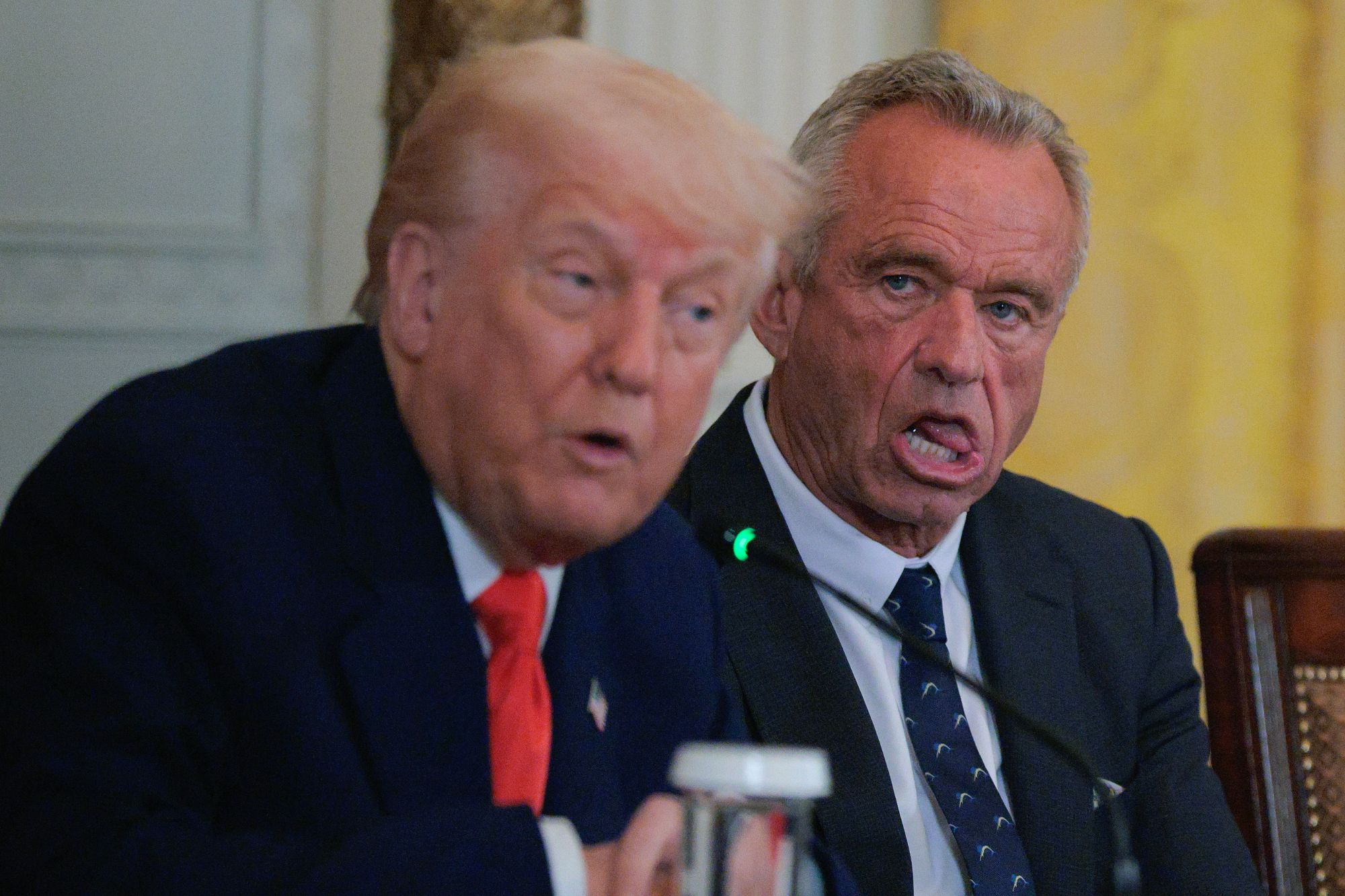
    A resurfaced clip of Health and Human Services Secretary Robert F. Kennedy, Jr. being called out for lying during a live CNN interview has fueled new concern after his department repeatedly cited fabricated sources in multiple versions of its “transformative” Make American Healthy Again report.

    In the trending snippet from 2024, CNN anchor Kasie Hunt asks RFK Jr, who was running as an independent presidential candidate at the time, whether he still believed “there’s no vaccine that is, you know, safe and effective,” quoting an earlier interview response.

    “I never said that,” RFK Jr quickly asserted.

    “So, stop me, we have the clip. Please play the clip,” Hunt demanded before a clip of RFK Jr making the word-for-word claim is played.


    The clip’s resurgence has left many wondering whether the Make America Healthy Again Commission, led by Kennedy, intentionally miscited and misrepresented studies and research in its landmark report.

    Press Secretary Karoline Leavitt attempted to blame the errors on “formatting issues,” raising more questions than answers.

    RFK Jr has long been a critic of vaccines, despite all of his children being fully vaccinated. Most recently, he announced on X that his department no longer recommended the COVID vaccine for healthy children and healthy pregnant women.


    “Last year the Biden administration urged healthy children to get yet another COVID shot despite the lack of any clinical data to support the repeat booster strategy in children,” Kennedy claimed in the 58-second video.

    Originally published on Latin Times


    Source link

  • Fake Ozempic Found in US Drug Supply Chain

    Fake Ozempic Found in US Drug Supply Chain

    Amid the soaring demand for GLP-1 drugs used to treat diabetes and support weight loss, the U.S. Food and Drug Administration (FDA) has issued an urgent warning for consumers using Ozempic. The agency is urging users to carefully inspect their medication labels after discovering that hundreds of counterfeit Ozempic injections have entered circulation outside of the authorized U.S. supply chain.

    The FDA alert follows confirmation from Novo Nordisk, the manufacturer of Ozempic and the weight loss drug Wegovy, that counterfeit 1-milligram Ozempic pens had infiltrated the U.S. market. In response, the FDA seized the identified fake products on April 9, 2025.

    “The agency advises wholesalers, retail pharmacies, health care practitioners and patients to check the product they have received and not distribute, use, or sell products labeled with lot number NAR0074 and serial number 430834149057 as pictured below. Some counterfeit products may still be available for purchase,” the FDA said in a news release, which included images of the counterfeit labels for reference.

    In an update issued Monday, the agency further warned to be on alert for additional suspicious packaging, specifically “lots labeled PAR0362 and serial numbers starting with the first eight digits 51746517.”

    Six adverse events linked to the affected lot have been already reported, though none appear to be directly caused by the counterfeit product itself. All six incidents were reported by Novo Nordisk, the drug’s manufacturer, as part of their ongoing monitoring efforts.

    The FDA highlighted its dedication to combating counterfeit medications, stating that it “takes reports of possible counterfeit products seriously.” The agency is working closely with Novo Nordisk to “identify, investigate, and remove further suspected counterfeit semaglutide injectable products found in the U.S.” as part of an ongoing investigation.

    Meanwhile, healthcare professionals and consumers are asked to report any side effects or adverse reactions linked to Ozempic through its MedWatch Safety Information and Adverse Event Reporting Program. Reports can be submitted online or by faxing a completed form to 1-800-FDA-0178. Additionally, anyone who suspects counterfeit or tampered medicines, especially online sellers, should contact their local FDA consumer complaint coordinator or report the activity directly through the FDA’s criminal activity portal.

    Source link

  • Seven Dead After Man Impersonating Doctor Performed Surgeries With Fake Medical Degrees: Police

    Seven Dead After Man Impersonating Doctor Performed Surgeries With Fake Medical Degrees: Police

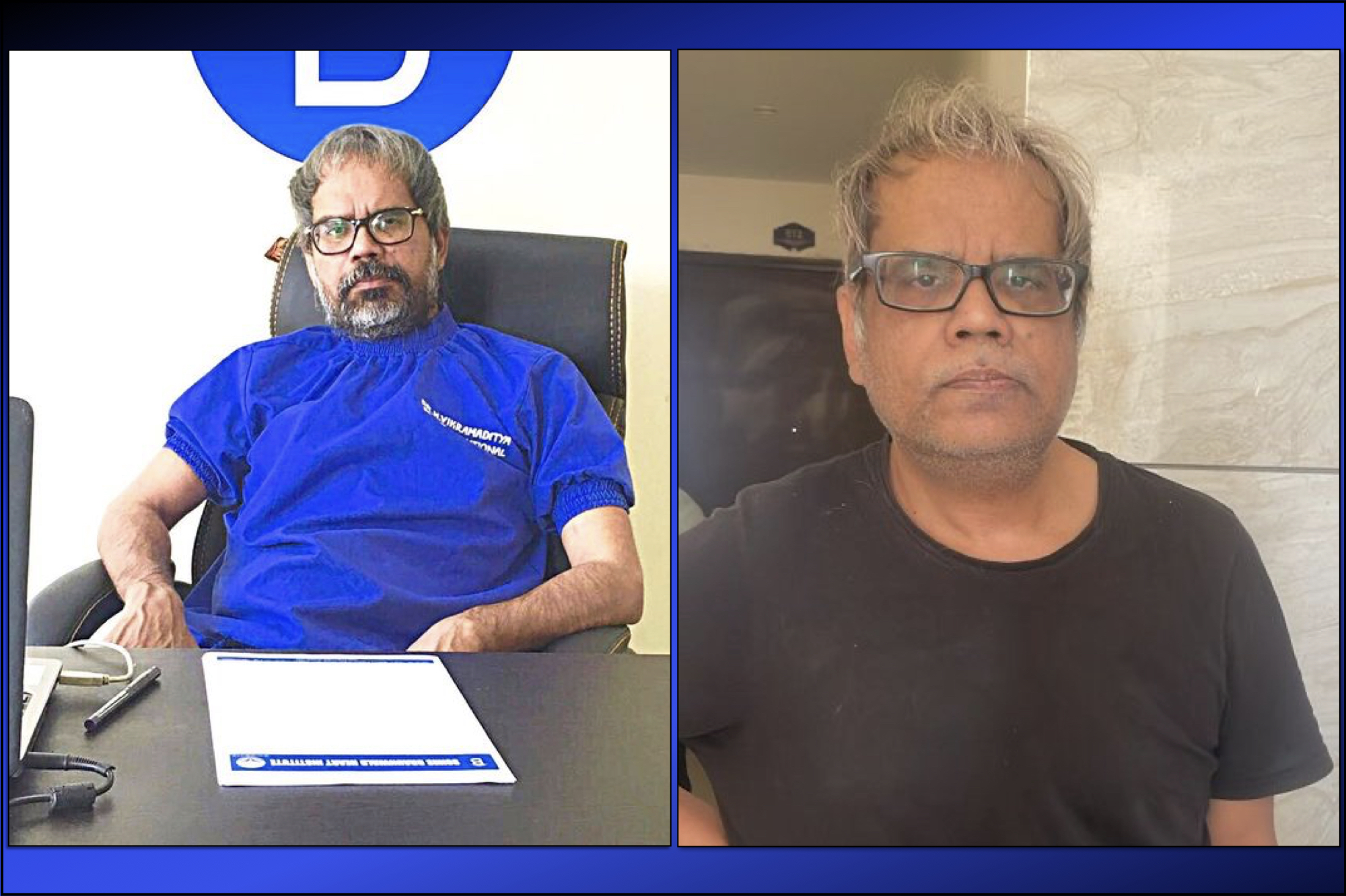
    Authorities in India have arrested a man accused of impersonating a British cardiologist and performing dozens of surgeries with allegedly fake medical credentials, resulting in the deaths of at least seven patients.

    The suspect, Narendra Vikramaditya Yadav, 53, also went by the name Dr. N John Camm—a moniker police say was meant to impersonate a prominent UK-based heart specialist, Prof. John Camm, of St George’s Hospital.

    Yadav, who worked at a missionary hospital in Damoh, Madhya Pradesh, is facing charges of fraud, cheating, forgery, and causing death by medical negligence after a child welfare committee flagged a suspicious number of fatalities under his care earlier this year.

    “The accused doctor had worked on a total of 64 cases, including 45 cases of angioplasty, which led to seven patient deaths,” Damoh Police Chief Shrut Kirti Somvanshi told BBC.

    Yadav presented himself as an internationally trained cardiologist with what authorities suspect to be falsified medical degrees. He had claimed to have worked in the UK, Germany, Spain, and the U.S., and even posted online about launching a massive medical institute in Rajasthan.


    “Nobody suspected him of being a fake doctor,” a hospital official told The Indian Express newspaper. “He was good at his job and acted like a big-time professor.”

    When authorities looked into Yadav, he was found to have been under investigation in multiple Indian states and was banned by medical regulators for “professional misconduct” in 2014. He was also arrested in 2019 for allegedly abducting a British doctor and had registered four companies in the UK under his fake name.

    Yadav was arrested Monday evening in Prayagraj, Uttar Pradesh, and is currently under investigation. Police say they are still verifying the authenticity of his documents, which appear to be missing key registration details.

    Yadav has denied all allegations and, just hours before his arrest, filed a legal notice demanding 50 million rupees from individuals accusing him of impersonation.

    The real Prof. John Camm has publicly stated that he has no connection to Yadav and was being fraudulently impersonated.

    Originally published on Latin Times

    Source link