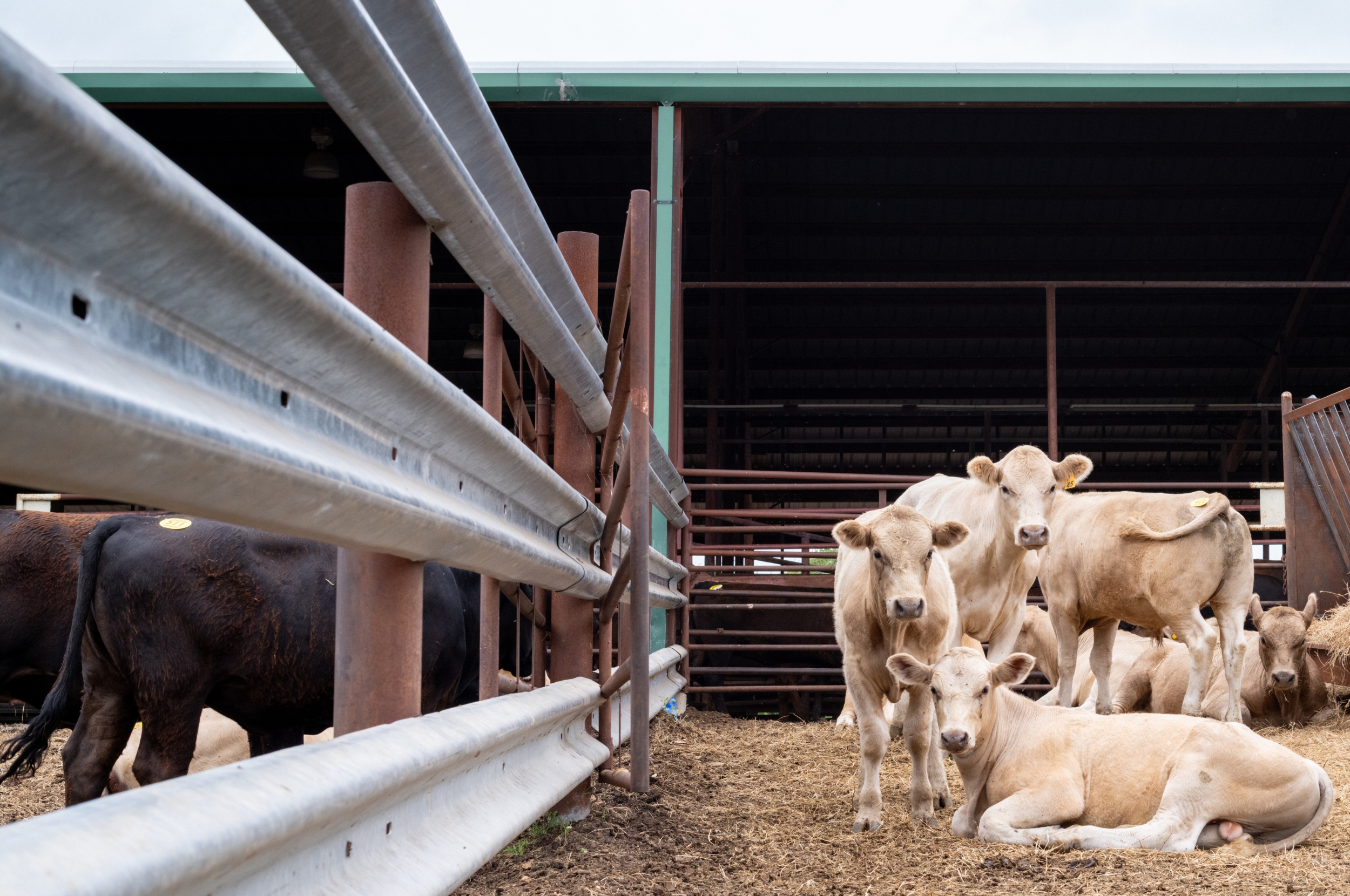
A flesh-eating parasite that the United States eradicated in 1966 has returned — and the 16 confirmed animal cases represent only the beginning of what veterinary experts and public health officials are working to contain.
USDA’s Animal and Plant Health Inspection Service (APHIS) confirmed the first U.S. animal case on June 3, 2026, in a three-week-old calf in Zavala County, Texas, near the Mexico border. By the CDC’s most current accounting, 16 domestically acquired animal cases have been confirmed — spread across multiple Texas counties and Lea County, New Mexico, involving cattle, goats, and at least one dog.
There have been no confirmed human infestations with New World Screwworm acquired in the United States. The Texas Animal Health Commission has quarantined a zone covering more than 20 Texas counties, and sterile fly releases are underway. But the public health challenge now is ensuring that ranchers, pet owners, and veterinarians understand what they are looking for — because what officials can count is likely only a fraction of what is actually out there.
Why This Matters
The New World Screwworm is not merely an economic pest. It is a uniquely dangerous parasitic fly because it targets living tissue — not dead or decaying material. The female fly lays eggs in any open wound, body opening, or skin abrasion on a warm-blooded animal. The larvae burrow into living flesh, producing compounds that attract more female flies, which lay more eggs, which produce more larvae. An infested, untreated animal can die within one week.
The parasite affects cattle, sheep, goats, horses, deer, feral hogs, dogs, cats, and wildlife of all kinds. It can, in rare cases, infest humans — particularly through wounds or nasal passages. While human infestations in the United States are not expected under current conditions, the risk is not zero.
The United States eradicated NWS domestically in 1966 using the sterile insect technique — a program that has been continuously maintained in Central America to prevent northward spread. The parasite’s reappearance now reflects the northward migration of screwworm populations from Mexico, where it was detected in Chiapas in November 2024 and has been spreading ever since.
What We Know So Far
From USDA APHIS, CDC, Texas Animal Health Commission, and the American Farm Bureau Federation:
- First U.S. case: June 3, 2026 — a calf in Zavala County, Texas
- Total confirmed U.S. animal cases: 16 domestically acquired (Texas and New Mexico)
- Species affected: Cattle, goats, and at least one dog
- Geographic spread: Multiple Texas counties, including Zavala, La Salle, Gillespie, and others; Lea County, New Mexico
- Quarantine zone: More than 20 Texas counties covered by Texas Animal Health Commission quarantine orders; animals cannot be moved out of the zone without prior authorization
- Sterile fly releases: More than 129 million sterile NWS flies released in the sterile fly release zone since February 2026
- Human cases: No locally acquired human infestations in the U.S. confirmed
- Food safety: USDA confirms the U.S. food supply is not at risk; NWS does not infest meat
Where the Risk Is Highest
The primary risk zone is South Texas — specifically the ranching and farming counties near the Mexico border. The Texas Animal Health Commission’s quarantine zone includes Bandera, Coke, Crockett, Edwards, Gillespie, Jim Hogg, Kerr, Kimble, La Salle, Medina, Pecos, Schleicher, Starr, Sutton, Terrell, Tom Green, Uvalde, Val Verde, Webb, Zapata, and Zavala Counties.
A key vulnerability that concerns veterinary parasitologists is wildlife. White-tailed deer, exotic game species, and feral hogs are abundant throughout South Texas and can serve as NWS hosts. Unlike managed livestock, these populations cannot be routinely inspected. Any infested deer or hog can carry adult flies that then lay eggs on livestock or pets within the surrounding area.
The confirmed dog case in Lea County, New Mexico — an area outside the primary South Texas detection zone — raises specific concerns about geographic spread through pet animals that may travel or that come into contact with infested wildlife.
The American Farm Bureau Federation noted that the South Texas detection zone includes more than 160,000 sheep and goats, and many operations involve extensive rangeland where daily animal inspection is less common than on smaller farms.
What Doctors and Experts Say
“Report suspicions immediately,” said Bud Dinges, executive director of the Texas Animal Health Commission, in remarks following the first confirmed detection. “Quick notification leads to quick detection. A quick response will stop the pest from spreading.”
USDA’s Rear Admiral Michael Schmoyer, APHIS Associate Administrator and Director of the NWS Directorate, said in June that the agency had deployed 8,000 fly traps at and near the U.S.-Mexico border and collected more than 58,000 fly samples and 19,000 wild animal samples — all of which had been negative for NWS at that time. That surveillance infrastructure is expanding as confirmed cases accumulate.
Veterinary experts and livestock industry analysts have warned that confirmed cases represent only a subset of infestations that were both detected and reported. Animals in remote rangeland, wildlife, and feral hog populations are not systematically inspected, and infestations can progress rapidly before they are identified.
What the Evidence Shows — and What It Does Not
The epidemiological picture is confirmed: NWS is back in the United States. The current case count reflects only what has been detected and reported through the official surveillance system — which covers managed livestock that receive veterinary attention. Wildlife and large rangeland herds without daily inspection are almost certainly carrying more cases that have not been identified.
Scaling sterile fly production to full eradication capacity — the method that successfully eliminated NWS from the United States in the 1960s — is expected to require 18 months to two years. That means U.S. ranchers and pet owners in the affected region face an extended containment period, not a quick resolution.
MedicalDaily Evidence Check
- Data source: USDA APHIS, CDC, Texas Animal Health Commission
- Confirmed U.S. animal cases: 16 domestically acquired (Texas and New Mexico, as of most recent reporting)
- Human cases: None confirmed in the U.S.
- Available treatments: Multiple FDA Emergency Use Authorization (EUA)-approved products exist for cattle, horses, dogs, cats, and livestock; discuss with a veterinarian
- Key limitation: Confirmed cases are an undercount; wildlife and large rangeland herds have limited inspection capacity
- What readers should know: Livestock owners should inspect animals daily; pet owners in affected Texas counties and southern New Mexico should check for wounds; contact a veterinarian immediately if NWS is suspected
Who Faces the Greatest Risk?
- Livestock producers in South Texas and southern New Mexico counties — particularly those with cattle, sheep, and goats on extensive rangeland
- Pet owners in the affected region, particularly owners of dogs and cats that spend time outdoors or that may have wound exposure
- Wildlife (deer, feral hogs, exotic game) that serve as unmanageable host populations
- Newborn animals, whose umbilical area is a common wound site for initial NWS infestation
- Animals with any wound, cut, or body opening that has not been properly cleaned and treated
Symptoms and Warning Signs to Watch For
On livestock and pets:
- Draining or enlarging wounds — especially wounds that do not heal normally
- Signs of unusual distress or pain in an animal with a wound
- Small, cream-colored larvae (maggots) visible in or around body openings — including the nose, ears, genitalia, and navel of newborns
- Animals shaking their heads, rubbing against fences, or scratching excessively at wound areas
- Foul-smelling discharge from a wound
Infestations progress rapidly. An animal showing these signs should receive immediate veterinary attention. Without treatment, NWS can kill a full-grown animal within one week.
What You Can Do Now
- Inspect livestock and pets daily in affected Texas and New Mexico counties — particularly any animal with a wound, cut, or recent surgery.
- Treat all wounds promptly with an approved insecticide or wound care product. Ask your veterinarian which FDA-authorized products are appropriate for your animals — multiple EUA products are now available for cattle, horses, dogs, and cats.
- If you suspect NWS in an animal, do not wait. Contact your veterinarian immediately and report to the Texas Animal Health Commission (1-800-550-8242) or USDA APHIS.
- Do not move animals out of the quarantine zone without authorization from TAHC.
- Pet owners whose dogs or cats spend time outdoors in affected counties should inspect animals after outdoor time and keep wounds covered and treated.
Cost and Access: What Patients Should Know
The USDA Food Safety and Inspection Service confirms that the U.S. meat supply is not at risk — screwworm does not infest meat, and affected animals would be identified before entering commerce. Consumer food safety is not a concern in this outbreak.
Veterinary treatment of confirmed NWS cases is covered by standard livestock health insurance in most cases. For producers concerned about coverage, the USDA’s Risk Management Agency provides livestock risk protection programs. Small-scale and hobby farm owners without commercial policies should contact their county Extension office for guidance on treatment costs and emergency assistance resources.
What Happens Next
USDA is continuing sterile fly releases, which represent the primary long-term eradication strategy. The 18-to-24-month timeline to full eradication capacity means this will be an ongoing management challenge throughout the rest of 2026 and into 2027.
Updated case counts and quarantine zone maps are available at Screwworm.gov. MedicalDaily will report on any expansion of the quarantine zone, new confirmed cases in additional states, or any confirmed human infestations.
The Bottom Line
New World Screwworm has returned to the United States for the first time in 60 years. The 16 confirmed animal cases are almost certainly a fraction of the true infestation, and the multi-year eradication timeline means ranchers, pet owners, and veterinarians in affected regions of Texas and New Mexico face a sustained public health challenge. The food supply is safe. Human risk remains very low. But animal owners in the quarantine zone need to act now — inspect daily, treat wounds immediately, and report any suspected infestation without delay.