Tag: Eating

  • How to Tame Blood Sugar Spikes after Eating Potatoes

    How to Tame Blood Sugar Spikes after Eating Potatoes

    Broccoli, vinegar, and lemon juice are put to the test to blunt the glycemic index of white potatoes.

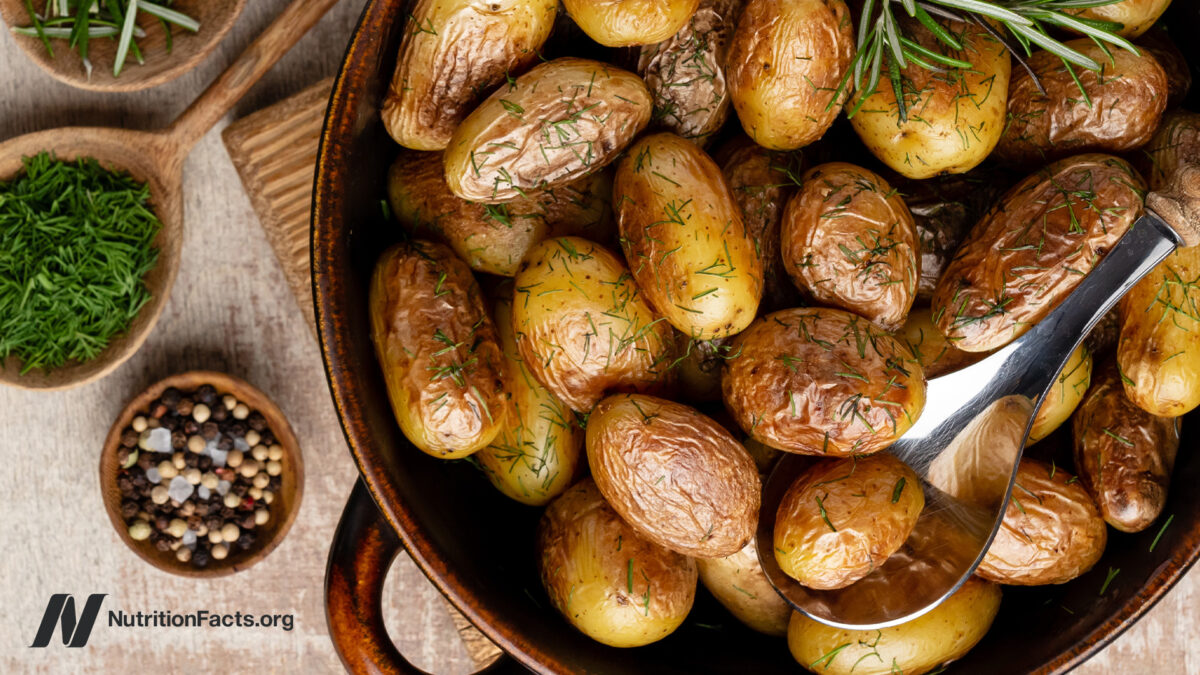
    White potatoes have a high glycemic index, and consumption of high glycemic impact foods may increase the risk of diabetes. Normally, after a meal, we’d like our blood sugars to rise and fall gently and naturally. But with high glycemic foods like potatoes, we get an exaggerated blood sugar spike. This leads our body to over-compensate with insulin, forcing our blood sugars lower than when we started, which results in negative metabolic consequences, such as a rise in triglyceride fats in the blood, as you can see below and at 0:34 in my video How to Reduce the Glycemic Impact of Potatoes.

    However, potatoes are a good source of vitamin C, potassium, and polyphenols, which may counterbalance their glycemic impact. This may explain why potatoes appear to have a neutral effect when it comes to lifespan, unlike other whole plant foods that have been associated with actively living longer.

    In my last blog, I explained how the act of chilling cooked potatoes can dramatically lower their glycemic index, even if you then reheat them in a microwave. How else might we reduce the glycemic impact of white potatoes? The same way you make anything better in your nutritional life—add broccoli. Eating two servings of cooked broccoli with your mashed potatoes would certainly do it, immediately cutting the insulin demand by nearly 40%. In contrast, adding chicken breast makes things worse, and adding tuna fish makes things even worse still, nearly doubling the amount of insulin your body has to pump out, as shown below and at 1:31 in my video.

    Why does plant protein make things better, but animal protein makes things worse? Because decreased consumption of branched-chain amino acids improves metabolic health. I cover this in my book How Not to Diet, as well as in my video on the topic.

    Speaking of How Not to Diet, remember the section on vinegar? The graph below illustrates the blood sugar and insulin spikes that someone with prediabetes may experience after eating a bagel. When that same bagel is consumed alongside a tablespoon or so of apple cider vinegar diluted in about a quarter cup of water, though, the spikes are significantly reduced, as you can see below and at 2:10 in my video.

    Does it work for potatoes, too? Simply chilling potatoes may cut down on the blood sugar and insulin spikes, but to get significant drops in both, you just have to add about a tablespoon of vinegar to drop levels by 30% to 40%. And that was just plain white distilled vinegar.

    Is it the vinegar itself, or would any acidic condiment do? In a test tube, lemon juice appeared to have a remarkable starch-blocking effect, but you can’t know if it works in people until you put it to the test. And indeed, lemon juice reduces the glycemic responses to bread. And not just by a little, but by about 30%, as you can see below and at 2:50 in my video.

    Now, the study participants were drinking a half cup of lemon juice, but that makes it even more remarkable that it was helpful because that added an extra half teaspoon of sugar, yet they still had a better blood sugar response. Vinegar is more potent, though. Just one to two tablespoons a day of vinegar diluted in water can significantly improve both short- and long-term blood sugar control in people with diabetes, which is why clinicians may want to include vinegar consumption as part of their dietary recommendations for their patients with diabetes.

    Doctor’s Note

    This is the fourth video in a five-part series on potatoes. Missed the first three? See:

    What about the glycoalkaloid toxins in potatoes? I cover that and discuss the best kind of potato in my upcoming final video in the series: The Healthiest Type of Potato.


    Source link

  • Mindful Munching: 10 Simple Ways to Incorporate Mindful Eating into Your Daily Routine (Target keywords: mindful eating, daily routine)

    Mindful Munching: 10 Simple Ways to Incorporate Mindful Eating into Your Daily Routine (Target keywords: mindful eating, daily routine)

    In today’s fast-paced world, it’s easy to get caught up in the hustle and bustle of daily life and forget to prioritize one of the most essential aspects of our well-being: eating. Many people find themselves scarfing down meals on-the-go, in front of the TV, or while scrolling through their phones, without even realizing what they’re putting into their bodies. This mindless eating can lead to a range of negative consequences, from weight gain and digestive issues to decreased satisfaction and enjoyment of food. That’s where mindful eating comes in – a powerful practice that can transform the way we approach meals and snacks, and have a profound impact on our overall health and happiness.

    What is Mindful Eating?

    Mindful eating is the practice of paying attention to the experience of eating, savoring each bite, and being fully present in the moment. It’s about cultivating awareness of the sights, smells, tastes, and textures of food, as well as the physical sensations of hunger and fullness. By eating mindfully, individuals can develop a healthier relationship with food, reduce stress and anxiety, and even improve their digestion and nutrient absorption. Incorporating mindful eating into your daily routine can be simple and straightforward, and can have a significant impact on your overall well-being.

    10 Simple Ways to Incorporate Mindful Eating into Your Daily Routine

    1. Start with a Morning Mindful Moment: Begin each day by taking a few deep breaths, noticing the sensation of the air moving in and out of your body, and setting an intention to eat mindfully throughout the day. This simple practice can help set a positive tone for the rest of the day and increase your awareness of your eating habits.
    2. Eat Slowly and Savor: When sitting down to a meal, make a conscious effort to slow down and savor each bite. Pay attention to the flavors, textures, and aromas of your food, and chew slowly and thoroughly. This can help you enjoy your food more, reduce stress, and even improve digestion.
    3. Remove Distractions: Turn off the TV, put away your phone, and eat in a distraction-free environment. This can help you focus on the experience of eating and reduce mindless snacking.
    4. Use All of Your Senses: When eating, engage all of your senses – sight, smell, touch, taste, and hearing. Notice the colors and presentation of your food, the aromas and flavors, the textures and temperatures, and the sounds of sizzling or crunching.
    5. Listen to Your Body: Pay attention to your physical sensations of hunger and fullness, and eat when you’re hungry, stopping when you’re satisfied. This can help you develop a healthier relationship with food and reduce overeating.
    6. Practice Gratitude: Take a moment before each meal to reflect on the food in front of you and express gratitude for the nourishment it will provide. This can help cultivate a positive and appreciative attitude towards food and eating.
    7. Try Mindful Snacking: When reaching for a snack, take a moment to notice your motivations – are you hungry, bored, or stressed? Choose a healthy snack, and eat it slowly and mindfully, savoring the flavors and textures.
    8. Eat with Others: Sharing meals with others can be a great way to cultivate mindful eating, as it encourages social interaction, slows down the pace of eating, and fosters a sense of community and connection.
    9. Keep a Food Diary: Writing down what you eat, how you feel, and your physical sensations can help you become more aware of your eating habits and identify patterns and areas for improvement.
    10. Make Mealtime a Ritual: Create a consistent and enjoyable mealtime routine, whether it’s lighting candles, playing soothing music, or using your favorite dishes. This can help signal to your brain that it’s time to eat and make the experience more enjoyable and satisfying.

    The Benefits of Mindful Eating

    Incorporating mindful eating into your daily routine can have a range of benefits, from improved digestion and nutrient absorption to increased satisfaction and enjoyment of food. By eating mindfully, individuals can also reduce stress and anxiety, develop a healthier relationship with food, and even improve their overall mental and physical well-being. Additionally, mindful eating can help with weight management, as it encourages individuals to listen to their bodies and eat when they’re hungry, stopping when they’re satisfied.

    Overcoming Common Challenges

    While incorporating mindful eating into your daily routine can be simple and straightforward, there are common challenges that may arise. One of the biggest obstacles is finding the time and motivation to eat mindfully, especially in a busy and fast-paced world. To overcome this, start small – try incorporating one or two mindful eating practices into your daily routine and gradually build up to more. Another challenge is dealing with emotional eating – using food as a way to cope with stress, anxiety, or other emotions. To overcome this, try to identify your emotional triggers and develop healthier coping mechanisms, such as meditation, exercise, or talking to a friend.

    Conclusion

    Incorporating mindful eating into your daily routine can be a powerful way to transform your relationship with food and improve your overall health and happiness. By eating slowly, savoring each bite, and being fully present in the moment, individuals can develop a healthier and more positive approach to eating. Whether you’re looking to improve your digestion, reduce stress, or simply enjoy your food more, mindful eating can be a simple and effective solution. So why not give it a try? Start with one or two mindful eating practices today, and see the positive impact it can have on your daily routine and overall well-being.

    Frequently Asked Questions

    Q: What is mindful eating, and how does it differ from regular eating?
    A: Mindful eating is the practice of paying attention to the experience of eating, savoring each bite, and being fully present in the moment. It differs from regular eating in that it encourages individuals to slow down, be more aware of their physical sensations, and cultivate a healthier relationship with food.

    Q: How can I incorporate mindful eating into my busy daily routine?
    A: Start small – try incorporating one or two mindful eating practices into your daily routine, such as eating slowly or removing distractions. Gradually build up to more practices, and find what works best for you.

    Q: What are some common benefits of mindful eating?
    A: Some common benefits of mindful eating include improved digestion, increased satisfaction and enjoyment of food, reduced stress and anxiety, and a healthier relationship with food.

    Q: How can I overcome emotional eating and develop a healthier relationship with food?
    A: Try to identify your emotional triggers and develop healthier coping mechanisms, such as meditation, exercise, or talking to a friend. Practice mindful eating, and focus on cultivating a positive and appreciative attitude towards food and eating.

    Q: Can mindful eating help with weight management?
    A: Yes, mindful eating can help with weight management by encouraging individuals to listen to their bodies and eat when they’re hungry, stopping when they’re satisfied. It can also help reduce overeating and improve nutrient absorption.

    mindful-munching-10-simple-ways-to-incorporate-mindful-eating-into-your-daily-routine-target-keywords-mindful-eating-daily-routine

  • Eating to Downregulate a Gene for Metastatic Cancer 

    Eating to Downregulate a Gene for Metastatic Cancer 

    Women with breast cancer should include the “liberal culinary use of cruciferous vegetables.”

    Both the Women’s Intervention Nutrition Study and the Women’s Health Initiative study showed that women randomized to a lower-fat diet enjoyed improved breast cancer survival. However, in the Women’s Healthy Eating and Living Study, women with breast cancer were also randomized to drop their fat intake down to 15 to 20 percent of calories, yet there was no difference in breast cancer relapse or death after seven years.

    Any time there’s an unexpected result, you must question whether the participants actually followed through with study instructions. For instance, if you randomized people to stop smoking and they ended up with the same lung cancer rates as those in the group who weren’t instructed to quit, one likely explanation is that the group told to stop smoking didn’t actually stop. In the Women’s Healthy Eating and Living Study, both the dietary intervention group and the control group started out at about 30 percent of calories from fat. Then, the diet group was told to lower their fat intake to 15 to 20 percent of calories. By the end of the study, they had in fact gone from 28.5 percent fat to 28.9 percent fat, as you can see below and at 1:16 in my video The Food That Can Downregulate a Metastatic Cancer Gene. They didn’t even reduce their fat intake. No wonder they didn’t experience any breast cancer benefit. 

    When you put together all the trials on the effect of lower-fat diets on breast cancer survival, even including that flawed study, you see a reduced risk of breast cancer relapse and a reduced risk of death. In conclusion, going on a low-fat diet after a breast cancer diagnosis “can improve breast cancer survival by reducing the risk of recurrence.” We may now know why: by targeting metastasis-initiating cancer cells through the fat receptor CD36.

    We know that the cancer-spreading receptor is upregulated by saturated fat. Is there anything in our diet that can downregulate it? Broccoli.

    Broccoli appears to decrease CD36 expression by as much as 35 percent (in mice). Of all fruits and vegetables, cruciferous vegetables like broccoli were the only ones associated with significantly less total risk of cancer and not just getting cancer in the first place, as you can see here and at 2:19 in my video.

    Those with bladder cancer who eat broccoli also appear to live longer than those who don’t, and those with lung cancer who eat more cruciferous veggies appear to survive longer, too.

    For example, as you can see below and at 2:45 in my video, one year out, about 75 percent of lung cancer patients eating more than one serving of cruciferous vegetables a day were still alive (the top line in red), whereas, by then, most who had been getting less than half a serving a day had already died from their cancer (the bottom line in green).

    Ovarian cancer, too. Intake of cruciferous vegetables “significantly favored survival,” whereas “a survival disadvantage was shown for meats.” Milk also appeared to double the risk of dying. Below and at 3:21 in my video are the survival graphs. Eight years out, about 40 percent of ovarian cancer patients who averaged meat or milk every day were deceased (the boldest line, on the bottom), compared to only about 20 percent who had meat or milk only a few times a week at most (the faintest line, on the top). 

    Now, it could be that the fat and cholesterol in meat increased circulating estrogen levels, or it could be because of meat’s growth hormones or all its carcinogens. And galactose, the sugar naturally found in milk, may be directly toxic to the ovary. Dairy has all its hormones, too. However, the lowering of risk with broccoli and the increasing of risk with meat and dairy are also consistent with the CD36 mechanism of cancer spread.

    Researchers put it to the test in patients with advanced pancreatic cancer who were given pulverized broccoli sprouts or a placebo. The average death rate was lower in the broccoli sprout group compared to the placebo group. After a month, 18 percent of the placebo group had died, but none in the broccoli group. By three months, another 25 percent of the placebo group had died, but still not a single death in the broccoli group. And by six months, 43 percent of the remaining patients in the placebo group were deceased, along with the first 25 percent of the broccoli group. Unfortunately, even though the capsules for both groups looked the same, “true blinding was not possible,” and the patients knew which group they were in “because the pulverized broccoli sprouts could be easily distinguished from the methylcellulose [placebo] through their characteristic smell and taste.” So, we can’t discount the placebo effect. What’s more, the study participants weren’t properly randomized “because many of the patients refused to participate unless they were placed into the [active] treatment group.” That’s understandable, but it makes for a less rigorous result. A little broccoli can’t hurt, though, and it may help. It’s the lack of downsides of broccoli consumption that leads to “Advising Women Undergoing Treatment for Breast Cancer” to include the “liberal culinary use of cruciferous vegetables,” for example.

    It’s the same for reducing saturated fat. The title of an editorial in a journal of the National Cancer Institute asked: “Is It Time to Give Breast Cancer Patients a Prescription for a Low-Fat Diet?” “Although counseling women to consume a healthy diet after breast cancer diagnosis is certainly warranted for general health, the existing data still fall a bit short of proving this will help reduce the risk of breast cancer recurrence and mortality.” But what do we have to lose? After all, it’s still certainly warranted for general health.


    Source link

  • Eating to Help Control Cancer Metastasis 

    Eating to Help Control Cancer Metastasis 

    Randomized controlled trials show that lowering saturated fat intake can lead to improved breast cancer survival.

    The leading cause of cancer-related death is metastasis. Cancer kills because cancer spreads. The five-year survival rate for women with localized breast cancer is nearly 99 percent, for example, but that falls to only 27 percent in women with metastasized cancer. Yet, “our ability to effectively treat metastatic disease has not changed significantly in the past few decades…” The desperation is evident when there are such papers as “Targeting Metastasis with Snake Toxins: Molecular Mechanisms.”

    We have built-in defenses, natural killer cells that roam the body, killing off budding tumors. But, as I’ve discussed, there’s a fat receptor called CD36 that appears to be essential for cancer cells to spread, and these cancer cells respond to dietary fat intake, but not all fat.

    CD36 is upregulated by palmitic acid, as much as a 50-fold increase within 12 hours of consumption, as shown below and at 1:13 in my video How to Help Control Cancer Metastasis with Diet.

    Palmitic acid is a saturated fat made from palm oil that can be found in junk food, but it is most concentrated in meat and dairy. This may explain why, when looking at breast cancer mortality and dietary fat, “there was no difference in risk of breast-cancer-specific death…for women in the highest versus the lowest category of total fat intake,” but there’s about a 50 percent greater likelihood of dying of breast cancer with higher intake of saturated fat. Researchers conclude: “These meta-analyses have shown that saturated fat intake negatively impacts breast cancer survival.”

    This may also explain why “intake of high-fat dairy, but not low-fat dairy, was related to a higher risk of mortality after breast cancer diagnosis.” If a protein in dairy, like casein, was the problem, skim milk might be even worse, but that wasn’t the case. It’s the saturated butterfat, perhaps because it triggered that cancer-spreading mechanism induced by CD36. Women who consumed one or more daily servings of high-fat dairy had about a 50 percent higher risk of dying from breast cancer.

    We see the same with dairy and its relationship to prostate cancer survival. Researchers found that “drinking high-fat milk increased the risk of dying from prostate cancer by as much as 600% in patients with localized prostate cancer. Low-fat milk was not associated with such an increase in risk.” So, it seems to be the animal fat, rather than the animal protein, and these findings are consistent with analyses from the Health Professionals Follow-up Study (HPFS) and the Physicians’ Health Study (PHS), conducted by Harvard researchers.

    There is even more evidence that the fat receptor CD36 is involved. The “risk of colorectal cancer for meat consumption” increased from a doubling to an octupling—that is, the odds of getting cancer multiplied eightfold for those who carry a specific type of CD36 gene. So, “Is It Time to Give Breast Cancer Patients a Prescription for a Low-Fat Diet?” A cancer diagnosis is often referred to as a ‘teachable moment’ when patients are motivated to make changes to their lifestyle, and so provision of evidence-based guidelines is essential.”

    In a randomized, prospective, multicenter clinical trial, researchers set out “to test the effect of a dietary intervention designed to reduce fat intake in women with resected, early-stage breast cancer,” meaning the women had had their breast cancer surgically removed. As shown below and at 4:02 in my video, the study participants in the dietary intervention group dropped their fat intake from about 30 percent of calories down to 20 percent, reduced their saturated fat intake by about 40 percent, and maintained it for five years. “After approximately 5 years of follow-up, women in the dietary intervention group had a 24% lower risk of relapse”—a 24-percent lower risk of the cancer coming back—“than those in the control group.” 

    That was the WINS study, the Women’s Intervention Nutrition Study. Then there was the Women’s Health Initiative study, where, again, women were randomized to lower their fat intake down to 20 percent of calories, and, again, “those randomized to a low-fat dietary pattern had increased breast cancer overall survival. Meaning: A dietary change may be able to influence breast cancer outcome.” What’s more, not only was their breast cancer survival significantly greater, but the women also experienced a reduction in heart disease and a reduction in diabetes.


    Source link

  • Eating with Hypothyroidism and Hyperthyroidism 

    Eating with Hypothyroidism and Hyperthyroidism 

    Is the apparent protection of plant-based diets for thyroid health due to the exclusion of animal foods, the benefits of plant foods, or both?

    Several autoimmune diseases affect the thyroid gland, and Graves’ disease and Hashimoto’s thyroiditis are the most common. Graves’ disease results in hyperthyroidism, an overactive thyroid gland. Though slaughter plants are supposed to remove animals’ thyroid glands as they “shall not be used for human food,” should some neck meat slip in, you can suffer a similar syndrome called Hamburger thyrotoxicosis. That isn’t from your body making too much thyroid hormone, though. Rather, it’s from your body eating too much thyroid hormone. Graves’ disease is much more common, and meat-free diets may be able to help with both diseases, as plant-based diets may be associated with a low prevalence of autoimmune disease in general, as observed, for example, in rural sub-Saharan Africa. Maybe it’s because plants are packed with “high amounts of antioxidants, possible protective factors against autoimmune disease,” or because they’re packed with anti-inflammatory compounds. After all, “consuming whole, plant-based foods is synonymous with an anti-inflammatory diet.” But you don’t know until you put it to the test.

    It turns out that the “exclusion of all animal foods was associated with half the prevalence of hyperthyroidism compared with omnivorous diets. Lacto-ovo [dairy-and-egg] and pesco [fish] vegetarian diets were associated with intermediate protection.” But, for those eating strictly plant-based, there is a 52 percent lower odds of hyperthyroidism.

    As I discuss in my video The Best Diet for Hypothyroidism and Hyperthyroidism, this apparent protection “may be due to the exclusion of animal foods, the [beneficial] effects of plant foods, or both. Animal foods like meat, eggs, and dairy products may contain high oestrogen concentrations, which have been linked to autoimmunity in cell and animal studies.” Or it could be because the decrease in animal protein by excluding animal foods may downregulate IGF-1, which is not just a cancer-promoting growth hormone, but may play a role in autoimmune diseases. The protection could also come from the goodness in plants that may “protect cells against autoimmune processes,” like the polyphenol phytochemicals, such as flavonoids found in plant foods. Maybe it’s because environmental toxins build up in the food chain. For example, fish contaminated with industrial pollutants, like PCBs, are associated with an increased frequency of thyroid disorders.

    But what about the other autoimmune thyroid disease, Hashimoto’s thyroiditis, which, assuming you’re getting enough iodine, is the primary cause of hypothyroidism, an underactive thyroid gland? Graves’ disease wasn’t the only autoimmune disorder that was rare or virtually unknown among those living in rural sub-Saharan Africa, eating near-vegan diets. They also appeared to have less Hashimoto’s.

    There is evidence that those with Hashimoto’s have compromised antioxidant status, but we don’t know if it’s cause or effect. But if you look at the dietary factors associated with blood levels of autoimmune anti-thyroid antibodies, animal fats seem to be associated with higher levels, whereas vegetables and other plant foods are associated with lower levels. So, again, anti-inflammatory diets may be useful. It’s no surprise, as Hashimoto’s is an inflammatory disease—that’s what thyroiditis means: inflammation of the thyroid gland.

    Another possibility is the reduction in intake of methionine, an amino acid concentrated in animal protein, thought to be one reason why “regular consumption of whole-food vegan diets is likely to have a favourable influence on longevity through decreasing the risk of cancer, coronary [heart] disease, and diabetes.” Methionine restriction improves thyroid function in mice, but it has yet to be put to the test for Hashimoto’s in humans.

    If you compare the poop of patients with Hashimoto’s to controls, the condition appears to be related to a clear reduction in the concentration of Prevotella species. Prevotella are good fiber-eating bugs known to enhance anti-inflammatory activities. Decreased Prevotella levels are also something you see in other autoimmune conditions, such as multiple sclerosis and type 1 diabetes. How do you get more Prevotella? Eat more plants. If a vegetarian goes on a diet of meat, eggs, and dairy, within as few as four days, their levels can drop. So, one would expect those eating plant-based diets to have less Hashimoto’s, but in a previous video, I expressed concern about insufficient iodine intake, which could also lead to hypothyroidism. So, which is it? Let’s find out.

    “In conclusion, a vegan diet tended to be associated with lower, not higher, risk of hypothyroid disease.” Why “tended”? The associated protection against hypothyroidism incidence and prevalence studies did not reach statistical significance. It wasn’t just because they were slimmer either. The lower risk existed even after controlling for body weight. So, researchers think it might be because animal products may induce inflammation. The question I have is: If someone who already has Hashimoto’s, what happens if they change their diet? That’s exactly what I’ll explore next.

    This is the third in a four-video series on thyroid function. The first two were Are Vegans at Risk for Iodine Deficiency? and Friday Favorites: The Healthiest Natural Source of Iodine.

    Stay tuned for the final video: Diet for Hypothyroidism: A Natural Treatment for Hashimoto’s Disease


    Source link

  • 10 Essential Healthy Eating Habits for a Fit and Toned Body (Target keywords: healthy eating habits, fit body)

    10 Essential Healthy Eating Habits for a Fit and Toned Body (Target keywords: healthy eating habits, fit body)

    She knows that achieving a fit and toned body is not just about exercising regularly, but also about adopting healthy eating habits. In fact, a well-balanced diet plays a crucial role in supporting overall health and fitness goals. By incorporating the right foods into her diet, she can fuel her body with the necessary nutrients to build and maintain a strong, lean physique.

    To help her on her journey to a fit body, she needs to focus on developing healthy eating habits that promote optimal nutrition and satisfaction. This means being mindful of the foods she chooses to eat, as well as the way she eats them. By adopting healthy eating habits, she can improve her overall health, increase her energy levels, and support her fitness goals.

    Understanding the Importance of Healthy Eating Habits

    Healthy eating habits are essential for maintaining a fit body. When she eats a balanced diet that includes a variety of whole foods, she provides her body with the necessary nutrients to function properly. A diet rich in fruits, vegetables, whole grains, lean proteins, and healthy fats supports muscle growth and repair, boosts metabolism, and enhances overall health. On the other hand, a diet high in processed foods, sugar, and unhealthy fats can lead to weight gain, fatigue, and increased risk of chronic diseases.

    1. Eat a Variety of Whole Foods

    One of the most important healthy eating habits is to eat a variety of whole foods. Whole foods include fruits, vegetables, whole grains, lean proteins, and healthy fats. These foods provide essential nutrients like vitamins, minerals, and antioxidants that support overall health and fitness. By including a variety of whole foods in her diet, she can ensure that she is getting all the necessary nutrients to support her fitness goals.

    2. Stay Hydrated

    Staying hydrated is another essential healthy eating habit. Drinking plenty of water throughout the day helps to flush out toxins, support digestion, and boost energy levels. Even mild dehydration can cause fatigue, headaches, and decreased productivity, which can hinder her fitness progress. By drinking at least eight glasses of water a day, she can stay hydrated and support her overall health and fitness.

    3. Include Protein in Every Meal

    Protein is an essential nutrient for building and repairing muscle tissue. To support her fitness goals, she needs to include protein in every meal. Good sources of protein include lean meats, fish, eggs, dairy, legumes, and nuts. By consuming enough protein, she can support muscle growth and repair, which is essential for achieving a fit and toned body.

    4. Choose Complex Carbohydrates

    Complex carbohydrates are another essential nutrient for a fit body. Foods rich in complex carbohydrates, such as whole grains, fruits, and vegetables, provide sustained energy and fiber. By choosing complex carbohydrates over refined carbohydrates, she can support healthy digestion, boost energy levels, and reduce the risk of chronic diseases.

    5. Healthy Fats are Essential

    Healthy fats are often misunderstood, but they are essential for a fit body. Foods rich in healthy fats, such as nuts, seeds, avocados, and olive oil, provide essential fatty acids that support heart health, satisfy hunger, and enhance the absorption of vitamins and minerals. By including healthy fats in her diet, she can support overall health and fitness.

    6. Limit Processed Foods

    Processed foods are a major obstacle to achieving a fit body. These foods are high in unhealthy ingredients like added sugars, salt, and unhealthy fats, which can lead to weight gain, fatigue, and increased risk of chronic diseases. By limiting processed foods and choosing whole foods instead, she can support her fitness goals and overall health.

    7. Eat Regular Meals

    Eating regular meals is another essential healthy eating habit. By eating three main meals and one or two snacks per day, she can support healthy metabolism, boost energy levels, and prevent overeating. Regular meals also help to regulate blood sugar levels, which is essential for maintaining a fit body.

    8. Be Mindful of Portion Sizes

    Being mindful of portion sizes is crucial for achieving a fit body. Eating large portions can lead to overeating, which can hinder fitness progress. By controlling portion sizes, she can support healthy weight management, reduce the risk of chronic diseases, and maintain a balanced diet.

    9. Cook at Home

    Cooking at home is another essential healthy eating habit. When she cooks at home, she can control the ingredients and portion sizes of her meals, which helps to support healthy eating. Cooking at home also allows her to prepare meals in advance, which can save time and money.

    10. Get Enough Sleep

    Finally, getting enough sleep is essential for a fit body. During sleep, her body repairs and rebuilds muscle tissue, which is essential for achieving a fit and toned body. By getting at least seven to eight hours of sleep per night, she can support muscle growth and repair, boost energy levels, and enhance overall health and fitness.

    In conclusion, adopting healthy eating habits is essential for achieving a fit and toned body. By incorporating the right foods into her diet, staying hydrated, including protein in every meal, choosing complex carbohydrates, and limiting processed foods, she can support her fitness goals and overall health. By making healthy eating a priority, she can achieve a strong, lean physique and enjoy overall health and well-being.

    Frequently Asked Questions

    Q: What is the most important healthy eating habit for a fit body?
    A: Eating a variety of whole foods is the most important healthy eating habit for a fit body. Whole foods provide essential nutrients like vitamins, minerals, and antioxidants that support overall health and fitness.

    Q: How much water should I drink per day?
    A: It is recommended to drink at least eight glasses of water per day to stay hydrated and support overall health and fitness.

    Q: Can I still achieve a fit body if I don’t like healthy foods?
    A: Yes, it is possible to achieve a fit body even if you don’t like healthy foods. Start by introducing small changes to your diet, such as adding a serving of fruits or vegetables to your meals. Gradually increase your intake of healthy foods to support your fitness goals.

    Q: How can I control my portion sizes?
    A: Controlling portion sizes can be challenging, but there are several strategies that can help. Use a food scale or measuring cups to measure your food portions. Eat slowly and stop when you feel satisfied, rather than stuffed. Avoid eating in front of the TV or computer, as this can lead to mindless snacking.

    Q: Can I still eat out and achieve a fit body?
    A: Yes, it is possible to eat out and still achieve a fit body. Choose restaurants that serve healthy options, and opt for grilled or baked foods instead of fried. Control your portion sizes and avoid overeating. Also, try to cook at home most of the time and save eating out for special occasions.

    10-essential-healthy-eating-habits-for-a-fit-and-toned-body-target-keywords-healthy-eating-habits-fit-body

  • Eating to Treat Crohn’s Disease 

    Eating to Treat Crohn’s Disease 

    Switching to a plant-based diet has been shown to achieve far better outcomes than those reported on conventional treatments for both active and quiescent stages of Crohn’s disease (CD) and ulcerative colitis.

    Important to our understanding and the prevention of the global increase of inflammatory bowel disease (IBD), we know that “dietary fiber reduces risk, whereas dietary fat, animal protein, and sugar increase it.” “Despite the recognition of westernization of lifestyle as a major driver of the growing incidence of IBD, no countermeasures against such lifestyle changes have been recommended, except that patients with Crohn’s disease should not smoke.”

    We know that “consuming whole, plant-based foods is synonymous with an anti-inflammatory diet.” Lists of foods with inflammatory effects and anti-inflammatory effects are shown here and at 0:50 in my video, The Best Diet for Crohn’s Disease.

    How about putting a plant-based diet to the test?

    Cutting down on red and processed meats didn’t work, but what about cutting down on all meat? A 25-year-old man “with newly diagnosed CD…failed to enter clinical remission despite standard medical therapy. After switching to a diet based exclusively on grains, legumes [beans, split peas, chickpeas, and lentils], vegetables, and fruits, he entered clinical remission without need for medication and showed no signs of CD on follow-up colonoscopy.”

    It’s worth delving into some of the details. The conventional treatment he was started on is infliximab, sold as REMICADE®, which can cause a stroke and may increase our chances of getting lymphoma or other cancers. (It also costs $35,000 a year.) It may not even work in 35 to 40 percent of patients, and that seemed to be the case with the 25-year-old man. So, his dose was increased after 37 weeks, but he was still suffering after two years on the drug. Then he completely eliminated animal products and processed foods from his diet and finally experienced a complete resolution of his symptoms.

    “Prior to this, his diet had been the typical American diet, consisting of meat, dairy products, refined grains, processed foods, and modest amounts of vegetables and fruits. Having experienced complete clinical remission for the first time since his Crohn’s disease diagnosis, the patient decided to switch to a whole food, plant-based diet permanently, severely reducing his intake of processed foods and limiting animal products to one serving, or less, per week.” Whenever his diet slipped, his symptoms started coming back, but he could always eliminate them by eating healthier again. After six months adhering to these diet and lifestyle changes, including stress relief and exercise, a follow-up “demonstrated complete mucosal healing [of the gut lining] with no visible evidence of Crohn’s disease.”

    We know that “a diet consisting of whole grains, legumes, fruits, and vegetables has been shown to be helpful in the prevention and treatment of heart disease, obesity, diabetes, hypertension, gallbladder disease, rheumatoid arthritis, and many cancers. Although further research is required, this case report suggests that Crohn’s disease might be added to this list of conditions.” That further research has already been done! About 20 patients with Crohn’s disease were placed on a semi-vegetarian diet—no more than half a serving of fish once a week and half a serving of meat once every two weeks—and they achieved a 100 percent remission rate at one year and 90 percent at two years.

    Some strayed from the diet, though. What happened to them? As you can see below and at 3:32 in my video, after one year, half had relapsed, and, at year two, only 20 percent had remained in remission. But those who stuck with the semi-veg diet had remarkable success. It was a small study with no formal control group, but it represents the best-reported result in Crohn’s relapse prevention published in the medical literature to date. 

    Nowadays, Crohn’s patients are often treated with so-called biologic drugs, expensive injected antibodies that suppress the immune system. They have effectively induced and maintained remission in Crohn’s disease, but not in everybody. The current remission rate in Crohn’s with early use of REMICADE® is 64 percent. So, 30 to 40 percent of patients “are likely to experience a disabling disease course even after their first treatment.” What about adding a plant-based diet? Remission rates jumped up to 100 percent for those who didn’t have to drop out due to drug side effects. Even after excluding milder cases, researchers found that 100 percent of those with serious, even “severe/fulminant disease, achieved remission.”

    If we look at gold standard systematic reviews, they conclude that the effects of dietary interventions on inflammatory bowel diseases—Crohn’s disease and ulcerative colitis—are uncertain. However, this is because only randomized controlled trials were considered. That’s totally understandable, as that is the most rigorous study design. “Nevertheless, people with IBD deserve advice based on the ‘best available evidence’ rather than no advice at all…” And switching to a plant-based diet has been shown to achieve “far better outcomes” than those reported on conventional treatments in both active and quiescent stages in Crohn’s disease and ulcerative colitis. For example, below and at 5:37 in my video, you can see one-year remission rates in Crohn’s disease (100 percent) compared to budesonide, an immunosuppressant corticosteroid drug (30 to 40 percent), a half elemental diet, such as at-home tube feedings (64 percent), the $35,000-a-year drug REMICADE® (46 percent), or the $75,000-a-year drug Humira (57 percent). 

    Safer, cheaper, and more effective. That’s why some researchers have made the “recommendation of plant-based diets for inflammatory bowel disease.”

    It would seem clear that treatment based on addressing the cause of the disease is optimal. Spreading the word about healthier diets could help halt the scourge of inflammatory bowel disease, but how will people hear about this amazing research without some kind of public education campaign? That’s what NutritionFacts.org is all about.

    Doctor’s Note:

    This is the third in a series on inflammatory bowel disease. If you missed the first two, see Preventing Inflammatory Bowel Disease with Diet and The Best Diet for Ulcerative Colitis Treatment.

    My previous Crohn’s videos include Preventing Crohn’s Disease with Diet and Does Nutritional Yeast Trigger Crohn’s Disease?


    Source link

  • Eating to Keep Ulcerative Colitis in Remission 

    Eating to Keep Ulcerative Colitis in Remission 

    Plant-based diets can be 98 percent effective in keeping ulcerative colitis patients in remission, far exceeding the efficacy of other treatments.

    “One of the most common questions physicians treating patients with IBD [inflammatory bowel disease] are asked is whether changing diet could positively affect the course of their disease.” Traditionally, we had to respond that we didn’t know. That may now be changing, given the “evidence in the literature that hydrogen sulfide may play a role in UC,” ulcerative colitis. And, since the sulfur-containing amino acids concentrated in meat cause an increase in colonic levels of this rotten egg gas, perhaps we should “take off the meat.” Indeed, animal protein isn’t associated only with an increased risk of getting inflammatory bowel disease in the first place, but also IBD relapses once you have the disease.

    This is a recent development. “Because the concept of IBD as a lifestyle disease mediated mainly by a westernized diet is not widely appreciated, an analysis of diet in the follow-up period [after diagnosis] in relation to a relapse of IBD has been ignored”—but no longer. Ulcerative colitis patients in remission and their diets were followed for a year to see which foods were linked to the return of their bloody diarrhea. Researchers found that the “strongest relationship between a dietary factor and an increased risk of relapse observed in this study was for a high intake of meat,” as I discuss in my video The Best Diet for Ulcerative Colitis Treatment.

    What if people lower their intake of sulfur-containing amino acids by decreasing their consumption of animal products? Researchers tried this on four ulcerative colitis patients, and without any change in their medications, the patients experienced about a fourfold improvement in their loose stools. In fact, they felt so much better that the researchers didn’t think it was ethical to try switching the patients back to their typical diets. “Sulfur-containing amino acids are the primary source of dietary sulfur,” so a “low-sulfur” diet essentially means “a shift from a more traditional western diet (high in animal protein and fat, and low in fiber) to more of a plant-based diet (high in fiber, lower in animal protein and fat).” “Altogether, westernized diets are pro-inflammatory, and PBD [plant-based diets] are anti-inflammatory.”

    What can treatment with a plant-based diet do after the onset of ulcerative colitis during a low-carbohydrate weight-loss diet? A 36-year-old man lost 13 pounds on a low-carb diet, but he also lost his health; he was diagnosed with ulcerative colitis. When he was put on a diet centered around whole plant foods, his symptoms resolved without medication. He achieved remission. That was just one case, though. Case reports are akin to glorified anecdotes. The value of case reports lies in their ability to inspire researchers to put them to the test, and that’s exactly what they did.

    Until then, there had never been a study published that focused on using plant-based diets for treating ulcerative colitis. Wrote the researchers, a group of Japanese gastroenterologists, “We consider that the lack of a suitable diet is the biggest issue faced in the current treatment of IBD. We regard IBD as a lifestyle disease caused mainly by our omnivorous (Western) diet. We have been providing a plant-based diet (PBD) to all patients with IBD” for more than a decade and have published extraordinary results, far better than have been reported elsewhere in the medical literature to date. (I profiled some of their early work in one of the first videos that went up on NutritionFacts.org.) The researchers found a plant-based diet to be “effective in the maintenance of remission” in Crohn’s disease by 100 percent at one year and 90 percent at two years. What about a plant-based diet for relapse prevention in ulcerative colitis?

    “Educational hospitalization” involved bringing patients into the hospital to control their diet and educate them about the benefits of plant-based eating (so they’d be more motivated to continue it at home). “Most patients (77%) experienced some improvement, such as disappearance or decrease of bloody stool during hospitalization.” Fantastic!

    Here’s the really exciting part. The researchers then followed the patients for five years, and 81 percent of them remained in remission for the entire five years, and 98 percent kept the disease at bay for at least one year. That blows away other treatments. Those relapse rates are far lower than those reported with medication. Under conventional treatment, other studies found that about half of the individuals relapse, compared to only 2 percent of those taught to eat healthier.

    “A PBD was previously shown to be effective in both the active and quiescent stages of Crohn’s disease. The current study showed that a PBD is effective in both the active and quiescent stages of UC as well.” So, the researchers did another study on even more severely affected cases with active disease and found the same results, with plant-based eating beating conventional drug therapy by far. People felt so much better that they were still eating more plant-based food even six years later. The researchers conclude that a plant-based diet is effective for treating ulcerative colitis to prevent a relapse.

    Why? Well, plant-based diets are rich in fiber, which feeds our good gut bugs. “This observation might partly explain why a PBD prevents a variety of chronic diseases. Indeed, the same explanation applies to IBD, indicating that replacing an omnivorous diet with a PBD in IBD is the right approach.” 
     
    It’s like using plant-based diets to treat the cause of heart disease, our number one killer. Plant-based eating isn’t only safer and cheaper, but it also works better with no noted adverse side effects. Let’s compare that to the laundry list of side effects of immunosuppressants used for ulcerative colitis, like cyclosporine, which you can see below and at 5:40 in my video

    We now have even fancier drugs costing about $60,000 a year, about $5,000 a month, and they don’t even work very well; clinical remission at one year is only about 17 to 34 percent. And, instead of no adverse side effects, the drugs can give us a stroke, give us heart failure, and can even give us cancer, including a rare type of cancer that often results in death. Also, a serious brain disease known as progressive multifocal leukoencephalopathy, which can kill us, and for which there is no known treatment or cure. One drug lists an “increased risk of death” but touts that it’s just “a small pill” in an “easy-to-open bottle.” I’d skip the pills (and their potential side effects) and stick with plant-based eating.

    Doctor’s Note:

    If you missed the previous video, see Preventing Inflammatory Bowel Disease with Diet and stay tuned for The Best Diet for Crohn’s Disease Treatment, coming up next. 
     
    Check the related posts below for some older videos on IBD that may be of interest to you.


    Source link

  • Mindful Eating 101: Simple Tips to Slim Down and Savor Every Bite (optimize for keywords mindful eating, weight loss, and healthy eating)

    Mindful Eating 101: Simple Tips to Slim Down and Savor Every Bite (optimize for keywords mindful eating, weight loss, and healthy eating)

    Mindful Eating 101: Simple Tips to Slim Down and Savor Every Bite

    In today’s fast-paced world, it’s easy to get caught up in the hustle and bustle of daily life and overlook one of the most important aspects of our well-being: eating. With the temptation of quick fixes and convenient packaged snacks, it’s no wonder many of us struggle with mindful eating. But what if we could rewire our relationship with food and transform our diets for the better? The good news is that it’s possible, and we’re here to guide you through the process.

    Understanding Mindful Eating

    Mindful eating is not just about nutrition or dieting; it’s about cultivating a deeper connection with our bodies and the food we put into them. It’s about savoring every bite, listening to our hunger and fullness cues, and honoring our unique relationship with food. By incorporating mindfulness techniques into our daily mealtime routine, we can develop a healthier and more fulfilling relationship with food.

    Simple Tips to Slim Down and Savor Every Bite

    1. Savor Your Food: Take small bites, close your eyes, and focus on the flavors, textures, and aromas of each mouthful. Pay attention to the sensations in your mouth, the way the food dissolves or crunches, and the burst of flavor released. By slowing down and truly savoring your food, you’ll not only enjoy it more but also feel more satisfied.

    2. Eat with Your Senses: Engage your senses by paying attention to the colors, shapes, and presentation of your meal. Notice the aroma, the sound of utensils clinking, and the visual appeal of the dish. This mindfulness will help you appreciate the nuances of your food and reduce distractions.

    3. Develop a Pre-Meal Routine: Before each meal, take a few deep breaths, and mentally prepare your body. This can be as simple as taking a few sips of water, doing some quick stretches, or sending a brief gratitude message to your body. This routine will help you shift gears and focus on the present moment.

    4. Honor Your Hunger and Fullness Cues: Tune in to your body’s natural hunger and fullness signals. When you’re hungry, eat slowly, and stop when you’re satisfied. Don’t force yourself to eat when you’re not, and don’t skip meals. By honoring your body’s natural rhythms, you’ll develop a better relationship with food.

    5. Practice Non-Judgment: Banish negative self-talk about food choices, body shape, and weight. Instead, focus on the present moment, the pleasure of eating, and the nourishment you’re receiving. By adopting a non-judgmental attitude, you’ll create a more positive and intuitive approach to eating.

    6. Eat with Others: Share meals with others and engage in relaxing, pleasant conversations. Social eating can be a powerful way to slow down, savor, and enjoy the experience. Bonus points if you can turn off your phone and put away your devices!

    7. Be Kind to Yourself: Remember that setbacks are inevitable, and it’s okay to make mistakes. Don’t beat yourself up over a slipped slip-up or overindulgence. Instead, acknowledge the event, and gently refocus on your mindful eating goals.

    How Mindful Eating Can Help with Weight Loss

    By incorporating mindful eating techniques into your daily routine, you’ll begin to notice significant changes in your overall well-being and weight management. Here are some key benefits:

    • Reduced Binge Eating: By eating when you’re hungry, stopping when you’re full, and savoring each bite, you’ll eliminate the need for emotional snacking and reduce the likelihood of overeating.
    • Increased Satiety: Mindful eating has been linked to reduced inflammation, improved gut health, and increased satisfaction from meals, leading to fewer calories consumed and more sustainable weight loss.
    • Improved Nutrient Intake: By paying attention to your food choices, you’ll prioritize nutrient-dense options, such as fruits, vegetables, whole grains, and lean protein sources, leading to a more balanced diet.
    • Enhanced Metabolism: By fueling your body with whole, nutrient-rich foods, you’ll boost your metabolism, supporting a healthy weight and overall well-being.

    Conclusion

    Mindful eating is not a diet; it’s a journey towards a more intentional relationship with food. By integrating these simple tips into your daily routine, you’ll experience a profound shift in your approach to eating, leading to lasting weight loss, improved health, and a deeper connection with your body. Remember, mindful eating is a skill that can be developed with practice, patience, and self-compassion.

    Frequently Asked Questions

    Q: I’m not sure where to start. How do I begin?
    A: Start by taking small steps, like savoring a single bite or practicing deep breathing exercises during meals. Gradually build upon these habits, and you’ll be well on your way to developing a mindful eating routine.

    Q: How do I deal with social eating situations, like parties or holidays?
    A: Bring a small, healthy snack to share, and engage in conversations about topics other than food. Remember, it’s okay to politely decline seconds or try a small taste, if you’re not interested in more.

    Q: What about snacks? Can I still have them?
    A: Absolutely! Snacking can be an opportunity to savor and enjoy, but be mindful of portion sizes and nutritional density. Choose nutrient-dense options, like fruits, nuts, or veggies with hummus.

    Q: What if I still struggle with disordered eating or body image issues? How do I rewire my feelings around food?
    A: Seek professional help from a registered dietitian, therapist, or health coach, who can guide you through the process. Remember, developing a healthy relationship with food is a journey, and it’s okay to take it one step at a time.

    mindful-eating-101-simple-tips-to-slim-down-and-savor-every-bite-optimize-for-keywords-mindful-eating-weight-loss-and-healthy-eating

  • Mystery Disease Claims Dozens of Lives, Including Children Who Died After Eating a Bat

    Mystery Disease Claims Dozens of Lives, Including Children Who Died After Eating a Bat

    More than 50 people have died in the northwest Democratic Republic of Congo from a mystery illness that first appeared in three children who ate a bat.

    The disease has an alarming fatality rate, infecting at least 419 people since its outbreak on January 21, according to the World Health Organization (WHO) and local doctors. Many victims die within 48 hours of showing symptoms, as reported by the Associated Press.

    “That’s what’s really worrying,” Serge Ngalebato, the medical director of Bikoro Hospital, told AP.

    The outbreak began in the town of Boloko after three children reportedly consumed a bat and died shortly afterward from hemorrhagic fever symptoms. A second outbreak followed in the nearby town of Bomate on February 9.

    Samples from 13 cases have been sent to Congo’s National Institute for Biomedical Research, but tests for Ebola and other hemorrhagic fevers, such as Marburg, have so far come back negative. Some patients tested positive for malaria, but its connection to the illness remains unclear.

    Congo has battled an overlapping series of disease outbreaks, including typhoid, malaria and mpox. The most recent mpox outbreak surged to 47,000 suspected cases and is thought to have caused over 1,000 deaths. Another unidentified flu-like illness killed more than 143 people in 2024 before health authorities determined malaria was the likely cause, CBS News reported.

    Zoonotic diseases—illnesses that jump from animals to humans—have long been of concern to health officials, particularly in regions where wild animals are commonly consumed. WHO has reported a 60% increase in such outbreaks in Africa over the past decade.

    Originally published by Latin Times.

    Source link