Tag: Delivery

  • The Science of Blood Circulation and Its Role in Oxygen Nutrient Transport and Hormone Delivery

    The Science of Blood Circulation and Its Role in Oxygen Nutrient Transport and Hormone Delivery

    Blood is essential for life, enabling circulation, oxygen delivery, nutrient transport, and hormone delivery throughout the body. Through an intricate system of vessels powered by the heart, blood ensures that every cell receives the substances it needs to function. This continuous movement supports energy production, growth, and overall balance.

    What Is Blood and What Does It Do?

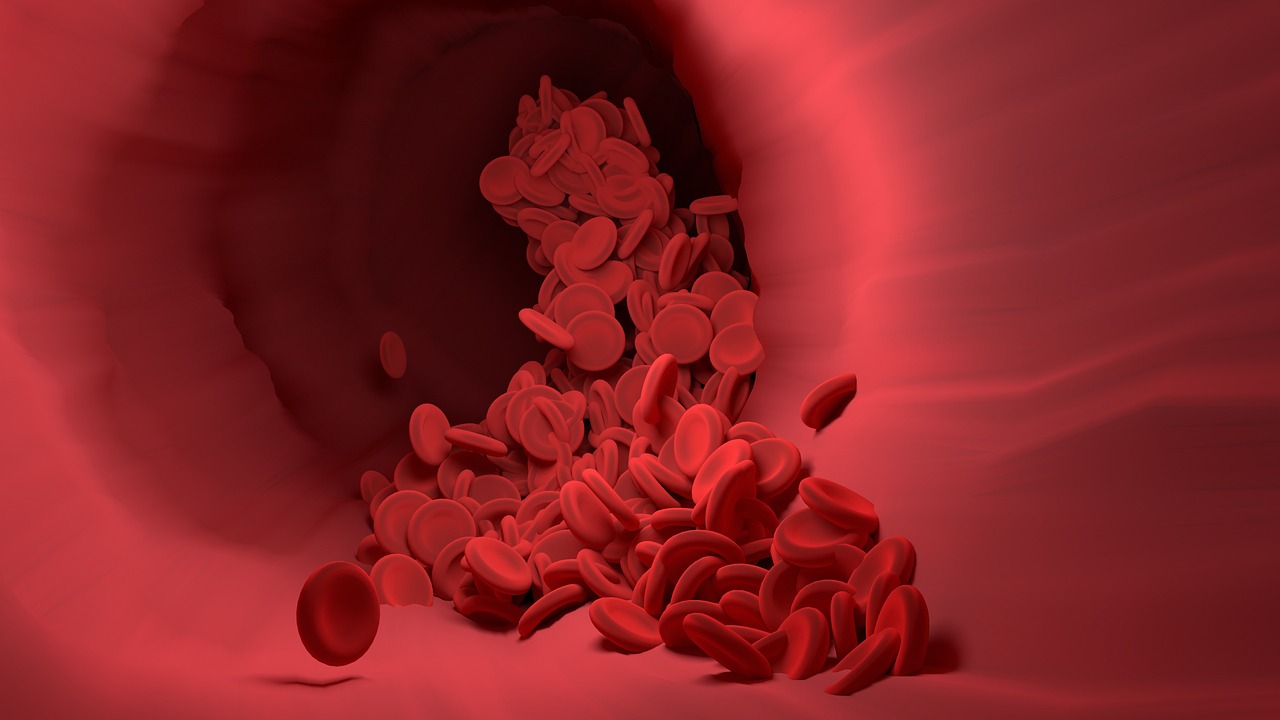
    Blood is a specialized fluid made up of plasma, red blood cells, white blood cells, and platelets. Each component plays a specific role in maintaining health.

    Plasma carries nutrients, hormones, and waste products. Red blood cells transport oxygen, white blood cells defend against infection, and platelets help with clotting. Together, these components allow blood to support circulation, regulate internal conditions, and sustain cellular activity.

    How Blood Circulation Works

    Circulation refers to the continuous movement of blood through the cardiovascular system, including the heart and blood vessels. This system ensures that oxygen and nutrients reach tissues while waste products are removed.

    There are two main pathways. Pulmonary circulation moves blood between the heart and lungs for oxygen exchange, while systemic circulation distributes oxygen-rich blood to the rest of the body. This continuous flow keeps cells supplied and functioning efficiently.

    How Blood Delivers Oxygen to Cells

    Oxygen delivery is a critical function of blood. Red blood cells contain hemoglobin, a protein that binds oxygen in the lungs and carries it through the circulation.

    In the lungs, oxygen enters the blood through alveoli and attaches to hemoglobin. As blood reaches tissues, oxygen is released and diffuses into cells, where it is used to produce energy. This process supports cellular respiration and keeps cells alive.

    Nutrient Transport: Feeding Every Cell

    Blood also enables nutrient transport by carrying substances absorbed during digestion. Nutrients such as glucose, amino acids, fats, vitamins, and minerals enter the bloodstream from the digestive system.

    These nutrients travel through plasma to reach cells, where they are used for energy, growth, and repair. Efficient circulation ensures that all tissues, including those far from the heart, receive adequate nourishment, according to the World Health Organization.

    Hormone Delivery and Chemical Signaling

    Hormone delivery allows the body to coordinate functions through chemical signaling. Hormones produced by endocrine glands enter the bloodstream and travel to target cells.

    Each hormone binds to specific receptors, triggering responses such as regulating metabolism, growth, or stress. For example, insulin controls blood sugar levels, while adrenaline prepares the body for rapid action. Circulation ensures hormones reach the right place at the right time.

    The Role of Capillaries in Exchange

    Capillaries are tiny blood vessels where exchange occurs between blood and tissues. Their thin walls allow oxygen and nutrients to pass into cells, while carbon dioxide and waste products move into the blood.

    This exchange is essential for maintaining cellular health. Capillaries form a vast network that connects arteries and veins, ensuring that every cell is reached.

    Factors That Affect Blood Circulation Efficiency

    Several factors influence how well blood performs its functions. A healthy heart is necessary to maintain strong circulation, while proper hydration supports smooth blood flow.

    Lifestyle choices such as regular exercise and balanced nutrition improve circulation, while smoking and inactivity can impair it. Blood composition also matters, as adequate red blood cells are needed for oxygen delivery, as per Cleveland Clinic.

    Disorders That Impact Blood Transport

    Certain conditions can impair the blood’s ability to deliver oxygen, nutrients, and hormones. Anemia reduces oxygen transport due to low red blood cell levels. Atherosclerosis narrows arteries, limiting blood flow.

    Hormonal imbalances can also affect communication between organs. Managing these conditions is important to maintain effective circulation and overall health.

    How Blood Circulation Supports Every Cell

    Blood remains vital because it combines oxygen, nutrients, and hormone delivery into a single system. Through circulation, it connects every part of the body, ensuring cells receive essential substances for survival.

    By continuously moving through vessels and exchanging materials at the cellular level, blood sustains energy production, growth, and internal balance. Healthy blood circulation is therefore fundamental to keeping every cell functioning properly.

    Frequently Asked Questions

    1. How fast does blood circulate through the body?

    Blood can circulate through the entire body in about 45 to 60 seconds at rest, depending on heart rate and activity level.

    2. Why is iron important for blood function?

    Iron is essential for producing hemoglobin, which enables red blood cells to carry oxygen efficiently.

    3. Can dehydration affect nutrient transport in the blood?

    Yes, dehydration reduces plasma volume, which can slow circulation and reduce nutrient transport efficiency.

    4. How does exercise improve blood circulation?

    Exercise strengthens the heart, improves blood vessel flexibility, and increases overall circulation efficiency.



    Source link

  • Texas Woman Who Briefly Died After Rare Delivery Room Complication Has No Memory of Giving Birth to Triplets

    Texas Woman Who Briefly Died After Rare Delivery Room Complication Has No Memory of Giving Birth to Triplets

    A Texas woman retained no memory of giving birth to triplets, including the 48 to 72 hours leading up to the delivery, after being clinically dead for about 45 minutes post-birth.

    Tomball resident Marisa Christie gave birth to triplets in late August, during which she faced multiple pregnancy-related complications causing her to flatline multiple times in just 45 minutes.

    “It was the toughest moment of my life going from the most beautiful experience in seeing our baby girls for the first time to ‘oh my gosh my wife is—they’re doing CPR on her’. I just remember going to the restroom and collapsing on the ground expressing myself to God,” said her husband, Dylan Christie, who had been in the delivery room at the time of the births.

    Marisa, who had already had one son before giving birth to triplets, miraculously survived the ordeal. According to her Maternal Fetal Medicine Physician, Dr. Amber Samuel, Marisa survived a rare post-birth complication called amniotic fluid embolism, a condition with a mortality rate of 80%.

    “Some exposure that causes the mom’s body to react like a really bad allergic reaction. I think they call it like 7.7 cases on 100,000,” Dr. Samuel said.

    Dylan made the call for Marisa to be administered a hysterectomy, which ultimately saved her life. However, when she recovered and woke up, she had no recollection of the delivery or the days leading up to it.

    “My family took lots of photos and videos of me when I was in the hospital, which helped a lot to kind of have reality hit,” Marisa said.

    The family has set up a GoFundMe in order to cover Marisa’s medical costs.

    Originally published by Latin Times.

    Source link

  • Andor Health Shifts Healthcare From Point-Based Solutions To Platform Play For Strategic Care Delivery

    Andor Health Shifts Healthcare From Point-Based Solutions To Platform Play For Strategic Care Delivery

    The demand for adaptable and comprehensive healthcare solutions has never been greater. While traditional point-based solutions — those that address specific, isolated aspects of patient care — have their place in tackling particular challenges, they often fail to meet the broader needs of modern healthcare systems. Designed to solve individual problems, these solutions can unintentionally create silos within healthcare operations, leading to fragmented care, inefficiencies, and higher costs. As healthcare delivery becomes more complex, providers are increasingly seeking a more integrated and strategic approach, one that not only meets immediate needs but also aligns with long-term goals.

    This shift is exemplified by Andor Health’s collaboration with the Medical University of South Carolina (MUSC Health), implementing a decentralized care delivery model powered by Andor’s ThinkAndor® platform.

    Enter Platform Play: A Strategic Paradigm Shift

    Andor Health’s AI-first ThinkAndor® represents a departure from the fragmented nature of point-based solutions, offering instead a platform approach that unifies the various elements of virtual health into a cohesive ecosystem. ThinkAndor® Virtual Command Center brings the five pillars of virtual health into a single, comprehensive platform: Virtual Visits, Virtual Hospital, Virtual Patient Monitoring, Virtual Team Collaboration, and Virtual Community Collaboration.

    By integrating these pillars, Andor Health empowers healthcare systems to transition from a one-size-fits-most model to a decentralized care delivery approach. This platform play not only enhances the scalability and flexibility of care but also ensures that each component of the healthcare ecosystem is interconnected and working towards the same strategic objectives.

    Going Beyond the Smart Room: Empowering Nursing & Clinical Staff with Ambient AI Technology

    Compounding on its impact on strategic care delivery, ThinkAndor® is also revolutionizing how frontline healthcare workers, particularly nurses and clinical staff, manage their daily tasks. The burden of administrative responsibilities is a well-documented challenge in a traditional point-based healthcare system, often leading to clinician burnout and detracting from patient care. However, the use of ambient AI technology can alleviate these pressures.

    ThinkAndor®’s ambient AI capabilities streamline workflows by automating documentation and observation tasks, allowing nurses to focus more on patient care rather than administrative duties. By integrating these advanced technologies at scale, healthcare systems can optimize interventions and improve overall efficiency.

    MUSC Health: A Case Study in Platform Implementation

    MUSC Health’s collaboration with Andor Health is a prime example of how a platform approach can revolutionize care delivery. As one of only two national Telehealth Centers of Excellence, MUSC Health recognized the limitations of point-based solutions in meeting the diverse needs of South Carolina’s population. By adopting ThinkAndor®, MUSC Health is poised to create a next-generation virtual care ecosystem that extends beyond traditional healthcare settings and into schools and communities across the state.

    Patrick Cawley, CEO of MUSC Health, emphasized the importance of this shift, “By using telehealth wherever and whenever possible, MUSC Health can continue to expand care access in underserved areas of the state while increasing the physical presence of new specialties customized for communities’ needs.”

    This strategic pivot towards a decentralized care model is not just about expanding access, it’s about delivering the right care at the right time and place, utilizing the full capabilities of AI-driven technology to support innovative care strategies like virtual nursing, virtual sitting, and remote consultations.

    The Future of Healthcare is Integrated

    As healthcare systems continue to face unprecedented challenges, the move away from point-based solutions to a platform-centric strategy like ThinkAndor® is a necessary evolution. Andor Health’s commitment to transforming care delivery through platform play with AI-first ThinkAndor® underscores the importance of strategic planning in healthcare innovation. By removing the limitations of point-based solutions, Andor Health enables healthcare providers to think bigger, plan smarter, and deliver better outcomes.

    The partnership between Andor Health and MUSC Health serves as a blueprint for other health systems looking to make this critical shift. As more organizations embrace the platform approach, the future of healthcare will undoubtedly be more connected, efficient, and patient-centric.

    Source link

  • How Flower Delivery Can Save Your Last-Minute Gift Needs

    How Flower Delivery Can Save Your Last-Minute Gift Needs


    With so much going on in the world, it can be hard to remember people’s birthdays and other special occasions. However, while forgetting about special occasions is easily done, that’s not to say it’s alright. Forgetting a loved one’s birthday or not getting them a gift for whatever occasion they are celebrating can make you look careless. Fortunately, florists are able to deliver flowers often on the same day they are ordered, making them a quick gift ideal for people who’ve mistakenly overlooked an upcoming occasion or event. This post will explore this topic in more detail and tell you about the benefits of giving flowers.

    Immediate Gifting

    As mentioned in the previous section, one of the best things about flowers is that their delivery can typically be arranged for the same day they are purchased, provided they are ordered before a florist’s cutoff. This means that if you have accidentally forgotten somebody’s birthday or any other special occasion, you can send flowers to them and show your love and care, making it look like you haven’t forgotten. The experts over at Lily’s Florist make clear that if you have any doubts or concerns, you should get in touch with the florist you want to buy flowers from. If same-day delivery cannot be arranged, you should still be able to go in and pick your bouquet up. Picking it up in person is a good idea if you are going to see them in person because you can get it on the way.

    Perfect Gift

    Flowers make the perfect gift, no matter who you are giving them to. Everybody loves them, even if some people do not want to admit it! With that said, if you are planning on buying flowers for a loved one as a last-minute gift, you need to make sure that you get them some you know they are going to enjoy. Some people have their preferred types of flowers, so if you don’t do your research, you aren’t going to be able to get them their favorite type. The easiest way to find out what somebody’s favorite flower is is to ask their partner or somebody close to them. If that fails, you could always reach out to them directly and ask them to tell you what they like most.

    Freen leaf seeds for flowers. Photo by Markus Spiske via unsplash

    Consider Needs

    Finally, consider your loved one’s needs. If they have allergies, for example, they need to not be exposed to flowers that they are allergic to. If they have pets, they need to not have flowers in the house that could be toxic to them. Lilies can be highly toxic to cats. Exposure to them can prove fatal. You therefore need to spend some time thinking before you buy your loved one flowers, just so you can make sure that they are going to be a good fit. If you do not know whether your loved one has pets or not, ask them or play it safe and buy a pet-safe bouquet. A florist will be able to accommodate you if you ask for a bouquet that’s pet-friendly.

    Flowers make for a great gift, no matter the occasion. If you are planning on buying somebody a gift but you’ve left it a little late, why not get them some? Make sure you do your research and find the best types of flowers for them, so they will enjoy them.

    Source link