Tag: Days

  • Recover Faster: Why Rest Days Are Crucial for Muscle Growth and Repair (Target keywords: rest days, muscle recovery, muscle growth)

    Recover Faster: Why Rest Days Are Crucial for Muscle Growth and Repair (Target keywords: rest days, muscle recovery, muscle growth)

    She’s been hitting the gym hard for weeks, pushing her body to its limits, and seeing some impressive gains. However, she’s starting to feel the strain, and her muscles are screaming for a break. This is where the concept of rest days comes in – an essential component of any effective workout routine. Rest days are crucial for muscle recovery, allowing the body to repair and rebuild muscle tissue, leading to increased muscle growth. In fact, rest days are just as important as the actual workout itself, and neglecting them can lead to injury, fatigue, and a plateau in progress.

    Understanding Muscle Recovery

    When she engages in physical activity, especially resistance training, she causes micro-tears in her muscle fibers. This damage signals her body to repair and rebuild the affected area, making it stronger and more resilient over time. However, this process takes time, and without adequate rest, her muscles won’t have the opportunity to fully recover. This can lead to a range of negative consequences, including decreased performance, increased risk of injury, and a slower rate of muscle growth. By incorporating regular rest days into her routine, she allows her body to undertake the necessary repairs, laying the foundation for continued progress and growth.

    The Science Behind Rest Days

    Rest days are not just about lounging on the couch, although that can be a nice bonus. During this time, her body is hard at work, undertaking a range of processes that are critical for muscle recovery and growth. One of the key players in this process is a hormone called testosterone, which plays a crucial role in muscle protein synthesis. When she’s resting, her testosterone levels surge, helping to stimulate the growth and repair of muscle tissue. Additionally, rest days allow her body to replenish energy stores, rebuild muscle glycogen, and reduce muscle soreness. All of these factors combined create an environment that is conducive to muscle growth, making rest days an essential component of any effective workout routine.

    The Importance of Active Recovery

    While complete rest is essential, it’s not the only way to recover. Active recovery, which involves light, low-intensity exercise, can also be beneficial for muscle recovery. Activities like yoga, stretching, or a leisurely walk can help promote blood flow, reduce muscle soreness, and improve range of motion. This type of recovery can be especially useful for athletes or individuals who are engaging in high-intensity training, as it allows them to maintain some level of activity while still giving their muscles a break. By incorporating active recovery into her routine, she can enhance the recovery process, reduce muscle soreness, and improve overall performance.

    Creating a Rest Day Routine

    So, how can she make the most of her rest days? First and foremost, it’s essential to listen to her body and take rest days as needed. If she’s feeling fatigued, sore, or struggling to recover, it’s likely time for a rest day. During this time, she can focus on relaxation techniques like meditation, deep breathing, or reading. She can also use this opportunity to catch up on sleep, aiming for 7-9 hours per night to help her body recover. Additionally, she can prioritize nutrition, fueling her body with a balanced diet that includes plenty of protein, complex carbohydrates, and healthy fats. By making rest days a priority, she can enhance the recovery process, support muscle growth, and come back stronger and more resilient than ever.

    Common Mistakes to Avoid

    While rest days are essential, there are some common mistakes that can undermine their effectiveness. One of the most significant errors is not taking enough rest days. If she’s consistently pushing herself without giving her body time to recover, she’ll eventually burn out, leading to injury, fatigue, and a decline in performance. Another mistake is not listening to her body. If she’s feeling tired, sore, or struggling to recover, it’s essential to take an extra rest day or modify her workout routine to avoid exacerbating the issue. Finally, she should avoid using rest days as an excuse to indulge in unhealthy habits, like overeating or skipping workouts altogether. By avoiding these common mistakes, she can get the most out of her rest days and support ongoing muscle growth and recovery.

    The Benefits of Rest Days

    So, what are the benefits of incorporating rest days into her workout routine? For starters, rest days can help reduce the risk of injury, allowing her body to recover and rebuild before she pushes herself again. Rest days can also improve performance, as a well-rested body is stronger, faster, and more resilient. Additionally, rest days can enhance muscle growth, as her body is able to undertake the necessary repairs and rebuild muscle tissue. Finally, rest days can improve mental health, reducing stress and anxiety while promoting relaxation and overall well-being. By prioritizing rest days, she can experience these benefits firsthand, taking her fitness journey to the next level.

    Conclusion

    Rest days are a critical component of any effective workout routine, allowing the body to recover, repair, and rebuild muscle tissue. By incorporating regular rest days into her routine, she can support muscle growth, reduce the risk of injury, and improve overall performance. Whether she’s a seasoned athlete or just starting out, rest days are essential for making progress and achieving her fitness goals. So, the next time she’s feeling tired, sore, or struggling to recover, she should remember that rest days are not a luxury, but a necessity. By prioritizing rest and recovery, she can come back stronger, faster, and more resilient than ever, ready to take on her next challenge.

    Frequently Asked Questions

    Q: How many rest days should I take per week?
    A: The number of rest days needed can vary depending on the individual and their workout routine. As a general rule, it’s recommended to take at least 1-2 rest days per week, although this may increase or decrease depending on the intensity and frequency of her workouts.

    Q: What can I do on rest days?
    A: On rest days, she can focus on relaxation techniques like meditation, deep breathing, or reading. She can also use this opportunity to catch up on sleep, prioritize nutrition, and engage in light, low-intensity exercise like yoga or stretching.

    Q: Will taking rest days affect my muscle growth?
    A: No, taking rest days will not affect muscle growth. In fact, rest days are essential for muscle recovery and growth, as they allow the body to repair and rebuild muscle tissue.

    Q: How can I know if I need a rest day?
    A: If she’s feeling tired, sore, or struggling to recover, it’s likely time for a rest day. She should also listen to her body and take rest days as needed, rather than pushing herself too hard and risking injury or burnout.

    Q: Can I still lose weight if I take rest days?
    A: Yes, rest days will not hinder weight loss efforts. In fact, rest days can help support weight loss by allowing the body to recover and rebuild muscle tissue, which can help increase metabolism and burn fat more efficiently.

    recover-faster-why-rest-days-are-crucial-for-muscle-growth-and-repair-target-keywords-rest-days-muscle-recovery-muscle-growth

  • Revive and Recharge: Unlocking the Power of Active Recovery Days for Enhanced Fitness

    Revive and Recharge: Unlocking the Power of Active Recovery Days for Enhanced Fitness

    As anyone who’s ever embarked on a fitness journey knows, pushing oneself to new heights is a crucial part of making progress. However, it’s equally important to recognize the value of taking a step back and allowing the body to recover. This is where active recovery days come into play, providing a vital opportunity for individuals to revive and recharge. By incorporating these days into their routine, fitness enthusiasts can unlock a wealth of benefits that can help take their workouts to the next level.

    The Importance of Recovery
    For those who are new to the world of fitness, it can be tempting to assume that the more they work out, the better results they’ll see. And while it’s true that consistent exercise is essential for making progress, it’s equally important to recognize the role that recovery plays in the overall fitness equation. When we engage in physical activity, we’re causing micro-tears in our muscles, which can lead to inflammation and fatigue. If we don’t give our bodies a chance to repair and rebuild, we can end up doing more harm than good.

    This is where active recovery days come in – days where individuals can engage in low-intensity activities that promote blood flow and help to reduce muscle soreness, without putting too much strain on the body. By incorporating these days into their routine, fitness enthusiasts can help their bodies to recover more efficiently, which can lead to improved performance and reduced risk of injury. Whether it’s a leisurely bike ride, a yoga class, or a simple walk in the park, active recovery days provide a much-needed break from the intensity of regular workouts.

    Revive and Recharge: The Benefits of Active Recovery
    So, what exactly can individuals expect to gain from incorporating active recovery days into their routine? For starters, these days can help to reduce muscle soreness and improve overall recovery time. By engaging in low-intensity activities, individuals can promote blood flow to the affected areas, which can help to reduce inflammation and repair damaged tissues. This can be especially beneficial for those who are new to exercise, or who are trying to increase the intensity of their workouts.

    In addition to reducing muscle soreness, active recovery days can also help to improve cardiovascular health. Activities like cycling, swimming, and walking can help to improve circulation, which can reduce blood pressure and improve overall heart health. This can be especially beneficial for individuals who are at risk for heart disease, or who are looking to improve their overall health and wellbeing.

    Unlocking the Power of Active Recovery
    So, how can individuals unlock the power of active recovery and start seeing the benefits for themselves? The first step is to start incorporating active recovery days into their routine. This can be as simple as setting aside one or two days per week for low-intensity activities, or as involved as creating a comprehensive recovery plan that includes activities like foam rolling, stretching, and self-myofascial release.

    When it comes to choosing the right activities for active recovery, there are a few things to keep in mind. First and foremost, it’s essential to opt for activities that are low-impact and don’t put too much strain on the body. This can include things like yoga, cycling, or swimming, which are all easy on the joints and can help to promote blood flow without causing excessive strain.

    In addition to choosing the right activities, it’s also essential to listen to the body and honor its needs. This means paying attention to signs of fatigue and taking rest days as needed. It’s also important to stay hydrated and fuel the body with nutrient-dense foods, which can help to support the recovery process.

    Creating a Comprehensive Recovery Plan
    For those who are looking to take their recovery to the next level, creating a comprehensive recovery plan can be a great place to start. This can include activities like foam rolling, stretching, and self-myofascial release, which can help to reduce muscle soreness and improve flexibility.

    When it comes to foam rolling, the key is to focus on areas that are feeling tight or sore. This can include the IT band, the quadriceps, and the hamstrings, which are all common areas of tension. By using a foam roller to apply pressure to these areas, individuals can help to reduce inflammation and promote blood flow, which can aid in the recovery process.

    In addition to foam rolling, stretching and self-myofascial release can also be beneficial for active recovery. These activities can help to improve flexibility and reduce muscle soreness, which can make it easier to get back to regular workouts. By incorporating these activities into their routine, individuals can help to support the recovery process and improve overall fitness.

    Revive, Recharge, and Repeat
    As individuals start to incorporate active recovery days into their routine, they may be surprised at the benefits they start to see. From reduced muscle soreness to improved cardiovascular health, the advantages of active recovery are numerous. By prioritizing recovery and making it a part of their overall fitness routine, individuals can unlock a wealth of benefits that can help take their workouts to the next level.

    Whether it’s a leisurely bike ride, a yoga class, or a simple walk in the park, active recovery days provide a much-needed break from the intensity of regular workouts. By embracing the power of active recovery and making it a part of their routine, fitness enthusiasts can revive and recharge, setting themselves up for success and helping to achieve their fitness goals.

    Conclusion
    In conclusion, active recovery days are a vital part of any fitness routine, providing a much-needed break from the intensity of regular workouts. By incorporating these days into their routine, individuals can reduce muscle soreness, improve cardiovascular health, and unlock a wealth of benefits that can help take their workouts to the next level. Whether it’s foam rolling, stretching, or self-myofascial release, there are countless ways to prioritize recovery and make it a part of overall fitness routine. By reviving and recharging, individuals can set themselves up for success and achieve their fitness goals.

    Frequently Asked Questions

    Q: What is active recovery, and how does it differ from regular rest days?
    A: Active recovery refers to the process of engaging in low-intensity activities to promote blood flow and reduce muscle soreness, whereas regular rest days involve complete inactivity.

    Q: How often should I incorporate active recovery days into my routine?
    A: The frequency of active recovery days will depend on individual needs and goals, but a good starting point is to aim for one or two days per week.

    Q: What are some examples of activities that are suitable for active recovery?
    A: Examples of activities that are suitable for active recovery include yoga, cycling, swimming, and walking, which are all low-impact and easy on the joints.

    Q: How can I create a comprehensive recovery plan that includes activities like foam rolling and self-myofascial release?
    A: To create a comprehensive recovery plan, start by identifying areas of tension and soreness, and then incorporate activities like foam rolling and self-myofascial release to target these areas.

    Q: Can active recovery days be beneficial for individuals who are new to exercise?
    A: Yes, active recovery days can be especially beneficial for individuals who are new to exercise, as they can help to reduce muscle soreness and improve overall recovery time.

    revive-and-recharge-unlocking-the-power-of-active-recovery-days-for-enhanced-fitness

  • Say Goodbye To Belly Fat And Hello To A Fabulous You In Just 25 Days – Bye-Bye Belly Fat

    Say Goodbye To Belly Fat And Hello To A Fabulous You In Just 25 Days – Bye-Bye Belly Fat

    Product Name: Say Goodbye To Belly Fat And Hello To A Fabulous You In Just 25 Days – Bye-Bye Belly Fat

    Click here to get Say Goodbye To Belly Fat And Hello To A Fabulous You In Just 25 Days – Bye-Bye Belly Fat at discounted price while it’s still available…

    All orders are protected by SSL encryption – the highest industry standard for online security from trusted vendors.

    Say Goodbye To Belly Fat And Hello To A Fabulous You In Just 25 Days – Bye-Bye Belly Fat is backed with a 60 Day No Questions Asked Money Back Guarantee. If within the first 60 days of receipt you are not satisfied with Wake Up Lean™, you can request a refund by sending an email to the address given inside the product and we will immediately refund your entire purchase price, with no questions asked.

    (more…)

  • Recharge Your Body: The Surprising Benefits of Incorporating Active Recovery Days into Your Fitness Routine

    Recharge Your Body: The Surprising Benefits of Incorporating Active Recovery Days into Your Fitness Routine

    As the world of fitness has evolved, so has the understanding of the importance of recovery days. Gone are the days of "no day off" and the notion that pushing oneself to the limit is the only way to achieve results. In fact, incorporating active recovery days into your fitness routine can have a significant impact on your overall well-being, performance, and longevity in the gym.

    The Science Behind Recovery Days

    When we exercise, our bodies induce small tears in our muscles, tendons, and ligaments. This damage triggers an inflammatory response, which is a normal and important part of the repair process. However, if we don’t take the time to allow our bodies to recover, this damage can lead to chronic inflammation, fatigue, and potential long-term damage.

    Active recovery days, on the other hand, allow us to "reboot" our bodies, promoting optimal recovery while still engaging in physical activity. This paradox seems counterintuitive, but the benefits are undeniable.

    The Benefits of Active Recovery Days

    1. Reduced Muscle Soreness: Intense workouts can leave us feeling stiff and sore, making everyday activities a challenge. Active recovery days can help alleviate this discomfort, allowing for a greater range of motion and reduced stiffness.
    2. Improved Mental Clarity: Exercise has a well-documented impact on mental health, and active recovery days can help maintain this benefit without exhausting the body. A clear and focused mind can lead to improved productivity, better decision-making, and enhanced overall well-being.
    3. Increased Performance: Active recovery days can actually enhance performance by allowing the body to rebuild and adapt to the demands placed upon it. This can lead to improved strength, speed, and overall athleticism.
    4. Reduced Injury Risk: By giving the body a break from intense training, active recovery days can reduce the risk of injury. This is especially important for high-intensity, high-risk sports or activities.
    5. Better Sleep: Adequate sleep is essential for repair and recovery, and active recovery days can help regulate sleep patterns. A well-rested body and mind are better equipped to tackle the demands of daily life and exercise.
    6. Increased Motivation: Taking a break from intense training can actually boost motivation, as the body and mind are given a chance to recharge. This can lead to a renewed sense of enthusiasm and commitment to fitness goals.

    Types of Active Recovery Activities

    So, what exactly does active recovery look like? The options are vast, but some popular choices include:

    • Yoga or Pilates: Gentle, low-impact exercises that promote flexibility, balance, and strength.
    • Light Cardio: Activities like jogging, cycling, or swimming that stimulate blood flow and heart rate without pushing the body too hard.
    • Stretching and Foam Rolling: Targeted exercises to loosen tight muscles and reduce muscle soreness.
    • Restorative Yoga: A more passive approach, focused on relaxation, breathing, and restoration.
    • Walking or Hiking: A low-impact, natural way to get some exercise while still allowing the body to recover.

    Incorporating Active Recovery Days into Your Routine

    1. Start Small: Begin with one day per week and gradually increase the frequency as needed.
    2. Listen to Your Body: Pay attention to how you’re feeling. If you’re struggling to recover, it may be necessary to reduce the frequency or intensity of your workouts.
    3. Experiment with Activities: Try different types of active recovery to find what works best for you. Be open to new activities and adjust as needed.
    4. Make It a Habit: Treat active recovery days as a non-negotiable part of your fitness routine, ensuring consistent progress and a healthier, happier you.

    Conclusion

    Incorporating active recovery days into your fitness routine can have a profound impact on your overall well-being, performance, and longevity. By giving your body a break from intense training, you can reduce muscle soreness, improve mental clarity, and increase performance. Don’t be afraid to try something new and adjust your approach as needed. Remember, the goal is to listen to your body and find what works best for you.

    Frequently Asked Questions

    Q: Can I still get a good workout in on a recovery day?
    A: Yes, but keep it low-intensity and focused on technique rather than intensity.

    Q: Do I need to do active recovery on a specific day or can I do it at any time?
    A: Active recovery can be done at any time, but it’s often more effective as a dedicated day rather than scattered throughout the week.

    Q: Can I do active recovery in the morning or evening?
    A: It’s best to do active recovery in the morning, allowing you to tackle the rest of your day with a clear and focused mind.

    Q: Can active recovery be done solo or with a group?
    A: Both, but solo active recovery may be more beneficial for those struggling with motivation or accountability.

    Q: Will active recovery slow down my progress or hinder my goals?
    A: On the contrary, active recovery days can help you reach your goals by reducing injury risk, improving performance, and increasing motivation.

    recharge-your-body-the-surprising-benefits-of-incorporating-active-recovery-days-into-your-fitness-routine

  • Woman Who Spent Days in Hospital with Painful Open Wound Waiting to Be Stitched Up Ends Up Losing Entire Leg

    Woman Who Spent Days in Hospital with Painful Open Wound Waiting to Be Stitched Up Ends Up Losing Entire Leg

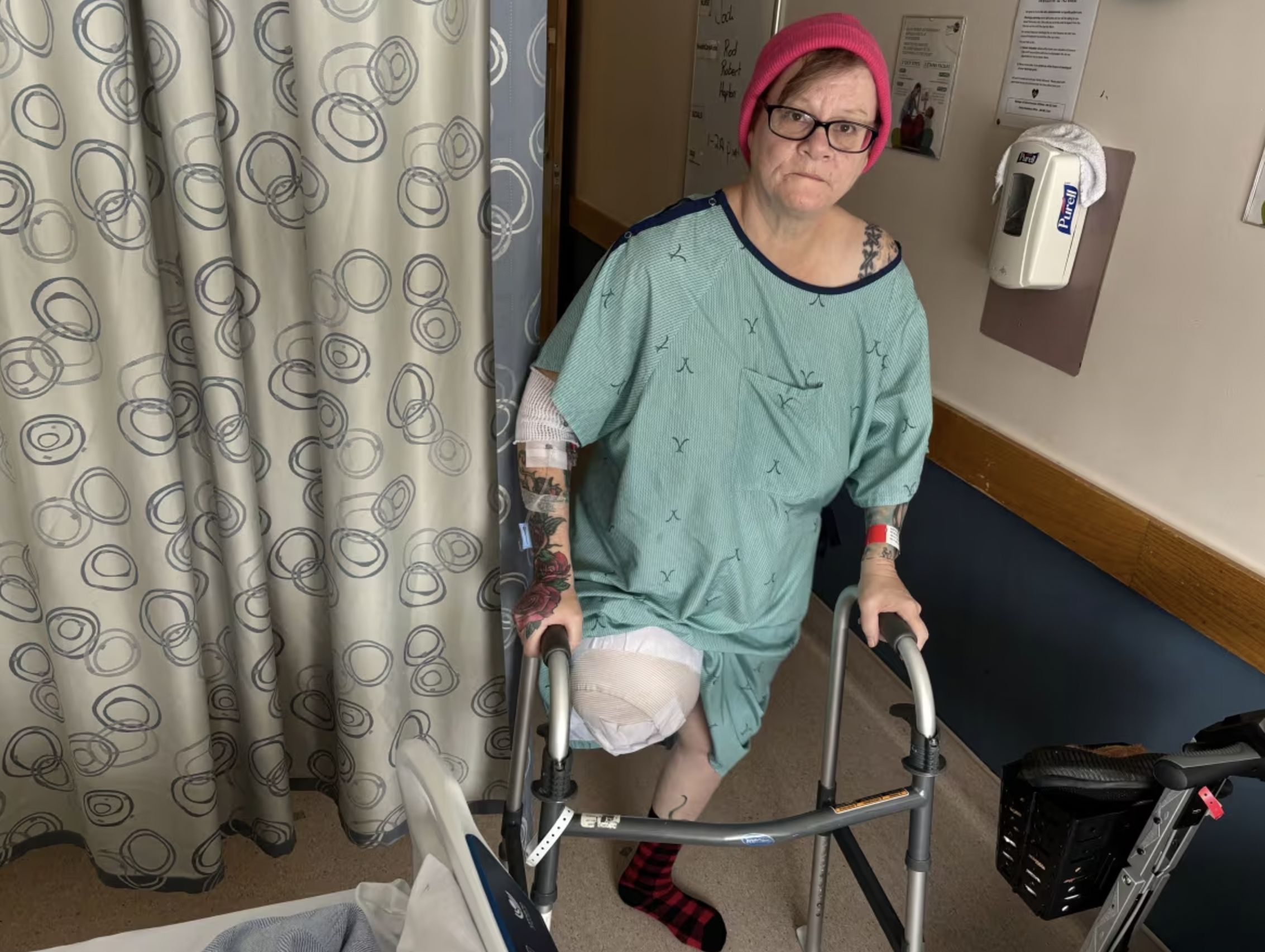
    A 61-year-old woman from Canada had her right leg amputated following weeks of suffering and complications caused by delayed medical care after a knee replacement surgery.

    Roseanne Milburn’s health struggles began in October 2023 when she finally underwent a right knee replacement after waiting six years, CBC reported.

    In late November, a post-surgery infection required emergency removal of dead tissue, but she faced an eight-day delay in treatment when her transfer between Winnipeg’s Health Sciences Centre (HSC) and Concordia Hospital was disrupted by bed shortages.

    This prolonged delay left Milburn with a painful open wound and worsening complications.

    By the time she returned to HSC, the damage from the untreated infection made her leg unsalvageable, forcing her to choose between multiple uncertain surgeries or amputation.

    Milburn opted for the latter and is recovering at Concordia Hospital, where she expects to remain through the holiday season as she learns to adapt to life with one leg.

    “Discouraged. Don’t know if I’m going to be home for Christmas,”Milburn said. “Still living this hell day-by-day, hour-by-hour, not knowing anything.”

    Originally published by Latin Times

    Source link

  • Less Sugar In First 1000 Days Of Life Slashes Diabetes, Hypertension Risk: Study

    Less Sugar In First 1000 Days Of Life Slashes Diabetes, Hypertension Risk: Study

    Healthy eating with minimal sugar is essential for long-term health and lowering the risk of chronic conditions. A recent study suggests these efforts should begin as early as conception. Researchers found that limiting sugar intake during the first 1000 days of life, from pregnancy through a child’s second birthday, could dramatically reduce their risk of diabetes and hypertension.

    The study revealed that less sugar intake during the critical period of early life could cut the diabetes risk by 35% and the risk of hypertension by 20%.

    The researchers came up with these interesting findings by evaluating the long-term health impact of sugar rationing that occurred during World War II. They used recent data from the U.K. Biobank, which includes medical histories and genetic and lifestyle factors, to examine how early-life sugar restrictions impacted adult health in those conceived just before and after wartime sugar rationing ended.

    “Using an event study design with UK Biobank data comparing adults conceived just before or after rationing ended, we found that early-life rationing reduced diabetes and hypertension risk by about 35% and 20%, respectively, and delayed disease onset by 4 and 2 years,” the researchers wrote in the study published in the journal Science.

    The researchers noted that the chronic health risks were significantly reduced when expectant mothers limited their sugar intake during pregnancy. However, the benefits increased even more when children continued to be on a sugar restriction after birth, averaging no more than 8 teaspoons (40 grams) per day.

    The end of wartime rationing offered a unique window for a natural experiment when sugar intake surged sharply, while other foods remained unchanged. Individuals’ early-life sugar exposure varied depending on whether they were conceived or born before or after September 1953. While those conceived just before experienced sugar-scarce conditions, those born just after entered a more sugar-rich environment.

    “Studying the long-term effects of added sugar on health is challenging. It is hard to find situations where people are randomly exposed to different nutritional environments early in life and follow them for 50 to 60 years. The end of rationing provided us with a novel natural experiment to overcome these problems,” study corresponding author Tadeja Gracner said in a news release.

    Source link

  • Texas Doctors Forced a Miscarrying Woman to Wait Nearly 2 Days Before Receiving Treatment. She Died of a Preventable Infection

    Texas Doctors Forced a Miscarrying Woman to Wait Nearly 2 Days Before Receiving Treatment. She Died of a Preventable Infection

    A woman in Texas reportedly died from a preventable infection because doctors “had to wait until there was no heartbeat,” according to state law, before treating her for a miscarriage at 17 weeks. She left behind a husband and 1-year-old daughter.

    At 17 weeks pregnant, Josseli Barnica was taken to a Houston hospital where doctors told her it was “inevitable” that she would miscarry her son. However, according to ProPublica, they had to wait 40 hours to remove the fetus, leaving her uterus exposed to infection, until there was no heartbeat due to the state’s abortion ban.

    During that time, Barnica prayed she would make it home to her 1-year-old “princess,” but she died the next day with her husband by her side, leaving him to raise his daughter as a single father while most of their family remained in Honduras.

    More than a dozen medical experts, including maternal-fetal medicine specialists, OB-GYNs, and researchers, said Barnica’s death was “preventable.” They also labeled her case as “horrific,” “astounding,” and “egregious,” ProPublica reported.

    Barnica died at HCA Houston Healthcare Northwest, which would not comment directly on her case to ProPublica, but HCA Healthcare stated, “Our responsibility is to be in compliance with applicable state and federal laws and regulations,” adding that physicians exercise their independent judgment.

    Originally published by Latin Times

    Source link

  • Recover, Rebuild, Repeat: The Critical Role of Rest Days in Muscle Growth

    Recover, Rebuild, Repeat: The Critical Role of Rest Days in Muscle Growth

    The importance of rest and recovery in muscle growth cannot be overstated. When it comes to building muscle, many gym rats make the mistake of thinking that the more they train, the better. However, this approach can lead to burnout, injury, and ultimately, decreased progress. The concept of "recover, rebuild, repeat" is crucial for achievement of optimal muscle growth. In this article, we’ll delve into the world of rest and recovery, exploring its role in the muscle-building process, and provide valuable insights on how to incorporate it into your routine.

    The Role of Rest in Muscle Growth

    Rest and recovery are essential components of the muscle-building process. When you exercise, your muscles undergo micro-tears, and it’s the repair and rebuilding of these tissues that leads to muscle growth. However, this process cannot occur without adequate rest. During recovery, your body repairs and rebuilds muscle fibers, making them thicker and stronger.

    Adequate rest allows for:

    • Reduced muscle damage: When you’re well-rested, your body can repair damaged muscle fibers more efficiently, reducing the risk of injury and wear and tear.
    • Increased protein synthesis: Rest helps stimulate protein synthesis, the process by which your body builds new muscle tissue.
    • Improved immune function: Adequate rest allows your immune system to recover, reducing the risk of illness and infection.

    The Concept of Overreaching

    Overreaching occurs when your body is pushed beyond its capacity, leading to a prolonged states of fatigue, decreased performance, and increased risk of injury. This can occur when:

    • You don’t allow for adequate rest and recovery
    • Your training volume or intensity is too high
    • You’re not fueling your body with the right nutrients

    Recognizing the Signs of Overreaching

    Recognizing the signs of overreaching is crucial to prevent unnecessary setbacks. common indicators include:

    • Persistent fatigue
    • Decreased performance
    • Insomnia or disrupted sleep patterns
    • Increased irritability or mood swings
    • Muscle soreness or stiffness that persists for extended periods

    The Importance of Active Recovery

    Active recovery techniques can help alleviate muscle soreness, reduce inflammation, and promote blood flow. Some popular methods include:

    • Foam rolling or self-myofascial release
    • Gentle cardio, such as a 15-30 minute walk or jog
    • Stretching or yoga
    • Contrast showers or sauna usage

    The Role of Nutrition in Recovery

    Nutrition plays a critical role in the recovery process. Adequate protein intake is essential for muscle repair and rebuilding. Aim for 1.2-1.6 grams of protein per kilogram of body weight, spread out over 3-5 meals per day.

    Sample Recovery Routine

    Developing a recovery routine can help guide you towards optimal rest and recovery. Consider incorporating the following:

    • A 10-15 minute morning stretching routine
    • A 30-minute walk or jog during lunch breaks
    • A 15-30 minute evening yoga or stretching session
    • A 7-9 hour sleep schedule, with a consistent bedtime routine

    Conclusion

    In conclusion, rest and recovery are not optional components of the muscle-building process. A well-planned recovery routine can make all the difference in achieving optimal results. Remember, "recover, rebuild, repeat" is a critical concept to grasp, and by incorporating these principles, you’ll be well on your way to achieving your fitness goals.

    Frequently Asked Questions

    Q: How often should I take rest days?
    A: Aim for 1-2 rest days per week, allowing for adequate time for recovery and muscle repair.

    Q: How can I speed up my recovery?
    A: Prioritize nutrition, stay hydrated, and incorporate active recovery techniques, such as foam rolling or gentle cardio.

    Q: Can I still make progress without rest days?
    A: No, excessive training without adequate rest can lead to overreaching, decreased performance, and increased risk of injury. Make sure to incorporate rest days into your routine.

    Q: What are some signs of overreaching?
    A: Look for persistent fatigue, decreased performance, insomnia, increased irritability, and persistent muscle soreness or stiffness.

    By incorporating rest and recovery into your routine, you’ll be able to optimize your training, reduce the risk of injury, and achieve your fitness goals. Remember, "recover, rebuild, repeat" is the key to success.

    recover-rebuild-repeat-the-critical-role-of-rest-days-in-muscle-growth

  • Researchers Say This Simple Technique Could Shorten Colds In Kids By 2 Days

    Researchers Say This Simple Technique Could Shorten Colds In Kids By 2 Days

    Children often catch a cold, which usually runs its course. Although a mild illness, the common cold often stirs anxiety in parents as it can escalate into severe respiratory infections and fever, and spread to others in the family. However, a recent study suggests a quick remedy that not only shortens the duration of a cold but also lowers the risk of transmission.

    In the latest study presented at the European Respiratory Society (ERS) Congress in Vienna, Austria, the researchers discovered that using nasal saline drops can reduce the length of the common cold in children by two days.

    “Children have up to 10 to 12 upper respiratory tract infections, what we refer to as colds, per year, which have a big impact on them and their families. There are medicines to improve symptoms, such as paracetamol and ibuprofen, but no treatments that can make a cold get better quicker,” said Professor Steve Cunningham from Child Life and Health, University of Edinburgh, UK, who presented the study.

    Salt-water solutions, like nasal irrigation and gargling, are common remedies recommended for colds. Researchers decided to test the clinical benefits of saline nasal solution in a trial involving 407 children under six. Of the 407 participants, 301 kids caught a cold during the study. When the kids developed a cold, half of the parents were taught to make salt-water nose drops and apply them to their children (three drops per nostril, at least four times a day) while the other half gave the children their usual care.

    “We found that children using salt-water nose drops had cold symptoms for an average of six days, whereas those with usual care had symptoms for eight days. The children receiving salt water nose drops also needed fewer medicines during their illness,” Professor Cunningham said.

    During the trial, 82% of parents said the nose drops helped the child get better quickly and 81% said they would use nose drops in the future.

    So how does a simple salt water work against the cold virus? Salt contains sodium and chloride, and the cells in the nose and windpipes use chloride to create hypochlorous acid, which helps defend against viruses.

    “By giving extra chloride to the lining cells, this helps the cells produce more hypochlorous acid, which helps suppress viral replication, reducing the length of the virus infection, and therefore the duration of symptoms,” explained Professor Cunningham.

    The benefits of saline nasal drops go beyond shortening a cold’s duration. The study noted that they also reduce transmission within households, lowering the spread from 61% with usual care to 46% when nasal drops are used.

    “This extremely cheap and simple intervention has the potential to be applied globally; providing parents with a safe and effective way to limit the impact of colds in their children and family would represent a significant reduction in health and economic burden of this most common condition,” said Professor Alexander Möeller, Head of the ERS Pediatric Assembly and Head of the Department for Respiratory Medicine at the University Children’s Hospital Zurich, Switzerland, who was not involved in the research.

    Source link