
Tag: crisis

  • The Hidden Health Crisis Affecting 1 in 3 Adults

    The Hidden Health Crisis Affecting 1 in 3 Adults

    Metabolic syndrome has become increasingly prevalent in modern society, affecting roughly one in three American adults. Despite its growing prevalence, many people remain unaware of what metabolic syndrome symptoms entail or how serious this health condition can be.

    At its core, metabolic syndrome is not a single disease but rather a cluster of interconnected metabolic disorders that occur together, significantly increasing the risk of heart disease, stroke, and type 2 diabetes.​

    Understanding metabolic syndrome symptoms and the critical role of insulin resistance is essential for anyone seeking to protect their long-term health. This interconnected group of conditions magnifies cardiovascular risk far beyond what any individual component would cause alone, making early detection and intervention crucial.

    What Defines Metabolic Syndrome?

    Metabolic syndrome is diagnosed when a person has at least three of five specific risk factors. According to the widely used NCEP ATP III criteria, these include central obesity (waist circumference exceeding 40 inches in men or 35 inches in women), elevated blood pressure (130/85 mmHg or higher), high triglycerides (150 mg/dL or above), low HDL cholesterol (below 40 mg/dL in men or 50 mg/dL in women), and elevated fasting blood glucose (100 mg/dL or higher).​

    The critical aspect of this diagnosis is that the condition involves multiple systems working together. A person doesn’t need to meet extreme criteria in any single area; instead, the presence of several moderate abnormalities across different metabolic markers creates the syndrome.

    This is precisely what makes metabolic syndrome so dangerous, the components amplify each other’s harmful effects on cardiovascular and metabolic health.​

    Recognizing Metabolic Syndrome Symptoms

    Metabolic syndrome symptoms can be subtle, which is why many people live with the condition without realizing it. The most visible sign is typically central obesity, where excess fat accumulates around the abdomen, creating an “apple-shaped” body rather than fat distributed elsewhere.​

    Beyond appearance, metabolic syndrome symptoms include symptoms of elevated blood sugar such as increased thirst, frequent urination, persistent fatigue, and blurred vision.

    Additionally, individuals may experience high blood pressure without obvious symptoms, which is why regular monitoring becomes essential. High cholesterol and elevated triglycerides rarely produce noticeable symptoms on their own, making blood work necessary for accurate diagnosis.​

    The silent nature of many metabolic syndrome symptoms underscores why screening is so valuable. A healthcare provider can identify the condition through simple measurements, waist circumference, blood pressure readings, and blood tests, even when a person feels completely healthy.

    The Five Components of Metabolic Syndrome

    Central Obesity: Abdominal fat is metabolically active and produces inflammatory compounds that worsen insulin resistance. Waist circumference measurement serves as a simple but powerful predictor of metabolic dysfunction, according to the World Health Organization.​

    Elevated Triglycerides: High triglycerides impair endothelial function and promote atherosclerosis. The condition develops partly through insulin resistance, which increases hepatic de novo lipogenesis, the production of new fat in the liver.​

    Low HDL Cholesterol: Often called “good cholesterol,” HDL normally helps remove harmful cholesterol from blood vessels. Its reduction in metabolic syndrome removes this protective effect.​

    High Blood Pressure: Insulin resistance promotes sodium retention and vascular dysfunction, both of which elevate blood pressure and damage arterial walls over time.​

    Elevated Fasting Glucose: As insulin resistance progresses, the pancreas eventually cannot produce enough insulin to maintain normal blood sugar levels, resulting in elevated fasting glucose and eventually type 2 diabetes.​

    Understanding the Cardiovascular Consequences

    The dangers of metabolic syndrome stem largely from how these components interact. Rather than adding risk linearly, metabolic syndrome components multiply risk exponentially.

    Research demonstrates that metabolic syndrome increases cardiovascular risk approximately 2.35 times compared to individuals without the syndrome. The syndrome elevates risk of myocardial infarction by roughly 1.99-fold and stroke by 2.27-fold.​

    These increased risks occur through multiple mechanisms. Insulin resistance promotes coronary microvascular dysfunction, impaired blood flow in the small vessels supplying the heart muscle.

    This phenomenon reduces the heart’s ability to respond to increased oxygen demand during stress or exercise. Simultaneously, metabolic syndrome accelerates atherosclerosis, the buildup of plaque in larger coronary arteries, increasing myocardial infarction risk.​

    Beyond immediate cardiovascular events, metabolic syndrome components damage the kidneys, promoting diabetic nephropathy. The condition also accelerates retinal damage, increasing neuropathy risk in individuals with concurrent diabetes.​

    Can Metabolic Syndrome Be Reversed?

    The encouraging news is that metabolic syndrome can be partially or even fully reversed through aggressive lifestyle intervention. Weight loss of just 5-10 percent of body weight improves insulin sensitivity substantially and can normalize blood pressure and triglyceride levels.

    Regular physical activity, both aerobic exercise and resistance training, directly improves insulin signaling in skeletal muscle, independent of weight loss.​

    Dietary modifications targeting metabolic syndrome components include reducing refined carbohydrates, eliminating trans fats, increasing fiber intake, and emphasizing whole grains, vegetables, and lean proteins. These changes reduce hepatic lipogenesis and improve insulin signaling, as per the American Heart Association.​

    The timeline for metabolic reversal varies among individuals, but research shows meaningful improvements in metabolic markers within 8-12 weeks of sustained lifestyle change. Some individuals see complete resolution of metabolic syndrome criteria, particularly when interventions address insulin resistance directly.​

    Prevention and Management

    Metabolic syndrome represents a pivotal moment for health intervention. The good news is that each component responds to lifestyle modification, and addressing insulin resistance through weight loss, exercise, and dietary changes can normalize multiple metabolic markers simultaneously.

    Early detection through routine screening, particularly for individuals with family history, obesity, or sedentary lifestyles, enables intervention before serious complications develop.

    Healthcare providers can establish whether someone meets metabolic syndrome criteria through simple office-based measurements and readily available blood tests.​

    For those diagnosed with metabolic syndrome, a comprehensive approach combining dietary intervention, regular physical activity, weight management, and sometimes medication offers substantial hope for reversing the condition and reducing cardiovascular risk.

    The cluster of risks that defines metabolic syndrome may feel daunting, but each component is addressable through sustained, evidence-based intervention.

    Frequently Asked Questions

    1. Can You Have Insulin Resistance Without Having Metabolic Syndrome?

    Yes. Insulin resistance can exist alone without meeting the three metabolic markers needed for metabolic syndrome diagnosis. However, untreated insulin resistance typically progresses into metabolic syndrome.

    2. What’s the Difference Between Metabolic Syndrome and Type 2 Diabetes?

    Metabolic syndrome is a cluster of risk factors, while type 2 diabetes is a specific condition where blood sugar stays dangerously high. Metabolic syndrome is a warning sign that can lead to diabetes if left untreated.

    3. Are There Ethnic or Genetic Differences in Metabolic Syndrome Risk?

    Yes. Hispanic/Latino and Asian American populations have higher rates. Genetic variations affect how bodies metabolize glucose, and family history is a strong predictor of risk.

    4. Can Medications Alone Reverse Metabolic Syndrome?

    No. Lifestyle changes like weight loss and exercise are essential to address insulin resistance. Medications support these changes but can’t reverse the syndrome alone.


    Source link

  • How the Kadisha Brothers and K3 Holdings Are Taking on the Housing Crisis

    How the Kadisha Brothers and K3 Holdings Are Taking on the Housing Crisis

    In a city synonymous with sprawl, ambition, and soaring rents, few real estate players stand out for both scale and conscience. But brothers Nathan, Michael, and Joshua Kadisha are charting a new path in Los Angeles, one that is rooted in a deep personal commitment to problem-solving, sustainability, and giving back to the city that gave them everything.

    Born and raised in Los Angeles, the Kadisha brothers grew up with a front-row seat to the importance of entrepreneurial drive and civic responsibility. Their family’s legacy includes early founding investments in Qualcomm and long-standing involvement in real estate and technology. But for the three brothers, now fully embarked on their own path, success isn’t measured solely in units acquired or deals closed; it’s about making a real difference in their community by taking on LA’s growing housing crisis.

    In a July 2025 story, The Los Angeles Times outlined how decades of bad policy decisions led LA to become the “epicenter of America’s homeless crisis.” But while the factors that led to this disaster might be complicated, the root cause, according to the Times, has always simply been a lack of affordable housing. And that’s exactly the problem the Kadisha brothers are working to solve.

    K3 Holdings

    In 2016, the brothers launched K3 Holdings, a real estate investment firm that would become a centerpiece of the Kadisha Family Office’s long-term strategy. Their mission: to breathe new life into underutilized multifamily properties while expanding access to income-supported housing in Los Angeles. To achieve that lofty goal, the brothers take a unique approach to acquisition and development.

    Michael describes K3 as a medium-scale investor that’s committed to renovating and improving its properties while also keeping them affordable, rather than using those improvements as a premise for massive rent hikes, as larger firms often do.

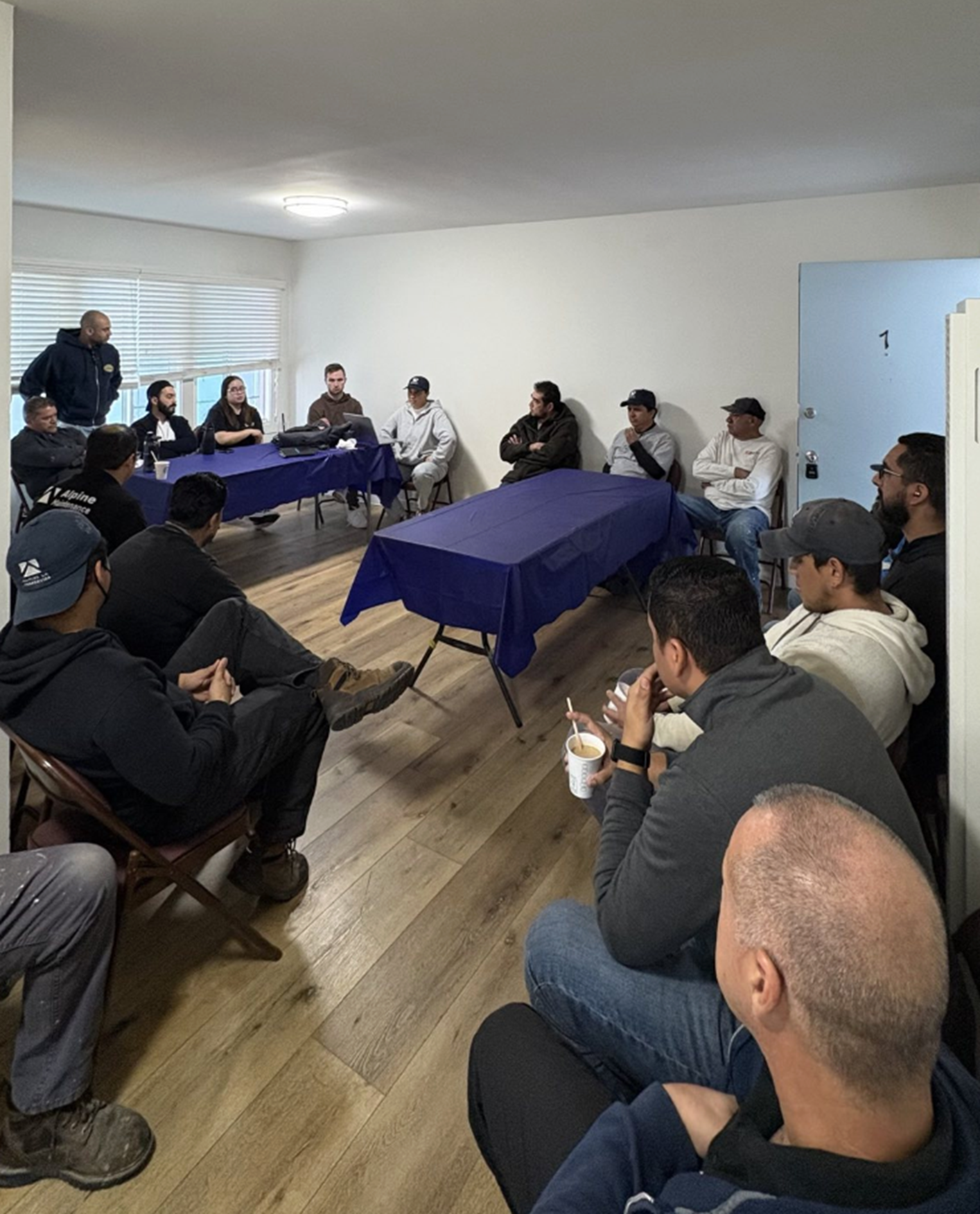
    Together, the Kadisha brothers have grown K3’s portfolio exponentially, now owning and managing thousands of units across Los Angeles’ most rent-impacted neighborhoods. Their approach is clear-eyed and hands-on: acquire undervalued buildings, renovate them thoughtfully, and manage them with a sharp focus on the tenant experience, energy efficiency, and affordability. By taking control of day-to-day operations through their management company, Alpine LA Properties, and effectively implementing new technologies, K3 has dramatically improved its properties while keeping them accessible to Los Angeles’ working class.

    “Affordable housing isn’t just about subsidized units,” Nathan adds. “It’s about creating sustainable options for middle-income Angelenos—nurses, teachers, hospitality workers—people who make the city run but can’t afford to live in it. We got into this business because we believe the housing shortage and affordability crisis can be addressed without destroying the fabric of these communities.”

    That perspective has fueled K3’s commitment to expanding income-supported housing through public-private partnerships and long-term investment horizons. Another key to K3’s commitment to affordability is leveraging emerging technology to lower costs and increase operational efficiency.

    Before joining his brother Nathan at K3, Michael was a tech investor with a knack for spotting practical applications for new innovations. Now, he brings that same mindset to finding impactful new technology to help manage K3’s properties as efficiently as possible.

    “Working with Michael and the entire K3 Holdings team has been a pleasure,” says Juan Burgos, the CEO of Haven AI, an emerging platform used by firms like K3 to streamline resident services. “As AI transforms how real estate is owned and operated, K3 stands out as a true leader, not just adopting new technologies, but actively shaping how they’re applied to serve residents and operators alike. Their commitment to innovation while keeping residents at the center of every decision sets the standard for how technology can make quality housing more attainable.”

    Haven’s AI-assisted property management software helps smooth out administrative tasks, while also allowing K3’s residents to get quicker, more reliable responses to tasks like work orders and maintenance requests. Meanwhile, through Alpine, Michael has led the charge on significant operational improvements and water and energy-efficiency upgrades across the K3 portfolio, helping promote environmental sustainability.

    The brothers’ passion for equitable development doesn’t stop at the property line. For them, the mission is personal.

    “We grew up here. We’re raising our families here. LA made us who we are, and we want LA to thrive so our children and our neighbors’ children can have the same opportunities that we had,” Michael says. “And that means making room for everyone.”

    As the city looks for leaders who can bridge the gap between market-based solutions and social need, the Kadisha brothers offer a compelling blueprint: entrepreneurial, empathetic, and deeply rooted in the belief that home is where strong communities are born.

    Source link

  • VOGenesis 2020 – Refreshed for “Corona” Economic Crisis

    VOGenesis 2020 – Refreshed for “Corona” Economic Crisis

    Product Name: VOGenesis 2020 – Refreshed for “Corona” Economic Crisis

    Click here to get VOGenesis 2020 – Refreshed for “Corona” Economic Crisis at discounted price while it’s still available…

    All orders are protected by SSL encryption – the highest industry standard for online security from trusted vendors.

    VOGenesis 2020 – Refreshed for “Corona” Economic Crisis is backed with a 60 Day No Questions Asked Money Back Guarantee. If within the first 60 days of receipt you are not satisfied with Wake Up Lean™, you can request a refund by sending an email to the address given inside the product and we will immediately refund your entire purchase price, with no questions asked.

    (more…)

  • Eating to Fight the Climate Crisis 

    Eating to Fight the Climate Crisis 

    The EAT-Lancet Commission lays out the best diet for human and planetary health.

    “Scientists have a moral obligation to clearly warn humanity of any catastrophic threat and to ‘tell it like it is.’” In November 2019, more than 11,000 scientists from 150 countries declared “clearly and unequivocally that planet Earth is facing a climate emergency.” As you can see in a series of graphs starting at 0:33 in my video Win-Win Dietary Solutions to the Climate Crisis, CO2 levels are rising and the glaciers are melting, as is Antarctica. The oceans are getting hotter, and more acidic. Sea levels are rising, and extreme weather events are escalating. Yes, the use of fossil fuels is going up, for air travel, for example, but so is per capita meat consumption. In fact, one of the solutions offered by scientists to help the climate crisis is “eating mostly plant-based foods while reducing the global consumption of animal products….”

    What makes “designing a sustainable diet” so easy is that “the dietary advice is the same: eat less meat.” It’s good for our personal health (by reducing the risk of our number one killer, for instance), as well as planetary health. As you can see below and at 1:24 in my video, the least healthy foods also cause the worst environmental impact. 

    Indeed, the foods with the most nutrition just so happen to be the foods that cause the lowest greenhouse gas emissions, as shown below and at 1:31 in my video, so the effect is a win-win. 

    Let’s put it all together. If we are to “redesign the global food system for human and planetary health,” which is to say human health, planetary health, and future human health, what would it look like? Enter the EAT-Lancet Commission. What was the “result of more than 2 years of collaboration between 37 experts from 16 countries”? Suggesting a cut in total meat consumption down to no more than an ounce a day (28 g), which is around the weight of a single chicken nugget, and, concurrently, a dramatic increase in our intakes of legumes (beans, split peas, chickpeas, and lentils), vegetables, nuts, and fruits. We aren’t only in a climate crisis, but a health crisis, too. “Unhealthy diets pose a greater risk to morbidity and mortality than does unsafe sex, and alcohol, drug, and tobacco use combined.” But we can address both crises at the same time by “increasing consumption of plant-based foods and substantially reducing our consumption of animal source foods.”

    Eating such a diet could save the lives of more than 10 million people a year. It may also help save the world. The Paris Agreement had set out a boundary condition, an aspirational goal for a carbon budget to help prevent catastrophic impacts. “Staying within the boundary for climate change can be achieved by consuming plant-based diets.”

    What’s more, “the economic value of the health benefits associated with more plant-based diets is comparable with, or exceeds, the value of the environmental benefits….” Just the healthcare benefits alone of a healthy global diet that’s predominantly plant-based, vegetarian, or vegan could exceed the price of the carbon saved, as you can see below and at 3:11 in my video. We’re talking up to $30 trillion a year saved from just the health benefits of more healthful eating. 

    Now, if the health of yourself, the planet, and your loved ones doesn’t quite motivate you, consider you may also be facing threats to the global beer supply. The title of the paper tells the story: “Decreases in Global Beer Supply Due to Extreme Drought and Heat.”

    And healthier diets don’t just reduce greenhouse gas emissions. “Livestock production is the single largest driver of habitat loss,” so reducing meat consumption is also the key to biodiversity conservation. Researchers “suggest…reducing demand for animal-based food products and increasing proportions of plant-based foods in diets, the latter ideally to a global average of 90% of food consumed.” As well, “livestock production is also a leading cause of climate change, soil loss, and water and nutrient pollution,” yet it appears to be “a blind spot in water policy.” “Despite the fact that animal products form the single most important factor in humanity’s WF [water footprint], water managers never talk about meat or dairy.”

    It isn’t only animal products, though. Yes, at least 80 percent of the deforestation in the Amazon is to raise cattle and grow feed crops like soybeans to export to other farm animals, but it’s also to make vegetable oil, mostly from palm and soy. Both crops have been expanding, “resulting in massive deforestation accompanied by declines in biodiversity and the release of sequestered carbon into the atmosphere…It will be particularly egregious if that deforestation takes place for the sake of junk food….”

    Not everyone agrees that we should be moving to healthier diets, though. The World Health Organization actually pulled out of the EAT-Lancet Commission that “promotes global move to plant-based foods.” See, if we “focused on promoting predominantly plant-based foods, and excluding foods deemed unhealthy, including meat and other animal-based foods,” such a diet could save 10 million lives a year and $30 trillion in healthcare costs, and help save the entire planet, but it “could lead to the loss of…jobs linked to animal husbandry and the production of ‘unhealthy’ foods….”

    So Which Foods Have the Lowest Carbon Footprint? Find out next, then stay tuned for Which Diets Have the Lowest Carbon Footprint?.

    Before this video, I think the only global warming video I had to date was Diet and Climate Change: Cooking Up a Storm. I’m pleased I could add to this important topic.

    One way to reduce the climate impact of meat is to switch to plant-based or cultivated meat. I did a webinar on it, and you can get the digital download here.


    Source link

  • Let Your Practice Guide You Beyond Crisis Mode

    Let Your Practice Guide You Beyond Crisis Mode

    The pandemic tested many of us on every level: mental, physical, emotional, and financial. Whether it was the endless hours on Zoom, the extended periods of isolation, not being able to do the things we loved or see the people we cared about, the past year and a half has taken a toll on all of us as we’ve moved in and out of crisis mode. As a meditation teacher, I have noticed one kind of challenge in particular: For some people, this was the most time they had actually had to spend with themselves without external distractions. Understandably daunting, for those who have kept busy enough to avoid being alone with themselves for most of their lives. 

    Mindfulness, yoga, meditation, and breathwork all became desired tools to get through each day of lockdowns. I continue to be inspired by the shift I have seen in so many of my clients—Fortune 500 companies, entrepreneurs, soul seekers, and conscious leaders—during this period. And my own mindfulness path has taught me that challenges can always be a portal to growth if we can take a moment to pause, reflect, and develop practices to build inner strength and resilience that nothing outside of us can disrupt.  

    My mindfulness practice came to me when my life was crumbling and in crisis mode. Like most of society I had learned from an early age to lean on everything outside of myself to define my happiness and success. So, in a period of my life when I was stripped of work, relationships, goals, and personal timelines for accomplishing a number of things, I crumbled. It was one of those moments where there was nowhere to go, but in. This moment was a not so gentle nudge to start exploring what it meant for me personally to “journey inward” and discover tools and practices that could aid me on my journey. 

    Making Mindfulness a Way of Life

    Since 2007 I have trained physically to climb mountains. For me, not being a naturally skilled athlete, climbing is 20% physical and 80% mental. When I summited peaks like Mt. Everest, it was mindfulness that was the game changer in my training, that got me up the mountain. My daily practice truly developed after my successful summit in 2013. Before that, I was using my mindfulness practice only as a tool to get out of a “hot mess” state or to accomplish major goals—mindfulness needed to become a way of life. Otherwise, I would simply keep arriving at the same place with nowhere to turn, but inward.

    When my life is chaotic, mindfulness provides an almost instantaneous relief. For those few seconds or minutes when I practice, I can feel a sense of deep inner peace. In moments of heightened stress, anxiety, depression, sadness, or fear, it’s easy for me to practice regularly. But, when life eases its grip, my practice can fall lower on the priority list. When the urgent need for relief dissipates, I can get lulled into thinking my practice is less important.

    When my life is chaotic, mindfulness provides an almost instantaneous relief.

    We will continue to encounter those peaks and valleys in life, and so having a tool to help us remain centered and well at either end of the spectrum and everywhere in between remains critically important. I look at this as an aspect of prevention. We exercise our bodies, eat well, and get adequate sleep to remain healthy and keep our immunity levels high—it’s best not to wait to start these things only after a major health crisis. And I’ve realized it’s the same with keeping my heart and mind well. Both according to research and anecdotally, mindfulness can help people manage depression, stress, anxiety, compulsiveness, aid in better quality of sleep, keep better focus, and the list goes on. While a life or work crisis can be the spark of inspiration to start practicing mindfulness, a new crisis or challenging moment doesn’t need to be the reminder to keep practicing. 

    Coming Home to Yourself

    With mindfulness practice, I’ve come to realize I always have the choice to not get swept away with whatever is going on outside, but to reconnect with myself—to come home to myself, as some meditation teachers say. This is something available to us with every single intentional breath we take. I value my practice not only because it’s comforting or calming; it also helps me let go of the idea that joy, peace, and success are external. The more I practice and connect with inner peace, the more I take back my power, instead of depending on external things, people, or factors to provide this for me. 

    Beginning to emerge from the pandemic, I face a new decision: Whether I’ll continue to lean on my practice as the world begins to open, or drift away from it in the excitement of returning to former ways of living and working. The reality is that who I was pre-pandemic has changed. Having grown through this global challenge, I know I have an opportunity for reflection, before diving back into the way things were—into who I was—to decide who I will be going forward.

    Let Your Practice Guide You 

    When training for my climbs, my mental training was increasingly more important than the physical. 100% of how we respond to extreme environments and unpredictable circumstances depends on our mind, on our ability to cultivate inner calm and come home to ourselves, despite the intensity that surrounds us at times. As we move forward to create a new normal—a world that is more aware, compassionate, and interconnected—let’s continue to lean on our practice to consistently remind us of our inner home, not only for our own benefit, but for those around us.

    I invite you to reflect on these prompts to clarify your intentions around self-care for this next chapter:

    • What did I learn about myself over these past 16 months?
    • What practices helped me most in my overall well-being?
    • What shifted most for me during this time?
    • How did I better prioritize self-care and compassion during this time?
    • How can I lean further into my practice, now that life seems to be going back to a normal I once knew?
    • Did I discover a hidden gift about myself, life, work, during this time? 

    A 12-Minute Meditation for Coming Home to Yourself

    When we start to build a mindfulness practice that brings us home to ourselves, it helps us let go of the desire to seek a sense of comfort or stability outside ourselves. Explore this variation on a loving-kindness meditation to feel more grounded and at ease, no matter your external circumstances. 

    1. Find a quiet space where you will not be distracted. Take a seat on the floor or on a chair. Keep your spine straight. Place your palms on your lap facing up. Close your eyes or simply lower your gaze. Ease into your seat. 
    1. Start connecting with your breath. If your mind is busy, you can count your breaths as above to refocus and slow down. 
    1. Connect with the rhythm of your breath. With each inhale ground yourself a little more into your seat. With each exhale let go of any tension, worries, doubts, or fears that arise. 
    1. As you inhale next, feel the beauty of the breath moving through your body. Connect with a sense of renewal and ease.
    2. As you exhale, release any remaining tension a little bit more, embracing a feeling of lightness come over you. 
    1. As you inhale, softly mentally affirm, “I am safe, I am home.” As you exhale, softly mentally affirm, “I am well, and at ease.”
    1. Continue with these affirmations and cycles of breath until you feel a shift within you. Feel your sense of safety, joy, ease, and peace and with each breath come home more to yourself.

    I revisit this practice weekly to ground me and feel safe, regardless of what might be happening around me or whether I’m in crisis mode. It’s a beautiful way to start your day. I also have practiced these affirmations while climbing intense sections on peaks or in the midst of stressful or fearful situations, reminding myself I can always come back to the safety of my home within.

    Never Miss a Meditation

    Enter your email below to get new podcast episodes delivered straight to your inbox! You’ll also get insights from expert mindfulness teachers and exclusive deals on Mindful Shop products, events, and more.

    When we allow what is to simply be, we relieve ourselves of the suffering that can get heaped on top of our moments of difficulty. That extra suffering is optional, even if the difficult causes and conditions are not. Read More 

    • Frank Ostaseski
    • May 19, 2022

    When Georgina Miranda was diagnosed with severe asthma, she realized how working with mindfulness could help her find the courage not only to summit mountains, but also to slow down and embrace taking things one breath at a time. Read More 

    • Georgina Miranda
    • November 6, 2021

    Compassion is the emerging paradigm of great leadership, writes Georgina Miranda—yet the most challenging part may be cultivating compassion for ourselves. Here she offers practical ways leaders can show themselves the same kindness they wish to show others. Read More 

    • Georgina Miranda
    • March 16, 2022


    Source link