Tag: Creative

  • Building Self-Compassion for Failure in the Creative Process

    Building Self-Compassion for Failure in the Creative Process

    Have you ever found that on some days, no matter how good your intentions, you just can’t manage to get around to doing what you said you most wanted to do?

    No matter what we’re trying to do—say, establish a new habit such as meditation, exercising more often, eating more healthfully, or diving into a new creative hobby—there will be days when life gets in the way. We may feel too tired; some emergency might arise; or we might simply forget to do what we had very good intentions of doing.

    It’s exactly in these moments of failure that we need to offer ourselves some self-compassion. In fact, the whole creative process needs to be a compassionate one. 

    The compassionate road to creativity

    One of the keys to creativity is testing different solutions to a problem—that is, iterating on the solutions and the design that you’ve come up with. Simply put, this means the first few attempts we make are not necessarily going to be the end result. There will be moments of failure, and this is part of the creative process.

    To pick ourselves up after a moment of failure (or perceived failure) and carry on, we need to offer ourselves some self-compassion, and it’s our mindfulness practice that can help us build that.

    Self-compassion for failure simply means turning the lens of compassion back onto ourselves.

    What do we mean by “self-compassion for failure”?

    It simply means turning the lens of compassion back onto ourselves. That is, recognizing our own moments of stress and suffering and being motivated in those moments to come up with a solution to alleviate our stress and suffering. There’s a great deal of scientific evidence now that shows how self-compassion builds motivation: people who are self-compassionate tend to navigate failure better and tend to stick with behavior changes and habits they originally set out to change or establish. 

    Acknowledge, Admit, Accept

    Here’s a three-step process of self-compassion, as outlined by one of the premier researchers in this field, Kristen Neff. This three-step process consists of, first, offering ourselves a moment of mindfulness.

    When we’re feeling a sense of failure or feeling inadequate, or even navigating the stress that arises when we feel things are out of our control—we take a moment in there to acknowledge the facts, admit we don’t like those facts, but accept the way things are. The key things to remember is not to get caught up in the narrative or story about what’s happening and not to suppress any difficult emotions that may come up. We’re simply acknowledging that this moment is stressful. 

    The second step is to connect with our sense of common humanity. Take a moment to acknowledge that no matter what we might be going through, there are many other people just like us who’ve encountered the same difficulty. So, we’re not alone—this kind of failure or this kind of stress is just part of the human condition. This is not only true, it can help us feel less isolated in moments of imperfection. It’s a little easier to foster a sense of self-compassion for failure when we know we are never alone.  

    The third step is offering ourselves some kindness. Consider what you might say to a best friend if they were going through what you might be going through in this moment of stress. 

    A Simple Practice to Foster Self-Compassion for Failure

    Let’s try this model of self-compassion through a practice, keeping a creative goal in mind as we go. Here’s also a guided audio version with Dr. Neff if you’d like to listen instead:

    1. I invite you to sit up in a way that’s alert yet relaxed and close your eyes. Make sure both your feet are planted firmly on the floor to help stabilize you and ensure your back is straight but not rigid. Allow the front of your belly to be soft. You may rest your hands gently on your lap. 

     2. Let’s start by bringing to mind something in your life that’s not going well. Maybe it’s a creative goal you’ve been working on that hasn’t gone according to plan. Maybe you’ve encountered some kind of failure at work or at home. Or maybe you’re just dealing with a painful situation that’s beyond your control. 

    3. Keeping this situation in mind, let’s start the process of self-compassion with mindfulness: Take a moment to acknowledge things as they are, not as you wish them to be. Take this moment to acknowledge things exactly as they are

    4. You might say something like, “This is a moment of stress,” or, “I don’t like this, but this is the way it is right now.” Keep in mind we’re not trying to problem solve. We’re also not getting caught up in the story around the pain and stress. We’re simply staying present to what’s happening. 

    5. Next, bring to mind the fact that no matter what you’re going through, there have been many people who’ve been through the same experience before. You might say something like, “I’m not alone in this,” or, “This is simply a part of being human.” 

    6. And now I’d like you to offer yourself some kindness. If this were your best friend or a loved one who was going through what you’re going through, what might you say to them? What advice might you offer? 

    7. As you offer yourself the same kind of unconditional love and friendliness, I want you to send yourself a few wishes of well-being: May I be kind to myself. May I be patient and accepting of myself. May I be strong and resilient in this moment. 

    8. From this place of greater warmth and kindness for yourself, I’d like you to take a couple of deeper breaths at your own pace. And whenever you’re ready, open your eyes and rejoin this conversation. 

    Not Just Nice, But Essential

    One thing that consistently stands out about Neff’s extensive research is this counterintuitive find: without self-compassion, it’s actually harder to change, heal, and grow. And that includes our creative endeavors.

    We tend to think that being hard on ourselves will motivate us to do better—but it in reality, the opposite is true. Relentless self-criticism diminishes not only our enjoyment of the creative process, but also our ability to see into new possibilities. That fear of “not getting it right” stunts our creativity.

    When we take the time to slow down, pay attention to our sense of “not-enough” in creative process, and offer that fear a little extra care, we’re actually holding the door open wider to fresh ideas, inspiration, and creative courage.



    Source link

  • 7 Creative Family Gratitude Practices That Make Appreciation Meaningful and Accessible

    7 Creative Family Gratitude Practices That Make Appreciation Meaningful and Accessible

    You’re sitting around the dinner table with your family after a long day. Homework is scattered across one end, someone’s still chewing the last bite of dinner, and you ask the question… 

    “What are you grateful for today?”

    Without even looking up, your oldest mumbles something about video games. Your youngest shrugs. The silence stretches just long enough to feel awkward before someone asks to be excused.

    Children need to see gratitude in action to really grasp the idea. They need to experience it with us. Only then does gratitude become real for our kids—when we live it together.

    We can’t expect our children to understand gratitude just because we ask them about it. The question itself falls flat because it’s abstract and repetitive. Kids end up saying the same things over and over (“my family,” “our house,” and “my dog”), and what could be a meaningful practice becomes just another item to check off before leaving the table. 

    Children need to see gratitude in action to really grasp the idea. They need to experience it with us. Only then does gratitude become real for our kids—when we live it together.

    Why Starting Family Gratitude Practices Early Matters

    There’s something powerful about introducing gratitude when children are young. Their minds are like sponges, absorbing everything around them—the good, the challenging, and everything in between. When we weave gratitude into their early years, we’re creating neural pathways that support resilience and emotional well-being throughout their lives.

    Early gratitude practice can shape how children see the world. It teaches them to notice the good alongside the hard, to appreciate the helpers in their lives, and to find joy in small moments. Research shows that gratitude contributes substantially to individual well-being, strengthens relationships, and helps people navigate adversity with greater resilience.

    And children are naturally receptive to new practices. While adults might struggle to shift ingrained patterns of thinking, kids can more easily develop habits that become second nature, especially when those activities are  fun, engaging, and done together as a family.

    The Power of Practicing Gratitude Together

    Kids learn by watching us. When we model appreciation (not just talking about it but actually living it) our children see what gratitude looks like in real life. Practicing gratitude together means actively engaging with each other, noticing the good in our lives, and celebrating it as a family. 

    By doing so, we’re building individual resilience in each family member while simultaneously deepening our relationships with one another. We develop a shared language of appreciation that helps our family navigate challenges, stress, and uncertainty as a team.

    The good news? This change doesn’t require hours of practice or complicated strategies. It just requires showing up together with intention and a willingness to notice the good.

    7 Creative Family Gratitude Practices

    So how do we move beyond the abstract question of “What are you grateful for?” and into practices that actually resonate with kids? The key is making gratitude something families do together rather than just talk about.

    Look for practices that are:

    • Part of daily life: Focus on real people, moments, and experiences that fill your days.
    • Concrete and tangible: Kids can see, touch, or create something related to their gratitude.
    • Fun and engaging: When practices feel playful, children (and parents!) want to do them.
    • Quick and simple: Keep it to five minutes or less, because who has endless time?
    • Varied and interesting: Different practices keep gratitude fresh and exciting.

    Each of the following seven practices focus on a different aspect of appreciation, from celebrating the people in our lives to noticing everyday comforts we often overlook. Try one that resonates with your family or rotate through them to mix things up!

    1. Family Appreciation Photo Walk

    Take a brief weekly walk together where each family member takes “mental photos” of things that remind them of someone they love. Maybe a certain flower reminds your daughter of Grandma’s garden, or a basketball hoop makes your son think of his best friend. As you walk, use your hands like a camera viewfinder and say, “Click!” to capture the moment in your mind. When you return home or gather for dinner, share your mental photos and explain the connections.

    Tip: Want to extend the practice? Bring a real camera along so you can capture and share actual photos later, talking about why each image reminded you of someone special.

    2. Helper Hero Cards

    Invite your kids to create simple thank-you cards for people who helped them during the week. These might be teachers, bus drivers, siblings, neighbors, or anyone who lent a hand. Include drawings, stickers, or just a few heartfelt words. Then deliver them together. This practice makes gratitude tangible and teaches children to notice helpful actions in their daily lives. 

    Tip: Keep a stack of blank cards or paper readily available so kids can create these spontaneously in the moment when a feeling of gratitude strikes.

    3. Mirror Moments

    This thirty-second daily practice is simple but powerful. Have your child look in the mirror and say one thing they’re proud of about themselves. It might be, “I was kind to my sister today” or, “I tried really hard in soccer practice.” The key? Parents should model this, too. Kids love (and need) to see adults appreciate themselves. This builds self-compassion, self-esteem, and confidence—for the whole family. 

    Tip: Make it part of your family’s routine by doing it right before or after everyone brushes their teeth in the morning or at bedtime.

    4. Memory Jar Magic

    Keep a jar in a common area of your home along with small pieces of paper and pens. Encourage family members to write down a favorite moment and drop it in the jar each day. These might be big moments (“Dad came to my recital!”) or tiny ones (“The dog made a funny face”). On tough weeks or at the end of each month, read them together and re-live the joy. This creates anticipation for good moments and helps families hold on to happiness during stressful times. 

    Tip: Decorate your jar together to make it special or use different colored papers for each family member.

    Make it a family practice to genuinely acknowledge and thank the community helpers you encounter during your regular routines. When you’re out running errands together, pause to thank the grocery store cashier, wave to the mail carrier, or say good morning to the crossing guard. The key is doing this together as a family so kids see you modeling appreciation and learn that gratitude can be woven into everyday moments. At dinner, share who you thanked that day and why their work matters.

    Tip: Challenge younger kids to remember one helper they want to thank on your next outing. Make it a game to spot and appreciate people who make your community work.

    6. Nature Gratitude Ritual

    Step outside together into your backyard or a nearby park, or even just look out a window. Each person should try to find one thing in nature they appreciate right now. Maybe it’s the way sunlight filters through leaves, a bird’s song, or the smell of fresh air. Share your discoveries without phones or distractions. Stay fully present with each other and the natural world. This practice works in any season and any weather! 

    Tip: Younger children might enjoy collecting their gratitude finds (a special rock, interesting leaf, or pinecone) to keep as a reminder of their appreciation for nature.

    7. Gratitude Detective Game

    Turn gratitude into a playful detective game where everyone searches for everyday things we usually overlook. Challenge your family: “I spy with my grateful eye… something that keeps us warm!” (blankets, the heater, or cozy sweaters). Take turns being the detective who gives clues about everyday comforts while others guess. Play during dinner, car rides, or before bed. This helps families appreciate the invisible infrastructure of daily life, such as running water, electricity, safe roads, and working appliances—in a fun, engaging way.

    Tip: Keep score if your kids are competitive or make it collaborative by seeing how many “gratitude clues” your family can come up with together in five minutes.

    Starting Your Family’s Gratitude Journey 

    Building gratitude practices when children are young gives them tools for lifelong resilience and emotional well-being. It shows them how to notice goodness even during challenging times, how to appreciate the people and moments that make life rich, and how to stay connected to what matters most.

    When families practice gratitude together, we create shared experiences that strengthen our bonds and help us navigate life’s inevitable ups and downs as a team. Remember, the goal here is connection, not perfection. You don’t need to do all seven practices, or even multiple practices. Even one practice done regularly makes a real difference. 

    Start with whichever one resonates most with your family right now. Try it for a week or two and see what happens! Through this simple act of practicing gratitude together, you’re shaping how your children see the world. That perspective will serve them throughout their entire lives!

    And that’s worth celebrating.


    Source link

  • Henna as Mindfulness: A Creative Practice for Calm and Connection

    Henna as Mindfulness: A Creative Practice for Calm and Connection

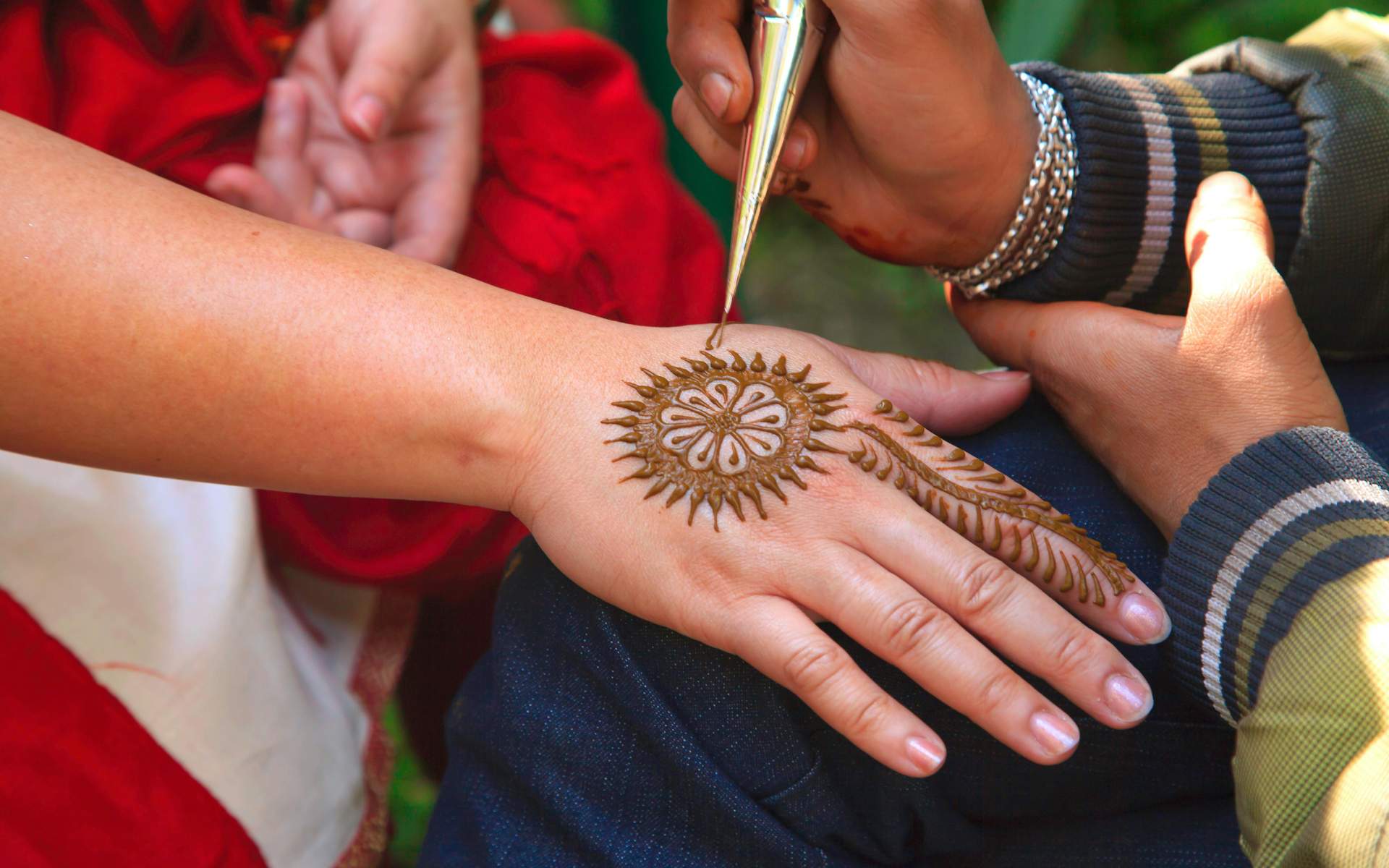
    In this practice, mindful teacher Rose Felix Cratsley invites kids and caregivers to explore henna as an art form and as a gentle mindfulness activity that nurtures stillness, creativity, and cultural appreciation.

    A Mindful Ritual at Your Fingertips

    Children are naturally drawn to creative expression. The process of making and applying henna slows us down, encouraging presence, sensory awareness, and loving connection through touch and design.

    Rooted in South Asian, Middle Eastern, and African cultures, henna (or mehndi) is a sacred ritual of celebration, storytelling, and connection. This practice invites us into mindful moments: as we mix the paste, trace the lines, feel the coolness on our skin, and observe our thoughts. Whether it’s a quiet moment shared between caregiver and child, or at a community gathering rich with color and conversation, henna becomes a living reminder: we are here, together, in this moment.

    Henna Mindfulness Practice

    1. Begin with Breath

    Invite your child or group to take three slow, deep breaths. Feel the belly rise and fall. Notice how your body begins to soften. You might say: “We are here, we are calm, we are ready to create together.”

    2. Mix with Intention

    Mix 2 tablespoons of natural henna powder with lemon juice until a smooth paste forms. Optionally add a drop of essential oil and a pinch of sugar. Stir slowly and notice the texture and scent. As you mix, set a quiet intention: peace, joy, strength—whatever quality you want to hold in your design.

    3. Trace the Moment

    Before applying henna on the skin, practice simple shapes on paper. Spirals, dots, leaves, hearts—anything your child imagines. Encourage slowing down: 

    • How does it feel to trace that line?
    • What happens to your breath as you move your hand?

    4. Apply with Care

    Using a cone or small brush, apply a simple design to the hand or wrist. Notice the sensation of the cool paste, the stillness of the body, and the breath anchoring the experience.

    *Caregivers can gently apply henna to children’s hands, offering this as a moment of love, bonding, and grounding.

    5. Rest and Reflect

    Once the design is complete, let it dry naturally. Use this time for quiet reflection or journaling. Invite conversation:

    • What story does your henna design tell?
    • How did it feel to go slowly and focus?
    • What do you want to remember and cherish from this moment?

    6. Close with Gratitude and intention

    As the henna sets and your breath softens, invite a final moment of stillness. You might say together:

    “We are present. We are creative. We are calm. We welcome peace.”

    Let these words settle into your heart, mind, and body, like the design resting on your skin. This simple affirmation becomes a living mantra, carrying the essence of the practice forward: grounded in mindfulness, rich with cultural meaning, and full of possibility.

    While henna fades in time, the peace we create through these practices becomes cherished memories.

    Its Significance

    Henna, as a mindfulness practice, invites children into their senses, their heritage, their bodies, and their relationships with care. For caregivers, it’s an opportunity to share calm and culture in one breath.

    Rooted in tradition and adaptable for all ages, this ritual offers connection across generations—where stories, symbols, and emotions can live on the skin and in the heart.


    Source link

  • How to Beat Creative Blocks at Work

    How to Beat Creative Blocks at Work

    Hit a wall at work? This quick video shares one piece of advice to help you beat creative blocks and generate fresh ideas.

    It’s Monday afternoon and maybe that second cup of coffee isn’t getting your brain geared quite the way you expected it to (although maybe another three will be okay, according to a Harvard neuroscientist.)

    When you’ve hit a wall at work, this video from New York Magazine‘s Science of Us suggests it’s time to go into tinker-mode. Research on creative problem solving shows people don’t spend enough time in this phase. The solution? Keep at it. People come up with better solutions the longer they spend working on them.


    Tinkering is key—the brain has “leaky filters,” as science columnist Sharon Begley writes. When we give ourselves the time, disparate items can sift together to form new combinations: the essence of creativity. “Short of a personality or brain transplant, you can maximize your inherent creativity by sheer perseverance.”  

    “Original ideas tend to be remote,” Mark Runco, professor of creativity studies at the University of Georgia and founder of the Creativity Research Journal argues, which means that the first 10 uses of string you think of will likely be commonplace, but if you push yourself, the next 10 will include some quite creative ones.

    The upshot? When it comes to creative blocks, if original ideas come late in the creative process, he points out, we should give ourselves time and space to come up with those “remote” ideas—time for our leaky filters to allow notions that have never made each other’s acquaintance to come together and undergo a kind of alchemy.


    Source link

  • From Stuck to Unstoppable: Overcoming Creative Blocks and Regaining Your Flow

    From Stuck to Unstoppable: Overcoming Creative Blocks and Regaining Your Flow

    Introduction to Creative Blocks

    Creative blocks are a common phenomenon that can affect anyone, regardless of their profession or level of expertise. It’s that feeling of being stuck, unable to think of new ideas, or struggling to make progress on a project. Creative blocks can be frustrating, demotivating, and even affect one’s self-esteem. However, the good news is that they are not permanent and can be overcome. In this article, we will explore the concept of creative blocks, their causes, and most importantly, how to overcome them and regain your flow.

    Understanding Creative Blocks

    Creative blocks are a state of mind where an individual feels unable to access their creative potential. It’s as if the mind is blank, and no matter how hard they try, they cannot come up with new ideas or solutions. Creative blocks can manifest in different forms, such as writer’s block, artist’s block, or even a lack of inspiration in everyday life. They can be caused by various factors, including stress, fear of failure, perfectionism, and lack of motivation.

    Causes of Creative Blocks

    To overcome creative blocks, it’s essential to understand their causes. Some common causes of creative blocks include:

    • Fear of failure: The fear of not meeting expectations or failing to deliver can be a significant obstacle to creativity.
    • Perfectionism: The need to create something perfect can lead to analysis paralysis, making it difficult to start or continue working on a project.
    • Stress and burnout: High levels of stress and burnout can deplete creative energy, making it challenging to think outside the box.
    • Lack of motivation: A lack of motivation or interest in a project can lead to creative blocks.
    • Distractions: A distracting environment or lack of focus can hinder the creative process.

    Strategies for Overcoming Creative Blocks

    Fortunately, there are many strategies that can help overcome creative blocks and regain your flow. Some effective strategies include:

    • Taking breaks: Stepping away from a project and taking a break can help clear the mind and gain a fresh perspective.
    • Changing environments: A change of scenery can stimulate the mind and help overcome creative blocks.
    • Practicing self-care: Engaging in activities that promote physical and mental well-being, such as exercise, meditation, or spending time in nature, can help reduce stress and increase creativity.
    • Seeking inspiration: Exploring new sources of inspiration, such as books, movies, or conversations with others, can help stimulate the mind and overcome creative blocks.
    • Setting realistic goals: Breaking down large projects into smaller, manageable tasks can help reduce stress and increase motivation.

    The Power of Mindfulness

    Mindfulness is a powerful tool that can help overcome creative blocks. By being present in the moment and fully engaged in the creative process, individuals can tap into their inner sources of inspiration and imagination. Mindfulness practices, such as meditation and deep breathing, can help reduce stress and increase focus, making it easier to access the creative subconscious.

    Embracing Failure

    Embracing failure is another essential strategy for overcoming creative blocks. Rather than fearing failure, individuals can view it as an opportunity to learn and grow. By embracing failure, creatives can take risks, experiment with new ideas, and push the boundaries of their imagination. Remember, every failure is a stepping stone to success, and it’s often the mistakes that lead to the most innovative solutions.

    Building a Creative Routine

    Establishing a creative routine can help individuals stay focused and motivated. A daily or weekly routine that includes time for creative work, self-care, and inspiration can help maintain a sense of flow and reduce the likelihood of creative blocks. A creative routine can include activities such as journaling, drawing, or writing, and can be tailored to individual needs and preferences.

    The Importance of Community

    Having a supportive community can be a significant factor in overcoming creative blocks. Surrounding oneself with like-minded individuals who share similar interests and passions can provide a sense of belonging, motivation, and inspiration. Joining a creative group, attending workshops or conferences, or participating in online forums can help connect with others who understand the challenges and rewards of the creative process.

    Overcoming Procrastination

    Procrastination is a common obstacle to creativity, and overcoming it requires a combination of strategies. Breaking down large projects into smaller tasks, setting realistic goals, and creating a schedule can help individuals stay focused and motivated. Additionally, using techniques such as the Pomodoro Technique, which involves working in focused 25-minute increments, can help overcome procrastination and increase productivity.

    Conclusion

    Creative blocks are a natural part of the creative process, but they don’t have to be permanent. By understanding their causes, using strategies such as mindfulness, embracing failure, and building a creative routine, individuals can overcome creative blocks and regain their flow. Remember, creativity is a muscle that can be developed and strengthened with practice, patience, and persistence. With the right mindset and tools, anyone can overcome creative blocks and achieve their full potential.

    FAQs

    Q: What are creative blocks, and how do they affect individuals?
    A: Creative blocks are a state of mind where an individual feels unable to access their creative potential. They can affect anyone, regardless of their profession or level of expertise, and can manifest in different forms, such as writer’s block, artist’s block, or a lack of inspiration in everyday life.

    Q: What are the causes of creative blocks?
    A: Creative blocks can be caused by various factors, including fear of failure, perfectionism, stress and burnout, lack of motivation, and distractions.

    Q: How can I overcome creative blocks?
    A: Strategies for overcoming creative blocks include taking breaks, changing environments, practicing self-care, seeking inspiration, setting realistic goals, and embracing failure.

    Q: What is the role of mindfulness in overcoming creative blocks?
    A: Mindfulness is a powerful tool that can help overcome creative blocks by reducing stress, increasing focus, and accessing the creative subconscious.

    Q: How can I build a creative routine?
    A: Establishing a creative routine can include activities such as journaling, drawing, or writing, and can be tailored to individual needs and preferences. A daily or weekly routine that includes time for creative work, self-care, and inspiration can help maintain a sense of flow and reduce the likelihood of creative blocks.

    Q: What is the importance of community in overcoming creative blocks?
    A: Having a supportive community can provide a sense of belonging, motivation, and inspiration, and can help individuals stay focused and motivated. Joining a creative group, attending workshops or conferences, or participating in online forums can help connect with others who understand the challenges and rewards of the creative process.

    Q: How can I overcome procrastination?
    A: Overcoming procrastination requires a combination of strategies, including breaking down large projects into smaller tasks, setting realistic goals, creating a schedule, and using techniques such as the Pomodoro Technique.

  • Mindful Marble Art: A Creative & Sensory Practice for Kids

    Mindful Marble Art: A Creative & Sensory Practice for Kids

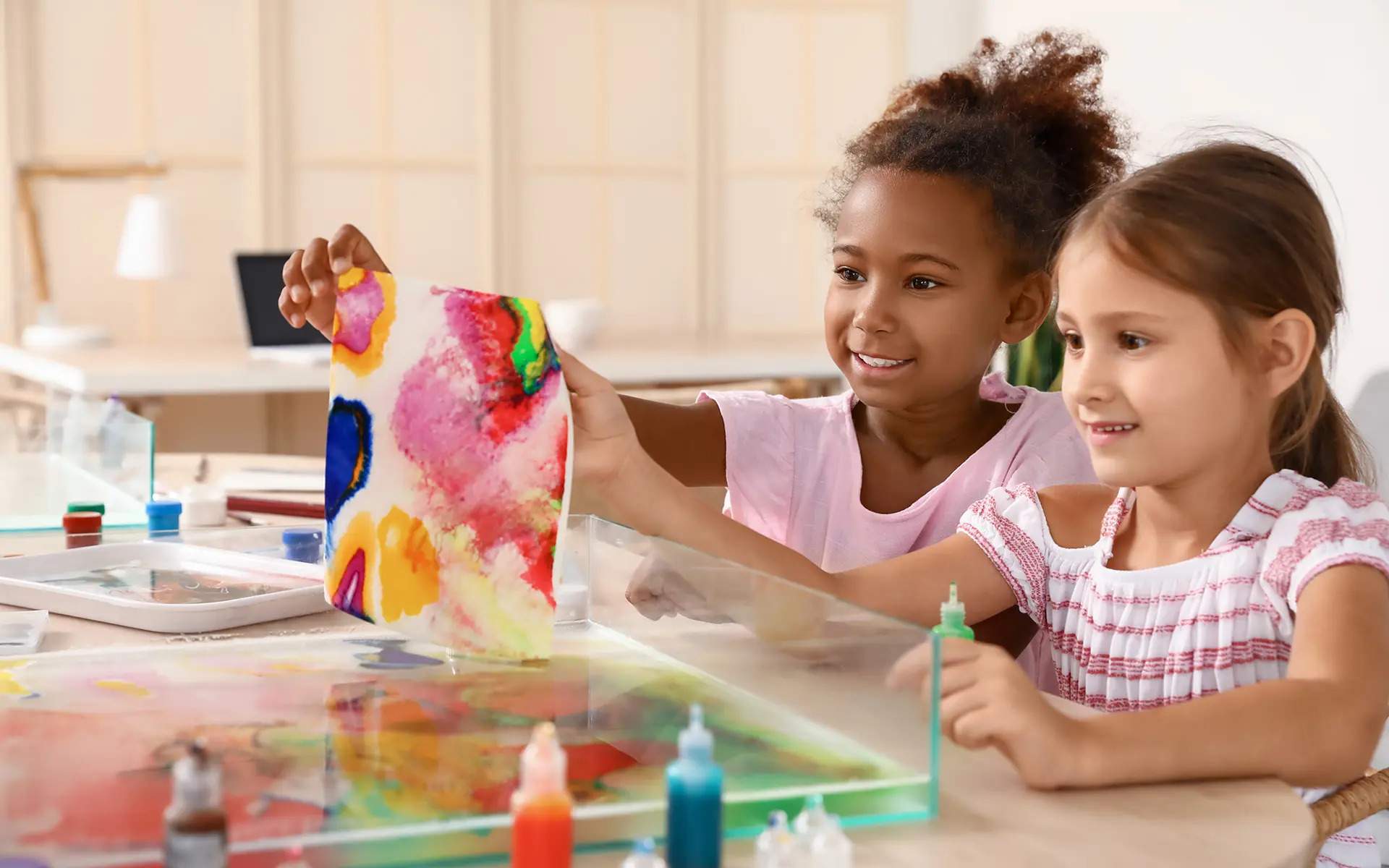
    This marble-painting activity activates all the senses and lets you enjoy a mindful moment while making art with your little ones.

    Mindfulness isn’t just about stillness—it can be a playful, swirling, and colorful experience. Mindful marble art transforms a simple creative activity into a sensory-rich moment of presence, helping children slow down, focus, and express themselves.

    Through gentle movement, breath awareness, and sensory exploration, this practice fosters patience, emotional regulation, and creativity—all while making art! See what it can look like. The sensation of rolling marbles, the vibrant blending of colors, and the rhythmic tilting of the tray help little ones engage their senses and cultivate mindful awareness.

    Benefits of Making Mindful Marble Art

    • Encourages patience: Children practice slowing down and guiding movement with care.
    • Engages the senses: Touch, sight, and motion deepen awareness of the present moment.
    • Strengthens breath-body connection: Pairing breath with movement supports self-regulation.
    • Fosters creativity & self-expression: Encourages open-ended exploration and focus.

    What You’ll Need

    • A shallow tray or box (a baking pan or shoebox lid works well)
    • A sheet of paper (cut to fit inside the tray)
    • Non-toxic, washable paint in 2-3 colors
    • Marbles or small rolling objects (ping pong balls, beads, or crumpled foil work too!)
    • A damp cloth or wipes for easy cleanup

    How to Do Mindful Marble Art

    1. Set the Space

    Begin by creating a calm and inviting atmosphere. Place materials in front of you and your child. Before starting, take a deep breath together:

    • Breathe in slowly through your nose (as if smelling a flower).
    • Exhale gently through your mouth (as if blowing out a candle).

    Repeat this breath 2-3 times. 

    Ask your child, “How do you feel right now?” 

    2. Sensory Preparation

    Invite your child to explore the marbles before painting:

    • What do they feel like? Smooth? Cool? Round?
    • Can you roll them between your fingers without dropping them?

    Dip a marble into the paint and ask:

    • What does the paint feel like? Sticky? Slippery? Gooey?
    • What colors do you see? Are they mixing together?

    3. Rolling with Awareness

    Place the marbles onto the paper in the tray. Guide your child to hold the edges, feeling its weight.

    Encourage mindful movement:

    • As they tilt the tray forward—breathe in.
    • As they tilt it back—breathe out.

    Mindful questions to keep attention focused:

    • What happens when you move the tray fast? What about slow?
    • Do the marbles ever get ‘stuck’? What can we do to help them move?
    • How do the colors mix together?

    If attention drifts, take a pause-and-wiggle break, shaking out hands before resuming.

    4. Reflect and Appreciate

    Once finished, pause to admire the marble art. Ask:

    • What do you see in the patterns? (Clouds? Rivers? Something new?)
    • How did it feel to roll the marbles?

    End with a gratitude moment together. Place a hand on your heart and say, Thank you for this time to create and play.


    Source link

  • Creative Problem-Solving 101: Strategies for Finding Innovative Solutions

    Creative Problem-Solving 101: Strategies for Finding Innovative Solutions

    Introduction to Creative Problem-Solving

    Creative problem-solving is the process of finding innovative solutions! to problems that are not easily resolved through traditional methods. It involves thinking outside the box, challenging assumptions, and exploring new possibilities. In today’s fast-paced and ever-changing world, creative problem-solving is a highly valued skill that can help individuals and organizations stay ahead of the curve.

    Understanding the Creative Problem-Solving Process

    The creative problem-solving process typically involves several stages, including defining the problem, generating ideas, evaluating options, and implementing solutions. It requires a combination of critical thinking, imagination, and analytical skills. Effective creative problem-solvers are able to navigate these stages with ease, using strategies such as brainstorming, mind mapping, and SWOT analysis to guide their thinking.

    Strategies for Finding Innovative Solutions

    There are many strategies that can be used to find innovative solutions. Some popular approaches include:

    • Reversal: This involves looking at the problem from a different perspective, or turning it on its head. By reversing your assumptions and expectations, you may be able to identify new solutions that you hadn’t considered before.
    • Random Word: This technique involves choosing a random word and using it as a prompt to generate new ideas. The word can be related to the problem, or completely unrelated – the goal is to use it as a catalyst for creative thinking.
    • SCAMPER: This acronym stands for Substitute, Combine, Adapt, Modify, Put to Another Use, Eliminate, and Rearrange. It can be used to generate new ideas by applying these different perspectives to the problem.
    • Mind Mapping: This visual technique involves creating a diagram that maps out your ideas and connections. It can be a powerful tool for brainstorming and exploring new possibilities.

    Overcoming Barriers to Creative Problem-Solving

    Despite its many benefits, creative problem-solving can be challenging, and there are often barriers that can get in the way. Some common obstacles include:

    • Fear of Failure: Many people are hesitant to try new approaches or take risks, because they are afraid of failing. However, failure is a natural part of the creative process, and it can often provide valuable learning opportunities.
    • Groupthink: When working in a team, it can be easy to get caught up in a consensus mindset, where everyone agrees on a particular solution without fully exploring alternative options. Creative problem-solvers need to be willing to challenge the status quo and consider different perspectives.
    • Limited Resources: Creative problem-solving often requires time, money, and other resources. However, with a little creativity, it’s possible to find ways to overcome these limitations and still achieve innovative solutions.

    Developing Your Creative Problem-Solving Skills

    Fortunately, creative problem-solving is a skill that can be developed with practice and experience. Here are some tips for improving your abilities:

    • Practice Brainstorming: Regular brainstorming sessions can help you develop your critical thinking and idea generation skills. Try setting aside time each week to brainstorm new ideas, either on your own or with a team.
    • Seek Out Diverse Perspectives: Exposing yourself to different cultures, industries, and ways of thinking can help broaden your perspective and stimulate your creativity. Seek out new experiences, read widely, and engage with people from different backgrounds.
    • Take Calculated Risks: Don’t be afraid to take risks and try new approaches. Creative problem-solvers are often willing to experiment and learn from their mistakes.

    Real-World Applications of Creative Problem-Solving

    Creative problem-solving has many real-world applications, from business and technology to social entrepreneurship and the arts. Some examples include:

    • Innovation in Business: Companies like Google, Apple, and Amazon have built their success on creative problem-solving, using innovative solutions to stay ahead of the competition.
    • Social Impact: Creative problem-solvers are working to address some of the world’s most pressing social and environmental challenges, from climate change to poverty and inequality.
    • Artistic Expression: Creative problem-solving is also essential for artists, musicians, and writers, who use innovative techniques and approaches to create new and original work.

    Tools and Techniques for Creative Problem-Solving

    There are many tools and techniques that can be used to support creative problem-solving. Some popular options include:

    • Design Thinking: This human-centered approach to problem-solving involves empathizing with users, ideating solutions, prototyping, and testing.
    • Six Thinking Hats: This technique involves looking at a problem from different perspectives, using six different "hats" to represent different modes of thinking.
    • The Creative Problem-Solving Process Model: This model provides a structured approach to creative problem-solving, involving stages such as objective finding, idea finding, and solution finding.

    Conclusion

    Creative problem-solving is a powerful skill that can be used to find innovative solutions to complex challenges. By understanding the creative problem-solving process, using strategies such as reversal and SCAMPER, and overcoming barriers to creativity, individuals and organizations can develop their ability to think outside the box and achieve success. Whether you’re looking to improve your personal or professional life, or make a positive impact on the world, creative problem-solving is an essential skill to master.

    FAQs

    Q: What is creative problem-solving?
    A: Creative problem-solving is the process of finding innovative solutions to problems that are not easily resolved through traditional methods.
    Q: How can I develop my creative problem-solving skills?
    A: You can develop your creative problem-solving skills by practicing brainstorming, seeking out diverse perspectives, taking calculated risks, and using tools and techniques such as design thinking and the creative problem-solving process model.
    Q: What are some common barriers to creative problem-solving?
    A: Common barriers to creative problem-solving include fear of failure, groupthink, and limited resources.
    Q: How can I overcome these barriers?
    A: You can overcome these barriers by being willing to take risks, challenging the status quo, and finding ways to work around limitations.
    Q: What are some real-world applications of creative problem-solving?
    A: Creative problem-solving has many real-world applications, from business and technology to social entrepreneurship and the arts.
    Q: What tools and techniques can I use to support creative problem-solving?
    A: Some popular tools and techniques include design thinking, six thinking hats, and the creative problem-solving process model.

  • Stay and Play: Creative Ways to Have a Fun-Filled Family Staycation

    Stay and Play: Creative Ways to Have a Fun-Filled Family Staycation

    Stay and Play: Creative Ways to Have a Fun-Filled Family Staycation

    A staycation is a fantastic way to spend quality time with your loved ones without breaking the bank. It’s an opportunity to unwind, relax, and create lifelong memories with your family. In this article, we’ll explore some creative ways to make your staycation a fun-filled and memorable experience for everyone.

    Get Ready for a Staycation Like No Other!

    Before you start planning your staycation, it’s essential to set the tone. Get the whole family involved in the planning process, and let each member share their thoughts and ideas. This will help create a sense of ownership and excitement.

    Choose a Theme

    Why not plan a themed staycation? Pick a theme that resonates with your family’s interests, such as a movie night, a sports-themed weekend, or even a DIY crafting marathon. A theme can help guide your activities and add an extra layer of fun.

    Create a Budget

    It’s crucial to set a budget for your staycation. Plan out your expenses, from food and accommodations to entertainment and activities. With a clear budget in place, you’ll be better equipped to make smart decisions and avoid overspending.

    Get Creative with Accommodations

    Why stick to traditional hotel options? Consider alternative accommodations, such as:

    • Renting a cabin or a house through websites like VRBO or Airbnb
    • Hosting a slumber party at a friend’s house
    • Glamping – camping, but with more comforts!

    Savor a Home-Cooked Feast

    Break away from the norm and plan a mix of meals. Cook a few meals together as a family, taking turns preparing and sharing dishes. You can also prep meals in advance, or even have a family potluck. Just remember to have fun and be flexible!

    Plan Fun-Filled Activities

    Think outside the box (or screen) and plan activities that don’t involve screens. You can:

    • Have a backyard campout or a picnic
    • Set up an obstacle course in the living room
    • Host a family game night with board games or card games
    • Have a DIY craft session or art party

    Spend Quality Time Together

    A staycation is an excellent opportunity to rekindle family bonds. Schedule time for:

    • Family movie nights
    • Scavenger hunts
    • Karaoke contests
    • Cooking or baking together

    Make the Most of Local Resources

    Take advantage of free or low-cost activities in your local community. Visit:

    • Local parks or nature reserves
    • Museums or art galleries
    • Libraries or bookstores
    • Indie movie theaters or free outdoor concerts

    Some Final Tips and Tricks

    • Be flexible and open-minded
    • Be prepared for unexpected delays or changes in plans
    • Make time for relaxation and self-care
    • Take plenty of photos to cherish the memories

    Conclusion

    A staycation is an ideal way to strengthen family bonds, create lasting memories, and have fun without breaking the bank. With a little creativity and planning, you can turn a regular staycation into a memorable and enjoyable experience. Remember to involve your family in the planning process, choose a theme, set a budget, and have fun!

    FAQs

    Q: Can I plan a staycation during the school year?
    A: Yes! You can plan a staycation during the school year, especially during spring break or winter break.

    Q: Is a staycation only for families with kids?
    A: No! A staycation can be enjoyed by anyone, regardless of age or family status.

    Q: What are some other creative staycation ideas?
    A: Consider having a staycation at a music festival, a sporting event, or even a book festival!

    Q: Can I use a staycation as a way to relax and unwind?
    A: Absolutely! A staycation is an excellent opportunity to slow down, recharge, and rejuvenate.

    Q: Can I customize my staycation to fit my budget?
    A: Yes! You can scale back on activities and focus on what matters most to you, such as food, relaxation, or entertainment.

    Staycations offer a unique opportunity to reconnect with your loved ones, create lasting memories, and have fun. By following these creative ideas and tips, you’ll be well on your way to planning a fun-filled and memorable staycation that your family will cherish for years to come.

  • The Importance of Creative Expression and How to Get Started

    The Importance of Creative Expression and How to Get Started

    Tony, age 50, is by far the oldest on the church stage during the flute recital. Surrounded by elementary-aged kids wearing frilly dresses and shiny shoes, Tony stands tall, wearing a red bow tie, and proudly holding his flute. He’s willing to weather the looks of surprise as he towers over the other musicians, and is uplifted seeing the look of pride on his wife’s face in the crowd as he plays.

    It hasn’t always been this way, though. Tony faced a lot of self-doubt in picking up the flute again after 50 years. He carried its case with him in every move, but was hesitant to open it. He didn’t want to be reminded of how long it’s been since he had practiced. It seemed too hard to pick up again. He didn’t know if he had the lung capacity anymore and was afraid of calling a flute teacher who might criticize him the way his high school band coach did. Tony also thought he didn’t have time to play. He was too busy working and taking his wife to doctor’s appointments, his wife who recently was diagnosed with cancer. Playing the flute and creative expression felt secondary to more important things.

    What Keeps Us Stuck

    What about you? I imagine you have creative activities that are lurking in the background that you keep putting off. 

    You tell yourself you don’t have enough time, that it’s too late, or that you are too old. Or, maybe you hold back because you think you aren’t good enough. You too have a box of art supplies, an instrument case, a list of classes, or a good idea that you have been lugging around for years. Or, maybe you are already doing it, but only doing it half way.

    If you made a list of all the ideas you’ve had but never pursued, the activities you loved but put on the back burner, or artistic pursuits that you’ve always wanted to try, but never had the courage—what would rise to the surface?

    Let’s find out. Grab a sheet of paper or open your note-taking app and make a list of any activities and pursuits that come to mind. When you’re done, read it over. Notice what you’re feeling and where in your body you feel it.

    You might feel a sense of grief or regret. Maybe some confusion. Maybe frustration. Or, maybe you just feel resigned that this is just the way it is.

    If you’re feeling stuck and you’re curious about how to move forward, let’s look at a few of what I call Wisdom Building Questions that can draw out your creative courage and expression. These can make an excellent journaling exercise.

    1. What Do You Value Most?

    Early in our therapy together, I asked Tony about activities he used to love to do, but has put on the back burner because of the stress and the business of life. The first thing he said was playing the flute. And he lit up while talking about it.

    I followed his energy and asked more questions.

    Tony described how he loved playing the flute as a teenager. It was a way to express himself when she couldn’t with words, and it felt good in his body to breathe out a long, slow breath during times of stress. Plus, music connected him to his mother, who passed away two years ago, and whom he was still grieving. His father loved classical music, and when he played his father’s favorite pieces, he could feel a connection. It soon became obvious that flute playing wasn’t secondary to other important things: it was what revitalized him, de-stressed him, and connected him when he needed support.

    With just a short exploration of his values, Tony was motivated to open that flute case and start playing again—not just for the fun of it, but for the psychological richness and depth the creative expression could offer him.

    What about you? When it comes to your creative expression, what do you value most?

    2. What Are You Avoiding, What Are You Clinging To?

    When you hit writer’s block or keep canceling that jiu-jitsu class, it’s likely because you are caught in avoidance or gripping.

    Recall that avoidance involves running away from discomfort, even if it means running away from what you really want. And that gripping involves holding on to beliefs about yourself, things staying the same, or attaching to a certain product at the expense of letting the process evolve.

    For Tony, gripping looked like comparing herself to a younger, better flute player. And avoidance looked like opening up his emails instead of opening that music case.

    Here are some quick ways you can identify clinging and avoiding:

    Are You Gripping?

    • Are you believing unhelpful thoughts that are getting in the way of your creativity, such as, “I can’t keep a tune,” “I’m too short,” or “I don’t have enough time?” What are they?
    • Are you attached to an identity like, “I’m a guy, I can’t learn to knit” or “I’m a mom, I can’t belly dance”? What identity are you attached to?
    • Are you holding tight to an outcome you can’t necessarily control like hitting the bestseller list for your book, getting chosen to be in a show for your art, or gaining a certain number of followers? What outcome keeps you rigid and bound up?

    Are You Avoiding? 

    • Are you giving up when it gets frustrating, hard, or it feels like it’s going nowhere? What feelings make you quit?
    • Are you hiding your work, not showing it to others, afraid of feedback? What do you fear people will think?
    • Are you packing your schedule so there’s no time to create or scheduling over the times you set aside to create? What are you afraid will happen if you prioritize creativity?
    • Do you cancel plans, opt out, distract yourself? What’s so hard about showing up?
    • Are you only putting in half effort? What do you fear would happen if you were all in?

    3. Are You Stuck in A Story?

    After reading through your answers, see if you can uncover the big picture story that is keeping you stuck. Here’s Tony’s:

    I am too old to play the flute again, it’s going to be too hard, and it’s humiliating to get on a stage with a bunch of kids. Everyone will laugh at me. Plus my wife needs me. It’s selfish and not worth my time.

    What might your story be? And what might you gain by being willing to let it go?

    If you see yourself in Tony’s story, and you can identify the lines you might be telling yourself over and over again that are keeping you scared and stuck—your job here is to face that story head-on and start to unravel it, so that you can open up your energy to move your creative expression up and out. This is how you begin to create an environment that will support your bold move.


    Source link

  • Clapham Construction – Loft Extensions for Creative Studios

    Clapham Construction – Loft Extensions for Creative Studios


    Creative studios are the lifeblood of innovation and artistic expression. Whether you’re a painter, musician, writer, or designer, having a dedicated space where creativity can flow unrestricted is essential. One of the best ways to create this space is through a loft extension. Loft extensions not only maximize the potential of your existing home but also provide a bespoke area tailored to your creative needs.

    Understanding Loft Extensions

    What is a Loft Extension?

    A loft extension is a home renovation project that transforms an unused attic space into a functional room. This can include anything from an additional bedroom to a full-fledged creative studio. By making use of this often underutilized area, you can significantly increase both the living space and value of your home.

    Types of Loft Extensions

    Dormer Loft Extension
    A dormer extension adds a box-shaped structure to a pitched roof, creating additional floor space and headroom. It is one of the most popular types due to its practicality and increased usable area.

    Mansard Loft Extension
    Named after the French architect François Mansart, this type involves altering the roof structure to create a nearly vertical wall, maximizing internal space. It’s ideal for creating large, light-filled studios.

    Hip to Gable Loft Extension
    This involves converting the sloping side of the roof into a vertical wall (a gable). It’s perfect for houses with a hip roof and adds substantial new space.

    Roof Light Loft Extension
    This type involves adding skylights to the existing roof structure without altering its shape. It’s less intrusive and more cost-effective but provides limited additional space compared to other types.

    Planning Your Loft Extension

    Assessing Space and Needs

    Before diving into the project, it’s crucial to assess your current attic space and determine what you want from your loft extension. Measure the height, width, and overall volume to ensure it can accommodate your creative studio plans.

    Budgeting for Your Extension

    Set a realistic budget that includes all potential expenses, such as design, materials, labour, and unforeseen costs. Having a clear budget helps in making informed decisions throughout the project.

    Obtaining Necessary Permits

    Depending on your location, you may need planning permission for your loft extension. Check with your local planning authority to understand the requirements and ensure compliance with building regulations.

    Design Considerations

    Maximising Natural Light

    Natural light is vital in a creative studio. Incorporate large windows, skylights, or even glass walls to flood the space with sunlight, enhancing the overall atmosphere and reducing the need for artificial lighting.

    Insulation and Ventilation

    Proper insulation keeps the space comfortable year-round, while adequate ventilation ensures a healthy indoor environment. Consider options like double-glazed windows and breathable insulation materials.

    Acoustics and Soundproofing

    For music studios or any creative work that involves sound, good acoustics and soundproofing are essential. Use materials like acoustic panels and heavy curtains to control sound quality and prevent noise from escaping.

    Choosing the Right Flooring

    Select flooring that suits your needs—whether it’s hardwood for a classic look, cork for sound absorption, or vinyl for easy maintenance. The right flooring can enhance both the functionality and aesthetic of your studio.

    Creating a Functional Layout

    Open Plan vs. Separate Rooms

    Decide whether you prefer an open-plan layout, which fosters a sense of freedom and space, or separate rooms for different activities, providing privacy and organization.

    Storage Solutions

    Incorporate smart storage solutions like built-in shelves, cabinets, and multi-functional furniture to keep your studio organized and clutter-free.

    Flexible Workspaces

    Design your studio with flexibility in mind. Use movable partitions, foldable furniture, and adjustable workstations to create a versatile environment that adapts to your changing needs.

    Incorporating Technology

    Smart Lighting Solutions

    Install smart lighting systems that allow you to control the ambiance with ease. Options like dimmable LEDs and color-changing bulbs can help set the right mood for different creative activities.

    Sound Systems and Acoustics

    Integrate high-quality sound systems and acoustic treatments to enhance your creative experience. This is particularly important for music and audio production studios.

    High-Speed Internet and Connectivity

    Ensure your studio is equipped with high-speed internet and ample power outlets to support all your tech needs. This is crucial for digital artists, designers, and remote collaboration.

    Interior Design Tips

    Colour Schemes for Creativity

    Choose colors that inspire creativity and concentration. While bright colours like yellow and orange can stimulate creativity, softer hues like blue and green are calming and promote focus.

    Furniture and Ergonomics

    Invest in ergonomic furniture to enhance comfort and productivity. Adjustable chairs, desks, and proper lighting can make long working hours more bearable and prevent health issues.

    Personalizing Your Space

    Add personal touches like artwork, photos, and memorabilia to make your studio feel uniquely yours. A personalized space can boost motivation and creativity.

    Safety and Accessibility

    Fire Safety Measures

    Implement fire safety measures such as smoke detectors, fire extinguishers, and accessible escape routes. Safety should always be a top priority in any home extension project.

    Access and Egress

    Ensure there are safe and easy access points to your loft studio, such as sturdy staircases or ladders. Consider installing an alternative egress for emergencies.

    Security Considerations

    Enhance security with robust locks, alarms, and possibly surveillance systems to protect your valuable equipment and personal belongings.

    Eco-Friendly Design Options

    Sustainable Materials

    Use eco-friendly materials like bamboo, reclaimed wood, and recycled metals to minimize your environmental footprint. Sustainable choices can also add a unique aesthetic to your studio.

    Energy Efficiency

    Incorporate energy-efficient solutions such as LED lighting, solar panels, and energy-efficient windows to reduce your studio’s energy consumption and costs.

    Indoor Plants and Air Quality

    Add indoor plants to improve air quality and bring a touch of nature indoors. Plants like peace lilies, snake plants, and spider plants are excellent choices for indoor environments.

    Conclusion

    Creating a loft extension for your creative studio is a fantastic way to maximize your home’s potential and provide a dedicated space for your artistic endeavors. By carefully planning and considering all aspects of the design and construction process, you can create a functional, inspiring, and comfortable studio that enhances your creativity and productivity.

    Source link