Tag: Creating

  • Get Fit in No Time: A Beginner’s Guide to Creating a Killer Workout Plan (Target keywords: workout plan for beginners, get fit)

    Get Fit in No Time: A Beginner’s Guide to Creating a Killer Workout Plan (Target keywords: workout plan for beginners, get fit)

    She’s always been fascinated by the idea of getting fit, but never knew where to start. With so many different workout plans and routines out there, it can be overwhelming for a beginner to create a killer workout plan that actually works. But, with a little guidance, anyone can get fit in no time. In this article, we’ll explore the basics of creating a workout plan for beginners, and provide tips and tricks to help you achieve your fitness goals.

    Getting Started: Setting Your Fitness Goals
    Before creating a workout plan, it’s essential to set your fitness goals. What do you want to achieve? Do you want to lose weight, build muscle, or increase your endurance? Having a clear idea of what you want to achieve will help you create a workout plan that’s tailored to your needs. For example, if you want to lose weight, you’ll want to focus on a combination of cardio and strength training exercises. On the other hand, if you want to build muscle, you’ll want to focus on weightlifting and resistance training. A well-structured workout plan for beginners should include a mix of exercises that cater to your specific goals.

    When setting your fitness goals, it’s also important to make sure they’re realistic and achievable. Don’t set yourself up for failure by trying to do too much too soon. Start with small, manageable goals, and gradually increase the intensity and difficulty as you get more comfortable with your workout routine. A good workout plan for beginners should be challenging, yet achievable, and should include a mix of exercises that cater to your specific goals. By doing so, you’ll be able to get fit in no time and achieve the body you’ve always wanted.

    Understanding Your Body Type
    Another crucial aspect of creating a workout plan is understanding your body type. Are you an ectomorph, mesomorph, or endomorph? Knowing your body type will help you determine the best exercises and routines for your body. For example, if you’re an ectomorph, you’ll want to focus on building muscle mass, while if you’re an endomorph, you’ll want to focus on burning fat. A workout plan for beginners should take into account your body type and include exercises that cater to your specific needs.

    Ectomorphs, for instance, tend to have a fast metabolism and struggle to gain weight. They should focus on strength training exercises that help build muscle mass, such as weightlifting and resistance training. Mesomorphs, on the other hand, have a balanced body type and can do well with a combination of cardio and strength training exercises. Endomorphs, who tend to have a slower metabolism, should focus on cardio exercises that help burn fat, such as running, cycling, or swimming. By understanding your body type and creating a workout plan that caters to your specific needs, you’ll be able to get fit in no time and achieve the body you’ve always wanted.

    Creating a Workout Plan
    Now that you’ve set your fitness goals and understand your body type, it’s time to create a workout plan. A good workout plan for beginners should include a mix of cardio, strength training, and flexibility exercises. Cardio exercises, such as running, cycling, or swimming, are great for burning fat and improving cardiovascular health. Strength training exercises, such as weightlifting or bodyweight exercises, are great for building muscle and increasing metabolism. Flexibility exercises, such as yoga or stretching, are great for improving flexibility and reducing injury.

    When creating a workout plan, it’s essential to start with exercises that you enjoy and that fit your lifestyle. If you hate running, don’t force yourself to do it. Instead, try swimming or cycling, which can be just as effective for burning calories. It’s also important to vary your workout routine to avoid plateaus and prevent overuse injuries. A good workout plan for beginners should include a mix of exercises that cater to your specific goals and should be challenging, yet achievable. By doing so, you’ll be able to get fit in no time and achieve the body you’ve always wanted.

    Sample Workout Plan
    Here’s a sample workout plan for beginners that you can follow:
    Monday (Chest and Triceps):

    • Warm-up: 5-10 minutes of cardio (jogging, jumping jacks, etc.)
    • Barbell bench press: 3 sets of 8-12 reps
    • Incline dumbbell press: 3 sets of 10-15 reps
    • Tricep pushdown: 3 sets of 12-15 reps
    • Tricep dips: 3 sets of 12-15 reps
    • Cool-down: 5-10 minutes of stretching

    Tuesday (Back and Biceps):

    • Warm-up: 5-10 minutes of cardio
    • Pull-ups: 3 sets of 8-12 reps
    • Barbell rows: 3 sets of 8-12 reps
    • Dumbbell bicep curls: 3 sets of 10-15 reps
    • Hammer curls: 3 sets of 10-15 reps
    • Cool-down: 5-10 minutes of stretching

    Wednesday (Rest day)
    Thursday (Legs):

    • Warm-up: 5-10 minutes of cardio
    • Squats: 3 sets of 8-12 reps
    • Leg press: 3 sets of 10-15 reps
    • Lunges: 3 sets of 10-15 reps
    • Leg extensions: 3 sets of 12-15 reps
    • Cool-down: 5-10 minutes of stretching

    Friday (Shoulders and Abs):

    • Warm-up: 5-10 minutes of cardio
    • Shoulder press: 3 sets of 8-12 reps
    • Lateral raises: 3 sets of 10-15 reps
    • Rear delt fly: 3 sets of 12-15 reps
    • Plank: 3 sets of 30-60 seconds
    • Cool-down: 5-10 minutes of stretching

    Saturday and Sunday (Rest days)

    Tips and Tricks
    Here are some tips and tricks to help you stick to your workout plan and get fit in no time:

    • Start small: Don’t try to do too much too soon. Start with short workouts and gradually increase the duration and intensity as you get more comfortable.
    • Find a workout buddy: Having someone to hold you accountable and motivate you can make a big difference in your fitness journey.
    • Track your progress: Keep a workout log or use a fitness app to track your progress. Seeing your progress can be a great motivator.
    • Mix it up: Vary your workout routine to avoid plateaus and prevent overuse injuries.
    • Listen to your body: Rest and recovery are just as important as exercise. If you’re feeling tired or sore, take a rest day or modify your workout routine.

    Common Mistakes to Avoid
    Here are some common mistakes to avoid when creating a workout plan:

    • Not warming up or cooling down: Warming up and cooling down are essential for preventing injuries and improving performance.
    • Not stretching: Stretching is essential for improving flexibility and reducing injury.
    • Not listening to your body: If you’re feeling tired or sore, take a rest day or modify your workout routine.
    • Not varying your workout routine: Varying your workout routine can help avoid plateaus and prevent overuse injuries.
    • Not tracking your progress: Tracking your progress can help you stay motivated and see the results of your hard work.

    Conclusion
    Creating a workout plan for beginners can seem overwhelming, but with a little guidance, anyone can get fit in no time. Remember to set your fitness goals, understand your body type, and create a workout plan that includes a mix of cardio, strength training, and flexibility exercises. Start small, find a workout buddy, track your progress, and mix it up to avoid plateaus and prevent overuse injuries. With consistency and patience, you can achieve your fitness goals and get the body you’ve always wanted. By following these tips and creating a well-structured workout plan, you’ll be able to get fit in no time and achieve the body you’ve always wanted.

    Frequently Asked Questions
    Q: How often should I work out?
    A: It’s recommended to work out at least 3-4 times per week, with at least one day of rest in between.
    Q: What’s the best time to work out?
    A: The best time to work out is when you feel most energized and motivated. Some people prefer to work out in the morning, while others prefer to work out in the evening.
    Q: How long should my workouts be?
    A: The length of your workouts will depend on your fitness goals and level of experience. Start with short workouts and gradually increase the duration as you get more comfortable.
    Q: What’s the best type of exercise for weight loss?
    A: The best type of exercise for weight loss is a combination of cardio and strength training exercises. Cardio exercises, such as running or cycling, are great for burning calories, while strength training exercises, such as weightlifting or bodyweight exercises, are great for building muscle and increasing metabolism.
    Q: How do I stay motivated?
    A: Staying motivated can be challenging, but there are several things you can do to stay on track. Find a workout buddy, track your progress, and reward yourself for reaching your fitness goals. By doing so, you’ll be able to stay motivated and get fit in no time.

    get-fit-in-no-time-a-beginners-guide-to-creating-a-killer-workout-plan-target-keywords-workout-plan-for-beginners-get-fit

  • Recover Faster: The Ultimate Guide to Creating a Post-Workout Routine for Optimal Results (Target keywords: post-workout recovery, optimal results)

    Recover Faster: The Ultimate Guide to Creating a Post-Workout Routine for Optimal Results (Target keywords: post-workout recovery, optimal results)

    She has always been passionate about fitness, and over the years, she has learned that a good post-workout routine is just as important as the workout itself. When it comes to achieving optimal results, it’s not just about putting in the effort during the exercise, but also about taking care of the body after the workout. This is where post-workout recovery comes in – a crucial step that can make all the difference in how quickly and effectively the body recovers, and ultimately, how successful the fitness journey is.

    Understanding the Importance of Post-Workout Recovery

    After a intense workout, the body is left in a state of stress, with muscles that are tired, sore, and in need of repair. If not taken care of properly, this can lead to decreased performance, increased risk of injury, and a longer recovery time. This is where a well-planned post-workout routine comes in – to help the body recover faster, and get back to its optimal state. A good post-workout recovery routine can help to reduce muscle soreness, replenish energy stores, and support the growth and repair of muscles.

    Creating a Post-Workout Routine for Optimal Results

    So, what does a good post-workout routine look like? The answer is, it depends on the individual and their specific needs. However, there are some general guidelines that can be followed to create a routine that promotes post-workout recovery and optimal results. First and foremost, it’s essential to listen to the body and respond to its needs. This means paying attention to how the body feels after a workout, and adjusting the routine accordingly.

    One of the most critical components of a post-workout routine is nutrition. After a workout, the body is in a state of heightened metabolism, and it needs the right fuel to recover. This means consuming a balanced mix of carbohydrates and protein within 30-60 minutes after the workout. Carbohydrates help to replenish energy stores, while protein provides the necessary building blocks for muscle repair and growth. Some examples of post-workout snacks that support optimal results include a banana with peanut butter, a protein shake with milk, or a handful of nuts and dried fruit.

    The Role of Stretching and Foam Rolling in Post-Workout Recovery

    In addition to nutrition, stretching and foam rolling are also essential components of a post-workout routine. Stretching helps to increase flexibility, reduce muscle soreness, and promote blood flow to the affected areas. Foam rolling, on the other hand, helps to reduce muscle tension, improve circulation, and break up adhesions in the muscles. Both of these activities can be done immediately after the workout, or later in the day, depending on what feels best for the body.

    Another critical aspect of post-workout recovery is rest and relaxation. After a intense workout, the body needs time to recover, and this means getting enough sleep, and taking regular breaks throughout the day. Sleep is especially important, as it allows the body to repair and grow muscle tissue, and replenish energy stores. Aim for 7-9 hours of sleep each night, and try to establish a consistent sleep routine to support post-workout recovery and optimal results.

    Incorporating Supplements into a Post-Workout Routine

    In addition to nutrition, stretching, and rest, supplements can also play a role in post-workout recovery. There are many different types of supplements available, each with its own unique benefits and drawbacks. Some popular options include protein powder, creatine, and branched-chain amino acids (BCAAs). Protein powder can help to support muscle growth and repair, while creatine can help to increase strength and endurance. BCAAs, on the other hand, can help to reduce muscle soreness, and promote recovery.

    Tips for Enhancing Post-Workout Recovery

    So, what can be done to enhance post-workout recovery, and achieve optimal results? One of the most effective tips is to stay hydrated, by drinking plenty of water throughout the day. Water helps to flush out toxins, transport nutrients to the muscles, and regulate body temperature. Aim to drink at least 8-10 glasses of water each day, and adjust according to individual needs.

    Another tip is to incorporate activities that promote relaxation, and reduce stress. This can include activities such as yoga, meditation, or deep breathing exercises. These activities can help to reduce muscle tension, promote blood flow, and support overall well-being.

    Common Mistakes to Avoid in Post-Workout Recovery

    When it comes to post-workout recovery, there are several common mistakes that can be avoided. One of the most significant errors is not listening to the body, and pushing too hard, too soon. This can lead to injury, burnout, and a longer recovery time. Another mistake is not consuming enough nutrition, or consuming the wrong types of food. This can lead to decreased performance, and a slower recovery time.

    Conclusion

    In conclusion, post-workout recovery is a critical component of any fitness routine, and can make all the difference in achieving optimal results. By incorporating a well-planned post-workout routine, individuals can reduce muscle soreness, replenish energy stores, and support the growth and repair of muscles. This includes consuming a balanced mix of carbohydrates and protein, stretching and foam rolling, getting enough rest and relaxation, and incorporating supplements as needed. By following these tips, and avoiding common mistakes, individuals can enhance their post-workout recovery, and achieve their fitness goals.

    Frequently Asked Questions

    Q: What is the best way to recover after a workout?
    A: The best way to recover after a workout is to listen to the body, and respond to its needs. This includes consuming a balanced mix of carbohydrates and protein, stretching and foam rolling, getting enough rest and relaxation, and incorporating supplements as needed.

    Q: How long does it take to recover after a workout?
    A: The length of time it takes to recover after a workout depends on the individual, and the intensity of the workout. Generally, it can take anywhere from 24-48 hours to fully recover, but this can vary depending on individual factors.

    Q: What are some common mistakes to avoid in post-workout recovery?
    A: Some common mistakes to avoid in post-workout recovery include not listening to the body, not consuming enough nutrition, and pushing too hard, too soon. These mistakes can lead to injury, burnout, and a longer recovery time.

    Q: Can supplements help with post-workout recovery?
    A: Yes, supplements can help with post-workout recovery. Some popular options include protein powder, creatine, and branched-chain amino acids (BCAAs). These supplements can help to support muscle growth and repair, increase strength and endurance, and reduce muscle soreness.

    Q: How can I enhance my post-workout recovery?
    A: There are several ways to enhance post-workout recovery, including staying hydrated, incorporating activities that promote relaxation, and getting enough rest and relaxation. Additionally, consuming a balanced mix of carbohydrates and protein, stretching and foam rolling, and incorporating supplements as needed can also help to support post-workout recovery.

    recover-faster-the-ultimate-guide-to-creating-a-post-workout-routine-for-optimal-results-target-keywords-post-workout-recovery-optimal-results

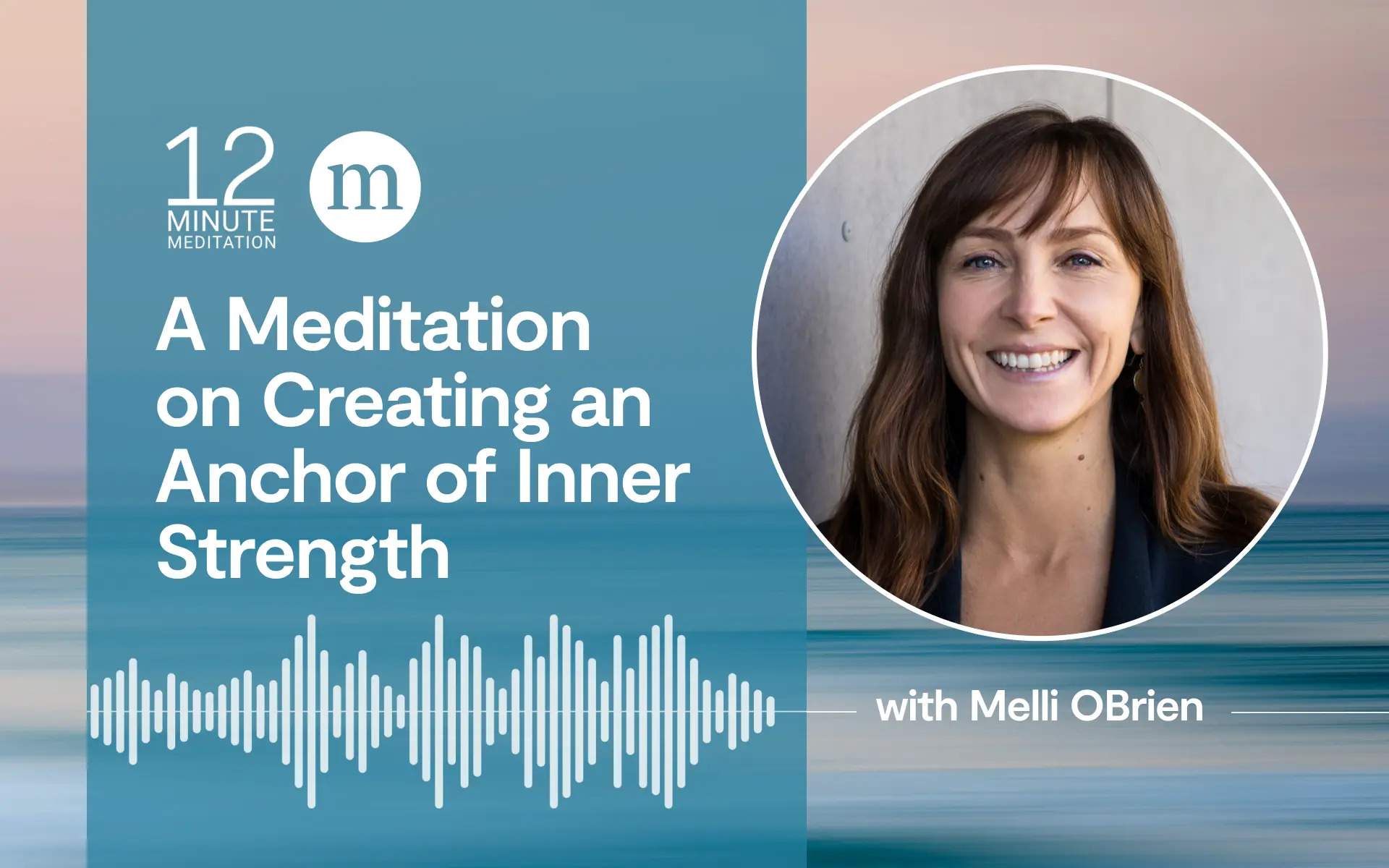
  • A Meditation for Creating an Anchor of Inner Strength

    A Meditation for Creating an Anchor of Inner Strength

    In this guided practice, we focus on qualities of inner strength that we can return to in times of uncertainty.

    What does it feel like to experience ourselves—in our own minds and bodies—as a reliable place we can come home to in order to feel grateful, calm, and resilient?

    In this week’s guided meditation, Melli O’Brien walks us through a practice we can return to in times of uncertainty or challenge to remind us of our own inner strength.

    A Meditation for Creating an Anchor of Inner Strength

    Read and practice the guided meditation script below, pausing after each paragraph. Or listen to the audio practice.

    1. Start by finding your way into a comfortable position. Sit in a comfortable way, with the spine more upright rather than slouching. When you’re ready, gently close the eyes, if that’s comfortable for you. Otherwise, you can just have them downcast with a soft gaze. When you’re ready, take three deep, slow, full breaths.  
    2. As you exhale, allow your physical body to soften. Relax a little, feeling the softening through the jaw, shoulders, belly, and hands. Again, another breath in, and out. Let go of anything that’s on the mind. To-do lists, worries, ruminations—allow yourself to arrive right here, right now, in this time, this place, this moment. 
    3. As you let the breath settle back into its own natural rhythm, continue to feel the flow of sensations of that breath moving in your body. Breathe naturally, feeling the sensations of the breath as it enters the body and leaves the body. Rest awareness on the feeling and the flow of the natural breath, allowing the breath to anchor you in the present moment. 
    4. Now bring to mind a feeling of gratitude. What does gratitude feel like in your body? You might like to take a moment to dwell on thoughts of what you’re grateful for. The food in the cupboards or water from the taps. The fact that you are safe right now and that you have this time to take care of your mental well-being. Maybe you’re  thinking about the acts of kindness you’ve received in your life, from the smile of a stranger to bigger gestures of support. Maybe you’re remembering the people who’ve loved you, supported you, forgiven you, encouraged you. What else can you be grateful for? Maybe the miracle that you’re alive at all. 
    5. Allow these feelings of gratitude flood through every fiber of your being, filling you up like golden light. That feeling of inner strength, when you notice that you have enough, that you’re supported by life, a feeling of relaxing and feeling abundant—intensify that feeling. What does it feel like in your body? How do you breathe? How do you hold yourself when you feel grateful? Bathe in that feeling. Feel the goodness of it, the strength of it. What do you say to yourself when you feel grateful? 
    6. Now squeeze your right fist gently as you feel that feeling of gratitude. Make an intention right now that you’re taking this gratitude forward with you in your life, maybe mentally saying to yourself, Thank you, this gratitude is with me now
    7. Now bring to mind the feeling of calm. Maybe you can remember times when you felt calm. Like when you were standing at the ocean’s edge watching a sunset or sunrise. Or you can just conjure up this feeling, maybe imagining a calm scene. Let  calm wash through you. Let it come alive in you. What does calm feel like? Let it move through you, soothe you, and ground you. Bring the feeling of calm to mind when you feel fully at ease, when you can be totally yourself. You’re safe, comfortable, and relaxed. Notice how you feel when you’re calm. How do you breathe? How do you hold your body? Feel the peace, the serenity, and the ease. Bathe in that feeling. 
    8. Feel the goodness of calm, the strength of it, and then gently squeeze your right fist as you feel that feeling. Mentally say to yourself, This calm is with me now. Making an intention to take the calm forward in your life. 
    9. Now bring to mind a feeling of grit. What does it feel like when you have grit? You know that inner strength when you know you could never be stuck because you always find the way forward. You always find the way through. You’re not stuck in problems, you’re thinking about solutions and creative ways forward. You’re resourceful, determined, and even playful when it comes to facing difficulty and challenges. What would grit feel like? Imagine it, remember it, let it fill your body and flow through you. How do you breathe when you have grit? How do you move? When you’re empowered, you’re focused on where you’re going, and what matters deep in your heart, your purpose, your truth, nothing’s going to stand in your way. Intensify the feeling, that feeling of grit.
    10. Feel the goodness of it, the strength of it. Squeeze your right fist as you’re feeling that feeling and make an intention that you’re now taking grit forward with you in your life, mentally saying to yourself, Thank you, this grit is with me now. Feel it become a part of you. 
    11. Now bring to mind the feeling of love. Maybe you’re remembering times when you opened your heart, when you gave love freely, when you gave someone the benefit of the doubt. Or a time when you forgave, showed compassion, kindness. Imagine or remember love: what it’s like to feel love, embody love, give love. Connect with it now and let it wash through your body and your being. Maybe even place your hands on your heart. What does love feel like in your body? Bathe in that feeling—the goodness of it, the strength of it, letting love wash through every fiber of your being, every cell of your body. 
    12. As you feel that love, gently squeeze your right fist. Mentally say to yourself, This love is with me now. Feel it become a part of you. 
    13. Now bring to mind another quality that you want to develop. Take a moment to remember what that feeling, what that quality feels like. Connect with it, remember it, conjure it up, and let it wash through you. Let it come alive in you now. What does it feel like in your body, in your mind, in your heart? See if you can intensify that feeling as if it was filling all the cells of your body, flowing through every inch of skin and bone and being within you. How do you breathe when you feel that feeling? What do you say to yourself? How do you hold your body? 
    14. Bathe in that feeling. Feel the goodness of it, the strength of it. And then squeeze your right fist as you feel that inner strength and make an intention that you’re taking this quality with you forward from this day in your life. Mentally saying to yourself, Well, this quality is with me now. Feel it become a part of you. 
    15. Now you can drop awareness back into your breathing. Just breathe naturally. Ride the waves of the breaths as the body breathes in and as the body breathes out, just feeling strong. As you breathe out, wriggle the fingers and the toes, and notice how you’re feeling after taking this time out for meditation. When you’re ready, open your eyes. 


    Source link

  • 10-Step Guide to Creating a Workout Schedule That’ll Keep You Consistently Fit

    10-Step Guide to Creating a Workout Schedule That’ll Keep You Consistently Fit

    Creating a workout schedule is a crucial step in achieving fitness goals. With so many options and distractions, it can be overwhelming to know where to start. In this 10-step guide, we will walk you through the process of creating a workout schedule that will keep you consistently fit and motivated.

    Step 1: Define Your Fitness Goals

    Before creating your workout schedule, it’s essential to define your fitness goals. What do you want to achieve? Do you want to lose weight, build muscle, or improve overall health? Be specific and realistic about your goals. Write them down, and make sure they are achievable, measurable, and relevant to your lifestyle.

    Step 2: Assess Your Schedule

    Take a close look at your daily and weekly schedule. What are your commitments, including work, family, and other responsibilities? Be honest with yourself about how much time you have available for exercise. Identify any blocks of time that can be dedicated to working out.

    Step 3: Choose Your Workout Type

    With your schedule in mind, choose the type of workout you want to prioritize. Are you a fan of group fitness classes, or do you prefer solo weightlifting? Maybe you’re interested in high-intensity interval training (HIIT) or yoga? Select an exercise type that you enjoy and will stick to.

    Step 4: Decide on a Workout Frequency

    Based on your schedule and preferences, decide on a workout frequency. Do you have time for daily workouts, or would you be more comfortable with a few times a week? Aim to start with a realistic goal and gradually increase the frequency as you gain momentum.

    Step 5: Create Your Workout Schedule

    Using your defined goals, schedule, and preferred workout type, create a calendar view of your workout schedule. Mark down the specific days, times, and duration of each workout. Be realistic about how much time you have available and prioritize your commitments.

    Step 6: Prioritize Your Workouts

    Identify the most important workouts for your fitness goals and schedule them first. For example, if you’re trying to build muscle, your strength training days might take priority. If you’re aiming for cardio endurance, schedule your longer cardio days.

    Step 7: Leave Some Room for Flexibility

    Life can be unpredictable, and unexpected events may arise. Leave some room in your schedule for flexibility. If you need to swap days or miss a workout, don’t stress. Remember, consistency is key, but it’s also okay to adjust your schedule as needed.

    Step 8: Schedule Rest Days (Yes, You Need Them!)

    Rest days are essential for recovery and muscle growth. Schedule them into your calendar, just as you would any other workout. Aim for at least one to two rest days per week, depending on your intensity and goals.

    Step 9: Track Your Progress (It’s Motivating!)

    Tracking your progress is a great way to stay motivated and focused. Use a fitness tracker, log, or mobile app to record your workouts, sets, reps, and weight. Seeing your progress can be a powerful motivator, helping you stay committed to your schedule.

    Step 10: Review and Adjust (It’s Always a Process!)

    As you start your workout schedule, be prepared to review and adjust. Life changes, and so do your priorities. Regularly review your schedule to ensure it still aligns with your goals and needs. Make adjustments as necessary to stay on track.

    Conclusion

    Creating a workout schedule that works for you is an ongoing process. By following these 10 steps, you’ll set yourself up for success and be more likely to stick to your fitness routine. Remember to prioritize your goals, schedule, and flexibility. With a clear plan in place, you’ll be on your way to achieving your fitness goals and enjoying the many benefits that come with regular exercise.

    FAQs

    Q: How often should I work out to achieve my fitness goals?
    A: Aim to work out at least 3-4 times per week, with at least one to two rest days.

    Q: What if I miss a workout?
    A: Don’t stress! If you need to miss a workout, get back on track as soon as possible.

    Q: Can I switch up my workout routine?
    A: Absolutely! Mix it up to avoid plateaus and prevent overuse injuries.

    Q: How do I know if my schedule is realistic?
    A: Be honest with yourself about your available time and priorities. Make adjustments as needed to ensure consistency.

    Q: What if I’m not seeing results?
    A: Patience is key! It takes time to see progress. Adjust your schedule as needed, and don’t be too hard on yourself.

    By following this 10-step guide, you’ll be well on your way to creating a workout schedule that will keep you consistently fit and motivated. Remember to prioritize your goals, schedule, and flexibility, and you’ll be achieving your fitness goals in no time!

    10-step-guide-to-creating-a-workout-schedule-thatll-keep-you-consistently-fit

  • Sweat Like a Pro, Spend Like a Student: A Budget-Friendly Guide to Creating a Home Gym

    Sweat Like a Pro, Spend Like a Student: A Budget-Friendly Guide to Creating a Home Gym

    Creating a home gym can be a daunting task, especially for those on a tight budget. However, with a little creativity and planning, it’s possible to build a functional and effective workout space that rivals those found in high-end gyms. In this article, we’ll explore the concept of "Sweat Like a Pro, Spend Like a Student" and provide a comprehensive guide on how to create a budget-friendly home gym.

    Why Create a Home Gym?

    Before we dive into the nitty-gritty of building a home gym, let’s talk about why it’s a great idea. Having a home gym can be a game-changer for those who lead busy lives or have difficulty finding time to visit a traditional gym. With a home gym, you can work out at your own pace, whenever and wherever you want. This level of flexibility is hard to come by in a traditional gym setting, where you’re often limited by equipment availability and class schedules.

    Another significant benefit of having a home gym is the cost savings. Gym memberships can be expensive, especially if you’re paying for a premium membership with access to high-end equipment and amenities. By creating a home gym, you can avoid these costs and invest your money in other areas of your life.

    Assessing Your Space

    Before you start building your home gym, it’s essential to assess the space you have available. Consider the following factors:

    • Room size: How much space do you have available for your home gym? A larger room will give you more flexibility when it comes to equipment selection.
    • Ceiling height: Make sure you have enough clearance for any equipment you plan to install, such as pull-up bars or suspension training systems.
    • Natural light: If possible, choose a room with natural light to create a more uplifting and energizing workout environment.
    • Noise level: If you live in an apartment or shared living space, consider the noise level of your workouts and choose equipment that won’t disturb others.

    Budget-Friendly Equipment Options

    When it comes to building a home gym, it’s easy to get caught up in the idea of investing in high-end equipment. However, there are plenty of budget-friendly options available that can provide an effective workout.

    • Resistance bands: These versatile bands can be used for strength training, stretching, and even as a makeshift pull-up bar.
    • Adjustable dumbbells: These compact dumbbells can be adjusted to different weights, making them a great space-saving option.
    • Kettlebells: Kettlebells are a great way to add variety to your workouts and can be used for strength training, cardio, and even as a makeshift weight for exercises like squats and lunges.
    • Folding exercise bike: A folding exercise bike is a great way to add cardio to your workouts without taking up too much space.

    DIY Projects

    One of the best ways to save money when building a home gym is to get creative with DIY projects. Here are a few ideas to get you started:

    • DIY pull-up bar: Use a sturdy wooden beam or metal rod to create a pull-up bar. You can attach it to the ceiling or a wall, depending on your space.
    • Homemade suspension training system: Use resistance bands and a few sturdy hooks to create a suspension training system. This can be used for exercises like push-ups, squats, and lunges.
    • DIY exercise ball: Fill a large exercise ball with sand or water to create a budget-friendly alternative to a traditional exercise ball.

    Setting Up Your Home Gym

    Once you have your equipment and DIY projects in place, it’s time to set up your home gym. Here are a few tips to keep in mind:

    • Create a workout station: Set up a dedicated workout station with a mirror, a water bottle, and any other essentials you need.
    • Organize your equipment: Keep your equipment organized and within reach to avoid clutter and distractions.
    • Add some motivation: Hang up motivational quotes, photos, or workout goals to keep you motivated and focused.

    Tips for Effective Workouts

    A home gym is only as effective as the workouts you put in. Here are a few tips to help you get the most out of your home gym:

    • Create a workout routine: Plan out your workouts in advance to ensure you’re getting a balanced routine.
    • Start slow: Don’t try to do too much too soon. Start with shorter workouts and gradually increase the intensity and duration.
    • Mix it up: Vary your workouts to avoid plateaus and prevent overuse injuries.

    Conclusion

    Building a home gym doesn’t have to break the bank. With a little creativity and planning, you can create a functional and effective workout space that rivals those found in high-end gyms. Remember to assess your space, choose budget-friendly equipment options, and get creative with DIY projects. By following these tips, you can create a home gym that will help you achieve your fitness goals and save you money in the long run.

    FAQs

    Q: What’s the most important thing to consider when building a home gym?
    A: The most important thing to consider is the space you have available. Make sure you have enough room for your equipment and can move around comfortably.

    Q: What’s the best way to save money when building a home gym?
    A: The best way to save money is to choose budget-friendly equipment options and get creative with DIY projects.

    Q: How can I stay motivated and focused in my home gym?
    A: Hang up motivational quotes, photos, or workout goals to keep you motivated and focused. You can also create a workout routine and track your progress to stay on track.

    Q: What’s the most effective way to use my home gym?
    A: The most effective way to use your home gym is to create a workout routine and stick to it. Vary your workouts to avoid plateaus and prevent overuse injuries.

    sweat-like-a-pro-spend-like-a-student-a-budget-friendly-guide-to-creating-a-home-gym

  • Achieve Total Fitness: A Step-by-Step Guide to Creating a Balanced Workout Routine

    Achieve Total Fitness: A Step-by-Step Guide to Creating a Balanced Workout Routine

    Creating a Balanced Workout Routine: A Step-by-Step Guide to Achieve Total Fitness

    In today’s fast-paced world, it’s no secret that maintaining a healthy and balanced lifestyle can be a daunting task. One of the most significant aspects of achieving overall well-being is creating a workout routine that addresses all aspects of physical fitness. A well-designed routine can help you improve cardiovascular health, increase strength and flexibility, and enhance overall physical fitness. But, where do you start? In this article, we’ll take you on a step-by-step journey to create a balanced workout routine that will help you achieve total fitness.

    Understanding the Importance of a Balanced Workout Routine

    Before diving into the nitty-gritty of creating a workout routine, it’s essential to understand the importance of balance. A balanced routine should include a mix of exercises that target different areas of the body, such as cardio, strength training, and flexibility exercises. This approach helps to avoid plateaus, reduces the risk of injury, and ensures that you’re addressing all aspects of physical fitness.

    Step 1: Set Your Goals and Assess Your Current Fitness Level

    The first step in creating a balanced workout routine is to set specific and achievable goals. What do you want to achieve from your workout routine? Do you want to lose weight, build muscle, increase endurance, or improve overall fitness? Once you have a clear idea of what you want to achieve, it’s essential to assess your current fitness level.

    Take a few minutes to assess your current fitness level by performing a series of exercises, such as a 1-mile walk, 10 push-ups, 10 squats, and 10 lunges. This will give you an idea of your overall fitness level and help you identify areas that need improvement.

    Step 2: Choose Your Cardio Exercise

    Cardio exercises, such as running, cycling, or swimming, are an essential part of a balanced workout routine. They help to improve cardiovascular health, increase endurance, and burn calories. Choose an exercise that you enjoy, as this will make it more likely that you’ll stick to your routine.

    Step 3: Incorporate Strength Training Exercises

    Strength training exercises, such as weightlifting, bodyweight exercises, or resistance band exercises, help to build muscle and improve overall physical fitness. When choosing strength training exercises, focus on exercises that work multiple muscle groups at once, such as squats, deadlifts, and bench press.

    Step 4: Include Flexibility Exercises

    Flexibility exercises, such as stretching or yoga, are essential for improving flexibility, reducing muscle soreness, and preventing injuries. Make sure to include exercises that target all major muscle groups, such as hamstrings, quadriceps, and chest muscles.

    Step 5: Create a Workout Schedule

    Once you’ve chosen your exercises, it’s time to create a workout schedule. A well-designed schedule should include a mix of cardio, strength training, and flexibility exercises, and should be tailored to your fitness goals and level.

    A general rule of thumb is to start with 2-3 days of cardio exercises per week, and 2-3 days of strength training exercises per week. Make sure to give your body at least one day of rest between each workout, and increase the intensity and duration of your workouts as you get stronger and more fit.

    Step 6: Listen to Your Body and Adjust as Needed

    As you start your workout routine, it’s essential to listen to your body and adjust as needed. Pay attention to any areas of tension or discomfort, and modify your exercises accordingly. Remember, it’s better to err on the side of caution and take it easy than to risk injury or burnout.

    Common Mistakes to Avoid

    When creating a workout routine, it’s easy to make common mistakes that can hinder progress and increase the risk of injury. Some common mistakes to avoid include:

    • Not warming up properly before each workout
    • Not listening to your body and pushing through pain or discomfort
    • Failing to incorporate rest days and recovery time
    • Not incorporating a mix of exercises that target different areas of the body
    • Not setting realistic goals and expectations

    Conclusion

    Creating a balanced workout routine that addresses all aspects of physical fitness can be overwhelming, but by following these simple steps, you’ll be well on your way to achieving total fitness. Remember to set specific and achievable goals, choose exercises that you enjoy, incorporate a mix of cardio, strength training, and flexibility exercises, and listen to your body and adjust as needed.

    Frequently Asked Questions

    Q: How often should I workout?
    A: Aim for 2-3 days of cardio exercises per week, and 2-3 days of strength training exercises per week.

    Q: What exercises should I start with?
    A: Start with exercises that are gentle on your joints, such as bodyweight exercises or resistance band exercises. As you get stronger, you can gradually increase the intensity and difficulty of your workouts.

    Q: How long should my workouts be?
    A: Aim for workouts that are 30-60 minutes long. This will give you enough time to warm up, complete your exercises, and cool down.

    Q: What if I get bored with my workout routine?
    A: Mix it up! Try new exercises, change your workout routine every 4-6 weeks, or workout outdoors.

    Q: What if I get injured?
    A: Stop immediately and rest for at least 24 hours. Consult with a medical professional or fitness expert for guidance on how to rehabilitate and prevent future injuries.

    achieve-total-fitness-a-step-by-step-guide-to-creating-a-balanced-workout-routine