Tag: countries

  • Chikungunya Outbreaks Are Now Active in Three Different Countries and Territories Simultaneously — and Summer Travelers Are at Risk from the Caribbean to the Indian Ocean

    Chikungunya Outbreaks Are Now Active in Three Different Countries and Territories Simultaneously — and Summer Travelers Are at Risk from the Caribbean to the Indian Ocean

    Summer 2026 has produced an unusual public health picture on the CDC Travel Health Notices page: three simultaneous active travel notices for chikungunya — the mosquito-borne virus known for causing weeks of debilitating joint pain — across three different geographic regions. Suriname, a country on the northeastern coast of South America, has had an active chikungunya outbreak since February 2026. Mayotte, a French territory in the Indian Ocean off the coast of Mozambique, has been under a CDC chikungunya notice since March 10, 2026. And French Guiana, the French overseas territory on the northern coast of South America adjacent to Brazil, received a new CDC travel notice for chikungunya on June 4, 2026 — just 10 days ago.

    Three simultaneous active outbreaks across two continents and the Indian Ocean, all in destinations that receive American travelers during peak summer season, all involving the same virus, and all preventable by a vaccine that most American travelers have never heard of.

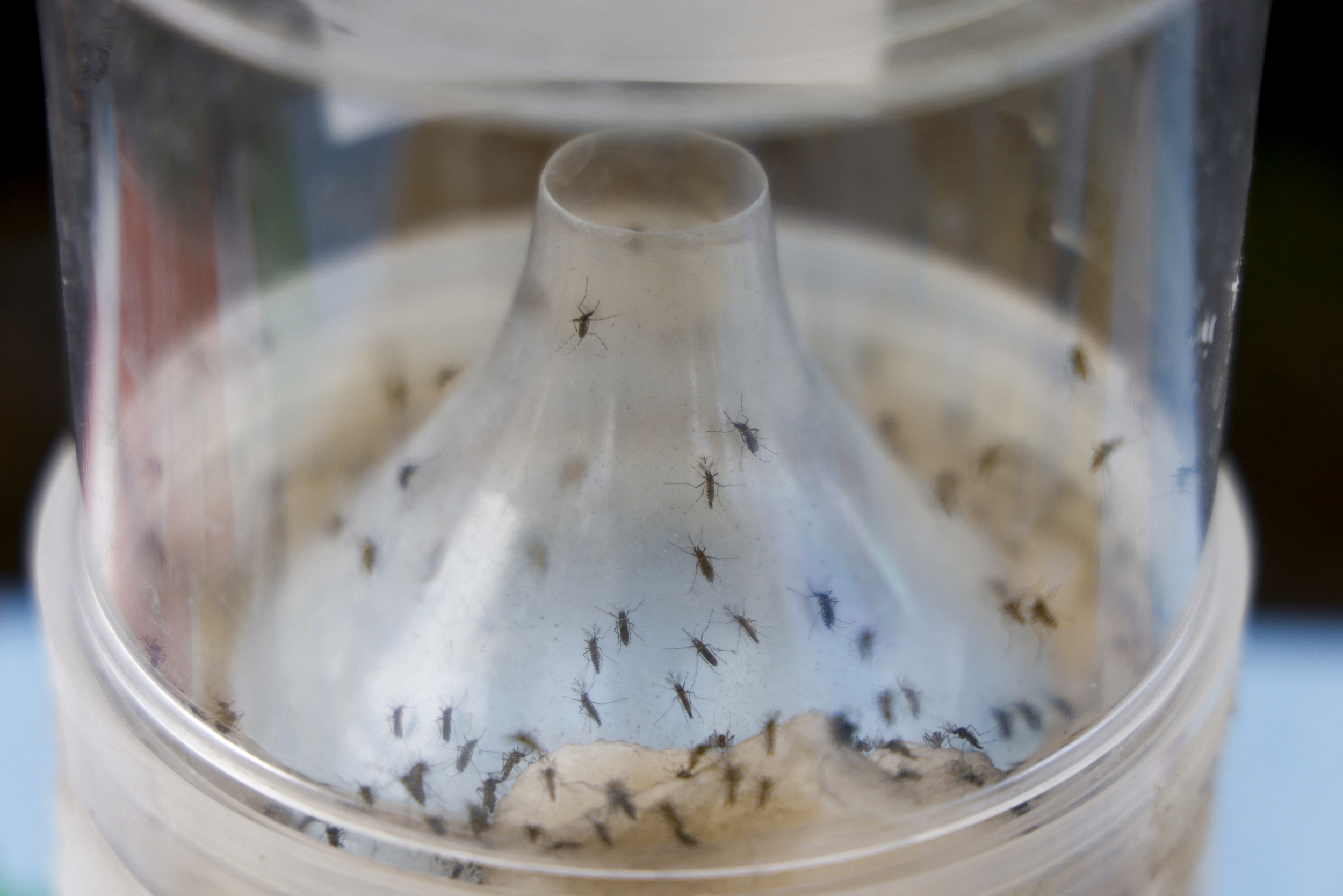
    Chikungunya is caused by the chikungunya alphavirus, transmitted primarily by Aedes aegypti and Aedes albopictus mosquitoes — the same species responsible for dengue fever and Zika virus transmission. It cannot spread person to person. It requires a mosquito bite for transmission, which means travelers who effectively prevent mosquito bites can protect themselves. But unlike dengue — for which no reliably effective, widely available vaccine existed in the U.S. until recently — chikungunya now has an FDA-approved single-dose vaccine that provides broad, durable protection.

    The Pattern of These Three Simultaneous Outbreaks

    The geographic distribution of the three current CDC chikungunya notices reflects distinct but parallel epidemiological situations. In Suriname, chikungunya has been circulating since at least February 2026, consistent with the country’s tropical climate that supports year-round Aedes mosquito activity. Suriname borders Guyana to the west, Brazil to the south, and French Guiana to the east — meaning outbreak activity in Suriname creates risk for cross-border spread to adjacent territories, and the French Guiana notice issued June 4 is likely connected to regional transmission dynamics that began in Suriname and Brazil.

    Mayotte’s chikungunya outbreak is separate in origin — the island’s subtropical Indian Ocean climate creates independent conditions for Aedes activity, and chikungunya has a well-documented history of large outbreak cycles in Indian Ocean territories, including the catastrophic 2005–2006 outbreak in La Réunion that infected nearly one-third of the island’s population.

    What these three outbreaks share is the presence of Aedes aegypti or Aedes albopictus at epidemic transmission levels, a population of susceptible individuals without prior immunity, and the current arrival of the summer travel season, which increases the probability of importation to the United States via returning travelers.

    What Chikungunya Does to the Human Body

    The word chikungunya comes from the Makonde language of Tanzania, meaning “that which bends up” — a reference to the stooped posture that patients adopt in response to severe joint pain. The description is medically accurate and experientially unforgettable. After an incubation period of 2 to 12 days following a mosquito bite, patients develop sudden high fever — often above 103°F — accompanied by polyarthralgia, the simultaneous severe painful inflammation of multiple joints. The hands, wrists, ankles, and feet are most commonly affected, and the pain is frequently described by patients as worse than anything they have experienced. Many cannot walk, dress, or grip a cup.

    The acute phase typically lasts 7 to 10 days. Most patients recover. But approximately 25 to 50 percent of people infected with chikungunya develop chronic post-chikungunya arthritis — persistent joint pain that continues for months to years after the initial infection has resolved. This is the longest-lasting and most debilitating consequence of chikungunya, and it disproportionately affects older adults and those with pre-existing joint disease.

    The Vaccine That Travelers Are Not Getting

    The FDA approved Ixchiq (chikungunya vaccine) in November 2023 for adults 18 and older at increased risk of chikungunya exposure. Ixchiq is a live-attenuated, single-dose vaccine that requires no booster and has demonstrated strong immunogenicity and an acceptable safety profile in clinical trials. It is available through travel medicine clinics and many primary care providers.

    Despite its approval, Ixchiq remains significantly underutilized among American travelers to chikungunya-endemic and outbreak-affected regions. Awareness of the vaccine’s existence is low among both patients and some general practitioners who do not specialize in travel medicine. Travelers heading to Suriname, French Guiana, Mayotte, or any of the many Caribbean and South American destinations currently experiencing elevated chikungunya activity should specifically ask about Ixchiq at their travel medicine consultation.

    The vaccine requires at least 28 days to induce full protection, so travelers should plan accordingly — those departing within 28 days should be advised to rely on intensive mosquito bite prevention while the vaccine becomes effective, or may not benefit from vaccination for their current trip. As with all mosquito-borne disease prevention, repellent use, protective clothing, air conditioning, and bed nets remain essential complements to vaccination.

    Frequently Asked Questions

    Q: Where are the current chikungunya outbreaks with CDC travel notices?

    A: As of June 2026, active CDC chikungunya travel notices cover Suriname (February 2026), Mayotte, a French Indian Ocean territory (March 10, 2026), and French Guiana (June 4, 2026).

    Q: What are the symptoms of chikungunya?

    A: Sudden high fever and severe polyarthralgia — simultaneous joint pain in multiple joints, especially the hands, wrists, ankles, and feet — beginning 2 to 12 days after a mosquito bite. The pain is frequently described as the worst the patient has ever experienced. Most cases resolve within 7 to 10 days, but 25–50% develop chronic joint pain lasting months to years.

    Q: Is there a vaccine for chikungunya?

    A: Yes. Ixchiq is an FDA-approved single-dose live-attenuated vaccine for adults 18 and older. It was approved November 2023 and is available at travel medicine clinics. It requires approximately 28 days to become fully effective.

    Q: Who should get vaccinated against chikungunya before travel?

    A: Adults 18 and older traveling to areas with active chikungunya transmission who will have outdoor exposure to mosquitoes. This currently includes travelers to Suriname, French Guiana, Mayotte, and other active outbreak areas.

    Q: How is chikungunya different from dengue fever?

    A: Both are transmitted by Aedes mosquitoes and cause fever. Chikungunya is distinguished by the severe arthralgia (joint pain) that dominates its clinical picture and can persist for months to years. Dengue more commonly causes a characteristic rash, severe headache, and potentially hemorrhagic complications.

    Source link

  • 5 Best Countries to Study Culinary Arts Abroad for Aspiring Chefs

    5 Best Countries to Study Culinary Arts Abroad for Aspiring Chefs


    If you have a passion for cooking and dream of a culinary career, studying abroad can be a transformative experience. Beyond diverse cuisines and techniques, it offers a unique cultural immersion, enriching your culinary perspective. Here, we explore five of the best countries to study culinary arts abroad, each offering distinct advantages and opportunities for aspiring chefs.

    Why Study Culinary Arts Abroad?

    Studying culinary arts abroad offers numerous benefits that can significantly build your career. Firstly, it provides cultural immersion. You’ll experience diverse culinary traditions and techniques firsthand, expanding your repertoire and creativity in the kitchen. Additionally, studying abroad often means learning from world-renowned chefs and institutions, which can provide a competitive edge in the job market. According to a 2023 report by the World Association of Chefs’ Societies, chefs with international training are 30% more likely to secure top positions in the culinary industry.

    1. France

    Why Study in France?

    France is often considered the culinary capital of the world, and for good reason. The country boasts a rich gastronomic heritage, with a focus on technique, precision, and artistry. French cuisine has influenced culinary traditions worldwide, making it an ideal place for aspiring chefs to improve their skills.

    Top Culinary Schools

    • Le Cordon Bleu, Paris: Known for its rigorous training and prestigious reputation, Le Cordon Bleu offers a variety of programs in cuisine, pastry, and wine.
    • Ecole Ducasse: Founded by the legendary chef Alain Ducasse, this institution focuses on both culinary arts and entrepreneurship, preparing students for different career paths.

    Programs and Opportunities

    France offers a variety of programs ranging from short courses to full degrees in culinary arts. Many even include internships at top restaurants, giving you invaluable hands-on experience. According to a 2023 report by the French Ministry of Education, over 70% of culinary students in France find employment within six months of graduation.

    Cultural Experience

    Living in France allows you to immerse yourself in a culture that takes food seriously. From local markets to Michelin-starred restaurants, the culinary practice in France is broad and rich. This exposure helps you understand the importance of ingredients, techniques, and presentation in French cuisine.

    2. Italy

    Why Study in Italy?

    Italy is another top destination for culinary arts education. Known for its regional diversity in cuisine, studying in Italy offers a comprehensive understanding of Italian culinary traditions. Cities like Florence, Rome, and Bologna are renowned for their culinary schools and thriving food culture.

    Top Culinary Schools

    • ALMA – The International School of Italian Cuisine: Located in Parma, ALMA offers comprehensive programs that cover all aspects of Italian cuisine, from pasta making to wine pairing.
    • Apicius International School of Hospitality: Based in Florence, Apicius provides a range of culinary and hospitality courses, with a focus on experiential learning.

    Programs and Opportunities

    Italian culinary schools offer a range of programs, from short courses in pasta making to full degrees in culinary arts. According to a 2024 study by the Italian Ministry of Education, 65% of culinary graduates in Italy secure jobs within three months of completing their studies.

    Cultural Experience

    Italy’s culinary culture is deeply rooted in its history and traditions. Studying here allows you to experience the local food markets, vineyards, and traditional cooking methods. This cultural immersion is important for anyone looking to specialize in Italian cuisine.

    3. Japan

    Why Study in Japan?

    Japan has a unique blend of traditional and modern culinary arts. Known for its precision and attention to detail, Japanese cuisine is a perfect study for those interested in mastering the art of sushi, ramen, and kaiseki.

    Top Culinary Schools

    • Tokyo Sushi Academy: Specializing in sushi and Japanese cuisine, this academy offers intensive programs for beginners and experienced chefs.
    • Le Cordon Bleu Tokyo: This branch of the renowned French culinary school provides courses in both Japanese and French cuisine, offering a unique cross-cultural experience.

    Programs and Opportunities

    Japanese culinary schools offer specialized programs in various aspects of their cuisine. According to a 2023 report by the Japanese Ministry of Education, 80% of culinary students in Japan find employment within six months of graduation.

    Cultural Experience

    Studying in Japan provides an opportunity to immerse yourself in a culture that values precision and aesthetics in food preparation. From bustling fish markets to serene tea ceremonies, the cultural experience is enriching and educational.

    4. Thailand

    Why Study in Thailand?

    Thailand is known for its colorful and flavorful cuisine. Studying here provides an opportunity to learn about the intricate balance of flavors and the use of fresh ingredients that define Thai cuisine.

    Top Culinary Schools

    • Blue Elephant Cooking School: Located in Bangkok, this school offers a range of programs from short courses to professional chef training.
    • Le Cordon Bleu Dusit: This branch of the famous culinary school provides comprehensive programs in Thai and international cuisine.

    Programs and Opportunities

    Thai culinary schools offer a range of programs, from short courses in street food to full degrees in culinary arts. According to a 2024 study by the Thai Ministry of Education, 75% of culinary graduates in Thailand find employment within three months of completing their studies.

    Cultural Experience

    Living in Thailand allows you to experience the local food markets, street food culture, and traditional cooking methods. This cultural engagement is essential for anyone looking to specialize in Thai cuisine.

    5. Spain

    Why Study in Spain?

    Spain provides a unique experience with its diverse regional cuisines. Known for its tapas, paella, and innovative culinary techniques, Spain is a great place to study culinary arts.

    Top Culinary Schools

    • Basque Culinary Center: Located in San Sebastián, this prestigious institution offers undergraduate and postgraduate programs in culinary arts and gastronomy.
    • Le Cordon Bleu Madrid: This branch of the famous culinary school provides a range of programs in Spanish and international cuisine.

    Programs and Opportunities

    Spanish culinary schools offer a variety of programs, from short courses in tapas making to full degrees in culinary arts. According to a 2023 report by the Spanish Ministry of Education, 68% of culinary graduates in Spain secure jobs within six months of completing their studies.

    Cultural Experience

    Studying in Spain provides an opportunity to engulf yourself in a culture that values social dining and innovative culinary techniques. From local food markets to Michelin-starred restaurants, the culinary practice in Spain is diverse and exciting.

    Conclusion

    Choosing the right country to study culinary arts can significantly impact your career. Each of these countries offers unique opportunities to learn from the best, gain hands-on experience, and immerse yourself in rich culinary traditions. Whether you dream of mastering French pastries, perfecting Italian pasta, or exploring Japanese sushi, studying abroad can help you turn your passion into a rewarding career.

    Explore these top culinary destinations, to develop your skills, gain invaluable experience, and launch a successful culinary career.

    Source link