Tag: Constant

  • Inside the Liver and Its Constant Role in Detoxification, Metabolism, and Bile and Blood Filtration

    Inside the Liver and Its Constant Role in Detoxification, Metabolism, and Bile and Blood Filtration

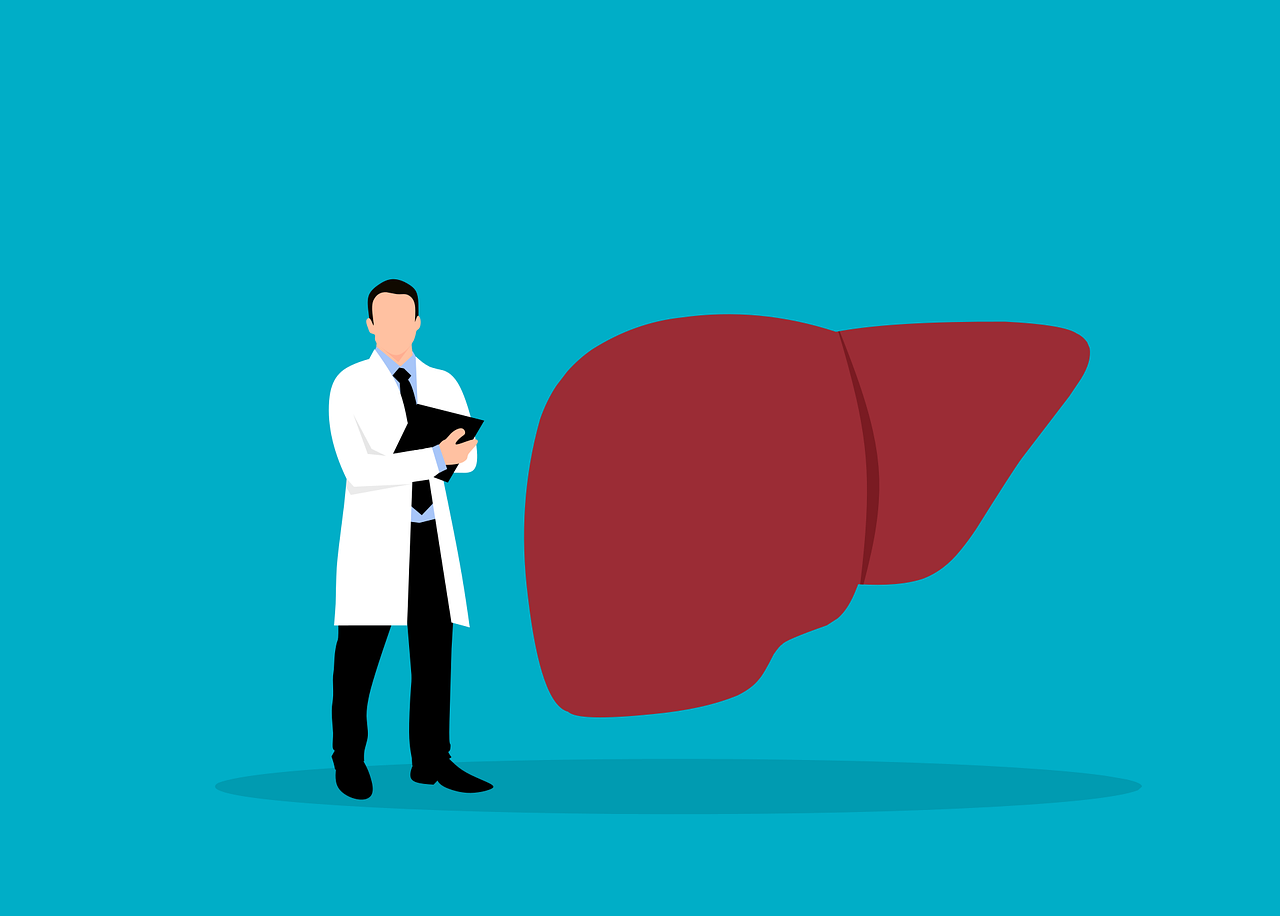
    The liver is one of the most vital organs in the human body, yet much of its work goes unnoticed. Every minute, the liver performs essential tasks that keep the body balanced and functioning properly, including detoxification, metabolism, bile production, and blood filtration.

    Unlike organs that send immediate signals when something is wrong, the liver works silently, handling complex biochemical processes that support nearly every system in the body.

    The Liver: Your Body’s Silent Powerhouse

    Located in the upper right abdomen, the liver is the largest internal organ and carries out hundreds of functions simultaneously. Its ability to multitask is what makes it indispensable. From filtering harmful substances to regulating nutrients, the liver plays a central role in maintaining internal stability.

    What makes the liver remarkable is how efficiently it performs detoxification, metabolism, bile production, and blood filtration without drawing attention. Even when under stress, it continues to operate in the background, adapting to the body’s needs in real time.

    How the Liver Handles Detoxification Every Minute

    One of the liver’s primary responsibilities is detoxification. As blood flows from the digestive system into the liver, it carries nutrients along with toxins such as alcohol, medications, and environmental chemicals. The liver processes these substances through a two-phase detoxification system.

    In Phase I, enzymes break down toxins into intermediate compounds. In Phase II, these compounds are converted into water-soluble substances that can be safely excreted through urine or bile. This ongoing process ensures that harmful substances do not accumulate in the body.

    The Liver’s Role in Metabolism and Energy Balance

    The liver is central to metabolism, acting as the body’s metabolic control center. It processes carbohydrates, fats, and proteins to ensure a steady supply of energy. After a meal, the liver converts excess glucose into glycogen for storage. When energy is needed, it converts glycogen back into glucose and releases it into the bloodstream.

    Fat metabolism also takes place in the liver, where fats are broken down for energy or converted into cholesterol and other essential molecules. Protein metabolism involves breaking down amino acids and removing ammonia, a toxic byproduct, by converting it into urea, according to Cleveland Clinic.

    Bile Production: The Liver’s Digestive Assistant

    Another critical function of the liver is bile production. Bile is a digestive fluid that helps break down fats into smaller molecules, making them easier to absorb in the intestines. Without bile, the body would struggle to absorb fat-soluble vitamins such as vitamins A, D, E, and K.

    Bile is continuously produced by the liver and stored in the gallbladder until it is needed. When fatty foods are consumed, bile is released into the digestive tract to aid in digestion. This process highlights the liver’s role in supporting efficient nutrient absorption.

    Blood Filtration: Cleaning Your Circulatory System

    Blood filtration is another key responsibility of the liver. Blood from the digestive organs passes through the liver before circulating throughout the body. During this process, the liver removes toxins, bacteria, and waste products.

    Specialized cells known as Kupffer cells play a role in identifying and breaking down harmful particles, contributing to immune defense. At the same time, the liver processes old or damaged red blood cells and recycles their components, as per Mayo Clinic.

    Other Essential Functions Happening in the Background

    Beyond detoxification, metabolism, bile production, and blood filtration, the liver performs several additional functions that are essential for survival. It produces proteins such as albumin, which helps maintain fluid balance, and clotting factors that prevent excessive bleeding.

    The liver also stores important vitamins and minerals, including vitamin B12, iron, and fat-soluble vitamins. These reserves are released when the body needs them, ensuring consistent nutrient availability.

    Hormone regulation is another task handled by the liver. It breaks down excess hormones and helps maintain proper hormonal balance, which affects everything from mood to metabolism.

    Signs Your Liver Might Be Struggling

    Because the liver operates quietly, early signs of trouble can be easy to miss. Symptoms often appear only after significant stress or damage has occurred. Common indicators include fatigue, yellowing of the skin or eyes (jaundice), abdominal discomfort, and dark urine.

    Digestive issues, such as nausea or loss of appetite, may also signal that the liver is not functioning optimally. Recognizing these signs early can help prevent more serious complications.

    How to Support Your Liver’s Daily Work

    Supporting liver health involves maintaining habits that reduce strain on its processes. A balanced diet rich in fruits, vegetables, and whole foods provides nutrients that aid detoxification and metabolism. Limiting alcohol and processed foods can reduce the burden on the liver.

    Staying hydrated helps the liver flush out toxins more effectively, while regular physical activity supports metabolic function. Routine health checkups can also help monitor liver function and detect potential issues early.

    Why the Liver’s Constant Work Matters for Overall Health

    The liver works continuously to keep the body in balance, managing detoxification, metabolism, bile production, and blood filtration without interruption. Its ability to adapt and perform multiple functions at once makes it one of the most important organs for maintaining overall health.

    By understanding how the liver operates quietly in the background, individuals can make informed choices that support its function. Protecting liver health is not just about preventing disease, it is about ensuring that the body’s internal systems continue to run smoothly every minute of the day.

    Frequently Asked Questions

    1. Can the liver repair itself after damage?

    Yes, the liver has a strong ability to regenerate, but repeated or severe damage can limit this process over time.

    2. How long does it take for the liver to process alcohol?

    On average, the liver processes about one standard drink per hour, depending on factors like body size and metabolism.

    3. Does drinking more water improve liver detoxification?

    Water supports overall body function and helps flush waste, but it does not directly speed up the liver’s detoxification processes.

    4. Are liver detox diets necessary for good health?

    Most detox diets are unnecessary because the liver naturally handles detoxification efficiently without special cleanses.


    Source link

  • How Constant Online Negativity Affects Mental Health

    How Constant Online Negativity Affects Mental Health

    Bad news has always existed, but smartphones changed how often the human brain encounters it. Doomscrolling—the habit of endlessly consuming negative news—turns rare crises into a constant mental environment. Wars, pandemics, economic fear, and social conflict now sit inches from our eyes, refreshed every few seconds. This pattern does not reflect reality’s full picture, but the brain processes it as ongoing threat exposure.

    Over time, doomscrolling effects reshape stress responses, sleep cycles, and emotional regulation. Many people describe feeling “on edge” without knowing why, or mentally exhausted despite doing very little. The issue is not awareness—it’s volume, repetition, and lack of recovery time. Understanding how doomscrolling affects the brain helps explain why it feels so hard to stop.

    Doomscrolling Effects on Brain Chemistry and Stress Response

    Doomscrolling effects are rooted in how the brain handles threat information. Negative stimuli are processed faster and remembered longer than neutral content, a survival mechanism that becomes harmful in digital environments. Constant exposure keeps the brain’s alarm system activated long after real danger has passed.

    According to the American Psychological Association, repeated exposure to distressing news increases cortisol production and sustains stress responses even without direct personal risk. Their research on stress and media consumption shows that continuous negative news intake can heighten anxiety, reduce emotional resilience, and impair decision-making under pressure.

    Elevated cortisol interferes with serotonin balance and reduces the brain’s ability to return to baseline calm. This contributes to irritability, difficulty focusing, and emotional numbness. Over time, doomscrolling effects resemble chronic stress disorders, where the nervous system struggles to disengage from perceived threats.

    The prefrontal cortex, responsible for rational thought and impulse control, becomes less active during prolonged stress. This makes it harder to stop scrolling even when content worsens mood. What feels like a lack of willpower is often a neurochemical feedback loop reinforced by fear-based information streams.

    Social Media Anxiety, Sleep Disruption, and Mental Fatigue

    Social media anxiety intensifies when doomscrolling pushes negative content into late-night hours. The brain does not differentiate between real-time danger and emotionally vivid headlines, especially before sleep. This disrupts natural circadian rhythms and reduces recovery time for the nervous system.

    Based on a study conducted by Harvard Medical School, exposure to emotionally arousing content before bed delays melatonin release and fragments REM sleep. Poor sleep quality increases anxiety sensitivity the following day, creating a feedback loop where fatigue drives more scrolling for reassurance or updates.

    Doomscrolling effects on sleep include racing thoughts, frequent awakenings, and shortened deep sleep cycles. Many people wake feeling unrested despite adequate hours in bed. Over time, this sleep debt amplifies emotional reactivity and lowers stress tolerance.

    Mental fatigue also increases because the brain is constantly switching attention between crises, opinions, and alerts. This cognitive overload reduces working memory and makes everyday tasks feel heavier. Social media anxiety grows not from one headline, but from hundreds competing for attention without pause.

    Tech Mental Health Strategies That Reduce Doomscrolling Effects

    Tech mental health approaches focus on reducing exposure without eliminating information entirely. The goal is not avoidance, but restoring boundaries that the brain evolved to need. Small design changes can significantly weaken doomscrolling effects.

    According to the National Institute of Mental Health, limiting exposure to distressing media and scheduling intentional news consumption helps reduce anxiety symptoms and improves emotional regulation. Their guidance on stress management emphasizes control over information flow as a key mental health factor.

    Effective strategies include disabling nonessential notifications, setting fixed news-check windows, and avoiding algorithm-driven feeds. Reading news through direct sources or newsletters reduces sensational amplification. Grayscale phone settings and app timers also lower compulsive checking by reducing visual stimulation.

    Tech mental health improves when the brain is given uninterrupted periods of neutrality. This allows stress hormones to normalize and restores attention capacity. Over days and weeks, people often report improved mood stability, better sleep, and reduced urge to constantly check updates.

    Why Doomscrolling Feels So Hard to Stop

    Doomscrolling effects are reinforced by uncertainty. The brain seeks closure during threats, but online news rarely provides resolution. Each refresh promises clarity while delivering more ambiguity, keeping the loop active.

    Social validation also plays a role. Shared outrage and concern create a sense of connection, even while increasing anxiety. Algorithms amplify this by prioritizing emotionally charged content that generates engagement.

    Understanding that this pattern is engineered—not a personal failure—helps reduce self-blame. Breaking doomscrolling habits is less about discipline and more about redesigning digital environments to support mental recovery.

    Long-Term Mental Health Impacts to Be Aware Of

    When the brain remains in a near-constant alert state, recovery becomes harder and stress responses stay elevated. Understanding these long-term mental health impacts helps explain why doomscrolling feels draining even on “quiet” days.

    • Chronic anxiety from prolonged activation of the brain’s threat-detection system
    • Increased risk of depressive symptoms due to reduced serotonin and emotional fatigue
    • Emotional burnout caused by constant vigilance without mental recovery time
    • Reduced ability to feel calm, satisfaction, or pleasure during neutral or positive moments
    • Heightened sensitivity to stress, making everyday challenges feel more overwhelming
    • Information overload recognized by mental health professionals as a modern psychological stressor
    • Greater need for intentional news boundaries to stay informed without harming mental well-being

    A Healthier Relationship With News and Attention

    Reclaiming attention does not require ignoring reality. It requires pacing exposure in a way the nervous system can tolerate. Short, intentional check-ins replace endless scrolling. Neutral or positive content helps rebalance emotional tone.

    The brain adapts quickly when threat signals decrease. Many people notice improved mood and clarity within days of reducing doomscrolling effects. Mental health improves not because the world changes, but because the brain is finally allowed to rest.

    Frequently Asked Questions

    1. Does doomscrolling cause anxiety disorders?

    Doomscrolling can increase anxiety symptoms and push vulnerable individuals closer to clinical thresholds. It does not directly cause anxiety disorders on its own, but it significantly raises risk when combined with stress and poor sleep. Prolonged exposure keeps the nervous system in a heightened state. Reducing intake often lowers symptom severity.

    2. Why does bad news feel addictive?

    Negative information activates threat-detection systems designed to keep humans safe. Each update promises clarity or relief, even when it delivers more stress. Algorithms reinforce this by prioritizing emotionally intense content. The result is a habit loop rather than informed awareness.

    3. Can reducing doomscrolling improve sleep quickly?

    Yes, many people experience better sleep within a few nights of limiting evening news exposure. Melatonin production stabilizes when emotional stimulation drops before bed. Deeper sleep improves emotional regulation the following day. Consistency matters more than perfection.

    4. Is staying informed bad for mental health?

    Staying informed is not harmful when done intentionally and in moderation. Problems arise from constant, passive exposure without recovery time. Choosing when and how to consume news protects mental health while maintaining awareness. Balance, not avoidance, is the goal.


    Source link

  • Constant Craving – Mindful

    Constant Craving – Mindful

    If there’s a patch of open lawn at a corner, children will cut through, and grass soon becomes hardened ground. Ancient people created paths walking from one place to another; horses and oxen widened them; and today they’re paved roads. When we want to go someplace, we choicelessly take these well-trodden paths.

    It’s the same with our brain and the muscles and organs that respond to its commands. As neurons keep firing in a particular configuration, a path is created and it’s just easier to go there. Neurons that “fire together, wire together.” It’s how we learn to talk, to play guitar, to paint, and to smoke and overeat.

    As Judson Brewer points out in The Craving Mind, laying down memories (pathways to return to) is as ancient and ingrained as life itself. Eric Kandel won the Nobel Prize in Physiology in 2000 for demonstrating that even the lowly sea slug—hardly a big-brained cousin to humans—employs a “two-option approach” to raise its chances of survival: “move toward nutrient, move away from toxin.” Likewise, we adapted by laying down memories of what is and isn’t food and where to find it, so we could return for more. And, critically, the food offered us a reward: a shot of brain chemicals that signal satisfied hunger. Yum. Yum.

    This reward-based learning system, Brewer notes, is easily hijacked to develop other habits: See cool kids smoke. Smoke to be cool. Be seen as cool. Feel good. Lay down a feel-good memory. Want to do it again.

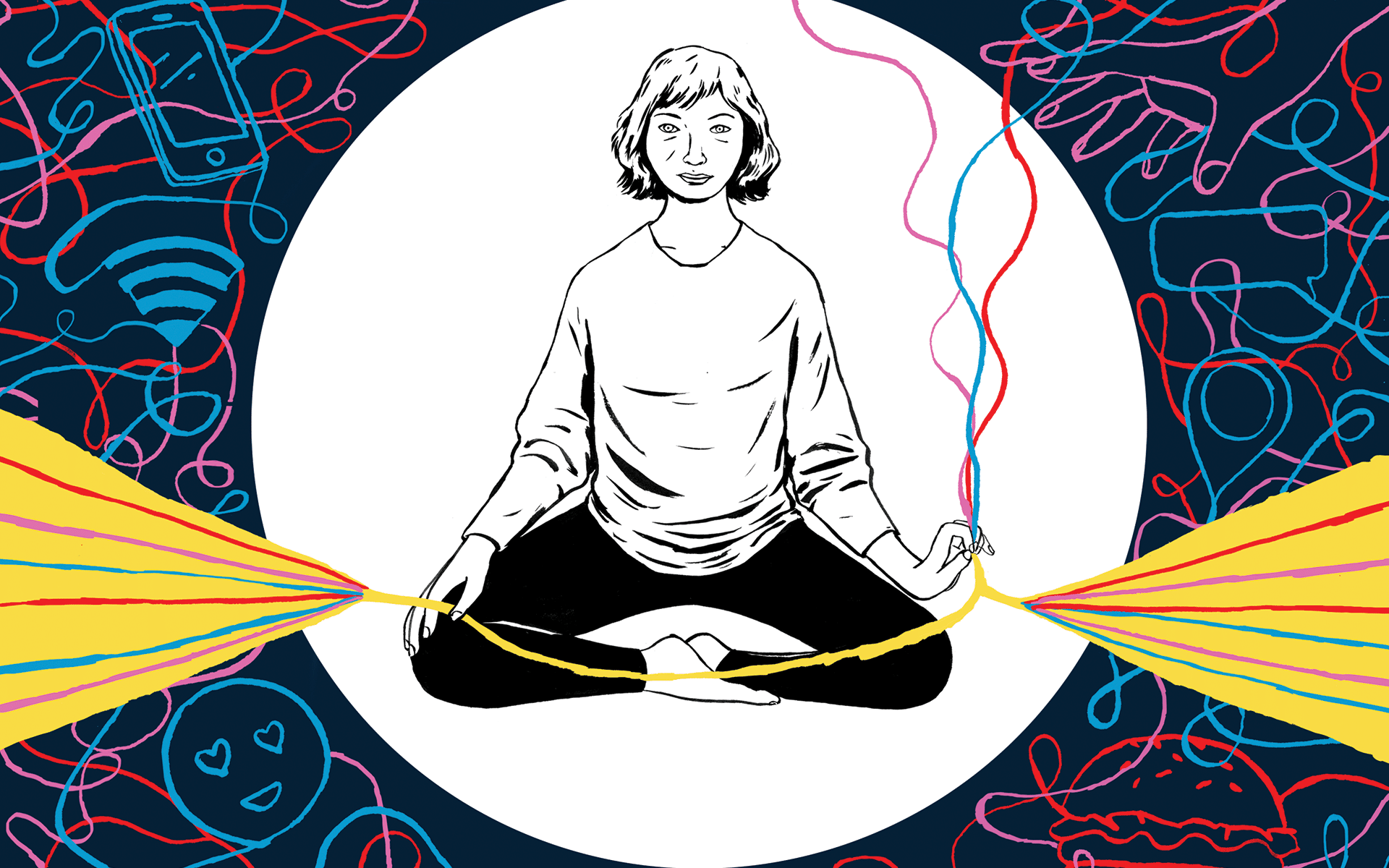
    Once laid down, this path takes us round trip; we’re on a loop. Seeing people smoke triggers us, and the immediate effect is the brain saying “that will make me feel better or lessen the pain.” An urge, a craving, emerges in the body. We take action to feed the craving and light up. We get the good feeling (our reward), but we also start to see the world differently. In what psychologists call increased “salience,” we now wear smoke-colored glasses that offer a landscape filled with perceived opportunities to smoke. The habit is reinforced, and the increased salience points us to more cues and triggers that keep the wheel spinning. Round and round we go.

    Mindfulness can break this well-worn cycle, as we see illustrated in the diagram conceived of by Brewer below.

    Graphic by Heather Jones


    Source link

  • Strive For Happiness, But Constant Concerns About It Affects Well-Being: Study

    Strive For Happiness, But Constant Concerns About It Affects Well-Being: Study

    Obsessed with the pursuit of happiness? Be cautious — overthinking about it might affect happiness. While it is important to strive for happiness, constant obsession, overthinking, and concerns about one’s happiness can affect well-being, a study revealed.

    People who value happiness highly are often found to be less happy. To understand why, researchers of the latest study looked at two aspects of valuing happiness. The first is how strongly someone views happiness as a key goal, which measures the aspiration to happiness. The second is how much they worry about their current happiness, which indicates concern about happiness.

    The researchers then tested their hypothesis using three experiments conducted on a large sample size involving more than 1,800 participants. The sample involved participants from Yale University students, community members from Denver and Berkeley, California, and online studies with participants from the United States and Canada. They were assessed on their beliefs about happiness and tested for psychological well-being and depressive symptoms.

    The results showed that unlike previously thought, the pursuit of happiness is generally harmless. However, being overly concerned about current happiness can lead to negative feelings about happiness, which can reduce overall life satisfaction, psychological well-being, and a greater chance of depressive symptoms.

    “These findings suggest that highly valuing happiness is not inherently problematic; however, concern and judgment about one’s happiness can undermine it,” the researchers wrote in the study in the journal Emotion.

    The researchers also noted that worrying about one’s happiness was linked to greater negativity about positive events.

    “Thinking too much about one’s own level of happiness could be related to fears about not measuring up or not being as happy as other people. Having high expectations for one’s happiness can be detrimental because it makes it more difficult to achieve the level of happiness that we are expecting from a positive event,” lead researcher Felicia Zerwas said in a news release.

    “There are plenty of societal pressures, at least within the United States, which encourage the fallacy that people must feel happy all of the time to achieve greater well-being. Overall, allowing yourself to experience your emotions, whether they are positive or negative, with an accepting attitude could be a useful tool for pursuing happiness and increasing well-being,” Zerwas said.

    Source link