Spinach is best known as a leafy green staple in many kitchens. But what if it could also help treat dry eyes?
A surprising new development in eye care is exploring spinach as a key ingredient in experimental eye drops that may help manage dry eye disease over time. Researchers are investigating whether compounds derived from the leafy green could support eye health and help protect against cellular damage linked to the condition.
Researchers from the National University of Singapore, including biomolecular engineer Xing Kuoran, developed the experimental treatment using light-activated structures extracted from spinach leaves. These plant-based photosynthetic components were introduced into lab-grown human eye cells and mice engineered to mimic dry eye disease.
When exposed to light, the nanoparticles produced NADPH, a molecule that helps cells defend themselves against oxidative stress and inflammation. Researchers say this process may help counter the cellular damage associated with dry eye disease.
The technology was named LEAF, short for “light-reaction enriched thylakoid NADPH-foundry.” While the findings remain in the early stages of research, scientists believe the approach could eventually lead to a new class of light-powered treatments for eye conditions.
This emerging approach to dry eye treatment combines plant science with modern medicine in an unusual but promising way. According to biomolecular engineer David Leong Tai Wei, the concept raises the possibility that human cells could one day possess a limited but beneficial form of photosynthetic ability—not only in the eye, but potentially in other parts of the body as well.
Hidden viruses in the gut are emerging as a new frontier in cancer research, and the virome may be just as important as bacteria when it comes to colorectal cancer risk. A newly described bacteriophage hiding inside common Bacteroides bacteria has been linked to roughly doubled odds of developing colorectal cancer, and it may one day serve as a non‑invasive stool biomarker for earlier detection.
This finding is pushing scientists to look beyond bacteria alone and consider how viral communities in the intestine shape health and disease.
Colorectal Cancer and the Need for Better Screening
Colorectal cancer starts in the colon or rectum, usually from small polyps that can become malignant over many years.
Because early stages often cause no symptoms, detection before spread is crucial for survival and treatment success. When found early, colorectal cancer is usually much more treatable and associated with better long‑term outcomes.
Current screening tools include colonoscopy, sigmoidoscopy, fecal occult blood tests (FOBT/FIT), and stool DNA tests. Colonoscopy is highly effective but invasive, requires bowel preparation, and can be difficult to access for some people.
Stool‑based tests are simpler and non‑invasive, but they can miss early cancers or advanced polyps. These limitations drive interest in new stool biomarkers, including those that come from the gut virome, bacteriophages, and specific Bacteroides strains.
Microbiome, Virome, and Cancer Risk
Most research on colorectal cancer and the gut has focused on the microbiome, the community of bacteria in the intestine. Studies repeatedly show that certain bacteria, such as Fusobacterium and some Bacteroides species, are more common in people with colorectal cancer than in healthy controls.
These microbes may promote inflammation, produce toxins, or form biofilms that help tumors develop and escape immune defenses.
Alongside bacteria, the gut also hosts a rich virome, made up largely of bacteriophages, viruses that infect bacteria, not human cells. Bacteriophages can integrate into bacterial genomes (as prophages) or lyse their hosts. In doing so, they can change which bacteria are present and how they behave.
A bacterium carrying a particular prophage may produce more toxins, adhere more strongly to the gut lining, or interact differently with the immune system.
Because of these effects, the virome is now seen as an important factor in colorectal cancer. Distinct bacteriophage patterns have been observed in stool samples from colorectal cancer patients.
These patterns suggest that certain phages, especially those linked to Bacteroides, could act as both contributors to disease and as stool biomarkers that signal increased risk.
Bacteroides fragilis and a Hidden Bacteriophage
Bacteroides is a major bacterial genus in the human colon and plays key roles in digestion and immune development. Among its species, Bacteroides fragilis is widely present in healthy individuals.
Most strains are harmless or beneficial, but some enterotoxigenic Bacteroides fragilis (ETBF) strains produce toxins that can cause diarrhea and chronic inflammation.
Recent work has revealed a previously unrecognized bacteriophage integrated into Bacteroides fragilis genomes. In its prophage state, this virus sits quietly inside the bacterial DNA and is not visible as an active infection.
Using high‑throughput sequencing of bacterial isolates and stool samples, researchers identified a specific viral sequence that appeared far more often in Bacteroides fragilis from people with colorectal cancer than in those without the disease.
This suggests that the combination of Bacteroides and a particular bacteriophage may matter more than the bacterium alone.
How Strong Is the Association With Colorectal Cancer?
Across large international cohorts, individuals with colorectal cancer were about twice as likely to carry this Bacteroides‑associated bacteriophage compared with cancer‑free controls.
This does not prove that the virus causes cancer, but it signals a strong association worth further study. It raises the possibility that the bacteriophage could affect bacterial virulence, toxin production, or interactions with the gut lining in ways that promote tumor development.
Mechanistically, researchers suspect that prophage integration might alter gene regulation in Bacteroides fragilis, increase production of inflammatory or genotoxic factors, or encourage biofilm formation on the colon mucosa.
Even if the virus itself is not directly oncogenic, it may mark a broader virome and microbiome shift that creates a more cancer‑prone environment. From a screening perspective, this kind of consistent association is valuable, because a reliable marker can help identify people at higher risk.
Virome-Based Stool Biomarkers: A New Screening Frontier
Stool is an ideal medium for non‑invasive testing because it contains DNA and RNA from bacteria, viruses, and the host. Traditional stool tests for colorectal cancer look for blood or human DNA mutations.
Microbiome‑based approaches add information about bacterial composition. Virome‑based testing extends this by targeting bacteriophages and other gut viruses as additional indicators.
Bacteriophages are attractive stool biomarkers because they are abundant and often highly specific to their bacterial hosts. A virome‑focused assay could, in principle, detect the Bacteroides‑associated bacteriophage linked to colorectal cancer.
This could be done with broad metagenomic sequencing or with targeted PCR approaches that look specifically for the viral sequence.
In real‑world use, such a viral marker would likely be combined with bacterial, human DNA, and blood‑based markers in a multi‑parameter stool test, improving sensitivity for early disease while maintaining acceptable false‑positive rates.
Before any virome‑based stool biomarker becomes part of standard care, it must be validated in large prospective studies, tested across diverse populations, and shown to be cost‑effective and practical in routine clinics. Laboratory methods will need standardization, and regulatory approval will be required.
Virome-Driven Advances in Colorectal Cancer Prevention
The emerging link between the gut virome, specific bacteriophages, Bacteroides, and colorectal cancer underscores how complex the intestinal ecosystem is. As research continues, virome‑based stool biomarkers may complement colonoscopy and existing stool tests, offering more personalized and less invasive screening options.
If the Bacteroides‑associated bacteriophage consistently identifies individuals at higher risk, an accessible stool biomarker built around this virome signal could help detect colorectal cancer earlier and guide timely prevention and treatment.
Frequently Asked Questions
1. Can changing my diet modify the gut virome and possibly affect colorectal cancer risk?
A diet rich in fiber, fruits, and vegetables can shift both the microbiome and virome toward more diverse, stable communities, which is generally associated with lower inflammation and may indirectly reduce colorectal cancer risk.
2. Is it possible to remove harmful bacteriophages like the one in Bacteroides with probiotics?
Current probiotics mainly influence bacteria, not specific bacteriophages; while they might alter the overall ecosystem, there is no evidence yet that standard probiotic products selectively remove this Bacteroides‑associated virus.
3. Could antibiotics help by eliminating Bacteroides strains carrying cancer‑linked bacteriophages?
Broad antibiotics can reduce Bacteroides and associated phages, but they also disrupt beneficial microbes and may harm long‑term gut health, so they are not considered a targeted or preventive strategy for colorectal cancer.
4. Are at-home microbiome tests able to detect virome patterns linked to colorectal cancer?
Most consumer microbiome kits focus on bacterial DNA and do not comprehensively profile the virome, so they cannot reliably detect cancer‑associated bacteriophage signatures at this time.
Cancer affects millions of people each year, and a large share of these cases come from just a few types: breast, prostate, lung, and colon cancer. These cancers are common because they involve large, hormonally active organs that are exposed to everyday lifestyle and environmental factors over many years.
Understanding why they occur so often helps explain the statistics and highlights where prevention and early detection matter most.
What Makes a Type of Cancer “Common”?
When a cancer is called “common,” it usually means it causes many new cases in a population each year or carries a high lifetime risk. Breast, prostate, lung, and colon cancer rank near the top in many countries, especially where people live longer and lifestyles include less movement and more processed foods.
Aging is crucial, because cells that divide over many decades have more chances to accumulate DNA damage that can lead to cancer.
Organs such as the breast, prostate, lung, and colon are biologically active and constantly exposed. Breast and prostate tissues respond strongly to hormones, while lungs and the colon directly contact air, smoke, pollutants, and food contents.
Over time, repeated injury and repair in these tissues increase the odds that abnormal cells will appear. Screening programs that focus on these organs also make them more visible in cancer statistics, as early and mild cases are more likely to be found.
Breast Cancer Basics
Breast cancer begins when cells in the breast grow in an uncontrolled way, often starting in ducts or lobules that carry or produce milk. It is the most frequently diagnosed cancer in women worldwide, and its high numbers reflect both widespread breast tissue and longer life expectancy.
Hormonal exposure is a major factor. Longer lifetime exposure to estrogen and progesterone, through early menstruation, late menopause, or hormone therapy, can raise risk.
Family history and inherited gene changes also matter. Lifestyle factors such as obesity, alcohol use, and lack of physical activity further influence breast cancer risk.
While not all risk can be removed, maintaining a healthy weight, limiting alcohol, exercising, and following recommended mammography schedules support earlier detection and lower overall risk.
Prostate Cancer Basics
Prostate cancer develops in the prostate gland, which sits below the bladder and contributes to seminal fluid in men. It is one of the most common cancers in men, with risk rising sharply with age. Many older men develop small prostate cancers, though not all will progress to serious disease.
Male sex hormones (androgens) strongly affect prostate cells. Over decades, hormonal stimulation and cell turnover increase the chances that harmful mutations will arise. A family history of prostate cancer and inherited gene changes raise risk further. Diet, obesity, and chronic inflammation may also play a role.
Screening with prostate-specific antigen (PSA) tests and examinations can detect prostate cancer earlier, but there is ongoing discussion about balancing early detection with the risk of overdiagnosis and overtreatment, according to the Centers for Disease Control and Prevention.
Lung Cancer Basics
Lung cancer starts in cells of the lungs, usually in the airways or air sacs. It is among the most common cancers globally and a leading cause of cancer-related death. Its frequency is closely tied to tobacco use, although air pollution, occupational exposures, and radon also contribute.
Because lungs are in constant contact with inhaled air, they are directly exposed to harmful substances over long periods.
Smoking remains the dominant cause of lung cancer. The carcinogens in cigarette smoke repeatedly damage lung cells, and the repair process can lock DNA damage into permanent mutations. Secondhand smoke and other pollutants also increase risk.
People who never smoke can still develop lung cancer, but patterns of disease follow smoking rates in most populations. Avoiding tobacco, supporting smoke-free environments, and seeking medical review for persistent cough or breathing changes are key steps for lowering risk and improving early detection.
Colon Cancer Basics
Colon cancer, often grouped with rectal cancer as colorectal cancer, affects the large intestine, where water is absorbed and waste forms. It is one of the most common cancers and a leading cause of cancer death, yet it is also highly preventable through screening.
The cells lining the colon are exposed for hours each day to digested food and its byproducts. Diets high in red and processed meat and low in fiber, combined with obesity, inactivity, alcohol use, and smoking, all raise colon cancer risk.
Age is a major driver, with most cases historically occurring after 50, though rates in younger adults are rising in some regions. Screening tests such as colonoscopy and stool-based checks can identify and remove precancerous polyps, preventing many cases of invasive colon cancer, as per Mayo Clinic.
Why These Four Cancers Are So Common
Breast, prostate, lung, and colon cancer share several risk patterns. Tobacco use, excess body weight, low physical activity, alcohol consumption, and diets rich in processed foods all contribute to multiple cancer types.
These lifestyle factors act on tissues that are hormone-sensitive or constantly exposed to environmental influences, especially as people age.
These cancers are also the focus of many research and screening efforts, which increases detection of early-stage disease.
Only a portion of risk is strictly inherited; in most people, genes, environment, and lifestyle interact. Although no single measure can fully prevent cancer, changes at the individual and population levels can meaningfully reduce the burden of breast, prostate, lung, and colon cancer.
Taking Charge of Cancer Risk: Breast, Prostate, Lung, and Colon Cancer Awareness
Cancer will remain a major health challenge, and breast, prostate, lung, and colon cancer will continue to represent a large share of diagnoses.
Still, understanding why these cancers are so common highlights the importance of avoiding tobacco, staying active, maintaining a healthy weight, choosing more whole foods and fewer processed meats, and limiting alcohol.
Awareness of how cancer develops in the breast, prostate, lung, and colon helps people make more informed choices about screening and everyday habits. Following recommended mammograms, colon tests, and appropriate prostate or lung screening where indicated can lead to earlier detection and better outcomes.
Keeping cancer, including breast, prostate, lung, and colon cancer, in mind as part of long-term health planning opens room for prevention, vigilance, and timely care.
Frequently Asked Questions
1. Can someone have more than one of these cancers in their lifetime?
Yes. A person can develop more than one primary cancer, either at the same time or years apart, especially if they have strong genetic risk factors, significant lifestyle exposures, or are living longer after successful treatment.
2. Do breast, prostate, lung, and colon cancer share any warning signs?
They each have specific symptoms, but shared warning signs can include unexplained weight loss, persistent fatigue, and pain that does not improve. Any ongoing change in the body that is unusual for the person should be checked by a doctor.
3. Is it possible to have cancer without any symptoms?
Yes. Early-stage breast, prostate, lung, or colon cancer may cause little or no noticeable symptoms. This is one reason screening tests are recommended for people in certain age or risk groups.
4. Does regular exercise lower the risk of all four of these cancers?
Regular physical activity is linked to a lower risk of several cancers, including breast and colon cancer, and it helps manage weight and hormone levels. While it cannot remove risk completely, it is a useful, broad protective factor.
In recent decades, something that was once considered a medical triumph has begun to unravel. Antibiotics, the drugs that made many infections curable and surgeries much safer, are losing their power.
The rise of antibiotic resistance means that everyday infections, urinary tract infections, pneumonia, skin infections, and even routine post‑surgical infections, are becoming harder to treat.
This shift is driven by the spread of superbugs and other drug resistant bacteria that evade the drugs designed to kill them. As a result, the entire landscape of infection treatment is changing, posing serious challenges for patients, doctors, and public health systems around the world.
What Is Antibiotic Resistance?
Antibiotic resistance occurs when bacteria change in ways that allow them to survive exposure to antibiotics that used to kill them or stop their growth. This means that standard treatments either work more slowly or stop working altogether.
The bacteria themselves evolve defense mechanisms, such as altering the drug’s target, pumping the antibiotic out of the cell, or breaking the drug down before it can act.
Crucially, the resistance lies in the bacteria, not in the human body. When a person takes antibiotics, the drugs kill the sensitive bacteria, but any resistant ones survive and multiply.
Over time, these resistant strains can become dominant, making infections more difficult to manage. As this pattern repeats across millions of patients, communities, and regions, the overall effectiveness of many antibiotics declines.
How Do Drug Resistant Bacteria Emerge?
The emergence of drug resistant bacteria is closely tied to how antibiotics are used. In many countries, antibiotics are prescribed too readily, sometimes for viral infections where they have no effect, or doses are stopped early once symptoms improve.
This creates perfect conditions for resistance to develop. When antibiotic exposure is incomplete or inconsistent, it kills the weakest bacteria but leaves the stronger, more adaptable ones to reproduce.
On a genetic level, bacteria can acquire resistance through mutations or by picking up resistance genes from other bacteria.
These genes can spread rapidly in hospitals, farms, and even in the environment, especially where antibiotics are used heavily in livestock. Over time, strains appear that are resistant to multiple drugs, making them more dangerous and much harder to treat.
What Are Superbugs?
The term superbugs is often used to describe bacteria that are resistant to several different antibiotics at once. These organisms are not a new species, but they behave like “super” pathogens because they can survive treatments that would normally clear an infection.
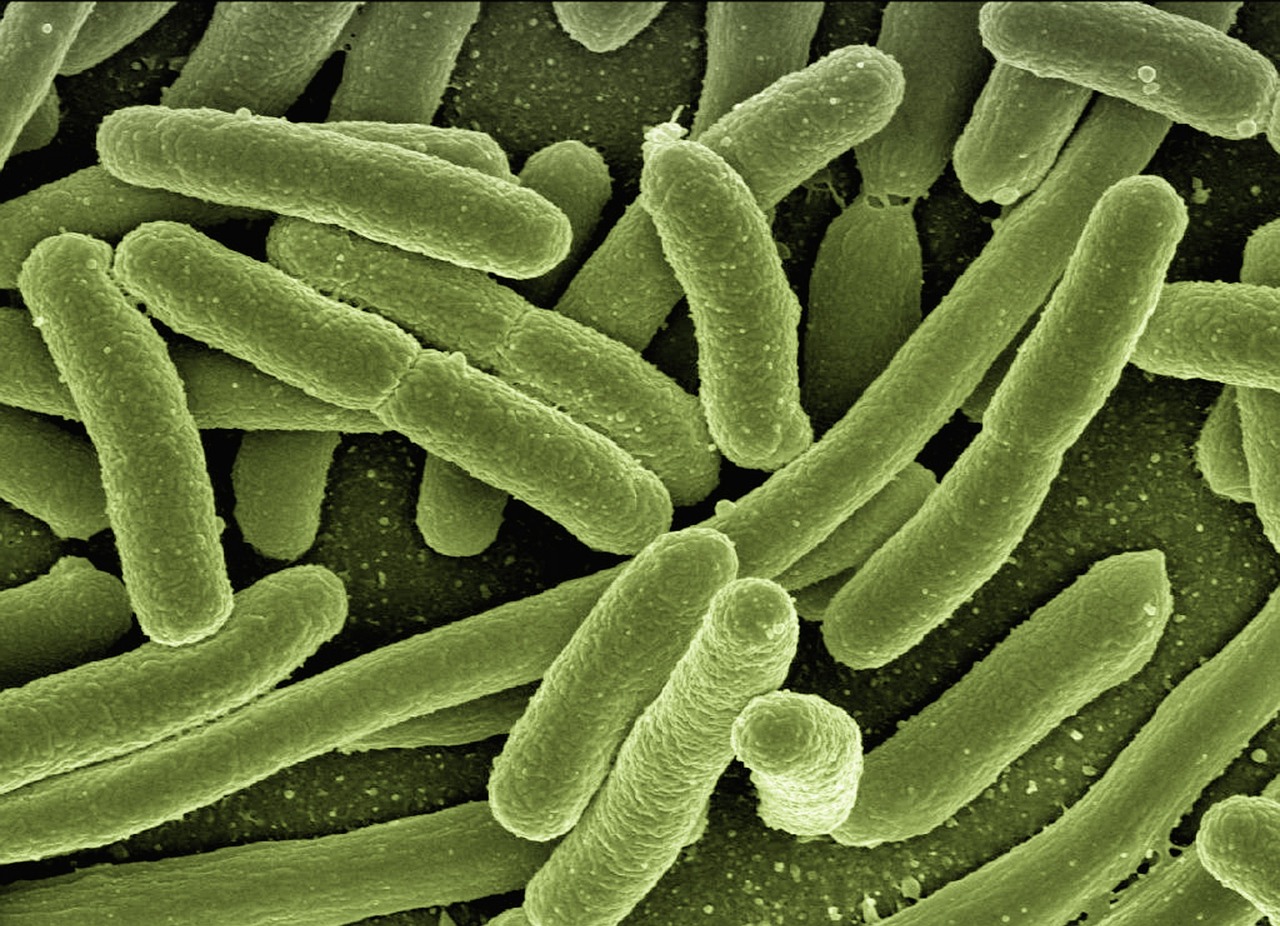
Examples include methicillin‑resistant Staphylococcus aureus (MRSA), certain resistant E. coli strains, and carbapenem‑resistant Enterobacteriaceae, all of which are major concerns in hospitals and communities, according to the World Health Organization.
Superbugs can cause infections that are slow to respond, require longer courses of stronger drugs, or, in some cases, lack clearly effective treatment options. This can lead to longer hospital stays, more expensive care, and higher risks of complications and death.
What makes them especially worrying is that they can spread from person to person, often through contact with contaminated surfaces or in healthcare settings where people are already vulnerable.
What Are the Global and Public Health Risks?
The rise of superbugs and widespread antibiotic resistance is not just a hospital problem; it is a global public health threat. If current trends continue unchecked, simple infections could again become deadly, and many modern medical procedures could become far riskier.
Surgeries, chemotherapy, organ transplants, and even childbirth involve some risk of infection, and effective antibiotics are essential safety nets.
Public health organizations warn that routine medical care may regress if effective infection treatment becomes routinely unavailable. The spread of resistant bacteria can cross borders easily through travel and trade, and contaminated food, water, and environments can also contribute to transmission.
In low‑ and middle‑income countries, limited access to appropriate antibiotics and poor infection control can accelerate the spread of resistant strains, while high‑income countries face challenges from overuse and hospital‑acquired infections.
How Can We Prevent Antibiotic Resistance?
Preventing antibiotic resistance requires changes at both individual and systemic levels. One key concept is antibiotic stewardship, which means using antibiotics only when they are truly needed and choosing the right drug, dose, and duration.
Patients should avoid pressuring physicians for antibiotics when they are not appropriate, such as for colds or flu caused by viruses. When a course is prescribed, finishing it as directed is essential, even if symptoms improve earlier.
On a broader scale, healthcare systems can reduce unnecessary prescribing, improve diagnostic testing so that antibiotics are targeted effectively, and enforce strict hygiene protocols in hospitals.
In agriculture, reducing the routine use of antibiotics as growth promoters in livestock can help slow the development of resistant strains that may spread to humans, as per the Centers for Disease Control and Prevention.
Everyday actions, such as handwashing, safely handling food, vaccinating against preventable infections, and promptly treating infections under medical supervision, also play a role in limiting the spread of drug resistant bacteria.
What Are the Future Directions in Infection Treatment?
Because single‑drug treatments are no longer sufficient for many resistant infections, researchers and clinicians are exploring new strategies for infection treatment.
These include developing new classes of antibiotics, combining existing drugs in smarter ways, and using alternative therapies such as bacteriophages, probiotics, and nanotechnology‑based approaches.
Some plant‑based or microbial compounds are being studied for their ability to enhance existing antibiotics or disrupt bacterial defenses.
In addition to new drugs, there is growing emphasis on rapid diagnostics that can identify resistant strains quickly, allowing doctors to choose the most effective treatment sooner.
Global collaborations and public health initiatives are also working to improve surveillance systems, track resistant infections, and coordinate responses across countries.
These efforts aim to keep ahead of the evolving nature of superbugs and ensure that medical care does not fall back into a time when even minor infections posed a major threat.
What to Expect as Antibiotic Resistance Reshapes Infection Treatment
As antibiotic resistance continues to spread, the way doctors approach infection treatment is changing fundamentally. Drug resistant bacteria and superbugs are no longer rare exceptions; they are becoming part of everyday medical reality.
The challenge now is to balance the need for effective treatment with the imperative to preserve the drugs that still work. This requires cooperation among patients, healthcare providers, policymakers, and scientists.
By understanding how resistance develops, recognizing the risks posed by resistant strains, and adopting smarter use of antibiotics at every level, it is possible to slow the spread of resistant infections and protect the future of modern medicine.
Frequently Asked Questions
1. What is the difference between antibiotic resistance and antimicrobial resistance?
Antibiotic resistance specifically refers to bacteria becoming resistant to antibiotics, while antimicrobial resistance is a broader term that includes resistance to drugs used against bacteria, viruses, fungi, and parasites.
2. Can viruses become resistant to antibiotics the way bacteria do?
No, viruses do not respond to antibiotics at all, so they cannot become “resistant” to them; antibiotics are ineffective against viral infections such as the common cold or flu.
3. Are children more likely to develop infections from drug resistant bacteria than adults?
Children are not inherently more likely to develop resistant infections, but they may be more vulnerable to complications if a resistant infection is not treated promptly with effective infection treatment options.
4. Do healthy people need to worry about superbugs?
Yes, healthy people can still pick up superbugs through contact with contaminated surfaces, hospitals, or community settings, especially if antibiotics are used inappropriately or hygiene is poor.
Appetite loss elderly adults experience is often brushed off as a normal part of aging, yet it quietly reshapes daily health. Changes in smell, taste, digestion, and hormone signaling reduce the pleasure of eating, while emotional shifts can further weaken hunger cues. When meals become smaller or skipped, calories and protein fall below what aging bodies still need for strength, balance, and immunity. Over time, this creates a gap between nutritional needs and actual intake that many families do not notice until weight drops or energy fades.
Senior nutrition issues also reflect how complex later-life health becomes. Medications, chronic disease, and social isolation frequently overlap, making eating feel like work instead of enjoyment. Appetite loss in the elderly rarely has a single cause, but understanding its roots helps caregivers and older adults respond earlier, before weakness, illness, or loss of independence take hold.
Appetite Loss Elderly: Physiological and Sensory Causes
Appetite loss elderly populations face is strongly tied to biological aging. According to the National Library of Medicine, reduced taste and smell sensitivity, slower digestion, and hormonal shifts all lower hunger signals and interest in food. Ghrelin, the hormone that stimulates appetite, declines with age, while leptin signaling becomes less responsive, dulling the normal rhythm of hunger and fullness. Foods may taste bland, textures feel unpleasant, and meals lose their appeal.
Senior nutrition issues grow when physical changes stack up. Tooth loss or poorly fitting dentures limit food choices, dehydration creates a constant sense of fullness, and a slower metabolism lowers perceived hunger even when nutrients are still required. Over time, these factors push older adults toward smaller portions that no longer meet protein or calorie needs, accelerating muscle loss and fatigue.
Senior Nutrition Issues: Medical and Medication Triggers
Senior nutrition issues often reflect underlying medical conditions rather than aging alone. Based on a study conducted by the Cleveland Clinic, chronic illnesses such as heart failure, COPD, cancer, and neurological disorders commonly suppress appetite through fatigue, breathlessness, nausea, or swallowing difficulty. Dementia can disrupt mealtime focus, while Parkinson’s disease may make eating physically exhausting.
Appetite loss elderly adults experience is also closely linked to medications. Antidepressants, opioids, heart drugs, and diabetes medications frequently alter taste, cause nausea, or reduce stomach motility. When several prescriptions are combined, side effects intensify. Even mild nausea or dry mouth can shrink portions day after day, quietly creating nutritional deficits that worsen existing disease and slow recovery.
Appetite Loss Elderly Health Risks and Complications
Appetite loss elderly individuals face carries serious health consequences. According to the World Health Organization, unintentional weight loss in older adults is a major marker of malnutrition and frailty, raising the risk of infections, hospitalization, and early mortality. Muscle loss reduces balance and strength, making falls and fractures more likely, while low protein intake weakens immune defenses.
Senior nutrition issues also affect mental and cognitive health. Deficiencies in vitamin B12, vitamin D, and iron are linked to anemia, confusion, and declining memory. Reduced food intake can worsen depression, creating a cycle where low mood further suppresses appetite. Without intervention, these risks compound, pushing older adults toward dependence and reduced quality of life.
Interventions for Senior Nutrition Issues Recovery
Managing senior nutrition issues requires practical, flexible strategies. Smaller, frequent meals often work better than large portions, especially when digestion is slow. Nutrient-dense foods, such as eggs, yogurt, nut butters, and soups, provide more protein and calories without overwhelming the stomach. Flavor enhancers and varied textures can revive interest when taste changes dull enjoyment.
Appetite loss elderly adults experience often improves with social support. Shared meals encourage longer eating time and higher intake than eating alone. Light physical activity before meals can stimulate hunger hormones, while oral nutrition supplements help fill gaps when regular food is not enough. Medication reviews with healthcare providers may also uncover appetite-suppressing side effects that can be adjusted safely.
A Healthier Path Forward for Aging Appetites
Appetite loss elderly adults face is not just about eating less; it reflects how aging, illness, and daily habits intersect. When senior nutrition issues go unnoticed, the body pays the price through weakness, illness, and lost independence.
Paying attention to early weight changes, meal patterns, and enjoyment of food opens the door to timely support. With thoughtful adjustments, shared meals, and medical guidance, appetite can improve and nourishment can follow. Addressing appetite loss in the elderly protects strength, dignity, and daily life, reminding us that eating well remains essential at every age.
Frequently Asked Questions
1. What is considered appetite loss in the elderly?
Appetite loss in the elderly usually means a noticeable decrease in interest in food or reduced portion sizes over time. It often shows up as skipped meals or early fullness. Even small changes can matter if they persist. Monitoring weight and meal habits helps identify problems early.
2. Is appetite loss a normal part of aging?
Some appetite changes are common with aging, but significant or ongoing appetite loss is not inevitable. Medical conditions, medications, and emotional factors often play a role. Treating these issues can restore appetite. It should never be ignored as “just aging.”
3. When should appetite loss be a concern?
Appetite loss becomes concerning when it leads to unintended weight loss, weakness, or fatigue. A loss of 5% body weight within six months is a warning sign. Changes in mood or frequent illness also signal risk. Medical advice is important at this stage.
4. How can caregivers help with appetite loss elderly adults experience?
Caregivers can offer smaller meals more often and focus on favorite foods. Eating together and creating a relaxed mealtime routine can help. Watching for medication side effects is also important. Early support often prevents bigger health problems later.
Irritable bowel syndrome is a common digestive disorder that affects how the gut functions rather than its structure. People with IBS experience recurring symptoms that interfere with daily routines, work, and social life. Although the condition does not cause visible damage to the intestines, the discomfort and unpredictability of IBS symptoms can significantly reduce quality of life. Understanding symptom patterns is often the first step toward better management.
IBS is defined by abdominal pain linked to bowel habit changes, as outlined in diagnostic guidelines such as the Rome criteria. Symptoms are influenced by gut sensitivity, intestinal motility, and communication between the brain and digestive system. Because triggers vary widely between individuals, identifying patterns related to food, stress, and lifestyle is central to managing this digestive disorder.
What Are Common IBS Symptoms and Patterns?
IBS symptoms commonly include abdominal pain or cramping that eases after a bowel movement, along with bloating, gas, and visible mucus in the stool. Bowel habits vary widely, ranging from frequent loose stools to hard, infrequent movements that require straining. These symptoms tend to follow recurring patterns rather than appearing randomly, which helps distinguish IBS from short-term digestive upset.
Patterns often align with IBS subtypes. IBS-D features urgent, watery stools that frequently occur after meals, while IBS-C involves constipation, bloating, and incomplete evacuation. Mixed-type IBS alternates between both patterns, making daily routines less predictable. According to the National Institute of Diabetes and Digestive and Kidney Diseases (NIDDK), IBS does not cause intestinal damage, bleeding, or unexplained weight loss, helping separate it from inflammatory bowel diseases.
What Triggers IBS Symptoms in This Digestive Disorder?
IBS triggers often stem from diet and gut sensitivity. Foods high in fermentable carbohydrates, known as FODMAPs, commonly provoke symptoms by producing gas during digestion. Wheat, onions, legumes, some fruits, and certain dairy products are frequent offenders that can worsen bloating and abdominal discomfort.
Daily habits and emotional stress also influence flare intensity. Caffeine, alcohol, carbonated drinks, and fatty or spicy foods may overstimulate bowel contractions. Stress affects gut-brain signaling, amplifying pain and urgency, while infections and antibiotics can disrupt gut bacteria. According to Johns Hopkins Medicine, stress and dietary triggers often interact, increasing symptom severity and reinforcing the need for personalized management strategies.
How Do IBS Patterns Differ by Subtype?
IBS patterns vary depending on bowel dominance. IBS-D is marked by urgency, loose stools, and concern over restroom access, particularly after eating or in the morning. Severe flares may raise dehydration concerns and interfere with work or travel.
IBS-C centers on bloating, abdominal pressure, and difficult stool passage, often accompanied by straining and incomplete relief. IBS-M shifts between both extremes, complicating consistency. Many people with IBS experience overlapping conditions such as migraines or fibromyalgia. Based on guidance from the Mayo Clinic, identifying subtype-specific patterns allows treatments to be better tailored to bowel behavior and symptom intensity.
Managing Triggers and Patterns for IBS Relief
Managing IBS focuses on recognizing patterns rather than eliminating every symptom. Food and symptom tracking helps connect flares to meals, stress, or routines. Short-term low-FODMAP approaches often reduce symptoms, followed by careful reintroduction to identify tolerances.
Stress reduction plays a key role alongside diet. Mindfulness, therapy, and regular movement help regulate gut-brain signaling. Medications are selected based on subtype, while probiotics may support recovery after infections or antibiotic use. Over time, tracking IBS symptoms and triggers in this digestive disorder supports steadier symptom control and better daily function.
Taking Control of IBS Through Pattern Awareness
Living with IBS requires patience and self-awareness rather than quick fixes. When individuals understand how their symptoms behave over time, flares become more predictable and manageable. Small adjustments in diet, stress handling, and daily routines often lead to meaningful improvement.
Ongoing communication with healthcare providers helps refine strategies as symptoms evolve. IBS patterns may change with age, hormones, or life stressors, making flexibility essential. By focusing on personal triggers and symptom rhythms, many people with IBS regain confidence and reduce the daily impact of this digestive disorder.
Frequently Asked Questions
1. Is IBS the same as inflammatory bowel disease?
No, IBS and inflammatory bowel disease are different conditions. IBS does not cause inflammation or damage to the intestines. Symptoms may overlap, but IBS does not lead to bleeding or permanent tissue injury. Medical evaluation helps distinguish between them.
2. Can IBS symptoms change over time?
Yes, IBS symptoms often change in intensity and pattern. Stress, diet, hormonal shifts, and infections can influence how symptoms present. Some people switch subtypes over time. Regular monitoring helps adjust management strategies.
3. Does IBS cause long-term health complications?
IBS does not increase the risk of colon cancer or cause structural intestinal damage. However, it can significantly affect quality of life. Managing symptoms reduces disruptions to work, sleep, and social activities. Emotional support is also important.
4. Should everyone with IBS follow a low-FODMAP diet?
Not everyone needs a strict low-FODMAP diet. It is typically used as a short-term tool to identify trigger foods. Long-term restriction is not recommended without guidance. Personal tolerance varies widely among individuals with IBS.
Car collisions are usually framed as single, dramatic events – a sudden screech of brakes, a jolt, a trip to the emergency room, and then a slow return to “normal.” Yet for many crash survivors, the story doesn’t end when they’re discharged. Lingering pain, neurological changes, and psychological scars can reshape daily life months or even years later. Understanding these hidden trajectories is crucial not only for victims but also for the medical professionals, insurers, and legal advocates who support them. If you or a loved one have been hurt in a wreck and are weighing your next steps, consulting a seasoned South Carolina personal injury attorney can help you secure the resources you’ll need for the long haul – because true recovery extends far beyond the initial hospital visit.
Early intervention is just one piece of the puzzle. Ongoing diagnostics, physical therapy, and mental-health care often determine whether a patient regains full function or struggles with chronic disability. The following sections explore how six of the most common crash-related injuries can evolve over time, revealing why vigilant follow-up care – and, in many cases, timely legal action – can make or break a survivor’s future.
Traumatic Brain Injuries Can Rewire a Life You Thought You Knew
Even a so-called “mild” concussion can trigger a cascade of neurological changes that last well past the visible bruises. Swelling, microscopic tearing of brain tissue, and disrupted neurotransmitter activity may lead to headaches, memory lapses, and mood swings weeks after the accident. More severe TBIs introduce risks of post-traumatic epilepsy, sleep disorders, and personality alteration that can upend careers and relationships. What complicates matters is the brain’s deceptive resilience in the first few hours after trauma; CT scans can appear normal, giving patients false reassurance.
Long-term monitoring by a neurologist, accompanied by neuropsychological testing, often uncovers subtle but significant deficits only later. Cognitive-behavioral therapy, medication management, and workplace accommodations become part of the recovery landscape. Without these supports – and the financial resources to pay for them – many survivors watch their earning power erode just as medical bills mount, illustrating why early legal claims are essential to fund sustained neurological care.
Whiplash Is More Than a Sore Neck – It’s a Multisystem Domino Effect
Whiplash injuries occur when the cervical spine whips back and forth in rapid succession, stretching ligaments and irritating nerve roots. While neck pain and stiffness are immediate red flags, delayed symptoms often include dizziness, tinnitus, and visual disturbances. Research shows that up to half of whiplash patients develop chronic pain syndromes within a year, partly because micro-tears in soft tissue heal with scar formation that limits mobility. Compensatory posture shifts can then cause secondary problems in the shoulders and lower back.
Long-term treatment frequently involves a combination of physical therapy, myofascial release, and targeted exercise regimens that may last six months or more. Insurance adjusters sometimes dismiss whiplash as “minor,” yet the economic toll of lost productivity and persistent therapy sessions can rival that of more dramatic injuries, which is why meticulous medical documentation and legal advocacy are vital from day one.
Spinal Cord Damage Rarely Stands Still; It Evolves With Time
Whether complete or incomplete, spinal cord injuries change the body’s communication superhighway. Initial swelling often masks the full extent of neural disruption, which can evolve as inflammation subsides. Many patients experience an arc: early paralysis or paresis, partial return of function, and then a plateau that leaves residual weakness or sensory loss. Over years, muscle atrophy, bone demineralization, and autonomic dysreflexia can develop, heightening risks for fractures and cardiovascular complications.
Even mildly damaged spinal pathways may produce neuropathic pain that resists traditional analgesics, requiring costly neuromodulation devices or inpatient pain-management programs. Adaptive equipment – wheelchairs, home modifications, vehicle lifts – needs periodic upgrades, adding recurring expenses that must be anticipated in any settlement or verdict. A comprehensive life-care plan created by rehabilitation specialists often becomes a linchpin in proving future damages during litigation.
Hidden Internal Injuries Can Spark Chronic Illness Months Later
Seat-belt bruises and air-bag abrasions may steal the spotlight, but internal organs can sustain forces that only manifest problems over time. Splenic or liver lacerations might appear “stable” on imaging yet leave micro-hemorrhages that scar and impair function. The same shearing forces that tear soft tissue can kink intestinal blood vessels, leading to ischemic bowel segments weeks later. Blunt cardiac trauma increases the likelihood of arrhythmias and can precipitate heart-failure symptoms long after discharge. Kidney contusions sometimes culminate in hypertension as damaged nephrons alter fluid balance.
Because these sequelae surface gradually, victims must engage in diligent follow-up with internists who understand post-trauma syndromes. Unfortunately, insurers sometimes close claims before late-onset complications emerge, forcing patients to shoulder new rounds of testing and treatment alone unless their initial legal strategy anticipated such possibilities.
Post-traumatic stress disorder, driving phobias, and generalized anxiety are common yet underestimated repercussions of serious crashes. Nightmares, flashbacks, and hypervigilance can sabotage sleep patterns and interpersonal dynamics, leading to depression or substance misuse. Executive dysfunction – difficulty focusing, planning, or regulating emotions – may jeopardize employment, especially in high-stress occupations.
Evidence-based therapies such as EMDR and cognitive-processing therapy can dramatically improve outcomes, but they require time, specialized clinicians, and sometimes medications that insurers label as elective if unaccompanied by obvious physical injuries. Securing compensation for mental-health care therefore hinges on early psychological evaluations and robust documentation that connects emotional symptoms directly to the crash event. When attorneys build these costs into a settlement demand, survivors stand a far better chance of resuming fulfilling lives.
Soft-Tissue Damage Is the Silent Architect of Chronic Pain
Ligaments, tendons, and fascia often sustain microscopic damage during collisions, an injury category that standard X-rays cannot detect. Over time, these tissues may stiffen and shorten, pulling joints out of alignment and spawning degenerative arthritis. Myofascial trigger points can send referred pain to distant body regions, confusing diagnoses and delaying effective treatment. Because soft-tissue injuries rarely require dramatic surgeries, insurers may undervalue them despite their potential to spawn lifelong discomfort and mobility restrictions.
Long-term management might include regenerative injections such as platelet-rich plasma, specialized chiropractic care, or Pilates-based rehabilitation – services that fall outside many basic health-insurance plans. Without sufficient settlement funds, patients often forgo these therapies, exacerbating disability and driving up indirect costs such as missed workdays and reliance on opioid medications.
The Road Ahead: Proactive Care and Informed Advocacy Pave the Best Path to Recovery
Modern emergency medicine saves countless lives after car crashes, yet its triumphs can overshadow the quieter battle that begins when the hospital gown comes off. From subtle brain changes and ligament laxity to delayed organ dysfunction and PTSD, many injuries unfold in chapters, not headlines. Survivors who remain vigilant, seek specialized follow-up, and secure the financial means to cover long-term care often reclaim fuller, healthier futures. Those who underestimate the hidden trajectories of crash injuries risk chronic pain, emotional turmoil, and financial instability.
Partnering early with experienced medical teams and a diligent South Carolina personal injury attorney ensures that every potential complication – physical or psychological – is accounted for in both treatment plans and compensation strategies. By recognizing the long timeline of recovery, crash victims can transform short-term survival into lasting well-being, proving that true healing begins only after stepping beyond the ER doors.
Meditation is a powerful tool for cultivating mental clarity, reducing stress, and increasing overall well-being. However, for beginners, getting started with meditation can be daunting. Many people struggle to establish a consistent practice, and common obstacles such as a wandering mind, physical discomfort, and lack of motivation can make it difficult to stick with it. In this article, we will explore the common obstacles that beginners face when starting a meditation practice, and provide tips and strategies for overcoming them and finding success.
Understanding the Benefits of Meditation
Before we dive into the obstacles and challenges of meditation, it’s essential to understand the benefits of regular practice. Meditation has been shown to have a positive impact on both physical and mental health, reducing stress and anxiety, improving sleep, and increasing focus and concentration. Regular meditation practice can also lead to increased self-awareness, emotional regulation, and a greater sense of calm and well-being. With regular practice, meditators can experience a range of benefits, from improved relationships and increased productivity to enhanced creativity and a stronger immune system.
Common Obstacles to Meditation
So, what are the common obstacles that beginners face when starting a meditation practice? Some of the most significant challenges include:
A wandering mind: One of the most significant obstacles to meditation is the tendency for the mind to wander. Beginners often struggle to focus their attention and find their mind drifting off to thoughts, worries, and distractions.
Physical discomfort: Meditation often requires sitting in a still and quiet position, which can be uncomfortable for those who are not used to it. Beginners may experience physical discomfort, such as back pain, leg pain, or numbness, which can make it difficult to focus.
Lack of motivation: Starting a new habit can be challenging, and meditation is no exception. Beginners may struggle to find the motivation to establish a regular practice, especially if they don’t see immediate results.
Difficulty quieting the mind: Meditation requires a quiet and calm mind, which can be challenging for those who are used to constant mental activity. Beginners may find it difficult to quiet their mind and focus their attention.
Limited time: Many people lead busy lives, and finding time to meditate can be a significant obstacle. Beginners may struggle to find a quiet and convenient time to meditate, especially if they have a lot of responsibilities and commitments.
Overcoming the Wandering Mind
One of the most significant obstacles to meditation is the wandering mind. So, how can beginners overcome this challenge? Here are a few tips:
Start small: Begin with short meditation sessions, such as 5-10 minutes, and gradually increase the time as you become more comfortable with the practice.
Focus on the breath: Bring your attention to your breath, feeling the sensation of the air moving in and out of the body. When the mind wanders, gently bring it back to the breath.
Use a mantra or visualization: Choose a simple mantra or visualization, such as a candle flame or a peaceful landscape, to help focus the mind.
Practice mindfulness: Bring mindfulness into your daily activities, such as eating or walking, to help cultivate a greater sense of awareness and focus.
Overcoming Physical Discomfort
Physical discomfort can be a significant obstacle to meditation, especially for those who are not used to sitting still. Here are a few tips for overcoming physical discomfort:
Choose a comfortable position: Experiment with different seated positions, such as cross-legged or on a chair, to find a position that feels comfortable and supportive.
Use props: Utilize props such as cushions, blankets, or a meditation bench to support the body and reduce discomfort.
Take breaks: If you experience physical discomfort during meditation, take a break and stretch or move your body.
Practice yoga or stretching: Regular yoga or stretching practice can help increase flexibility and reduce physical tension, making it easier to sit comfortably during meditation.
Finding Motivation and Establishing a Regular Practice
Establishing a regular meditation practice can be challenging, especially for those who are new to meditation. Here are a few tips for finding motivation and establishing a consistent practice:
Start small: Begin with short meditation sessions, such as 5-10 minutes, and gradually increase the time as you become more comfortable with the practice.
Create a routine: Incorporate meditation into your daily routine, such as first thing in the morning or before bed.
Find a meditation community: Join a meditation group or find a meditation buddy to provide support and motivation.
Track your progress: Keep a meditation journal or use a meditation app to track your progress and stay motivated.
Quietening the Mind and Finding Inner Peace
One of the most significant benefits of meditation is the ability to quiet the mind and find inner peace. Here are a few tips for achieving a quiet and calm mind:
Focus on the breath: Bring your attention to your breath, feeling the sensation of the air moving in and out of the body.
Practice mindfulness: Bring mindfulness into your daily activities, such as eating or walking, to help cultivate a greater sense of awareness and focus.
Use visualization techniques: Choose a peaceful and calming visualization, such as a beach or a forest, to help quiet the mind and find inner peace.
Practice loving-kindness meditation: Focus on sending kindness and compassion to yourself and others, which can help cultivate a sense of inner peace and calm.
Making Time for Meditation
Finding time to meditate can be a significant obstacle, especially for those with busy lives. Here are a few tips for making time for meditation:
Start small: Begin with short meditation sessions, such as 5-10 minutes, and gradually increase the time as you become more comfortable with the practice.
Create a routine: Incorporate meditation into your daily routine, such as first thing in the morning or before bed.
Use a meditation app: Utilize a meditation app, such as Headspace or Calm, to guide your meditation practice and provide reminders and motivation.
Take breaks: Take short breaks throughout the day to practice mindfulness and meditation, such as during your lunch break or while waiting in line.
Conclusion
Meditation is a powerful tool for cultivating mental clarity, reducing stress, and increasing overall well-being. While common obstacles such as a wandering mind, physical discomfort, and lack of motivation can make it challenging to establish a consistent practice, there are many tips and strategies for overcoming these challenges. By starting small, focusing on the breath, and practicing mindfulness, beginners can establish a regular meditation practice and experience the many benefits of meditation. Remember, the key to success is consistency and patience, so don’t get discouraged if you encounter obstacles along the way. With regular practice, you can overcome common obstacles and find success in your meditation journey.
FAQs
Q: How long does it take to see results from meditation?
A: The amount of time it takes to see results from meditation can vary depending on the individual and their practice. Some people may experience benefits after just a few sessions, while others may take longer. Consistency and patience are key to experiencing the benefits of meditation.
Q: Can I meditate anywhere?
A: Yes, you can meditate anywhere, whether it’s at home, in a park, or on public transportation. Find a quiet and comfortable spot where you can sit and focus your attention.
Q: Do I need to sit in a specific position to meditate?
A: No, you don’t need to sit in a specific position to meditate. Experiment with different seated positions, such as cross-legged or on a chair, to find a position that feels comfortable and supportive.
Q: Can I meditate with my eyes open?
A: Yes, you can meditate with your eyes open. Some people find it helpful to keep their eyes slightly open, focusing on a point in front of them, while others prefer to close their eyes. Experiment with different techniques to find what works best for you.
Q: How often should I meditate?
A: The frequency of meditation depends on the individual and their goals. Start with short sessions, such as 5-10 minutes, and gradually increase the time as you become more comfortable with the practice. Aim to meditate at least once a day, but ideally 2-3 times a day for optimal benefits.
Colorectal cancer cases are spiking, especially among younger adults, leaving scientists racing to uncover the hidden culprits behind this troubling trend. While poor diets, sedentary lifestyles, and environmental factors have long been in the spotlight, a new study reveals a surprising contributor, a condition that is both widespread and frequently missed.
Researchers have identified a striking link between non-alcoholic fatty liver disease (NAFLD), a silent condition that affects an estimated one in four people globally and millions of Americans, and a significantly increased risk of early-onset colorectal cancer (diagnosed before the age of 50). Despite its prevalence, NAFLD often goes undetected in routine medical care and progresses without obvious symptoms.
To understand the link between NAFLD and early-onset colorectal cancer, researchers conducted a large-scale, population-based cohort study using data from the Korean National Health Insurance Service involving over 4.6 million adults.
The participants were between the ages of 20 and 49 who underwent routine health checkups in 2009, with health outcomes tracked through 2019. NAFLD was identified using a validated measure known as the Fatty Liver Index (FLI), with scores of 60 or higher indicating the presence of NAFLD.
Participants were then grouped based on their FLI scores: those with NAFLD (FLI ≥ 60), borderline NAFLD (FLI between 30 and 59), and no NAFLD (FLI
Researchers noted that individuals with NAFLD had a 24% higher risk of developing early-onset colorectal cancer compared to those without fatty liver, while those in the borderline NAFLD category had a 12% increased risk.
Interestingly, the study also found a dose–response relationship between the severity of fatty liver and cancer risk in cancers, in those located in the left colon and rectum. The association was particularly strong among males, younger individuals aged 20–29, and those without diabetes, highlighting the need for targeted early screening and liver health monitoring in these higher-risk populations.
“These findings highlight the need for multifaceted preventive strategies, including lifestyle interventions and expanded screening for younger populations with NAFLD,” the researchers wrote in the study published in the journal Clinical Gastroenterology and Hepatology.
If you are someone taking a cinnamon supplement for its health perks, you might want to think twice. New research suggests it might be time to go back to getting nutrients from your plate, not a pill. Researchers now found that a compound in cinnamon supplements could interfere with how your body processes medications, something plain old cinnamon in food does not seem to do.
Cinnamon is an age-old spice that has long been used as a flavoring agent in foods like breakfast cereals, snacks, bagels, teas, and hot chocolate. In recent years, cinnamon supplements have gained popularity among health enthusiasts, praised for their potential anti-inflammatory benefits and blood sugar-lowering effects.
The latest study, published in the journal Food Chemistry: Molecular Sciences, uncovers a surprising twist for supplement users. Researchers found that cinnamaldehyde, the compound responsible for cinnamon’s distinctive flavor and many of its medicinal properties, can interfere with how the body processes certain medications when taken in concentrated supplement form. This interference could either reduce the effectiveness of common drugs or amplify their side effects, posing unexpected risks for people who rely on regular medications.
However, adding a dash of cinnamon to your coffee or oatmeal is harmless and might even offer small health perks. But when cinnamon is taken in concentrated supplement form, the story changes.
The new findings are a reminder that more is not always better, especially for those who turn to supplements as a shortcut for nutrition. “Health concerns could arise if excessive amounts of supplements are consumed without the knowledge of health care provider or prescriber of the medications. Overconsumption of supplements could lead to a rapid clearance of the prescription medicine from the body, and that could result in making the medicine less effective,” Shabana Khan, a principal scientist at the National Center for Natural Products Research in a news release.
“People who suffer from chronic diseases – like hypertension, diabetes, cancer, arthritis, asthma, obesity, HIV, AIDS or depression – should be cautious when using cinnamon or any other supplements. Our best advice is to talk to a healthcare provider before using any supplements along with the prescription medicine. By definition, supplements are not meant to treat, cure or mitigate any disease,” Khan added.