Tag: care

  • Preventive Care for Busy Schedules with Essential Checkups, Vaccines, and Screenings

    Preventive Care for Busy Schedules with Essential Checkups, Vaccines, and Screenings

    Preventive care is often overlooked by people managing busy schedules, yet it remains one of the most effective ways to maintain long-term health. Preventive checkups, vaccines, and screenings help detect potential issues early, reducing the risk of serious conditions and minimizing disruptions to daily life. By staying consistent with preventive care, individuals can save both time and healthcare costs in the long run.

    What Is Preventive Care and Why Is It Important?

    Preventive care includes routine checkups, vaccines, and screenings designed to prevent illness or detect conditions early. Instead of reacting to symptoms, this approach focuses on maintaining health before problems arise.

    For those with busy schedules, preventive care provides stability. Early detection often leads to simpler treatments, shorter recovery periods, and fewer interruptions to work and personal responsibilities. It also supports overall productivity by reducing the likelihood of unexpected health issues.

    Essential Preventive Checkups You Shouldn’t Skip

    Preventive checkups are the foundation of a healthy routine. Annual physical exams help assess overall health and identify potential concerns early.

    Blood pressure and cholesterol checks are essential for detecting heart-related risks, which often develop without symptoms. Routine lab tests, including blood work, provide insights into blood sugar levels and organ function.

    Dental and eye exams should not be neglected, as they can reveal underlying health issues beyond oral and vision concerns. For people with busy schedules, combining multiple checkups into one visit can make preventive care more manageable.

    Vaccines Adults Need to Stay Protected

    Vaccines are a key part of preventive healthcare, helping protect individuals and communities from infectious diseases.

    The flu vaccine is recommended annually, especially for those frequently exposed to public environments. COVID-19 vaccines and boosters may still be advised depending on current health guidance.

    The Tdap vaccine, which protects against tetanus, diphtheria, and pertussis, is typically required every ten years. Other vaccines, such as HPV and shingles, are recommended based on age and risk factors.

    Keeping track of preventive vaccines through reminders or digital records can help individuals stay consistent despite busy schedules.

    Recommended Screenings by Age and Risk

    Preventive screenings help detect diseases before symptoms appear. Cancer screenings, including breast, cervical, colorectal, and prostate exams, are among the most important.

    Screenings for diabetes and heart disease are also essential, particularly for those with risk factors such as family history or lifestyle habits. Mental health screenings play a growing role in preventive care, helping identify stress, anxiety, or depression early.

    For older adults, bone density screenings can detect osteoporosis and reduce the risk of fractures. Following recommended preventive screenings ensures timely intervention and better health outcomes, according to Johns Hopkins Medicine.

    How to Fit Preventive Care Into a Busy Schedule

    Time constraints are a common barrier, but preventive care can still fit into busy schedules with proper planning.

    Bundling appointments allows multiple checkups and screenings to be completed in one visit. Telehealth offers a convenient option for consultations that do not require physical exams.

    Setting reminders through digital calendars or health apps helps ensure that appointments and vaccines are not missed. Choosing clinics with extended hours, including evenings or weekends, also improves accessibility.

    Planning ahead and scheduling appointments early can prevent conflicts and reduce cancellations.

    What Preventive Care Should Adults Get Regularly?

    Adults should prioritize annual preventive checkups, routine lab tests, and recommended vaccines. Preventive screenings, including blood pressure, cholesterol, and cancer screenings, should be completed based on age and individual risk factors.

    Dental and eye exams are also essential parts of a consistent preventive care routine.

    How Often Should You Go for a Health Checkup?

    Most adults benefit from yearly checkups, although some may require more frequent visits depending on their health status. Preventive screenings and vaccines follow different schedules, with some occurring annually and others every few years.

    Which Vaccines Do Adults Need Every Year?

    The flu vaccine remains the primary annual recommendation. COVID-19 boosters may also be advised periodically. Other vaccines, such as Tdap or shingles, follow longer timelines but remain important for preventive care.

    What Screenings Are Recommended for Different Age Groups?

    Preventive screenings vary by age and risk level. Younger adults typically focus on baseline health checks, while older adults require more comprehensive screenings for chronic conditions and cancer.

    Healthcare providers tailor recommendations to ensure screenings remain relevant and effective, as per UCLA Health.

    Common Mistakes Busy People Make About Preventive Care

    Many people skip preventive checkups due to time constraints, assuming they are healthy without regular monitoring. Others delay vaccines and screenings, increasing the risk of undetected conditions.

    Failing to track appointments and medical records can also lead to missed preventive care opportunities. Consistency is key to making preventive healthcare effective.

    Quick Preventive Care Checklist

    • Schedule annual preventive checkups
    • Stay updated on vaccines
    • Complete recommended screenings
    • Track medical records and results
    • Set reminders for appointments

    Why Preventive Care Matters for Busy Schedules

    Preventive care is a practical and time-saving approach for individuals with busy schedules. Staying consistent with preventive checkups, vaccines, and screenings helps reduce health risks and avoid unexpected medical issues.

    By making preventive care a priority, individuals can maintain control over their health while managing daily responsibilities more effectively.

    Frequently Asked Questions

    1. Can preventive care be done without health insurance?

    Yes, many clinics, community health centers, and pharmacies offer low-cost preventive checkups, vaccines, and screenings.

    2. Are at-home health tests reliable for preventive screenings?

    Some at-home tests can be useful for initial screening, but results should still be confirmed by a healthcare provider.

    3. What time of year is best to schedule preventive checkups?

    Early in the year is ideal so follow-up screenings or treatments can be completed without delays.

    4. Do lifestyle habits count as part of preventive care?

    Yes, habits like balanced nutrition, regular exercise, and adequate sleep are essential components of preventive care alongside checkups, vaccines, and screenings.


    Source link

  • Why In-Office Infusion Centers Are Changing Arthritis Care

    Why In-Office Infusion Centers Are Changing Arthritis Care

    Infusion therapy is now a vital component in the treatment of autoimmune arthritis, offering timely access to medications in a convenient and controlled setting. In-office infusion centers, commonly found in rheumatology practices, provide a patient-friendly alternative to hospital-based care by combining clinical oversight with convenience. As noted by Jatin Patel, MD, these centers not only enhance the patient experience but also allow physicians to maintain tighter control over treatment adherence and outcomes.

    As the healthcare industry continues to shift toward value-based care models, integrating infusion services into outpatient settings can support cost savings and improve care delivery. Patients benefit from reduced wait times, easier appointment scheduling, and a more familiar environment, while providers gain efficiency and oversight.

    Infusion Therapy and Its Role in Arthritis Treatment

    Infusion therapy has become a cornerstone in managing autoimmune arthritis, particularly in patients who don’t respond well to oral medications alone. Rheumatoid arthritis, psoriatic arthritis, and ankylosing spondylitis are among the conditions that often require biologic infusions to help control inflammation and slow progression.

    Many of these medications, such as rituximab and tocilizumab, target specific parts of the immune system. Administering them via infusion allows for controlled dosing under medical supervision, which is crucial when dealing with complex autoimmune responses. Patients often report improved mobility and reduced pain after regular treatments, underscoring the importance of maintaining a consistent schedule. During flare-ups, timely infusion can be the difference between regaining function and experiencing prolonged discomfort.

    When these therapies are provided consistently, patients are more likely to experience disease remission or at least a reduction in symptoms. Missed doses or irregular treatment can lead to flare-ups, joint damage, and diminished quality of life. Regular laboratory monitoring and periodic assessments are often coordinated with infusion appointments to ensure safety and therapeutic effectiveness.

    Patient-Centered Benefits

    Receiving infusion therapy in a physician’s office is often more convenient, especially for individuals juggling work, caregiving responsibilities, or mobility issues. Shorter wait times and easier appointment coordination make it simpler to stay on track with treatment, which is often critical in chronic disease care.

    Patients tend to feel more at ease when their infusion sessions occur in the same clinic where they see their rheumatologist. This continuity fosters trust and allows for better communication about how the treatment is working. One person undergoing monthly infusions may feel more confident knowing any concerns can be addressed quickly by a familiar team.

    Beyond the physical comfort, in-office infusion centers often provide a quieter, more personalized environment. Staff are trained to monitor closely for side effects, and patients can relax during infusions, sometimes even catching up on reading or work, making the experience less stressful overall.

    Clinical and Operational Advantages for Providers

    Integrating infusion services directly into a rheumatology practice streamlines care and enhances efficiency. Providers have immediate access to patient records, lab results, and previous infusion notes, which allows for more informed decisions during treatment sessions.

    Physicians can also monitor adherence more closely. When infusions take place in-house, it’s easier to track whether patients are receiving therapy as prescribed. This can be particularly valuable in managing chronic conditions where missing treatments may lead to disease progression or complications.

    Cost and Coverage Considerations

    In-office infusion centers offer a more cost-effective option than hospital-based settings. Insurance companies, including Medicare, have increasingly recognized the value of shifting care to lower-cost environments without compromising quality. Patients may face lower out-of-pocket expenses due to reduced facility fees, which can make it easier to remain consistent with therapy.

    Health systems and payers are also aligning with site-of-care policies that encourage treatment in outpatient or office-based settings. As more patients transition to this model, providers may see fewer administrative hurdles and more streamlined reimbursement processes.

    Source link

  • You Don’t Have to Shut Down or Burn Out When You Care This Much. Do This Instead.

    You Don’t Have to Shut Down or Burn Out When You Care This Much. Do This Instead.

    Three weeks ago, I ended up in the emergency room convinced I was having a heart attack.

    The chest pain had started days earlier—a tightness that wouldn’t release, difficulty taking a full breath, pain radiating down my left shoulder. I told myself it was nothing. Maybe I’d overdone it at the gym. Maybe I’d slept wrong.

    I kept meditating.
    I kept teaching.
    I kept holding space for others.

    I tried to breathe my way through it, the way I’ve taught thousands of people to do. But on Sunday, when my doctor’s office was closed and the pain refused to let up, my husband said gently but firmly, We’re going to the ER.

    After five hours of tests and long stretches of waiting, the cardiologist came back with relief in his voice: my heart was fine.

    I should have felt grateful—and I did.
    But I was also confused.

    If my heart was healthy, what was my body trying to tell me?

    Recognition: The Role of Vicarious Trauma In Bearing Witness Without Choice

    If you have been paying attention to the world around you over the past months, you may be carrying more than you realize.

    Images of devastation in Gaza.
    Israeli families living with constant fear of attack.
    Political violence and ICE shootings at home.
    Rising Islamophobia and antisemitism fracturing communities, relationships, and public life.
    The countless Black, Indigenous, and other people of color whose deaths rarely make headlines, whose names we never learn.
    And the ongoing humanitarian crises in places like Sudan, Yemen, and Iran—where suffering continues largely outside the frame of sustained media attention.

    If you find yourself feeling unusually tense, exhausted, reactive, numb, or unable to turn away—even when you want to—it may not be a personal failing. It may be a natural response to prolonged exposure to suffering.

    For many of us, this witnessing is relentless. Each morning brings new stories, new images, new reasons to feel alarmed or heartbroken. Even when we are not directly affected, our nervous systems are taking it in.

    If you find yourself feeling unusually tense, exhausted, reactive, numb, or unable to turn away—even when you want to—it may not be a personal failing. It may be a natural response to prolonged exposure to suffering.

    There is a name for this: vicarious trauma.

    Vicarious trauma refers to the psychological and physiological impact of sustained empathic engagement with others’ pain. Our bodies and minds do not clearly distinguish between what we experience directly and what we absorb through continuous media exposure, graphic imagery, and ongoing moral urgency.

    Staying informed matters.
    Bearing witness matters.

    But exposure without the capacity to process what we are taking in carries consequences—often beneath our awareness.

    Photo by Tony Lam Hoang on Unsplash

    Withdrawal: When Turning Away Feels Necessary

    For others, the constant stream of suffering can feel overwhelming or futile, leading to disengagement instead. We scroll past headlines, turn off the news, or tell ourselves we need to focus on our own lives. At times, this discernment is necessary. Rest, boundaries, and self-care matter. But when disconnection becomes our primary response to vicarious trauma, something else quietly erodes.

    Many people turn away not because they don’t care, but because they feel powerless. What difference could I possibly make? In the face of global crises, individual action can seem insignificant, even naïve. Shutting down can feel like the only way to survive.

    Yet we live in an interconnected world where complete disconnection is an illusion. And when we disengage for too long, we don’t just lose information—we lose contact. Contact with what is happening. Contact with our own values. Contact with the small but meaningful ways care can move through us. What begins as self-protection can quietly become a loss of agency and connection.

    Vicarious trauma doesn’t just make us sad or tired. It reshapes how we see the world.

    Research shows that it disrupts core beliefs about safety, trust, control, intimacy, and meaning. It shows up cognitively, emotionally, physically, and behaviorally.

    People experiencing vicarious trauma often report:

    • Brain fog and difficulty concentrating
    • Heightened anger, anxiety, or emotional numbness
    • Sleep disturbances and chronic exhaustion
    • Hypervigilance—always bracing for the next blow
    • Physical symptoms like headaches, gastrointestinal issues, and chest pain

    And yes—ER visits.

    But there is something more essential that is lost when we burn out or shut down. 

    Vicarious trauma explains the cost to our nervous systems. But underneath that is something more subtle—and more consequential: a loss of contact with our capacity to respond.

    What gets lost when we engage on default—whether by over-consuming information about suffering or withdrawing from it—is not just nervous system regulation.

    We lose contact.

    Contact with the body as a source of intelligence.
    Contact with our felt sense of what is actually needed now.
    Contact with our agency, beyond outrage or withdrawal.
    Contact with our capacity to sense where our care is most skillful.
    Contact with our ability to stay human without hardening.

    This isn’t just trauma.

    It’s a disconnect from our humanness.

    Oppressive systems don’t need to silence us when exhaustion and reactivity will do the job for them.

    We find ourselves caught in cycles of constant witnessing or reactive outrage, or else turning away and numbing out.

    And when contact is lost, connection suffers.

    Connection with others.
    Connection with purpose.
    Connection with the part of ourselves that knows how to respond wisely.

    Vicarious trauma explains the cost to our nervous systems. But underneath that is something more subtle—and more consequential: a loss of contact with our capacity to respond.

    When we’re dysregulated:

    • We confuse intensity with impact
    • We lose the ability to imagine creative responses
    • We default to attack, despair, or withdrawal

    What’s at stake isn’t just our well-being. It’s our capacity to imagine—and enact—responses that actually reduce suffering.

    Oppressive systems don’t need to silence us when exhaustion and reactivity will do the job for them.

    Collective Capacity: How Not to Lose Each Other

    When this loss of contact happens at scale, movements fracture. Allies turn on one another. Nuance feels like betrayal. Strategic thinking gives way to moral reflex. The very capacities required for sustained change—discernment, patience, relational trust—begin to erode.

    When we are no longer in touch with our discernment, everyone can start to look like a threat. The act of listening itself can feel like moral failure. We confuse intensity with impact, and urgency with wisdom.

    This loss of contact doesn’t just exhaust us personally. It diminishes our ability to work together.

    When we are no longer in touch with our discernment, everyone can start to look like a threat. The act of listening itself can feel like moral failure. We confuse intensity with impact, and urgency with wisdom.

    I’ve seen this up close.

    At one point, someone was publicly attacking me online—not because we disagreed about the need to end suffering, but because I was trying to hold complexity rather than take a single side. I was called complicit. My integrity was questioned. Moral failure was assumed.

    Instead of reacting, I practiced inner calm, compassion, and equanimity—not to bypass harm, but to stay in contact with my own values of deep listening and seeking to understand. The next day, that same person reached out to say: “I’m sorry to have misjudged you so harshly. I’ve been exhausted, and I lashed out.”

    This person wasn’t malicious. They were overwhelmed. I recognized that feeling immediately—that same overwhelm is what had landed me in the ER. The suffering they had been witnessing was real. The vicarious trauma is real. Without tools to return to contact, that pain had nowhere to go but outward.

    I’ve witnessed this pattern repeatedly.

    When I had tried to draft a Town Council resolution that called for ending violence while also acknowledging security concerns on all sides, it was rejected—not because people disagreed with the facts, but because in the midst of collective disconnection, holding both-and felt impossible.

    This is how movements lose their strength—not through genuine disagreement about goals, but through operating from disconnection rather than from our deepest wisdom that comes from listening with care and seeking solutions that include all.

    Sustained change requires more than passion. It requires capacity: the ability to engage and retreat, to stay open without collapsing, to remain connected to one another even when the work is hard.

    When we lose that capacity, we don’t just lose effectiveness. We lose each other.

    People sharing a cheese platter, fruit, and wine around a candle-lit table, finding comfort after a day marked by vicarious trauma.
    Photo by The Cheeserom on Unsplash

    Rest: The Ground That Makes Practice Possible

    Recently, I was invited to a friend’s house for dinner. Simple food. Easy conversation. Board games. And yet, as I sat there, I felt a wave of guilt. How could I be laughing when so many are suffering? I noticed a flash of irritation toward the others at the table—why didn’t they seem as affected as I was? Didn’t they care?

    Then I caught myself.

    This guilt, this judgment—it wasn’t skillful. It wasn’t making me more effective or more compassionate. It was simply isolating me, pulling me away from the people right in front of me.

    Rest is not what we do when the work is finished. It is what makes sustained engagement possible. When we gather, we are restoring contact with the aliveness that oppressive systems rely on extinguishing.

    So I made a choice. I allowed myself to be there. To taste the food. To play the game badly and laugh at myself. To let the warmth of friendship soften something that had gone rigid inside me.

    It was quietly liberating.

    The next day, I returned to my work with more energy, clarity, and steadiness—not because anything had been solved, but because I had remembered what it feels like to be human alongside other humans.

    This is not escape.
    This is restoration.

    Rest is not what we do when the work is finished. It is what makes sustained engagement possible. When we gather with like-minded people—not to organize or persuade, but simply to cook together, laugh, play, or enjoy one another’s company—we are not avoiding the work. We are restoring contact with the aliveness that oppressive systems rely on extinguishing.

    Sometimes, what returns us to contact isn’t a formal practice at all. It’s a shared meal. Music, art, or movement that reminds us we are alive. A walk where we remember that trees still grow and birds still sing—even now.

    These moments are not indulgent.
    They are essential.

    From this restored place, certain skills can help us stay in contact when we re-engage with difficulty.

    Skills: Returning to Contact in Real Life

    Over years of teaching and research, I came to see that mindfulness as it’s often taught—focusing primarily on meditation and non-judging awareness—is necessary but insufficient for times like these.

    Calming the nervous system with meditation is only the first step. Once we re-engage, our default habits return. Without skill, we slide back into reactivity. Even if we can return to a calm, non-judging awareness, it is not enough to navigate nuanced, complex situations, often involving competing needs and worldviews. 

    Through my study of early Buddhist teachings and contemporary psychology, I began to understand mindfulness as a set of trainable skills—skills that help us stay in contact with what’s alive, even in the midst of suffering. They disrupt our default reactions and help us discern what is needed to respond skillfully.

    Three skills become especially essential when we are bearing witness to ongoing crisis:

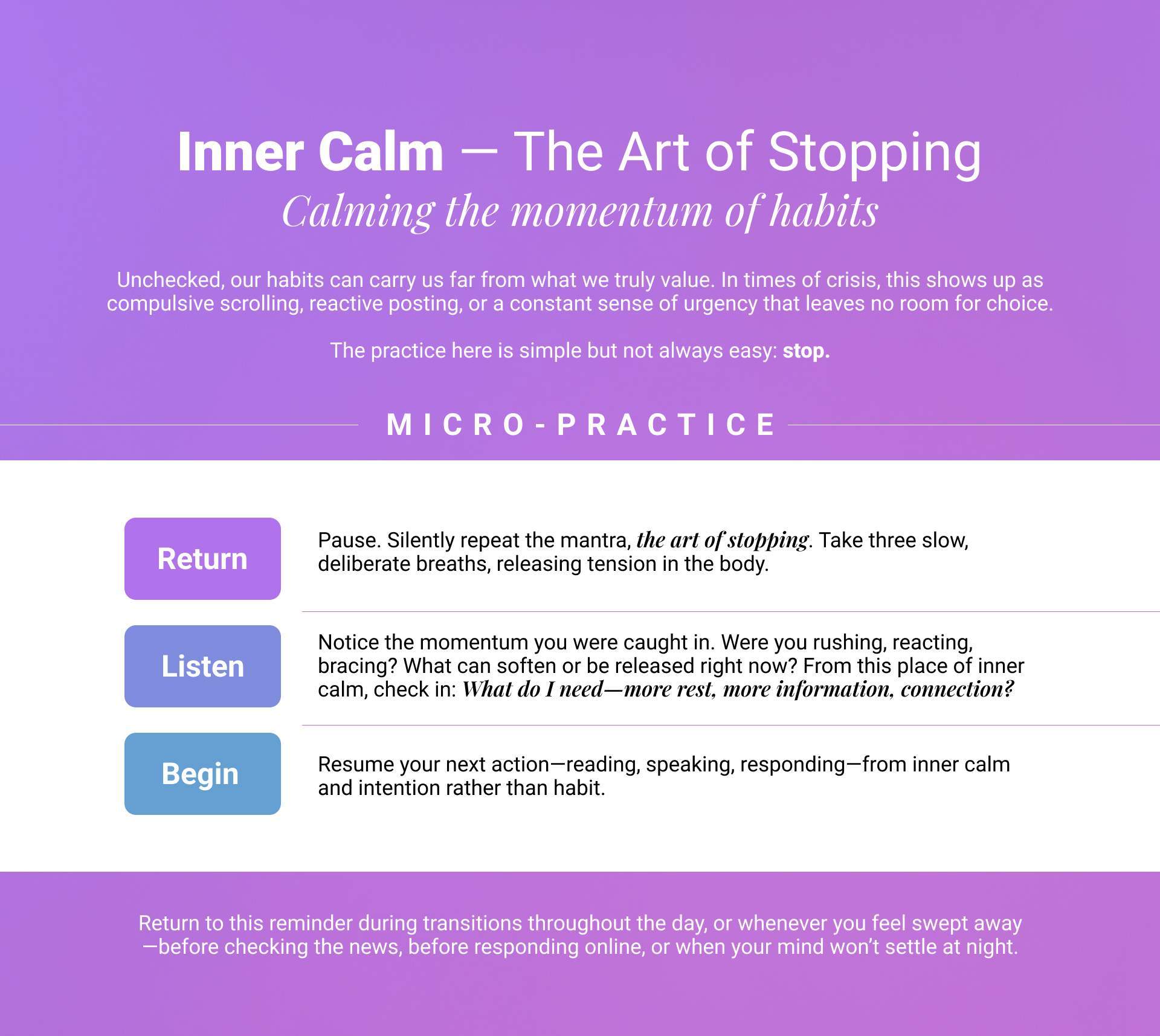
    Inner Calm — Creating Space Without Disengaging

    Inner calm is the art of stopping, looking, and letting go for purposes of healing and clarity. It softens the grip of our attachments to habitual hurrying, beliefs, and expectations that hinder our inner equilibrium.

    Inner calm involves physical composure and mental tranquility, bringing ease to body and mind alike. In the body, composure is experienced in the muscles and as an overall feeling of ease. In the mind, inner calm creates the space to hold everything without attachment and resistance. 

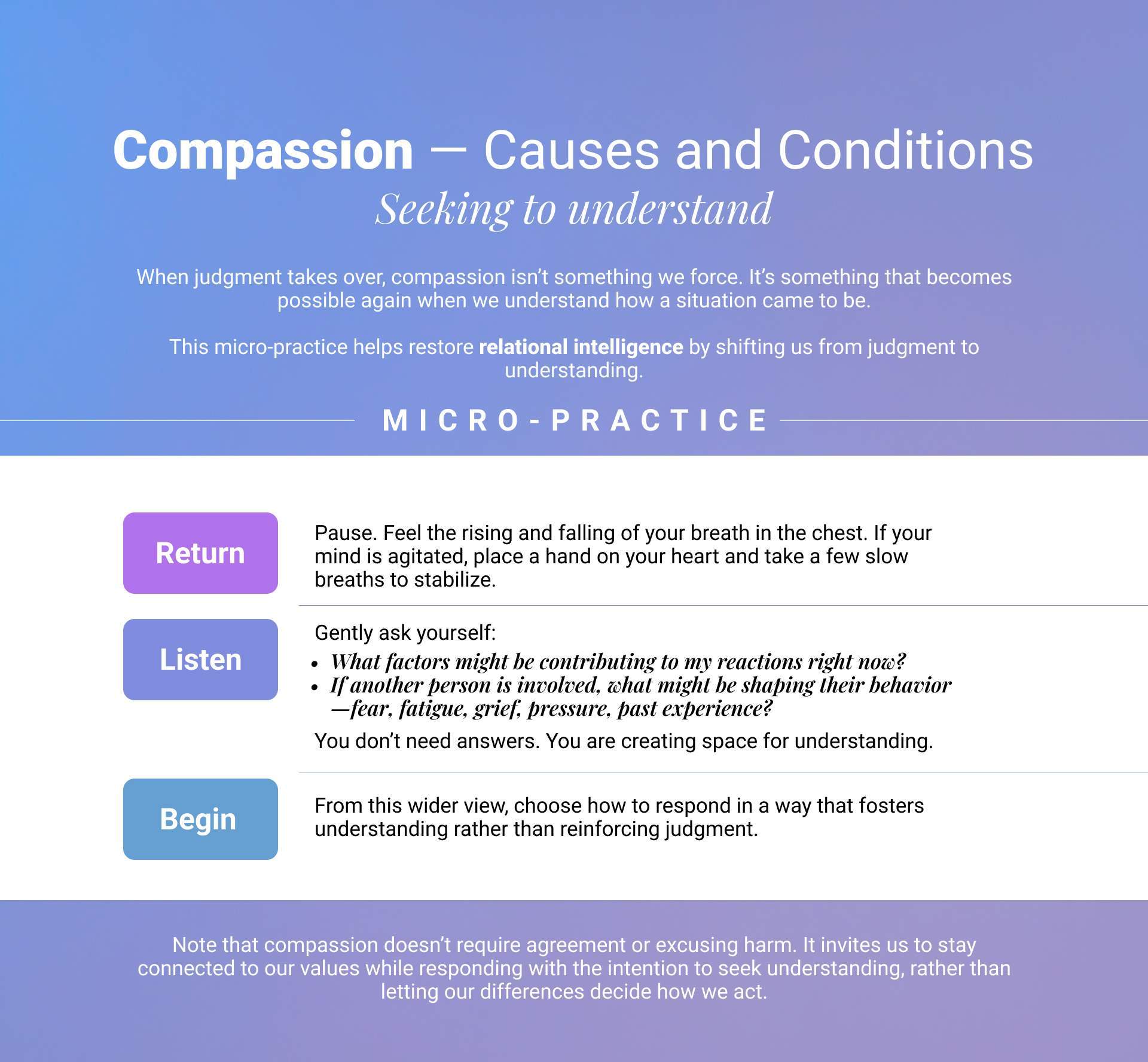
    Compassion — Seeking to Understand

    Compassion is our innate ability to feel, understand, and be motivated to alleviate suffering in ourselves and others. It disrupts our tendency to act on our automatic judgments about ourselves and others by seeking to understand.

    When we lose compassion, we see enemies instead of fellow humans struggling. We attack allies for not being pure enough. We forget that we, too, are worthy of care. We lose our relational intelligence—the capacity to sense how we are affecting others and how to stay connected across differences.

    Curiosity — Returning to Creative Capacity

    Curiosity is our ability to be genuinely interested and care with the purpose of understanding the situation, even when it’s challenging. It disrupts our confirmation bias by staying open and patient in the face of uncertainty and new information.

    Curiosity widens the lens trauma narrows. It restores contact with complexity and helps us sense what might actually help. It’s not about being right. It is about being effective.

    Together, these skills interrupt default patterns and reopen the channel between knowing what matters and being able to act on it.

    Based on our resources, capacity, and unique gifts, what’s ours to do will be different. There isn’t one right way to meet the darkness. Only many necessary ones.

    But here’s what practice has taught me: Skillful response doesn’t look the same for everyone.

    Based on our resources, capacity, and unique gifts, what’s ours to do will be different. The parent raising children who can hold complexity. The artist creating work that helps others process grief. The organizer building coalitions. The healer tending to those on the front lines.

    There isn’t one right way to meet the darkness. Only many necessary ones.

    Reaching to Poetry As Another Anchor

    I too have been learning to live with this question—how to stay engaged without collapsing. Sometimes the sifted language of poetry can speak to our deeper needs and longings. This poem by Michael Dubois captures this truth beautifully and resonates deeply.

    When Things Feel Dark
    by Michael Dubois

    When things feel dark, remember what the world needs:
    More healers, more helpers, more hate exorcisers.
    More artists and poets, more parents ruled by love.
    More cycle breakers, more radical resters,
    more warriors of peace.
    More gardeners who fall deeply in love
    with the earth beneath their feet.
    More meditators, more educators,
    more people willing to use failure as a tool to learn.
    More thinkers, more thankers, forgivers and apologizers.
    More builders of bridges and homes
    with open doors and minds.

    The world needs you—
    because only the ones who see the darkness
    know the importance of turning on the light.

    An Invitation to Practice: 3 Ways to Reconnect

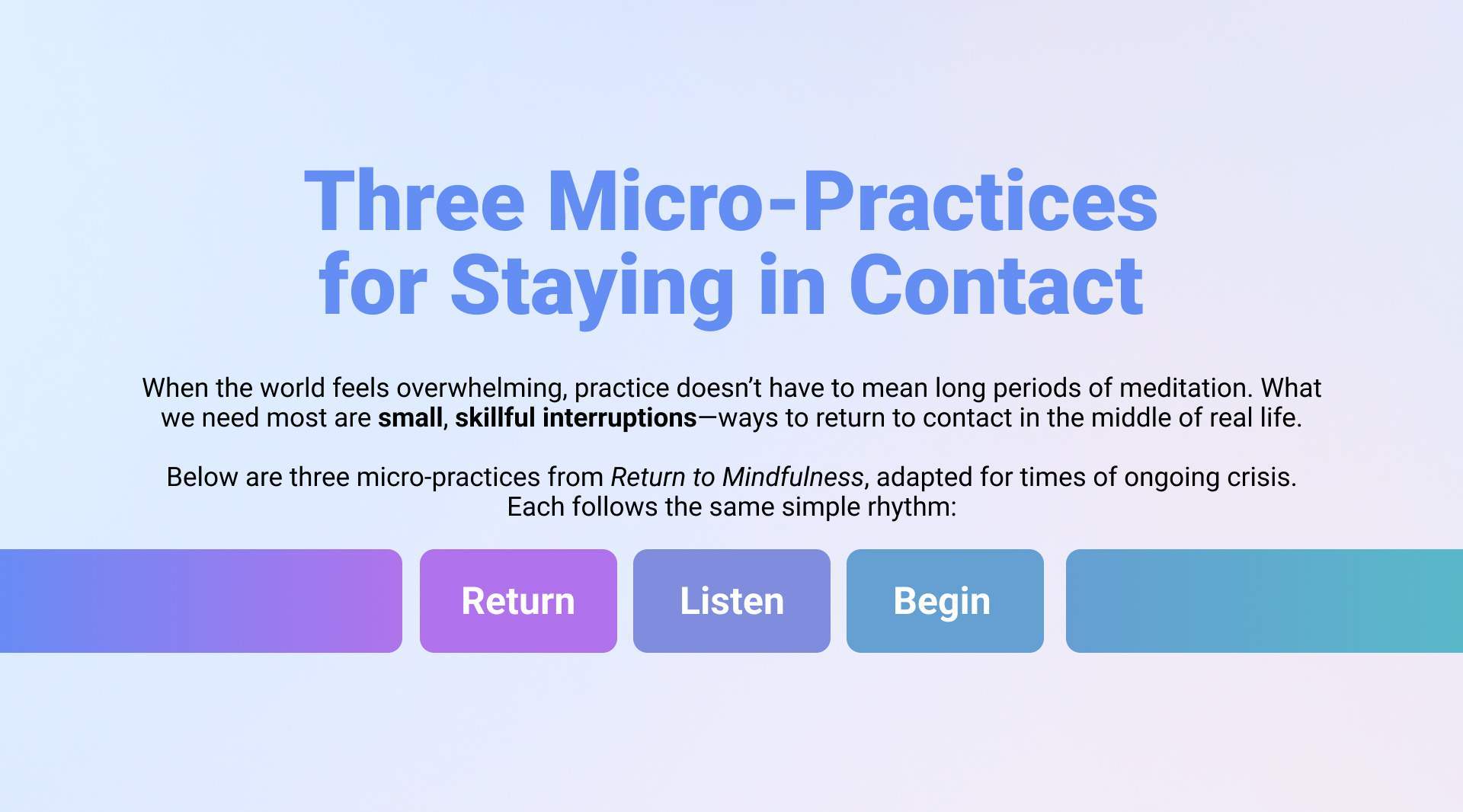
    In times like these, practice is an invitation to return to what is already alive in us, and to offer that wisely.

    Below are three micro-practices from my book, Return to Mindfulness, to foster inner calm, compassion, and curiosity.

    May we have the courage to notice when we’ve lost ourselves—and the skill to return.
    May we offer what is uniquely ours to give, trusting that the world needs exactly that.
    May our practice benefit us and all beings.

    Text graphic titled Three Micro-Practices for Staying in Contact with ourselves: Return, Listen, Begin.
    Purple infographic titled Inner Calm, explaining a three-step habit practice for managing vicarious trauma: Return, Listen, and Respond.
    Blue infographic explaining a compassion micro-practice to address overwhelm with steps: Return, Listen, and Begin for understanding others.
    Blue infographic titled Curiosity—Ask What, Not Why, sharing a mindfulness micro-practice to help manage emotional burnout: Begin, Return, Select.
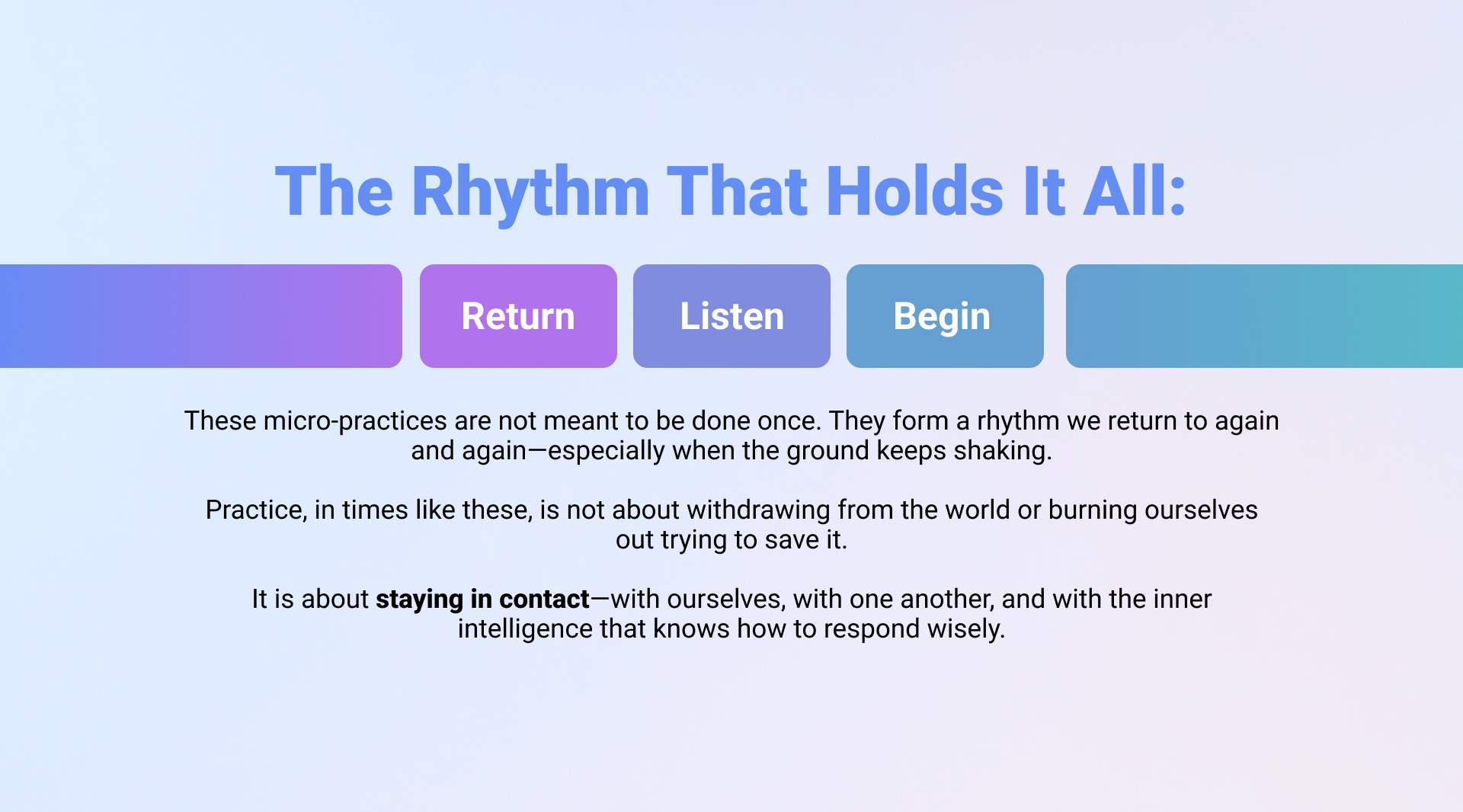
    A graphic titled The Rhythm That Holds It All addresses key steps with buttons: Notice, Return, Listen, Begin, on a gradient background.


    Source link

  • Rachael Rivero’s Journey from ICU Practice to Founding Kansas Care Connect

    Rachael Rivero’s Journey from ICU Practice to Founding Kansas Care Connect

    Healthcare delivery often unfolds across multiple clinical touchpoints, yet continuity between those touchpoints can remain difficult to sustain. According to Rachael Rivero, nurse practitioner and owner of Kansas Care Connect and ChronicWELL, for patients managing chronic conditions, care frequently involves several specialists, primary care providers, and diagnostic pathways that do not always communicate in real time.

    From her perspective, these structural disconnects can leave patients navigating complex treatment plans alone while providers manage growing administrative strain. “When patient data is fragmented, follow-up between visits is limited, care teams are stretched thin, and small issues can escalate into preventable complications or even hospital stays,” she says.

    Kansas Care Connect emerged as her response to those systemic gaps. Built around Medicare’s Chronic Care Management framework, the organization operates as a nurse practitioner-led coordination partner supporting patients between office visits. Its model centers on structured check-ins, care plan oversight, and remote patient monitoring, designed to surface risks earlier.

    According to Rivero, proactive monitoring allows care teams to identify changes in condition trends, medication adherence, or lifestyle factors before they evolve into higher-acuity events. Research has noted that structured chronic care coordination programs are associated with reductions in hospital admissions and improved patient engagement, reinforcing the value of sustained between-visit support in complex populations.

    Rivero’s pathway into this work was shaped by more than a decade of practicing as a nurse practitioner specializing in pulmonary, sleep, and critical care. Her early clinical foundation began in intensive care settings, where she developed an appreciation for high-acuity problem-solving and interdisciplinary coordination. Over time, she expanded into the outpatient environment, where long-term patient relationships revealed a different set of challenges.

    “In the ICU, you are solving immediate crises,” she explains. “But in outpatient care, you begin to see the long story, what happens between visits, what gets missed, and how easily patients can feel lost in the system.”

    Those longitudinal relationships became formative. Rivero notes that many patients expressed confusion about treatment sequencing, follow-ups, and specialist coordination. She recalls that care plans could stall when diagnostics were delayed, results were siloed, or communication loops remained incomplete.

    Kansas Care Connect

    “Patients would come back without answers, and providers were just as frustrated because the information, testing, or follow-up they needed hadn’t come together in time to move care forward,” she says. “That cycle kept revealing operational blind spots, even in systems delivering high-quality treatment.”

    Drawing on both her clinical exposure and an early academic background in entrepreneurship, Rivero began exploring care coordination frameworks that could operate locally. In 2023, she saw an opportunity to design a nurse-led model tailored to community practices rather than national call-center structures. Launching Kansas Care Connect required balancing full-time clinical responsibilities with business development and family life, yet she viewed the effort as mission-aligned. From her perspective, the need for coordinated support outweighed the uncertainty of building an independent organization from the ground up.

    Since its founding, Kansas Care Connect has expanded through various phases. Rivero credits early growth to outcomes-driven trust rather than traditional marketing channels. She explains that the relationship credibility within the medical community played a central role in adoption and growth.

    Leadership philosophy has also shaped the organization’s culture. Rivero emphasizes a team-first operating model grounded in collaboration across nurse practitioners, registered nurses, and support staff. “No role is more important than another,” she explains. “We function as one care team, and the work only succeeds when everyone feels ownership in the mission.” She pairs that philosophy with flexible structures that allow many clinicians, particularly working parents, to operate in hybrid or remote formats while maintaining continuity for patients.

    Compassion and accountability remain core pillars. Rivero notes that many team members were drawn to the organization through personal caregiving experiences, reinforcing empathy as a hiring lens. She believes those shared motivations translate into deeper patient rapport and sustained engagement, particularly for individuals managing multiple chronic conditions.

    Kansas Care Connect

    Looking ahead, Rivero’s long-term vision extends through ChronicWELL, a broader ecosystem designed to support individuals living with chronic disease beyond traditional coordination services. She explains the initiative as a network model encompassing education, wellness resources, and additional care pathways aimed at helping patients maintain quality of life alongside clinical treatment.

    Rachael Rivero’s journey from critical care clinician to healthcare founder reflects an effort to close operational gaps she witnessed firsthand. Through Kansas Care Connect and the developing ChronicWELL platform, Rivero continues to build models centered on coordination, continuity, and human connection, principles she believes remain essential as chronic care needs expand nationwide.

    Source link

  • Causes, Symptoms, Treatment & When to Seek Care

    Causes, Symptoms, Treatment & When to Seek Care

    Joint locking in older adults can interrupt simple movements like walking, bending, or gripping objects. A knee may suddenly refuse to straighten, or a finger may freeze mid-motion. These episodes are often linked to age-related joint changes and arthritis in seniors.

    Mobility issues in seniors become more concerning when joint locking symptoms increase fall risk or reduce independence. Understanding the causes, warning signs, and treatment options helps older adults stay active and protect long-term joint health.

    What Causes Joint Locking in Elderly?

    Joint locking in elderly adults most often results from osteoarthritis, a condition where cartilage gradually wears down and bone surfaces rub together. As cartilage thins, bone spurs—also called osteophytes—can form and physically block smooth joint movement. According to the National Institute on Aging (NIA), osteoarthritis is the most common form of arthritis in older adults and frequently affects knees, hips, hands, and spine, leading to pain, stiffness, and reduced flexibility.

    Other joint locking causes include loose cartilage fragments in the knee, meniscal tears, hip labral tears, or crystal deposits from gout or pseudogout. Past injuries, repetitive strain, or long-standing inflammation increase the likelihood of mechanical blocks inside the joint. In some cases, osteoporosis weakens supporting bone structures, contributing indirectly to instability. Identifying the exact cause of joint locking in elderly patients guides proper treatment and prevents repeated episodes.

    Recognizing Joint Locking Symptoms

    Joint locking symptoms in seniors often appear suddenly. A knee may buckle mid-step, a hip may freeze during rotation, or a finger may stop bending while grasping an object. These episodes are sometimes accompanied by clicking, popping, swelling, or sharp pain that eases once the joint “unlocks.” According to Cleveland Clinic, joint locking can be linked to mechanical problems such as torn cartilage, loose fragments, or advanced arthritis, and symptoms may include stiffness, swelling, and difficulty moving the joint fully.

    Arthritis in seniors may also cause morning stiffness, grinding sensations (crepitus), and reduced range of motion. Some older adults describe a feeling that the joint is “stuck” rather than simply painful. It is important to distinguish true mechanical locking from pain-related muscle spasms, sometimes called pseudo-locking. Persistent or worsening joint locking symptoms should be evaluated to prevent further damage and mobility decline.

    Diagnosing Joint Locking in Seniors

    Joint locking diagnosis begins with a detailed medical history and physical examination. Doctors assess when the locking occurs, how long it lasts, and whether swelling or instability is present. Imaging tests are often necessary to confirm the underlying issue. According to the American Academy of Orthopaedic Surgeons (AAOS), X-rays help identify bone spurs and joint space narrowing in osteoarthritis, while MRI scans can detect soft tissue injuries such as meniscal tears or cartilage damage.

    In some cases, ultrasound may detect fluid buildup, and joint aspiration can identify crystal-related conditions like gout. Blood tests may rule out inflammatory arthritis or infection if swelling is severe. Gait analysis may also be used to evaluate mobility issues in seniors and assess fall risk. Early and accurate joint locking diagnosis reduces the likelihood of long-term joint deterioration.

    Treatment Options for Joint Locking

    Joint locking treatment focuses on reducing pain, restoring movement, and preventing further joint damage. The right approach depends on the underlying cause and the severity of symptoms. Early care can improve stability and help seniors maintain independence.

    • Conservative Care: NSAIDs reduce pain and inflammation, while physical therapy strengthens surrounding muscles to support and stabilize affected joints. Braces and assistive devices help decrease strain during movement, and weight management reduces pressure on knees and hips.
    • Injection Therapy: Corticosteroid injections may relieve inflammation and improve range of motion in persistent joint locking cases.
    • Minimally Invasive Procedures: Arthroscopic surgery can remove loose cartilage or bone fragments that mechanically block joint movement.
    • Advanced Surgical Options: Severe arthritis in seniors may require partial or total joint replacement when daily activities are significantly limited.
    • Personalized Treatment Plans: Joint locking treatment for seniors is tailored to overall health, activity level, and symptom severity to ensure safe and effective outcomes.

    When Joint Locking Signals Urgent Mobility Issues

    Occasional stiffness may not require urgent care, but repeated joint locking symptoms should not be ignored. Sudden swelling, redness, fever, or inability to bear weight could signal infection, fracture, or acute crystal arthritis. These situations require prompt medical evaluation.

    Mobility issues in seniors increase fall risk, particularly when knees or hips lock unexpectedly. If locking episodes become more frequent, disrupt sleep, or cause instability, medical assessment is essential. Early treatment protects joint integrity and helps older adults maintain independence and confidence in daily movement.

    Protecting Mobility and Joint Health in Older Adults

    Joint locking in older adults is often linked to arthritis in seniors and age-related joint wear. While occasional stiffness may be manageable, repeated locking episodes can interfere with safety and quality of life. Recognizing joint locking symptoms early allows for timely evaluation and appropriate care.

    Proactive steps such as maintaining a healthy weight, staying physically active, and seeking medical advice when symptoms persist can reduce mobility issues in seniors. With proper diagnosis and treatment, many older adults can manage joint locking effectively and continue engaging in daily activities with greater comfort and stability.

    Frequently Asked Questions

    1. Is joint locking always caused by arthritis in seniors?

    No, joint locking is not always due to arthritis. While osteoarthritis is a leading cause, torn cartilage, loose bone fragments, or crystal deposits can also create mechanical blockage. Previous injuries may increase the likelihood of locking episodes. A proper medical evaluation is necessary to determine the exact cause.

    2. Can joint locking in elderly adults resolve on its own?

    Some mild episodes may resolve when the joint shifts back into position. However, repeated locking often signals an underlying structural issue. Ignoring frequent symptoms may lead to worsening joint damage. Medical assessment helps prevent long-term complications.

    3. Does physical therapy help joint locking treatment?

    Yes, physical therapy can strengthen muscles around affected joints. Improved muscle support enhances stability and reduces stress on damaged cartilage. Therapists may also teach safe movement techniques to prevent locking triggers. Consistency is important for long-term improvement.

    4. When should joint locking be considered an emergency?

    Emergency care is needed if locking is accompanied by severe swelling, redness, fever, or inability to bear weight. These symptoms may indicate infection, fracture, or acute inflammation. Sudden instability leading to falls also requires prompt evaluation. Early treatment reduces serious risks.


    Source link

  • Recibio’s Perspective on the Standard of Care

    Recibio’s Perspective on the Standard of Care

    Cesarean delivery is among the most frequently performed surgeries in the world. Alongside its familiarity, the procedure carries surgical considerations that merit ongoing attention, including wound healing, recovery experience, and postoperative complications. These realities invite continued reflection on how care at the moment of closure can support both short-term recovery and longer-term maternal well-being.

    Recibio, Inc., a Houston-based medical technology company, approaches this landscape with thoughtful acknowledgment of those considerations. Through its work, the company champions the use of a mother’s own amniotic fluid during cesarean wound closure as part of the standard of care, with the intent of supporting wound healing and influencing adhesion formation in a biologically aligned way.

    “From what we’re seeing, even small steps forward in wound care could have a meaningful influence on mothers, newborns, and the systems that support them,” Geoffrey Jones, founder of Recibio, says. Within this context, Recibio’s insights center on how naturally available biological materials, already present during surgery, may be thoughtfully reintegrated into care pathways.

    Amniotic tissue and fluid have drawn sustained interest across regenerative medicine for their distinctive biological properties, demonstrating useful characteristics that modulate inflammation, provide microbial defense, and resist tissue adhesion for improved wound healing.

    Research on amniotic-derived materials describes their broad differentiation potential and immunologically compatible profile, qualities that have informed exploration across skin, musculoskeletal, and organ-related applications. This body of work suggests that amniotic fluid offers a supportive biological environment for healing, one that mirrors processes familiar from fetal development while remaining suitable for adult tissues.

    Recibio

    Recibio’s CeaLogic product line emerges from this scientific foundation with a focused clinical application. Designed specifically for women undergoing cesarean delivery, CeaLogic products enable the collection and immediate reapplication of autologous amniotic fluid at the time of surgery. “Basically, we’re taking something from the mother that would normally be donated or discarded and using it to support her healing,” Jones explains. “As it relies on the patient’s own amniotic fluid, there is zero chance of rejection, and it easily fits into standard surgical practice.”

    The mechanism guiding this approach focuses on leveraging cells and bioactive components already present in amniotic fluid. These elements are understood to participate in tissue signaling, inflammation modulation, and antimicrobial activity, creating conditions that may support repair while preventing scar formation.

    Research supported by Recibio adds clinical nuance to this understanding. In the study titled The Collection and Application of Autologous Amniotic Fluid to Cesarean Delivery Closure, investigators demonstrated that amniotic fluid could be successfully collected and reapplied during closure using the CeaLogic system. Jones states, “Over the six‑week follow‑up, participants reported consistently lower pain scores and no wound complications or infections. To me, that really shows how feasible and reliable this approach is in everyday clinical practice.” The study emphasized the need for continued research while underscoring the promise of this biologically informed technique.

    Complementing these findings, a prospective clinical registry initiative at UTHealth Houston explores autologous amniotic fluid as an antimicrobial adjunct during cesarean delivery. According to the registry proposal, amniotic fluid contains defensins, lactoferrin, and other peptides associated with antimicrobial activity, alongside properties that support epithelialization and comfort during healing. By documenting outcomes such as wound appearance, patient experience, and adverse events, the registry aims to build real-world evidence around how this approach may function alongside existing prophylactic practices as part of the standard of care.

    For patients, the implications extend beyond clinical metrics. “Birth is already an intense moment. If we can support healing in a way that feels intuitive to the body, we offer mothers a path through recovery,” Jones remarks. Recibio’s perspective frames the use of autologous amniotic fluid as a way to support less pain, greater comfort, and a sense of reassurance that healing draws from one’s own biology.

    Scalability remains central to this vision. Cesarean deliveries often occur in regions where access to follow-up care varies widely. Recibio positions CeaLogic as adaptable across any environment where the surgery takes place, from high-volume urban facilities to hospitals serving geographically isolated communities. “Because the system relies on materials already present during surgery and integrates into established procedures, implementation can feel more familiar,” Jones states. This practicality supports broader adoption, including in settings where infection risk carries heightened consequences and resources may be constrained.

    “Our hope is that every mother, regardless of where she delivers, receives the same thoughtful support at closure,” Jones shares. “Using her own amniotic fluid honors the biology of birth and invites healing to continue naturally.” In this future, CeaLogic becomes embedded in routine practice, recognized globally as a standard of care for cesarean delivery.

    As cesarean rates continue to influence obstetric landscapes worldwide, attention to healing at the moment of closure gains renewed significance. Through research-supported exploration, biologically aligned design, and a focus on patient experience, Recibio contributes a humane perspective to this conversation. The result is an evolving model of care that invites collaboration and thoughtful integration into the places where mothers and clinicians meet at one of life’s most meaningful thresholds.

    Source link

  • Elevating pancreatic cancer care | Dietitian Connection

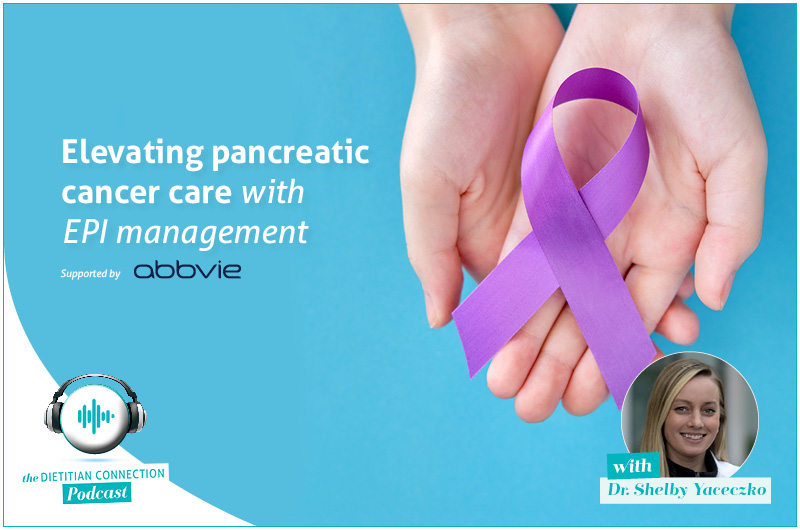
    Elevating pancreatic cancer care | Dietitian Connection


    Exocrine pancreatic insufficiency (EPI) affects many patients with pancreatic cancer, yet it is often overlooked in this patient populations, which leads to malnutrition. In this episode, we are joined by Dr. Shelby Yaceczko, DCN, RDN, CNSC. Yacescko is a supporting author on a recently published White Paper on the topic, and she explains what EPI is, how to screen for and treat the condition, and the essential role of dietitians in an interdisciplinary care team managing these patients. 

    Hosted by Kristin Houts

    Biography

    Dr. Shelby Yaceczko, DCN, RDN-AP, CNSC is an expert registered dietitian nutritionist, a Doctor of Clinical Nutrition and has research interests in dietitian provider autonomy in advanced-level practice, gastrointestinal cancer, and complex gastrointestinal surgery conditions. She has developed numerous hospital-based nutrition programs and protocols aimed to improve nutrition care in the ICU and ambulatory care settings. Her expertise focuses on managing disorders of the pancreas, stomach, liver, gallbladder, bile ducts, esophagus, and small and large bowel. Yacescko holds leadership roles in national nutrition organizations involved in nutrition support and gastrointestinal diseases and is the founder of a digital health cancer wellness company.


    In this episode, we discuss:

    • How overlapping GI symptoms, lack of standardized screening tools, and limited guidelines contribute to missed EPI diagnoses and delayed treatment
    • What inspired the development of the White Paper
    • How to bring EPI management into everyday practice
    • The ready-to-use checklists, screening forms, and EHR templates within the White Paper designed to standardize treatment


    Additional resources:

    • A link to the white paper can be found here.
    • Canopy Cancer Collective’s resource page can be found here.
    • Learn more about diagnosis and management of EPI at EssentialsofEPI.com.


    Supported by 


    The content, products and/or services referred to in this podcast are intended for Health Care Professionals only and are not, and are not intended to be, medical advice, which should be tailored to your individual circumstances. The content is for your information only, and we advise that you exercise your own judgement before deciding to use the information provided. Professional medical advice should be obtained before taking action. The reference to particular products and/or services in this episode does not constitute any form of endorsement. Please see  here  for terms and conditions.


    Source link
  • Inside AffirmedRx’s Patient Care Advocate Model That Turns Pharmacy Calls into Compassion

    Inside AffirmedRx’s Patient Care Advocate Model That Turns Pharmacy Calls into Compassion

    For Greg Baker, Chief Executive Officer of AffirmedRx, advocacy is a responsibility. Their Patient Care Advocate (PCA) model reflects that belief, offering a unique way to think about pharmacy benefits that centers on personal connection, proactive engagement, and meaningful support for members.

    AffirmedRx is a Public Benefit Corporation and a Pharmacy Benefit Manager (PBM) committed to transparency, fairness, and improving the member experience. The company partners with employers and organizations to manage prescription drug benefits with a focus on clarity, access, and accountability. “Our purpose has always been to build trust in an area that can often feel confusing for members,” Baker says. “We are here to simplify that experience and make sure every person gets the care they need.”

    At the heart of this approach lies the PCA model, a relationship-driven framework where each advocate serves as a consistent point of contact for members. Whether coordinating prior authorizations, helping locate cost-effective options, or clarifying benefit details, the advocate remains committed until the issue is fully resolved. “We don’t measure success by call length or volume,” Baker notes. “We measure it by resolution and trust.”

    Technology helps make that possible. The PCA platform integrates real-time claim visibility and data-driven alerts, allowing advocates to identify when a member may need help even before they reach out. “The technology provides insight,” Baker says, “but it’s the human connection that provides the solution.”

    That connection often becomes life-changing. Earlier this year, during a conversation with a member, an AffirmedRx advocate unearthed that a member’s heart failure medication was a financial barrier. Recognizing that delays could affect the member’s health, she immediately began researching alternative access options. She found a patient assistance program through the manufacturer that could supply the medication at no cost and coordinated the necessary paperwork with both the prescribing physician and the patient. To ensure continuity of care, she also arranged for the physician to provide samples during the approval process. Within days, the member was enrolled in the program and received their medication free of charge through the end of the year.

    “The member didn’t have to experience the stress of waiting or worrying about affordability,” says Megan Mullaney, VP, Client Management of AffirmedRx. “That’s the impact of an advocate, someone working quietly in the background to make sure care continues without disruption.”

    AffirmedRx’s approach is structured around consistency and compassion. Each advocate is trained as a community health worker, equipped with both clinical and interpersonal skills to support members in ways that go beyond pharmacy coordination. Advocates help members access assistance programs, locate community health resources, and even understand the practical steps to maintain adherence. “A PCA’s role is part navigator, part listener, part problem-solver,” Baker says. “It’s about understanding the whole person, not just the prescription.”

    The data underscores the value of that approach. According to Baker, AffirmedRx’s PCAs have completed more than 52,000 proactive outreach calls so far this year, reaching members before small barriers turn into larger challenges. Baker emphasizes that these interactions are intentional efforts to anticipate needs, clarify options, and build trust. “It’s about being present before someone asks for help,” Baker says.

    That attentiveness can also benefit employers. By resolving pharmacy concerns directly with members, PCAs help reduce the administrative load often placed on human resources or benefits teams. “When we take on the role of advocate, it means fewer interruptions for our clients and more confidence that their employees are being supported,” Mullaney says. “It creates a sense of assurance that the system is working as it should.”

    The ripple effects extend to overall well-being and continuity of care. Studies have shown that when medication costs exceed $125, a significant percentage of patients choose not to fill their prescriptions. AffirmedRx’s PCA model addresses this gap by identifying cost barriers early and finding alternative pathways or resources to keep members on their treatment plans. “Adherence is about removing the obstacles that keep people from getting the care they deserve,” says Baker.

    As a Public Benefit Corporation, AffirmedRx integrates purpose into every level of its operations. The PCA program is an expression of that mission, a blend of technology, empathy, and accountability designed to serve both individuals and organizations. “We believe that care should always start with listening,” Mullaney says. “When we listen, we learn. And when we act on what we learn, we build a system that truly supports people.”

    For Baker, that philosophy defines the future of pharmacy benefit management: one that moves forward through collaboration, transparency, and compassion. “Every time an advocate helps someone access the medication they need, it’s a reminder of why we are here,” Baker says. “It’s about care in the truest sense of the word.”

    Source link

  • Mary Huntly’s Advice for Tailoring Care Plans to Fit Your Life and Values

    Mary Huntly’s Advice for Tailoring Care Plans to Fit Your Life and Values

    Caring for your health shouldn’t feel like a rigid series of appointments or medications; it should reflect you. A proper care plan changes with your life, taking into account your values, day-to-day challenges, and personal goals. When healthcare is tailored to who you are and what matters most, Mary Huntly says that it becomes easier to stay on track.

    Vitalii Pavlyshynets | Unsplash

    Why Care Should Reflect Your Personal Life and Values

    When care is shaped around your daily routines, beliefs, and long-term goals, it becomes more manageable and meaningful. Healthcare is shifting toward approaches that recognize individuals as active participants, not just patients.

    A person juggling work, parenting, and a health condition may need a plan that balances treatment with flexibility. Someone else might prioritize staying independent at home or maintaining energy for travel. These differences matter and should guide care decisions. It’s about honoring the life someone is already living, not asking them to fit into a one-size-fits-all model.

    Knowing Your Health Goals

    Health goals aren’t one-size-fits-all. Some people focus on managing chronic conditions like diabetes or high blood pressure, while others are more concerned with preventing illness or improving mental well-being. These goals often shift depending on age, cultural background, or life circumstances.

    Someone in their 30s might aim to boost energy and stay active for work and family, while an older adult might focus on mobility or avoiding hospital visits. Preferences, beliefs, and personal priorities all influence what matters most, which is why open conversation with your healthcare provider is key.

    Building a Personalized Plan That Works for You

    Mary Huntly explains that creating a care plan starts with knowing where you are in your health journey and where you want to go. This means looking at current challenges, strengths, and what fits your lifestyle. Goals should be clear and practical, something you can measure and build on.

    When patients and providers make decisions together, the result is a plan that feels more achievable. A person recovering from surgery might focus on regaining strength in stages, while someone managing anxiety may work toward small daily habits that reduce stress. The right plan respects your pace and your priorities. It turns healthcare into a partnership rather than a prescription.

    Coordinating Support for Better Results

    Health outcomes often improve when support systems work together. A care team that includes doctors, nurses, therapists, and even family members can reduce confusion and keep everyone on the same page. Digital tools like secure messaging or shared calendars help people stay connected and make updates in real time.

    Someone managing multiple medications might benefit from a pharmacist checking for interactions, while a dietitian can tailor advice based on specific conditions. When different parts of your support system communicate, care feels smoother and more responsive.

    How Personal Values Improve Health Outcomes

    When care reflects what matters most to you, it’s easier to stay committed. A person who values independence might be more motivated to stick with physical therapy if it helps them remain in their own home. Another might focus on nutrition because cooking meals for loved ones brings joy.

    Aligning care with values can also reduce unnecessary stress. When treatment plans make sense in the context of your life, they feel less like a burden and more like support. This leads to better follow-through, fewer complications, and a clearer sense of purpose in the healing process. It also builds trust between patient and provider, making long-term results more likely.

    Questions to Ask When Creating or Updating a Care Plan

    Good care planning starts with asking the right questions. You might want to know how a treatment will affect your daily routine, or whether there are other options that better match your needs. These conversations open the door to more personalized choices.

    Mary Huntly understands that as life changes, so should your care plan. A job change, new diagnosis, or shift in personal goals might mean it’s time to revisit your strategy. Staying engaged and asking questions helps ensure your care continues to reflect who you are and where you want to go. Being proactive rather than reactive can make a big difference in the quality and consistency of care.

    Source link

  • M&Y Care LLC Highlights the Role of In-Home Care and Therapy in Maintaining Independence

    M&Y Care LLC Highlights the Role of In-Home Care and Therapy in Maintaining Independence

    M&Y Care LLC understands that receiving care at home is becoming a preferred option for people seeking comfort, dignity, and personalized support in familiar surroundings. Whether someone is managing a chronic condition, recovering from surgery, or simply requiring assistance with daily routines, in-home services offer a practical alternative to institutional care.

    These services are not limited to seniors; people of all ages with disabilities or health challenges can benefit from tailored support. Families also gain peace of mind knowing their loved ones are cared for in a setting that feels safe and familiar.

    From therapy that enhances mobility to daily assistance that encourages self-reliance, home-based care offers a comprehensive approach to wellness. A coordinated blend of personal care and clinical services ensures that individuals not only get help with tasks but also make meaningful progress toward their health goals.

    Dominik Lange | Unsplash

    Independence in Daily Living

    Independence means being able to manage daily tasks and make choices without constant assistance. For older adults and individuals with disabilities, this often includes dressing, preparing meals, or moving safely around their homes.

    Health conditions such as arthritis, stroke, or memory loss can make these activities more difficult, leading to frustration or a loss of confidence. A person who once enjoyed cooking may begin to rely on frozen meals due to limited mobility. Over time, this shift can also affect emotional well-being and create a sense of isolation.

    Maintaining autonomy supports emotional well-being and gives people a sense of control over their lives. Even small adjustments, like using adaptive tools or receiving help at key times, can make a meaningful difference in maintaining daily routines.

    Services Provided Through In-Home Care

    In-home care is designed to support individuals who need help with everyday tasks but wish to remain in familiar surroundings. Services often include assistance with grooming, meal preparation, light housekeeping, and transportation to appointments or social outings.

    A caregiver might visit daily to help a person with mobility challenges get dressed and prepare a warm breakfast. Gradually, this consistent presence eases physical strain and provides dependable companionship. That social connection can be just as important as physical care in maintaining a person’s overall well-being. In some cases, the caregiver may become a reassuring presence who notices subtle changes in health early on.

    Caregivers often become trusted figures, offering encouragement and helping clients feel more secure in their routines. Their role is to promote independence, not replace it by providing the right level of support while respecting personal choices and preferences.

    How Home-Based Therapy Improves Function

    M&Y Care LLC explains that therapy delivered at home focuses on helping individuals regain or maintain their ability to perform essential tasks. Physical therapy might address balance issues to reduce fall risk, while occupational therapy can help someone relearn how to use kitchen tools after a stroke. Speech therapy may assist with communication or swallowing difficulties, depending on the person’s condition.

    Receiving therapy in a home setting allows for one-on-one attention in a familiar setting, which can increase comfort and reduce anxiety. A person recovering from hip surgery may feel more at ease practicing exercises in their own living room, leading to better participation and faster improvement. Familiar surroundings help individuals stay consistent with their routines.

    Therapists also tailor their approach to each individual’s surroundings and lifestyle, making their interventions more practical and easier to apply. This personalized care helps individuals build confidence in their abilities and stay engaged in their recovery. It also allows therapists to identify environmental hazards or suggest modifications that can prevent setbacks.

    Combining Care and Therapy for Better Outcomes

    When caregivers and therapists work together, individuals often see faster progress and more reliable results. A therapist may design exercises to strengthen leg muscles, and a caregiver can then support those routines throughout the week, ensuring consistency and safety. This type of collaboration helps bridge the gap between medical goals and day-to-day support. The continuity of care promotes better adherence to therapy plans.

    Open communication among everyone involved, including family members, means care is aligned and more responsive. Adjustments to routines or therapy plans can be made quickly if something isn’t working or if progress stalls. That shared understanding creates a smoother home environment and a more effective path toward greater independence.

    Who Benefits from In-Home Support Services

    Those recovering from illness, managing chronic health conditions, or simply facing the challenges of aging often benefit most from in-home care and therapy. Whether someone is healing after surgery or navigating early memory changes, the ability to receive help at home can reduce stress and support better outcomes. The sense of familiarity and control often leads to better emotional stability.

    Younger individuals with disabilities also find value in these services, especially when care is flexible and tailored to their specific routines. Rather than uprooting daily life, in-home support adapts to it, helping people keep their sense of identity and continue doing the things they enjoy. This adaptability makes it easier for individuals to remain active in their communities and maintain social relationships.

    Planning, Access, and Payment Options

    Finding the right in-home support starts with an assessment of needs. Professionals may evaluate mobility, safety risks, and personal goals to create a plan that fits the individual rather than forcing one-size-fits-all solutions. Involving the person receiving care in the planning process also ensures their preferences are honored.

    M&Y Care LLC suggests that many families explore a mix of funding options, such as private pay, long-term care insurance, or publicly funded programs. Medicare or Medicaid might cover certain services depending on eligibility and medical necessity. Understanding what’s available can ease the financial burden and open doors to the right level of care.

    Source link