Tag: Blood

  • The Science of Blood Circulation and Its Role in Oxygen Nutrient Transport and Hormone Delivery

    The Science of Blood Circulation and Its Role in Oxygen Nutrient Transport and Hormone Delivery

    Blood is essential for life, enabling circulation, oxygen delivery, nutrient transport, and hormone delivery throughout the body. Through an intricate system of vessels powered by the heart, blood ensures that every cell receives the substances it needs to function. This continuous movement supports energy production, growth, and overall balance.

    What Is Blood and What Does It Do?

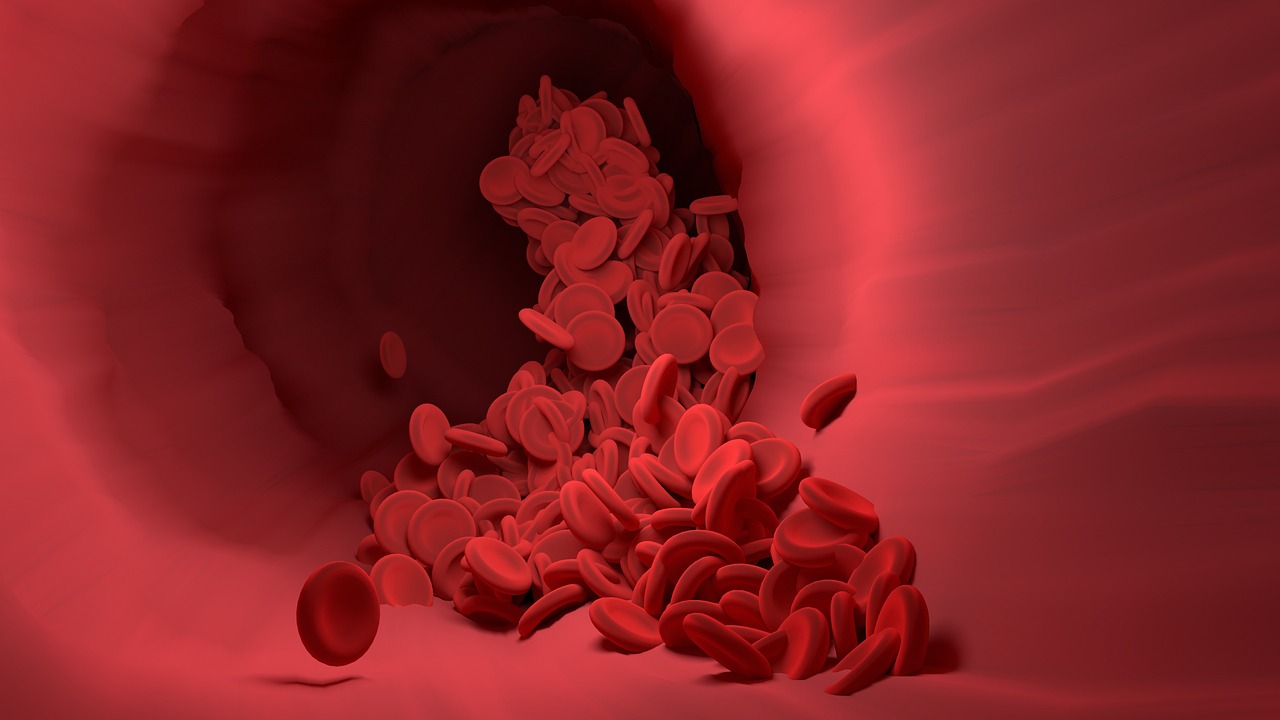
    Blood is a specialized fluid made up of plasma, red blood cells, white blood cells, and platelets. Each component plays a specific role in maintaining health.

    Plasma carries nutrients, hormones, and waste products. Red blood cells transport oxygen, white blood cells defend against infection, and platelets help with clotting. Together, these components allow blood to support circulation, regulate internal conditions, and sustain cellular activity.

    How Blood Circulation Works

    Circulation refers to the continuous movement of blood through the cardiovascular system, including the heart and blood vessels. This system ensures that oxygen and nutrients reach tissues while waste products are removed.

    There are two main pathways. Pulmonary circulation moves blood between the heart and lungs for oxygen exchange, while systemic circulation distributes oxygen-rich blood to the rest of the body. This continuous flow keeps cells supplied and functioning efficiently.

    How Blood Delivers Oxygen to Cells

    Oxygen delivery is a critical function of blood. Red blood cells contain hemoglobin, a protein that binds oxygen in the lungs and carries it through the circulation.

    In the lungs, oxygen enters the blood through alveoli and attaches to hemoglobin. As blood reaches tissues, oxygen is released and diffuses into cells, where it is used to produce energy. This process supports cellular respiration and keeps cells alive.

    Nutrient Transport: Feeding Every Cell

    Blood also enables nutrient transport by carrying substances absorbed during digestion. Nutrients such as glucose, amino acids, fats, vitamins, and minerals enter the bloodstream from the digestive system.

    These nutrients travel through plasma to reach cells, where they are used for energy, growth, and repair. Efficient circulation ensures that all tissues, including those far from the heart, receive adequate nourishment, according to the World Health Organization.

    Hormone Delivery and Chemical Signaling

    Hormone delivery allows the body to coordinate functions through chemical signaling. Hormones produced by endocrine glands enter the bloodstream and travel to target cells.

    Each hormone binds to specific receptors, triggering responses such as regulating metabolism, growth, or stress. For example, insulin controls blood sugar levels, while adrenaline prepares the body for rapid action. Circulation ensures hormones reach the right place at the right time.

    The Role of Capillaries in Exchange

    Capillaries are tiny blood vessels where exchange occurs between blood and tissues. Their thin walls allow oxygen and nutrients to pass into cells, while carbon dioxide and waste products move into the blood.

    This exchange is essential for maintaining cellular health. Capillaries form a vast network that connects arteries and veins, ensuring that every cell is reached.

    Factors That Affect Blood Circulation Efficiency

    Several factors influence how well blood performs its functions. A healthy heart is necessary to maintain strong circulation, while proper hydration supports smooth blood flow.

    Lifestyle choices such as regular exercise and balanced nutrition improve circulation, while smoking and inactivity can impair it. Blood composition also matters, as adequate red blood cells are needed for oxygen delivery, as per Cleveland Clinic.

    Disorders That Impact Blood Transport

    Certain conditions can impair the blood’s ability to deliver oxygen, nutrients, and hormones. Anemia reduces oxygen transport due to low red blood cell levels. Atherosclerosis narrows arteries, limiting blood flow.

    Hormonal imbalances can also affect communication between organs. Managing these conditions is important to maintain effective circulation and overall health.

    How Blood Circulation Supports Every Cell

    Blood remains vital because it combines oxygen, nutrients, and hormone delivery into a single system. Through circulation, it connects every part of the body, ensuring cells receive essential substances for survival.

    By continuously moving through vessels and exchanging materials at the cellular level, blood sustains energy production, growth, and internal balance. Healthy blood circulation is therefore fundamental to keeping every cell functioning properly.

    Frequently Asked Questions

    1. How fast does blood circulate through the body?

    Blood can circulate through the entire body in about 45 to 60 seconds at rest, depending on heart rate and activity level.

    2. Why is iron important for blood function?

    Iron is essential for producing hemoglobin, which enables red blood cells to carry oxygen efficiently.

    3. Can dehydration affect nutrient transport in the blood?

    Yes, dehydration reduces plasma volume, which can slow circulation and reduce nutrient transport efficiency.

    4. How does exercise improve blood circulation?

    Exercise strengthens the heart, improves blood vessel flexibility, and increases overall circulation efficiency.


    Source link

  • Inside the Liver and Its Constant Role in Detoxification, Metabolism, and Bile and Blood Filtration

    Inside the Liver and Its Constant Role in Detoxification, Metabolism, and Bile and Blood Filtration

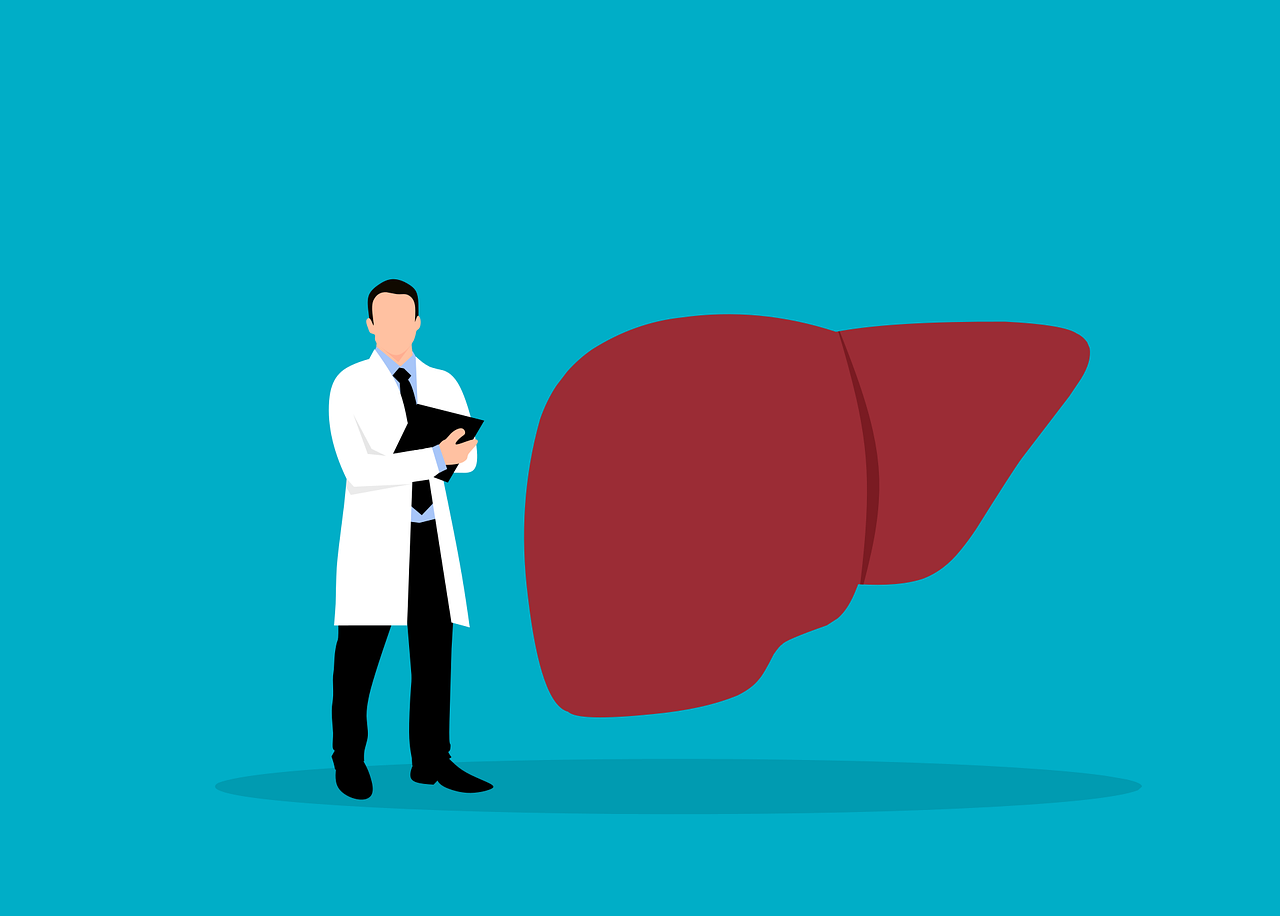
    The liver is one of the most vital organs in the human body, yet much of its work goes unnoticed. Every minute, the liver performs essential tasks that keep the body balanced and functioning properly, including detoxification, metabolism, bile production, and blood filtration.

    Unlike organs that send immediate signals when something is wrong, the liver works silently, handling complex biochemical processes that support nearly every system in the body.

    The Liver: Your Body’s Silent Powerhouse

    Located in the upper right abdomen, the liver is the largest internal organ and carries out hundreds of functions simultaneously. Its ability to multitask is what makes it indispensable. From filtering harmful substances to regulating nutrients, the liver plays a central role in maintaining internal stability.

    What makes the liver remarkable is how efficiently it performs detoxification, metabolism, bile production, and blood filtration without drawing attention. Even when under stress, it continues to operate in the background, adapting to the body’s needs in real time.

    How the Liver Handles Detoxification Every Minute

    One of the liver’s primary responsibilities is detoxification. As blood flows from the digestive system into the liver, it carries nutrients along with toxins such as alcohol, medications, and environmental chemicals. The liver processes these substances through a two-phase detoxification system.

    In Phase I, enzymes break down toxins into intermediate compounds. In Phase II, these compounds are converted into water-soluble substances that can be safely excreted through urine or bile. This ongoing process ensures that harmful substances do not accumulate in the body.

    The Liver’s Role in Metabolism and Energy Balance

    The liver is central to metabolism, acting as the body’s metabolic control center. It processes carbohydrates, fats, and proteins to ensure a steady supply of energy. After a meal, the liver converts excess glucose into glycogen for storage. When energy is needed, it converts glycogen back into glucose and releases it into the bloodstream.

    Fat metabolism also takes place in the liver, where fats are broken down for energy or converted into cholesterol and other essential molecules. Protein metabolism involves breaking down amino acids and removing ammonia, a toxic byproduct, by converting it into urea, according to Cleveland Clinic.

    Bile Production: The Liver’s Digestive Assistant

    Another critical function of the liver is bile production. Bile is a digestive fluid that helps break down fats into smaller molecules, making them easier to absorb in the intestines. Without bile, the body would struggle to absorb fat-soluble vitamins such as vitamins A, D, E, and K.

    Bile is continuously produced by the liver and stored in the gallbladder until it is needed. When fatty foods are consumed, bile is released into the digestive tract to aid in digestion. This process highlights the liver’s role in supporting efficient nutrient absorption.

    Blood Filtration: Cleaning Your Circulatory System

    Blood filtration is another key responsibility of the liver. Blood from the digestive organs passes through the liver before circulating throughout the body. During this process, the liver removes toxins, bacteria, and waste products.

    Specialized cells known as Kupffer cells play a role in identifying and breaking down harmful particles, contributing to immune defense. At the same time, the liver processes old or damaged red blood cells and recycles their components, as per Mayo Clinic.

    Other Essential Functions Happening in the Background

    Beyond detoxification, metabolism, bile production, and blood filtration, the liver performs several additional functions that are essential for survival. It produces proteins such as albumin, which helps maintain fluid balance, and clotting factors that prevent excessive bleeding.

    The liver also stores important vitamins and minerals, including vitamin B12, iron, and fat-soluble vitamins. These reserves are released when the body needs them, ensuring consistent nutrient availability.

    Hormone regulation is another task handled by the liver. It breaks down excess hormones and helps maintain proper hormonal balance, which affects everything from mood to metabolism.

    Signs Your Liver Might Be Struggling

    Because the liver operates quietly, early signs of trouble can be easy to miss. Symptoms often appear only after significant stress or damage has occurred. Common indicators include fatigue, yellowing of the skin or eyes (jaundice), abdominal discomfort, and dark urine.

    Digestive issues, such as nausea or loss of appetite, may also signal that the liver is not functioning optimally. Recognizing these signs early can help prevent more serious complications.

    How to Support Your Liver’s Daily Work

    Supporting liver health involves maintaining habits that reduce strain on its processes. A balanced diet rich in fruits, vegetables, and whole foods provides nutrients that aid detoxification and metabolism. Limiting alcohol and processed foods can reduce the burden on the liver.

    Staying hydrated helps the liver flush out toxins more effectively, while regular physical activity supports metabolic function. Routine health checkups can also help monitor liver function and detect potential issues early.

    Why the Liver’s Constant Work Matters for Overall Health

    The liver works continuously to keep the body in balance, managing detoxification, metabolism, bile production, and blood filtration without interruption. Its ability to adapt and perform multiple functions at once makes it one of the most important organs for maintaining overall health.

    By understanding how the liver operates quietly in the background, individuals can make informed choices that support its function. Protecting liver health is not just about preventing disease, it is about ensuring that the body’s internal systems continue to run smoothly every minute of the day.

    Frequently Asked Questions

    1. Can the liver repair itself after damage?

    Yes, the liver has a strong ability to regenerate, but repeated or severe damage can limit this process over time.

    2. How long does it take for the liver to process alcohol?

    On average, the liver processes about one standard drink per hour, depending on factors like body size and metabolism.

    3. Does drinking more water improve liver detoxification?

    Water supports overall body function and helps flush waste, but it does not directly speed up the liver’s detoxification processes.

    4. Are liver detox diets necessary for good health?

    Most detox diets are unnecessary because the liver naturally handles detoxification efficiently without special cleanses.


    Source link

  • Smarter Snack Habits That Improve Blood Sugar Control, Boost Energy, and Increase Satiety

    Smarter Snack Habits That Improve Blood Sugar Control, Boost Energy, and Increase Satiety

    Snacks play a bigger role in daily energy and blood sugar control than many people realize. The types of snacks someone reaches for can either support steady energy or trigger spikes and crashes that lead to fatigue, cravings, and overeating.

    By focusing on healthy snack swaps that improve glycemic balance and increase satiety, it becomes possible to upgrade eating habits without committing to a full diet overhaul.

    Why Snacks Matter for Blood Sugar Control and Energy

    Snacking is often treated as a minor part of nutrition, but it directly affects blood sugar control throughout the day.

    Foods high in refined carbohydrates, like chips, candy, and pastries, tend to have a high glycemic impact, meaning they cause rapid spikes in blood glucose levels. These spikes are often followed by sharp drops, which can leave a person feeling tired, irritable, and hungry again soon after eating.

    On the other hand, snacks that are lower on the glycemic scale help maintain more stable blood sugar levels. This stability supports consistent energy, better focus, and improved appetite regulation. Over time, choosing better snacks can also support metabolic health and reduce the likelihood of energy crashes.

    What Makes Snacks Blood Sugar-Friendly?

    Not all snacks are created equal, especially when it comes to glycemic response and satiety. Blood sugar-friendly snacks typically include a combination of macronutrients that slow digestion and prevent spikes.

    • Protein helps stabilize blood sugar and promotes satiety.
    • Fiber slows carbohydrate absorption and supports digestive health.
    • Healthy fats extend energy release and reduce hunger signals.

    A snack that combines these elements, such as apple slices with peanut butter or Greek yogurt with berries, has a lower glycemic effect than a snack made of refined carbohydrates alone. Portion size also matters, as even healthy snacks can lead to blood sugar fluctuations if eaten in excess.

    Easy Healthy Snack Swaps That Improve Glycemic Balance

    Making healthy snack swaps does not require eliminating favorite foods. Instead, small substitutions can significantly improve blood sugar control and satiety.

    • Potato chips can be swapped for roasted chickpeas or a handful of nuts, which offer more protein and fiber while lowering glycemic impact.
    • Candy bars can be replaced with dark chocolate paired with almonds, reducing sugar content while improving satiety.
    • White bread snacks can be upgraded to whole grain or lettuce wraps, which digest more slowly and provide sustained energy.
    • Sugary flavored yogurt can be swapped for plain Greek yogurt with fresh fruit, offering more protein and less added sugar.
    • Sugary drinks like soda or juice can be replaced with infused water or unsweetened tea, eliminating rapid blood sugar spikes.
    • Pastries can be swapped for oat-based snacks or homemade energy bites that include fiber and healthy fats.

    These healthy snack swaps help reduce glycemic load while keeping meals satisfying and enjoyable.

    Smart Snack Pairings That Boost Satiety and Blood Sugar Control

    Pairing foods strategically is one of the simplest ways to improve snacks without removing them entirely. Combining carbohydrates with protein or fat slows digestion and leads to greater satiety, according to Harvard Health.

    Some effective pairings include:

    • Apple slices with peanut butter
    • Whole grain crackers with cheese
    • Banana with Greek yogurt
    • Raw vegetables with hummus

    These combinations reduce the glycemic response compared to eating carbohydrates alone. They also help prevent overeating later by keeping hunger levels stable.

    Common Snack Mistakes That Disrupt Glycemic Balance

    Even snacks labeled as “healthy” can interfere with blood sugar control if they are not chosen carefully. Several common habits contribute to energy fluctuations.

    • Choosing low-fat snacks that are high in added sugar, which increases glycemic impact.
    • Eating refined carbohydrates without protein or fat, leading to rapid digestion and low satiety.
    • Skipping snacks entirely and becoming overly hungry, which can lead to overeating during meals.
    • Relying on misleading labels such as “natural” or “organic,” which do not guarantee low glycemic content.

    Awareness of these patterns makes it easier to choose snacks that support both energy and satiety.

    What Snacks Won’t Spike Blood Sugar?

    Snacks that have minimal impact on blood sugar are typically rich in protein, fiber, or healthy fats. Examples include nuts, seeds, boiled eggs, Greek yogurt, and low-glycemic fruits like berries. These foods digest more slowly and help maintain stable glucose levels.

    For instance, a handful of almonds provides healthy fats and protein that reduce hunger while keeping blood sugar steady. Similarly, Greek yogurt offers protein that slows the absorption of natural sugars from fruit, as per the Centers for Disease Control and Prevention.

    What Is the Best Snack for Stable Energy?

    The best snacks for stable energy combine multiple nutrients to support satiety and gradual energy release. A balanced snack often includes:

    • A carbohydrate source for quick energy
    • Protein for blood sugar control
    • Fat for sustained satiety

    An example would be whole grain toast with avocado and a boiled egg. This combination delivers a steady energy curve instead of a spike-and-crash pattern.

    How to Choose Low Glycemic Snacks

    Choosing low glycemic snacks becomes easier with a few practical strategies. Reading ingredient labels can help identify added sugars and refined carbohydrates that contribute to spikes. Whole, minimally processed foods are generally better choices because they retain fiber and nutrients that slow digestion.

    Foods like nuts, seeds, vegetables, and whole grains tend to have a lower glycemic impact compared to processed snack foods. When in doubt, pairing a carbohydrate with protein or fat can immediately improve a snack’s glycemic profile.

    Can Snacks Help With Blood Sugar Control?

    Snacks can actively support blood sugar control when used strategically. Eating balanced snacks between meals can prevent extreme hunger and reduce the likelihood of overeating. This approach also helps maintain more consistent glucose levels throughout the day.

    Rather than avoiding snacks altogether, choosing nutrient-dense options can turn snacking into a tool for better energy management and metabolic stability.

    Healthy Snack Swaps for Weight Loss and Energy

    Healthy snack swaps are also useful for those aiming to manage weight while maintaining energy. Foods that improve satiety tend to reduce overall calorie intake by keeping hunger in check.

    For example, replacing a sugary granola bar with a combination of nuts and fruit provides more fiber and protein, helping a person feel full longer. Similarly, swapping chips for air-popped popcorn can reduce calorie intake while still offering a satisfying crunch.

    Quick Checklist for Better Snacks

    A simple way to evaluate snacks is to consider a few key factors:

    • Does it include protein for blood sugar control?
    • Is it rich in fiber to reduce glycemic impact?
    • Does it contain healthy fats to improve satiety?
    • Will it provide steady energy rather than a quick spike?

    If a snack meets most of these criteria, it is more likely to support both energy and metabolic health.

    Smarter Snacks for Better Energy and Blood Sugar Control

    Upgrading snacks does not require a strict diet or major lifestyle changes. By focusing on healthy snack swaps that improve glycemic balance and increase satiety, it becomes easier to maintain consistent energy throughout the day.

    Small changes, like pairing foods, choosing whole ingredients, and reducing added sugars, can have a meaningful impact on blood sugar control. Over time, these smarter snack choices help create a more stable and sustainable approach to eating without sacrificing convenience or enjoyment.

    Frequently Asked Questions

    1. How often should someone eat snacks for stable blood sugar?

    Snacking every 3–4 hours between meals can help maintain steady blood sugar levels, especially if meals are spaced far apart.

    2. Are store-bought “healthy snacks” reliable for blood sugar control?

    Not always. Many packaged snacks contain hidden sugars or refined carbs, so checking labels is important.

    3. Do low glycemic snacks help reduce cravings?

    Yes, they can improve satiety and prevent sudden drops in blood sugar that often trigger cravings.

    4. Is it better to snack before or after a workout for energy?

    A balanced snack before a workout can provide fuel, while one after helps recovery, both can support stable energy levels.


    Source link

  • MetaFlow™ – #1 Blood Sugar Support Drops by Trusted Nutra Products

    MetaFlow™ – #1 Blood Sugar Support Drops by Trusted Nutra Products

    Product Name: MetaFlow™ – #1 Blood Sugar Support Drops by Trusted Nutra Products

    Click here to get MetaFlow™ – #1 Blood Sugar Support Drops by Trusted Nutra Products at discounted price while it’s still available…

    All orders are protected by SSL encryption – the highest industry standard for online security from trusted vendors.

    MetaFlow™ – #1 Blood Sugar Support Drops by Trusted Nutra Products is backed with a 60 Day No Questions Asked Money Back Guarantee. If within the first 60 days of receipt you are not satisfied with Wake Up Lean™, you can request a refund by sending an email to the address given inside the product and we will immediately refund your entire purchase price, with no questions asked.

    (more…)

  • Noise in Urban Soundscapes and Its Hidden Impact on Sleep Disruption and Higher Blood Pressure

    Noise in Urban Soundscapes and Its Hidden Impact on Sleep Disruption and Higher Blood Pressure

    Noise pollution has become part of everyday life in many cities, yet its impact on sleep and cardiovascular health is often underestimated. In dense urban soundscapes, constant traffic, construction, and nightlife noise can drive sleep disruption, activate the body’s stress response, and contribute to higher blood pressure over time.

    Understanding these links helps explain why some city residents feel persistently tired, stressed, and unwell, even when they seem to be “used to” the noise.

    Noise Pollution in Urban Soundscapes

    Noise pollution refers to unwanted or excessive sound that harms health or quality of life. In urban soundscapes, this usually comes from road and rail traffic, aircraft, construction work, sirens, and crowded entertainment districts.

    The problem is not just occasional loud events, but continuous or frequent noise that leaves little time for genuine quiet.

    People living near busy roads, flight paths, or nightlife zones may experience elevated noise levels both day and night. Even when they stop consciously noticing the sound, the body continues to register it. Over time, this ongoing exposure can shape sleep patterns, stress responses, and cardiovascular function in subtle but important ways.

    How Urban Noise Affects Sleep

    During sleep, the brain does not fully disconnect from the environment. The auditory system keeps monitoring for sounds that might signal danger. Noise can trigger micro‑arousals, brief shifts to lighter sleep stages, even if the person does not remember waking up. These small interruptions fragment the sleep cycle.

    As a result, people may spend less time in deep and REM sleep, which are essential for physical recovery, memory processing, and emotional regulation. In noisy urban soundscapes, such sleep disruption can occur many times a night.

    Over weeks and months, this pattern often leads to non‑restorative sleep, morning fatigue, and difficulty concentrating, even if total time in bed seems adequate.

    Repeated nighttime disturbances can also resemble insomnia. Residents may lie awake waiting for the next siren or truck, making it hard to relax. Shortened sleep, irregular bedtimes, and poor sleep quality can gradually erode mood, performance at work or school, and overall resilience.

    Noise, Stress Response, and Higher Blood Pressure

    From a biological standpoint, significant noise acts as a stressor. The body responds by activating the sympathetic nervous system and releasing hormones such as adrenaline and cortisol. This stress response increases heart rate and blood pressure and prepares the body for action.

    In quiet environments, these stress reactions are short‑lived. In noisy cities, however, they may be triggered repeatedly throughout the day and night by horns, engines, construction, or loud voices. Over time, frequent activation can create a state of chronic, low‑grade stress.

    Nighttime noise is particularly important. Sleep is meant to be a period when blood pressure and heart rate naturally drop, allowing the cardiovascular system to recover, according to the World Health Organization.

    When noise keeps the stress response active, this normal nighttime “dipping” can be blunted. Instead of extended calm, the body experiences a stop‑start pattern of activation, which gradually changes how blood vessels and the heart function.

    Higher blood pressure develops through many factors, but noise exposure adds to the load. Repeated surges of stress hormones cause blood vessels to constrict and the heart to work harder.

    In chronically noisy urban soundscapes, these reactions can become the new baseline, nudging resting blood pressure upward. Over months and years, this process increases the risk of sustained hypertension and related cardiovascular problems.

    Studies of people living near busy roads, railways, and airports consistently show links between long‑term noise exposure, sleep disruption, and higher blood pressure. Some research has captured immediate spikes in blood pressure during specific noise events at night, even when the person appears to remain asleep.

    These findings highlight that noise is not just irritating; it has measurable effects on the cardiovascular system.

    Broader Health Impacts of Noisy City Living

    The health effects of noise extend beyond higher blood pressure. Chronic exposure in urban soundscapes is associated with increased anxiety, irritability, and depressive symptoms. Poor sleep and constant low‑grade stress can make it harder to cope with daily demands, regulate emotions, and maintain social relationships.

    Cognitive performance may also be reduced in persistently noisy environments. Concentration, memory, and learning suffer when the brain must constantly screen out background sound.

    Children who live or study near major roads or flight paths can face extra challenges focusing and retaining information, which may affect academic progress.

    For many city dwellers, these issues overlap: fragmented sleep, daytime tiredness, elevated stress, and gradual increases in blood pressure all influence one another. The combined effect can be a noticeable drop in productivity, well‑being, and quality of life, even if noise is rarely identified as the main cause, as per the Centers for Disease Control and Prevention.

    Practical Ways to Reduce Noise Impact

    Individuals cannot eliminate all urban noise, but they can limit its impact on sleep and blood pressure. Helpful steps include:

    • Placing bedrooms on the quieter side of the building whenever possible
    • Using heavier curtains, better window seals, or double glazing to reduce sound intrusion
    • Employing constant background sound, such as a fan or white‑noise device, to mask sudden peaks
    • Wearing comfortable earplugs at night in particularly loud locations

    Supporting habits such as regular bedtimes, a calming pre‑sleep routine, and reduced caffeine and screen use in the evening can also improve sleep quality despite ongoing noise exposure.

    People who notice persistent sleep disruption, morning headaches, daytime fatigue, or rising blood pressure while living in noisy areas should consider discussing these concerns with a health professional. Tracking sleep and blood pressure over time can help clarify how strongly noise and sleep disruption might be contributing.

    Those with existing cardiovascular disease, older adults, shift workers, and residents near major transport routes may be especially vulnerable. For them, reducing noise exposure and improving sleep quality are meaningful parts of managing higher blood pressure and protecting heart health.

    Noise, Urban Soundscapes, and Protecting Long‑Term Heart Health

    In modern cities, noise is often treated as an inevitable backdrop. Yet chronic exposure to loud urban soundscapes plays a clear role in sleep disruption, activation of the stress response, and higher blood pressure. Recognizing noise as a significant environmental influence on health is an important step toward change.

    At the personal level, small adjustments to the home and sleep routine can help shield the body from constant sound. At the community and policy level, measures such as traffic calming, quieter infrastructure, and stricter nighttime standards can reshape urban soundscapes in ways that support restorative sleep and cardiovascular health.

    By understanding how noise interacts with sleep, stress, and blood pressure, societies can move toward cities that are not only vibrant and active, but also genuinely healthy places to live.

    Frequently Asked Questions

    1. Can noise pollution raise blood pressure even if someone feels used to it?

    Yes. The body can still react with stress hormones and subtle blood pressure increases to ongoing noise exposure, even when a person no longer consciously notices the sound.

    2. Are short bursts of loud noise as harmful as constant background noise?

    Short, very loud bursts can cause immediate spikes in heart rate and blood pressure, while constant moderate noise tends to contribute more to long‑term stress and sleep disruption.

    3. Does noise at work affect blood pressure the same way as nighttime noise?

    Workplace noise can increase stress and temporary blood pressure, but nighttime noise is more strongly linked to long‑term cardiovascular effects because it interferes with restorative sleep.

    4. Can listening to music at night offset the impact of city noise on sleep?

    Soothing, low‑volume music or soundscapes may help some people relax and mask traffic noise, but if it is too loud or stimulating, it can still disturb sleep quality.


    Source link

  • Science Reveals Incredible Body Facts Showing What the Heart Blood and Lungs Do Every Moment

    Science Reveals Incredible Body Facts Showing What the Heart Blood and Lungs Do Every Moment

    Each day, the human body performs countless tasks that keep life going, many of which happen without awareness or effort. From the rhythmic beating of the heart to the constant flow of blood and the steady exchange of air in the lungs, these essential processes form the foundation of human survival.

    Together, they create a sophisticated system of blood circulation and lung function that fuels every muscle, organ, and cell with oxygen and nutrients.

    Science has uncovered astonishing details about these daily operations. Even at rest, the body’s internal machinery remains in motion, maintaining balance and energy through precise biological coordination. The heart, blood, and lungs serve as one of the most impressive examples of this teamwork.

    How the Heart Works Every Day

    The heart operates as the engine of the body’s circulatory system, pumping blood continuously to sustain all organs. On average, the heart beats about 100,000 times per day, moving nearly 7,500 liters of blood through arteries, veins, and capillaries.

    Each heartbeat is triggered by electrical impulses that direct contractions in a specific rhythm, an elegant pattern that allows oxygen-rich blood to reach every part of the body.

    The heart’s structure includes four chambers: two atria and two ventricles. The right side handles deoxygenated blood, sending it to the lungs for oxygenation, while the left side receives fresh oxygenated blood and pushes it through systemic circulation.

    It’s a process so efficient that the entire volume of blood in the body circulates roughly once per minute.

    Interestingly, emotional and physical states can momentarily influence heart rate. Feelings of stress or excitement activate the body’s sympathetic nervous system, increasing heartbeats, while calm or rest activates the parasympathetic system, slowing them down. This delicate balance helps maintain proper blood circulation depending on activity or mood.

    How Blood Circulates Through the Body

    Every second, human blood travels through an intricate network estimated at more than 60,000 miles in total length, enough to circle the Earth more than twice. This ongoing blood circulation supplies every cell with oxygen and essential nutrients while removing waste products like carbon dioxide.

    The composition of blood is a scientific marvel:

    • Red blood cells carry oxygen from the lungs to tissues.
    • White blood cells defend against infections.
    • Platelets assist with clotting in case of injury.
    • Plasma, the fluid component, transports hormones, proteins, and electrolytes.

    Apart from oxygen delivery, blood circulation has countless side benefits. It helps regulate body temperature, maintain pH balance, and support immune defense. Without this nonstop movement, tissues would be deprived of oxygen and energy, leading to immediate collapse of normal functions.

    Approximately 2.4 million red blood cells are produced in the body every second to keep up with the demand for oxygen transport, a reminder of how dynamic human biology truly is.

    How the Lungs Function

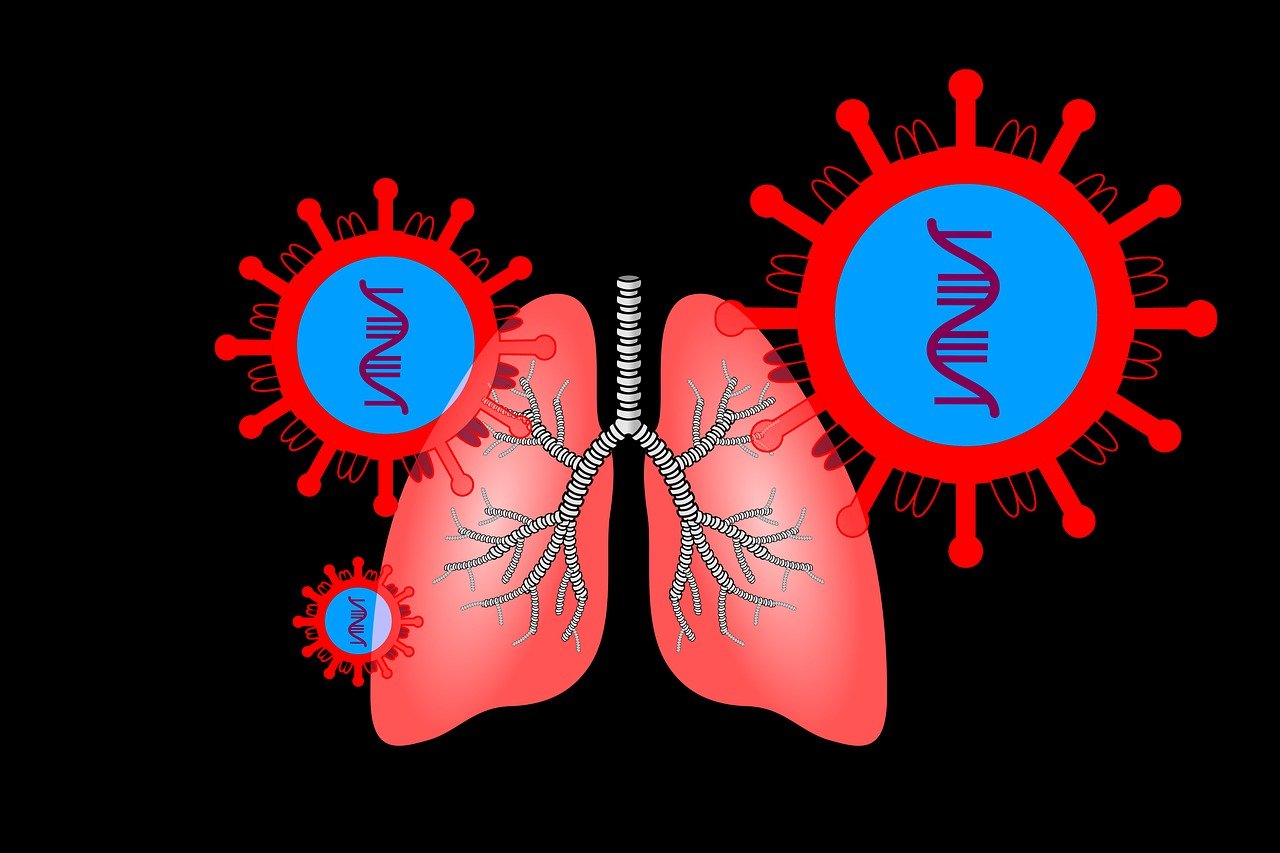
    The lungs are the body’s air exchange centers, responsible for breathing and oxygen transfer. Each day, a person breathes about 20,000 times, allowing nearly 11,000 liters of air to move in and out of the chest cavity. This repetitive action sustains lung function and powers blood oxygenation.

    Air travels through the trachea and bronchi before reaching tiny air sacs called alveoli, where gas exchange occurs. These microscopic sacs, about 300 million in total, allow oxygen to enter the blood while carbon dioxide leaves it. From there, oxygen-rich blood returns to the heart, which pumps it through the body, according to Cleveland Clinic.

    The lungs work closely with the diaphragm, a sheet of muscle that contracts with every breath. When the diaphragm moves downward, the chest cavity expands and draws air inward; when it relaxes, air is pushed out. This simple cycle supports cellular respiration and provides the oxygen needed for energy production.

    Healthy lung function depends largely on clean air, exercise, and hydration. Smoking, pollution, or inactivity can reduce the lungs’ capacity, limiting oxygen intake and placing strain on the heart and overall blood circulation.

    The Connection Between Heart and Lungs

    Though separated anatomically, the heart and lungs operate as one integrated team known as the cardiopulmonary system. When oxygen enters the lungs, it binds to hemoglobin molecules in red blood cells. The heart then pumps these oxygen-loaded cells through arteries, supplying the body with the fuel for life.

    This partnership also works in reverse. As cells use oxygen, they produce carbon dioxide, which the blood transports back to the lungs. There, the waste gas is expelled with each exhale, completing a perfect exchange loop between blood circulation and lung function.

    During physical activity, the heart beats faster and the lungs work harder. The synchrony between them increases oxygen delivery and removes carbon dioxide more quickly, allowing the body to sustain movement and maintain temperature. It’s a striking display of physiological teamwork that scientists continue to study in detail.

    What Happens When Blood Circulation or Lung Function Is Interrupted

    Interruptions in blood circulation or lung function can have immediate and serious effects. If blood flow is blocked, through a clot, heart failure, or vascular disease, oxygen deprivation begins within seconds. Brain cells, which are highly dependent on oxygen, start to deteriorate almost instantly, as per the World Health Organization.

    Similarly, poor lung function prevents efficient oxygen exchange, leading to shortness of breath, fatigue, and reduced oxygen levels in the blood. Chronic respiratory conditions such as asthma, bronchitis, or pulmonary fibrosis compromise blood circulation by limiting the oxygen supplied to the heart and vital organs.

    Scientific research continuously explores ways to protect and restore healthy blood circulation and lung function. Preventive habits, like regular aerobic exercise, a balanced diet, and avoiding tobacco, play measurable roles in keeping these systems efficient.

    Amazing Scientific Facts About Your Heart, Blood, and Lungs

    The human body contains details so intricate that even advanced scientific study continues to uncover new wonders. Here are several fascinating facts supported by anatomy and physiology research:

    • The heart creates enough pressure to squirt blood nearly 30 feet in distance.
    • The body’s blood circulation covers an estimated 60,000 miles of vessel pathways.
    • The lungs weigh about 1.3 kilograms together and contain hundreds of millions of alveoli for gas exchange.
    • Every minute, the heart pumps roughly 5 liters of blood, ensuring each cell receives oxygen.
    • During intense exercise, lung function can increase oxygen intake up to 15 times compared to rest.

    These scientific realities highlight just how active and complex the body truly is, even during sleep.

    Your Body’s Hidden Power: The Unsung Work of the Heart, Blood, and Lungs

    Every moment, the body relies on a perfect sequence of rhythmic motion, the heart beating, the blood circulating, and the lungs breathing.

    Their cooperation keeps oxygen levels balanced and energy flowing to sustain physical and mental activity. Understanding these processes isn’t just fascinating science, it’s a reminder of the natural precision built into human design.

    By supporting healthy blood circulation and lung function through simple daily habits, individuals can strengthen the invisible systems that keep them alive and thriving. Regular movement, hydration, proper rest, and mindful breathing empower the heart and lungs to perform their continuous miracle.

    Behind every heartbeat and breath lies a symphony of life processes, proof of how much the body accomplishes every day without pause.

    Frequently Asked Questions

    1. Why does the heart rate increase during exercise?

    During physical activity, muscles require more oxygen, so the heart pumps faster to circulate oxygen-rich blood more efficiently throughout the body.

    2. Can lung capacity improve with training?

    Yes. Regular aerobic exercise and deep breathing practices can enhance lung function by strengthening respiratory muscles and improving oxygen intake efficiency.

    3. What causes poor blood circulation in healthy adults?

    Factors like prolonged sitting, dehydration, and poor diet can slow blood circulation by reducing vessel elasticity and limiting oxygen flow.

    4. How does stress affect your heart and lungs?

    Stress triggers hormones that raise heart rate and breathing speed. Over time, chronic stress can strain the heart, disrupt healthy blood circulation, and reduce optimal lung function.


    Source link

  • How to Tame Blood Sugar Spikes after Eating Potatoes

    How to Tame Blood Sugar Spikes after Eating Potatoes

    Broccoli, vinegar, and lemon juice are put to the test to blunt the glycemic index of white potatoes.

    White potatoes have a high glycemic index, and consumption of high glycemic impact foods may increase the risk of diabetes. Normally, after a meal, we’d like our blood sugars to rise and fall gently and naturally. But with high glycemic foods like potatoes, we get an exaggerated blood sugar spike. This leads our body to over-compensate with insulin, forcing our blood sugars lower than when we started, which results in negative metabolic consequences, such as a rise in triglyceride fats in the blood, as you can see below and at 0:34 in my video How to Reduce the Glycemic Impact of Potatoes.

    However, potatoes are a good source of vitamin C, potassium, and polyphenols, which may counterbalance their glycemic impact. This may explain why potatoes appear to have a neutral effect when it comes to lifespan, unlike other whole plant foods that have been associated with actively living longer.

    In my last blog, I explained how the act of chilling cooked potatoes can dramatically lower their glycemic index, even if you then reheat them in a microwave. How else might we reduce the glycemic impact of white potatoes? The same way you make anything better in your nutritional life—add broccoli. Eating two servings of cooked broccoli with your mashed potatoes would certainly do it, immediately cutting the insulin demand by nearly 40%. In contrast, adding chicken breast makes things worse, and adding tuna fish makes things even worse still, nearly doubling the amount of insulin your body has to pump out, as shown below and at 1:31 in my video.

    Why does plant protein make things better, but animal protein makes things worse? Because decreased consumption of branched-chain amino acids improves metabolic health. I cover this in my book How Not to Diet, as well as in my video on the topic.

    Speaking of How Not to Diet, remember the section on vinegar? The graph below illustrates the blood sugar and insulin spikes that someone with prediabetes may experience after eating a bagel. When that same bagel is consumed alongside a tablespoon or so of apple cider vinegar diluted in about a quarter cup of water, though, the spikes are significantly reduced, as you can see below and at 2:10 in my video.

    Does it work for potatoes, too? Simply chilling potatoes may cut down on the blood sugar and insulin spikes, but to get significant drops in both, you just have to add about a tablespoon of vinegar to drop levels by 30% to 40%. And that was just plain white distilled vinegar.

    Is it the vinegar itself, or would any acidic condiment do? In a test tube, lemon juice appeared to have a remarkable starch-blocking effect, but you can’t know if it works in people until you put it to the test. And indeed, lemon juice reduces the glycemic responses to bread. And not just by a little, but by about 30%, as you can see below and at 2:50 in my video.

    Now, the study participants were drinking a half cup of lemon juice, but that makes it even more remarkable that it was helpful because that added an extra half teaspoon of sugar, yet they still had a better blood sugar response. Vinegar is more potent, though. Just one to two tablespoons a day of vinegar diluted in water can significantly improve both short- and long-term blood sugar control in people with diabetes, which is why clinicians may want to include vinegar consumption as part of their dietary recommendations for their patients with diabetes.

    Doctor’s Note

    This is the fourth video in a five-part series on potatoes. Missed the first three? See:

    What about the glycoalkaloid toxins in potatoes? I cover that and discuss the best kind of potato in my upcoming final video in the series: The Healthiest Type of Potato.


    Source link

  • InsuLeaf – Natural Blood Sugar Support Supplement

    InsuLeaf – Natural Blood Sugar Support Supplement

    Product Name: InsuLeaf – Natural Blood Sugar Support Supplement

    Click here to get InsuLeaf – Natural Blood Sugar Support Supplement at discounted price while it’s still available…

    All orders are protected by SSL encryption – the highest industry standard for online security from trusted vendors.

    InsuLeaf – Natural Blood Sugar Support Supplement is backed with a 60 Day No Questions Asked Money Back Guarantee. If within the first 60 days of receipt you are not satisfied with Wake Up Lean™, you can request a refund by sending an email to the address given inside the product and we will immediately refund your entire purchase price, with no questions asked.

    (more…)

  • Stopping Food Intake 3 Hours Before Bed May Improve Blood Pressure, Blood Sugar, and Overall Heart Health

    Stopping Food Intake 3 Hours Before Bed May Improve Blood Pressure, Blood Sugar, and Overall Heart Health

    Stopping food intake several hours before bed is gaining attention as a simple lifestyle change that may support better blood pressure, blood sugar, and overall heart health. By combining stop eating before bed habits with time‑restricted eating, many people are exploring how meal timing interacts with the body’s internal clock and cardiovascular system.

    This approach is not a quick fix, but it is an emerging strategy that aligns nutrition, sleep, and metabolic health in a practical way.

    What Happens If You Stop Eating Before Bed?

    Health professionals commonly recommend leaving a window of at least two to three hours between the last meal and bedtime. In practice, a three‑hour gap gives the body time to digest the evening meal, reduce post‑meal blood sugar, and shift gradually into its night‑time repair mode.

    When heart health meal timing is aligned with this natural rhythm, it may help the body avoid unnecessary strain while a person sleeps.

    People who stop eating before bed often report fewer issues with indigestion, reflux, or discomfort when lying down. Heavy or high‑fat meals close to bedtime can keep the digestive system active, which may interfere with sleep quality and nighttime recovery.

    Allowing a buffer between the final meal and sleep can make it easier for the body to transition from digestion to rest, which is a key part of nighttime blood pressure timing and heart function.

    Eating right before bed is not inherently “wrong,” but the pattern and content of late‑night eating matter. Large dinners, sugary desserts, and salty or ultra‑processed snacks are more likely to raise blood sugar and contribute to fluid retention.

    Over time, these factors can affect weight, metabolic markers, and how the heart and blood vessels behave during the night. Shifting those foods earlier in the day reduces the load on the body’s night‑time systems.

    How Stopping Food 3 Hours Before Bed Affects Blood Pressure

    Time‑restricted eating is an eating pattern that limits food intake to a set window of hours during the day, such as 8–12 hours, while fasting for the remaining hours. When the eating window finishes at least three hours before bed, the overnight fast often becomes longer and more consistent.

    Some studies suggest that this style of eating may help reduce blood pressure in certain individuals, especially when combined with other healthy lifestyle habits.

    Blood pressure naturally follows a daily pattern, typically rising during the day and dipping at night. This nighttime “dip” is considered beneficial, as it gives the cardiovascular system a chance to rest.

    Late‑night eating may blunt this dipping effect by keeping the body in a more active metabolic state when it should be winding down. By adopting a stop eating before bed routine, many people aim to support a healthier nighttime blood pressure timing pattern.

    The best dinner‑to‑bedtime interval for heart health is still being researched, but a three‑to‑four‑hour gap appears reasonable for many adults.

    This timing allows the peak of post‑meal blood sugar and blood pressure responses to pass before sleep begins. In combination with balanced daytime meals and regular physical activity, this pattern may contribute to better blood pressure readings over time.

    Evening Eating, Blood Sugar, and Overnight Metabolism

    Blood sugar control is closely tied to the body’s internal clock. Sensitivity to insulin and the ability to handle glucose are typically higher earlier in the day and lower at night, according to the World Health Organization.

    When large meals or sugary snacks are eaten late in the evening, blood sugar may stay elevated for longer and may not be processed as efficiently as it would be earlier. This is one reason evening eating blood sugar levels tend to be a focus in discussions about meal timing and metabolic health.

    Stopping food three hours before bed may help the body complete most of the post‑meal blood sugar response before sleep. This can reduce the chance of elevated glucose levels overnight and may lessen the demand on insulin production.

    For individuals at risk of type 2 diabetes or those working to improve metabolic markers, this alignment between meal timing and natural circadian rhythms can be an important factor.

    Research on night‑time eating suggests that frequent late meals or snacks are associated with higher risks of weight gain and metabolic disturbances in some populations.

    When time‑restricted eating is structured so that most calories are eaten earlier in the day and the last meal is not too close to bedtime, the body may be better positioned to maintain steadier blood sugar across the 24‑hour cycle.

    However, people with diabetes or those on blood‑sugar‑lowering medications should always work with their healthcare team before making significant changes to their eating schedule.

    Heart Health Meal Timing and Overall Cardiometabolic Benefits

    Heart health is influenced not only by what a person eats but also by when those foods are consumed. The cardiovascular system, hormones, and metabolic pathways all follow daily rhythms that are sensitive to timing cues such as light exposure, sleep, and food intake, as per Harvard Health.

    When meals are clustered during daylight hours and there is a consistent nightly fasting period, the body’s systems often appear more synchronized.

    Emerging evidence suggests that shifting calories earlier in the day and adopting time‑restricted eating may lead to modest improvements in blood pressure, heart rate patterns, and markers like fasting glucose in some individuals.

    These benefits sometimes occur even when total calorie intake does not drastically change, which highlights the importance of heart health meal timing alongside conventional dietary advice.

    Over time, such patterns may also make it easier to maintain a healthy weight, improve cholesterol levels, and support overall cardiovascular resilience.

    Night‑time eating can also influence sleep quality. Large or spicy meals close to bedtime can trigger reflux, cause discomfort, and fragment sleep.

    By finishing food intake several hours before lying down, many individuals find it easier to fall asleep and stay asleep. Better sleep itself is linked to healthier blood pressure, improved insulin sensitivity, and reduced inflammation, all of which play roles in long‑term heart health.

    Nighttime Meal Timing for Better Heart and Metabolic Health

    For many adults, leaving a three‑hour gap between the last meal and bedtime is a straightforward change that may support better nighttime blood pressure timing, more stable blood sugar, and improved sleep.

    When combined with a generally balanced diet and regular physical activity, this form of time‑restricted eating can align daily habits with the body’s natural rhythms.

    The exact impact varies from person to person, but treating meal timing as a key piece of heart health, rather than an afterthought, gives individuals another practical tool to support long‑term cardiovascular and metabolic well‑being.

    Frequently Asked Questions

    1. Can drinking water break the “no eating before bed” rule?

    Plain water does not break the fast and is generally encouraged, but sugary drinks, milk, or juice do count as intake and can affect blood sugar and digestion.

    2. Does exercising at night change how soon I should stop eating before bed?

    Intense late‑evening workouts may justify a small, planned recovery snack earlier in the evening, but most people can still aim to finish calories about 3 hours before sleep.

    3. Is it okay to take vitamins or supplements during the no‑eating window?

    Most non‑caloric supplements are fine, but those that must be taken with food or contain calories are better scheduled within the eating window to avoid stomach upset.

    4. Will stopping eating 3 hours before bed slow my metabolism?

    Current evidence suggests that a consistent overnight fasting period does not “shut down” metabolism and may, for some people, improve metabolic flexibility rather than harm it.


    Source link

  • Blood Sugar Symptoms You Should Never Ignore

    Blood Sugar Symptoms You Should Never Ignore

    Diabetes early signs often appear long before a diagnosis and are rooted in classic blood sugar symptoms like intense thirst and frequent urination. Elevated glucose pulls fluid from tissues, leading to polydipsia and polyuria that may exceed 3 liters of urine per day as kidneys struggle to reabsorb excess sugar. These metabolic disruptions can leave cells starved of energy—causing unexplained fatigue—even when blood sugar levels are dangerously high, and contribute to nerve irritation or tingling in extremities due to microvascular damage. Understanding these early warning signs is essential for prompt screening and management to prevent long-term complications such as vision loss, kidney disease, and neuropathy.

    Early recognition of patterns like nocturia, blurred vision, persistent thirst, and unexplained weight changes can dramatically improve outcomes. Regular check-ups and monitoring for clusters of symptoms signal when medical evaluation and lifestyle changes are needed. Education about diabetes early signs enhances the likelihood of early detection and intervention, preserving health and reducing disease progression. Awareness can lead to timely A1C screening and lifestyle adjustments that significantly mitigate risks associated with chronic hyperglycemia.

    Thirst and Urination Patterns

    Frequent urination and excessive thirst are hallmark blood sugar symptoms in diabetes and prediabetes, especially when glucose levels rise above the renal threshold. High sugar levels make kidneys filter more glucose, drawing water with it and leading to increased urine output—particularly noticeable at night. According to the Mayo Clinic, diabetes symptoms include increased thirst and frequent urination as blood sugar rises and the body tries to eliminate excess glucose, making these two among the earliest recognizable signs.

    • Polydipsia and Polyuria: Kidneys work overtime to filter excess glucose, resulting in frequent urination and relentless thirst.
    • Nocturia: Repeated nighttime bathroom trips disrupt sleep and may mimic dehydration or bladder issues.
    • Concentrated Urine & Headaches: Fluid loss concentrates urine and can trigger daily headaches similar to hangovers.
    • Recurring Infections: Glycosuria feeds yeast and bacteria, increasing yeast infections in women and balanitis in men.
    • Kidney Stress: Constant filtering may lead to long-term kidney irritation and increased risk of renal complications.

    Fatigue and Vision Changes

    Fatigue and vision changes are key diabetes early signs that often lead people to seek medical advice. When glucose cannot enter cells efficiently, the body lacks a reliable energy source, resulting in persistent tiredness regardless of rest. Based on a symptom checklist by health professionals, frequent fatigue along with blurred vision are common markers of elevated blood sugar that should prompt screening and evaluation.

    • Blurry Vision: High blood sugar pulls fluid into the eye lens, temporarily distorting vision and shifting refractive power.
    • Slow Healing: Impaired circulation and immune response delay wound healing significantly.
    • Peripheral Neuropathy: Tingling, burning, or numbness often starts in toes and progresses upward as nerve damage worsens.
    • Autonomic Effects: Digestive symptoms like gastroparesis may develop, causing delayed stomach emptying after meals.
    • Energy Crash: Cells starved of glucose trigger chronic fatigue—even after adequate sleep.

    Skin and Oral Indicators

    Changes in skin and oral health often signal metabolic imbalance before a formal diabetes diagnosis. Darkened patches, known as acanthosis nigricans, commonly appear in skin folds and are associated with insulin resistance well before blood sugar elevations become clinically obvious. According to the MSD Manual Professional Edition, dermatologic signs like acanthosis nigricans reflect insulin resistance and are among observable symptoms in type 2 diabetes, making skin changes a valuable early cue for screening.

    • Acanthosis Nigricans: Dark, velvety skin in neck or armpits suggests insulin resistance.
    • Gum Inflammation: Bleeding gums and periodontitis are linked to poor glucose control and immune dysfunction.
    • Boils and Carbuncles: Repeated skin infections signal impaired immunity.
    • Digital Sclerosis: Stiffening of finger joints and limited mobility reflect chronic glycemic stress.
    • Yeast Infections: Candida-related symptoms often increase with sustained high blood sugar.

    Weight Fluctuations Explained

    Unintended weight changes are among critical diabetes early signs that can be subtle yet significant. Even with normal or increased appetite, individuals with high blood sugar may experience unexplained weight loss as the body fails to use glucose and instead breaks down fat and muscle for energy. According to diabetes symptom checklists, weight loss—even in the setting of increased hunger and eating—is a classic symptom of significant hyperglycemia and often points to metabolic dysregulation requiring urgent evaluation.

    • Unexplained Weight Loss: Body switches to catabolism when glucose fails to enter cells.
    • Paradoxical Hunger: Despite eating, energy deficits trigger increased appetite.
    • Muscle Wasting: Protein breakdown accelerates when glucose is unavailable for fuel.
    • Rapid Fat Loss: Fat tissue is used for energy, contributing to overall weight decline.
    • Metabolic Imbalance: These fluctuations often precede more severe complications if unchecked.

    Conclusion

    Awareness of diabetes early signs such as frequent urination, intense thirst, unexplained fatigue, skin changes, and vision fluctuations is vital for early detection and intervention. Since many of these blood sugar symptoms begin gradually, they can easily be attributed to lifestyle factors or stress, delaying diagnosis and increasing the risk of complications. When clusters of symptoms persist for weeks, screening with blood glucose tests and hemoglobin A1C becomes essential to confirm or rule out diabetes. Early action not only improves quality of life but can prevent progression to serious health outcomes like neuropathy, retinopathy, and cardiovascular disease.

    Timely recognition opens a window for effective lifestyle intervention, which has been shown to reverse prediabetes and reduce progression to type 2 diabetes. Monitoring blood sugar advances, combined with diet, exercise, and medical guidance, enables many individuals to maintain normal glucose levels and reduce lifetime complications. By focusing on prevention and early detection through symptom awareness and screening, individuals can take control of their health and reduce the burden of diabetes on families and healthcare systems.

    Frequently Asked Questions

    1. Diabetes early signs most common?

    The most common diabetes early signs are excessive thirst, frequent urination, and persistent fatigue that don’t resolve with normal rest. These symptoms occur because high glucose pulls water from tissues and overwhelms kidney filtration. Blurred vision and slow-healing wounds often accompany these core signs. When they cluster, medical evaluation helps confirm elevated blood sugar.

    2. Blood sugar symptoms reversible?

    Some blood sugar symptoms associated with prediabetes can be reversed through lifestyle changes. Diet improvements and regular exercise improve insulin sensitivity and reduce glucose spikes. Early intervention often prevents progression to type 2 diabetes. Reversibility decreases once persistent hyperglycemia causes organ damage, so early action is crucial.

    3. Type 1 vs type 2 onset speed?

    Type 1 diabetes onset is rapid, often developing over weeks or even days due to autoimmune destruction of insulin-producing cells. Type 2 diabetes typically develops slowly over years as cells become increasingly insulin resistant. Many people may have hyperglycemia without noticeable symptoms for a long time. Regular screening helps catch type 2 before advanced complications.

    4. A1C diagnostic threshold?

    Blood tests like A1C are used to diagnose diabetes and prediabetes. An A1C of 6.5% or higher on two tests confirms diabetes. A1C levels between 5.7% and 6.4% identify prediabetes, indicating elevated blood sugar risk. Monitoring A1C helps track long-term glucose control and assesses treatment effectiveness.


    Source link