Tag: Affect

  • How Water, Electrolyte Balance, and Dehydration Symptoms Affect Energy and Performance

    How Water, Electrolyte Balance, and Dehydration Symptoms Affect Energy and Performance

    Hydration plays a fundamental role in nearly every physiological process within the body. Despite often being overlooked, proper hydration is essential to maintaining energy, supporting physical, electrolyte balance, and mental performance, and sustaining overall wellness.

    Understanding the science behind hydration helps explain why even mild dehydration can have measurable effects on focus, endurance, and recovery.

    What Does Hydration Do for the Body?

    Hydration influences how efficiently the body functions at the cellular level. When water intake is adequate, nutrients move freely through the bloodstream, oxygen circulates effectively, and waste products are eliminated from cells. This balance supports energy production since water participates in almost all metabolic reactions that convert food into usable energy.

    In addition, hydration is directly linked to brain function. The brain is approximately 75% water, meaning even slight dehydration can lead to reduced concentration, fatigue, or irritability. Proper hydration helps maintain cognitive sharpness, ensuring that energy is sustained throughout the day, whether during work, exercise, or mental tasks.

    Physically, water regulates temperature through sweating and prevents overheating during exertion. It lubricates joints, cushions organs, and supports muscle contraction, all of which matter significantly for athletic performance and daily activity.

    Key Hydration Benefits

    The hydration benefits extend far beyond simply quenching thirst. Staying adequately hydrated contributes to stronger physical and cognitive performance, as well as long-term health.

    • Improved physical endurance and strength. Hydration helps maintain blood volume, ensuring oxygen and nutrients reach muscles efficiently. Athletes and active individuals perform better and recover faster when hydration is maintained.
    • Enhanced mental clarity. Dehydration, even as low as 1–2% body weight loss, can reduce alertness and reaction time. Sufficient hydration keeps cognitive processes sharp and fatigue at bay.
    • Support for cardiovascular and kidney health. Proper water intake reduces strain on the heart and supports the kidneys in filtering waste from the bloodstream.
    • Temperature regulation. Water plays a vital role in maintaining body temperature through sweating and evaporation, especially in hot climates or during intense activity.
    • Joint lubrication and mobility. Synovial fluid, which cushions joints, depends on hydration. A well-hydrated body experiences fewer discomforts during movement.

    These benefits highlight why water is not just a convenience, it’s a requirement for optimal energy levels and well-being.

    Common Dehydration Symptoms

    Recognizing dehydration symptoms early can prevent fatigue and impaired performance. Dehydration occurs when fluid loss exceeds intake, often through sweating, breathing, or illness.

    Early signs may include:

    • Dry mouth and thirst
    • Headache and lightheadedness
    • Fatigue or sluggishness
    • Diminished concentration

    As dehydration progresses, more serious symptoms appear: rapid heartbeat, confusion, low urine output, or dark-colored urine. In severe cases, dehydration can lead to heat exhaustion, kidney strain, or even heatstroke in extreme conditions, according to Medline Plus.

    Even mild dehydration can reduce alertness and muscle coordination, a concern for both athletes and individuals with demanding jobs. Understanding these signs allows for early corrective actions, such as increasing water and electrolyte intake.

    Why Electrolyte Balance Matters

    While water is vital, electrolyte balance plays an equally important role in hydration and energy regulation. Electrolytes, such as sodium, potassium, magnesium, and calcium, carry electrical charges necessary for nerve signaling, muscle contraction, and fluid distribution.

    When electrolytes are depleted through sweat or illness, the body’s ability to retain water decreases. This imbalance often results in fatigue, cramps, or dizziness, even if water intake seems adequate.

    Sodium helps retain fluids and regulate blood pressure. Potassium ensures proper muscle contraction and nerve signals. Magnesium contributes to energy production, while calcium stabilizes muscle performance.

    Consuming water alone during prolonged activity may dilute electrolytes, hence the importance of electrolyte-rich drinks or foods such as bananas, coconut water, nuts, and leafy greens.

    Maintaining electrolyte balance prevents overhydration (a rare condition known as hyponatremia) as well as dehydration, thereby ensuring the body performs efficiently under various conditions.

    How Much Water Does the Body Need Daily?

    The question of how much water to drink daily has no universal answer. Fluid needs vary depending on factors such as age, weight, environment, activity level, and health condition.

    Health organizations generally recommend around 2.7 liters for women and 3.7 liters for men per day, including fluids from food. However, these are guidelines, not strict rules. Individuals engaging in heavy exercise, living in humid climates, or consuming high-protein diets may require more.

    A practical method to gauge hydration is by observing urine color, pale yellow indicates good hydration, while dark yellow or amber suggests the need for more fluids. Additionally, thirst is an accurate signal for most people, though older adults and children may not always recognize it promptly, as per Harvard Health.

    Contrary to popular belief, water requirements do not always have to be met through plain water alone. Fruits, vegetables, soups, teas, and milk also contribute to total hydration.

    How to Stay Hydrated for Better Performance

    Effective hydration strategies help sustain energy levels, prevent dehydration, and enhance both physical and mental output.

    1. Hydrate before, during, and after activity.

    Pre-hydration ensures the body starts any physical activity already well-hydrated. Drinking small amounts at regular intervals during exercise replaces what’s lost through sweat. Post-exercise rehydration supports recovery by replenishing fluids and electrolytes.

    2. Include hydrating foods in the diet.

    Many whole foods provide both water and essential nutrients. Watermelon, cucumber, oranges, strawberries, and lettuce are examples of water-rich foods that hydrate naturally.

    3. Balance water and electrolytes.

    Intense workouts or hot weather increase sodium and potassium losses. Rehydration drinks containing electrolytes, coconut water, or balanced sports beverages help replace what’s lost and maintain optimal performance.

    4. Limit dehydrating substances.

    Caffeine and alcohol increase fluid loss through urination. While moderate coffee intake is acceptable, excessive consumption should be balanced with additional water.

    5. Establish a consistent hydration habit.

    Rather than drinking large amounts occasionally, consistent intake throughout the day is more effective. Carrying a reusable water bottle serves as a reminder to stay hydrated, especially during travel or long work hours.

    Cultivating these habits allows individuals to sustain focus, endurance, and resilience daily.

    The Science Linking Hydration to Energy

    Hydration fuels the body’s natural energy systems. When cells are deprived of adequate water, they must work harder to perform basic functions, increasing fatigue. Conversely, appropriately hydrated cells operate efficiently, producing energy through optimized metabolic processes.

    Studies show that dehydration can affect mood and cognition similarly to sleep deprivation. Energy levels drop not because of a lack of calories, but due to reduced efficiency in oxygen and nutrient transport. Over time, this imbalance can diminish motivation and productivity, especially in high-demand lifestyles.

    For athletes, even a 2% loss of body weight from dehydration can significantly impair speed, power, and reaction time. For office workers or students, it may result in diminished focus and mental fatigue. The underlying principle remains the same: hydration sustains the body’s energy economy.

    Building a Sustainable Hydration Routine

    Hydration should be approached as a daily practice rather than a reactive measure. A sustainable routine may include:

    • Drinking a glass of water upon waking.
    • Scheduling reminders throughout the day.
    • Consuming hydrating foods during meals.
    • Adjusting fluid intake based on physical activity and weather.

    Apps and smart bottles can also help monitor intake for those needing structured tracking. Over time, these small adjustments lead to sustained energy, improved performance, and long-term wellness.

    Hydration underpins every process that produces energy and supports performance. From stabilizing temperature and cognitive function to maintaining electrolyte balance, water ensures that the body’s systems work in harmony.

    Ignoring fluid needs can lead to dehydration symptoms such as fatigue, dizziness, and poor focus, each undermining productivity and vitality.

    Recognizing the far-reaching hydration benefits reframes water not as an afterthought but as a cornerstone of optimal living. Whether for athletes, professionals, or anyone seeking improved well-being, consistent hydration stands as the simplest yet most effective foundation of energy and performance.

    Frequently Asked Questions

    1. Can drinking too much water be harmful?

    Yes. Overhydration can cause electrolyte imbalance, leading to low sodium levels, headaches, or nausea. Balance water intake with electrolytes, especially during intense exercise.

    2. Do caffeinated drinks count toward daily hydration?

    They do, but in moderation. Coffee and tea add to fluid intake but can also increase fluid loss. Combine them with water to maximize hydration benefits and prevent dehydration symptoms.

    3. How does aging affect hydration needs?

    Older adults often feel less thirsty and may face stronger dehydration risks. Regular, small water intake and hydrating foods help maintain proper electrolyte balance.

    4. Are hydration supplements necessary for daily use?

    Not usually. Most people get enough fluids from water and food. Electrolyte drinks are mainly for athletes, hot climates, or post-illness recovery.


    Source link

  • How Water Intake and Health Hydration Affect Head Pain

    How Water Intake and Health Hydration Affect Head Pain

    A dehydration headache can strike when your body lacks enough fluids, often because insufficient water intake reduces blood volume and causes tissues—including those around the brain—to shrink slightly. This shrinkage can tug on the brain’s lining, triggering pain that can range from dull and throbbing to sharp and pounding. Proper health hydration helps maintain fluid balance, ensuring steady blood flow and preventing those painful contractions.

    Even mild dehydration disrupts electrolyte balance and cerebral circulation, which makes regular fluid intake essential for daily wellness. Understanding how low hydration levels cause headaches underscores why water isn’t optional—it’s a critical pillar of neurological and overall health. Maintaining hydration helps prevent headaches and supports better focus, mood, and body function.

    Physiological Mechanisms Behind Dehydration Headache

    Understanding the dehydration headache process begins with how low water intake affects the brain and blood flow. Reduced hydration causes blood vessels to constrict and brain tissues to temporarily shrink, triggering pain signals. Recognizing these physiological mechanisms helps explain why even mild dehydration can lead to persistent or severe headaches.

    • Reduced blood volume from inadequate water intake lowers oxygen delivery to the brain, leading to constricted blood vessels — a common root cause of dehydration headache.
    • When brain volume briefly drops, the meninges (the membranes surrounding the brain) stretch and activate pain receptors, producing a sensation that can feel like pressure or throbbing. According to Harvard Health Publishing, this tugging effect on brain tissues is a primary mechanism behind dehydration headaches.
    • Electrolyte imbalances—especially when water loss is paired with sweating, vomiting, or illness—disturb nerve signaling and can amplify pain sensations, making headaches more severe.
    • Individuals prone to migraines or vascular sensitivity may find that dehydration triggers their headaches more easily, because their vascular systems react more strongly to fluid loss. Based on a study conducted by the National Institutes of Health, migraine-prone individuals are particularly susceptible to vascular changes triggered by dehydration.

    Even modest dehydration can set off this chain of events — reduced circulation, stretched membranes, disrupted electrolytes — and lead to noticeable headaches if hydration isn’t restored.

    Prevention Through Proper Water Intake and Hydration

    Maintaining proper hydration is essential to prevent dehydration-related headaches and support overall bodily functions. Regular water intake replenishes fluids, stabilizes electrolyte levels, and maintains steady cerebral blood flow. Implementing consistent hydration habits ensures you minimize the risk of dehydration headaches while promoting general wellness.

    • Adults generally need about 2.7 liters (for women) to 3.7 liters (for men) of total fluid intake daily—including water from beverages and water-rich foods—to maintain proper hydration and avoid dehydration-related symptoms. According to the Mayo Clinic, these levels support optimal health hydration and prevent common dehydration symptoms, including headaches.
    • Monitoring urine color helps gauge hydration: light yellow or clear urine usually means you’re well-hydrated, while darker hues suggest you need more fluids.
    • For better balance, include electrolyte-rich fluids (or foods high in potassium, sodium, and magnesium), especially if you sweat heavily, exercise, or live in a hot climate. This helps prevent dehydration and headaches and maintains nerve function.
    • Limit high-caffeine or sugary drinks, which can dehydrate you; drinking water at meals, between meals, and during activity supports consistent fluid intake.
    • Adjust water intake based on individual factors: activity level, climate, body size, and overall health—especially during illness, high heat, or intense exertion.

    By prioritizing consistent hydration, you safeguard your brain and body, reduce your risk of headaches, and support overall health.

    Conclusion

    Understanding the physiology of dehydration headache highlights how critical water intake is for maintaining balanced blood volume, stable electrolyte levels, and healthy brain circulation. Simple actions—drinking enough water, monitoring urine color, and adjusting intake based on activity—support strong health hydration and help prevent avoidable headaches.

    Consistent hydration isn’t just about feeling better — it protects your body from subtle stressors that cause pain and fatigue. By treating water as essential daily fuel, most dehydration headaches become preventable, allowing your body and mind to stay clear, alert, and balanced.

    Frequently Asked Questions

    1. How much water intake prevents dehydration headaches?

    Generally, around 2.7 L/day for women and 3.7 L/day for men (including fluids from food and drinks) helps prevent dehydration headaches under normal conditions. Intake may need to increase with exercise, heat, or illness.

    2. What are dehydration headache symptoms vs migraine?

    Dehydration headaches often come with thirst, dry mouth, reduced urination, fatigue, and may worsen with movement. Migraines tend to involve other symptoms such as light or sound sensitivity, nausea, or visual aura, and are less tied to hydration status.

    3. Can health hydration reverse a headache immediately?

    Often yes — mild dehydration headaches may ease within an hour or two after drinking 16–32 oz (about 500–1000 ml) of water. For more severe dehydration, slowly rehydrating and replenishing electrolytes helps.

    4. Who is most prone to dehydration?

    People who exercise heavily, work in hot climates, sweat a lot, have illnesses with fluid loss (fever, vomiting, diarrhea), or older adults with weaker thirst signals are more susceptible.


    Source link

  • Does Processed Meat Affect Our Lung Function? 

    Does Processed Meat Affect Our Lung Function? 

    If the nitrites in foods like ham and bacon cause lung damage, what about “uncured” meat with “no nitrites added”?

    “Recently, the World Health Organization (WHO) classified processed meat as carcinogenic to humans.” Also known as cured meat, such as bacon, ham, hot dogs, lunch meat, and sausage, processed meat is definitively cancer-causing. What’s more, “high processed meat consumption has also been associated with increased risk of all-cause mortality”—that is, dying prematurely from all causes put together—“and is a risk factor for several major chronic diseases, such as type 2 diabetes, coronary heart disease, and stroke.” What about lung issues like asthma?

    As I discuss in my video Does Processed Meat Affect Our Lung Function?, nitrites are added to processed meats as preservatives to preserve their pink hue (so the meat products don’t turn gray), keep them less rancid-tasting, and prevent the growth of diseases like botulism. But, if that same sodium nitrite is put into the drinking water of lab animals, they develop emphysema. Nearly all of them develop emphysema. That was the extent of the scientific knowledge we had on the subject going into 2007, then this study was published: “Cured Meat Consumption, Lung Function, and Chronic Obstructive Pulmonary Disease Among United States Adults.” It found that frequent consumption of cured meat is associated with an increased risk of people developing diseases like emphysema, a form of chronic obstructive pulmonary disease (COPD). As you can see below and at 1:32 in my video, eating it every other day appeared to triple the odds of severe COPD. 

    Since it was a snapshot-in-time study, we don’t know which came first, the sausage or the COPD. For that, we need prospective studies that follow people over time, and the big twin Harvard studies in women and men both found that “the risk of newly diagnosed COPD increased with a greater consumption of cured meats after adjustment for many important confounders.” 

    We now have studies involving hundreds of thousands of people showing that higher consumption of processed meat is associated with a 40 percent increased risk of COPD. It comes out to about an 8 percent higher risk of COPD for each hot dog eaten in a week or each weekly breakfast link sausage. What is going on?

    Yes, there are advanced glycation end-products (AGEs), so-called glycotoxins that “occur naturally in meat and are formed through heat processing,” that may be pro-inflammatory, as well as saturated fat that can also trigger inflammation in the airways. And there’s the high salt content that can present a potential risk for lung inflammation, and the suggestion that processed meat intake may increase systemic inflammation in general. However, the reason attention has focused on the nitrites is because nitrites themselves may be “one of the mechanisms by which tobacco smoke causes COPD” and other diseases like emphysema. “Cured meats are the principal source of dietary nitrites,” but “nitrites are also byproducts of tobacco smoke.” One of the main constituents in cigarettes, besides carbon monoxide and nicotine, are nitrogen oxides that are converted in the lungs to nitrites.

    The way nitrites appear to cause lung damage is by affecting connective tissue proteins like collagen and elastin, which are what help keep the airspaces in our lungs open. But nitrite can modify these proteins in ways that “mimic age-related damage, including elastin fragmentation.”

    With that much lung injury, it’s logical to assume that processed meat consumption could also exacerbate the disease of those who already have it. And, indeed, cured meat consumption increases the risk of people with COPD ending back in the hospital; those eating more cured meat on average have about twice the risk of readmission. It appears the more you eat, the worse it is, as seen here and at 3:56 in my video.

    “Regarding lung health, processed meat intake has been associated with a likely increased risk of lung cancer, decline in lung function and chronic obstructive pulmonary diseases (COPD),” but what about asthma? High consumption of processed meat has also been “associated with higher asthma symptoms.” 

    We know that “higher maternal intake of meat before pregnancy may increase the risk of wheezing” in her children later on, based on a study of more than a thousand mother-child pairs. (And we aren’t talking about aspirating meat into our lungs and getting misdiagnosed with asthma.) In fact, “those who ate the most cured meats were 76% more likely to experience worsening asthma than those who ate the least.” Since obesity is a likely risk factor for asthma, might meat’s influence be indirect, by contributing to weight gain? That may be a small part of it, but the main effect appears to be direct, “suggesting a deleterious role of cured meat independent of BMI,” body mass index, a weight measurement. Put all the studies together, and “processed meat intake appears to be an important target for primary prevention of adult asthma.”

    Even if you don’t have any lung issues, processed meat consumption was negatively associated with measures of normal lung function, while fruit and vegetable consumption and dietary total antioxidant capacity were associated with better lung function.

    Can we just eat all-natural, uncured hot dogs, with “NO NITRATES OR NITRITES ADDED,” like these see here and at 5:35 in my video

    If you use a magnifying glass and peer at the small print, it says “except those naturally occurring in sea salt and cultured celery juice.”

    See, to avoid saying “added nitrites,” food manufacturers may add something that has a lot of nitrates, like celery, and also bacteria, “a starter culture to convert the nitrate to nitrite.” So, nitrites are being added and consumers are being duped.

    The European Union doesn’t allow this kind of consumer fraud and “considers the use of plant extracts containing high levels of nitrate with an intended technological purpose of preservation to be a deliberate use of a food additive,” and manufacturers must explicitly label their products as “containing nitrate or nitrite.” You can’t even call it natural. “In the European Union, ‘natural’ claims are also not permitted….”

    When Consumer Reports put it to the test, it found the nitrite levels in all the products were essentially the same, so “‘no nitrites’ doesn’t mean no nitrites.” Consumer Reports and the Center for Science in the Public Interest have petitioned the U.S. Food Safety and Inspection Service of the Department of Agriculture to stop this misleading practice. Nitrites are nitrites, and “their chemical composition is absolutely the same, and so are the health effects.”

    Yes, processed meat is a known carcinogen, but How Much Cancer Does Lunch Meat Cause? 

    I have many videos on both nitrites and nitrates. I know it can be confusing, so be sure to check them out. 


    Source link

  • Can Time Of Week Affect Your Risk Of Death From Surgery? Here’s Worst Day For Operation

    Can Time Of Week Affect Your Risk Of Death From Surgery? Here’s Worst Day For Operation

    If you’re scheduled for surgery, here’s an interesting study you should know about: Researchers have found that the risk of death from surgery can depend on the time of week it’s scheduled, identifying the worst day for an operation.

    The study published in JAMA Network highlights an important trend known as the “weekend effect,” in relation to surgeries. Researchers found that patients undergoing planned surgeries on Friday, just before the weekend, face a significantly higher risk of death, complications, and readmission compared to those scheduled after the weekend.

    “Hospitals and health care systems have variations in operational structure and organization during the transition from weekdays to weekends. The weekend effect refers to the potential for worse patient outcomes during the weekends, compared with weekdays. In surgery, this concept may also apply to those undergoing surgery immediately before the weekend, who receive postoperative care during the weekend,” the researchers wrote.

    The findings were based on an analysis of large-scale data from 429,691 adult patients in Ontario, Canada, who underwent one of 25 common surgical procedures between 2007 and 2019, with a one-year follow-up.

    Of the 429,691 patients studied, nearly 46.5% had surgery before the weekend and researchers noted that they were more likely to experience negative outcomes, including complications, readmissions, and death compared to the pre-weekend group.

    The risk of mortality increased by 9% at 30 days, 10% at 90 days, and a striking 12% at one year for patients who underwent surgery just before the weekend.

    The study suggests that negative outcomes may be linked to differences in hospital staffing and fewer specialists available on weekends, which could impact post-surgery care. To improve outcomes, researchers recommend future studies focusing on ensuring high-quality care for all patients, regardless of when their surgery is scheduled.

    However, interestingly, the researchers noted a contrasting trend regarding unplanned, urgent surgeries. While scheduled or elective procedures performed before the weekend were linked to worse postoperative outcomes, urgent, unplanned surgeries tended to show slightly better outcomes when performed before the weekend.

    “Our findings underscore the need for a critical examination of current surgical scheduling practices and resource allocation. One approach for consideration is the optimization of perioperative care pathways to mitigate adverse outcomes,” the researchers noted.

    Source link

  • Eye Drops Recalled For Possible Fungal Contamination That May Affect Eyesight: FDA Warns

    Eye Drops Recalled For Possible Fungal Contamination That May Affect Eyesight: FDA Warns

    The U.S. Food and Drug Administration (FDA) has sounded the alarm on a nationwide recall of Systane brand eye drops, citing potential fungal contamination that could pose serious risks to eyesight.

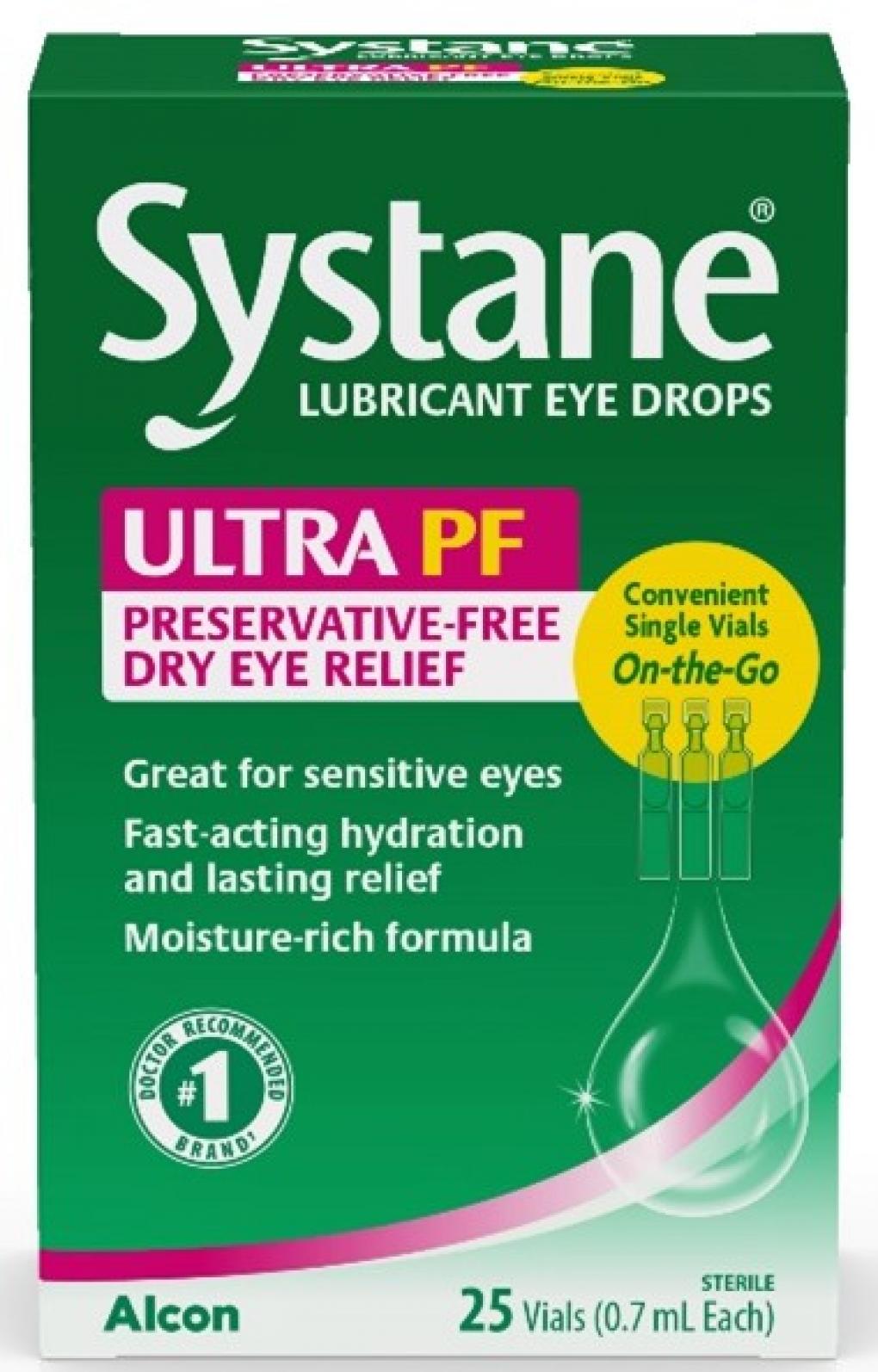
    Systane Lubricant Eye Drops Ultra PF, commonly used to temporarily relieve burning and irritation caused by dry eye symptoms, is now at the center of a nationwide recall. The product was distributed to multiple retail stores and online platforms.

    Manufacturer Alcon Laboratories initiated the voluntary recall after a consumer reported foreign material inside a sealed single-use vial, which was later identified as fungal contamination.

    “Fungal contamination of an ophthalmic product is known to potentially cause eye infections. If an infection occurs, it may be vision-threatening, and in very rare cases potentially life-threatening in immunocompromised patients,” the FDA stated in a news release.

    The FDA has confirmed that no adverse events related to the recall have been reported so far. However, individuals experiencing quality issues or adverse reactions after using the product are encouraged to report them through the FDA’s MedWatch Adverse Event Reporting program. Complaints can be submitted online, by downloading and mailing the form, or via fax at 1-800-FDA-0178.

    Each cardboard box of the product contains 25 sterile, single-use vials of lubricant solution for ophthalmic use. “The affected Systane Lubricant Eye Drops Ultra PF, Single Vials On-the-Go, 25 count is limited to lot number 10101, expiration date 2025/09. The product can be identified by the green and pink carton design, the presence of “Systane” and “ULTRA PF” brand names on the front of the carton, and the “25 vials” package size,” the news release stated.

    Consumers who still have the products with them are advised to stop usage immediately and return to the place of purchase for a replacement or refund. Those who experience any issues potentially linked to the use of these eye drops should seek advice from a healthcare provider without delay.

    As Alcon conducts its investigation, a spokesperson told NBC News that “the presence of foreign material appears to be isolated to the single unit returned by a customer.” They emphasized that the recall is being carried out, “out of an abundance of caution to prioritize consumer safety.” Those who have issues with the product can also contact them at 800-241-5999.

    Source link

  • Your Menopause Treatment Tablets Could Affect Heart Health: Here’s What Study Says

    Your Menopause Treatment Tablets Could Affect Heart Health: Here’s What Study Says

    Hormone tablets taken during menopause provide relief from symptoms, but do they have long-term health risks? Researchers have found that hormone replacement therapy (HRT) tablets containing both estrogen and progestogen may increase the risk of heart disease and blood clots in menopausal women.

    During menopause, women’s body goes through a series of changes due to a decrease in female hormones, progesterone, and estrogen resulting in symptoms such as hot flashes, mood swings, night sweats, insomnia, and vaginal dryness. These symptoms are often frustrating, interfering with their daily lives and mental well-being.

    HRT was once commonly prescribed for menopausal symptoms and to reduce the risk of bone loss during this stage. However, recent studies pointing to long-term risks have led to a more cautious approach. It is now recommended only for those where the benefits outweigh the risks. The estimate shows that only 5% of women in the U.S. use it now, a significant drop from about 27% two decades ago.

    The latest study published in The BMJ examined the effects of HRT tablets on heart health based on the route of administration and the combination of hormones used. The study suggests that tablets containing both estrogen and progesterone, such as oral combined continuous, oral combined sequential, oral unopposed estrogen, and transdermal combined therapy, increased the risk of ischemic heart disease and venous thromboembolism (blood clots) in women.

    The researchers also found that the tablet tibolone in particular was linked to a higher risk of heart disease, heart attack, and stroke, but not blood clots. Tibolone is a synthetic hormone that contains estrogen, progesterone, and testosterone.

    “Compared with not starting menopausal hormone therapy, starting oral combined continuous therapy or tibolone was associated with an increased risk of ischemic heart disease,” the news release stated.

    “If 1,000 women started each of these treatments and were observed for a year, we would expect to see seven new cases of venous thromboembolism across all groups,” the researchers wrote.

    However, there was no increased risk associated with transdermal treatments such as skin patches, gels, and creams.

    The researchers caution that the study does not prove that HRT causes heart health risks, as the findings are based on observational data. Also, the lack of information on menopausal status and other unmeasured factors, such as smoking and body mass index, may have influenced the results.

    Source link

  • Does Drinking Water Affect Our Adrenal Hormones? 

    Does Drinking Water Affect Our Adrenal Hormones? 

    Drinking water can be a safe, simple, and effective way to prevent yourself from fainting.

    Within three minutes of drinking a few cups of water (12 mL/kg of body weight), the level of the adrenal gland hormone noradrenaline in our bloodstream can shoot up by 60 percent, as you can see in the graph below and at 0:19 in my video The Effect of Drinking Water on Adrenal Hormones

    When researchers had people drink two cups (500 mL) of water with electrodes on their legs, about a 40 percent increase in bursts of fight-or-flight nerve activity within 20 minutes was documented, as shown in the graph below and at 0:25 in my video

    If you drink two or three cups (11 mL/kg of body weight) of water, blood flow squeezes down in your arms and calves, clamping down nearly in half, as the arteries to your limbs and skin constrict to divert blood to your core, as you can see in the graph below and at 0:42 in my video. That’s why drinking water can be such a safe, simple, and effective way to prevent yourself from fainting, which is known medically as syncope. 

    Fainting is “the sudden brief loss of consciousness caused by diminished cerebral blood flow,” that is, to the brain. About one in five people experience this at least once, and about one in ten may have repeated episodes. It’s the cause of millions of emergency room visits and hospitalizations every year. Though fainting can be caused by heart problems, it is most often triggered by prolonged standing (because blood pools in our legs) or strong emotions, which can cause our blood pressure to bottom out. 

    About 1 in 25 people has what’s called blood-injury-injection phobia, where getting a needle stick, for example, can cause you to faint. More than 150,000 people experience fainting or near-fainting spells each year when they donate blood. To help prevent yourself from getting woozy, try drinking two cups of water (500 mL) five minutes before getting stuck with the needle. The secret isn’t in bolstering your overall blood volume. If you drink two cups of water or even a whole quart (500 to 1,000 mL), your blood volume doesn’t change by more than 1 or 2 percent. Rather, it’s due to the shift in the distribution of blood toward your center, caused by the noradrenaline-induced peripheral artery constriction, as you can see in the graph below and at 1:56 in my video. 

    Drinking water stimulates as much noradrenaline release as drinking a couple cups of coffee or smoking a couple unfiltered cigarettes. If the simple act of drinking water causes such a profound fight-or-flight reaction, why doesn’t it cause our heart to pound and shoot our blood pressure through the roof? It’s like the diving reflex I talked about in my previous video. When we drink water, our body simultaneously sends signals to our heart to slow it down, to “still your beating heart.” You can try it at home: Measure your heart rate before and after drinking two cups (500 mL) of water. Within ten minutes, your heart rate should slow by about four beats per minute. By 15 minutes, you should be down by six or seven beats, as you can see in the graph below and at 2:42 in my video

    One of the ways scientists figured this out was by studying heart transplant patients. When you move a heart from one person to another, you have to sever all the attached nerves. Amazingly, some of the nerves grow back. But still, if you give healed heart transplant patients two glasses of water, their blood pressure goes up as much as 29 points. The body is unable to sufficiently quell the effect of that burst of noradrenaline. Some people have a condition known as autonomic failure, in which blood pressure regulation nerves don’t work properly and their pressures can skyrocket dangerously by more than 100 points after drinking about two cups (480 mL) of water. That’s how powerful an effect the simple act of drinking water can be. The only reason that doesn’t happen to all of us is that we have an even more powerful counter-response to keep our hearts in check. (This reminds me of the woman who had a stroke after taking the ice bucket challenge due to an insufficient diving reflex to tamp down all that extra noradrenaline release.)

    This remarkable water effect can be useful for people suffering from milder forms of autonomic failure, such as orthostatic hypotension, which is when people get dizzy after standing up suddenly. Drinking some water before getting out of bed in the morning can be a big help. What about that metabolic boost, though? With so much noradrenaline being released and your adrenal gland hormones in overdrive, might drinking a few glasses of water cause you to burn more body fat? Could tap water be a safe form of ephedra, giving us all the weight loss but with a nice slowing of our heart rate instead? Researchers decided to put it to the test, which we’ll explore next.

    If you missed the previous video, check out How to Get the Weight Loss Benefits of Ephedra Without the Risks.

    Stay tuned for What Is the Safest Metabolism Booster? and Friday Favorites: Optimizing Water Intake to Lose Weight.

    What kind of water is better? Find out in Is it Best to Drink Tap, Filtered, or Bottled Water?.


    Source link

  • How Does My Credit Score Affect My Debt?

    How Does My Credit Score Affect My Debt?


    Discover How Your Credit Score Affects Your Debt Obligations

    Many people across the United States are dealing with some form of debt. In fact, according to the Federal Reserve Bank of New York, the overall household debt in the U.S. reached a total of $17.3 trillion! If you are struggling with debt, it’s easy to feel discouraged about your situation and you may be unsure of what steps you should take to move forward.

    Of course, there are different methods available that can help alleviate your debt obligations. But first, it is important to understand the different factors that led to your predicament in order to find a viable solution. For example, unpredictable things like emergency expenses and inflation are difficult to control and avoid. However, bad spending habits can lead you to struggle with excess debt if you don’t put in the work to change them. By working with effective financial strategies like a budget plan, it becomes easier to bypass your circumstances and learn how to manage your finances!

    It’s important to note, though, that your credit score does not exist in a vacuum, and having a low credit score can impact many aspects of your life. If you’re asking, “How does my credit score affect my debt?” you can continue reading to learn the correlation between your debt obligations and your credit history:

    Low Credit Scores May Keep You in Debt

    A low credit score can have many consequences that will affect your finances in the long run. Not only can it disrupt your chances of securing a debt consolidation loan, but it can also limit your renting options and employment opportunities. Auto and homeowners insurance companies use your credit score to determine your insurance premiums and may increase your rates if you have a bad credit score. 

    Let’s say you’re able to secure the loan you need to reduce your debt, but your credit score is low. In that case, it’s possible that you’d obtain a high interest rate that makes it 10x more expensive to borrow money. If you mix those monthly loan payments with your current expenses, it can be difficult to escape that debt cycle. 

    If you’re trying to alleviate your debt, then a bad credit score has the potential to keep you trapped in debt. Fortunately, secured loans like title loans tend to be easier to obtain despite your current credit history. Simply use an asset as collateral for the loan and get the funds you need for your financial situation. In some cases, you may qualify for competitive interest rates compared to those from a regular debt consolidation loan. 

    Opening Too Many Credit Cards Can Impact Your Score and Tempt You 

    If you’re dealing with debt, you may think a credit card is the best solution to cover your payments. However, if you open multiple accounts in a short amount of time, your credit score can take a nosedive. Additionally, lenders will view you as a lending risk and may not approve you for the loan you need to consolidate your debt! 

    That’s why it’s essential to thoroughly review your situation and determine if having more than one credit card is necessary. While it seems like a safe solution to reduce your debt with a credit card, it’s best to limit your impulses and find other ways to cover your payments. You may have a harder time dealing with your current debt if you add more to it with new credit cards.  

    How Can I Keep My Credit Score in Good Standing?

    As mentioned above, your credit score can affect your ability to get out of debt in several ways. However, it’s possible to put your finances back on track by raising your credit score and obtaining more optimal interest rates on a debt consolidation loan if you qualify. 

    Take a look at some methods you can use to boost your credit score into a higher range:

    • Pay Your Bills and Expenses on Time
    • Keep Your Credit Utilization Rate as Low as Possible
    • Limit Credit Applications
    • Get Credit for Being Consistent with Your Monthly Bills
    • Ask Your Landlord to Report Your Rent Payments to the Credit Bureaus

    It’s important to note that improving your credit score isn’t necessarily a quick solution. The amount of time it takes to grow your credit will vary depending on the factors that kept it in a low standing. If you have poor credit because you don’t have a big credit history, it may only take a few months to enhance your score. But, if your credit is low because of missed payments, it can take longer to get your credit in a good position.

    Other Factors that Impact Your Credit Score

    Did you know that the length of your credit history makes up around 15% of how your FICO score is calculated? While it sounds minimal, it can significantly impact your credit score, which can consequently affect your debt. However, the influences of a credit history’s length can be both positive and negative. For example, having an open line of credit for an extended period can boost your score and increase your chances of getting approved for a new credit card. A bank or credit union may feel hesitant to approve you for a credit card if you have a low credit history because they can’t determine if you’re a responsible borrower.

    On the other hand, closing a credit card account can decrease your score because it changes the length of your credit history and consequently increases your credit utilization. It’s understandable to want to close an account when you’re struggling with debt and want to reduce the amount you owe. However, the consequences of closing an account can lower your credit and ultimately disrupt your chances of getting a debt consolidation loan. To avoid this issue, it is important to not close old accounts unless it’s absolutely necessary. If you have to close an account, ensure you repay all your outstanding balances so you don’t have to deal with them later. It’s best to clear your remaining amount before closing an account since that will boost your credit score. 

    Conclusion –  Be Mindful of Your Credit Score When Repaying Your Debt

    Your credit score can significantly hinder your ability to get out of debt. If you’re maintaining a higher score, you can have the opportunity to apply for a debt consolidation loan and get your finances back on track. However, you may have to find other solutions like a secured loan to consolidate your debt if you have poor credit.

    Stay on top of your credit and learn how to effectively manage your debt in order to avoid the issues that come with having a bad credit score. If you want to find tips on maintaining your credit score, you can always contact a financial advisor for guidance on what to do in your situation.

    Source link