

In vitro fertilization has become one of the most effective solutions for couples struggling with infertility. With advancements in reproductive technology continuing through 2026, more people are turning to IVF and related fertility treatments to build their families.
Understanding the process, costs, and alternatives helps individuals make informed decisions about their reproductive health journey.
Understanding the IVF Process Step by Step Explained
The in vitro fertilization process involves multiple stages that typically span 6-8 weeks from start to finish. The journey begins with an initial consultation where fertility specialists conduct comprehensive testing, including ovarian reserve assessments, blood work, and semen analysis for male partners.
Ovarian stimulation forms the foundation of most IVF cycles. Patients receive daily gonadotropin injections, usually between 22-30 shots, to encourage multiple eggs to mature simultaneously.
The GnRH antagonist protocol helps prevent premature ovulation during this phase. Throughout stimulation, patients attend monitoring appointments for ultrasounds and bloodwork to track follicle development.
When eggs reach optimal maturity, a trigger injection of HCG prompts final egg development. The egg retrieval procedure follows approximately 36 hours later. This ultrasound-guided aspiration typically takes less than 20 minutes under anesthesia.
Meanwhile, sperm collection occurs on the same day, with timing requirements of 2-3 days abstinence for optimal quality.
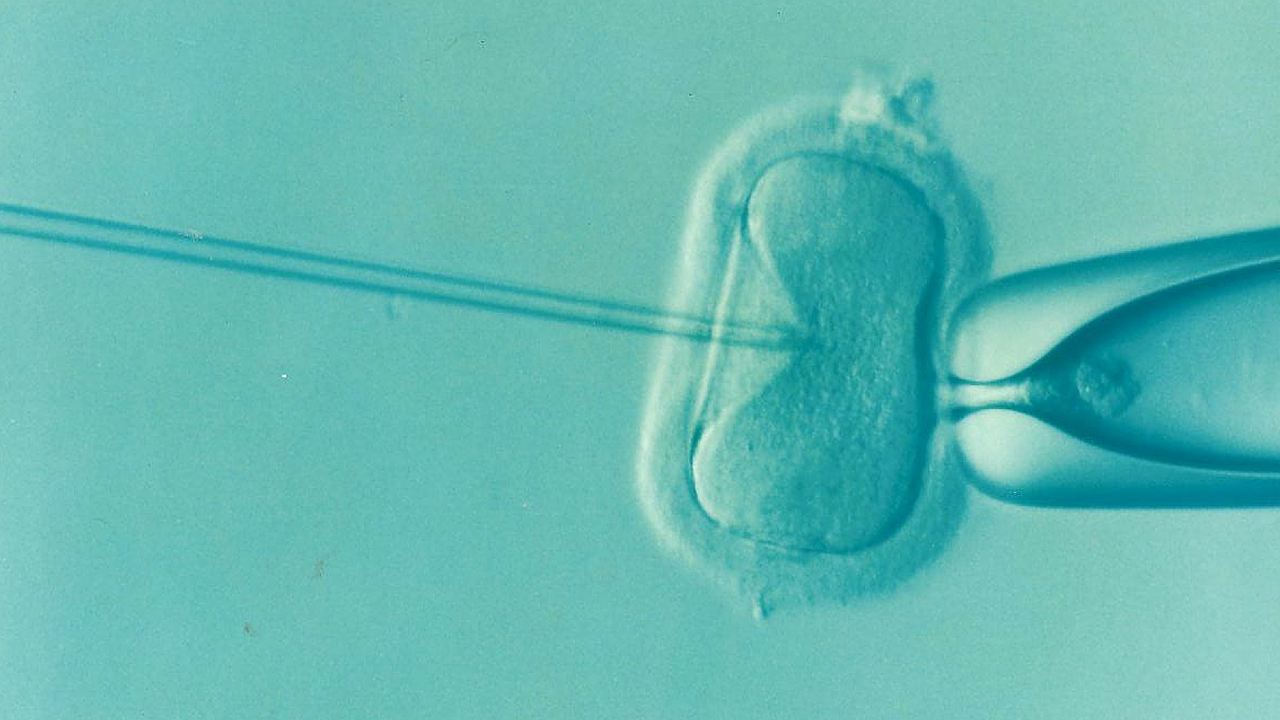
Fertilization happens in the laboratory through either standard IVF or ICSI (intracytoplasmic sperm injection), where a single sperm is injected directly into each egg. Embryos develop for 5-6 days under carefully controlled conditions before the crucial embryo transfer step.
In Vitro Fertilization Embryo Transfer
The embryo transfer represents the final stage of the IVF process step by step explained sequence. Using ultrasound guidance, a fertility specialist places one or more embryos into the uterus through a thin catheter. The procedure is typically painless and requires no anesthesia.
Patients can choose between fresh embryo transfer immediately after egg retrieval or frozen embryo transfer at a later date, with success rates comparable between both approaches.
After transfer, the two-week wait begins before pregnancy testing can confirm results. This period requires patience as the embryo implants and early pregnancy hormones rise to detectable levels.
IVF Success Rates by Age 35 40 and Beyond
Age significantly impacts IVF outcomes, with success rates declining as women reach their late 30s and 40s. Women under 35 experience the highest success rates, with 40-50% clinical pregnancy rates per cycle and cumulative success rates of 60-70% across multiple attempts, according to the World Health Organization.
For those aged 35-37, success remains relatively strong with a 40.8% success percentage using their own eggs. The live birth rate at first embryo transfer stands at 31.6%, increasing to 44.7% for subsequent transfers. These statistics demonstrate that early intervention during the mid-30s can yield favorable results.
The IVF success rates by age 35 40 range shows more variation as women approach 40. Between ages 38-40, live birth rates per cycle drop to 20-26.8%. First transfer success reaches 22.3%, reflecting the natural decline in egg quality that occurs with advancing maternal age.
After age 40, success rates decrease further to 10-15% or lower per cycle. Many fertility specialists discuss donor egg options with patients in this age group, as donor eggs from younger women can significantly improve success rates.
Several factors beyond age influence IVF outcomes, including egg quality, ovarian reserve, embryo grading, uterine health, and lifestyle factors like nutrition and stress management.
IVF Treatment Cost 2026 Breakdown
Financial planning represents a major consideration for prospective IVF patients. The IVF treatment cost 2026 averages between $12,000-$20,000 for a basic cycle nationwide. In high-cost areas like California, conventional IVF ranges from $15,000-$30,000 or more per cycle.
Initial consultations typically cost between $0-$300, though some clinics waive this fee. The core IVF cycle fee covers ovarian stimulation monitoring through 8-10 appointments, egg retrieval, fertilization, embryo development, and embryo transfer.
Medication costs add substantially to the overall expense, ranging from $3,000-$8,000 depending on the protocol and pharmacy used. These injectable hormones represent one of the largest variable costs in the IVF treatment cost 2026 equation.
Additional procedures increase total expenses. ICSI, PGT-A genetic testing, embryo freezing, and storage fees can add thousands of dollars to the base price. Patients should request detailed pricing breakdowns during consultations to understand complete costs.
Mini IVF offers a lower-cost alternative, ranging from $5,700-$14,000 nationally and $7,000-$18,000 in California. This approach uses fewer medications (costing $700-$2,700) and requires only 3-5 monitoring visits instead of 8-10, making it more affordable while potentially retrieving fewer eggs.
Insurance coverage varies widely by state and employer. States like California, Illinois, and New York have mandates requiring certain insurance plans to cover fertility treatments. Many clinics offer payment plans and financing options to help manage the financial burden of multiple IVF cycles.
Fertility Treatment Alternatives IUI Egg Freezing
Not everyone requires IVF as their first fertility treatment option. Intrauterine insemination (IUI) serves as a less invasive and more affordable alternative for certain patients.
During IUI, washed sperm is placed directly into the uterus during ovulation, either with or without fertility medications. IUI costs approximately $500-$2,000 per cycle, making it accessible for many couples. Success rates vary by age and diagnosis, but IUI often serves as an appropriate first-line treatment before escalating to IVF.
Egg freezing has gained popularity as a proactive fertility preservation strategy. The vitrification process rapidly freezes eggs to prevent ice crystal formation, maintaining egg quality for future use, as per the Centers for Disease Control and Prevention.
Women who freeze eggs before age 35 achieve the best outcomes, with 60-70% live birth rates when eggs are frozen optimally. Egg freezing allows women to preserve their fertility while postponing pregnancy for career, health, or personal reasons.
Natural cycle IVF represents another option using minimal medication. This approach works with the body’s natural hormonal cycle to retrieve typically one egg per cycle, reducing medication costs and side effects while requiring fewer monitoring appointments.
Other fertility treatment alternatives IUI egg freezing options include donor eggs, donor sperm, and gestational surrogacy for specific medical situations. Fertility specialists help patients navigate these choices based on individual circumstances.
Addressing Common IVF Questions
Many patients wonder whether IVF causes pain. Most discomfort comes from daily injections rather than the procedures themselves. Egg retrieval uses anesthesia for comfort, while embryo transfer typically causes minimal sensation.
Side effects from fertility medications can include mood swings, bloating, breast tenderness, and fatigue.
Ovarian Hyperstimulation Syndrome (OHSS) represents the most serious potential complication, though careful monitoring helps prevent severe cases. Emotional stress throughout the process is common and valid, with many clinics offering counseling support.
Multiple pregnancy risk increases with IVF, particularly when transferring more than one embryo. Most fertility specialists now recommend single embryo transfer to reduce complications associated with twins or triplets.
Choosing Your Path Forward
Selecting between IVF, IUI, egg freezing, or other options depends on multiple factors including age, diagnosis, budget, and personal timeline.
Women in their early to mid-30s with unexplained infertility might start with IUI, while those with blocked fallopian tubes require IVF from the beginning. Those not yet ready for pregnancy but concerned about future fertility might prioritize egg freezing.
Researching fertility clinics carefully makes a significant difference in outcomes. Patients should review success rates, laboratory quality, available technology, and whether genetic counseling services are offered.
Understanding insurance coverage or financing options before beginning treatment helps reduce financial stress during an already emotional process.
The fertility treatment landscape in 2026 offers more options than ever before, with improving success rates and evolving techniques that give hope to millions facing infertility challenges.
Frequently Asked Questions
1. How many IVF cycles does the average person need to get pregnant?
Most people require 2-3 IVF cycles to achieve a successful pregnancy. Cumulative success rates increase significantly with multiple attempts, depending on age, egg quality, and individual fertility factors.
2. Can you exercise during IVF treatment?
Light to moderate exercise like walking, swimming, or yoga is generally safe during IVF stimulation. High-impact activities should be avoided once ovaries enlarge from medications. After egg retrieval and embryo transfer, limit activity to gentle walking for the first few days.
3. How long should you wait between failed IVF cycles?
Most fertility specialists recommend waiting at least one full menstrual cycle (4-6 weeks) between IVF attempts. This allows the ovaries to recover from stimulation and gives patients time to process results emotionally and financially.
4. Are there dietary restrictions during IVF treatment?
No strict dietary restrictions exist for IVF, but specialists recommend a balanced Mediterranean-style diet rich in fruits, vegetables, and lean proteins. Avoid alcohol, limit caffeine to 200mg daily, ensure adequate folic acid intake, and stay well-hydrated.


