

A 66-year-old farmer went to the hospital because food had been getting stuck when he swallowed for more than 10 days. A camera exam found a bulge pressing into his esophagus. It looked like it might be a tumor.
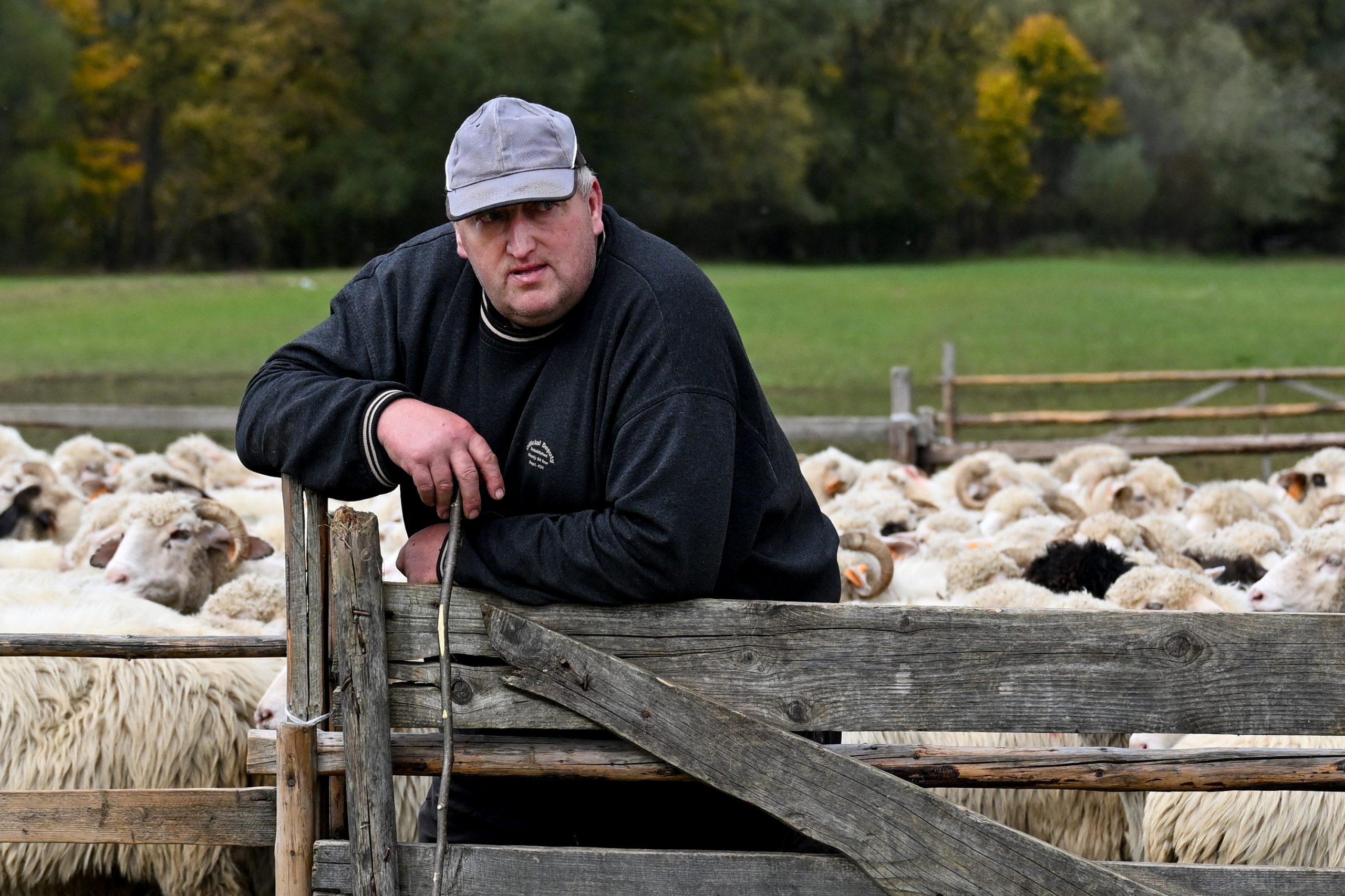
It was something else. The bulge was a pseudoaneurysm, a leak in the wall of the thoracic aorta held in by surrounding tissue, and blood tests linked it to Brucella, a bacterium people catch from livestock. He had raised sheep for more than a decade and often helped deliver lambs without protection.
Pei Gu, Yulan Liu and colleagues in the gastroenterology department at Shijiazhuang People’s Hospital in China described the case on July 7, 2026, in BMC Infectious Diseases. The man died about two weeks after he was discharged a second time.
A Bulge That Looked Like a Tumor
The man had type 2 diabetes, coronary heart disease and high blood pressure, and he smoked and drank. He had none of the classic features of brucellosis, such as fever or swollen lymph nodes, and he had never had aortic surgery or blunt chest trauma.
An upper endoscopy showed a 2-by-2-centimeter bulge beneath the lining of the esophagus, 32 to 34 centimeters from his front teeth, with healthy-looking tissue over it. An endoscopic ultrasound revealed a larger, roughly 5-by-4-centimeter lesion. A needle sample contained many inflammatory cells but no cancer.
A contrast CT scan of the chest then showed an irregular inner lining of the aorta and contrast leaking out of the vessel, revealing a thoracic aortic pseudoaneurysm pressing on the esophagus. The authors warned that this kind of presentation can be mistaken for a tumor in the chest or esophageal cancer.
Blood Tests Pointed to the Barnyard
His inflammation markers were high, with a C-reactive protein of 114.23 milligrams per liter. Blood tests for Brucella antibodies were strongly positive, with an agglutination titer of 1:800, far above the 1:50 cutoff. Blood cultures were negative. Tests for tuberculosis and autoimmune disease were also negative.
He lived in an area where brucellosis is not common, but his work fit. People can catch brucellosis from undercooked meat, raw milk and dairy, or infected animal body fluids, according to the CDC. The World Health Organization notes that livestock workers face a higher risk, especially those who handle blood, placentas, or other birth tissues. Mayo Clinic adds that bacteria in an infected animal’s blood or placenta can enter through a cut and advises wearing gloves when helping an animal give birth.
Doctors treated him with three antibiotics, doxycycline, rifampin, and levofloxacin, and tightly controlled his blood pressure. His symptoms and lab values improved, and he went home in stable condition. The plan was to repair the aorta with a stent graft once the infection was under control.
Bleeding Weeks After Discharge
A repeat antibody test on May 20, 2025, showed a titer of 1:400, half the earlier level. The next day, he returned after three hours of vomiting blood, with unstable vital signs. An emergency endoscopy found erosion and active bleeding at the spot where the aorta pressed on the esophagus. Doctors stopped the bleeding with metal clips.
The team recommended urgent surgery. His family declined, and he was discharged. He died at home on June 13, 2025.
The report does not state a cause of death, and the family could not provide further details. The damaged aorta had not yet been repaired, and the bleeding came from the esophageal lesion it pressed against.
Rare in Brucellosis, but Dangerous
Most brucellosis is treatable. Death occurs in fewer than 2% of infected people, and antibiotics are typically taken for at least six to eight weeks, according to the CDC. If not properly treated, the infection can become chronic and cause arthritis, heart infection, and swelling of the liver or spleen.
Damage to the aorta is unusual. Heart and blood vessel involvement occurs in about 3% of brucellosis cases, the authors noted. They cited a review of 71 patients with Brucella infections of the aorta and related vessels reported over seven decades, in which 22% died, and 31% had an aortic rupture. Most were men, and about two-thirds had a known Brucella exposure. Among patients managed with medication alone, rupture rates reached as high as 53%, the authors wrote.
Other recent reports show both the danger and the options. A May 2026 case in the Journal of Inflammation Research described a 63-year-old man whose abdominal aorta ruptured because of Brucella melitensis. Doctors sealed it with an emergency stent graft, and he recovered. Combining antibiotics with this kind of minimally invasive repair has shown favorable results and has been used more often over the past 15 years, the Hebei authors wrote.
The case is a single report from China, and the Brucella species was not identified. Brucellosis is rare in the United States, and vaccination has made the infection rare in American livestock, according to Mayo Clinic. It remains more common in parts of Europe, the Middle East, Asia, Africa and Latin America.
For people who work with livestock, the case is a reminder that gloves and other protection during animal births matter. Anyone with a persistent fever, unexplained weight loss, or new trouble swallowing should see a doctor and mention any work with animals or consumption of raw dairy.
Key Questions Answered
What happened to the farmer?
A 66-year-old sheep farmer had trouble swallowing for more than 10 days. Doctors found an infected pseudoaneurysm of his thoracic aorta pressing on his esophagus.
What caused the infection?
Blood tests pointed to Brucella bacteria, which he likely caught from his sheep. He had helped deliver lambs for years without protection.
Why did doctors first suspect a tumor?
The bulge pressing into his esophagus looked like a mass on endoscopy. A CT scan showed it was a leaking section of the aorta.
What happened after treatment began?
He improved on antibiotics and went home, but returned weeks later vomiting blood. His family declined surgery, and he died at home about two weeks later.
How can people lower their risk?
Avoid unpasteurized dairy, cook meat thoroughly, and wear gloves and other protection when handling animal births or tissues.
Published by Medicaldaily.com


