

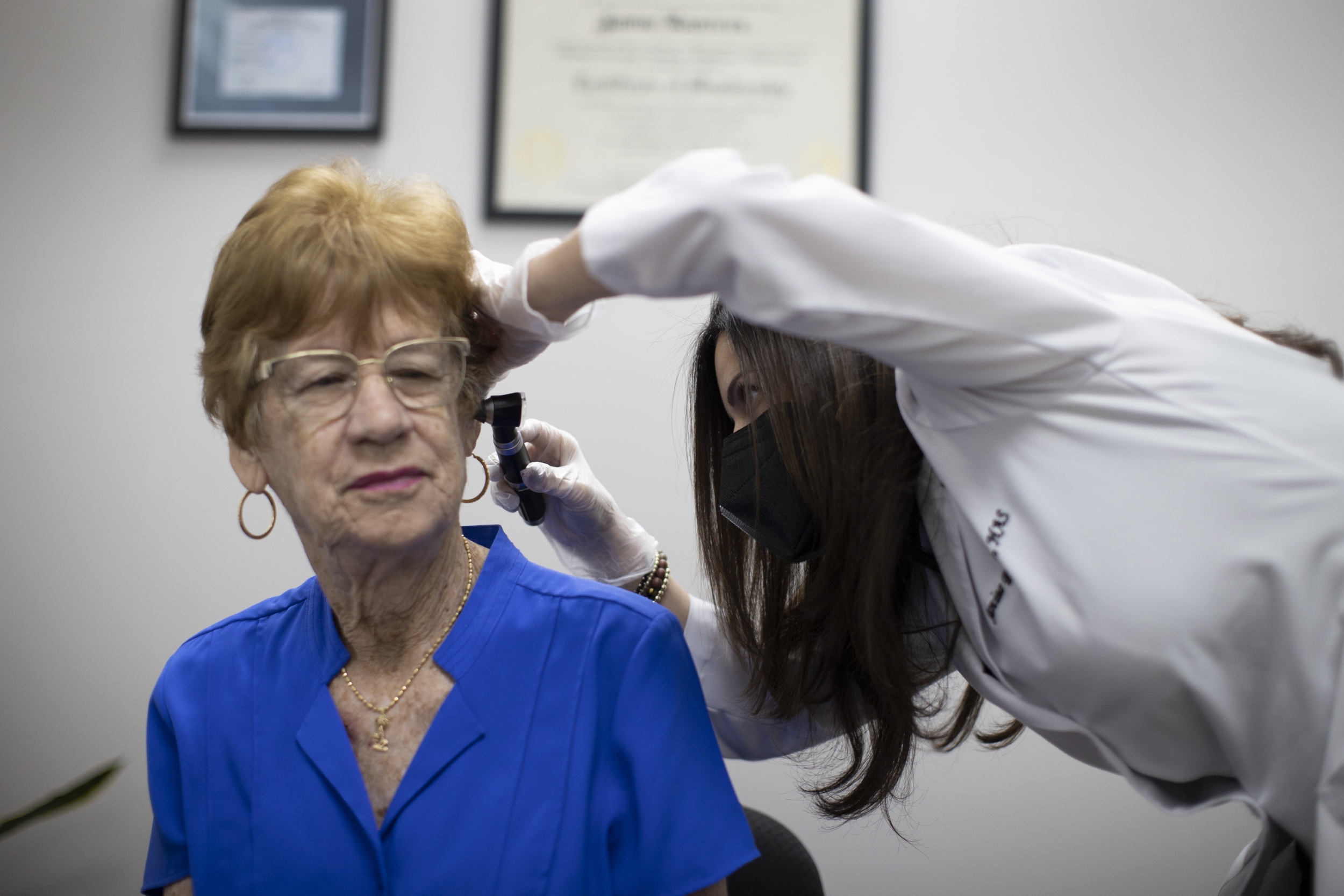
A woman in her early 70s was in the shower when she blew her nose to relieve pressure and a crackling sensation in her left ear. When she was evaluated in an emergency department, her vital signs raised concern for dangerous pressure inside the skull, and a CT scan revealed extensive air around her brainstem.
The case appears in the October issue of The American Journal of Emergency Medicine and was first published online June 3. The authors, connected to Virginia Tech Carilion’s Department of Emergency Medicine in Roanoke, Virginia, describe pneumocephalus, the presence of air inside the skull, after nose blowing. What sets their case apart is the route the air appears to have taken: through her ear.
A Shower, a Crackling Ear and a New Headache
The patient’s medical history included high blood pressure, with baseline readings in the 160s over 70s, high cholesterol, acid reflux, major depressive disorder, chronic migraine followed by a neurologist, and past cataract surgery. Her primary care provider sent her to the team’s rural emergency department to be evaluated for a headache.
She told clinicians the trouble began that morning in the shower, when she blew her nose to clear her ears.
At triage, her heart rate was slow, her blood pressure was high, and she was breathing rapidly.
Vital Signs That Signal Rising Pressure
The authors built their report around Cushing’s reflex, the body’s response to rising pressure inside the skull. The classic Cushing’s triad consists of widened pulse pressure, a slow heart rate and irregular breathing. The authors described the triad as an ominous sign of increased intracranial pressure that indicates imminent brainstem herniation.
Pneumocephalus is generally classified as simple or tension. Simple pneumocephalus often causes no symptoms. Tension pneumocephalus, in which trapped air builds pressure, can cause altered mental status, cardiorespiratory arrest, and the Cushing’s triad, the authors wrote.
A StatPearls clinical review calls tension pneumocephalus life-threatening. It notes that when the condition involves the posterior fossa, the rear compartment of the skull that holds the brainstem, it can cause brainstem signs, breathing irregularities and cardiac arrest. The review adds that the outlook is generally good, even in tension cases, when treatment is timely.
An Unusual Route Through the Ear
The woman’s CT scan showed extensive air around the brainstem, with pressure on it. It also revealed a visible track running from the external ear canal, through the internal auditory canal, the bony channel that carries the hearing and balance nerves, into the infratentorial space, the lower compartment of the skull.
Further imaging identified a defect in her left round window, a membrane-covered opening between the middle ear and the inner ear. The authors concluded that this defect allowed the air to enter.
That pathway is notable. The StatPearls review describes a more familiar mechanism, in which blowing the nose, coughing, or sneezing suddenly raises pressure in the sinuses and air enters through defects in the skull base. The Virginia authors noted that earlier reports of spontaneous pneumocephalus triggered specifically by nose blowing usually identified defects in the skull.
The ear has been implicated in other reports, though. One case report described spontaneous otogenic pneumocephalus, meaning air that reached the skull by way of the ear, in a young woman who had repeatedly performed Valsalva maneuvers to restore the function of her Eustachian tubes. A 2024 report linked spontaneous otogenic pneumocephalus to air travel.
Rare, but a Reason to Take Sudden Headaches Seriously
The authors put the rarity in perspective. About 75% of pneumocephalus cases result from traumatic injury to the skull or from cranial surgery, they wrote, and they cite only four previous reports of pneumocephalus after sneezing or nose blowing. The publicly available abstract focuses on her presentation, imaging, and management strategies for the condition and does not describe her outcome.
The report follows another unusual case covered by MedicalDaily, in which a woman in Saudi Arabia who routinely stifled her sneezes developed air inside her skull and spinal fluid draining from her nose. Together, the cases show how pressure from everyday actions can, in rare circumstances, find a weak point.
The emphasis belongs on rare. People blow their noses constantly without harm, and the Virginia authors describe acute pneumocephalus after nose blowing as a rare condition.
Their main message is for clinicians: pneumocephalus should stay on the list of possible causes of a sudden-onset headache, even when a patient has had no trauma.
For everyone else, the lesson centers on symptoms. A sudden, severe headache, especially with confusion, changes in breathing or clear fluid draining from the nose or ear, calls for emergency care. People who have had ear or skull base surgery, or who know they have a defect in those areas, can ask their clinicians whether any precautions make sense for them.
Key Questions Answered
What happened to the woman?
After blowing her nose in the shower to relieve ear pressure, she developed a headache. A CT scan showed extensive air inside her skull around the brainstem.
How did the air get into her skull?
Imaging showed a track from her ear canal through the internal auditory canal into the lower part of the skull. Doctors found a defect in her left round window, an opening between the middle ear and the inner ear.
What is Cushing’s triad, and why does it matter?
It is a combination of widened pulse pressure, a slow heart rate, and irregular breathing. The authors describe it as an ominous sign of increased pressure inside the skull that indicates imminent brainstem herniation.
How common is pneumocephalus from nose blowing?
It is rare. The authors cite only four earlier reports of pneumocephalus after sneezing or nose blowing, while about 75% of all cases follow skull trauma or cranial surgery.
Is it safe to blow your nose?
For the vast majority of people, yes. This case involved an unusual defect in the ear. People with prior ear or skull base surgery or known defects can ask their clinician about precautions.
What symptoms need urgent attention?
A sudden, severe headache, particularly with confusion, breathing changes, or fluid draining from the nose or ear, warrants emergency medical care.


