Category: Family Health

  • GLP-1 agonists: MedlinePlus Medical Encyclopedia

    GLP-1 agonists: MedlinePlus Medical Encyclopedia

    Ahmann AJ, Riddle MC. Therapeutics of type 2 diabetes mellitus. In: Melmed S, Auchus, RJ, Goldfine AB, Rosen CJ, Kopp PA, eds. Williams Textbook of Endocrinology. 15th ed. Philadelphia, PA: Elsevier; 2025:chap 34.

    Dhatariyan KK, Umpierrez GE, Crandall JP. Diabetes mellitus. In: Goldman L, Cooney KA, eds. Goldman-Cecil Medicine. 27th ed. Philadelphia, PA: Elsevier; 2024:chap 210.

    Jensen MD, Bessesen DH. Obesity. In: Goldman L, Cooney KA, eds. Goldman-Cecil Medicine. 27th ed. Philadelphia, PA: Elsevier; 2024:chap 201.

    Moiz A, Filion KB, Tsoukas MA, Yu OH, Peters TM, Eisenberg MJ. Mechanisms of GLP-1 receptor agonist-induced weight loss: a review of central and peripheral pathways in appetite and energy regulation. Am J Med. 2025 Jun;138(6):934-940. Epub 2025 Jan 31. PMID: 39892489.  pubmed.ncbi.nlm.nih.gov/39892489/.

    Moiz A, Filion KB, Tsoukas MA, Yu OHY, Peters TM, Eisenberg MJ. The expanding role of GLP-1 receptor agonists: a narrative review of current evidence and future directions. EClinicalMedicine. 2025 Jul 17;86:103363. PMID: 40727007; PMCID: PMC12303005. pubmed.ncbi.nlm.nih.gov/40727007/.

    Orandi BJ, Aronne LJ. Obesity. In: Chung RT, Rubin DT, Wilcox CM, eds. Sleisenger and Fordtran’s Gastrointestinal and Liver Disease. 12th ed. Philadelphia, PA: Elsevier; 2026:chap 8.

    Source link

  • Vagus nerve stimulation: MedlinePlus Medical Encyclopedia

    Vagus nerve stimulation: MedlinePlus Medical Encyclopedia

    After the surgery, you may stay overnight or go home on the same day. You will have two wound dressings, on your chest and on the left side of your neck.

    You may have pain for a few days and feel a slight bump where the device was placed. Your provider may prescribe pain medicines. If you have been given antibiotics, take them as instructed.

    Do not take baths, swim, or use a hot tub until your provider approves. You may be allowed to have sponge baths with your incision covered.

    Avoid wearing tight clothes that could rub on your incision. Change your dressing as advised. Wash your hands with soap for at least 20 seconds before and after changing your dressings.

    Check your incision for any signs of infection, such as redness, swelling, increased pain, warmness, or pus.

    Your stitches will be absorbed on their own.

    Ask your surgeon if you need to avoid driving or using any machinery.

    You will have a follow-up visit to program the device in 2 to 4 weeks. The device is set to deliver stimulation at a certain frequency for a specific time at regular intervals. The device is usually set at low levels at first to see how your symptoms respond.

    You will be given a handheld magnet to use at home:

    • Sweeping the magnet over the device delivers extra stimulation.
    • Removing the magnet makes the device resume the programmed stimulation cycle.
    • This allows you to control the device as needed.

    For example, if you have epilepsy, and a seizure is about to happen, you can swipe the magnet to send an extra burst of stimulation.

    You will need regular checkups so your device can be monitored. Your provider will check:

    • That the device is in the correct position and working properly
    • The number of stimulations delivered
    • If the programming needs to be adjusted
    • How much power is left in the batteries

    Check with your provider before having any imaging, such as an MRI, as it may interfere with the device.

    Be sure to go to all of your follow-up visits as long as you have the device.

    Side effects can occur due to nerve stimulation and are temporary. When you first start using VNS, you may notice:

    • Hoarseness or a change in your voice
    • Mild coughing
    • A tickling sensation in your throat
    • Shortness of breath
    • Pain in your neck or throat
    • Nausea, vomiting
    • Difficulty swallowing or speaking
    • Tingling or prickling sensation in the skin
    • Headaches
    • Difficulty sleeping or worsening of sleep apnea

    These side effects usually improve with time.

    Source link

  • Neuroblastoma in Children | CureSearch

    Neuroblastoma in Children | CureSearch

    It is a cancer that arises from immature nerve cells called neuroblasts. Neuroblastoma most often begins in the adrenal glands, which are located on top of the kidneys. However, tumors can form anywhere along the sympathetic nervous system, including the chest, neck, abdomen, or pelvis. In some children, the cancer is localized at diagnosis. In others, neuroblastoma has already spread to the lymph nodes, bone marrow, bones or liver.


    Source link

  • What Is Breast Cancer? – NCI

    What Is Breast Cancer? – NCI

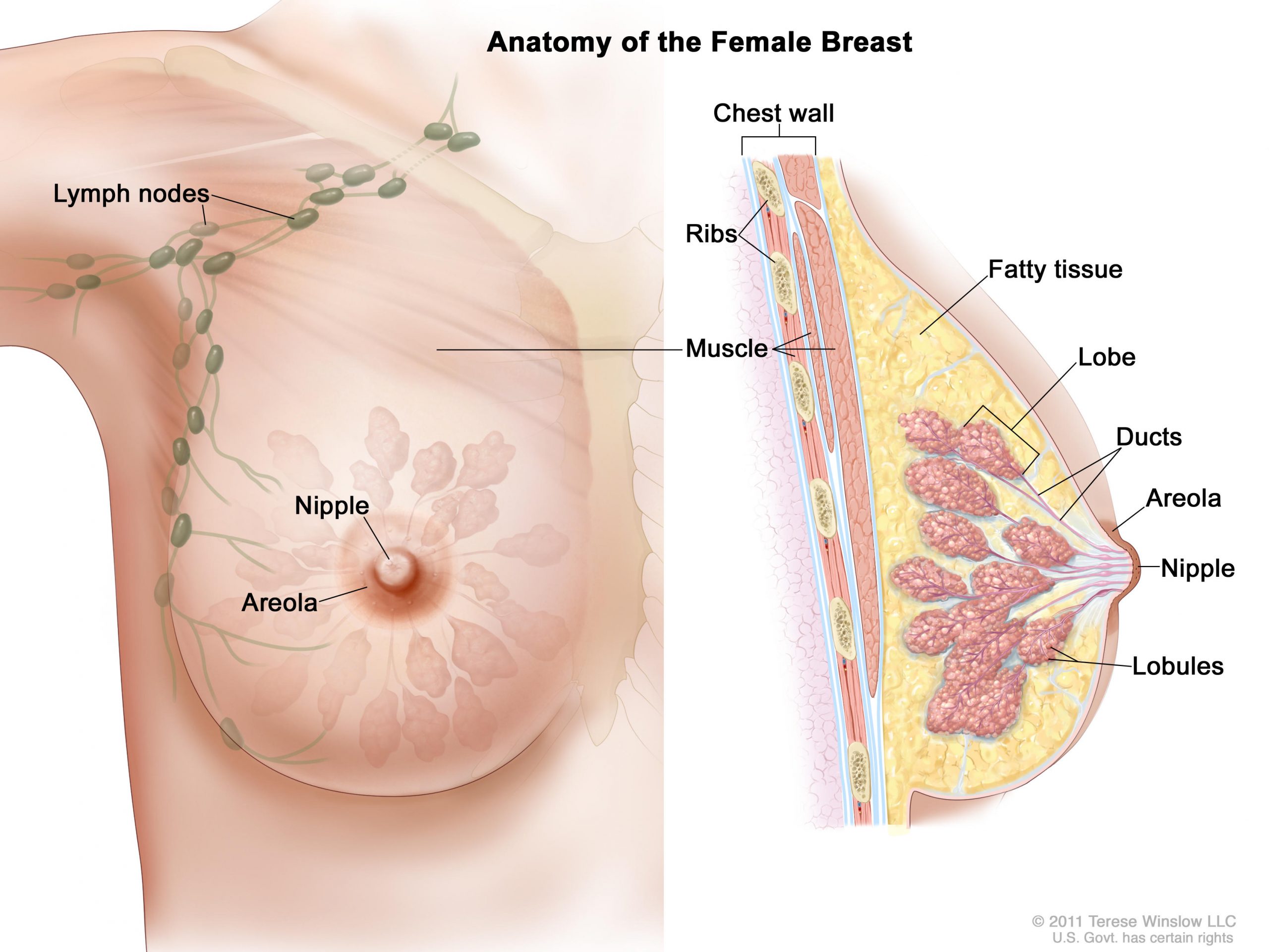
    The female breast contains lobes, lobules, and ducts that produce and transport milk to the nipple. Fatty tissue gives the breast its shape, while muscles and the chest wall provide support. The lymphatic system, including lymph nodes, filter lymph and store white blood cells that help fight infection and disease.

    Source link

  • Symptoms of ADHD | Attention-Deficit / Hyperactivity Disorder (ADHD)

    Symptoms of ADHD | Attention-Deficit / Hyperactivity Disorder (ADHD)

    Deciding if a child has ADHD is a process with several steps. There is no single test to diagnose ADHD, and many other problems, such as sleep disorders, anxiety, depression, and certain types of learning disabilities, can also have symptoms similar to ADHD.

    Source link

  • National Institute of Neurological Disorders and Stroke

    National Institute of Neurological Disorders and Stroke

    What is dystonia?

    Dystonia is a neurological disorder that causes muscles to move or tighten on their own, out of a person’s control. These unintentional movements can lead to slow, repeated motions or unusual body positions. These movements can be uncomfortable.

    There are several different types of dystonia. Some types affect only one muscle or body part, while other types affect groups of muscles or muscles throughout the body. Dystonia symptoms can in some cases be life-threatening.

    Some types of dystonia run in families. Dystonia can also happen because of an unrelated health problem. 

    Symptoms of dystonia

    Dystonia symptoms can be different from person to person, depending on which muscles or body parts are affected or the health problem causing the dystonia symptoms. They can include:

    A person with dystonia may have mild symptoms at first that are only noticeable when the person is stressed or tired. Some people with dystonia have symptoms that don’t change much, while others have symptoms that get worse over time. 

    Sometimes a person with dystonia will only have symptoms while doing specific things. For example, a musician may have dystonia when using one hand to play the piano but not when using the same hand to type on a keyboard.

    Dystonia can happen at any age, which can affect what symptoms a person has. Dystonia that begins in childhood is called early-onset dystonia. It usually starts in the arms and legs and may spread to other parts of the body. A child’s symptoms can appear after physical activity and can change during the day.

    People who get dystonia during adulthood (adult-onset dystonia) often have symptoms that involve neck and face muscles, but symptoms can also affect other body parts.

    Causes of dystonia

    Dystonia is caused by changes in how the brain tells the body to move. Dystonia can be classified in different ways, but it is often grouped by cause: for example, idiopathic, genetic, acquired (otherwise known as secondary dystonia), or neuroanatomical dystonia.

    Idiopathic dystonia doesn’t have a known cause. Many cases of dystonia are this type. 

    Genetic dystonia runs in families. Variants (also called mutations) in a small group of specific genes cause genetic dystonia. Examples include DYT1 dystonia and dopa-responsive dystonia. Genetic dystonia symptoms may be different for each person, even among members of the same family. Sometimes a person who inherits one of these dystopia gene variants has no symptoms.

    Acquired dystonia, also known as secondary dystonia, happens when the brain is injured or diseased. Many movement disorders and neurological conditions cause this type of dystonia:

    Acquired dystonia usually doesn’t spread to other parts of the body. Symptoms often stop getting worse.  

    Neuroanatomical dystonia is defined by the presence of abnormal or damaged tissue (lesion). For example, it happens when damage to a specific brain area, like the basal ganglia, thalamus, or brainstem, disrupts the signals that tell muscles how to move. Doctors can often see this damage on a brain scan.

    Types of dystonia

    The many types of dystonia are named for how much of the body they affect:

    • Generalized dystonia affects most or all of the body
    • Focal dystonia affects a specific part of the body
    • Multifocal dystonia affects two or more unrelated body parts
    • Segmental dystonia affects two or more parts of the body that are next to each other
    • Hemidystonia affects an arm and leg on the same side of the body

    Each of these types of dystonia can also include other types of dystonia. For example, focal dystonia can include:

    • Cervical dystonia is the most common focal dystonia. It affects a person’s neck muscles, causing their head to turn or pull in a specific direction. Cervical dystonia can happen at any age, although for most people, it first happens in midlife. It often begins slowly and then stays the same over a few months or years. About 10% of people with cervical dystonia may have no symptoms for a period of time. But symptoms often return eventually.
    • Blepharospasm is the second most common type of focal dystonia. It affects muscles that make a person’s eyes blink. At first, both eyes blink more than usual. Sudden muscle jerks or tightening can cause a person’s eyelids to close completely. This can create vision loss even though the eyes are otherwise healthy.
    • Spasmodic dysphonia, also called laryngeal dystonia, affects muscles that control a person’s vocal cords, making it hard to speak.
    • Task-specific dystonia happens during certain repetitive actions and is usually named for the activity involved. For example, “writer’s cramp” affects a person’s hand or forearm muscles only when they are writing. “Musician’s dystonia” happens when a person tries to play an instrument and can affect their hands, mouth, lips, or voice. “Yips” are a type of task-specific dystonia that cause a person’s hands or arms to jerk during precise movements, like putting in golf or throwing a baseball.

    Some types of multifocal dystonia also have specific names. The following are common examples of multifocal dystonia:

    • Craniocervical dystonia affects muscles of the head, face, and neck.
    • Oromandibular dystonia affects muscles of the jaw, lips, and tongue. It can make it hard to open and close the jaw, affecting speaking or swallowing. 

    Who is more likely to get dystonia?

    Dystonia can happen to anyone at any age. However, some types of dystonia are more likely to affect females than males. Some types of dystonia run in families. Genetic testing can help a person understand their risk of developing genetic dystonia. 

    People with some neurological conditions or who are taking certain medicines may also be at a higher risk of developing dystonia. People with conditions such as cerebral palsyHuntington’s disease, and Parkinson’s disease may develop dystonia as another symptom. 

    How is dystonia diagnosed and treated?

    Diagnosing dystonia

    Doctors diagnose dystonia based on physical and neurological exams, a person’s personal and family history of disease, laboratory tests, tests that record electrical signals made by muscles, and other tests to rule out any conditions that may cause symptoms similar to dystonia.

    Doctors may also use brain scans such as MRI (magnetic resonance imaging), but some people with dystonia don’t have changes in the brain that can be detected this way. Genetic testing can determine whether a person has a gene variant that could cause dystonia.

    Find out more about neurological diagnostic tests and procedures.

    Treating dystonia

    Few treatments can stop dystonia or keep it from getting worse. But treatments such as botulinum toxin injections, medicines, surgery, and physical therapy can help manage specific dystonia symptoms.

    Botulinum toxin injections

    Botulinum toxin injections are often the most effective treatment for focal dystonia and help reduce uncontrolled muscle movements. People who get botulinum injections typically get relief a few days after treatment that can last for several months. The medicine daxibotulinumtoxinA-lanm (Daxxify) is a form of botulinum injection that lasts longer between injections for some people with cervical dystonia.

    Surgery

    Some surgeries can help people with dystonia when other treatments don’t work. One option is deep brain stimulation (DBS), when a surgeon puts small electrodes into parts of a person’s brain that cause dystonia symptoms.

    Another small device inside a person’s chest acts like a pacemaker to control the brain implant by sending and fine-tuning electrical signals to the brain and easing symptoms. NINDS-funded researchers are also testing ultrasound as a way to treat the brain without surgery or wires.

    Physical therapy

    Physical therapy can be helpful for people with dystonia by using splints that hold parts of the body firmly in a comfortable position. Learning how to manage stress may help people with certain types of dystonia.

    Biofeedback can also help by showing people body signals (like heart rate or muscle tension) so that they can learn to control them. Speech therapy can help people with voice problems from dystonia, and occupational therapy can help them find easier ways to do daily activities.

    What are the latest updates on dystonia?

    The National Institutes of Health (NIH), which includes NINDS, is the leading federal funder of research on the brain and nervous system, including disorders such as dystonia. NIH supports new and innovative research to better understand, diagnose, and treat dystonia. 

    NINDS-funded research is learning about specific types of dystonia to help develop new treatments. These include:               

    • How the immune system affects cervical dystonia.
    • Studies on mice that have dystonia symptoms to better understand genetic dystonia (DYT1).   
    • Development of better ways to diagnose and measure eye-blinking problems in blepharospasm.
    • Improvements to DBS surgery for dystonia. For example, one study learned that using DBS to stimulate some parts of the brain worked better than others for certain types of dystonia.
    • What goes wrong in brain cells to cause dystonia symptoms. This information may help predict who is at risk and inform future treatments.
    • How physical therapy for cervical dystonia affects the brain. This may help explain why physical therapy works for some people and improve treatments for others.     

    For more information on research about dystonia, check NIH RePORTER, a searchable database of current and past research projects funded by NIH and other federal agencies. RePORTER also has links to publications and resources from these projects.  

    For research articles and summaries on dystonia, search PubMed, which contains citations from medical journals and other sites.

    How can I or my loved one help improve care for people with dystonia?

    Consider participating in a clinical trial so clinicians and scientists can learn more about dystonia and related disorders. Clinical research with human study participants helps researchers learn more about a disorder and perhaps find better ways to safely detect, treat, or prevent disease.

    All types of participants are needed—those who are healthy or may have an illness or disease—of all different ages, sexes, races, and ethnicities. This helps make sure that study results apply to as many people as possible and that treatments will be safe and effective for everyone who will use them.

    For information about participating in clinical research, visit the NINDS Clinical Trials site and NIH Clinical Research Trials and You. Learn about clinical trials currently looking for people with dystonia at ClinicalTrials.gov, a searchable database of current and past clinical studies and research results.

    Learn about related topics

    Source link

  • ME/CFS (Myalgic Encephalomyelitis/Chronic Fatigue Syndrome)

    ME/CFS (Myalgic Encephalomyelitis/Chronic Fatigue Syndrome)

    What is ME/CFS?

    Myalgic encephalomyelitis/chronic fatigue syndrome (ME/CFS), sometimes called ME, is a condition that affects multiple areas of the body. It causes long-lasting, extreme exhaustion that doesn’t get better with sleep. Other symptoms may include dizziness, pain, and problems thinking and sleeping. People with ME/CFS also have a symptom called post-exertional malaise (PEM). This means their symptoms get worse after thinking or moving. 

    Many people with ME/CFS feel so sick that they can’t leave their beds or their homes, making it difficult to manage everyday life. But researchers are actively studying ME/CFS—providing hope for better ways to diagnose and treat the condition.

    Kate’s Story

    Kate first got sick when she was 11. When she didn’t get better after an infection she got at school, her doctor diagnosed her with tonsillitis and prescribed an antibiotic, which didn’t help her symptoms. 

    Over the summer, Kate felt better, and she went back to school in the fall. Not long after, she got sick again. A doctor diagnosed her with an unusual type of pneumonia caused by an infection from bacteria. When antibiotics didn’t help and she was not well enough to go back to school, doctors diagnosed Kate with ME/CFS.

    ME/CFS made Kate exhausted after doing very little at all. She also had pain in her neck, head, and chest, could not think clearly, was sensitive to light and noise, and felt sick all over. She had to be homeschooled and could only handle three subjects. Even that was a struggle.

    Kate is now 33 years old and still sick with ME/CFS. Over the years, Kate and her healthcare team have tried many different treatments, but none have cured her. Kate has a daily routine, but any new activity must be planned ahead of time to prevent her from feeling even worse. Kate lives with her parents, and it would be hard for her to manage everyday life without their help. 

    Symptoms of ME/CFS

    People with ME/CFS can have a lot of different symptoms. These symptoms can also change over time, either getting better or getting worse. But all people with ME/CFS have the following symptoms:

    • Extreme tiredness limiting physical activity that has lasted for more than six months
    • Feeling much worse after moving or thinking, called post-exertional malaise (PEM)
    • Waking up feeling tired even after getting enough sleep

    People with ME/CFS also have one or both of the following symptoms:

    • Problems thinking or concentrating
    • Dizziness or fainting when standing or sitting up, called orthostatic intolerance (OI)

    OI is common for people with ME/CFS. It happens when the body has trouble controlling blood pressure and heart rate when a person changes positions or stands still for too long. OI can cause dizziness, lightheadedness, or a heartbeat that is too fast.

    Other symptoms of ME/CFS may include:

    ME/CFS affects people differently, and symptoms can change over time. Some people feel better but still need to take things slowly to avoid feeling worse after moving or thinking because of PEM.

    People may feel better for a while but then have a flare-up, and some symptoms can get worse. Compared to adults with ME/CFS, children and teens are usually more likely to recover partially or fully from the condition. 

    Michelle’s Story

    It took four long years for Michelle to get answers about her puzzling and disabling illness. Everything started with a sudden high fever of 104 degrees and several other symptoms. She felt tired, had trouble thinking clearly, had pain in her joints, and felt worse after moving or thinking.

    As time passed, Michelle got new symptoms, including dizziness, constant ringing in her ears, rashes, and shaking. She went to many different doctors who did many different tests, but none provided a diagnosis. Michelle felt like some doctors blamed her for her illness, leaving her feeling alone and hopeless. Finally, a doctor who treats hormone problems (known as an endocrinologist) diagnosed Michelle with ME/CFS. But getting her other doctors to recognize and try to manage her diagnosis remains difficult.

    Michelle’s ME/CFS symptoms have made everyday life hard to manage. At times she couldn’t get out of bed, couldn’t eat solid food, and was always in pain.

    After years of living with the condition, trying different medicines, therapies, supplements, and changes in daily habits, Michelle is only half as active as she used to be. What bothers her the most is not being able to think clearly, persistent pain, and feeling worse after merely moving or thinking.

    Michelle can now enjoy short outings, but she keeps her limit to 5,000 steps a day and often uses a wheelchair for longer distances. When she has to stand for a long time, she takes breaks to rest. To avoid having symptoms, Michelle has to think carefully about every choice she makes, like running an errand or going to a family event. 

    Who is more likely to get ME/CFS?

    Because ME/CFS is often undiagnosed, experts don’t know exactly how many people have it. Anyone can get ME/CFS, but it’s more common in women and teenagers. 

    Different things can trigger ME/CFS, including a mix of one or more of the following:

    • Infections: Most often, ME/CFS starts after an infection (from either a virus or bacteria). Many people develop ME/CFS after infection with the Epstein-Barr virus (the main cause of mononucleosis, or “mono”) or SARS-CoV-2 (the virus that causes COVID-19). 
    • Immune system changes: In people with ME/CFS, their immune system doesn’t work right. White blood cells may be weaker, the body’s response to injury or illness (known as inflammation) may be overactive, and the immune system may mistakenly attack healthy cells.
    • Sometimes people with ME/CFS have a major life event just before their ME/CFS symptoms start, like an accident, injury, surgery, childbirth, or strong physical or emotional strain. 
    • Scientists who have studied how people with ME/CFS respond to physical activity have learned that their bodies have trouble turning oxygen and food into energy to move. 
    • Genetics: ME/CFS can run in families. Variants (also called mutations) in a small group of specific genes may also cause ME/CFS. Variants in multiple genes may affect the body’s response to infection or chronic (long-term) pain.
    • Non-genetic physical, social, and environmental factors that people in the same household share can also affect who gets ME/CFS.

    How is ME/CFS diagnosed and treated?

    Diagnosing ME/CFS

    Because no single test can diagnose ME/CFS, doctors make a diagnosis by carefully reviewing symptoms, medical history, physical exam findings, and test results, and by ruling out other possible causes. They may also refer a person to specialists to check for other conditions with symptoms like those of ME/CFS. Those specialists could include neurologists, rheumatologists, cardiologists, endocrinologists, sleep specialists, or infectious disease doctors.

    Learn more about neurological diagnostic tests and procedures.

    Treating ME/CFS

    Currently, there is no cure for ME/CFS. But many treatments can help relieve specific ME/CFS symptoms:

    Post-exertional malaise (PEM)

    A person with ME/CFS can pace themselves by carefully balancing activity and rest. Pacing can help avoid PEM flare-ups (sometimes called “crashes”). Keeping a diary of symptoms and when they happen can help people learn how to pace themselves. Some people with ME/CFS use wearable devices like smart watches or fitness monitors to track activity and heart rate, which may also help pacing and avoiding PEM.

    Pain

    Doctors may offer over the counter or prescription pain medicines to help people with ME/CFS who have headaches or pain in their muscles and joints. 

    ME/CFS pain may also be reduced with gentle stretching to loosen muscles, simple strength exercises to keep muscles active, massage, heat, and warm water therapy to help a person relax and move more easily. Some people with ME/CFS get relief from acupuncture.

    Mental health

    Living with ME/CFS can be challenging, and people with the condition may also have depression, stress, or anxiety. These conditions can often be helped with medicines, counseling, deep breathing, muscle relaxation, massage, yoga, and tai chi. For people with ME/CFS who have trouble with memory, reminders and organizers can make daily tasks easier.

    Orthostatic intolerance (OI)

    People with ME/CFS who have OI may need to see a specialist, like a cardiologist or neurologist. These doctors can help rule out other health conditions that could cause similar symptoms like dizziness, lightheadedness, or feeling faint when standing.

    If symptoms keep happening but the person doesn’t have a heart or blood vessel condition, a doctor may suggest drinking more fluids, increasing salt consumption, and using special socks or wraps that gently squeeze the legs.

    Other strategies for managing symptoms

    Rehabilitation specialists, physical therapists, or occupational therapists who are familiar with ME/CFS can help people adjust to daily living with the condition. For example, they may recommend finding ways to make activities easier, such as sitting while doing laundry or showering, taking frequent breaks during the day, and breaking up large tasks into smaller steps.


    What are the latest updates on ME/CFS?

    The National Institutes of Health (NIH), which includes NINDS, is the leading federal funder of research on the brain and nervous system, including disorders such as ME/CFS. NIH supports new and innovative research to better understand, diagnose, and treat ME/CFS.

    Many scientists are trying to better understand ME/CFS so they can diagnose and treat the condition better. NIH has developed multiple working groups to address ME/CFS. The Trans-NIH ME/CFS Working Group, formed in 1999, brings together NIH staff to support and share research on ME/CFS.

    The NANDS Council Working Group, formed in 2018, helps guide ME/CFS research. Based on a report by the group, the NIH began developing a plan to identify the best research strategies for people with ME/CFS in 2022. In 2024, the working group, along with many different researchers, doctors, advocates, and people with ME/CFS, created the ME/CFS Research Roadmap(pdf, 3436 KB) to guide future research. The report highlights eight important areas: the nervous system, immune system, metabolism, genetics, chronic infections, physiology, lesser-studied conditions, and circulation.

    NIH has also formed the ME/CFS Research Network. Along with Canada’s ICanCME network, the network is studying the causes of ME/CFS and developing better treatments.

    NIH also funds clinical research to study ME/CFS. Researchers with the NIH Intramural ME/CFS Study learned recently, in 2024, that infections may trigger immune system problems that lead to chemical changes in the brain, causing ME/CFS symptoms. The chemical changes were different in men and women. These findings point to possible new treatments targeting the immune system or brain communication and may also inform research on other infection-related chronic diseases.     

    Another recent NIH-funded study found that people with ME/CFS have different types of gut bacteria—microorganisms that live in the digestive tract and help the body digest food—that may help diagnose ME/CFS as well as increase understanding about how changes in the digestive system affect ME/CFS.

    NIH-funded research also studied PEM among people with ME/CFS. In this research, people with ME/CFS shared their PEM experiences including what triggers symptoms and how they try to manage them. By working directly with people that have ME/CFS, this research builds understanding of PEM based on how it directly affects people, helping guide future research. 

    For more information on research about ME/CFS, check NIH RePORTER, a searchable database of current and past research projects funded by NIH and other federal agencies. RePORTER also has links to publications and resources from these projects.

    For research articles and summaries on ME/CFS, search PubMed, which contains citations from medical journals and other sites.  

    For more information on ME/CFS from NIH, check Frequently Asked Questions about ME/CFS ResearchME/CFS resourcesannouncementspublications, and events.

    How can I or my loved one help improve care for people with ME/CFS?  

    Consider participating in a clinical trial so clinicians and scientists can learn more about ME/CFS and related disorders. Clinical research with human study participants helps researchers learn more about a disorder and perhaps find better ways to safely detect, treat, or prevent disease.

    All types of study participants are needed—those who are healthy or may have an illness or disease—of all different ages, sexes, races, and ethnicities. This helps make sure that study results apply to as many people as possible and that treatments will be safe and effective for everyone who will use them.

    For information about participating in clinical research visit the NINDS Clinical Trials site and NIH Clinical Research Trials and You. Learn about clinical trials currently looking for people with ME/CFS at ClinicalTrials.gov, a searchable database of current and past clinical studies and research results.

    Donate brain tissue 

    People with ME/CFS can also support research by registering to be a brain or tissue donor. The availability of tissue from people who had ME/CFS is extremely important for learning how the condition affects the nervous system and other body systems. The NIH NeuroBioBank coordinates storage of donated tissue across the country to advance research. People can contact the Brain Donor Project for more information.

    Where can I find more information about ME/CFS?

    Information may be available from the following sources:

    Learn about related topics

    Source link

  • Croup – discharge: MedlinePlus Medical Encyclopedia

    Croup – discharge: MedlinePlus Medical Encyclopedia

    Chi DH, Tobey A. Otolaryngology. In: Zitelli BJ, McIntire SC, Nowalk AJ, Garrison J, eds. Zitelli and Davis’ Atlas of Pediatric Physical Diagnosis. 8th ed. Philadelphia, PA: Elsevier; 2023:chap 24.

    Rodrigues KK, Roosevelt GE. Acute inflammatory upper airway obstruction (croup, epiglottitis, laryngitis, and bacterial tracheitis). In: Kliegman RM, St. Geme JW, Blum NJ, et al, eds. Nelson Textbook of Pediatrics. 22nd ed. Philadelphia, PA: Elsevier; 2025:chap 433.

    Elluru R, Patel A. Pediatric infectious disease. In: Francis HW, Haughey BH, Hillel AT, et al, eds. Cummings Otolaryngology: Head and Neck Surgery. 8th ed. Philadelphia, PA: Elsevier; 2026:chap 192.

    Source link

  • Treatments to Prevent Premature Birth

    Treatments to Prevent Premature Birth


    Having a full-term pregnancy is best for your baby’s health. Full-term pregnancies usually last about 40 weeks.

    When a baby is born earlier than 37 weeks, it’s called a preterm or premature birth. Babies who are born early can have health problems that may last their whole lives.

    Can Early Labor Be Prevented?

    Some women are more likely to go into labor early. Those with a short or weak cervix (the lower part of the uterus that connects to the vagina) or who have had a premature baby before are more likely to go into labor early. In these cases, the doctor may recommend treatments such as:

    • Progesterone: This hormone can be given as a shot or put into the vagina. It can help lower the chances of going into labor early for women who have had a premature baby before or who have a short cervix.
    • Cerclage: In this procedure, stitches close a woman’s cervix to help prevent preterm birth. Doctors may recommend cerclage (sair-KLAZH) for women who have had premature babies or miscarriages, who have a short cervix, or who have a cervix that begins to open (dilate) too early.

    Women who are having twins also are more likely to go into labor early. These treatments can’t prevent early labor if you’re carrying more than one baby.

    What if Labor Starts Early?

    Moms who think they’re in labor or are having contractions (belly pains or cramps) should call their doctor or midwife right away. If there’s any bleeding or your water breaks (which can be an on-and-off leak, a steady leak, or a gush of fluid), it’s important to get to a hospital right away.

    If labor starts early, it’s best to go to a hospital that has a neonatal intensive care unit (NICU). Hospitals with a NICU specialize in treating preterm babies. Care for someone in preterm labor can include:

    • Antibiotics: These can treat or prevent infections in the baby and the mother.
    • Steroids: These drugs can help speed up a baby’s lung growth and decrease the chances of breathing problems if the baby is born too soon.
    • Medicine to slow or stop labor contractions temporarily: Delaying labor even a day or two can be enough time for steroids to help a baby’s lungs develop. It also gives hospital staff time to get the mother to a hospital with a NICU, if needed.

    Doctors won’t try to stop contractions if the baby is more than 34 weeks and the lungs are developed, or if there are worries about the mother’s or baby’s health.

    What Can I Do?

    Preterm birth can’t always be prevented. But you can help lower your chances of going into labor too soon. Here’s the best advice:

    • See your doctor early and regularly in your pregnancy for prenatal care.
    • Take care of any health problems, like diabetes, high blood pressure, or depression.
    • Don’t smoke, drink, or use illegal drugs.
    • Eat a diet that includes a variety of healthy foods.
    • Gain a healthy amount of weight (not too much or too little).
    • Protect yourself from infections (wash your hands well and often; don’t eat raw meat, fish, or unpasteurized cheese; use condoms when having sex; don’t change cat litter).
    • Reduce stress in your life.

    If you’re pregnant or planning to become pregnant, meet with your doctor. Women who get regular prenatal care are more likely to have a healthier pregnancy and baby.


    Source link