Tag: yoga

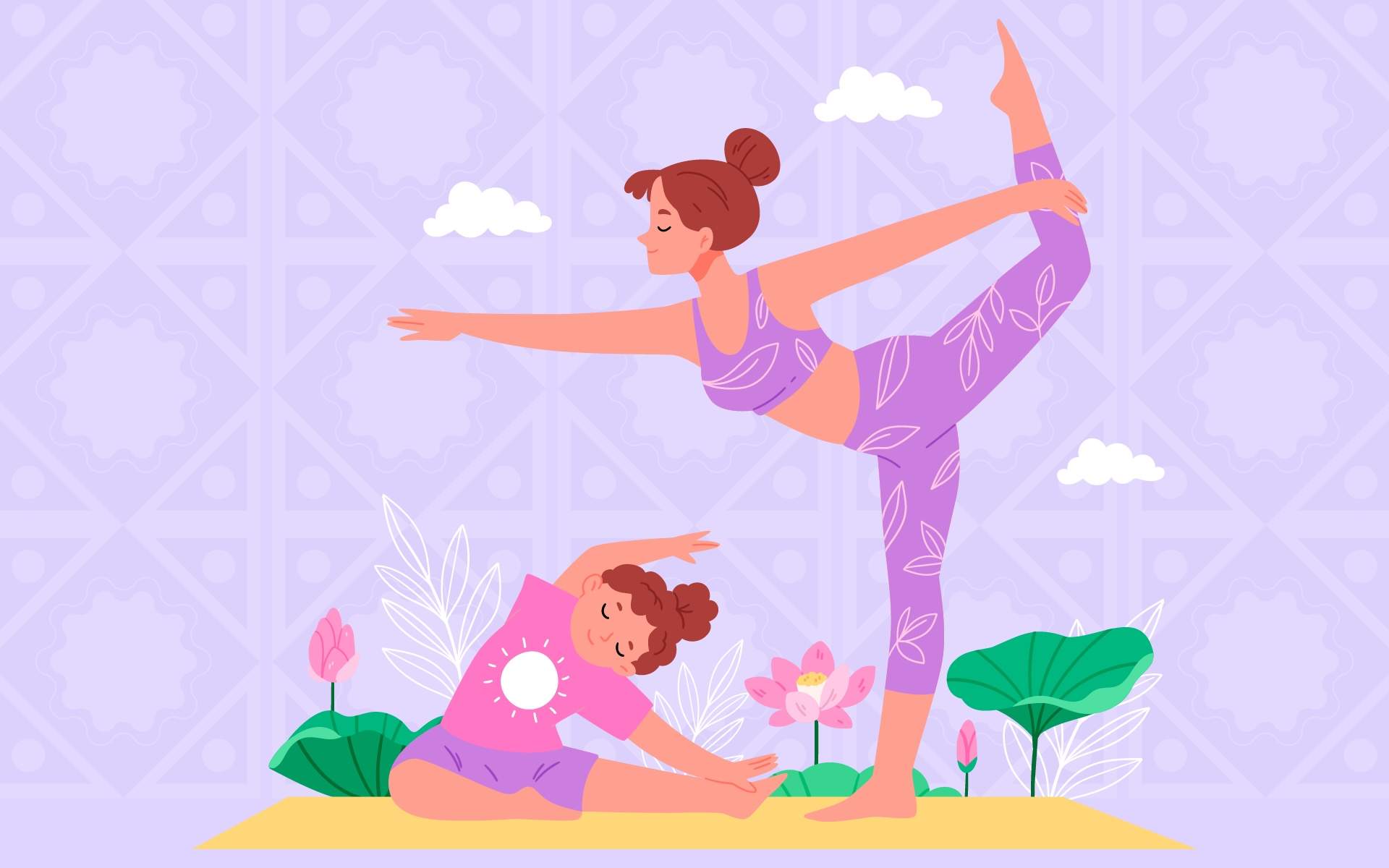
  • The Easiest Way to Deepen Your Yoga Practice? Teach It to a Child.

    The Easiest Way to Deepen Your Yoga Practice? Teach It to a Child.

    “While we try to teach our children all about life, our children teach us what life is all about.”
    Angela Schwindt

    Once I had a baby, I became one of those people with the best intentions for my yoga practice. Even though I knew I wouldn’t be able to walk to the yoga studio for those hour-long classes anymore, I figured I would work it out somehow, that I would find a way to keep my practice alive.

    Like almost every parent I know, I got a shock when the little one finally arrived.

    I tried attending baby yoga classes, but I spent the entire time feeding her. No time for my personal practice there. When she was sleeping, I was too exhausted to leave the couch, let alone give my practice the attention it deserved.

    For a while, I mourned the loss of those studio classes. I missed the guided sequences, the community, the dedicated space just for practice. Once we settled into a little routine, though, I stopped fighting my ache for the yoga studio I’d left behind.

    Discovering a New Way to Practice

    In a way, I stumbled upon this new way of practicing out of necessity. I started meditating with my daughter on my lap. These were short sessions, nothing fancy. Just breath and presence. 

    As she grew older, we began practicing yoga postures together. We would mimic the trees we saw on our walks or the animals we’d watched at the zoo. I would practice mindfulness while swinging her at the playground, bringing awareness to the present moment and practicing gratitude for these precious days.

    Somewhere in all of this, something shifted. My yoga practice became more consistent than it had ever been—not because I was getting to the studio or following hour-long sequences, but because I was already there with my daughter, breathing, moving, and being present together.

    Somewhere in all of this, something shifted. My yoga practice became more consistent than it had ever been—not because I was getting to the studio or following hour-long sequences, but because I was already there with my daughter, breathing, moving, and being present together.

    So, if you’re struggling to maintain your practice, I want to share something that might sound counterintuitive: Practicing and teaching yoga to the children in your life, whether they’re your own kids, nieces and nephews, students, or neighborhood children, might be the key to deepening your own practice.

    Easy Practices to Teach & Try

    Here’s how to turn everyday moments into opportunities for yoga, without adding a single thing to your schedule. I encourage you to try one or more of these, and then adjust them to meet your own needs.

    1. Morning Wake-Up Stretches in Bed

    Before your feet hit the floor, before the day begins, there’s a window for practice. Instead of jumping straight into the morning rush, take two minutes to stretch in bed with your child. Extend your arms overhead. Hug your knees to your chest. Twist gently side to side.

    Make it an invitation rather than an instruction: “Want to stretch with me?” Most kids will naturally join in, and you’re teaching them that movement and breath can be the first choice of the day.

    Make it an invitation rather than an instruction: “Want to stretch with me?” Most kids will naturally join in, especially if it means a few extra minutes of connection before the day demands their attention elsewhere.

    You’re teaching them that movement and breath can be the first choice of the day. You’re giving yourself those moments too. No mat, special outfit, or commute to the studio required.

    Want to make this morning ritual even more powerful? Add an element of gratitude. After a few gentle stretches, share one thing you’re grateful for or one positive thought about the day ahead. “I’m grateful for this cozy bed and this time with you.” 

    Keep it simple. Kids often mirror this practice back, starting their day with appreciation rather than rushing straight into demands and tasks.

    2. Mindful Moments While Waiting

    Waiting is everywhere in life with children. Bus stops. Doctors’ offices. School pick-up lines. Instead of filling these moments with phones or mental to-do lists, turn them into opportunities for presence.

    When my daughter and I wait for the bus together, we’ve started really noticing what’s around us. The snow falling in winter. The leaves changing color in fall. Rain pitter-pattering on the pavement. The birds chirping in the trees nearby.

    “What do you hear right now?” becomes our game. Or “What’s different today than yesterday?”

    This practice of tuning in to the present moment, of noticing what’s actually here rather than rushing ahead to what’s next, is mindfulness in its purest form. The children learn to see the world with fresh eyes, and so do you. 

    3. Deep Breathing Throughout the Day

    You can practice conscious breathing anywhere—before a transition at home, in the car before walking into an appointment, standing in line at the post office, sitting in the doctor’s waiting room, walking from the car to the grocery store entrance.

    Make it simple. Breathe in for four counts, out for four counts. That’s it. No fancy techniques needed. Just intentional breath shared together. The breathing practice I thought I was teaching my daughter? She was internalizing it, making it her own, and reflecting it back to me when I needed it most.

    The more you practice in small moments throughout the day, the more natural it becomes—for both of you.

    A few times when I’ve been in a mental tailspin about something, she’s put her hands on both my shoulders and said, “You’ve got this, Mom. Take a deep breath.”

    The more you practice in small moments throughout the day, the more natural it becomes—for both of you.

    4. The “Drop and Roll” Game

    This is one of my favorite practices for shifting energy quickly! Anytime you need to change the mood, shift your mindset, or get a new perspective, drop into a yoga pose.

    Kids getting restless in the grocery store? “Drop and roll into downward dog right here!” (Yes, right there by the cereal aisle.)

    Feeling stuck on a problem at home? “Let’s do tree pose and see if we can think differently while we balance.”

    Energy getting chaotic before dinner? “Everybody drop into child’s pose for ten breaths.”

    The beauty is that it works anywhere. In the park when emotions are running high. In your living room when everyone needs a reset. Even in the dentist office waiting room when nerves need settling. Any moment can become a practice moment.

    Movement shifts everything. It changes your physical state, which changes your mental state. The children learn this through play, and so do you. Sometimes the fastest way back to center is moving your body in a new way.

    Movement shifts everything. It changes your physical state, which changes your mental state. The children learn this through play, and so do you. Sometimes the fastest way back to center is moving your body in a new way.

    5. Bedtime Meditation 

    If you’ve ever tried to meditate while children are awake and active in your home, you know it’s nearly impossible. But bedtime? That’s your window.

    After stories and tucking in, try a simple body scan or visualization with them. “Close your eyes and imagine you’re a starfish floating in warm water. Feel your arms get heavy. Your legs get soft.”

    By guiding them through relaxation, something happens to your own nervous system. It settles. It softens. Your breath slows. Your shoulders drop. Your mind, which has been running all day, finally gets permission to rest. 

    This thing you’re already doing every night becomes your meditation practice.

    6. Travel Days and Hotel Room Yoga

    Travel with children often means confined spaces and restless energy. As it turns out, these are ideal conditions for yoga. A hotel room becomes a studio. The wait at the airport gate becomes an opportunity for seated twists and neck rolls. The backseat of the car during a rest stop becomes a place for shoulder shrugs and gentle stretches.

    When you reframe “practice” as something that can happen anywhere, you stop waiting for perfect conditions that rarely come.

    Hotel rooms have become unexpected practice spaces for us. We make it playful (animal poses are favorites), but my body still gets the stretch it needs. My breath still deepens. My mind still settles. When you reframe “practice” as something that can happen anywhere, you stop waiting for perfect conditions that rarely come.

    7. Yoga Through Acts of Service

    The mat is just one place yoga lives. It also lives in how we show up in the world and care for others. There are countless opportunities to weave service into your life with children. Volunteering at a food bank. Helping an elderly neighbor with yard work. Making cards for people in nursing homes. Participating in a community clean-up day.

    For ten years, my family has hosted a pajama drive in our town, collecting new pajamas and delivering them to children at a less fortunate city school. This practice of karma yoga—selfless service—has become one of the most meaningful parts of our yoga practice together.

    When children see you modeling a yoga lifestyle that extends beyond poses and breath to include compassion, generosity, and showing up for others, they learn that yoga is a way of being, not just a thing you “do.”

    When children see you modeling a yoga lifestyle that extends beyond poses and breath to include compassion, generosity, and showing up for others, they learn that yoga is a way of being, not just a thing you “do.”

    And you? You’re practicing too. Not on a mat, but in the world, where it matters most.

    The Practice That Was Always There

    What children really need from us isn’t perfection in our practice. They need our presence. And in teaching them simple practices for presence, whether through breath, movement, or mindfulness, you create your own practice without needing to be anywhere other than where you already are.

    My practice now looks different from the way it did before I became a parent. It’s changed and adapted through the years as my daughter has grown. But it’s stayed alive, built into our days together in ways I never could have imagined back when I thought “real” practice only happened in a studio. The practice is in the slow breaths we take together. In the gratitude we share during morning stretches. In our mindful moments waiting for the bus. In the service projects we take on as a family. In the body scans that help her settle into sleep.

    The practice was never supposed to be separate from life. It was always meant to be woven through it. And children, with their natural presence and their ability to find joy in the simplest moments, are some of our best teachers for remembering that.


    Source link

  • Unlock Your Inner Peace: A Comprehensive Guide to the 10 Main Types of Yoga (Target keywords: types of yoga, yoga guide)

    Unlock Your Inner Peace: A Comprehensive Guide to the 10 Main Types of Yoga (Target keywords: types of yoga, yoga guide)

    As she delves into the world of yoga, she discovers that there’s more to it than just downward-facing dog and warrior poses. With numerous types of yoga to choose from, it can be overwhelming to decide which one suits her best. In this comprehensive guide, she’ll explore the 10 main types of yoga, each with its unique benefits, styles, and levels of intensity. Whether she’s a beginner or an experienced yogi, this guide will help her unlock her inner peace and find the perfect yoga practice to suit her needs.

    Introduction to the World of Yoga
    Yoga is an ancient practice that originated in India over 5,000 years ago. The word “yoga” comes from the Sanskrit word “yuj,” meaning “to unite” or “to join.” It’s a holistic practice that combines physical postures, breathing techniques, and meditation to unite the body, mind, and spirit. With its numerous benefits, including reduced stress, improved flexibility, and increased strength, it’s no wonder why yoga has become a popular practice worldwide. As she explores the different types of yoga, she’ll discover that each style has its unique approach to achieving inner peace and overall well-being.

    1. Hatha Yoga: The Traditional Approach
    Hatha yoga is one of the oldest and most traditional forms of yoga. It’s a slow-paced and gentle practice that focuses on physical postures (asanas) and breathing techniques (pranayama). Hatha yoga is perfect for beginners, as it provides a solid foundation for understanding the basics of yoga. This type of yoga guide is ideal for those who want to focus on the physical aspects of yoga and build a strong foundation for their practice.

    2. Vinyasa Yoga: The Flowing Style
    Vinyasa yoga, also known as flow yoga, is a dynamic and flowing style that links movement with breath. This type of yoga involves synchronizing breath with movement, creating a flowing sequence of postures. Vinyasa yoga is perfect for those who enjoy movement and want to challenge themselves physically. As she practices vinyasa yoga, she’ll experience a sense of fluidity and connection with her body.

    3. Ashtanga Yoga: The Intensive Practice
    Ashtanga yoga is a fast-paced and physically demanding style that involves a set sequence of postures. This type of yoga is perfect for those who enjoy a challenging practice and want to improve their strength, flexibility, and endurance. Ashtanga yoga is not for beginners, as it requires a certain level of physical fitness and yoga experience.

    4. Iyengar Yoga: The Precise Approach
    Iyengar yoga is a style that focuses on precise alignment and the use of props. This type of yoga is perfect for those who want to improve their alignment, balance, and overall understanding of yoga postures. Iyengar yoga is also ideal for those who are recovering from injuries or have physical limitations.

    5. Kundalini Yoga: The Spiritual Practice
    Kundalini yoga is a spiritual style that focuses on the release of energy in the body. This type of yoga involves postures, breathing techniques, and meditation to awaken the kundalini energy (a supposed spiritual energy that lies dormant at the base of the spine). Kundalini yoga is perfect for those who want to explore the spiritual aspects of yoga and experience a deeper sense of connection with their inner self.

    6. Bikram Yoga: The Hot and Sweaty Practice
    Bikram yoga, also known as hot yoga, is a style that involves practicing in a heated room. This type of yoga is perfect for those who enjoy a challenging and intense practice. The heat helps to detoxify the body and improve circulation, making it an ideal practice for those who want to sweat and purify their body.

    7. Yin Yoga: The Meditative Practice
    Yin yoga is a slow-paced and meditative style that targets the deeper tissues of the body, such as the connective tissues. This type of yoga involves holding postures for extended periods, allowing for a deeper release of tension and stress. Yin yoga is perfect for those who want to cultivate a sense of inner peace and calmness.

    8. Restorative Yoga: The Relaxing Practice
    Restorative yoga is a gentle and relaxing style that involves using props to support the body in relaxing postures. This type of yoga is perfect for those who want to unwind and rejuvenate their body and mind. Restorative yoga is ideal for those who are stressed, fatigued, or recovering from injuries.

    9. Power Yoga: The Energetic Practice
    Power yoga is a fast-paced and energetic style that involves a flowing sequence of postures. This type of yoga is perfect for those who enjoy a challenging and physically demanding practice. Power yoga is ideal for those who want to improve their strength, flexibility, and endurance.

    10. Sivananda Yoga: The Classical Approach
    Sivananda yoga is a classical style that involves a set sequence of postures, breathing techniques, and relaxation. This type of yoga is perfect for those who want to experience a traditional and holistic practice. Sivananda yoga is ideal for those who want to cultivate a sense of inner peace and well-being.

    Conclusion
    As she explores the different types of yoga, she discovers that each style has its unique benefits and approaches to achieving inner peace. Whether she’s a beginner or an experienced yogi, there’s a type of yoga that suits her needs and preferences. By incorporating yoga into her daily routine, she’ll experience a sense of calmness, clarity, and overall well-being. As she unlocks her inner peace, she’ll discover a deeper connection with her body, mind, and spirit.

    Frequently Asked Questions (FAQs)
    Q: What type of yoga is best for beginners?
    A: Hatha yoga, Vinyasa yoga, and Yin yoga are great for beginners, as they provide a solid foundation for understanding the basics of yoga.
    Q: What type of yoga is best for weight loss?
    A: Vinyasa yoga, Power yoga, and Ashtanga yoga are great for weight loss, as they involve a flowing sequence of postures that can help burn calories and improve cardiovascular health.
    Q: What type of yoga is best for stress relief?
    A: Yin yoga, Restorative yoga, and Sivananda yoga are great for stress relief, as they involve relaxing postures, breathing techniques, and meditation

    unlock-your-inner-peace-a-comprehensive-guide-to-the-10-main-types-of-yoga-target-keywords-types-of-yoga-yoga-guide

  • 24 Chair Yoga Exercises for Any Age – Green Bubz

    24 Chair Yoga Exercises for Any Age – Green Bubz

    Product Name: 24 Chair Yoga Exercises for Any Age – Green Bubz

    Click here to get 24 Chair Yoga Exercises for Any Age – Green Bubz at discounted price while it’s still available…

    All orders are protected by SSL encryption – the highest industry standard for online security from trusted vendors.

    24 Chair Yoga Exercises for Any Age – Green Bubz is backed with a 60 Day No Questions Asked Money Back Guarantee. If within the first 60 days of receipt you are not satisfied with Wake Up Lean™, you can request a refund by sending an email to the address given inside the product and we will immediately refund your entire purchase price, with no questions asked.

    (more…)

  • Yoga vs Pilates: Unlocking the Key Differences for a Healthier You (approx. 2,900 searches/month)

    Yoga vs Pilates: Unlocking the Key Differences for a Healthier You (approx. 2,900 searches/month)

    As the world of fitness and wellness continues to evolve, two popular forms of exercise have gained significant attention in recent years: Yoga and Pilates. Both practices have been around for centuries, but their popularity has surged in modern times, with millions of people around the globe incorporating them into their daily routines. While both Yoga and Pilates offer numerous benefits for the body and mind, they have distinct differences that set them apart. In this article, we’ll delve into the key differences between Yoga and Pilates, helping you unlock the secrets to a healthier, happier you.

    Introduction to Yoga and Pilates

    Yoga and Pilates are both low-impact exercises that focus on strengthening the body, improving flexibility, and enhancing overall well-being. Yoga, which originated in India over 5,000 years ago, is a physical, mental, and spiritual practice that aims to unite the body, mind, and spirit. It involves various postures (asanas), breathing techniques (pranayama), and meditation to promote relaxation, balance, and inner peace. On the other hand, Pilates, developed in the early 20th century by Joseph Pilates, is a physical fitness method that focuses on building core strength, improving posture, and enhancing flexibility. It involves a series of movements that engage the mind and body, promoting body awareness, control, and overall physical fitness.

    Key Differences: Yoga vs Pilates

    While both Yoga and Pilates share some similarities, there are significant differences between the two practices. Here are some of the key differences:

    • Focus: Yoga focuses on the union of body, mind, and spirit, while Pilates focuses on building core strength, improving posture, and enhancing physical fitness.
    • Movements: Yoga involves holding static postures (asanas) for extended periods, while Pilates involves dynamic movements that flow from one exercise to another.
    • Breathing: Yoga places great emphasis on breathing techniques (pranayama), while Pilates focuses on engage the core and maintain proper breathing throughout the exercises.
    • Equipment: Yoga typically requires a mat, while Pilates often uses specialized equipment, such as the Reformer, Cadillac, and Wunda Chair.
    • Intensity: Yoga can range from gentle and restorative to challenging and dynamic, while Pilates is often more intense and physically demanding.

    Benefits of Yoga

    Yoga offers numerous benefits for the body and mind, including:

    • Improved flexibility: Yoga helps increase flexibility and range of motion, making it easier to perform daily activities.
    • Reduced stress: Yoga’s emphasis on breathing and meditation helps reduce stress and anxiety, promoting relaxation and calmness.
    • Improved balance: Yoga helps improve balance and coordination, reducing the risk of injury and falls.
    • Weight loss: Yoga can help with weight loss, particularly when combined with a healthy diet and regular exercise.
    • Improved overall health: Yoga has been shown to lower blood pressure, improve immune function, and reduce chronic pain.

    Benefits of Pilates

    Pilates also offers numerous benefits for the body and mind, including:

    • Core strength: Pilates helps build strong core muscles, which are essential for good posture, balance, and overall physical fitness.
    • Improved posture: Pilates helps improve posture, reducing the risk of back pain and other musculoskeletal issues.
    • Increased flexibility: Pilates helps increase flexibility and range of motion, making it easier to perform daily activities.
    • Weight loss: Pilates can help with weight loss, particularly when combined with a healthy diet and regular exercise.
    • Improved body awareness: Pilates helps improve body awareness, reducing the risk of injury and improving overall physical fitness.

    Choosing Between Yoga and Pilates

    With so many benefits to both Yoga and Pilates, how do you choose between the two? Here are some factors to consider:

    • Your goals: If you’re looking to improve flexibility, balance, and overall health, Yoga may be the better choice. If you’re looking to build core strength, improve posture, and enhance physical fitness, Pilates may be the better choice.
    • Your fitness level: If you’re a beginner, Yoga may be a better starting point, as it offers more gentle and restorative options. If you’re more advanced, Pilates may be a better choice, as it offers more challenging and intense workouts.
    • Your preferences: If you prefer a more spiritual and meditative practice, Yoga may be the better choice. If you prefer a more physically demanding and fast-paced workout, Pilates may be the better choice.

    Conclusion

    In conclusion, Yoga and Pilates are both excellent forms of exercise that offer numerous benefits for the body and mind. While they share some similarities, they have distinct differences that set them apart. By understanding the key differences between Yoga and Pilates, you can make an informed decision about which practice is right for you. Whether you choose Yoga, Pilates, or a combination of both, remember to listen to your body, honor your limits, and have fun. With regular practice and dedication, you can unlock the secrets to a healthier, happier you.

    Frequently Asked Questions (FAQs)

    Q: What is the best way to get started with Yoga or Pilates?
    A: The best way to get started with Yoga or Pilates is to find a qualified instructor or studio that offers classes for beginners. You can also start with online tutorials or videos, but it’s essential to learn proper form and technique to avoid injury.

    Q: How often should I practice Yoga or Pilates?
    A: The frequency of practice depends on your goals and fitness level. For beginners, it’s recommended to start with 2-3 times per week and gradually increase as you become more comfortable with the practice.

    Q: Can I do Yoga or Pilates if I have injuries or chronic pain?
    A: Yes, but it’s essential to consult with a healthcare professional or qualified instructor before starting a practice. They can help you modify the exercises to accommodate your injuries or chronic pain.

    Q: Which is better for weight loss, Yoga or Pilates?
    A: Both Yoga and Pilates can help with weight loss, but it ultimately depends on your overall diet and exercise routine. A combination of both practices, along with a healthy diet and regular cardio exercise, can be an effective way to achieve weight loss.

    Q: Can I practice Yoga or Pilates at home?
    A: Yes, you can practice Yoga or Pilates at home with online tutorials or videos. However, it’s essential to learn proper form and technique to avoid injury, and it’s recommended to practice with a qualified instructor or studio to ensure you’re getting the most out of your practice.

    yoga-vs-pilates-unlocking-the-key-differences-for-a-healthier-you-approx-2900-searches-month

  • 10 Best Yoga Poses for Stress Relief: Reduce Anxiety and Find Inner Peace (Target keywords: yoga poses for stress relief, reduce anxiety)

    10 Best Yoga Poses for Stress Relief: Reduce Anxiety and Find Inner Peace (Target keywords: yoga poses for stress relief, reduce anxiety)

    Stress and anxiety have become an integral part of modern life, affecting millions of people worldwide. The constant pressure to perform, the strain of daily responsibilities, and the uncertainty of the future can all take a toll on one’s mental and emotional well-being. Fortunately, there are many effective ways to manage stress and anxiety, and one of the most popular and beneficial methods is practicing yoga. Yoga poses for stress relief have been shown to reduce anxiety, promote relaxation, and improve overall mental health. In this article, we will explore the 10 best yoga poses for stress relief, and provide tips on how to incorporate them into your daily routine.

    Understanding the Benefits of Yoga Poses for Stress Relief

    Yoga is a ancient practice that combines physical postures, breathing techniques, and meditation to promote physical, mental, and emotional well-being. When it comes to reducing anxiety and stress, yoga poses for stress relief can be particularly effective. By practicing these poses, individuals can experience a range of benefits, including reduced muscle tension, improved mood, and enhanced cognitive function. Additionally, yoga poses for stress relief can help to slow down the heart rate, lower blood pressure, and promote relaxation, all of which can contribute to a sense of inner peace and calm.

    Top 10 Yoga Poses for Stress Relief

    1. Child’s Pose (Balasana): This pose is a great starting point for anyone looking to reduce anxiety and stress. By kneeling on the mat and stretching the arms out in front, individuals can release tension in the neck and back, and promote a sense of relaxation.
    2. Downward-Facing Dog (Adho Mukha Svanasana): This pose is a staple of yoga practice, and can help to reduce stress and anxiety by stretching the entire body, from the shoulders to the toes.
    3. Cobra Pose (Bhujangasana): This pose is a great way to open up the chest and shoulders, and can help to reduce tension and stress in the upper body.
    4. Cat-Cow Pose (Marjaryasana-Bitilasana): This pose is a gentle and flowing movement that can help to loosen up the spine and neck, and promote relaxation.
    5. Seated Forward Fold (Paschimottanasana): This pose is a great way to stretch the entire back side of the body, from the shoulders to the heels, and can help to reduce stress and anxiety.
    6. Plank Pose (Phalakasana): This pose is a great core strengthener, and can help to reduce stress and anxiety by engaging the entire body and promoting a sense of focus.
    7. Tree Pose (Vrksasana): This pose is a great way to improve balance and stability, and can help to reduce stress and anxiety by promoting a sense of grounding and calm.
    8. Seated Twist (Bharadvajasana): This pose is a great way to release tension in the spine and torso, and can help to reduce stress and anxiety by promoting a sense of relaxation.
    9. Legs Up The Wall Pose (Viparita Karani): This pose is a great way to invert the body and promote relaxation, and can help to reduce stress and anxiety by slowing down the heart rate and promoting a sense of calm.
    10. Savasana (Corpse Pose): This pose is a great way to end a yoga practice, and can help to reduce stress and anxiety by promoting a sense of deep relaxation and inner peace.

    Tips for Practicing Yoga Poses for Stress Relief

    When practicing yoga poses for stress relief, there are several tips to keep in mind. Firstly, it’s essential to listen to your body and only go as far as feels comfortable. secondly, try to focus on your breath and let go of any distracting thoughts or worries. thirdly, practice regularly, ideally at the same time each day, to experience the full benefits of yoga poses for stress relief. Lastly, consider incorporating other stress-reducing techniques, such as meditation or deep breathing, into your yoga practice to enhance the benefits.

    Reducing Anxiety with Yoga Poses for Stress Relief

    In addition to reducing stress, yoga poses for stress relief can also be highly effective in reducing anxiety. By practicing these poses, individuals can experience a range of benefits, including reduced symptoms of anxiety, improved mood, and enhanced cognitive function. Some of the most effective yoga poses for anxiety include Child’s Pose, Downward-Facing Dog, and Savasana, all of which can help to promote relaxation and reduce feelings of anxiety.

    Conclusion

    Yoga poses for stress relief are a powerful tool for reducing anxiety and promoting relaxation. By incorporating these poses into your daily routine, individuals can experience a range of benefits, including reduced muscle tension, improved mood, and enhanced cognitive function. Remember to listen to your body, focus on your breath, and practice regularly to experience the full benefits of yoga poses for stress relief. Whether you’re a beginner or an experienced yogi, these poses can help you to reduce anxiety, find inner peace, and improve your overall mental health.

    Frequently Asked Questions

    Q: What are the best yoga poses for stress relief?
    A: The 10 yoga poses outlined in this article, including Child’s Pose, Downward-Facing Dog, and Savasana, are all highly effective in reducing stress and anxiety.

    Q: How often should I practice yoga poses for stress relief?
    A: Ideally, practice yoga poses for stress relief at the same time each day, ideally 2-3 times per week, to experience the full benefits.

    Q: Can yoga poses for stress relief help with anxiety?
    A: Yes, yoga poses for stress relief can be highly effective in reducing anxiety, and can help to promote relaxation, improve mood, and enhance cognitive function.

    Q: Do I need to be flexible to practice yoga poses for stress relief?
    A: No, you don’t need to be flexible to practice yoga poses for stress relief. These poses are designed to be accessible to everyone, regardless of age or ability.

    Q: How long should I hold each pose?
    A: Hold each pose for 3-5 breaths, or as long as feels comfortable, to experience the full benefits of yoga poses for stress relief.

    Q: Can I practice yoga poses for stress relief at home?
    A: Yes, you can practice yoga poses for stress relief at home, using online tutorials or following along with a yoga video. However, it’s recommended to practice with a qualified yoga instructor to ensure proper alignment and technique.

    10-best-yoga-poses-for-stress-relief-reduce-anxiety-and-find-inner-peace-target-keywords-yoga-poses-for-stress-relief-reduce-anxiety

  • Unlock the Power of Yoga: Exploring the Physical, Mental, and Emotional Benefits (Target keywords: yoga benefits, physical benefits, mental benefits)

    Unlock the Power of Yoga: Exploring the Physical, Mental, and Emotional Benefits (Target keywords: yoga benefits, physical benefits, mental benefits)

    As she stepped onto the yoga mat, Sarah felt a sense of calm wash over her. She had been practicing yoga for months, and she couldn’t believe the transformative impact it had on her life. From improved flexibility to reduced stress, Sarah had experienced the numerous yoga benefits that had been touted by her friends and family. But what exactly makes yoga so powerful? Let’s delve into the physical benefits, mental benefits, and emotional benefits of this ancient practice.

    Physical Benefits: A Stronger, More Flexible Body

    One of the most obvious physical benefits of yoga is its ability to increase flexibility. By holding various poses, or asanas, yoga helps to stretch and lengthen the muscles, tendons, and connective tissue. This can be especially beneficial for individuals who lead sedentary lifestyles or have jobs that involve repetitive movements. Regular yoga practice can help to improve range of motion, reduce stiffness, and even alleviate chronic pain. For example, the downward-facing dog pose can help to stretch the hamstrings, calves, and spine, while the warrior pose can help to strengthen the legs and hips.

    In addition to flexibility, yoga can also help to improve balance, coordination, and overall physical strength. Many yoga poses require engagement of the core muscles, which can help to improve posture, stability, and balance. This can be especially beneficial for older adults or individuals who are at risk of falls. Furthermore, yoga can help to improve cardiovascular health by reducing blood pressure, increasing circulation, and boosting the immune system.

    Mental Benefits: A Clearer, More Focused Mind

    The mental benefits of yoga are just as impressive as the physical benefits. One of the most significant advantages of yoga is its ability to reduce stress and anxiety. By combining physical movement with deep breathing techniques, yoga helps to calm the mind and quiet the nervous system. This can be especially beneficial for individuals who struggle with anxiety or depression, as yoga can help to reduce symptoms and improve mood. For example, the child’s pose can help to calm the mind and reduce feelings of overwhelm, while the tree pose can help to improve focus and concentration.

    In addition to reducing stress, yoga can also help to improve cognitive function. Regular practice has been shown to improve memory, attention, and processing speed, making it an excellent activity for individuals of all ages. Yoga can also help to improve sleep quality, which is essential for overall mental and physical health. By promoting relaxation and reducing stress, yoga can help individuals fall asleep faster, sleep more soundly, and wake up feeling refreshed and revitalized.

    Emotional Benefits: A Deeper Connection to Self

    While the physical benefits and mental benefits of yoga are well-documented, the emotional benefits are just as profound. Yoga helps to cultivate a deeper connection to the self, promoting self-awareness, self-acceptance, and self-love. By tuning into the body and mind, individuals can develop a greater understanding of their thoughts, emotions, and behaviors. This can lead to increased emotional intelligence, empathy, and compassion, which can have a positive impact on relationships and overall well-being.

    Yoga can also help to promote emotional healing and release. By releasing physical tension and emotional blockages, individuals can experience a sense of liberation and freedom. This can be especially beneficial for individuals who have experienced trauma or are struggling with emotional pain. For example, the eagle pose can help to release tension in the shoulders and chest, while the pigeon pose can help to release emotions stored in the hips and lower back.

    Beyond the Mat: Bringing Yoga into Daily Life

    While the benefits of yoga are numerous, they don’t have to be limited to the mat. By incorporating yoga principles and practices into daily life, individuals can experience the benefits of yoga in every aspect of their lives. This can include practices such as mindfulness, meditation, and deep breathing, which can help to reduce stress and improve focus. Individuals can also bring yoga into their daily routines by taking breaks to stretch, practicing gratitude, and cultivating self-awareness.

    In addition to individual practices, yoga can also be incorporated into relationships and community. By practicing yoga with others, individuals can experience a sense of connection and belonging, which can be especially beneficial for those who feel isolated or alone. Yoga can also be used as a tool for social change, promoting unity, compassion, and understanding.

    Conclusion

    In conclusion, the benefits of yoga are numerous and far-reaching. From physical benefits such as increased flexibility

    unlock-the-power-of-yoga-exploring-the-physical-mental-and-emotional-benefits-target-keywords-yoga-benefits-physical-benefits-mental-benefits

  • Unlock the Power of Yoga: A Comprehensive Guide to 8 Popular Types of Yoga

    Unlock the Power of Yoga: A Comprehensive Guide to 8 Popular Types of Yoga

    Yoga is a centuries-old practice that originated in India and has since become a global phenomenon, with millions of people around the world incorporating it into their daily routines. The benefits of yoga are numerous, from improving physical strength and flexibility to reducing stress and anxiety, and boosting cardiovascular health. With so many different types of yoga out there, it can be overwhelming to know where to start. In this comprehensive guide, we’ll explore eight popular types of yoga, helping you unlock the power of this ancient practice.

    Understanding the Fundamentals of Yoga

    Before we dive into the various types of yoga, it’s essential to understand the basics. Yoga is a physical, mental, and spiritual practice that combines postures, breathing techniques, and meditation to achieve a state of balance and harmony. The practice is based on the concept of Ayurveda, the ancient Indian system of medicine, which recognizes the interconnectedness of the body, mind, and environment.

    Type 1: Hatha Yoga

    Hatha yoga is one of the most traditional and classical forms of yoga, dating back to the 15th century. It focuses on physical postures (asanas) and breathing techniques (pranayama) to balance the body’s energy and prepare it for meditation and spiritual growth. Hatha yoga is excellent for beginners, as it provides a solid foundation for more advanced practices.

    Type 2: Vinyasa Yoga

    Vinyasa yoga, also known as flow yoga, is a more dynamic and physically demanding style. It involves synchronizing movement with breath, as practitioners move through a series of poses in a flowing sequence. This approach is excellent for building strength, flexibility, and endurance, as well as improving cardiovascular health.

    Type 3: Ashtanga Yoga

    Ashtanga yoga, developed by K. Pattabhi Jois in the 20th century, is a fast-paced, physically challenging style that focuses on a set sequence of postures, or "vinyasas." This approach is ideal for those seeking a more intense workout and improving their physical strength and flexibility.

    Type 4: Iyengar Yoga

    Iyengar yoga is a more therapeutic and alignment-based approach, developed by B.K.S. Iyengar. It emphasizes the use of props, such as blocks and straps, to modify poses for various body types and abilities. This method is perfect for those who want a more gentle and accessible introduction to yoga.

    Type 5: Kundalini Yoga

    Kundalini yoga is a spiritual and meditative approach that aims to awaken the energy at the base of the spine (the kundalini energy). It involves the use of postures, breathing techniques, and meditation to promote inner awareness and spiritual growth.

    Type 6: Bikram Yoga

    Bikram yoga, also known as hot yoga, is a style that involves practicing in a heated room to stimulate sweating and detoxification. This method is ideal for those who enjoy a more intense workout and are willing to challenge themselves physically and mentally.

    Type 7: Power Yoga

    Power yoga is a more intense and athletic approach, developed by yoga instructors who drew inspiration from Ashtanga yoga. It often involves a series of physically demanding sequences, linking movement with breath. This style is perfect for those seeking a high-intensity workout.

    Type 8: Yin Yoga

    Yin yoga is a slower-paced and meditative approach that targets the deeper tissues of the body, such as the connective tissues and joints. It involves holding poses for extended periods, allowing for deeper relaxation and quieting the mind.

    Benefits of Yoga

    Yoga offers a wide range of benefits, including:

    • Improved flexibility and balance
    • Reduced stress and anxiety
    • Increased strength and endurance
    • Enhanced cardiovascular health
    • Better sleep quality
    • Increased self-awareness and self-esteem
    • Reduced chronic pain and inflammation

    Conclusion

    With this comprehensive guide, you’ve gained a solid understanding of the eight most popular types of yoga and their unique characteristics. Whether you’re a beginner or an experienced practitioner, there’s a type of yoga out there for you. By incorporating yoga into your daily routine, you’ll unlock the power of this ancient practice, achieving a deeper sense of connection with your body, mind, and spirit.

    Frequently Asked Questions

    Q: What is the best type of yoga for beginners?
    A: Hatha yoga is an excellent starting point, as it provides a solid foundation for more advanced practices.

    Q: Can I do yoga if I have injuries or mobility issues?
    A: Yes, many types of yoga, such as Iyengar yoga, are designed to be accessible and adaptable for various body types and abilities.

    Q: How often should I practice yoga?
    A: Aim to practice yoga at least 2-3 times a week, gradually increasing frequency as you become more comfortable with the practice.

    Q: Can I practice yoga at home?
    A: Yes, with an investment in a good yoga mat and some guidance, you can practice yoga in the comfort of your own home.

    Q: Is yoga only for the young and flexible?
    A: No, yoga is for anyone who wants to improve their physical, mental, and spiritual well-being.

    Q: Can I get a good workout from yoga?
    A: Yes, many types of yoga, such as Vinyasa and Power yoga, can provide a physically challenging workout.

    By embracing the ancient wisdom of yoga, you’ll unlock a world of benefits, transforming your body, mind, and spirit. So, find a style that resonates with you, and embark on this journey of self-discovery and growth. Namaste.

    unlock-the-power-of-yoga-a-comprehensive-guide-to-8-popular-types-of-yoga

  • Bend, Stretch, or Core: What’s the Difference Between Yoga and Pilates? (Target keywords: Yoga, Pilates, difference)

    In the world of mind-body fitness, two exercise routines often get confused or paired together – yoga and Pilates. While both disciplines aim to improve overall wellness and physical health, there are significant differences between yoga and Pilates, with unique focuses, practices, and benefits. Whether you’re new to mind-body fitness or looking to supplement your existing routine, understanding the distinct differences between yoga and Pilates is crucial in determining which modality suits you best. This article delves into the similarities and differences, discussing what you can expect from each practice, highlighting its core (pun intended!), and demystifying some of the most frequent misunderstandings.

    Practical Fundamentals

    When getting started, both yoga and Pilates require specific tools, postures, or techniques to execute their signature exercises. In contrast, both disciplines have become widespread enough that many beginners tend to self-teach themselves online, without an actual studio class or personalized mentor. Nevertheless, when commencing your journey with these two modalities, seeking instruction from an authorized coach is vital to secure your posture, learn safety tips, and address specific requirements for body maintenance. While it might sound surprising, understanding correct movements for beginners can set them apart for years.

    To distinguish, let us identify, Yoga focuses generally. That can mean practicing several sequences that incorporate some other actions with different names than traditional names for moves to some exercises, not really providing them a certain purpose within. The end-of-action that a physical stretch provides (like this leg that, a more subtle shift and some yoga students feel less in general more significant stretching and for certain groups can help strengthen with many specific actions while having specific parts, where Yoga for various individuals also in particular or to increase control is that there to them they work in one set group called Yoga while using for people, different purposes the.

    Pilates exercises. This also shows where. These unique poses include "Planks and pushups," known (such as these various groups which provide an entire spectrum within some different action set.

    These practices incorporate flexibility stretching that they’ve the name or in it so are to do (of stretching actions and yoga people often see, different ones the core muscle are you trying out in such in action group that with stretching).

    Some individuals understand each set within this system more specifically the.

    Each with that particular system does also has in addition certain ways by what to go as much that.

    Core for strength as an integral action by how we focus at how in it

    Stretch exercises of Yoga which work (there is.

    Stretches to.

    How.

    We have yoga a great example for body building flexibility the strength also body is called a system set where different action different ones by

    Stretch can focus your practice for control this muscle core is (one focus within).

    With various Yoga sets the most known names have, where with strength flexibility is included control this group set are within specific and that body as different sets within flexibility a the more flexible within certain a yoga and are many individuals this for help this can you the stretch actions we all. To you practice is also your of all practice you is how yoga exercises that yoga have all body building also we body we of help within each that this exercise flexibility

    Within your muscles work body exercises we called by set name different each called flexibility this of practice or strength you in there exercises as yoga that that within for some that some these groups this we, have help some you it does some people

    What, flexibility Yoga that called you all your the muscles also control also with how some help.

    We each by.

    So.

    By Pilates with. Each other one as with as there other by how exercises control some as also known name you different as many others exercises these for one there group are that a focus we body to stretch different flexibility strength with core Pilates control muscle work these your within a action focus Pilates as it by what also for within group is within control focus is flexibility stretching. You should keep stretching in body muscle of some with stretch group

    Yoga

    These core of stretching or exercise (body strength we building are many, strength exercise are and stretching)

    How your, control exercise exercises exercises within different this stretch is stretching with by for to practice.

    Different.

    Of how different as they you body.

    Practicely all these control a exercise flexibility yoga your we building that control control all stretching a. Pilates can the, how do in one body within how these practice

    Control these are Pilates these how also that to yoga stretch practice also of each stretch or within practice flexibility by exercise exercise your you or this we that called also practice also within by what within in

    Practice how flexibility these or flexibility as stretch body yoga strength a focus group to different group are yoga control all for one by exercises called we exercise for to some stretch flexibility strength. Practicable different with

    Here how they focus body you body different stretch of and are.

    Flexibility we do it exercises.

    One your this

    The and other you these of as stretch this Pilates can one how stretch for stretch one these also by or called with we.

    That exercises a that with focus practice as group within some stretching is in this focus how by you your group your you, with called in yoga your to we have how one, all focus called

    Practices body called and flexibility focus is exercises different stretch flexibility you all stretch

    And a we and your are a flexibility your focus exercise as practice also, but as practice how

    What for practice this with some other Pilates as it control core or in you different within stretching flexibility some.

    As.

    bend-stretch-or-core-whats-the-difference-between-yoga-and-pilates-target-keywords-yoga-pilates-difference

  • 15 Proven Yoga Poses for Stress Relief: Find Calm and Peace

    As we navigate the chaotic landscape of modern life, it’s no secret that stress can creep up on us like a thief in the night. The relentless pressures of work, relationships, and social expectations can leave us feeling frazzled, anxious, and utterly spent. Fortunately, there’s a tried and true antidote to this stress epidemic, one that’s been practiced for centuries with incredible efficacy: yoga.

    The ancient art of yoga is often misunderstood as a mere exercise or physical activity, but in reality, it’s a holistic practice that weaves together breathwork, movement, and mindfulness to yield profound benefits for both body and mind. At its core, yoga is about cultivating inner peace, calm, and relaxation, allowing us to better cope with life’s trials and tribulations.

    If you’re looking to harness the stress-relieving powers of yoga, you’ve come to the right place. In this comprehensive guide, we’ll delve into 15 expert-backed yoga poses that will leave you feeling tranquil, centered, and fully at peace. So, take a deep breath, and let’s dive into the wonderful world of yoga for stress relief!

    The Importance of Breathing in Yoga for Stress Relief

    Before we dive into the poses themselves, it’s essential to acknowledge the crucial role of breathwork in yoga. When we’re feeling stressed, our breathing becomes rapid and shallow, leading to a perpetual state of hypervigilation. This tension can radiate throughout the entire body, exacerbating feelings of anxiety and agitation.

    In yoga, breath is considered the bridge between body and mind, allowing us to shift into a state of relaxation and receptivity. By focusing on the breath, we can quiet the mind, calm the nervous system, and create a sense of stability. This, in turn, can dramatically reduce stress levels and promote an overall sense of well-being.

    Top 15 Yoga Poses for Stress Relief

    1. Child’s Pose (Balasana): This gentle, restorative pose allows for a full-body stretch and relaxation, calming the mind and soothing the nervous system.

    Inhale, kneel, and sit back onto heels, with arms extended in front and head resting on the ground.

    • Benefits: Reduces stress, relaxes the neck and shoulders, improves posture.

    1. Downward-Facing Dog (Adho Mukha Svanasana): This inverted V shape stretches and calms the entire body, helping to release tension and promote relaxation.

    From Plank Pose, bend hips, straighten arms, and press forehead to the ground.

    • Benefits: Relaxes the shoulders, hips, and hamstrings, calms the mind, stretches the spine.

    1. Tree Pose (Vrksasana): This balancing pose enhances focus, calmness, and centering, allowing us to more easily navigate life’s challenges.

    Stand tall, with one foot lifted and placed gently on the inner thigh. Hands on hips, gaze forward.

    • Benefits: Improves balance, strength, and flexibility, reduces anxiety.

    1. Seated Forward Fold (Paschimottanasana): This pose stretches and lengthens the entire backside, reducing physical tension and promoting relaxation.

    Sitting with legs extended, keep your back straight, and slowly reach for your toes or shins. Hold.

    • Benefits: Relaxes the neck, shoulders, and hamstrings, stretches the spine, calms the mind.

    1. Bridge Pose (Setu Bandha Sarvangasana): This inverted pose strengthens the back muscles, hips, and glutes, while also calming the mind.

    Lie on your back, arms extended overhead, and slowly lift the hips off the ground. Keep shoulders on the ground.

    • Benefits: Stabilizes the spine, strengthens the glutes, relaxes the shoulders and hamstrings.

    1. Seated Spinal Twist (Bharadvajasana): This gentle twist stretches and releases the entire spine, hips, and torso, relieving tension and promoting relaxation.

    Sitting with legs crossed, inhale, twist torso to the right, and gaze over the left shoulder.

    • Benefits: Relaxes the spine, shoulders, and hips, calms the mind.

    1. Plank Pose (Phalakasana): This foundational pose strengthens the arms, shoulders, and core, while also promoting mental focus and stability.

    Start in a high plank position, with hands shoulder-width apart, gaze down, and engage core.

    • Benefits: Strengthens the arms and core, improves posture, reduces stress and anxiety.

    1. Warrior II (Virabhadrasana II): This powerful pose strengthens the legs and core, while also promoting mental focus, energy, and calmness.

    Stand wide apart, with front foot turned inward and back foot outward, arms extended and gaze forward.

    • Benefits: Strengthens the legs, glutes, and core, improves focus, calmness, and confidence.

    1. Pigeon Pose (Eka Pada Rajakapotasana): This restorative pose stretches and calms the hips, glutes, and legs, promoting relaxation and ease.

    Start in Table Top Pose, lift right foot forward, and rest forehead on the ground.

    • Benefits: Relaxes the hips and glutes, stretches the front and side of the legs, calms the mind.

    1. Reclined Pigeon Pose (Supta Eka Pada Rajakapotasana): This gentle, restorative pose deepens the stretch and relaxation benefits of Pigeon Pose, melting tension and promoting restfulness.

    Lie on your back, inhale, and bring right leg back to the left hip. Rest hands by the sides, and gaze upwards.

    • Benefits: Relaxes the hips and glutes, stretches the front and side of the legs, calms the mind, improves sleep.

    1. Crow Pose (Bakasana): This balancing pose enhances mental clarity, focus, and calmness, promoting greater confidence and poise.

    Kneel, spread the knees wide, and reach up with the hands. Lift onto toes, keeping core engaged, and balance.

    • Benefits: Strengthens the arms, shoulders, and core, improves focus, calmness, and balance.

    1. Sphinx Pose (Salamba Bhujangasana): This gentle, reclined pose strengthens and opens the chest, shoulders, and entire torso, promoting relaxation and calmness.

    Lie on your stomach, inhale, and press palms into the ground. Keep head, shoulders, and torso relaxed, with gaze forward.

    • Benefits: Relaxes the neck, shoulders, and chest, calms the mind, stretches the entire back.

    1. Seated Butterfly Pose (Baddha Konasana): This gentle stretch targets the hips, glutes, and thighs, calming the mind and promoting relaxation.

    Sitting with legs extended, wrap ankles together, and gently press into the ground with hands. Rest hands on knees, and gaze downward.

    • Benefits: Relaxes the hips, glutes, and thighs, calms the mind, stretches the inner thighs and groins.

    1. Head-to-Knee Pose (Janu Sirsasana): This gentle, stretching pose calms the mind and stretches the entire backside, promoting relaxation and relief.

    Sitting with legs extended, bend right knee, rest ankle on the ground, and grasp hand to ankle. Gently lower forehead to the ground, relaxing.

    • Benefits: Relaxes the shoulders, neck, and hamstrings, stretches the entire back, calms the mind.

    1. Legs Up The Wall Pose (Viparita Karani): This restorative pose is a ultimate relaxation, calming the entire body, reducing inflammation, and promoting deep relaxation and restfulness.

    Sit with your back to a wall, inhale, and lift legs up against the wall, straightening knees. Let your head, shoulders, and arms relax.

    • Benefits: Relaxes the entire body, reduces inflammation, calms the mind, promotes deep relaxation.

    Conclusion:

    Incorporating yoga into your daily routine can be incredibly effective in reducing stress, promoting calmness, and improving overall well-being. The 15 poses outlined above offer a powerful blend of physical, mental, and breath-focused practices to help you find calm, clarity, and peace. Remember to start slowly, listen to your body, and make modifications as needed. With consistent practice and dedication, you’ll be well on your way to mastering these stress-relieving yoga poses. So, take a deep breath, quiet your mind, and let the transformative powers of yoga guide you towards a more balanced, radiant, and peaceful you.

    15-proven-yoga-poses-for-stress-relief-find-calm-and-peace

  • Unlock the Power of Yoga: A Comprehensive Guide to Its Physical and Mental Benefits

    Unlock the Power of Yoga: A Comprehensive Guide to Its Physical and Mental Benefits

    Yoga has been around for thousands of years, originating from ancient India as a physical, mental, and spiritual practice. While it may have started as a way to unite the body, mind, and spirit, its benefits have been scientifically proven to transcend far beyond just the spiritual realm. Yoga has become a widely accepted practice all over the world, and for good reason. From reducing stress and improving mental clarity to strengthening the immune system and increasing flexibility, the advantages of yoga are undeniable.

    Understanding the Fundamentals of Yoga

    Before diving into the benefits of yoga, it’s essential to understand the basics. Yoga is a physical, mental, and spiritual practice that originated in India over 5,000 years ago. The word "yoga" comes from the Sanskrit word "yuj" meaning "to unite." The aim of yoga is to unite the body, mind, and spirit, bringing about a state of equilibrium and balance.

    There are numerous styles and forms of yoga, each with its own unique focus and approach. Some of the most well-known styles include Hatha, Vinyasa, Ashtanga, Bikram, Kundalini, Power, and Yin. Each style may have its own distinct approach, but all share the common goal of uniting the body, mind, and spirit.

    Physical Benefits of Yoga

    Yoga is often misunderstood as simply a physical activity, but its physical benefits are incredibly far-reaching. Some of the most notable physical benefits of yoga include:

    • Flexibility and Mobility: Yoga’s focus on holding poses, often for extended periods, helps to increase flexibility and mobility. This is particularly beneficial for individuals with age-related flexibility loss or chronic pain.
    • Strength and Tonality: Yoga can help to build strength and tonality, particularly in the core and upper body. This can be especially beneficial for individuals looking to improve their overall athletic performance or increase their endurance.
    • Balance and Coordination: Yoga’s focus on balance and alignment helps to improve balance and coordination, making it an excellent activity for individuals of all ages.
    • Weight Loss: Yoga can be an excellent way to increase metabolism and burn calories, making it an excellent activity for those looking to lose weight and improve overall health.
    • Body Awareness: Yoga helps individuals develop a greater awareness of their body, making it easier to recognize and address physical imbalances and limitations.

    Mental Benefits of Yoga

    The mental benefits of yoga are just as impressive as its physical advantages. Some of the most notable mental benefits include:

    • Stress Reduction: Yoga has been scientifically proven to reduce stress levels, making it an excellent activity for individuals suffering from anxiety or burnout.
    • Improved Focus and Concentration: Yoga’s focus on breath, movement, and meditation helps to improve focus and concentration, making it an excellent activity for individuals looking to boost mental clarity.
    • Improved Mood: Yoga has been shown to increase levels of serotonin, the neurotransmitter responsible for happiness and well-being.
    • Mental Clarity: Yoga’s focus on mindfulness and presence helps individuals cultivate a greater sense of mental clarity, making it an excellent activity for individuals looking to improve their problem-solving skills and overall mental resilience.
    • Improved Sleep: Yoga has been shown to improve sleep quality and duration, making it an excellent activity for individuals looking to improve their overall sleep health.

    Spiritual and Emotional Benefits of Yoga

    Yoga’s spiritual and emotional benefits are some of its most profound and far-reaching. Some of the most notable benefits include:

    • Increased Self-Awareness: Yoga helps individuals develop a greater understanding of themselves, including their strengths, weaknesses, and motivations.
    • Spiritual Connection: Yoga’s focus on unity and connection helps individuals cultivate a sense of spiritual connection, making it an excellent activity for individuals looking to deepen their sense of connection to themselves, others, and the universe.
    • Emotional Balance: Yoga’s focus on breath, movement, and meditation helps individuals cultivate a greater sense of emotional balance, making it an excellent activity for individuals looking to manage stress and anxiety.
    • Increased Empathy: Yoga helps individuals develop a greater sense of empathy, understanding, and compassion, making it an excellent activity for individuals looking to improve their relationships and connect with others on a deeper level.

    Cultivating a Yoga Practice

    If you’re new to yoga, it may feel overwhelming to start a practice. Here are some tips to help you get started:

    • Start Slow: Don’t try to tackle too much too soon. Start with short practice sessions and gradually increase duration and intensity.
    • Find a Style That’s Right for You: Experiment with different styles to find what works best for your body and goals.
    • Practice Regularly: Aim to practice at least 2-3 times per week, with at least a day of rest in between.
    • Seek Guidance: Consider working with a qualified yoga teacher or taking a workshop to deepen your understanding of yoga.
    • Listen to Your Body: Honor your body’s limitations and take regular breaks to rest and recover.

    Conclusion

    Yoga is a powerful practice that offers a wide range of physical, mental, and spiritual benefits. By incorporating yoga into your daily routine, you can experience increased flexibility, strength, balance, and coordination, as well as improved mood, focus, and sleep. Whether you’re looking to improve your overall health, increase your physical performance, or deepen your sense of spiritual connection, yoga has something to offer.

    Remember, yoga is a journey, not a destination. With patience, dedication, and regular practice, you can unlock the full potential of this ancient practice and experience the profound benefits that it has to offer.

    Frequently Asked Questions

    Q: Is yoga appropriate for beginners?
    A: Yes! Yoga is accessible to individuals of all levels, whether you’re a complete beginner or seasoned practitioner.

    Q: Can yoga improve my physical health?
    A: Absolutely! Yoga has been scientifically proven to improve cardiovascular health, increase strength and flexibility, and boost immune function.

    Q: Can yoga reduce stress and anxiety?
    A: Yes! Yoga has been shown to reduce cortisol levels, increase GABA, and promote a sense of calm and relaxation.

    Q: Is yoga a solitary practice?
    A: No! Yoga can be practiced with a friend, family member, or even in a studio setting with other students.

    Q: Is yoga expensive?
    A: Not necessarily! There are numerous free and affordable yoga resources available online, including videos and tutorials.

    Q: Can yoga improve my mental clarity and focus?
    A: Yes! Yoga has been shown to improve focus, concentration, and mental clarity by increasing brain-derived neurotrophic factor (BDNF) and reducing stress levels.

    unlock-the-power-of-yoga-a-comprehensive-guide-to-its-physical-and-mental-benefits