Tag: Workouts

  • Joint-Friendly Workouts and Bone-Strengthening Exercises for a Faster Metabolism

    Joint-Friendly Workouts and Bone-Strengthening Exercises for a Faster Metabolism

    As people enter their 40s, the body begins to experience natural changes, muscle mass declines, metabolism slows, and bones lose density. This makes strength training over 40 an essential part of maintaining health, function, and vitality.

    By incorporating simple resistance workouts that emphasize proper form and joint protection, adults over 40 can safeguard their strength, prevent injuries, and support an active lifestyle well into later years.

    Why Strength Training Matters After 40

    Muscle loss, medically known as sarcopenia, typically starts around the mid-30s and accelerates with age. Without regular physical activity, adults can lose up to 5% of muscle mass per decade.

    This loss directly affects balance, strength, and everyday energy levels. Incorporating strength training over 40 helps counteract this process by stimulating muscle fibers and improving overall body composition.

    Unlike high-intensity workouts that can strain joints, well-planned resistance sessions promote metabolism boosting strength without excess wear and tear.

    Strength training also enhances hormone balance, supports cardiovascular health, and regulates blood sugar levels. These benefits go far beyond appearance, they contribute to long-term wellness and independence.

    Joint-Friendly Workouts for People Over 40

    As joints become more sensitive with age, it’s important to choose joint-friendly workouts that strengthen muscles while supporting mobility. These workouts focus on low-impact movements that minimize stress on the knees, shoulders, and back.

    Examples of joint-friendly workouts include:

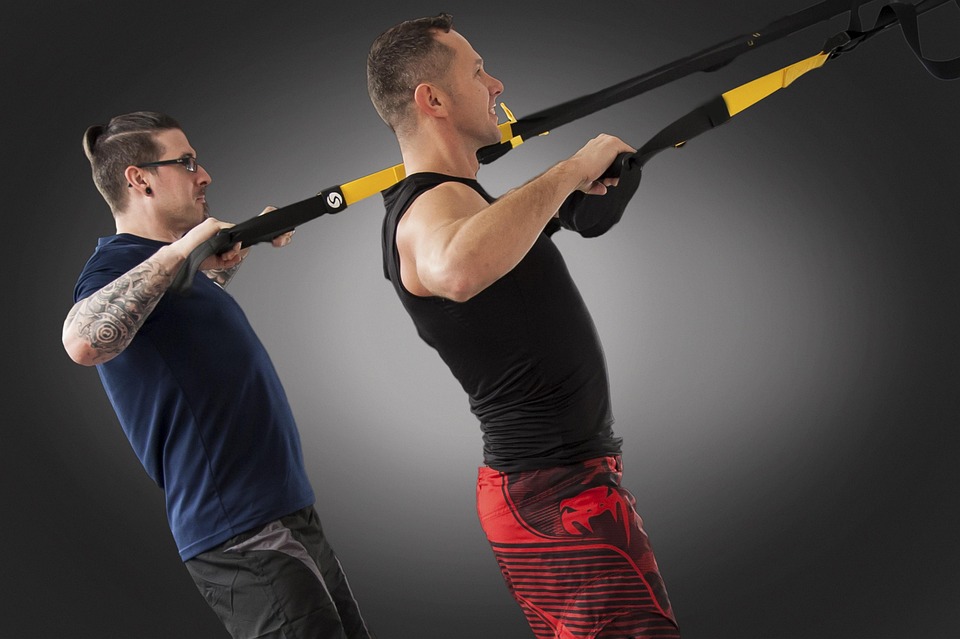
    • Resistance band routines: Portable and easy to adjust, resistance bands allow a full range of motion without overloading joints.
    • Bodyweight exercises: Moves like wall push-ups, modified planks, and glute bridges offer strength improvements using natural resistance.
    • Swimming or water aerobics: The buoyancy of water reduces joint strain while still providing muscular resistance.
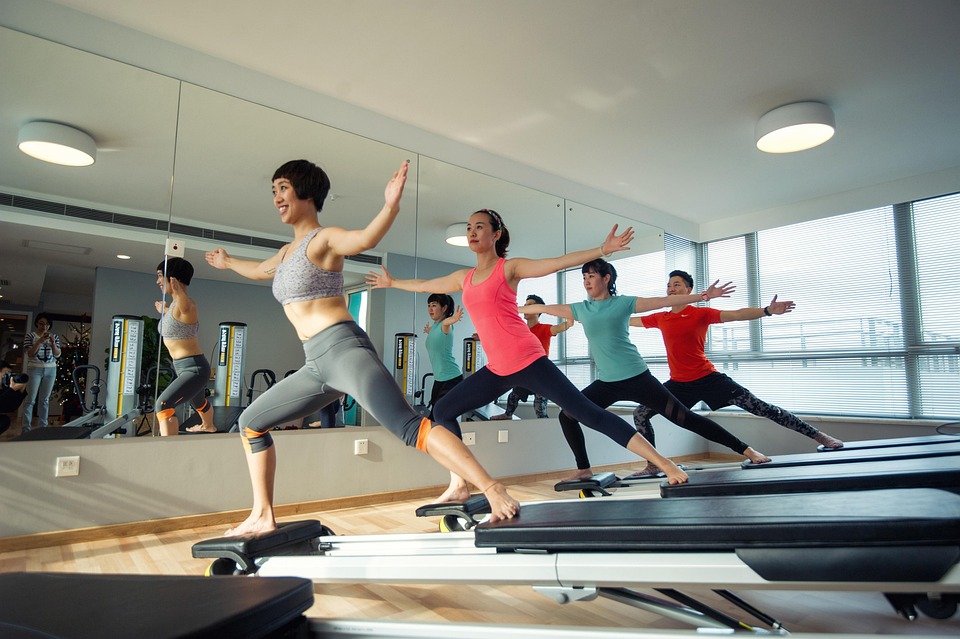
    • Yoga and Pilates: These improve flexibility, alignment, and awareness of joint positioning.

    Practicing proper warm-ups and controlled movement patterns prevents injury and ensures comfort during exercise.

    For those returning to fitness, starting with simple resistance training helps build foundational strength before progressing to weights or machines. Listening to the body’s signals, particularly in the knees, hips, and shoulders, is key to longevity in training.

    Exercises That Naturally Strengthen Bones

    Bone density declines gradually after age 40, particularly for women during and after menopause. To combat this, bone-strengthening exercises play an essential role in maintaining skeletal health. Weight-bearing and resistance-based movements help bones stay dense and resilient by stimulating bone cells known as osteoblasts.

    Proven bone-strengthening exercises include:

    • Squats and lunges: These activate large muscle groups in the legs and stimulate bone growth in the hips and spine.
    • Step-ups: Gentle impact combined with bodyweight resistance encourages bone adaptation in the lower body.
    • Dumbbell presses and rows: Strengthening the arms and shoulders also supports the upper back, maintaining good posture and reducing fracture risk.

    Unlike endurance-based activities, these movements create healthy microstress on bones, encouraging them to repair and rebuild. Combining these sessions with good nutrition, especially calcium and vitamin D, helps maximize results.

    Boosting Metabolism Through Strength Training

    As metabolism naturally slows with age, building and maintaining lean muscle becomes one of the most effective ways to keep it active, according to the World Health Organization. Each pound of muscle tissue burns more calories at rest than fat tissue, which means even small gains in muscle translate to noticeable increases in daily energy expenditure.

    Metabolism boosting strength workouts often include compound movements that work multiple muscle groups at once. Good examples are:

    • Push-ups or modified push-ups: Strengthen the chest, arms, and core simultaneously.
    • Deadlifts with proper form: Engage the lower back, glutes, and legs, leading to efficient calorie burning.
    • Planks and variations: Build core stability while engaging multiple major muscles.
    • Circuit training: Alternating between upper- and lower-body exercises with short rest periods elevates heart rate and keeps metabolism high even after a session ends.

    Combining strength training over 40 with quality sleep, balanced meals, and hydration further enhances metabolic health. Over time, this approach helps stabilize energy levels and makes it easier to maintain a healthy weight.

    A Beginner Routine for Simple Resistance Training Over 40

    Starting a new exercise routine at midlife doesn’t require complicated equipment or fitness memberships. A consistent simple resistance training plan performed two to three times per week can bring noticeable improvements in strength, flexibility, and confidence.

    A sample weekly program might include:

    Day 1 (Upper Body Focus):

    • Wall push-ups – 3 sets of 10–12 reps
    • Seated band rows – 3 sets of 12 reps
    • Dumbbell shoulder press – 2 sets of 10 reps
    • Biceps curls – 2 sets of 12 reps

    Day 2 (Lower Body Focus):

    • Bodyweight squats – 3 sets of 10 reps
    • Step-ups on a low platform – 3 sets of 12 reps
    • Glute bridges – 3 sets of 15 reps
    • Standing calf raises – 2 sets of 12 reps

    Day 3 (Full-Body Mobility and Core):

    • Plank holds – 3 sets of 20–30 seconds
    • Bird dogs – 3 sets of 10 reps each side
    • Gentle yoga or stretching – 15–20 minutes

    Proper form and posture are critical, especially for those just starting. Beginners should prioritize control and range of motion before focusing on weight or intensity.

    As endurance builds, light dumbbells or resistance bands can be added for progressive overload. Consulting a trainer or physical therapist ensures exercises are done safely, particularly for those with existing joint conditions or previous injuries, as per the Centers for Disease Control and Prevention.

    Mistakes to Avoid When Doing Strength Training Over 40

    Even experienced exercisers can make errors that hinder progress or increase injury risk. Common missteps include:

    • Skipping warm-ups and cooldowns: Cold muscles are prone to strain, while skipping stretching can limit flexibility over time.
    • Overtraining: Insufficient rest prevents muscle recovery and can cause chronic fatigue or joint inflammation.
    • Lifting too heavy too soon: Gradually increasing resistance is safer and more sustainable than sudden weight jumps.
    • Ignoring recovery: Adequate sleep, hydration, and nutrition play a direct role in muscle repair and joint support.

    Avoiding these pitfalls helps make joint-friendly workouts more sustainable for long-term consistency.

    Stay Strong and Active After 40

    Maintaining strength after 40 is less about chasing performance goals and more about building resilience that supports everyday life. Engaging in strength training over 40 helps preserve joint function, strengthens bones, and keeps metabolism high, all factors that directly contribute to quality of life.

    By incorporating joint-friendly workouts and bone-strengthening exercises, adults can remain active without discomfort or risk of injury. Consistent, simple resistance training routines bring gradual yet lasting improvements in posture, coordination, and muscle tone.

    The body may change with age, but its ability to adapt never truly fades. With practical strength sessions and mindful habits, staying strong, flexible, and energized at any age becomes not just possible, but entirely achievable.

    Frequently Asked Questions

    1. How long does it take to see results from strength training over 40?

    Visible results can appear within 6–8 weeks of consistent workouts, though strength and energy improvements often occur sooner. Progress depends on diet, sleep, and workout frequency.

    2. Can strength training over 40 help with weight management?

    Yes. Strength training builds lean muscle, which burns more calories at rest and supports healthy weight regulation even without intense cardio.

    3. Is it safe to lift weights daily after 40?

    Not recommended. Muscles and joints need rest to recover. Training 2–4 times per week with rest days in between helps prevent overuse and injury.

    4. Do I need supplements for strength training over 40?

    In most cases, a balanced diet provides sufficient nutrients, but supplements like protein, vitamin D, or calcium can help if dietary intake is low, always consult a healthcare provider first.

    Source link

  • Burn Calories Like Crazy: Top 10 Cardio Workouts for Effective Weight Loss

    Burn Calories Like Crazy: Top 10 Cardio Workouts for Effective Weight Loss

    She’s always on the lookout for the most effective ways to burn calories like crazy and achieve her weight loss goals. One of the most popular and efficient methods is through cardio workouts, which get her heart rate up and her body moving. In this article, we’ll explore the top 10 cardio workouts for effective weight loss, helping her to lose weight and feel great in the process.

    Introduction to Cardio Workouts

    Cardio exercises are an essential part of any weight loss program, as they help to burn calories and improve overall health. By incorporating cardio workouts into her routine, she can expect to see significant improvements in her physical fitness and a reduction in body fat. But with so many different types of cardio exercises out there, it can be difficult to know where to start. That’s why we’ve put together this list of the top 10 cardio workouts for effective weight loss, to help her get started on her weight loss journey.

    Top 10 Cardio Workouts for Effective Weight Loss

    1. Running: One of the most popular cardio workouts out there, running is a great way to burn calories and improve cardiovascular health. Whether she prefers to hit the treadmill or pound the pavement, running is an excellent way to get her heart rate up and lose weight.
    2. Swimming: Swimming is a low-impact cardio workout that’s easy on the joints, making it perfect for those who are just starting out or have mobility issues. It’s also a great way to burn calories and build endurance.
    3. Cycling: Whether she prefers to ride a stationary bike or hit the trails, cycling is a fun and effective way to burn calories and improve cardiovascular health.
    4. High-Intensity Interval Training (HIIT): HIIT involves short bursts of intense exercise followed by brief periods of rest. This type of cardio workout is great for burning calories and improving endurance.
    5. Jumping Rope: Jumping rope is a fun and challenging cardio workout that’s easy to do at home. It’s a great way to burn calories and improve coordination and agility.
    6. Boxing: Boxing is a high-energy cardio workout that’s perfect for those who enjoy martial arts. It’s a great way to burn calories and improve hand-eye coordination.
    7. Dancing: Dancing is a fun and energetic cardio workout that’s perfect for those who love music and movement. It’s a great way to burn calories and improve coordination and rhythm.
    8. Rowing: Rowing is a low-impact cardio workout that’s easy on the joints. It’s a great way to burn calories and improve cardiovascular health.
    9. Stair Climbing: Stair climbing is a great cardio workout that’s easy to do at home or in the gym. It’s a great way to burn calories and improve leg strength.
    10. Elliptical Trainer: The elliptical trainer is a low-impact cardio workout that’s easy on the joints. It’s a great way to burn calories and improve cardiovascular health.

    Benefits of Cardio Workouts for Weight Loss

    Incorporating cardio workouts into her routine can have numerous benefits for weight loss. Some of the benefits include:

    • Increased caloric burn: Cardio exercises help to burn calories and increase metabolism, leading to weight loss.
    • Improved cardiovascular health: Regular cardio workouts can help to improve cardiovascular health, reducing the risk of heart disease and stroke.
    • Increased energy: Cardio exercises can help to increase energy levels, making it easier to tackle daily tasks and activities.
    • Improved mental health: Exercise has been shown to have a positive impact on mental health, reducing stress and anxiety.

    Tips for Getting the Most Out of Cardio Workouts

    To get the most out of cardio workouts, it’s essential to keep the following tips in mind:

    • Start slow: Begin with shorter, less intense cardio workouts and gradually increase duration and intensity as fitness levels improve.
    • Listen to your body: Rest and recovery are just as important as exercise. Make sure to listen to your body and take rest days as needed.
    • Stay hydrated: Proper hydration is essential for cardio workouts, so make sure to drink plenty of water before, during, and after exercise.
    • Mix it up: Vary cardio workouts to avoid boredom and prevent plateaus.

    Conclusion

    Incorporating cardio workouts into her routine is a great way to burn calories like crazy and achieve weight loss goals. With so many different types of cardio exercises to choose from, there’s something for everyone. By following the tips and guidelines outlined in this article, she can get started on her weight loss journey and start seeing results in no time. Remember to always listen to your body and consult with a healthcare professional before starting any new exercise program.

    FAQs

    Q: What is the best cardio workout for weight loss?
    A: The best cardio workout for weight loss will vary depending on individual fitness levels and goals. However, some of the most effective cardio workouts for weight loss include running, swimming, and HIIT.

    Q: How often should I do cardio workouts to lose weight?
    A: The frequency of cardio workouts will depend on individual fitness levels and goals. However, it’s generally recommended to aim for at least 150 minutes of moderate-intensity cardio exercise per week.

    Q: Can I do cardio workouts at home?
    A: Yes, there are many cardio workouts that can be done at home, including jumping rope, dancing, and bodyweight exercises.

    Q: Do I need to warm up before cardio workouts?
    A: Yes, it’s essential to warm up before cardio workouts to prevent injury and improve performance. A 5-10 minute warm-up of light cardio and stretching can help to get her ready for her cardio workout.

    Q: Can cardio workouts help with mental health?
    A: Yes, cardio workouts have been shown to have a positive impact on mental health, reducing stress and anxiety. Exercise has been shown to release endorphins, which can help to improve mood and reduce symptoms of depression.

    burn-calories-like-crazy-top-10-cardio-workouts-for-effective-weight-loss

  • Hydrate to Dominate: Top 10 Ways to Stay Hydrated During Intense Workouts

    Hydrate to Dominate: Top 10 Ways to Stay Hydrated During Intense Workouts

    Staying hydrated is crucial for anyone who engages in intense workouts. When the body is properly hydrated, it functions more efficiently, allowing individuals to push themselves to new heights and achieve their fitness goals. On the other hand, dehydration can lead to decreased performance, fatigue, and even serious health complications. For those who want to dominate their workouts and take their fitness to the next level, staying hydrated is essential. In this article, we will explore the top 10 ways to stay hydrated during intense workouts, helping individuals to hydrate and dominate their fitness routines.

    Understanding the Importance of Hydration
    Hydration is often overlooked as a critical component of fitness, but it plays a vital role in physical performance. When the body is hydrated, it can regulate its temperature, transport nutrients and oxygen to cells, and remove waste products. During intense workouts, the body loses water and electrolytes through sweat, making it essential to replenish these fluids to maintain optimal performance. Dehydration can cause a range of symptoms, from mild headaches and fatigue to serious health issues like heat stroke and kidney damage. By prioritizing hydration, individuals can avoid these complications and perform at their best.

    1. Drink Plenty of Water Before Your Workout
    One of the most effective ways to stay hydrated during intense workouts is to drink plenty of water before exercising. The American College of Sports Medicine recommends drinking 17-20 ounces of water 2-3 hours before exercise to ensure proper hydration. This allows the body to absorb the water and maintain optimal fluid levels throughout the workout. Additionally, drinking water before exercise can help to prevent dehydration and reduce the risk of heat-related illnesses.

    2. Monitor Your Urine Output
    Monitoring urine output is a simple yet effective way to gauge hydration levels. If urine is pale yellow or clear, it’s a sign that the body is well-hydrated. On the other hand, dark yellow or amber-colored urine indicates dehydration. By monitoring urine output, individuals can adjust their hydration strategy to ensure they are drinking enough water throughout the day. This is especially important during intense workouts, when the body loses more water and electrolytes through sweat.

    3. Use a Hydration Tracker
    Staying on top of hydration can be challenging, especially during intense workouts. Using a hydration tracker can help individuals monitor their fluid intake and ensure they are drinking enough water throughout the day. These trackers can be worn on the wrist or clipped to clothing, providing a convenient and accurate way to monitor hydration levels. By setting reminders and tracking progress, individuals can develop healthy hydration habits that support their fitness goals.

    4. Incorporate Electrolyte-Rich Foods into Your Diet
    Electrolytes, such as sodium, potassium, and calcium, play a critical role in maintaining proper hydration levels. These minerals help regulate fluid balance, nerve function, and muscle contractions, making them essential for physical performance. Incorporating electrolyte-rich foods into your diet, such as bananas, avocados, and nuts, can help replenish these minerals and support hydration. Additionally, electrolyte-rich beverages like sports drinks or coconut water can provide an extra boost of hydration during intense workouts.

    5. Avoid Caffeine and Sugary Drinks
    Caffeine and sugary drinks may seem like a quick pick-me-up before a workout, but they can actually exacerbate dehydration. Caffeine is a diuretic, causing the body to lose more water and electrolytes through urine production. Sugary drinks, on the other hand, can cause an insulin spike, leading to an increase in urine production and dehydration. By avoiding these drinks and opting for water or electrolyte-rich beverages instead, individuals can stay hydrated and perform at their best.

    6. Drink Water During Your Workout
    Drinking water during intense workouts is essential for maintaining proper hydration levels. The American College of Sports Medicine recommends drinking 7-10 ounces of water every 10-15 minutes during exercise to replenish lost fluids. This can be especially challenging during high-intensity workouts, when individuals may not feel like stopping to drink water. However, by incorporating water breaks into their routine, individuals can stay hydrated and avoid dehydration.

    7. Use a Water Bottle with Measurements
    Using a water bottle with measurements can help individuals track their fluid intake and stay hydrated during intense workouts. These bottles typically have markings that indicate the amount of water consumed, making it easy to monitor progress and adjust hydration strategy as needed. By setting goals and tracking progress, individuals can develop healthy hydration habits that support their fitness goals.

    8. Incorporate Hydrating Foods into Your Post-Workout Routine
    Incorporating hydrating foods into your post-workout routine can help replenish lost fluids and electrolytes. Foods like watermelon, cantaloupe, and honeydew are high in water content and electrolytes, making them perfect for post-workout hydration. Additionally, foods like lean proteins, complex carbohydrates, and healthy fats can help support muscle recovery and growth. By incorporating these foods into your post-workout routine, individuals can stay hydrated and support their fitness goals.

    9. Avoid Overhydration
    While dehydration is a significant concern during intense workouts, overhydration can also be a problem. Drinking too much water can lead to a condition called hyponatremia, where the body’s sodium levels become diluted. This can cause a range of symptoms, from mild headaches and fatigue to serious health complications like seizures and coma. By monitoring urine output and drinking water in moderation, individuals can avoid overhydration and stay hydrated during intense workouts.

    10. Listen to Your Body
    Finally, listening to your body is essential for staying hydrated during intense workouts. If you’re feeling fatigued, dizzy, or experiencing muscle cramps, it may be a sign that you’re not drinking enough water. By paying attention to your body and adjusting your hydration strategy as needed, individuals can stay hydrated and perform at their best. Additionally, listening to your body can help you avoid dehydration and overhydration, ensuring a safe and effective workout.

    In conclusion, staying hydrated is essential for dominating intense workouts. By incorporating these top 10 ways to stay hydrated into your fitness routine, individuals can perform at their best, avoid dehydration and overhydration, and support their overall health and wellness. Whether you’re a seasoned athlete or just starting out, prioritizing hydration is critical for achieving your fitness goals. So, grab a water bottle, monitor your urine output, and listen to your body – it’s time to hydrate and dominate your workouts.

    Frequently Asked Questions

    Q: How much water should I drink during intense workouts?
    A: The American College of Sports Medicine recommends drinking 7-10 ounces of water every 10-15 minutes during exercise to replenish lost fluids.

    Q: What are the symptoms of dehydration?
    A: Symptoms of dehydration can range from mild headaches and fatigue to serious health complications like heat stroke and kidney damage.

    Q: Can I drink sports drinks during intense workouts?
    A: Yes, sports drinks can provide an extra boost of hydration during intense workouts, especially for athletes who engage in high-intensity, long-duration activities.

    Q: How can I monitor my hydration levels?
    A: Monitoring urine output is a simple yet effective way to gauge hydration levels. If urine is pale yellow or clear, it’s a sign that the body is well-hydrated.

    Q: Can I overhydrate during intense workouts?
    A: Yes, drinking too much water can lead to a condition called hyponatremia, where the body’s sodium levels become diluted. By monitoring urine output and drinking water in moderation, individuals can avoid overhydration.

    hydrate-to-dominate-top-10-ways-to-stay-hydrated-during-intense-workouts

  • Top 10 Essential Fitness Equipment for Home Workouts: Get Fit from the Comfort of Your Own Home

    Top 10 Essential Fitness Equipment for Home Workouts: Get Fit from the Comfort of Your Own Home

    She’s always been passionate about fitness, but with her busy schedule, finding time to go to the gym can be a challenge. That’s why she’s decided to invest in some essential fitness equipment for home workouts. With the right gear, she can get fit from the comfort of her own home, without having to worry about commuting to the gym or dealing with crowded equipment.

    Getting Started with Home Workouts

    Before she begins, she needs to consider a few things. First, she needs to think about the type of exercises she wants to do. Does she want to focus on cardio, strength training, or a combination of both? This will help her determine which equipment she needs to get started. She also needs to consider the space she has available in her home. If she has a small apartment, she’ll want to opt for compact equipment that won’t take up too much room.

    Top 10 Essential Fitness Equipment for Home Workouts

    After doing some research, she’s identified the top 10 essential fitness equipment for home workouts. These are the must-haves that will help her get fit and stay motivated.

    1. Treadmill: A treadmill is a great piece of equipment for cardio workouts. She can use it to run, walk, or jog, and it’s especially useful for those days when the weather outside is bad. Look for a treadmill with a sturdy frame, a comfortable running surface, and a variety of pre-set programs to keep her workouts interesting.

    2. Adjustable Dumbbells: Dumbbells are a great way to strength train at home. She can use them to work out her arms, legs, and core, and they’re easy to store when not in use. Look for adjustable dumbbells that can be changed to different weights, so she can progress her workouts as she gets stronger.

    3. Resistance Band: Resistance bands are a versatile piece of equipment that can be used for a variety of exercises. She can use them to work out her arms, legs, and chest, and they’re lightweight and easy to take on the go.

    4. Exercise Ball: An exercise ball is a great way to improve her balance and core strength. She can use it to do crunches, leg raises, and other exercises that target her core muscles.

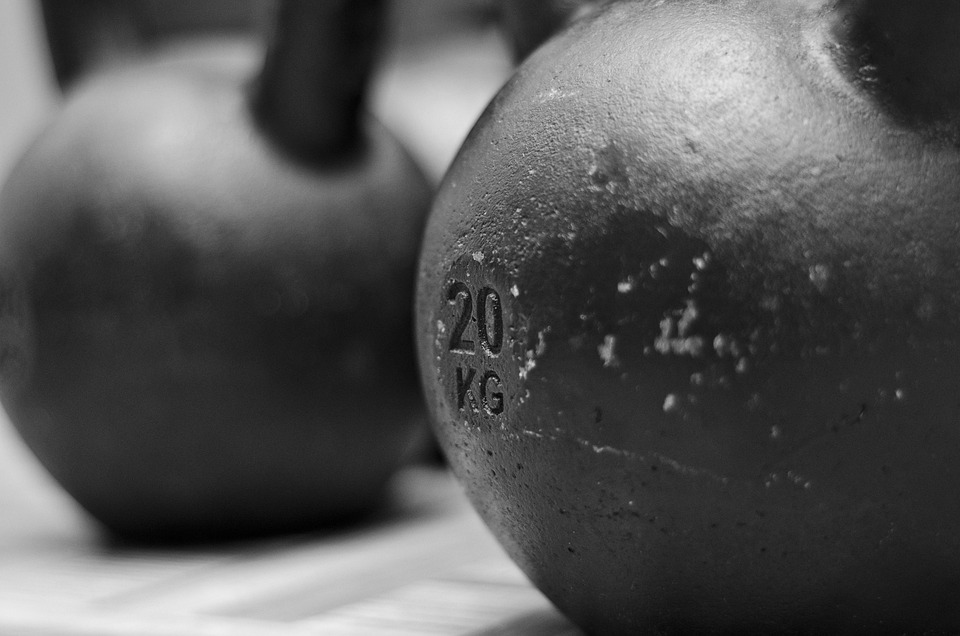
    5. Kettlebell: A kettlebell is a weight that resembles a ball with a handle. She can use it to do swings, squats, and other exercises that work out her entire body.

    6. Pull-Up Bar: A pull-up bar is a great way to work out her upper body. She can use it to do pull-ups, chin-ups, and other exercises that target her back and arm muscles.

    7. Step Bench: A step bench is a great way to work out her legs and glutes. She can use it to do step-ups, lunges, and other exercises that target her lower body.

    8. Yoga Mat: A yoga mat is a must-have for any home workout routine. She can use it to do yoga, Pilates, and other exercises that require a comfortable and non-slip surface.

    9. Jump Rope: A jump rope is a great way to get a cardio workout at home. She can use it to do jump rope exercises, which are high-intensity and calorie-burning.

    10. Foam Roller: A foam roller is a great way to recover from her workouts. She can use it to roll out her muscles, which helps to reduce soreness and improve circulation.

    Benefits of Home Workouts

    There are many benefits to working out at home. For one, it’s convenient. She can work out whenever she wants, without having to worry about gym hours or commuting time. It’s also cost-effective, as she doesn’t have to pay for a gym membership or expensive equipment. Plus, she can customize her workouts to fit her needs and goals, which helps her stay motivated and engaged.

    Creating a Home Workout Routine

    Now that she has the essential fitness equipment, she needs to create a home workout routine. She can start by setting specific goals for herself, such as losing weight or increasing her strength. Then, she can create a schedule that includes a mix of cardio, strength training, and flexibility exercises. She can also incorporate high-intensity interval training (HIIT) and other techniques to keep her workouts interesting and challenging.

    Tips for Staying Motivated

    Staying motivated is key to any successful home workout routine. She can start by tracking her progress, which helps her see how far she’s come and stay motivated to continue. She can also find a workout buddy or join a fitness community, which provides support and accountability. Additionally, she can reward herself for reaching milestones, which helps to stay motivated and engaged.

    Conclusion

    She’s excited to start her home workout routine and get fit from the comfort of her own home. With the right equipment and a solid plan, she knows she can reach her fitness goals and feel great. She’s looking forward to the convenience, cost-effectiveness, and customization that comes with working out at home. And with the top 10 essential fitness equipment, she’s ready to take her fitness journey to the next level.

    FAQs

    Q: What’s the best way to get started with home workouts?
    A: Start by setting specific goals and creating a schedule that includes a mix of cardio, strength training, and flexibility exercises.

    Q: What’s the most important piece of equipment for home workouts?
    A: A treadmill is a great piece of equipment for cardio workouts, but the most important piece of equipment is the one that she enjoys using the most.

    Q: How can she stay motivated with home workouts?
    A: Tracking progress, finding a workout buddy, and rewarding herself for reaching milestones are all great ways to stay motivated with home workouts.

    Q: Can she really get fit from the comfort of her own home?
    A: Yes, with the right equipment and a solid plan, she can definitely get fit from the comfort of her own home. It’s all about finding a routine that works for her and sticking to it.

    top-10-essential-fitness-equipment-for-home-workouts-get-fit-from-the-comfort-of-your-own-home

  • Sweat in the Sun: 10 Astonishing Benefits of Outdoor Workouts for a Healthier You (Target keywords: outdoor workouts, benefits, healthier)

    Sweat in the Sun: 10 Astonishing Benefits of Outdoor Workouts for a Healthier You (Target keywords: outdoor workouts, benefits, healthier)

    She’s always been a fan of outdoor workouts, and for good reason. There’s something about breathing in fresh air and soaking up the sun’s rays that just makes her feel more alive. But it’s not just about the aesthetic appeal – exercising outdoors has some amazing benefits that can contribute to a healthier lifestyle. In this article, we’ll delve into the astonishing advantages of taking your workout routine outside, and explore how it can transform your overall well-being.

    Introduction to Outdoor Workouts

    When it comes to outdoor workouts, many people think of jogging or cycling, but there are countless other activities to explore. From hiking and swimming to team sports and yoga, the great outdoors offers a diverse range of opportunities to get moving and grooving. Not only can exercising outside be a great way to mix up your routine and avoid boredom, but it also provides a unique chance to connect with nature and enjoy the scenery. Whether you’re a fan of urban landscapes or prefer more rural settings, there’s an outdoor workout to suit every taste and preference.

    Physical Health Benefits

    One of the most significant benefits of outdoor workouts is the positive impact on physical health. For starters, exercising outside can help improve cardiovascular health by increasing heart rate and blood flow. This can lead to a range of advantages, including lower blood pressure, improved circulation, and enhanced overall fitness. Additionally, outdoor workouts can help build stronger bones and muscles, thanks to the varied terrain and unpredictable conditions that often come with exercising outside. This can be particularly beneficial for older adults or individuals with osteoporosis, as it can help reduce the risk of fractures and other injuries.

    Mental Health Benefits

    In addition to the physical benefits, outdoor workouts can also have a profound impact on mental health. Being in nature has been shown to reduce stress levels, improve mood, and even alleviate symptoms of anxiety and depression. This is often referred to as the "nature therapy" effect, and it’s thought to be linked to the calming and restorative properties of the natural environment. Furthermore, exercising outside can provide a sense of freedom and adventure, which can be a great way to boost self-esteem and confidence. Whether you’re looking to manage stress, improve your mood, or simply feel more connected to the world around you, outdoor workouts are an excellent way to prioritize your mental healthier.

    Social Benefits

    Another significant advantage of outdoor workouts is the social aspect. Exercising outside provides a great opportunity to meet new people and make friends, whether it’s through joining a recreational sports team, attending a fitness class, or simply striking up a conversation with a fellow jogger or cyclist. This can be especially beneficial for individuals who struggle with social anxiety or feel isolated in their daily lives. By getting outside and engaging with others, you can build meaningful relationships, develop a sense of community, and even find a workout buddy to help keep you motivated and accountable.

    Vitamin D and Sunlight

    One of the most overlooked benefits of outdoor workouts is the opportunity to soak up some sunshine and boost your vitamin D levels. This essential nutrient plays a critical role in maintaining strong bones, immune function, and even mental health, and it’s often difficult to get enough of it through diet alone. By exercising outside, you can increase your exposure to UV rays and help your body produce the vitamin D it needs to function properly. Just be sure to wear sunscreen and protective clothing to avoid overexposure and minimize the risk of skin damage.

    Improved Sleep

    Exercising outside can also have a positive impact on sleep quality, which is essential for overall healthier. When you spend time outside, your body is exposed to natural light and darkness, which can help regulate your circadian rhythms and improve the quality of your sleep. This can be especially beneficial for individuals who struggle with insomnia, sleep apnea, or other sleep disorders. By getting outside and enjoying some fresh air and exercise, you can help your body get the rest it needs to function at its best.

    Increased Calorie Burn

    Outdoor workouts can also be a great way to boost your calorie burn and support weight loss efforts. When you exercise outside, you’re often forced to adapt to changing terrain, wind resistance, and other environmental factors, which can help increase the intensity and effectiveness of your workout. This can be especially beneficial for individuals who are looking to shed a few pounds or improve their overall fitness level. By incorporating outdoor workouts into your routine, you can challenge yourself in new and exciting ways, and enjoy the benefits of a more efficient calorie burn.

    Accessibility and Convenience

    One of the best things about outdoor workouts is their accessibility and convenience. Unlike traditional gym workouts, which often require a membership or specialized equipment, exercising outside can be done virtually anywhere, at any time. Whether you’re looking to squeeze in a quick jog during your lunch break or enjoy a leisurely bike ride on the weekend, outdoor workouts offer a flexible and adaptable way to stay active and engaged. This can be especially beneficial for individuals with busy schedules or limited access to traditional fitness facilities.

    Variety and Fun

    Finally, outdoor workouts offer a unique opportunity to mix up your routine and try new things. Whether you’re interested in hiking, kayaking, or simply playing a game of fetch with your dog, there are countless ways to stay active and engaged outside. This can help prevent boredom and burnout, which are common pitfalls of traditional gym workouts. By incorporating outdoor workouts into your routine, you can add some much-needed variety and fun to your fitness routine, and enjoy the benefits of a more engaging and effective workout.

    Conclusion

    In conclusion, outdoor workouts offer a wide range of benefits that can contribute to a healthier lifestyle. From improving physical and mental health to increasing social connections and vitamin D levels, exercising outside can have a profound impact on overall well-being. Whether you’re a seasoned athlete or just starting out, outdoor workouts provide a flexible, accessible, and enjoyable way to stay active and engaged. So why not give it a try? Ditch the treadmill and take your workout routine outside – your body (and mind) will thank you!

    FAQs

    Q: What are some good outdoor workouts for beginners?
    A: Some great outdoor workouts for beginners include jogging, cycling, swimming, and yoga. These activities are relatively low-impact and can be modified to suit your fitness level.

    Q: How can I stay safe during outdoor workouts?
    A: To stay safe during outdoor workouts, be sure to wear protective clothing, bring plenty of water and snacks, and let someone know your route and expected return time.

    Q: Can outdoor workouts help with weight loss?
    A: Yes, outdoor workouts can be a great way to support weight loss efforts. By increasing your calorie burn and challenging yourself in new and exciting ways, you can help shed pounds and improve your overall fitness level.

    Q: What are some good outdoor workouts for mental health?
    A: Some great outdoor workouts for mental health include yoga, hiking, and swimming. These activities can help reduce stress levels, improve mood, and even alleviate symptoms of anxiety and depression.

    Q: Can I do outdoor workouts with a friend or family member?
    A: Absolutely! Outdoor workouts are a great way to spend time with friends and family while staying active and engaged. Consider joining a recreational sports team, attending a fitness class, or simply going for a jog or bike ride together.

    sweat-in-the-sun-10-astonishing-benefits-of-outdoor-workouts-for-a-healthier-you-target-keywords-outdoor-workouts-benefits-healthier

  • Flex Your Way to Fitness: Why Stretching Before and After Workouts Matters (Target keywords: stretching before workouts, stretching after workouts, fitness)

    Flex Your Way to Fitness: Why Stretching Before and After Workouts Matters (Target keywords: stretching before workouts, stretching after workouts, fitness)

    Stretching is an essential part of any fitness routine, and it’s often overlooked by many individuals who are eager to dive into their workouts. However, incorporating stretching before and after workouts can make a significant difference in one’s overall fitness journey. In this article, we will delve into the importance of stretching before and after workouts, and why it’s crucial to make it a habit.

    The Benefits of Stretching Before Workouts

    When it comes to stretching before workouts, many people wonder why it’s necessary. The answer lies in the fact that stretching prepares the muscles for physical activity. When you stretch before a workout, you increase blood flow to the muscles, which helps to reduce muscle soreness and improve flexibility. This, in turn, allows you to perform at a higher intensity and reduces the risk of injury. Moreover, stretching before workouts can also improve your range of motion, making it easier to move through different exercises with proper form.

    For example, if you’re planning to go for a run, stretching before workouts can help loosen up your hip flexors, calves, and hamstrings, making it easier to maintain a consistent stride. Similarly, if you’re about to engage in a strength training session, stretching can help prepare your muscles for the heavy lifting, reducing the risk of strains and pulls.

    The Importance of Stretching After Workouts

    Stretching after workouts is just as crucial as stretching before. When you exercise, your muscles undergo micro-tears, which can lead to soreness and stiffness. Stretching after a workout helps to repair and rebuild these muscles, reducing muscle soreness and improving recovery time. Additionally, stretching after workouts can also help to improve flexibility and range of motion, making it easier to move through daily activities with ease.

    Furthermore, stretching after workouts can also help to reduce the risk of injury. When you’re finished with a workout, your muscles are warm and more receptive to stretching. This is the perfect time to target specific areas that may be prone to injury, such as the hamstrings, quadriceps, and lower back. By stretching these areas, you can help to reduce muscle imbalances and improve overall muscle function.

    How to Stretch Before and After Workouts

    Now that we’ve established the importance of stretching before and after workouts, let’s talk about how to do it effectively. When it comes to stretching before workouts, it’s essential to focus on dynamic stretches that mimic the movements you’ll be doing during your workout. For example, if you’re about to go for a run, you can do leg swings, hip circles, and calf raises to loosen up your legs.

    On the other hand, when it comes to stretching after workouts, it’s best to focus on static stretches that target specific muscle groups. For example, if you’ve just finished a strength training session, you can do stretches that target your chest, back, and shoulders. Hold each stretch for 20-30 seconds and breathe deeply, feeling the stretch in your muscles.

    Tips for Incorporating Stretching into Your Fitness Routine

    Incorporating stretching into your fitness routine can be easy and convenient. Here are a few tips to get you started:

    • Make stretching a habit by doing it at the same time every day
    • Focus on major muscle groups such as the hamstrings, quadriceps, chest, back, and shoulders
    • Hold each stretch for 20-30 seconds and breathe deeply
    • Don’t bounce or force your way into a stretch, as this can cause injury
    • Stretch after your workout, when your muscles are warm and most receptive to stretching

    The Benefits of Consistent Stretching

    Consistent stretching can have a significant impact on your overall fitness journey. By incorporating stretching before and after workouts into your routine, you can:

    • Improve flexibility and range of motion
    • Reduce muscle soreness and improve recovery time
    • Improve athletic performance and reduce the risk of injury
    • Enhance overall muscle function and reduce muscle imbalances
    • Improve circulation and reduce inflammation

    In conclusion, stretching before and after workouts is essential for anyone looking to improve their fitness and reduce the risk of injury. By incorporating stretching into your routine, you can improve flexibility, reduce muscle soreness, and enhance overall muscle function. Remember to focus on dynamic stretches before workouts and static stretches after workouts, and make stretching a habit by doing it at the same time every day.

    Frequently Asked Questions

    Q: How long should I hold each stretch for?
    A: Hold each stretch for 20-30 seconds and breathe deeply, feeling the stretch in your muscles.

    Q: Should I stretch before or after my workout?
    A: Both! Stretching before workouts prepares your muscles for physical activity, while stretching after workouts helps to repair and rebuild muscles, reducing muscle soreness and improving recovery time.

    Q: What are the best stretches for beginners?
    A: Focus on major muscle groups such as the hamstrings, quadriceps, chest, back, and shoulders. You can also try simple stretches like leg swings, hip circles, and calf raises.

    Q: Can I stretch if I’m injured?
    A: Yes, but be gentle and avoid any stretches that may exacerbate the injury. It’s always best to consult with a healthcare professional or physical therapist before starting a new stretching routine, especially if you’re injured.

    Q: How often should I stretch?
    A: Aim to stretch at least 2-3 times per week, but ideally every day. Make stretching a habit by doing it at the same time every day, such as after your workout or before bed.

    flex-your-way-to-fitness-why-stretching-before-and-after-workouts-matters-target-keywords-stretching-before-workouts-stretching-after-workouts-fitness

  • The Ultimate Buyer’s Guide to Choosing the Best Fitness Tracker for Your Workouts: Top Features & Reviews

    The Ultimate Buyer’s Guide to Choosing the Best Fitness Tracker for Your Workouts: Top Features & Reviews

    Getting Started with Fitness Tracking

    For anyone looking to take their workouts to the next level, a fitness tracker is an essential tool. These sleek devices can monitor everything from heart rate and step count to sleep patterns and calories burned. But with so many options on the market, choosing the best fitness tracker can be overwhelming. In this article, we’ll break down the top features to look for and provide reviews of some of the most popular models.

    Understanding the Basics

    Before diving into the world of fitness tracking, it’s essential to understand the basics. A fitness tracker is a wearable device that uses sensors to monitor various aspects of a person’s physical activity. These devices can be worn on the wrist, clipped to clothing, or even integrated into smart clothing. When choosing a fitness tracker, it’s crucial to consider what features are most important to you. Do you want to track your daily step count, or are you more interested in monitoring your heart rate during intense workouts?

    Key Features to Consider

    When selecting a fitness tracker, there are several key features to consider. First and foremost, look for a device with a reliable and accurate sensor system. This will ensure that your tracker is providing you with accurate data. Other essential features include a user-friendly interface, water resistance, and a long-lasting battery. Some trackers also offer additional features such as GPS, music control, and mobile payment capabilities.

    • Heart Rate Monitoring: A built-in heart rate monitor is a must-have for anyone serious about fitness. This feature allows you to track your heart rate in real-time, providing valuable insights into your physical condition.
    • Water Resistance: If you plan on wearing your tracker during water-based activities or exposure to heavy sweat, look for a device with a high level of water resistance.
    • GPS Tracking: GPS tracking is essential for runners, cyclists, and other athletes who need to monitor their distance, pace, and route.
    • Sleep Tracking: A good night’s sleep is crucial for physical recovery, and a fitness tracker with sleep tracking capabilities can provide valuable insights into your sleep patterns.

    Top Fitness Trackers on the Market

    With so many options available, it can be challenging to choose the best fitness tracker for your needs. Here are some of the top models on the market, each with their unique features and benefits:

    • Fitbit Charge 3: The Fitbit Charge 3 is a popular choice for fitness enthusiasts. It offers advanced features such as heart rate monitoring, GPS tracking, and water resistance up to 50 meters.
    • Garmin Forerunner 945: The Garmin Forerunner 945 is a high-end fitness tracker designed specifically for athletes. It offers advanced features such as GPS tracking, heart rate monitoring, and music storage.
    • Apple Watch Series 5: The Apple Watch Series 5 is a sleek and stylish fitness tracker that integrates seamlessly with Apple devices. It offers features such as heart rate monitoring, GPS tracking, and mobile payment capabilities.

    Reviews and Comparisons

    When choosing a fitness tracker, it’s essential to read reviews and compare different models. Here’s a comparison of some of the top fitness trackers on the market:

    Fitness Tracker Heart Rate Monitoring GPS Tracking Water Resistance
    Fitbit Charge 3 Yes Yes Up to 50 meters
    Garmin Forerunner 945 Yes Yes Up to 50 meters
    Apple Watch Series 5 Yes Yes Up to 50 meters

    Additional Tips and Considerations

    When choosing a fitness tracker, there are several additional tips and considerations to keep in mind. First and foremost, consider your budget. Fitness trackers can range in price from under $50 to over $500, so it’s essential to set a budget before making a purchase. Additionally, consider the compatibility of your tracker with your smartphone or other devices. Some trackers may only be compatible with specific operating systems or devices, so be sure to check before making a purchase.

    Conclusion

    Choosing the best fitness tracker for your workouts can be a daunting task, but with the right information, you can make an informed decision. By considering key features such as heart rate monitoring, GPS tracking, and water resistance, you can find a device that meets your unique needs. Whether you’re a casual fitness enthusiast or a serious athlete, a fitness tracker can be a valuable tool in your fitness journey. So why wait? Start tracking your fitness today and take the first step towards a healthier, happier you.

    Frequently Asked Questions

    • Q: What is the best fitness tracker for beginners?
      A: The best fitness tracker for beginners is the Fitbit Charge 3. It offers a user-friendly interface and a range of features such as heart rate monitoring and GPS tracking.
    • Q: Can I wear my fitness tracker in the shower?
      A: It depends on the device. Some fitness trackers are water-resistant up to 50 meters, while others may not be suitable for exposure to water. Be sure to check the specifications of your device before wearing it in the shower.
    • Q: How long does a fitness tracker battery last?
      A: The battery life of a fitness tracker can vary depending on the device and usage. Some trackers can last up to 7 days on a single charge, while others may need to be charged daily.
    • Q: Can I use my fitness tracker with my smartphone?
      A: Yes, most fitness trackers are compatible with smartphones. However, be sure to check the compatibility of your device with your smartphone before making a purchase.

    the-ultimate-buyers-guide-to-choosing-the-best-fitness-tracker-for-your-workouts-top-features-reviews

  • 10 High-Intensity Interval Training (HIIT) Workouts That Get Results Fast (Keyword phrase: HIIT workouts)

    10 High-Intensity Interval Training (HIIT) Workouts That Get Results Fast (Keyword phrase: HIIT workouts)

    When it comes to getting in shape, many people are looking for a workout routine that can deliver results quickly. One of the most effective ways to achieve this is through High-Intensity Interval Training, or HIIT workouts. HIIT workouts involve short bursts of intense exercise followed by brief periods of rest, and they have been shown to be incredibly effective for burning fat, building muscle, and improving cardiovascular health.

    What are HIIT Workouts?

    HIIT workouts are a type of exercise routine that involves short periods of high-intensity exercise followed by brief periods of rest. This type of training has been shown to be highly effective for improving cardiovascular health, increasing speed and endurance, and boosting metabolism. HIIT workouts can be applied to a variety of exercises, including running, cycling, swimming, and strength training. The key is to push yourself to your maximum intensity during the high-intensity intervals, and then rest and recover during the low-intensity intervals.

    Benefits of HIIT Workouts

    There are many benefits to incorporating HIIT workouts into your fitness routine. Some of the most significant advantages include:

    • Time Efficiency: HIIT workouts are extremely time-efficient, and can be completed in as little as 15-20 minutes.
    • Caloric Burn: HIIT workouts have been shown to burn a high number of calories, both during and after exercise.
    • Improved Cardiovascular Health: HIIT workouts are excellent for improving cardiovascular health, and can help to increase speed and endurance.
    • Increased Metabolism: HIIT workouts can help to boost metabolism, which can lead to increased weight loss and improved overall health.

    10 Effective HIIT Workouts

    Here are 10 HIIT workouts that can help you get results fast:

    1. Sprint Intervals: This workout involves sprinting at maximum intensity for 30 seconds, followed by 30 seconds of rest. Repeat for 15-20 minutes.
    2. Burpee Challenge: This workout involves doing as many burpees as possible in 30 seconds, followed by 30 seconds of rest. Repeat for 15-20 minutes.
    3. Mountain Climbers: This workout involves doing mountain climbers at maximum intensity for 30 seconds, followed by 30 seconds of rest. Repeat for 15-20 minutes.
    4. Jump Squats: This workout involves doing jump squats at maximum intensity for 30 seconds, followed by 30 seconds of rest. Repeat for 15-20 minutes.
    5. Plank Jacks: This workout involves doing plank jacks at maximum intensity for 30 seconds, followed by 30 seconds of rest. Repeat for 15-20 minutes.
    6. Box Jumps: This workout involves doing box jumps at maximum intensity for 30 seconds, followed by 30 seconds of rest. Repeat for 15-20 minutes.
    7. Kettlebell Swings: This workout involves doing kettlebell swings at maximum intensity for 30 seconds, followed by 30 seconds of rest. Repeat for 15-20 minutes.
    8. Treadmill Intervals: This workout involves running at maximum intensity on a treadmill for 30 seconds, followed by 30 seconds of rest. Repeat for 15-20 minutes.
    9. Rowing Intervals: This workout involves rowing at maximum intensity for 30 seconds, followed by 30 seconds of rest. Repeat for 15-20 minutes.
    10. Circuit Training: This workout involves doing a series of exercises, such as squats, lunges, and push-ups, at maximum intensity for 30 seconds, followed by 30 seconds of rest. Repeat for 15-20 minutes.

    How to Incorporate HIIT Workouts into Your Fitness Routine

    Incorporating HIIT workouts into your fitness routine can be easy and fun. Here are a few tips to get you started:

    • Start Slow: Begin with shorter intervals and gradually increase the duration as you get more comfortable with the workout.
    • Listen to Your Body: Rest and recovery are just as important as the high-intensity intervals. Make sure to listen to your body and take rest days as needed.
    • Mix it Up: Try different types of HIIT workouts to avoid boredom and prevent plateaus.
    • Find a Workout Buddy: Having a workout buddy can help to keep you motivated and accountable.

    Conclusion

    HIIT workouts are a highly effective way to improve cardiovascular health, burn fat, and build muscle. By incorporating HIIT workouts into your fitness routine, you can see results fast and achieve your fitness goals. Remember to start slow, listen to your body, and mix up your workouts to avoid boredom and prevent plateaus. With consistent practice and dedication, you can achieve the fitness results you desire and live a healthier, happier life.

    FAQs

    • What is HIIT?
      HIIT stands for High-Intensity Interval Training, and involves short periods of high-intensity exercise followed by brief periods of rest.
    • Is HIIT suitable for beginners?
      Yes, HIIT workouts can be modified to suit different fitness levels. Start with shorter intervals and gradually increase the duration as you get more comfortable with the workout.
    • How often should I do HIIT workouts?
      It’s recommended to do HIIT workouts 2-3 times per week, with at least one day of rest in between.
    • Can I do HIIT workouts at home?
      Yes, many HIIT workouts can be done at home with minimal equipment. Try bodyweight exercises like burpees, jump squats, and mountain climbers.
    • Will HIIT workouts help me lose weight?
      Yes, HIIT workouts have been shown to be highly effective for burning fat and losing weight. Combine HIIT workouts with a healthy diet and regular exercise for best results.

    10-high-intensity-interval-training-hiit-workouts-that-get-results-fast-keyword-phrase-hiit-workouts

  • Hydrate to Perform: Top 10 Tips to Stay Refreshed During Your Workouts

    Hydrate to Perform: Top 10 Tips to Stay Refreshed During Your Workouts

    When it comes to working out, staying hydrated is crucial for optimal performance. Dehydration can lead to fatigue, decreased endurance, and even injury. In this article, we’ll explore the top 10 tips to help you stay refreshed and perform at your best during your workouts.

    Tip #1: Drink Water Before Your Workout

    The first step in staying hydrated is to drink water before your workout. Aim to drink at least 16-20 ounces of water 30 minutes to 1 hour before your exercise routine. This allows your body to absorb the water and replenish its stores. Additionally, drinking water before your workout can help reduce muscle cramping and improve overall performance.

    Tip #2: Bring Water with You

    When you’re working out, it’s easy to forget to drink water. To combat this, bring a refillable water bottle with you to your workout. This way, you can take sips throughout your exercise routine to stay hydrated. Look for a water bottle that’s BPA-free and has a secure lid to prevent spills.

    Tip #3: Monitor Your Urine Output

    One of the best ways to gauge your hydration levels is to monitor your urine output. If your urine is dark yellow or amber-colored, it’s a sign that you’re not drinking enough water. Aim for a pale yellow color, which indicates proper hydration.

    Tip #4: Drink Electrolyte-Rich Beverages

    When you sweat, you lose electrolytes, which are essential for maintaining proper hydration. To replenish these electrolytes, drink electrolyte-rich beverages like coconut water or sports drinks. These beverages contain essential minerals like potassium, sodium, and calcium.

    Tip #5: Avoid Caffeine and Alcohol

    While caffeine and alcohol may seem like they can help you stay hydrated, they can actually have the opposite effect. Caffeine is a diuretic, which means it can increase urine production and lead to dehydration. Similarly, alcohol can dehydrate the body and impair athletic performance.

    Tip #6: Eat Hydrating Foods

    In addition to drinking water, you can also eat hydrating foods to help replenish your body’s stores. Foods like watermelon, cucumbers, and celery are high in water content and can help keep you hydrated. Additionally, foods like bananas and avocados contain potassium, which can help replenish electrolytes.

    Tip #7: Take Breaks to Drink Water

    When you’re working out, it’s easy to get caught up in the exercise and forget to drink water. To combat this, take breaks every 15-20 minutes to drink water. This can help you stay hydrated and prevent dehydration.

    Tip #8: Use a Hydration App

    Staying hydrated can be challenging, especially when you’re new to working out. To make it easier, use a hydration app that tracks your water intake and sends reminders to drink more. There are many hydration apps available, so find one that works best for you.

    Tip #9: Avoid Overexertion

    Overexertion can lead to dehydration, so it’s essential to pace yourself during your workout. If you’re new to working out, start with shorter sessions and gradually increase the duration and intensity. This can help you avoid dehydration and prevent injury.

    Tip #10: Make Hydration a Habit

    Finally, make hydration a habit by incorporating it into your daily routine. Drink water as soon as you wake up, and make it a priority throughout the day. This can help you stay hydrated and perform at your best during your workouts.

    Conclusion

    Staying hydrated is crucial for optimal performance during your workouts. By following these top 10 tips, you can ensure that you’re properly hydrated and ready to take on your exercise routine. Remember to drink water before your workout, bring water with you, and monitor your urine output. Additionally, drink electrolyte-rich beverages, avoid caffeine and alcohol, and eat hydrating foods. Take breaks to drink water, use a hydration app, avoid overexertion, and make hydration a habit. By following these tips, you can stay refreshed and perform at your best during your workouts.

    FAQs

    Q: How much water should I drink during my workout?
    A: Aim to drink at least 8-10 ounces of water every 15-20 minutes during your workout.

    Q: Can I drink too much water?
    A: Yes, it’s possible to drink too much water. If you experience symptoms like nausea, vomiting, or headaches, stop drinking water and consult with a healthcare professional.

    Q: Can I use sports drinks instead of water?
    A: Yes, sports drinks can be used in addition to water, especially during high-intensity or long-duration workouts. However, avoid using sports drinks as a replacement for water.

    Q: How can I tell if I’m dehydrated?
    A: Signs of dehydration include dark yellow or amber-colored urine, fatigue, headaches, and dizziness. If you experience any of these symptoms, drink water and consult with a healthcare professional.

    Q: Can I drink water during my workout if I’m not thirsty?
    A: Yes, it’s essential to drink water during your workout even if you’re not thirsty. Dehydration can occur without symptoms, so it’s crucial to stay hydrated to perform at your best.

    hydrate-to-perform-top-10-tips-to-stay-refreshed-during-your-workouts

  • Breathe Your Way to Better Fitness: Maximizing Your Workouts with Proper Breathing Techniques

    Breathe Your Way to Better Fitness: Maximizing Your Workouts with Proper Breathing Techniques

    The Forgotten Aspect of Fitness: How Proper Breathing Techniques Can Revolutionize Your Workouts

    In the hustle and bustle of modern fitness, many of us tend to prioritize our physical movements, neglecting a crucial component that plays a vital role in maximizing our workouts: breathing. The art of breathing is often overlooked, yet it can be the game-changer that elevates our exercise routine from mediocre to remarkable. By incorporating proper breathing techniques, we can experience improved performance, increased endurance, and enhanced overall well-being.

    Understanding the Power of Breathing

    Breathing is the foundation upon which our entire exercise experience is built. When we breathe, our bodies receive the necessary oxygen to fuel our muscles, enabling them to perform at their best. Proper breathing techniques can enhance oxygenation, reduce fatigue, and boost energy levels, ultimately resulting in more effective workouts.

    How Breathing Impacts Performance

    Research has revealed that 95% of people breathe incorrectly, using shallow, irregular breathing patterns that can lead to:

    1. Reduced oxygenation: Insufficient oxygen supply to the muscles, resulting in decreased performance and increased fatigue.
    2. Increased heart rate: Rapid breathing can cause the heart to beat faster, leading to exhaustion and decreased endurance.
    3. Inaccurate proprioception: Poor breathing can compromise the body’s ability to sense its position and movement, affecting coordination and balance.

    The Benefits of Proper Breathing Techniques

    By adopting conscious breathing exercises and incorporating them into your workout routine, you can:

    Improve Endurance

    Longer, more efficient deep breathing can:

    1. Inflate lungs: Allow for more oxygen to be stored, reducing fatigue and increasing endurance.
    2. Increase cardiopulmonary efficiency: Enhance the heart’s ability to pump blood and supply oxygen to the muscles, leading to increased exercise tolerance.
    3. Regulate pacing: Help maintain a consistent energy level, reducing the need for intense bursts of energy that can lead to burnout.

    Enhance Performance

    Conscious breathing can also increase power and speed:

    1. Boost explosive power: By storing oxygen in the diaphragm, explosive movements become more effective.
    2. Improve technique: Accurate proprioception enables better body positioning, leading to more effective movements.
    3. Optimize energy expenditure: Breathing techniques can direct energy towards the most critical muscle groups, resulting in enhanced performance.

    Reduce Stress and Injury

    Breathing exercises can also promote relaxation, reducing stress and the risk of injury:

    1. Activate parasympathetic nervous system: Engage the relaxation response, calming the body and reducing muscle tension.
    2. Reduce anxiety: Proper breathing can alleviate pre-workout jitters, promoting a clear and focused mind.
    3. Protect against overexertion: By regulating energy expenditure, avoid pushing beyond comfortable limits, reducing the risk of injury.

    Mastering the Art of Breathing: Techniques to Try

    Integrating these simple, yet powerful techniques into your workout routine can make all the difference:

    Diaphragmatic Breathing

    1. Inhale: Slowly, deeply breathe in through the nose, allowing the diaphragm to drop and the belly to rise.
    2. Hold: Hold the breath for a brief moment (1-2 seconds).
    3. Exhale: Slowly, deeply breathe out through the mouth, allowing the diaphragm to rise and the belly to drop.

    Box Breathing

    1. Inhale: Breathe in for a count of 4.
    2. Hold: Hold the breath for a count of 4.
    3. Exhale: Breathe out for a count of 4.
    4. Hold: Hold the breath for a count of 4.

    Alternate Nostril Breathing

    1. Close right nostril: Pinch the right nostril shut with the ring finger.
    2. Inhale: Breathe in through the left nostril.
    3. Close left nostril: Pinch the left nostril shut with the thumb.
    4. Exhale: Breathe out through the right nostril.

    Conclusion

    The undeniable connection between breathing and performance has been solidified. By incorporating conscious breathing techniques into your workout routine, you can revolutionize your fitness journey, experiencing enhanced endurance, improved performance, and reduced stress and injury risk. Remember, the key is consistency and patience – with practice, you’ll be breathing your way to better fitness in no time!

    FAQs

    Q: Is breathing really that important?
    A: Yes, proper breathing is essential for maximizing workouts, reducing fatigue, and improving overall performance.

    Q: What are some common breathing mistakes people make?
    A: Shallow, irregular breathing patterns, including breathing only through the mouth, and neglecting the diaphragm.

    Q: Can anyone benefit from proper breathing techniques?
    A: Absolutely! Whether you’re a novice or a seasoned athlete, incorporating conscious breathing exercises into your routine can lead to noticeable improvements.

    Q: How do I get started?
    A: Begin by educating yourself on the basics of diaphragmatic, box, and alternate nostril breathing. Start with short sessions and gradually increase duration as you become more comfortable with the techniques.

    Q: Can I use breathing techniques for relaxation and stress relief as well?
    A: Yes, breathing exercises can be used for both fitness and relaxation, promoting a sense of calm and reducing anxiety.

    breathe-your-way-to-better-fitness-maximizing-your-workouts-with-proper-breathing-techniques