Tag: Weight

  • Does Skipping Meals Help You Lose Weight or Slow Metabolism? What You Need to Know

    Does Skipping Meals Help You Lose Weight or Slow Metabolism? What You Need to Know

    Skipping meals is often seen as a quick shortcut for weight loss because it reduces daily calorie intake. In the short term, it can create a calorie deficit, which is necessary for fat loss. However, the body doesn’t simply burn fat without consequences. When you skip meals, your system responds by adjusting energy use, hunger levels, and hormone balance. This can make weight management more complicated than it appears.

    While some people try to skip meals to lose weight, this habit may backfire over time. Hunger hormones can spike, leading to overeating later, while metabolism may slow down to conserve energy. Nutrition for weight loss is not just about eating less—it’s about eating smart. Sustainable fat loss requires consistency, balanced meals, and strategies that support both metabolism and overall health.

    Skipping Meals Metabolic Impact Short Long Term

    Skipping meals can negatively affect weight loss by triggering metabolic adaptation, where the body reduces energy expenditure to conserve calories. This means that even if you initially lose weight, your metabolism may slow down, making further fat loss more difficult. According to Banner Health, skipping meals can lead to reduced energy levels and a slower metabolism, which may counteract weight loss efforts over time.

    Another key issue is the disruption of hunger hormones, which directly affects fat loss and eating behavior. When you skip meals, ghrelin levels increase, making you feel hungrier, while leptin decreases, reducing satiety. This imbalance often leads to overeating later in the day, canceling out the calorie deficit. As a result, trying to skip meals to lose weight may create a cycle of restriction and overconsumption, making consistent fat loss harder to achieve.

    Skipping meals also contributes to muscle protein breakdown, especially when protein intake is inadequate. During long gaps without food, the body may use muscle tissue for energy, which reduces lean mass. Since muscle plays a major role in metabolism, losing it can slow calorie burning and impact long-term weight loss. This highlights why proper nutrition for weight loss should include regular meals with enough protein rather than relying on inconsistent eating patterns.

    Weight Loss Intermittent Fasting vs Continuous Deficit

    Intermittent fasting is a structured way to skip meals to lose weight, but it differs from random meal skipping because it follows a consistent schedule. Methods like the 16:8 approach limit eating to a specific time window, helping reduce calorie intake while still supporting fat loss.

    A continuous calorie deficit focuses on lowering daily intake in a steady, predictable way. This supports gradual weight loss while keeping energy levels stable. Based on a study conducted by the National Institutes of Health via PubMed, consistent calorie restriction can be effective for fat loss while reducing extreme metabolic adaptation.

    Both approaches can work, but consistency matters most. Unstructured skipping meals often leads to hunger and poor adherence. Nutrition for weight loss works best when it prioritizes balance, whether through intermittent fasting or regular meals.

    Nutrition for Weight Loss Sustainable Strategies Beyond Skipping

    Nutrition for weight loss is about building habits that support fat loss while protecting your metabolism. According to the National Institutes of Health, balanced nutrition and adequate energy intake are essential for maintaining metabolic health and preventing muscle loss. Instead of relying on skipping meals, focusing on sustainable strategies leads to better long-term results.

    • Protein Intake for Fat Loss and Muscle Preservation: Increasing protein intake supports fat loss by helping maintain muscle mass and improving satiety. Protein also has a higher thermic effect, meaning your body burns more calories digesting it compared to fats or carbohydrates. This makes it easier to stay in a calorie deficit without extreme restriction or skipping meals.
    • Diet Breaks and Refeed Periods for Metabolic Support: Using planned diet breaks helps prevent metabolic adaptation and keeps energy levels stable. Temporarily increasing calories to maintenance levels can restore hormone balance and support performance. This strategy allows your body to recover while still progressing toward weight loss goals.
    • Behavioral Consistency for Long-Term Success: Building consistent habits is key to sustainable nutrition for weight loss. Practices like meal planning, mindful eating, and food tracking improve adherence and reduce overeating. Instead of trying to skip meals to lose weight, focusing on routine makes fat loss more manageable and long-lasting.
    • Balanced Macronutrient Intake for Energy and Satiety: A proper balance of protein, carbohydrates, and fats supports steady energy levels and reduces cravings. Carbohydrates fuel daily activity, while healthy fats help regulate hormones linked to hunger. This balance improves adherence and makes it easier to maintain a consistent calorie deficit.
    • Meal Timing and Regular Eating Patterns: Eating at regular intervals helps regulate hunger hormones and prevents extreme hunger later in the day. Consistent meal timing can improve satiety and reduce the urge to overeat. This approach supports both fat loss and metabolic stability without the need to skip meals.

    Sustainable Fat Loss Framework Beyond Meal Skipping

    Skipping meals may seem like a simple way to lose weight, but it often creates more challenges than benefits in the long run. While it can lead to a short-term calorie deficit, it may also slow metabolism, increase hunger, and reduce muscle mass. These effects can make weight loss less predictable and harder to sustain.

    A more effective approach focuses on consistency, balanced nutrition, and realistic habits. By prioritizing protein intake, maintaining a steady calorie deficit, and avoiding extreme restriction, you can support long-term fat loss. Nutrition for weight loss works best when it aligns with your lifestyle, helping you achieve lasting results without compromising your health.

    Frequently Asked Questions

    1. Is skipping meals a good way to lose weight quickly?

    Skipping meals can reduce calorie intake, leading to short-term weight loss. However, it often increases hunger and may cause overeating later. This can cancel out the calorie deficit created earlier in the day. Sustainable weight loss usually works better with consistent eating patterns.

    2. Does skipping meals slow down metabolism?

    Yes, skipping meals can lead to metabolic adaptation over time. The body may reduce its energy expenditure to conserve calories. This makes it harder to continue losing weight. Maintaining regular meals helps support a stable metabolism.

    3. Is intermittent fasting better than skipping meals randomly?

    Intermittent fasting is more structured and can be more effective than random meal skipping. It provides a clear eating schedule that helps control calorie intake. Random skipping often leads to inconsistent results and overeating. Structure plays a key role in success.

    4. How can I lose fat without skipping meals?

    You can lose fat by creating a moderate calorie deficit through balanced meals. Focus on protein intake, portion control, and consistent eating habits. Regular meals help manage hunger and maintain energy levels. This approach supports long-term fat loss and better overall health.


    Source link

  • Does Berberine Help With Weight Loss? Benefits, Side Effects, and What You Need to Know

    Does Berberine Help With Weight Loss? Benefits, Side Effects, and What You Need to Know

    Berberine has become one of the most discussed natural compounds in the world of weight loss supplements. Many people use it for support with blood sugar balance, cholesterol levels, and body weight, especially when metabolic health is a concern.

    Interest in berberine weight loss continues to rise because it may work through several pathways tied to insulin sensitivity and energy regulation. While results are usually moderate, berberine may offer useful support when paired with nutrition, movement, and consistent habits.

    Berberine Benefits: Metabolic Effects Beyond Weight Reduction

    Many people first hear about berberine benefits because of weight management, but its potential effects go beyond the number on the scale. Berberine is often linked to activation of AMPK, an enzyme involved in cellular energy use, glucose metabolism, and fat oxidation.

    This may help improve blood sugar control, particularly for individuals dealing with insulin resistance or early metabolic dysfunction. Better glucose handling can also support appetite balance and lower energy crashes that make healthy eating harder. According to the Mayo Clinic, berberine has shown promise for lowering blood sugar and cholesterol levels, though more long-term research is still needed.

    Berberine may also support lipid health by helping reduce LDL cholesterol and triglycerides. Because of this, it is often discussed in relation to metabolic syndrome, where blood sugar, cholesterol, blood pressure, and abdominal weight gain occur together. Some early research also points toward anti-inflammatory effects. Since chronic inflammation can worsen obesity and insulin resistance, this may be another reason berberine remains popular in wellness circles.

    Berberine Weight Loss: Mechanisms, Dosage, and Clinical Results

    When discussing berberine weight loss, realistic expectations are important. It is not typically associated with rapid transformations, but some people may experience modest reductions in body weight over time. One reason is that berberine may improve insulin sensitivity, making it easier for the body to regulate stored energy and hunger signals. It may also influence gut bacteria involved in digestion and metabolism.

    Researchers have also explored whether berberine affects pathways related to satiety hormones and mechanisms similar to GLP-1 agonists. While it is not equivalent to prescription GLP-1 medications, overlapping appetite and glucose benefits are often discussed.

    Based on information from WebMD, berberine is commonly used in divided doses ranging from 900 mg to 1,500 mg daily, often taken with meals to improve tolerance. Most users need several weeks before noticeable changes occur. Results are generally stronger when combined with calorie awareness, exercise, sleep improvement, and consistent routines.

    Berberine Side Effects: Safety, Interactions, and Contraindications

    Understanding berberine side effects is essential before using it regularly. While many people tolerate it well, digestive complaints are the most common issue.These may include nausea, bloating, gas, diarrhea, constipation, or stomach discomfort. Starting with smaller doses and taking berberine with food may reduce these gastrointestinal issues.

    According to the National Center for Complementary and Integrative Health (NCCIH), supplements can interact with medications and should be used carefully, especially by people with chronic conditions or those taking prescriptions.Because berberine may lower blood sugar, people using diabetes medications should be cautious. Combining treatments without guidance could increase the risk of hypoglycemia.

    It may also affect how the body processes certain drugs, including blood thinners, some cholesterol medications, and immune-related prescriptions. Berberine is generally avoided during pregnancy and breastfeeding unless approved by a healthcare professional. Quality matters too. Choosing third-party tested brands may reduce risks related to contamination or inaccurate labeling.

    Berberine Daily Habits: How to Support Better Weight and Metabolic Results

    Many people focus only on the supplement itself, but daily habits strongly influence results. If you are using berberine, combining it with smart routines may improve both weight and metabolic outcomes.

    • Take Berberine With Meals: Taking berberine with food may help reduce gastrointestinal issues such as nausea, bloating, or stomach discomfort. It may also support a steadier blood sugar response after meals.
    • Prioritize Protein and Fiber: Meals rich in protein, vegetables, legumes, and whole grains can improve fullness and support berberine weight loss goals. This combination may also reduce cravings and overeating.
    • Stay Consistent With Movement: Walking, strength training, and regular exercise can improve insulin sensitivity. Pairing movement with berberine may enhance metabolic support.
    • Monitor Blood Sugar Changes: People using berberine for blood sugar control should watch for signs of low blood sugar, especially if taking diabetes medication. Tracking levels may help identify changes early.
    • Improve Sleep Quality: Poor sleep can increase hunger hormones and worsen insulin resistance. Better sleep habits may strengthen the overall effect of weight management supplements.
    • Stay Hydrated Daily: Good hydration supports digestion, energy levels, and workout performance. It may also help reduce constipation sometimes linked to supplements.
    • Review Progress Every Few Weeks: Check body weight, waist size, energy, and eating habits instead of expecting overnight changes. Sustainable progress is usually gradual and more realistic.
    • Use Medical Guidance if Needed: If you have diabetes, heart disease, or metabolic syndrome, speak with a healthcare professional before long-term use. Personalized guidance can improve both safety and results.

    Weight Management Supplements: Where Berberine Fits Best

    Among modern weight management supplements, berberine stands out because it focuses on metabolic pathways rather than stimulant effects. That may appeal to people who want support without the jittery feeling linked to some fat burners.

    Still, no supplement replaces the fundamentals. Nutrition quality, calorie balance, stress control, movement, and sleep remain the strongest drivers of sustainable progress.

    For people with obesity, diabetes, or advanced metabolic syndrome, medical treatment may be more effective than supplements alone. In those cases, professional care can help identify better options. Berberine is best viewed as one supportive tool, not the entire strategy.

    Smarter Berberine Results Through Lifestyle and Safety

    The strongest outcomes from berberine benefits usually happen when supplement use is paired with consistent daily habits. Better food choices, regular exercise, and healthy sleep patterns create the foundation for lasting metabolic improvement.

    For anyone considering berberine weight loss, patience and safety matter more than hype. With realistic expectations and proper guidance, berberine may play a useful role in a balanced long-term plan.

    Frequently Asked Questions

    1. How much weight can berberine help you lose?

    Results vary depending on diet, activity, and health status. Many people experience modest weight loss rather than dramatic changes. Some may lose a few pounds over several weeks. Consistency matters most.

    2. How long does berberine take to work?

    Some people notice appetite or digestion changes within a few weeks. Metabolic effects often take longer. Many studies examine results over two to three months. Individual responses can differ.

    3. Is berberine safer than prescription weight loss drugs?

    Not necessarily. Natural supplements can still cause side effects and drug interactions. Prescription medications are tested differently and may be more effective for certain people. Medical guidance helps compare options safely.

    4. Can I take berberine every day?

    Many users take it daily in divided doses. Long-term use should still be monitored, especially if medications are involved. Digestive tolerance may change over time. Ask a healthcare provider before regular use.


    Source link

  • Scientists Discover Why Bread May Cause Weight Even Without More Calories

    Scientists Discover Why Bread May Cause Weight Even Without More Calories

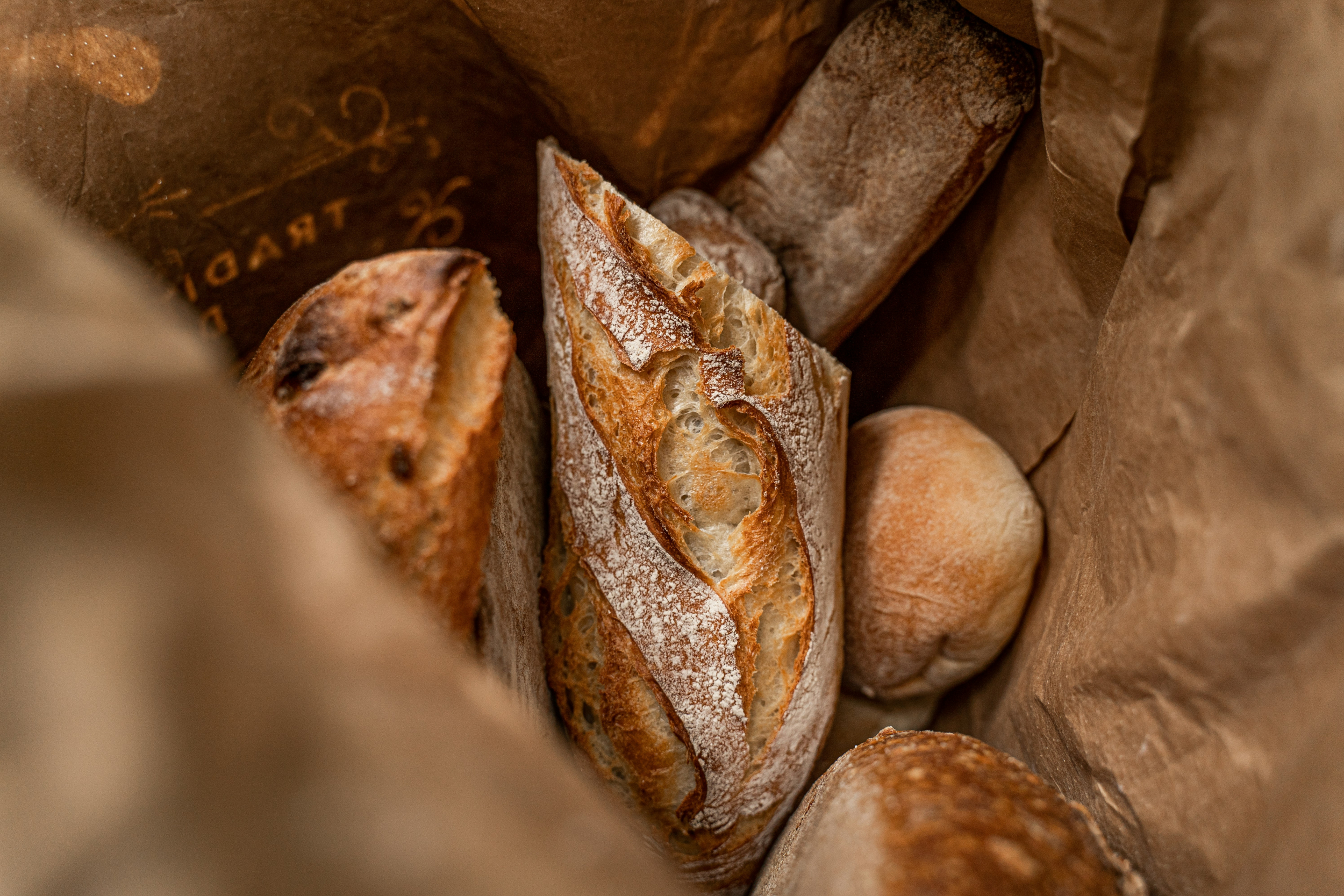
    Bread is a staple food in many households, yet researchers continue to study how certain types may influence body weight. While calories remain important, some studies suggest that bread weight gain may also be linked to how refined carbohydrates affect blood sugar, hunger, and fat storage. This may explain why some people gain weight even when calorie intake appears unchanged.

    The type of bread eaten, portion size, and overall diet pattern all matter. White bread and other refined options digest quickly, while whole grain versions often contain more fiber and nutrients. Understanding why bread causes weight gain can help people make smarter choices without cutting out bread entirely.

    Bread Weight Gain: High Glycemic Index Metabolic Mechanisms

    Many refined breads are considered high glycemic index foods, meaning they can raise blood sugar quickly after eating. Rapid digestion causes glucose to enter the bloodstream fast, which may trigger a stronger insulin response. Insulin helps move sugar into cells, but frequent spikes may also encourage fat storage when repeated often.

    According to the British Journal of Nutrition, higher intake of white bread and refined grain products has been associated with increased risk of overweight and abdominal fat gain in some population studies. Researchers noted that refined grains may affect appetite control and long-term weight trends differently than whole grains.

    This helps explain why bread causes weight gain for some people more than others. Bread made with refined flour often has less fiber, which means it may not keep people full for long. That can lead to snacking later in the day and higher total calorie intake over time.

    Why Bread Causes Weight Gain: Insulin Resistance Development

    When refined bread is eaten frequently in large portions, the body may need to release insulin more often. Over time, cells can become less responsive, a process linked to insulin resistance mechanisms. When this happens, the body may store more energy as fat while blood sugar control becomes harder.

    Based on information from Harvard T.H. Chan School of Public Health, diets high in refined carbohydrates may increase risk factors tied to type 2 diabetes and weight gain, especially when fiber intake is low. Whole grains, in contrast, are associated with better metabolic health and improved blood sugar balance.

    This does not mean bread alone causes insulin resistance. Overall eating patterns, inactivity, sleep quality, genetics, and stress also matter. However, replacing frequent refined bread intake with higher-fiber foods may support healthier metabolism.

    Calories and Weight Gain: Satiety Signaling Bread Disruptions

    Many people focus only on calories and weight gain, but hunger and fullness signals also affect body weight. Foods that digest quickly may satisfy hunger at first, then leave people hungry again soon after. This can lead to larger portions at the next meal or extra snacks.

    According to Healthline, white bread is often lower in fiber and digests faster than whole grain bread, which may reduce fullness and increase the chance of overeating. Fiber slows digestion, helps stabilize blood sugar, and can improve satiety after meals.

    Refined carbohydrate metabolism may also play a role. Fast-digesting starches can create a quick rise and fall in blood sugar, sometimes followed by cravings. Choosing breads with seeds, whole grains, and higher fiber may help reduce this cycle.

    Better Bread Choices to Reduce Bread Weight Gain

    Choosing the right type of bread can make a difference when managing bread weight gain and improving overall nutrition. Small changes in bread selection may help control hunger, blood sugar, and daily calorie intake.

    • Choose Whole Grain Bread: Look for bread made with whole wheat, oats, rye, or other intact grains for more fiber and nutrients.
    • Check the Fiber Content: Pick options with at least 3 grams of fiber per slice to support fullness and digestion.
    • Limit Added Sugars: Some packaged breads contain extra sugar that may increase unnecessary calorie intake.
    • Watch Portion Sizes: Two slices may fit many meals, but oversized servings can add calories quickly.
    • Pair Bread With Protein: Add eggs, tuna, chicken, peanut butter, or Greek yogurt to help improve satiety.
    • Avoid Highly Processed Options: Ultra-soft refined breads often digest faster and may not keep you full long.
    • Read Ingredient Labels: Choose products with simple ingredients and whole grains listed first.
    • Rotate Carb Sources: Alternate bread with oats, brown rice, quinoa, or sweet potatoes for variety.

    Smart Ways to Enjoy Bread Without Weight Gain

    Bread does not need to be eliminated for healthy weight management. Portion size, bread type, and meal balance often matter more than bread itself. Choosing whole grain bread, pairing it with protein, and avoiding oversized portions can make a meaningful difference.

    If you are concerned about bread weight gain, look at your total eating pattern rather than one food alone. Replacing refined options with higher-fiber choices, staying active, and managing overall calorie intake can support long-term health while still allowing bread in moderation.

    Frequently Asked Questions

    1. Does bread automatically cause weight gain?

    No, bread does not automatically lead to weight gain. Weight changes usually depend on total calorie intake, food quality, and lifestyle habits. Some breads are more filling and nutritious than others. Portion size also matters.

    2. Why does white bread make me hungry quickly?

    White bread is often lower in fiber and digests faster than whole grain bread. This can cause blood sugar to rise and fall more quickly. Some people feel hungry again sooner after eating it. Pairing bread with protein or healthy fats may help.

    3. Is whole grain bread better for weight control?

    Whole grain bread often contains more fiber, vitamins, and minerals. Fiber can improve fullness and slow digestion. That may help with appetite control and steadier energy levels. It can be a better option for many people.

    4. Should I stop eating bread to lose weight?

    You do not always need to remove bread completely. Many people lose weight while still eating moderate portions of quality bread. Focus on overall diet balance and activity levels. Sustainable habits usually work better than strict elimination.


    Source link

  • Can Onions Help with Weight Loss, Cholesterol, and PCOS?

    Can Onions Help with Weight Loss, Cholesterol, and PCOS?

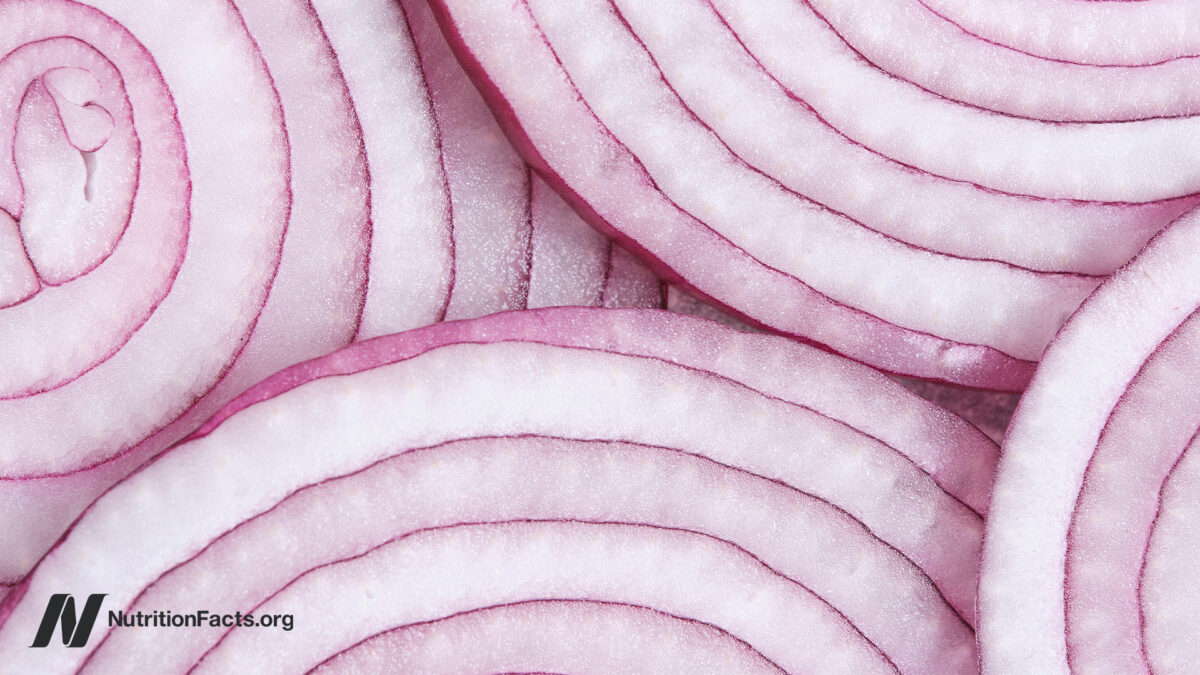
    Let’s talk about treating weight loss, cholesterol, and PCOS with diet. What can an eighth of a teaspoon a day of onion powder do for body fat, and what can raw red onion do for cholesterol?

    In one of my previous videos about onions, I talked about the data supporting—or not supporting—the role of onions in boosting testosterone in men, protecting bone health, controlling allergies, and dealing with the side effects of chemotherapy. What about weight loss? Enter the “Effect of Steamed Onion (ONIRO) Consumption on Body Fat and Metabolic Profiles in Overweight Subjects.” Researchers used steamed onions, which aren’t as spicy and have a weaker smell, so they could better disguise them as a placebo. They dried them into onion powder and gave people a minuscule amount—about an eighth of a teaspoon (300 mg) a day. Surely, a little daily dusting of onion powder wouldn’t affect people’s weight. But check out the results reported in the abstract: Measurements using a DEXA scan showed a significant reduction in body fat mass, and a CT scan revealed a significant decrease in whole, visceral, and subcutaneous fat areas.

    Hold on. If a little onion powder is so effective for weight loss, why wasn’t it featured in my book How Not to Diet? Because, as so often happens in studies, the spin in the abstract doesn’t accurately represent the actual data. The DEXA scan results measured no significant change of fat in the group that got the placebo capsules. They only appeared to lose about a spoonful (7 g) of fat, whereas the group unknowingly taking an eighth of a teaspoon of onion powder stuffed into capsules lost nearly one and a half pounds (0.64 kg) of body fat—a significant drop from baseline, but not a statistically significant drop compared to the placebo group, meaning the loss could have just been due to chance. Same thing with the CT scan results: 5 times more loss of overall fat and over 30 times more loss of the dangerous visceral fat, but the results did not reach statistical significance compared to placebo.

    A more recent study tried four teaspoons (9 g) of onion powder a day and similarly failed to accelerate the loss of visceral, total, or subcutaneous fat compared to placebo—but the placebo was also four teaspoons (9 g) of onion powder a day. They used yellow onions versus white onions, and it seems they both may have caused a loss of abdominal body fat, without a significant difference between them. Either way, you might look at these two studies and think, sure, but what are the downsides? It’s only an eighth of a teaspoon of onion powder a day, so why not give it a try? It can’t hurt, but we just don’t have enough evidence to be confident it will actually help.

    Let’s talk about polycystic ovary syndrome, also known as PCOS. It’s one of the most common hormone disorders, affecting 5% to 10% of reproductive-aged women. In addition to causing symptoms like irregular periods, “PCOS is a pre-diabetic state, with decreased insulin sensitivity.” PCOS treatment is challenging due to medication side effects. So, are there dietary options? How about a randomized controlled clinical trial of raw red onion intake?

    Why onions? Well, onion extracts can evidently improve blood sugar and insulin sensitivity in rats with diabetes and, more importantly, were found to reduce blood sugar levels in humans with diabetes, but evidently not in non-diabetic humans. People with PCOS are kind of pre-diabetic, so would it work for them? First, let’s look at those other two studies. To study the “Metabolic Effects of Onion and Green Beans,” people with diabetes spent a week eating either a small onion (60 g) each day or the same diet with about six cups (600 g) of green beans instead—and both approaches worked. The onion lowered people’s blood sugar levels by about 10% compared to a non-onion control diet, while the green beans lowered them by roughly 15% compared to the control.

    Here’s the study that supposedly shows no blood sugar benefits for people without diabetes. It’s true—onions don’t seem to lower normal blood sugar levels, which is a good thing, but check out what happens when you feed people sugar. Have people consume about two and a half tablespoons (50 g) of corn syrup, and their blood sugar levels shoot up over the next two hours before their body can tamp it back down. But give people the exact same amount of sugar along with more and more onion extract, and the blood sugar spike is significantly dampened, almost as much as if you had instead given them an antidiabetic drug, as you can see below and at 4:00 in my video Onions Put to the Test for Weight Loss, Cholesterol, and PCOS Treatment.

    We see the same blunting effect on blood sugar when people get a shot of adrenaline and eat onion extract, compared to receiving adrenaline without the onion extract, as you can see below and at 4:11 in my video.

    So, are there blood sugar benefits for both people with and without diabetes? No difference was found in blood sugar levels or other markers of insulin resistance between the high-onion and low-onion groups of PCOS patients, nor were there any differences in a marker of inflammation between the two groups. But women with PCOS aren’t just at higher risk for diabetes and inflammation—they are also at higher risk for high cholesterol.

    Women with PCOS are over seven times more likely to have a heart attack and develop heart disease, the number one killer of women. But consuming raw red onion appears to be effective in lowering cholesterol, though the group that ate more onions only dropped their LDL cholesterol about 5 points (5 mg/dL), which was not significantly different than the group that ate fewer onions.

    I did find this study from 50 years ago where researchers fed people nearly an entire stick (100 g) of butter, and their cholesterol shot up about 30 points within hours of consumption but by only 9 points or 3 points when combined with about a third of a cup (50 g) of raw or boiled onion. The moral of the story: Don’t eat a stick of butter.

    Doctor’s Note

    Check out the previous video I mentioned: Friday Favorites: Are Onions Beneficial for Testosterone, Osteoporosis, Allergies, and Cancer?.


    Source link

  • Unlocking the Secrets of Fat Loss: A Scientific Approach to Weight Reduction (Target keywords: fat loss, weight reduction, scientific approach)

    Unlocking the Secrets of Fat Loss: A Scientific Approach to Weight Reduction (Target keywords: fat loss, weight reduction, scientific approach)

    The quest for fat loss and weight reduction has become a ubiquitous goal for many individuals, with numerous approaches and methods being touted as the most effective way to achieve this objective. However, with so much misinformation and pseudoscience surrounding the topic, it can be challenging to discern what truly works and what doesn’t. Fortunately, a scientific approach to fat loss and weight reduction can provide a clear and evidence-based understanding of the underlying mechanisms and most effective strategies.

    Understanding the Fundamentals of Fat Loss

    To unlock the secrets of fat loss, it’s essential to comprehend the fundamental physiological processes that occur within the body. Fat loss, also known as lipolysis, is the process by which the body breaks down stored fat (triglycerides) into fatty acids and glycerol, which can then be utilized as energy. This process is mediated by various hormones, including epinephrine, norepinephrine, and insulin, which play a crucial role in regulating fat metabolism.

    When it comes to fat loss, the concept of energy balance is paramount. The body’s energy balance is determined by the difference between the amount of energy consumed (in the form of calories) and the amount of energy expended (through physical activity, thermogenesis, and other physiological processes). To achieve fat loss, an individual must create a calorie deficit, where the energy expended exceeds the energy consumed. This can be accomplished through a combination of reducing daily caloric intake and increasing physical activity.

    The Science of Weight Reduction

    Weight reduction is a complex process that involves the coordinated effort of multiple physiological systems, including the nervous, endocrine, and digestive systems. From a scientific perspective, weight reduction can be achieved through various mechanisms, including:

    • Reducing energy intake: Decreasing daily caloric consumption can lead to a calorie deficit, resulting in weight reduction.
    • Increasing energy expenditure: Engaging in regular physical activity, such as aerobic exercise, resistance training, and high-intensity interval training (HIIT), can increase energy expenditure and enhance fat loss.
    • Improving insulin sensitivity: Enhancing insulin sensitivity can improve glucose uptake in the muscles, reducing glucose levels in the bloodstream and promoting fat loss.
    • Modulating hormone levels: Hormones such as leptin, ghrelin, and cortisol play a crucial role in regulating energy balance and fat metabolism. Modulating these hormone levels through dietary and lifestyle interventions can facilitate fat loss.

    Dietary Strategies for Fat Loss

    A well-structured diet is essential for achieving and maintaining fat loss. From a scientific perspective, the following dietary strategies can be effective:

    • Macronutrient balance: Ensuring an optimal balance of protein, carbohydrates, and fat can help regulate hunger, satiety, and energy balance.
    • Meal frequency and timing: Eating frequent, balanced meals can help regulate energy balance and support fat loss.
    • Caloric restriction: Reducing daily caloric intake can lead to a calorie deficit, resulting in fat loss.
    • Nutrient-dense foods: Focusing on whole, unprocessed foods, such as fruits, vegetables, whole grains, lean proteins, and healthy fats, can provide essential nutrients while supporting fat loss.

    The Role of Exercise in Fat Loss

    Regular exercise is a crucial component of a comprehensive fat loss program. Exercise can increase energy expenditure, improve insulin sensitivity, and enhance fat oxidation. The following types of exercise can be effective for fat loss:

    • Aerobic exercise: Activities such as brisk walking, jogging, cycling, and swimming can increase energy expenditure and enhance fat loss.
    • Resistance training: Building muscle mass through resistance training can increase resting metabolic rate, enhancing fat loss.
    • High-intensity interval training (HIIT): HIIT involves short bursts of high-intensity exercise followed by brief periods of rest. This type of training can be effective for improving insulin sensitivity and enhancing fat loss.

    Supplements and Fat Loss

    While a well-structured diet and regular exercise should be the primary focus of a fat loss program, certain supplements may be beneficial in supporting this process. Some of the most effective supplements for fat loss include:

    • Protein powder: Increasing protein intake can help regulate hunger, satiety, and energy balance.
    • Conjugated linoleic acid (CLA): CLA, a fatty acid found in meat and dairy products, may help enhance fat loss by increasing fat oxidation and reducing fat storage.
    • Green tea extract: Green tea extract, rich in catechins, may help enhance fat loss by increasing fat oxidation and improving insulin sensitivity.

    Conclusion

    Unlocking the secrets of fat loss requires a comprehensive understanding of the underlying physiological processes and most effective strategies. By adopting a scientific approach to fat loss, individuals can create a personalized program that incorporates dietary, exercise, and lifestyle interventions to achieve and maintain weight reduction. Remember, fat loss is not just about aesthetics; it’s about improving overall health and well-being. By focusing on sustainable, evidence-based strategies, individuals can achieve a healthier, happier life.

    Frequently Asked Questions (FAQs)

    • Q: What is the most effective way to achieve fat loss?
      A: The most effective way to achieve fat loss is through a combination of reducing daily caloric intake, increasing physical activity, and improving insulin sensitivity.
    • Q: How can I ensure I’m getting enough protein to support fat loss?
      A: Aim to consume 1.6-2.2 grams of protein per kilogram of body weight from sources such as lean meats, fish, eggs, dairy, and plant-based options.
    • Q: What is the role of exercise in fat loss?
      A: Exercise can increase energy expenditure, improve insulin sensitivity, and enhance fat oxidation, making it a crucial component of a comprehensive fat loss program.
    • Q: Can supplements really help with fat loss?
      A: While supplements should not replace a well-structured diet and regular exercise, certain supplements such as protein powder, CLA, and green tea extract may be beneficial in supporting fat loss.
    • Q: How long does it take to achieve significant fat loss?
      A: The time it takes to achieve significant fat loss varies depending on individual factors such as starting body composition, diet, and exercise. However, with a consistent and well-structured program, individuals can expect to see noticeable results within 12-24 weeks.

    unlocking-the-secrets-of-fat-loss-a-scientific-approach-to-weight-reduction-target-keywords-fat-loss-weight-reduction-scientific-approach

  • Burn Calories Like Crazy: Top 10 Cardio Workouts for Effective Weight Loss

    Burn Calories Like Crazy: Top 10 Cardio Workouts for Effective Weight Loss

    She’s always on the lookout for the most effective ways to burn calories like crazy and achieve her weight loss goals. One of the most popular and efficient methods is through cardio workouts, which get her heart rate up and her body moving. In this article, we’ll explore the top 10 cardio workouts for effective weight loss, helping her to lose weight and feel great in the process.

    Introduction to Cardio Workouts

    Cardio exercises are an essential part of any weight loss program, as they help to burn calories and improve overall health. By incorporating cardio workouts into her routine, she can expect to see significant improvements in her physical fitness and a reduction in body fat. But with so many different types of cardio exercises out there, it can be difficult to know where to start. That’s why we’ve put together this list of the top 10 cardio workouts for effective weight loss, to help her get started on her weight loss journey.

    Top 10 Cardio Workouts for Effective Weight Loss

    1. Running: One of the most popular cardio workouts out there, running is a great way to burn calories and improve cardiovascular health. Whether she prefers to hit the treadmill or pound the pavement, running is an excellent way to get her heart rate up and lose weight.
    2. Swimming: Swimming is a low-impact cardio workout that’s easy on the joints, making it perfect for those who are just starting out or have mobility issues. It’s also a great way to burn calories and build endurance.
    3. Cycling: Whether she prefers to ride a stationary bike or hit the trails, cycling is a fun and effective way to burn calories and improve cardiovascular health.
    4. High-Intensity Interval Training (HIIT): HIIT involves short bursts of intense exercise followed by brief periods of rest. This type of cardio workout is great for burning calories and improving endurance.
    5. Jumping Rope: Jumping rope is a fun and challenging cardio workout that’s easy to do at home. It’s a great way to burn calories and improve coordination and agility.
    6. Boxing: Boxing is a high-energy cardio workout that’s perfect for those who enjoy martial arts. It’s a great way to burn calories and improve hand-eye coordination.
    7. Dancing: Dancing is a fun and energetic cardio workout that’s perfect for those who love music and movement. It’s a great way to burn calories and improve coordination and rhythm.
    8. Rowing: Rowing is a low-impact cardio workout that’s easy on the joints. It’s a great way to burn calories and improve cardiovascular health.
    9. Stair Climbing: Stair climbing is a great cardio workout that’s easy to do at home or in the gym. It’s a great way to burn calories and improve leg strength.
    10. Elliptical Trainer: The elliptical trainer is a low-impact cardio workout that’s easy on the joints. It’s a great way to burn calories and improve cardiovascular health.

    Benefits of Cardio Workouts for Weight Loss

    Incorporating cardio workouts into her routine can have numerous benefits for weight loss. Some of the benefits include:

    • Increased caloric burn: Cardio exercises help to burn calories and increase metabolism, leading to weight loss.
    • Improved cardiovascular health: Regular cardio workouts can help to improve cardiovascular health, reducing the risk of heart disease and stroke.
    • Increased energy: Cardio exercises can help to increase energy levels, making it easier to tackle daily tasks and activities.
    • Improved mental health: Exercise has been shown to have a positive impact on mental health, reducing stress and anxiety.

    Tips for Getting the Most Out of Cardio Workouts

    To get the most out of cardio workouts, it’s essential to keep the following tips in mind:

    • Start slow: Begin with shorter, less intense cardio workouts and gradually increase duration and intensity as fitness levels improve.
    • Listen to your body: Rest and recovery are just as important as exercise. Make sure to listen to your body and take rest days as needed.
    • Stay hydrated: Proper hydration is essential for cardio workouts, so make sure to drink plenty of water before, during, and after exercise.
    • Mix it up: Vary cardio workouts to avoid boredom and prevent plateaus.

    Conclusion

    Incorporating cardio workouts into her routine is a great way to burn calories like crazy and achieve weight loss goals. With so many different types of cardio exercises to choose from, there’s something for everyone. By following the tips and guidelines outlined in this article, she can get started on her weight loss journey and start seeing results in no time. Remember to always listen to your body and consult with a healthcare professional before starting any new exercise program.

    FAQs

    Q: What is the best cardio workout for weight loss?
    A: The best cardio workout for weight loss will vary depending on individual fitness levels and goals. However, some of the most effective cardio workouts for weight loss include running, swimming, and HIIT.

    Q: How often should I do cardio workouts to lose weight?
    A: The frequency of cardio workouts will depend on individual fitness levels and goals. However, it’s generally recommended to aim for at least 150 minutes of moderate-intensity cardio exercise per week.

    Q: Can I do cardio workouts at home?
    A: Yes, there are many cardio workouts that can be done at home, including jumping rope, dancing, and bodyweight exercises.

    Q: Do I need to warm up before cardio workouts?
    A: Yes, it’s essential to warm up before cardio workouts to prevent injury and improve performance. A 5-10 minute warm-up of light cardio and stretching can help to get her ready for her cardio workout.

    Q: Can cardio workouts help with mental health?
    A: Yes, cardio workouts have been shown to have a positive impact on mental health, reducing stress and anxiety. Exercise has been shown to release endorphins, which can help to improve mood and reduce symptoms of depression.

    burn-calories-like-crazy-top-10-cardio-workouts-for-effective-weight-loss

  • Caloric Deficits 101: Unlocking the Science of Sustainable Weight Loss (Target keywords: caloric deficits, weight loss, sustainable)

    Caloric Deficits 101: Unlocking the Science of Sustainable Weight Loss (Target keywords: caloric deficits, weight loss, sustainable)

    Caloric deficits are a fundamental concept in the world of weight loss, and understanding how they work is crucial for achieving sustainable weight loss. At its core, a caloric deficit occurs when the body burns more calories than it consumes, resulting in a reduction of body fat and weight. In this article, we’ll delve into the science behind caloric deficits, exploring how they work, how to create them, and most importantly, how to make them sustainable.

    Understanding Caloric Deficits

    To grasp the concept of caloric deficits, it’s essential to understand the basics of calories and energy balance. Calories are units of energy that the body uses to function, and they come from the food we eat. When we consume calories, our body uses them to fuel various activities, such as breathing, moving, and thinking. The amount of calories our body needs to function at rest is known as our basal metabolic rate (BMR).

    When we eat, we provide our body with the energy it needs to function. However, when we consume more calories than our body needs, the excess energy is stored as fat. This is where caloric deficits come in. A caloric deficit occurs when we consume fewer calories than our body needs, forcing it to use stored energy sources, such as fat, to make up for the shortage. This results in weight loss, as the body burns more calories than it consumes.

    Creating a Caloric Deficit

    So, how do we create a caloric deficit? The most effective way is by reducing caloric intake through diet and increasing energy expenditure through exercise. This can be achieved by eating fewer calories, reducing portion sizes, and avoiding high-calorie foods. Additionally, incorporating regular exercise, such as cardio and strength training, can help increase energy expenditure and create a caloric deficit.

    For example, if an individual’s daily caloric needs are 2,500 calories, they can create a caloric deficit by consuming 2,000 calories per day. This would result in a daily caloric deficit of 500 calories, which can lead to weight loss over time. It’s essential to note that a caloric deficit should be gradual and sustainable, with a daily deficit of 500-1000 calories recommended for most adults.

    The Importance of Sustainable Weight Loss

    Sustainable weight loss is a critical aspect of achieving and maintaining a healthy weight. Crash diets and extreme caloric restriction may lead to rapid weight loss, but they are often unsustainable and can result in weight regain. A sustainable caloric deficit, on the other hand, allows for gradual weight loss while preserving muscle mass and ensuring the body gets the nutrients it needs.

    A well-planned caloric deficit should take into account individual factors, such as age, sex, weight, height, and activity level. It’s also essential to focus on nutrient-dense foods, including whole grains, fruits, vegetables, lean proteins, and healthy fats. These foods provide the body with the necessary nutrients while keeping caloric intake in check.

    Making Caloric Deficits Sustainable

    So, how can we make caloric deficits sustainable? The key is to focus on lifestyle changes rather than quick fixes. This means adopting healthy eating habits, such as meal planning, portion control, and mindful eating. It’s also essential to incorporate regular physical activity, such as walking, jogging, or weightlifting, to increase energy expenditure.

    Additionally, getting enough sleep, managing stress, and staying hydrated are crucial for maintaining a healthy weight. When we’re tired, stressed, or dehydrated, our body’s metabolic rate slows down, making it more challenging to create a caloric deficit.

    Common Mistakes to Avoid

    When creating a caloric deficit, there are common mistakes to avoid. One of the most significant mistakes is severe caloric restriction, which can lead to nutrient deficiencies and a slowed metabolic rate. Another mistake is neglecting to incorporate physical activity, which can result in muscle loss and a decreased metabolic rate.

    It’s also essential to avoid relying on fad diets or quick fixes, which can be unsustainable and lead to weight regain. Instead, focus on making gradual, sustainable lifestyle changes that promote healthy eating and regular exercise.

    The Role of Macronutrients

    Macronutrients, including carbohydrates, protein, and fat, play a crucial role in creating a caloric deficit. Carbohydrates provide energy for the body, while protein is essential for building and repairing muscle tissue. Fat, on the other hand, is necessary for hormone production and absorption of vitamins.

    When creating a caloric deficit, it’s essential to focus on balancing macronutrient intake. A general guideline is to consume 15-20% of daily calories from protein, 25-30% from fat, and 55-60% from carbohydrates. However, individual macronutrient needs may vary depending on factors such as age, sex, and activity level.

    The Impact of Hormones

    Hormones, such as insulin, leptin, and ghrelin, play a significant role in regulating hunger, satiety, and metabolism. When we create a caloric deficit, our hormone levels can fluctuate, affecting our appetite and metabolism. For example, when we eat fewer calories, our insulin levels decrease, which can lead to increased fat burning.

    Understanding the impact of hormones on our body can help us create a more effective caloric deficit. For instance, incorporating protein-rich foods, which can help regulate insulin levels, and healthy fats, which can support hormone production, can help create a more sustainable caloric deficit.

    Conclusion

    Caloric deficits are a powerful tool for achieving sustainable weight loss. By understanding how they work and how to create them, individuals can take control of their weight and improve their overall health. Remember, a caloric deficit should be gradual and sustainable, with a focus on lifestyle changes rather than quick fixes.

    By incorporating healthy eating habits, regular physical activity, and balancing macronutrient intake, individuals can create a sustainable caloric deficit that promotes weight loss and overall health. It’s essential to avoid common mistakes, such as severe caloric restriction and neglecting physical activity, and to focus on making gradual, sustainable lifestyle changes.

    Frequently Asked Questions

    Q: What is a caloric deficit?
    A: A caloric deficit occurs when the body burns more calories than it consumes, resulting in a reduction of body fat and weight.

    Q: How do I create a caloric deficit?
    A: You can create a caloric deficit by reducing caloric intake through diet and increasing energy expenditure through exercise.

    Q: What is the recommended daily caloric deficit for weight loss?
    A: A daily caloric deficit of 500-1000 calories is recommended for most adults.

    Q: How can I make my caloric deficit sustainable?
    A: Focus on lifestyle changes, such as healthy eating habits, regular physical activity, and balancing macronutrient intake.

    Q: What are common mistakes to avoid when creating a caloric deficit?
    A: Severe caloric restriction, neglecting physical activity, and relying on fad diets or quick fixes are common mistakes to avoid.

    Q: How do macronutrients affect my caloric deficit?
    A: Macronutrients, including carbohydrates, protein, and fat, play a crucial role in creating a caloric deficit. Balancing macronutrient intake can help create a more effective caloric deficit.

    Q: Can hormones affect my caloric deficit?
    A: Yes, hormones such as insulin, leptin, and ghrelin can affect hunger, satiety, and metabolism, and understanding their impact can help create a more effective caloric deficit.

    caloric-deficits-101-unlocking-the-science-of-sustainable-weight-loss-target-keywords-caloric-deficits-weight-loss-sustainable

  • Lose Weight with Cumin and Saffron? 

    Lose Weight with Cumin and Saffron? 

    The spice cumin can work as well as orlistat, the “anal leakage” obesity drug.

    In my video Friday Favorites: Benefits of Black Cumin for Weight Loss, I discussed how a total of 17 randomized controlled trials showed that the simple spice could reduce cholesterol and triglyceride levels. And its side effects? A weight-loss effect.

    Saffron is another spice found to be effective for treating a major cause of suffering—depression, in this study, with a side effect of decreased appetite. Indeed, when put to the test in a randomized, double-blind, placebo-controlled trial, saffron was found to lead to significant weight loss, five pounds more than placebo, and an extra inch off the waist in eight weeks. The dose of saffron used in the study was the equivalent of drinking a cup of tea made from a large pinch of saffron threads.

    Suspecting the active ingredient might be crocin, the pigment in saffron that accounts for its crimson color, as shown here and at 0:59 in my video Friday Favorites: Benefits of Cumin and Saffron for Weight Loss, researchers also tried giving people just the purified pigment.

    That also led to weight loss, but it didn’t do as well as the full saffron extract and only beat the placebo by two pounds and half an inch off the waist. The mechanism appeared to be appetite suppression, as the crocin group ended up averaging about 80 fewer calories a day, whereas the full saffron group consumed an average of 170 fewer daily calories, as you can see below and at 1:21 in my video.

    A similar study looked specifically at snacking frequency. The researchers thought that the mood-boosting effects of saffron might cut down on stress-related eating. Indeed, eight weeks of a saffron extract halved snack intake, compared to a placebo. There was also a slight but statistically significant weight loss of about two pounds, as you can see here and at 1:41 in my video, which is pretty remarkable, given that tiny doses were utilized—about 100 milligrams, which is equivalent to about an eighth of a teaspoon of the spice.

    The problem is that saffron is the most expensive spice in the world. It’s composed of delicate threads sticking out of the saffron crocus flower. Each flower produces only a few threads, so about 50,000 flowers are needed to make a single pound of spice. That’s enough flowers to cover a football field. So, that pinch of saffron could cost a dollar a day.

    That’s why, in my 21 Tweaks to accelerate weight loss in How Not to Diet, I include black cumin, instead of saffron, as you can see here and at 2:30 in my video. And, at a quarter teaspoon a day, the daily dose of black cumin would only cost three cents.

    What about just regular cumin? Used in cuisines around the world from Tex-Mex to South Asian, cumin is the second most popular spice on Earth after black pepper. It is one of the oldest cultivated plants with a range of purported medicinal uses, but only recently has it been put to the test for weight loss. Those randomized to a half teaspoon at both lunch and dinner over three months lost about four more pounds and an extra inch off their waist. The spice was found to be comparable to the obesity drug known as orlistat.

    If you remember, orlistat is the “anal leakage” drug sold under the brand names Alli and Xenical. The drug company apparently prefers the term “faecal spotting” to describe the rectal discharge it causes, though. The drug company’s website offered some helpful tips, including: “It’s probably a smart idea to wear dark pants, and bring a change of clothes with you to work.” You know, just in case their drug causes you to poop in your pants at the office.

    I think I’ll stick with the cumin, thank you very much.

    Doctor’s Note

    The video on black cumin that I mentioned is Friday Favorites: Benefits of Black Cumin Seed (Nigella Sativa) for Weight Loss.

    My other videos on saffron are in the related posts below.

    For an in-depth dive into weight loss, see my book How Not to Diet


    Source link

  • Thriving Through Menopause – 12-Week Holistic Weight Loss Course

    Thriving Through Menopause – 12-Week Holistic Weight Loss Course

    Product Name: Thriving Through Menopause – 12-Week Holistic Weight Loss Course

    Click here to get Thriving Through Menopause – 12-Week Holistic Weight Loss Course at discounted price while it’s still available…

    All orders are protected by SSL encryption – the highest industry standard for online security from trusted vendors.

    Thriving Through Menopause – 12-Week Holistic Weight Loss Course is backed with a 60 Day No Questions Asked Money Back Guarantee. If within the first 60 days of receipt you are not satisfied with Wake Up Lean™, you can request a refund by sending an email to the address given inside the product and we will immediately refund your entire purchase price, with no questions asked.

    (more…)

  • Ulike You Weight Loss

    Ulike You Weight Loss

    Product Name: Ulike You Weight Loss

    Click here to get Ulike You Weight Loss at discounted price while it’s still available…

    All orders are protected by SSL encryption – the highest industry standard for online security from trusted vendors.

    Ulike You Weight Loss is backed with a 60 Day No Questions Asked Money Back Guarantee. If within the first 60 days of receipt you are not satisfied with Wake Up Lean™, you can request a refund by sending an email to the address given inside the product and we will immediately refund your entire purchase price, with no questions asked.

    (more…)