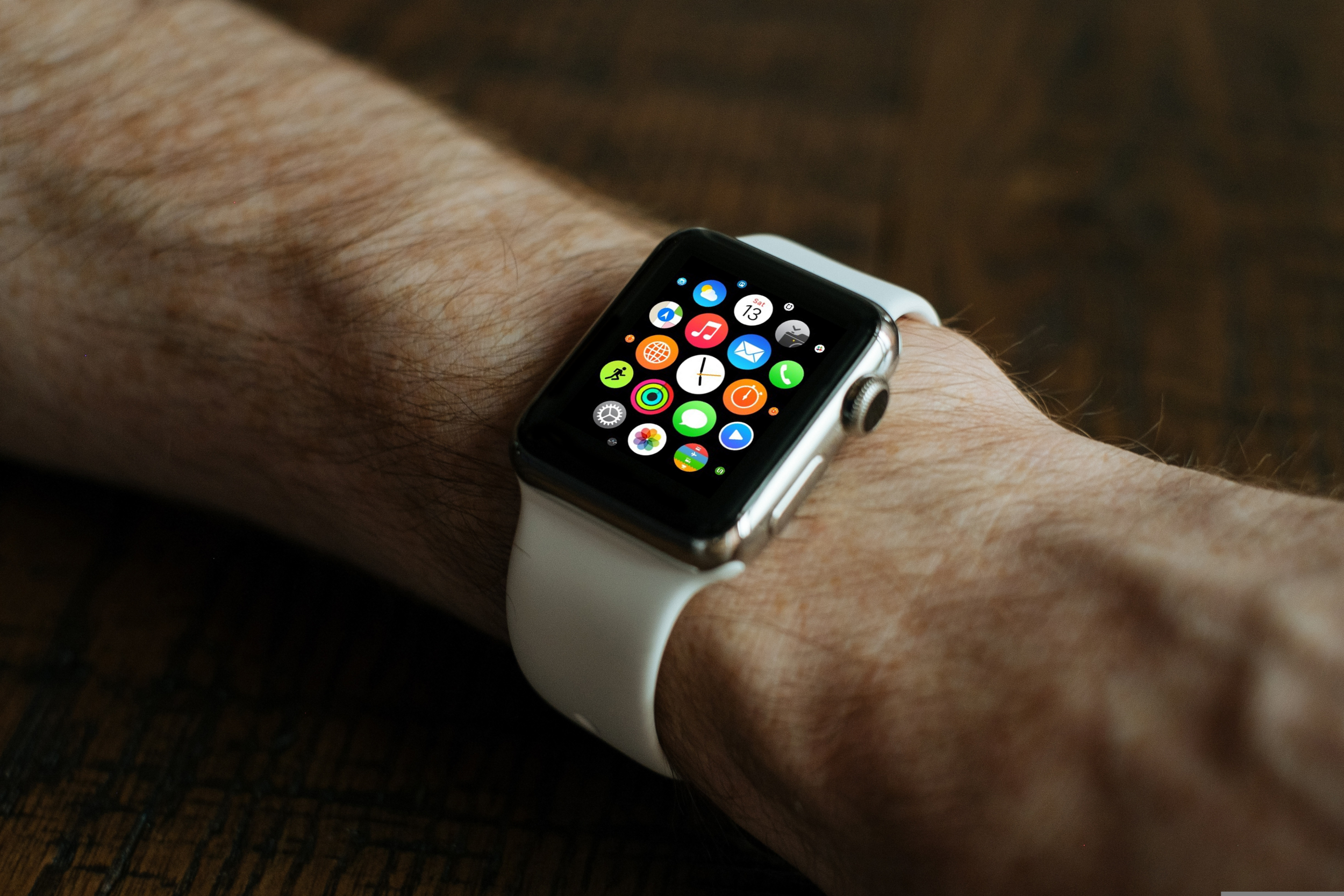
Wearable health technology has moved rapidly from niche fitness gadgets to everyday companions that promise deeper insight into the body’s signals. Smartwatches now track far more than steps, offering continuous heart rate, sleep, and activity data that some people use to spot changes before they feel obviously unwell. This raises a central question: how reliably can these devices detect illness early?
The Rise of Wearable Health Technology
Wearable health technology refers to body-worn devices that collect health-related data in real time, such as heart rate, activity, sleep, and sometimes temperature or blood oxygen. Smartwatches and fitness bands are the most visible examples, while smart rings, patches, and medical-grade devices extend the category further.
What makes them powerful is their ability to monitor people continuously during everyday life rather than only during clinic visits.
Consumer wearables focus mainly on wellness and lifestyle insights, whereas clinical devices are designed and tested to support medical decisions.
The line between them is blurring as smartwatches add advanced health features like ECG recording and irregular rhythm alerts. Still, most wearable health technology in the consumer market remains closer to screening and self-awareness than formal diagnosis.
How Smartwatches Detect Health Changes
Smartwatches rely on a set of small sensors to capture signals from the body. Optical sensors estimate heart rate and heart rate variability using light, while accelerometers and gyroscopes measure movement and activity intensity. Some devices also estimate blood oxygen levels, breathing rate, or skin temperature trends.
Software turns these raw streams into meaningful information. Algorithms learn a person’s baseline patterns and highlight deviations that may matter. For example, a smartwatch might notice that resting heart rate remains higher than usual, sleep is disrupted, and activity has dropped.
Within the broader world of wearable health technology, these pattern shifts underpin features like irregular rhythm notifications and prompts to check for possible illness.
Can Smartwatches Detect Illness Early?
Current evidence suggests that smartwatches can sometimes identify certain issues earlier than a person might otherwise notice, especially for heart rhythm problems like atrial fibrillation.
In these cases, devices act as screening tools that encourage users to seek professional evaluation when irregular patterns are detected. The watch does not confirm a diagnosis; instead, it raises a flag that something may need attention.
For infections or other acute illnesses, early signs may show up as a combination of elevated resting heart rate, reduced variability, poorer sleep, and changes in temperature-related metrics. Some users report that these indicators change a day or two before symptoms.
However, these patterns are not specific to illness and may also reflect intense exercise, stress, travel, or stimulants like caffeine. Smartwatch signals are therefore best viewed as clues rather than answers, according to the Centers for Disease Control and Prevention.
What Smartwatches Monitor – And How Accurate They Are
Smartwatches are strongest in tracking cardiovascular and lifestyle-related metrics. Continuous heart rate, movement patterns, workout tracking, and sleep timing are now standard.
Some models offer on-demand ECG readings that can help detect specific arrhythmias, while others include blood oxygen and basic stress indicators derived from heart rate variability.
Accuracy depends on the metric and the context. Heart rate at rest or during moderate activity is often close to clinical instruments, but high-intensity exercise or a loose fit can degrade signal quality.
Skin tone, tattoos, sweat, and motion all influence optical sensor performance. Because of these limitations, wearable health technology is most reliable for showing trends over time rather than precise single measurements.
Medical Claims and Regulatory Limits
Some smartwatch features have regulatory clearance for narrow medical uses, such as detecting possible atrial fibrillation episodes or recording a single-lead ECG. This means the feature was tested in defined conditions and met specific performance criteria. Even so, these tools are intended to support, not replace, medical judgment.
Many other features of wearable health technology, including step counts, generic sleep scores, or stress estimates, are marketed as wellness tools and do not go through the same level of scrutiny.
They can still be helpful but should not be interpreted as formal diagnoses. Understanding this distinction keeps expectations realistic and prevents overreliance on any one metric or alert.
Using Smartwatch Alerts Wisely
When a smartwatch issues a health alert, context is crucial. Checking for obvious causes, such as intense recent exercise, emotional stress, caffeine, or poor sleep, can explain many short-term changes, as per Harvard Health.
If unusual patterns persist, seem out of character, or occur alongside concerning symptoms like chest pain, extreme shortness of breath, or fainting, seeking medical care becomes more important.
Sharing summaries or exported reports from wearable health technology can help clinicians see broader trends instead of isolated readings.
The most useful information often includes timing, duration, and associated symptoms rather than raw second-by-second data. In this way, smartwatch data can support clinical decision-making without overwhelming professionals.
Who Gains the Most From Wearable Health Technology?
People who are already motivated to understand and improve their lifestyle often benefit most from wearable health technology.
They tend to act on insights by increasing activity, prioritizing sleep, or managing stress, which can have a cumulative impact on long-term health. For them, early detection is less about one dramatic alert and more about noticing gradual changes over weeks and months.
Individuals with known risk factors for heart rhythm disorders or other chronic conditions may also gain value, especially when they use wearables under guidance from healthcare providers.
Older adults and caregivers may appreciate features like fall detection and emergency SOS. Across these groups, the real advantage comes from combining continuous data with thoughtful interpretation and professional input.
Wearable Health Technology’s Growing Role in Early Detection
As sensors become more capable and algorithms more sophisticated, wearable health technology is poised to play a larger role in early detection and ongoing health monitoring.
Future devices may track additional physiological signals and integrate seamlessly with telehealth and electronic records, offering a more complete picture of day-to-day health. For now, smartwatches are best understood as powerful companions that highlight trends and potential warning signs rather than definitive diagnostic tools.
Used with realistic expectations and in collaboration with clinicians, wearable health technology can help people notice meaningful changes sooner and make more informed decisions about when to seek care.
Frequently Asked Questions
1. Can wearable health technology help reduce healthcare costs over time?
Yes, by encouraging preventive habits and prompting earlier checkups, wearable health technology can sometimes help avoid more expensive treatments later, especially for lifestyle-related conditions.
2. Is smartwatch health data admissible or useful in legal or insurance claims?
It can be considered supporting information but is rarely treated as primary evidence; insurers or courts typically rely more on medical records and professional evaluations.
3. Can smartwatches detect mental health issues like anxiety or depression?
They cannot diagnose mental health conditions, but changes in sleep, activity, and heart rate patterns may highlight stress or behavior shifts worth discussing with a clinician or therapist.
4. Do different smartwatch brands interpret health data in the same way?
No, each brand uses its own algorithms, metrics, and scoring systems, so results can differ; trends over time on the same device are usually more meaningful than cross-device comparisons.