Tag: Ways

  • Causes, Symptoms, and Effective Ways to Relieve Stomach Discomfort

    Causes, Symptoms, and Effective Ways to Relieve Stomach Discomfort

    Bloating affects an estimated 10–25% of otherwise healthy adults on a regular basis, with stomach bloating often signaling trapped gas, fluid retention, or disrupted gut motility. Bloating causes vary widely, from common food intolerance bloating to more complex digestive health issues such as irritable bowel syndrome (IBS) or small intestinal bacterial overgrowth. Abdominal pressure, visible distension, rumbling, and tightness frequently appear after meals.

    For some, bloating resolves within hours. For others, it becomes chronic and interferes with daily comfort. Understanding the mechanisms behind bloating—gas production, microbiome imbalance, enzyme deficiencies, and motility disorders—allows for more precise relief strategies. When you identify the root bloating causes, you can apply targeted solutions that restore digestive balance and reduce recurring discomfort.

    Why Am I Bloated All the Time? Chronic Bloating Causes Explained

    Persistent stomach bloating often stems from underlying digestive health issues rather than occasional overeating. Chronic bloating causes include FODMAP intolerance, slow gastric emptying, IBS stomach bloating, and small intestinal bacterial overgrowth (SIBO). These conditions disrupt normal gas movement and intestinal sensitivity, leading to ongoing abdominal distension.

    According to the National Institute of Diabetes and Digestive and Kidney Diseases (NIDDK), IBS affects up to 12% of people in the United States and commonly presents with stomach bloating and altered bowel habits. When digestive health issues impair motility or increase gut sensitivity, even normal gas levels can feel excessive. Identifying triggers such as food intolerance bloating or stress-related flare-ups is essential for long-term symptom control.

    What Relieves Bloating Fast? Quick Gas Bloating Relief Options

    When stomach bloating strikes suddenly, quick relief strategies can reduce pressure and discomfort. Simethicone helps break up gas bubbles, while activated charcoal may absorb excess gas. Gentle abdominal massage and light walking stimulate motility, promoting natural gas release.

    The Cleveland Clinic notes that peppermint oil and ginger may support gas bloating relief by relaxing intestinal muscles and improving digestive flow. Warm herbal teas, hydration, and avoiding carbonated beverages can provide noticeable improvement within 30 minutes. While these remedies ease short-term bloating causes, recurring digestive health issues require deeper dietary and medical evaluation.

    Does Bloating Mean Weight Gain? Understanding Stomach Bloating vs Fat

    Stomach bloating often creates visible abdominal distension that mimics temporary weight gain. However, bloating causes related to gas or fluid retention can add several pounds of short-term fluctuation without increasing body fat. This type of abdominal distension resolves once trapped gas is expelled or inflammation decreases.

    According to the Mayo Clinic, bloating is typically linked to gastrointestinal gas or functional digestive disorders rather than fat accumulation. Carbohydrate malabsorption or excess sodium intake may temporarily increase water retention, but these effects are reversible. Understanding the difference reduces unnecessary concern about sudden scale changes.

    Common Food-Related Bloating Causes and Food Intolerance Bloating

    Diet is one of the most frequent triggers of stomach bloating. Lactose intolerance, fructose malabsorption, and high-FODMAP foods often cause fermentation that increases gas production. Legumes, onions, wheat, and carbonated beverages are common contributors.

    Food intolerance bloating occurs when digestive enzymes are insufficient to break down specific carbohydrates. A digestive enzyme deficiency may result in incomplete digestion, feeding gut bacteria and producing excess gas. Identifying trigger foods through elimination diets or food diaries supports improved digestive health and reduced bloating episodes.

    Motility Disorders, IBS, and Gut Microbiome Bloating

    Stomach bloating often results from a combination of slowed digestion and microbial imbalance rather than a single trigger. Motility disruptions and gut microbiome bloating frequently overlap, intensifying abdominal distension causes and prolonging digestive discomfort.

    • Motility Disorders and IBS Stomach Bloating – Motility disorders slow the movement of food and gas through the digestive tract, increasing pressure and abdominal distension causes. Delayed gastric emptying can significantly raise the likelihood of persistent stomach bloating by allowing gas to accumulate longer than normal. IBS stomach bloating is common due to altered gut-brain signaling and heightened visceral sensitivity, meaning normal gas levels may feel excessively uncomfortable. Stress, hormonal fluctuations, and irregular bowel habits further aggravate digestive health issues. Supporting hydration, balanced fiber intake, and bowel regularity can help improve transit time and reduce bloating causes linked to sluggish motility.
    • Gut Microbiome Bloating and Microbial Imbalance – The gut microbiome regulates fermentation, gas production, and digestive efficiency, making it central to gut microbiome bloating. When microbial diversity declines, dysbiosis may increase methane-producing organisms that slow intestinal transit and prolong bloating causes beyond dietary triggers. Antibiotic exposure, chronic stress, and low-fiber diets commonly disrupt microbial balance, leading to recurring stomach bloating even when meals seem well tolerated. Incorporating prebiotic-rich foods, fermented products, and diverse plant fibers may help restore microbial equilibrium and support smoother digestion, reducing persistent digestive health issues.

    When Digestive Health Issues Require Medical Evaluation

    Occasional bloating is common, but persistent or severe stomach bloating requires medical assessment. Warning signs include unexplained weight loss, blood in stool, persistent vomiting, or bloating lasting longer than four weeks. These symptoms may indicate more serious digestive health issues.

    Testing may include blood work, imaging, or screening for celiac disease and inflammatory bowel conditions. Early evaluation ensures that abdominal distension causes are not linked to structural or systemic conditions. Seeking medical guidance helps prevent delayed diagnosis of underlying concerns.

    Targeted Strategies for Long-Term Bloating Relief

    Addressing bloating causes effectively requires individualized strategies. A low-FODMAP diet has shown strong success in reducing IBS stomach bloating and food intolerance bloating. Digestive enzymes may assist when digestive enzyme deficiency contributes to symptoms.

    Regular physical activity, adequate hydration, and stress reduction support healthy gut motility. Probiotics may benefit some individuals experiencing gut microbiome bloating. Combining dietary adjustments with lifestyle modifications restores digestive rhythm and reduces recurring discomfort.

    Resolve Stomach Bloating Through Targeted Digestive Health Solutions

    Understanding bloating causes allows for focused solutions instead of temporary fixes. Identifying whether symptoms stem from food intolerance bloating, IBS stomach bloating, or motility imbalance ensures appropriate treatment strategies.

    Consistent dietary awareness, balanced gut microbiome support, and timely medical evaluation strengthen digestive health. When you address stomach bloating at its source, long-term comfort becomes achievable and sustainable.

    Frequently Asked Questions

    1. What is the most common cause of bloating?

    The most common bloating causes include gas buildup and food intolerance bloating. High-FODMAP foods frequently trigger fermentation. Swallowed air and constipation also contribute. Identifying dietary triggers often improves symptoms quickly.

    2. Can stress cause stomach bloating?

    Yes, stress affects gut motility and increases sensitivity to normal gas levels. Elevated cortisol can disrupt digestive health issues. This may worsen IBS stomach bloating. Stress management often reduces symptoms.

    3. How long should bloating last?

    Occasional bloating typically resolves within hours. Persistent bloating beyond a few days may signal digestive imbalance. If symptoms last more than four weeks, evaluation is recommended. Monitoring patterns helps identify triggers.

    4. Do probiotics help with bloating?

    Probiotics may improve gut microbiome bloating in some individuals. They support microbial diversity and digestive balance. Results vary depending on strain and underlying bloating causes. Consulting a healthcare provider ensures appropriate use.


    Source link

  • Ending Smoking Ritual – A Smokers Guide to Quit Smoking Naturally – Discover best ways to quit smoking naturally with the Ending Smoking Ritual guide. No more smoking stains on teeth, smoking lips, and wrinkles.

    Ending Smoking Ritual – A Smokers Guide to Quit Smoking Naturally – Discover best ways to quit smoking naturally with the Ending Smoking Ritual guide. No more smoking stains on teeth, smoking lips, and wrinkles.

    Product Name: Ending Smoking Ritual – A Smokers Guide to Quit Smoking Naturally – Discover best ways to quit smoking naturally with the Ending Smoking Ritual guide. No more smoking stains on teeth, smoking lips, and wrinkles.

    Click here to get Ending Smoking Ritual – A Smokers Guide to Quit Smoking Naturally – Discover best ways to quit smoking naturally with the Ending Smoking Ritual guide. No more smoking stains on teeth, smoking lips, and wrinkles. at discounted price while it’s still available…

    All orders are protected by SSL encryption – the highest industry standard for online security from trusted vendors.

    Ending Smoking Ritual – A Smokers Guide to Quit Smoking Naturally – Discover best ways to quit smoking naturally with the Ending Smoking Ritual guide. No more smoking stains on teeth, smoking lips, and wrinkles. is backed with a 60 Day No Questions Asked Money Back Guarantee. If within the first 60 days of receipt you are not satisfied with Wake Up Lean™, you can request a refund by sending an email to the address given inside the product and we will immediately refund your entire purchase price, with no questions asked.

    (more…)

  • Exfoliate Like a Pro: The Best Ways to Remove Dead Skin Cells

    Exfoliate Like a Pro: The Best Ways to Remove Dead Skin Cells

    Introduction to Exfoliating

    Exfoliating is an essential step in any skincare routine, as it helps to remove dead skin cells and reveal smoother, brighter skin. When done correctly, exfoliating can help to improve skin texture, reduce the appearance of fine lines and wrinkles, and even out skin tone. However, exfoliating can be a bit intimidating, especially for those who are new to skincare. With so many different exfoliating methods and products available, it can be hard to know where to start. In this article, we will discuss the best ways to remove dead skin cells and achieve healthy, glowing skin.

    Understanding the Importance of Exfoliating

    Exfoliating is important because it helps to remove dead skin cells that can clog pores and make the skin look dull. As we age, our skin’s natural ability to shed dead skin cells slows down, which can lead to a buildup of dead skin cells on the surface of the skin. This can cause a range of problems, including dryness, flakiness, and a dull complexion. By exfoliating regularly, we can help to remove these dead skin cells and promote cell turnover, which is the process by which new skin cells are produced.

    Types of Exfoliants

    There are several different types of exfoliants available, each with its own unique benefits and drawbacks. Physical exfoliants, such as scrubs and brushes, work by physically removing dead skin cells from the surface of the skin. Chemical exfoliants, such as alpha-hydroxy acids (AHAs) and beta-hydroxy acids (BHAs), work by dissolving the “glue” that holds dead skin cells together, making it easier to remove them. Enzyme exfoliants, such as papain and bromelain, work by breaking down dead skin cells using enzymes.

    Physical Exfoliants

    Physical exfoliants are a great option for those who prefer a more manual approach to exfoliating. These types of exfoliants work by physically removing dead skin cells from the surface of the skin, using ingredients such as sugar, salt, or ground nuts. Some popular physical exfoliants include:

    • Sugar scrubs: These are gentle and effective, making them a great option for sensitive skin.
    • Salt scrubs: These are more intense than sugar scrubs, making them better suited for thicker skin.
    • Ground nut scrubs: These are gentle and nourishing, making them a great option for dry skin.
    • Konjac sponges: These are gentle and effective, making them a great option for all skin types.
    • Exfoliating gloves: These are gentle and easy to use, making them a great option for those who are new to exfoliating.

    Chemical Exfoliants

    Chemical exfoliants are a great option for those who prefer a more gentle approach to exfoliating. These types of exfoliants work by dissolving the “glue” that holds dead skin cells together, making it easier to remove them. Some popular chemical exfoliants include:

    • Alpha-hydroxy acids (AHAs): These are gentle and effective, making them a great option for sensitive skin.
    • Beta-hydroxy acids (BHAs): These are more intense than AHAs, making them better suited for thicker skin.
    • Glycolic acid: This is a type of AHA that is commonly used in skincare products.
    • Lactic acid: This is a type of AHA that is commonly used in skincare products.
    • Salicylic acid: This is a type of BHA that is commonly used in skincare products.

    Enzyme Exfoliants

    Enzyme exfoliants are a great option for those who prefer a more gentle approach to exfoliating. These types of exfoliants work by breaking down dead skin cells using enzymes. Some popular enzyme exfoliants include:

    • Papain: This is an enzyme that is derived from papaya, and is commonly used in skincare products.
    • Bromelain: This is an enzyme that is derived from pineapple, and is commonly used in skincare products.
    • Ficin: This is an enzyme that is derived from figs, and is commonly used in skincare products.

    How to Exfoliate Like a Pro

    Exfoliating like a pro requires a bit of practice and patience, but with the right techniques and products, you can achieve healthy, glowing skin. Here are some tips for exfoliating like a pro:

    • Start with a gentle exfoliant and gradually increase the intensity as your skin becomes more tolerant.
    • Exfoliate in the direction of hair growth to avoid causing ingrown hairs or irritation.
    • Be gentle when exfoliating sensitive areas, such as the skin around the eyes or mouth.
    • Exfoliate at night, and follow up with a moisturizer to help lock in hydration.
    • Exfoliate 1-3 times per week, depending on your skin type and concerns.

    Common Mistakes to Avoid

    There are several common mistakes that people make when exfoliating, including:

    • Over-exfoliating: This can cause irritation, dryness, and even scarring.
    • Under-exfoliating: This can cause a buildup of dead skin cells, leading to dullness and dryness.
    • Using the wrong exfoliant: This can cause irritation, dryness, or other adverse reactions.
    • Exfoliating too frequently: This can cause irritation, dryness, and even scarring.
    • Not moisturizing after exfoliating: This can cause dryness and irritation.

    Conclusion

    Exfoliating is an essential step in any skincare routine, as it helps to remove dead skin cells and reveal smoother, brighter skin. By understanding the different types of exfoliants and how to use them, you can achieve healthy, glowing skin. Remember to start with a gentle exfoliant and gradually increase the intensity as your skin becomes more tolerant, and be sure to moisturize after exfoliating to help lock in hydration. With a little practice and patience, you can exfoliate like a pro and achieve the skin of your dreams.

    FAQs

    Q: How often should I exfoliate?
    A: The frequency of exfoliation depends on your skin type and concerns. Generally, it is recommended to exfoliate 1-3 times per week.
    Q: What is the best type of exfoliant for my skin?
    A: The best type of exfoliant for your skin depends on your skin type and concerns. If you have sensitive skin, a gentle physical or chemical exfoliant may be best. If you have thicker skin, a more intense physical or chemical exfoliant may be best.
    Q: Can I exfoliate my skin every day?
    A: No, it is not recommended to exfoliate your skin every day. Over-exfoliating can cause irritation, dryness, and even scarring.
    Q: How do I know if I am exfoliating too much?
    A: If you are experiencing irritation, dryness, or other adverse reactions after exfoliating, you may be exfoliating too much. Start with a gentle exfoliant and gradually increase the intensity as your skin becomes more tolerant.
    Q: Can I use a physical exfoliant on sensitive skin?
    A: Yes, but be gentle and start with a gentle physical exfoliant. Some physical exfoliants, such as sugar scrubs, can be gentle and effective for sensitive skin.
    Q: What are the benefits of exfoliating?
    A: The benefits of exfoliating include improved skin texture, reduced appearance of fine lines and wrinkles, and a more even skin tone.
    Q: Can I exfoliate my skin if I have acne?
    A: Yes, but be gentle and start with a gentle exfoliant. Exfoliating can help to unclog pores and reduce the appearance of acne, but over-exfoliating can cause irritation and make acne worse.

  • 4 Quick Ways to Nurture & Show Love, Anytime

    4 Quick Ways to Nurture & Show Love, Anytime

    Here are some easy ways to show love with simple mindful actions that foster genuine connection and appreciation.

    You might love the month of love, or you might not be into the whole Valentine’s Day thing. With $18 billion spent every February on flowers, chocolates, gifts, and restaurants in the United States every year, it’s safe to say that we have certain cultural ideas about how to show love.

    So why not use the occasion to really celebrate love?

    Here are a few ways to show love during this heart-stamped month, or any time of year—and none of them cost a penny.

    Listen—really listen. That means giving them your openminded, genuinely interested attention, according to mindful communication experts Hope Martin and David Rome. Take the time to fully absorb what they’re saying. Body language, word choice, tone of voice—you’ll be amazed at what you may have been missing.

    Offer your full presence when you’re together. Don’t look at your phone. Show love by showing up fully, without distractions. Resist the usual complaining about work. Slipping onto autopilot—a you-do-this/ I-do-that dynamic—is no fun and can erode any relationship, says Marsha Lucas, a neuropsychologist and the author of Rewire Your Brain for Love.

    Value the little things someone does for you—and do some in return. Relationship coach Josh Wise suggests that couples take gratitude a step further: discuss the kindnesses you receive and how that makes you feel. In this way, you get to multiply the effect of thoughtful actions—first by experiencing it, then by sharing it, and then again by noticing how your recognition lifts the other person up.

    Empathy. It’s a necessary ingredient for healthier relationships of all kinds. According to psychologist Ronald Siegel in The Mindfulness Solution, “When we can actually be with someone and empathize with his or her experience, even when it’s painful, the relationship deepens.”


    This article also appeared in the February 2014 issue of Mindful magazine.


    Source link

  • Busy Times, or Anytime: Nine Ways Mindfulness Reduces Stress

    Busy Times, or Anytime: Nine Ways Mindfulness Reduces Stress

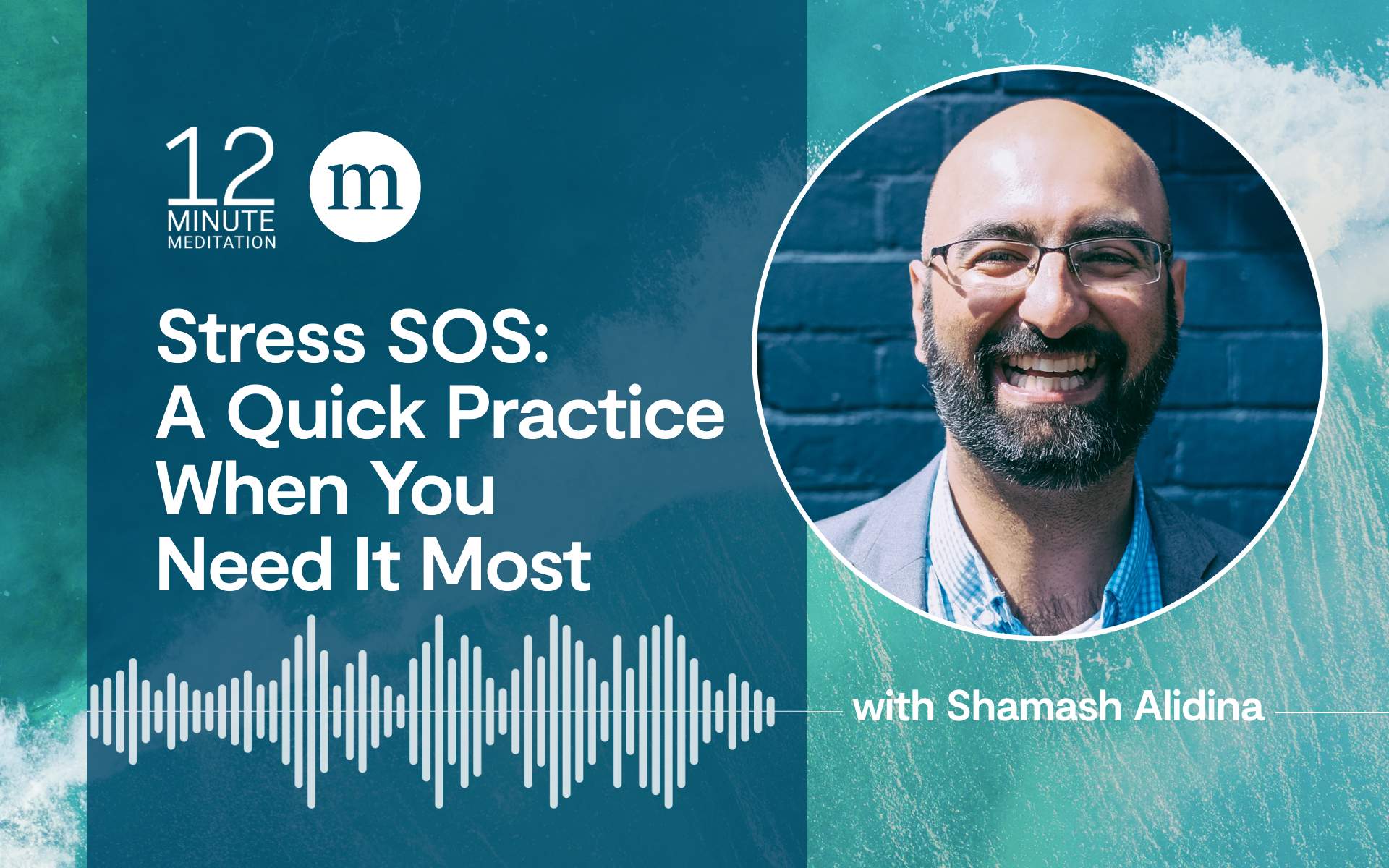
    You’ve probably heard that mindfulness reduces stress levels. But how does it help? Shamash Alidina shares the research—plus, a meditation you can turn to anytime.

    You’ve probably heard that mindfulness reduces stress. But how does it actually help you do that?

    Mounting scientific evidence from hundreds of universities—including dedicated centers at the University of Massachusetts Medical School in the United States and the University of Oxford in the United Kingdom—strongly suggests that mindfulness gently builds an inner strength, so that future stressors have less impact on our happiness and physical well-being.

    Here are nine ways mindfulness can help you manage stress, plus a guided meditation to start experiencing the natural calm that mindfulness can bring:

    Nine Ways Mindfulness Reduces Stress

    1. You become more aware of your thoughts. You can then step back from them and not take them so literally. That way, your stress response is not initiated in the first place.
    2. You don’t immediately react to a situation. Instead, you have a moment to pause and then use your “wise mind” to come up with the best solution. Mindfulness helps you do this through the mindful exercises.
    3. Mindfulness switches on your “being” mode of mind, which is associated with relaxation. Your “doing” mode of mind is associated with action and the stress response.
    4. You are more aware and sensitive to the needs of your body. You may notice pains earlier and can then take appropriate action.
    5. You are more aware of the emotions of others. As your emotional intelligence rises, you are less likely to get into conflict.
    6. Your level of care and compassion for yourself and others rises. This compassionate mind soothes you and inhibits your stress response.
    7. Mindfulness practice reduces activity in the part of your brain called the amygdala. The amygdala is central to switching on your stress response, so effectively, your background level of stress is reduced.
    8. You are better able to focus. So you complete your work more efficiently, you have a greater sense of well-being, and this reduces the stress response. You are more likely to get into “the zone” or “flow,” as it’s termed in psychology by Mihaly Csikszentmihalyi.
    9. You can switch your attitude to the stress. Rather than just seeing the negative consequences of feeling stressed, mindfulness offers you the space to think differently about the stress itself. Observing how the increased pressure helps energize you has a positive effect on your body and mind.

    Try It Yourself—Stress SOS: A Quick Practice When You Need It Most

    1. Bring to mind a current challenge in your life that is the cause of some stress. A situation that you’re willing to work with at the moment. Not your biggest challenge but not so small that it causes no stress at all. A 3 on a scale of 1–10 is a good guide.
    2. Bring the situation vividly to mind. Imagine being in the situation and all the difficulties associated with it.
    3. Notice whether you can feel the stress in your body. Physical tension, faster heart rate, a little bit of sweating, butterflies in your stomach, tightness in the back or shoulders or jaw, perhaps. Look out for your stress signals.
    4. Tune in to your emotions. Notice how you feel. Label that emotion if you can, and be aware of where you feel the emotion, exactly, in your body. Just try to spot it as best you can. The more precisely you can locate the emotion and the more you notice about the sensation, the better. With time and experience, you’ll keep getting better at this.
    5. Bring mindful attitudes to the emotion. These include curiosity, friendliness, and acceptance.
    6. Try placing your hand on the location of the sensation—a friendly hand representing kindness. Do it the way you would place your hand on the injured knee of a child, with care and affection.
    7. Feel the sensation together with your breathing. This can promote a present-moment awareness and mindful attitudes to your experience.
    8. When you’re ready, bring this meditation to a close.
    This article was adapted from Shamash Alidina’s book The Mindful Way Through Stress


    Source link

  • Winter Wellness: 10 Ways to Stay Active and Healthy During the Cold Months (Target keywords: winter wellness, stay active, healthy)

    Winter Wellness: 10 Ways to Stay Active and Healthy During the Cold Months (Target keywords: winter wellness, stay active, healthy)

    As the temperatures drop and the days get shorter, it can be tempting to curl up on the couch with a warm cup of tea and hibernate until spring arrives. However, neglecting one’s physical and mental health during the winter months can have negative consequences on overall wellbeing. That’s why it’s essential to prioritize winter wellness and find ways to stay active and healthy, even when the weather outside is cold and gloomy.

    Embracing Winter Wellness

    Winter wellness is all about taking care of one’s body and mind during the cold months. It’s about finding ways to stay active, eating nutritious food, and practicing self-care to maintain a healthy and balanced lifestyle. By prioritizing winter wellness, individuals can boost their mood, increase their energy levels, and reduce the risk of illnesses like the common cold and flu. Whether it’s going for a brisk walk, practicing yoga, or simply taking a relaxing bath, there are countless ways to stay active and healthy during the winter months.

    Staying Active Indoors

    One of the biggest challenges of winter wellness is finding ways to stay active when it’s cold and icy outside. However, there are plenty of indoor activities that can get the heart rate up and keep the body moving. For example, individuals can try indoor swimming, join a gym, or take a dance class. Many community centers and gyms also offer indoor sports like basketball, soccer, and volleyball, which are great ways to stay active and socialize with others. Additionally, bodyweight exercises like push-ups, squats, and lunges can be done in the comfort of one’s own home, making it easy to stay active and healthy without having to venture out into the cold.

    Winter Sports and Activities

    For those who enjoy the outdoors, there are plenty of winter sports and activities that can be enjoyed during the cold months. Skiing, snowboarding, and ice skating are all great ways to stay active and have fun, while also getting some fresh air and vitamin D. Snowshoeing and cross-country skiing are also excellent options for those who want to explore the winter landscape without the need for expensive equipment or lift tickets. And for those who prefer something a bit more low-key, winter hiking and walking are great ways to get some exercise and enjoy the peacefulness of the winter landscape.

    Healthy Eating for Winter Wellness

    Eating a healthy and balanced diet is essential for winter wellness. During the cold months, the body needs plenty of nutrients to stay warm and energized, and a diet rich in fruits, vegetables, whole grains, and lean proteins can help to boost the immune system and keep illnesses at bay. Soups, stews, and hearty casseroles are all great options for winter, as they are warm, comforting, and packed with nutrients. Additionally, incorporating winter-specific foods like citrus fruits, sweet potatoes, and dark leafy greens into one’s diet can help to support immune function and overall health.

    Staying Hydrated

    Staying hydrated is essential for winter wellness, as the cold air can dry out the skin and mucous membranes, making it easier for illnesses to take hold. Drinking plenty of water, herbal tea, and warm broth can help to keep the body hydrated and support immune function. Additionally, avoiding sugary drinks and caffeine, which can dehydrate the body, can help to support overall health and wellbeing.

    Mindfulness and Self-Care

    Mindfulness and self-care are essential components of winter wellness. During the cold months, it’s easy to get caught up in the hustle and bustle of everyday life and neglect one’s own needs. However, taking time to practice mindfulness, whether through meditation, deep breathing, or yoga, can help to reduce stress and anxiety, and promote overall wellbeing. Additionally, engaging in self-care activities like reading, taking a relaxing bath, or getting a massage can help to promote relaxation and rejuvenation.

    Getting Enough Sleep

    Getting enough sleep is essential for winter wellness. During the cold months, the body needs plenty of rest to recover from the physical and mental demands of everyday life. Aim for 7-9 hours of sleep per night, and establish a consistent bedtime routine to help regulate the body’s internal clock. Additionally, creating a sleep-conducive environment, such as keeping the bedroom cool, dark, and quiet, can help to promote better sleep and overall health.

    Staying Social

    Staying social is an essential component of winter wellness. During the cold months, it’s easy to get isolated and withdrawn, but socializing with others can help to boost mood, reduce stress, and promote overall wellbeing. Whether it’s meeting a friend for coffee, joining a book club, or volunteering in the community, there are plenty of ways to stay social and connected during the winter months.

    Managing Seasonal Affective Disorder

    For some individuals, the winter months can be a challenging time due to Seasonal Affective Disorder (SAD). SAD is a type of depression that occurs during the winter months, and is characterized by symptoms such as fatigue, lethargy, and a lack of motivation. However, there are plenty of ways to manage SAD, including light therapy, medication, and talk therapy. Additionally, engaging in regular exercise, practicing mindfulness, and staying social can help to alleviate symptoms and promote overall wellbeing.

    Conclusion

    Winter wellness is all about taking care of one’s body and mind during the cold months. By staying active, eating a healthy and balanced diet, practicing mindfulness and self-care, and staying social, individuals can promote overall health and wellbeing, and reduce the risk of illnesses like the common cold and flu. Whether it’s going for a winter hike, practicing yoga, or simply taking a relaxing bath, there are countless ways to prioritize winter wellness and stay active and healthy during the cold months.

    Frequently Asked Questions

    Q: What are some ways to stay active during the winter months?
    A: There are plenty of ways to stay active during the winter months, including indoor sports, bodyweight exercises, winter hiking, and snowshoeing.

    Q: How can I eat a healthy and balanced diet during the winter months?
    A: Eating a diet rich in fruits, vegetables, whole grains, and lean proteins can help to boost the immune system and keep illnesses at bay. Incorporating winter-specific foods like citrus fruits, sweet potatoes, and dark leafy greens can also help to support immune function and overall health.

    Q: What are some ways to prioritize mindfulness and self-care during the winter months?
    A: Practicing mindfulness through meditation, deep breathing, or yoga can help to reduce stress and anxiety, and promote overall wellbeing. Engaging in self-care activities like reading, taking a relaxing bath, or getting a massage can also help to promote relaxation and rejuvenation.

    Q: How can I manage Seasonal Affective Disorder (SAD)?
    A: Managing SAD can involve light therapy, medication, and talk therapy. Additionally, engaging in regular exercise, practicing mindfulness, and staying social can help to alleviate symptoms and promote overall wellbeing.

    Q: Why is it essential to prioritize winter wellness?
    A: Prioritizing winter wellness is essential for promoting overall health and wellbeing, and reducing the risk of illnesses like the common cold and flu. By staying active, eating a healthy and balanced diet, practicing mindfulness and self-care, and staying social, individuals can take care of their body and mind during the cold months, and set themselves up for a happy and healthy new year.

    winter-wellness-10-ways-to-stay-active-and-healthy-during-the-cold-months-target-keywords-winter-wellness-stay-active-healthy

  • 10 Proven Ways to Overcome Workout Fatigue and Boost Energy for Your Next Gym Session (Target keywords: workout fatigue, boost energy)

    10 Proven Ways to Overcome Workout Fatigue and Boost Energy for Your Next Gym Session (Target keywords: workout fatigue, boost energy)

    Workout fatigue – the arch-nemesis of every fitness enthusiast. It’s that feeling of utter exhaustion and lethargy that hits after a tough gym session, making it a struggle to get out of bed for the next workout. But, what if she could overcome workout fatigue and boost energy for her next gym session? Sounds like a dream come true, right? Well, it’s not just a pipe dream; with the right strategies, she can bid farewell to workout fatigue and hello to a more energetic and productive fitness routine.

    ### Understanding Workout Fatigue

    Before diving into the solutions, it’s essential to understand what causes workout fatigue in the first place. Workout fatigue is a common phenomenon that occurs when the body is pushed beyond its limits, resulting in a depletion of energy stores, inflammation, and muscle damage. This can be due to a variety of factors, including overtraining, poor nutrition, inadequate sleep, and stress. When the body is not given sufficient time to recover, it can lead to a vicious cycle of fatigue, decreased performance, and increased risk of injury.

    ### 1. Listen to Your Body and Rest

    The first step to overcoming workout fatigue is to listen to your body and give it the rest it needs. This means taking rest days as seriously as workout days. When you’re feeling fatigued, it’s essential to take a step back, assess your routine, and make adjustments as needed. This might mean reducing the frequency or intensity of your workouts, or incorporating more low-impact activities like yoga or stretching. By allowing your body time to recover, you’ll be able to come back stronger and more energized for your next gym session.

    ### 2. Fuel Your Body with the Right Nutrition

    What you eat plays a significant role in your energy levels and overall performance. A well-balanced diet that includes plenty of protein, complex carbohydrates, and healthy fats can help boost energy and reduce workout fatigue. Foods rich in iron, such as spinach and lean meats, can help combat fatigue, while foods high in antioxidants, like berries and nuts, can help reduce inflammation. Additionally, staying hydrated by drinking plenty of water throughout the day is crucial for maintaining energy levels and supporting physical performance.

    ### 3. Get Enough Sleep

    Sleep is the unsung hero of fitness. During sleep, your body repairs and rebuilds muscle tissue, replenishes energy stores, and regulates hormones. Aim for 7-9 hours of sleep each night to help your body recover from the physical demands of exercise. Establishing a consistent sleep schedule, avoiding caffeine and electronics before bedtime, and creating a relaxing sleep environment can all help improve the quality of your sleep. By prioritizing sleep, you’ll be able to wake up feeling refreshed, revitalized, and ready to tackle your next workout.

    ### 4. Incorporate Energy-Boosting Supplements

    While a well-balanced diet should always be the primary source of nutrition, certain supplements can help boost energy and reduce workout fatigue. Branched-Chain Amino Acids (BCAAs), for example, can help reduce muscle soreness and fatigue, while beta-alanine can increase muscle carnosine levels, delaying the onset of fatigue. Other supplements like creatine, CoQ10, and iron can also help improve energy production and reduce fatigue. However, it’s essential to consult with a healthcare professional before adding any new supplements to your routine.

    ### 5. Try Active Recovery Techniques

    Active recovery techniques, such as foam rolling, self-myofascial release, and compression garments, can help reduce muscle soreness and improve circulation. These techniques can be especially helpful after intense workouts, as they can help promote blood flow and reduce inflammation. By incorporating active recovery techniques into your routine, you’ll be able to reduce workout fatigue and improve your overall performance.

    ### 6. Mix Up Your Routine

    Doing the same workout routine day in and day out can lead to mental and physical fatigue. Mix things up by trying new exercises, taking a different class, or working out outdoors. Novelty can be a powerful motivator, and changing your routine can help keep you engaged and excited about your workouts. Additionally, incorporating variety into your routine can help reduce the risk of overuse injuries and prevent plateaus.

    ### 7. Find a Workout Buddy

    Having a workout buddy can be a great motivator and help you push through even the toughest of workouts. When you’re feeling fatigued, having someone to hold you accountable and provide support can make all the difference. Plus, exercising with a friend can be a great way to socialize and make workouts more enjoyable. By finding a workout buddy, you’ll be able to stay motivated, boost energy, and overcome workout fatigue.

    ### 8. Get Moving in the Morning

    Starting your day with a morning workout can be a great way to boost energy and set a positive tone for the rest of the day. Morning workouts can help increase alertness, improve mental clarity, and enhance overall physical performance. Plus, getting your workout out of the way in the morning can help reduce stress and increase feelings of accomplishment. By incorporating a morning workout into your routine, you’ll be able to boost energy and overcome workout fatigue.

    ### 9. Try Mind-Body Exercises

    Mind-body exercises, such as meditation and deep breathing, can help reduce stress and anxiety, which are common contributors to workout fatigue. These exercises can help calm the mind, reduce inflammation, and promote relaxation. By incorporating mind-body exercises into your routine, you’ll be able to reduce workout fatigue, improve mental clarity, and enhance overall well-being.

    ### 10. Get Enough Vitamin D

    Vitamin D is an essential nutrient that plays a critical role in energy production and muscle function. Low levels of vitamin D have been linked to fatigue, muscle weakness, and decreased athletic performance. Spending time outdoors, taking vitamin D supplements, or consuming vitamin D-rich foods like fatty fish and fortified dairy products can help boost energy and reduce workout fatigue. By prioritizing vitamin D, you’ll be able to maintain optimal energy levels and support overall physical performance.

    In conclusion, overcoming workout fatigue and boosting energy is within reach. By listening to your body, fueling your body with the right nutrition, getting enough sleep, incorporating energy-boosting supplements, trying active recovery techniques, mixing up your routine, finding a workout buddy, getting moving in the morning, trying mind-body exercises, and getting enough vitamin D, you’ll be able to say goodbye to workout fatigue and hello to a more energetic and productive fitness routine.

    ### FAQs

    Q: What are the most common causes of workout fatigue?
    A: The most common causes of workout fatigue include overtraining, poor nutrition, inadequate sleep, and stress.

    Q: How can I reduce muscle soreness and fatigue after a workout?
    A: Incorporating active recovery techniques, such as foam rolling and self-myofascial release, can help reduce muscle soreness and fatigue.

    Q: What supplements can help boost energy and reduce workout fatigue?
    A: Supplements like BCAAs, beta-alanine, creatine, CoQ10, and iron can help boost energy and reduce workout fatigue.

    Q: How much sleep do I need to help my body recover from exercise?
    A: Aim for 7-9 hours of sleep each night to help your body recover from the physical demands of exercise.

    Q: Can workout fatigue be a sign of an underlying medical condition?
    A: Yes, workout fatigue can be a sign of an underlying medical condition, such as anemia, hypothyroidism, or chronic fatigue syndrome. If you’re experiencing persistent fatigue, it’s essential to consult with a healthcare professional to rule out any underlying conditions.
    10-proven-ways-to-overcome-workout-fatigue-and-boost-energy-for-your-next-gym-session-target-keywords-workout-fatigue-boost-energy

  • Mindful Munching: 10 Simple Ways to Incorporate Mindful Eating into Your Daily Routine (Target keywords: mindful eating, daily routine)

    Mindful Munching: 10 Simple Ways to Incorporate Mindful Eating into Your Daily Routine (Target keywords: mindful eating, daily routine)

    In today’s fast-paced world, it’s easy to get caught up in the hustle and bustle of daily life and forget to prioritize one of the most essential aspects of our well-being: eating. Many people find themselves scarfing down meals on-the-go, in front of the TV, or while scrolling through their phones, without even realizing what they’re putting into their bodies. This mindless eating can lead to a range of negative consequences, from weight gain and digestive issues to decreased satisfaction and enjoyment of food. That’s where mindful eating comes in – a powerful practice that can transform the way we approach meals and snacks, and have a profound impact on our overall health and happiness.

    What is Mindful Eating?

    Mindful eating is the practice of paying attention to the experience of eating, savoring each bite, and being fully present in the moment. It’s about cultivating awareness of the sights, smells, tastes, and textures of food, as well as the physical sensations of hunger and fullness. By eating mindfully, individuals can develop a healthier relationship with food, reduce stress and anxiety, and even improve their digestion and nutrient absorption. Incorporating mindful eating into your daily routine can be simple and straightforward, and can have a significant impact on your overall well-being.

    10 Simple Ways to Incorporate Mindful Eating into Your Daily Routine

    1. Start with a Morning Mindful Moment: Begin each day by taking a few deep breaths, noticing the sensation of the air moving in and out of your body, and setting an intention to eat mindfully throughout the day. This simple practice can help set a positive tone for the rest of the day and increase your awareness of your eating habits.
    2. Eat Slowly and Savor: When sitting down to a meal, make a conscious effort to slow down and savor each bite. Pay attention to the flavors, textures, and aromas of your food, and chew slowly and thoroughly. This can help you enjoy your food more, reduce stress, and even improve digestion.
    3. Remove Distractions: Turn off the TV, put away your phone, and eat in a distraction-free environment. This can help you focus on the experience of eating and reduce mindless snacking.
    4. Use All of Your Senses: When eating, engage all of your senses – sight, smell, touch, taste, and hearing. Notice the colors and presentation of your food, the aromas and flavors, the textures and temperatures, and the sounds of sizzling or crunching.
    5. Listen to Your Body: Pay attention to your physical sensations of hunger and fullness, and eat when you’re hungry, stopping when you’re satisfied. This can help you develop a healthier relationship with food and reduce overeating.
    6. Practice Gratitude: Take a moment before each meal to reflect on the food in front of you and express gratitude for the nourishment it will provide. This can help cultivate a positive and appreciative attitude towards food and eating.
    7. Try Mindful Snacking: When reaching for a snack, take a moment to notice your motivations – are you hungry, bored, or stressed? Choose a healthy snack, and eat it slowly and mindfully, savoring the flavors and textures.
    8. Eat with Others: Sharing meals with others can be a great way to cultivate mindful eating, as it encourages social interaction, slows down the pace of eating, and fosters a sense of community and connection.
    9. Keep a Food Diary: Writing down what you eat, how you feel, and your physical sensations can help you become more aware of your eating habits and identify patterns and areas for improvement.
    10. Make Mealtime a Ritual: Create a consistent and enjoyable mealtime routine, whether it’s lighting candles, playing soothing music, or using your favorite dishes. This can help signal to your brain that it’s time to eat and make the experience more enjoyable and satisfying.

    The Benefits of Mindful Eating

    Incorporating mindful eating into your daily routine can have a range of benefits, from improved digestion and nutrient absorption to increased satisfaction and enjoyment of food. By eating mindfully, individuals can also reduce stress and anxiety, develop a healthier relationship with food, and even improve their overall mental and physical well-being. Additionally, mindful eating can help with weight management, as it encourages individuals to listen to their bodies and eat when they’re hungry, stopping when they’re satisfied.

    Overcoming Common Challenges

    While incorporating mindful eating into your daily routine can be simple and straightforward, there are common challenges that may arise. One of the biggest obstacles is finding the time and motivation to eat mindfully, especially in a busy and fast-paced world. To overcome this, start small – try incorporating one or two mindful eating practices into your daily routine and gradually build up to more. Another challenge is dealing with emotional eating – using food as a way to cope with stress, anxiety, or other emotions. To overcome this, try to identify your emotional triggers and develop healthier coping mechanisms, such as meditation, exercise, or talking to a friend.

    Conclusion

    Incorporating mindful eating into your daily routine can be a powerful way to transform your relationship with food and improve your overall health and happiness. By eating slowly, savoring each bite, and being fully present in the moment, individuals can develop a healthier and more positive approach to eating. Whether you’re looking to improve your digestion, reduce stress, or simply enjoy your food more, mindful eating can be a simple and effective solution. So why not give it a try? Start with one or two mindful eating practices today, and see the positive impact it can have on your daily routine and overall well-being.

    Frequently Asked Questions

    Q: What is mindful eating, and how does it differ from regular eating?
    A: Mindful eating is the practice of paying attention to the experience of eating, savoring each bite, and being fully present in the moment. It differs from regular eating in that it encourages individuals to slow down, be more aware of their physical sensations, and cultivate a healthier relationship with food.

    Q: How can I incorporate mindful eating into my busy daily routine?
    A: Start small – try incorporating one or two mindful eating practices into your daily routine, such as eating slowly or removing distractions. Gradually build up to more practices, and find what works best for you.

    Q: What are some common benefits of mindful eating?
    A: Some common benefits of mindful eating include improved digestion, increased satisfaction and enjoyment of food, reduced stress and anxiety, and a healthier relationship with food.

    Q: How can I overcome emotional eating and develop a healthier relationship with food?
    A: Try to identify your emotional triggers and develop healthier coping mechanisms, such as meditation, exercise, or talking to a friend. Practice mindful eating, and focus on cultivating a positive and appreciative attitude towards food and eating.

    Q: Can mindful eating help with weight management?
    A: Yes, mindful eating can help with weight management by encouraging individuals to listen to their bodies and eat when they’re hungry, stopping when they’re satisfied. It can also help reduce overeating and improve nutrient absorption.

    mindful-munching-10-simple-ways-to-incorporate-mindful-eating-into-your-daily-routine-target-keywords-mindful-eating-daily-routine

  • Formal vs. Informal Mindfulness: 2 Ways to Practice

    Formal vs. Informal Mindfulness: 2 Ways to Practice

    In this 2-minute video, meditation teacher Christiane Wolf explains what “formal” and “informal” mean when it comes to mindfulness.

    If you’ve heard the terms “formal mindfulness” or “informal mindfulness,” you might have been left scratching your head. Isn’t mindfulness just mindfulness? Yes, it is—and it can still refer to different kinds of practices. 

    In this short video, meditation teacher and author Christiane Wolf offers simple definitions of formal and informal mindfulness. Within each of these terms, there’s an abundance of ways to come home to the present moment. As Sharon Salzberg wrote in her book Real Happiness: “Mindfulness isn’t difficult, we just need to remember to do it.”

    What Is Formal Mindfulness Practice?

    Formal practice is what we call every type of practice where you really take the time to do nothing but this particular practice or meditation at that moment. (Formal mindfulness meditation usually includes a clear structure or framework, such as steps to follow, a beginning and an end, and/or techniques that are an integral part of the practice.) That could be when you do a five-minute breathing meditation, or it could be when you do a body scan, or when you do formal walking meditation. Any of these examples would be “formal” meditation. 

    The idea with formal practice is that you’re really only focusing on your given object of meditation during that time. Your focus could be on the sensations of the breath going in and out of the body, the sound of your feet on the floor, or the movements of walking.

    Examples of Formal Mindfulness

    For some beginner-friendly formal practices, try these guided meditations:

    What Is Informal Mindfulness Practice?

    Informal practice, on the other hand, is about bringing the same quality of kind, open attention to whatever you’re already doing in your day, whether it’s petting your cat, opening your car door, or brushing your teeth. It’s really the idea that you bring all your attention and all your senses to this particular moment.

    Being mindfully aware through informal practice does not take any extra time. If you see it from this point of view, then suddenly you have an opportunity to practice mindfulness in every moment that you are awake—and, of course, in every moment that you remember.

    Examples of Informal Mindfulness

    For a few ideas for how to easily integrate informal mindfulness into your day-to-day activities, check out the following:


    Source link

  • Hydrate to Dominate: Top 10 Ways to Stay Hydrated During Intense Workouts

    Hydrate to Dominate: Top 10 Ways to Stay Hydrated During Intense Workouts

    Staying hydrated is crucial for anyone who engages in intense workouts. When the body is properly hydrated, it functions more efficiently, allowing individuals to push themselves to new heights and achieve their fitness goals. On the other hand, dehydration can lead to decreased performance, fatigue, and even serious health complications. For those who want to dominate their workouts and take their fitness to the next level, staying hydrated is essential. In this article, we will explore the top 10 ways to stay hydrated during intense workouts, helping individuals to hydrate and dominate their fitness routines.

    Understanding the Importance of Hydration
    Hydration is often overlooked as a critical component of fitness, but it plays a vital role in physical performance. When the body is hydrated, it can regulate its temperature, transport nutrients and oxygen to cells, and remove waste products. During intense workouts, the body loses water and electrolytes through sweat, making it essential to replenish these fluids to maintain optimal performance. Dehydration can cause a range of symptoms, from mild headaches and fatigue to serious health issues like heat stroke and kidney damage. By prioritizing hydration, individuals can avoid these complications and perform at their best.

    1. Drink Plenty of Water Before Your Workout
    One of the most effective ways to stay hydrated during intense workouts is to drink plenty of water before exercising. The American College of Sports Medicine recommends drinking 17-20 ounces of water 2-3 hours before exercise to ensure proper hydration. This allows the body to absorb the water and maintain optimal fluid levels throughout the workout. Additionally, drinking water before exercise can help to prevent dehydration and reduce the risk of heat-related illnesses.

    2. Monitor Your Urine Output
    Monitoring urine output is a simple yet effective way to gauge hydration levels. If urine is pale yellow or clear, it’s a sign that the body is well-hydrated. On the other hand, dark yellow or amber-colored urine indicates dehydration. By monitoring urine output, individuals can adjust their hydration strategy to ensure they are drinking enough water throughout the day. This is especially important during intense workouts, when the body loses more water and electrolytes through sweat.

    3. Use a Hydration Tracker
    Staying on top of hydration can be challenging, especially during intense workouts. Using a hydration tracker can help individuals monitor their fluid intake and ensure they are drinking enough water throughout the day. These trackers can be worn on the wrist or clipped to clothing, providing a convenient and accurate way to monitor hydration levels. By setting reminders and tracking progress, individuals can develop healthy hydration habits that support their fitness goals.

    4. Incorporate Electrolyte-Rich Foods into Your Diet
    Electrolytes, such as sodium, potassium, and calcium, play a critical role in maintaining proper hydration levels. These minerals help regulate fluid balance, nerve function, and muscle contractions, making them essential for physical performance. Incorporating electrolyte-rich foods into your diet, such as bananas, avocados, and nuts, can help replenish these minerals and support hydration. Additionally, electrolyte-rich beverages like sports drinks or coconut water can provide an extra boost of hydration during intense workouts.

    5. Avoid Caffeine and Sugary Drinks
    Caffeine and sugary drinks may seem like a quick pick-me-up before a workout, but they can actually exacerbate dehydration. Caffeine is a diuretic, causing the body to lose more water and electrolytes through urine production. Sugary drinks, on the other hand, can cause an insulin spike, leading to an increase in urine production and dehydration. By avoiding these drinks and opting for water or electrolyte-rich beverages instead, individuals can stay hydrated and perform at their best.

    6. Drink Water During Your Workout
    Drinking water during intense workouts is essential for maintaining proper hydration levels. The American College of Sports Medicine recommends drinking 7-10 ounces of water every 10-15 minutes during exercise to replenish lost fluids. This can be especially challenging during high-intensity workouts, when individuals may not feel like stopping to drink water. However, by incorporating water breaks into their routine, individuals can stay hydrated and avoid dehydration.

    7. Use a Water Bottle with Measurements
    Using a water bottle with measurements can help individuals track their fluid intake and stay hydrated during intense workouts. These bottles typically have markings that indicate the amount of water consumed, making it easy to monitor progress and adjust hydration strategy as needed. By setting goals and tracking progress, individuals can develop healthy hydration habits that support their fitness goals.

    8. Incorporate Hydrating Foods into Your Post-Workout Routine
    Incorporating hydrating foods into your post-workout routine can help replenish lost fluids and electrolytes. Foods like watermelon, cantaloupe, and honeydew are high in water content and electrolytes, making them perfect for post-workout hydration. Additionally, foods like lean proteins, complex carbohydrates, and healthy fats can help support muscle recovery and growth. By incorporating these foods into your post-workout routine, individuals can stay hydrated and support their fitness goals.

    9. Avoid Overhydration
    While dehydration is a significant concern during intense workouts, overhydration can also be a problem. Drinking too much water can lead to a condition called hyponatremia, where the body’s sodium levels become diluted. This can cause a range of symptoms, from mild headaches and fatigue to serious health complications like seizures and coma. By monitoring urine output and drinking water in moderation, individuals can avoid overhydration and stay hydrated during intense workouts.

    10. Listen to Your Body
    Finally, listening to your body is essential for staying hydrated during intense workouts. If you’re feeling fatigued, dizzy, or experiencing muscle cramps, it may be a sign that you’re not drinking enough water. By paying attention to your body and adjusting your hydration strategy as needed, individuals can stay hydrated and perform at their best. Additionally, listening to your body can help you avoid dehydration and overhydration, ensuring a safe and effective workout.

    In conclusion, staying hydrated is essential for dominating intense workouts. By incorporating these top 10 ways to stay hydrated into your fitness routine, individuals can perform at their best, avoid dehydration and overhydration, and support their overall health and wellness. Whether you’re a seasoned athlete or just starting out, prioritizing hydration is critical for achieving your fitness goals. So, grab a water bottle, monitor your urine output, and listen to your body – it’s time to hydrate and dominate your workouts.

    Frequently Asked Questions

    Q: How much water should I drink during intense workouts?
    A: The American College of Sports Medicine recommends drinking 7-10 ounces of water every 10-15 minutes during exercise to replenish lost fluids.

    Q: What are the symptoms of dehydration?
    A: Symptoms of dehydration can range from mild headaches and fatigue to serious health complications like heat stroke and kidney damage.

    Q: Can I drink sports drinks during intense workouts?
    A: Yes, sports drinks can provide an extra boost of hydration during intense workouts, especially for athletes who engage in high-intensity, long-duration activities.

    Q: How can I monitor my hydration levels?
    A: Monitoring urine output is a simple yet effective way to gauge hydration levels. If urine is pale yellow or clear, it’s a sign that the body is well-hydrated.

    Q: Can I overhydrate during intense workouts?
    A: Yes, drinking too much water can lead to a condition called hyponatremia, where the body’s sodium levels become diluted. By monitoring urine output and drinking water in moderation, individuals can avoid overhydration.

    hydrate-to-dominate-top-10-ways-to-stay-hydrated-during-intense-workouts