Tag: visits

  • COVID Nimbus Variant Now Leads the U.S. as Cases Grow in 27 States and Emergency Visits Rise

    COVID Nimbus Variant Now Leads the U.S. as Cases Grow in 27 States and Emergency Visits Rise

    A Summer Wave Is Taking Shape

    COVID-19 has not gone away. A new subvariant has taken over as the dominant circulating strain in the United States, emergency department visits are rising across all age groups, and federal epidemic models now show infections growing or likely growing in at least 27 states as of mid-July 2026.

    The variant, known as NB.1.8.1 and informally called “Nimbus,” accounted for an estimated 43% of sequenced COVID cases in the U.S. during the two-week period ending late June 2026, according to CDC genomic surveillance data, surpassing all other circulating strains to become the dominant U.S. lineage. It is a descendant of the JN.1 Omicron lineage, first detected globally in early 2025 and identified in the United States through airport screening programs in March 2026.

    This variant drove earlier surges in China, Singapore, and parts of Southeast Asia before establishing itself in the U.S. — a pattern that health officials have been watching as a leading indicator of domestic wave dynamics.


    Why This Matters

    For most healthy, vaccinated adults, the Nimbus variant appears to cause illness consistent with other recent Omicron descendants: upper respiratory symptoms, sore throat, fatigue, and fever. WHO and CDC have not found evidence of vaccine escape sufficient to cause widespread serious illness in vaccinated populations. It does not appear to cause a higher rate of severe illness, hospitalization, or death compared to LP.8.1 and other recent Omicron strains.

    But transmissibility — not just severity — drives surge dynamics. In Singapore, NB.1.8.1 spread at approximately 60% weekly growth rates before becoming dominant, and a variant capable of infecting large numbers of people simultaneously always poses an elevated risk to those who are most vulnerable: older adults, immunocompromised people, and those who have not updated their COVID vaccination.

    Rising emergency department visits are now visible across all age groups — a pattern that appeared before national clinical case counts reflected the underlying trend, consistent with how COVID summer waves have developed in prior years.


    What We Know So Far

    CDC forecasting models as of July 15, 2026 estimate that COVID infections are currently growing or likely growing in at least 27 states, based on the most recent epidemiological trend modeling.

    As of July 12, 2026, COVID test positivity nationally stood at 4.8%, up 1.1% from the previous week. Emergency department visits are also rising across all age groups, according to the CDC’s respiratory illness surveillance data.

    Nine states are currently reporting moderate to very high COVID viral levels in wastewater: California, Florida, Hawaii, Idaho, Louisiana, Nevada, Oregon, South Carolina, and Texas. Wastewater surveillance detects COVID viral particles in sewage before those infections show up in clinical test counts or hospital admissions — typically providing one to two weeks of early warning of rising community transmission.

    WastewaterSCAN, which independently monitors diseases through municipal wastewater systems, reported national COVID levels in the “high” category as of its most recent available data — a more aggressive characterization than the CDC’s current “low” national wastewater reading, reflecting different measurement methodologies.


    Where the Risk Is Highest

    The geographic pattern of elevated wastewater activity — concentrated in the South and West — is consistent with the CDC’s 2026 Summer Outlook, which identified these regions as most likely to see early COVID activity this summer, citing lower recent immunity in populations that had limited COVID exposure last winter.

    Among the states with current high or very high wastewater activity, the most populous are California, Florida, and Texas — states whose combined populations exceed 90 million people. Louisiana and South Carolina, also on the elevated list, have historically had higher rates of chronic conditions that increase COVID severity risk.

    Nimbus has been detected in sequences across multiple U.S. states, with a wide geographic spread already established. The CDC has not published a detailed regional breakdown of variant proportions due to current limitations in sequencing coverage, but the 27-state growth model reflects national-level epidemiological trends.


    What Experts Say

    The Nimbus variant first demonstrated its capacity for rapid spread in Asia, where it drove surges in China, Singapore, and parts of Southeast Asia before being identified in the U.S. through airport monitoring. The pattern from those earlier waves — high transmissibility, widespread community spread, manageable severity in vaccinated populations, but significant risk for the immunocompromised and unvaccinated — is what U.S. health officials are using to calibrate their summer expectations.

    The CDC’s 2026 Summer Outlook identified the South and West as the most likely regions for early summer COVID activity. The current wastewater data is confirming that pattern. Health officials are urging high-risk individuals to verify their vaccination status before exposure opportunities increase with summer travel and large indoor gatherings.

    The current 2025–2026 updated COVID vaccines target the LP.8.1 variant. Health authorities are monitoring whether an NB.1.8.1-specific update to the vaccine formulation will be needed for the fall 2026 vaccine cycle, though no announcement on that question has been made as of mid-July 2026.


    What the Evidence Shows and What It Does Not

    MedicalDaily Evidence Check

    • Variant proportion data: 43% of sequenced cases attributed to NB.1.8.1 as of late June 2026. The CDC notes that its precision in variant proportion reporting is currently “low” due to limited sequencing data; the exact proportion may shift as more samples are processed. The dominant status of the variant is well-established.
    • Severity: Available data from WHO, ECDC, and U.S. surveillance do not show increased severe disease, hospitalization rates, or case fatality compared to recent prior variants. This may change as the wave develops and more clinical data accumulates.
    • Vaccine protection: Current vaccines are expected to retain meaningful protection against severe illness and hospitalization, though their effectiveness against infection with NB.1.8.1 specifically is still being assessed.
    • What is not yet known: U.S.-specific clinical severity data for NB.1.8.1 is still accumulating. The peak of the current wave has not yet been reached in most affected states.

    Who Faces the Greatest Risk?

    COVID continues to cause serious illness and death primarily in specific vulnerable populations:

    • Adults 65 and older, who account for a disproportionate share of COVID hospitalizations and deaths in every recent wave
    • People who are immunocompromised — including those receiving cancer chemotherapy, organ transplant recipients, people with HIV, and those on biologics or corticosteroids
    • People who have not received an updated COVID vaccine in the past year
    • Individuals with multiple chronic conditions — particularly heart disease, diabetes, chronic kidney disease, and obesity
    • Pregnant people, who face elevated risk from respiratory infections
    • People in high-density settings — nursing facilities, group homes, correctional facilities — where transmission risk is amplified

    For younger, healthy, vaccinated adults, the current evidence suggests the Nimbus variant causes illness that is unpleasant but rarely severe.


    Symptoms and Warning Signs to Watch For

    Nimbus appears to cause symptoms consistent with other recent Omicron subvariants. Some patients have reported a more pronounced sore throat — described in some accounts as a “razor blade” sensation — as a notable early symptom. Other common presentations include:

    • Sore throat and upper respiratory congestion
    • Fatigue and body aches
    • Fever or chills
    • Headache
    • Runny nose or cough

    Symptoms that warrant prompt medical attention, particularly in high-risk individuals:

    • Shortness of breath or difficulty breathing
    • Persistent chest pain or pressure
    • Confusion or inability to stay awake
    • Bluish lips or face
    • Oxygen saturation below 94% if monitored at home

    What You Can Do Now

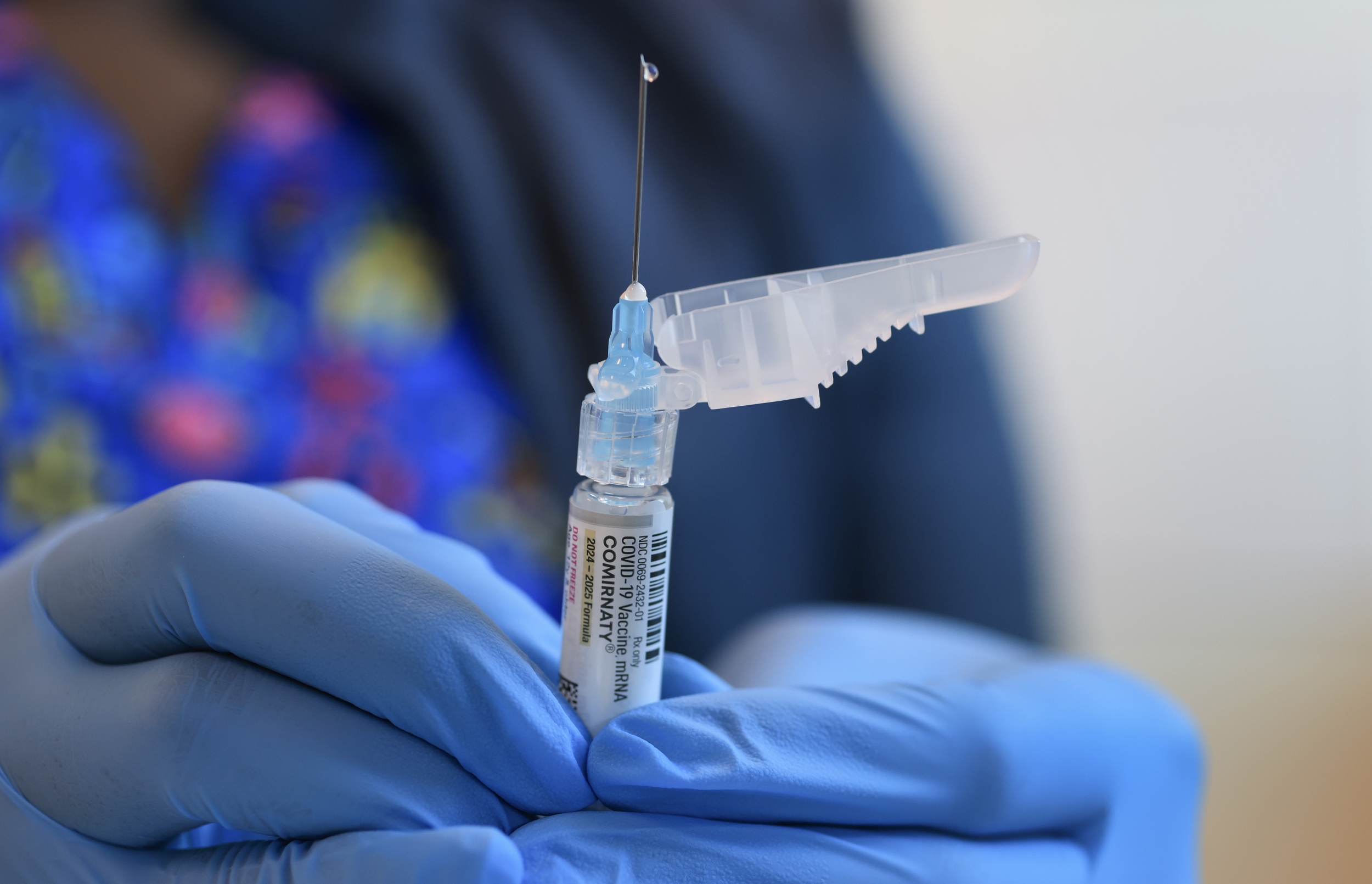
    • Check whether you are up to date on your COVID vaccination. The 2025–2026 updated vaccine is available at most pharmacies and health department clinics, many at no cost. Use vaccines.gov to find a location near you.
    • If you are immunocompromised or in a high-risk category, ask your provider whether you qualify for COVID pre-exposure prophylaxis or treatment options like Paxlovid, should you test positive.
    • Use a high-quality mask — N95 or KN95 — in crowded indoor settings if you are at high risk, particularly in airports, public transit, or large indoor gatherings.
    • If you test positive, isolate to protect others and contact your provider immediately if you are in a high-risk category to discuss whether antiviral treatment is appropriate. Paxlovid is most effective when started within five days of symptom onset.
    • Monitor CDC COVID Data Tracker and your state health department for updated local wastewater and clinical trend data.

    Cost and Access: What Patients Should Know

    Updated COVID vaccines are available at no cost at most pharmacy chains — including CVS, Walgreens, Rite Aid, and Walmart pharmacy — for people with Medicare, Medicaid, or private insurance. For uninsured patients, the CDC’s Bridge Access Program and state vaccination programs provide vaccines at no out-of-pocket cost at participating locations.

    Paxlovid, the antiviral treatment for COVID-19, requires a prescription. It is covered under most insurance plans for eligible patients with COVID-19 who are at high risk of severe illness. Patients without insurance can ask their provider or pharmacist about the Pfizer patient assistance program.

    At-home COVID tests remain available at pharmacies and continue to detect the Nimbus variant, though their sensitivity may be lower early in infection than at 48 to 72 hours after symptom onset.


    What Happens Next

    The summer COVID wave is expected to develop through July and into August in the states currently showing elevated wastewater signals. The CDC updates its COVID epidemic trend forecasts weekly; MedicalDaily will report on significant changes in wave dynamics, vaccination guidance, or variant severity data as they emerge.

    The WHO and FDA are monitoring whether the fall 2026 COVID vaccine formulation should target NB.1.8.1 or a newer variant; decisions on the fall vaccine strain typically come in late summer.


    The Bottom Line

    The Nimbus variant has made COVID the dominant public health story of midsummer 2026, with infections growing in 27 states and ER visits rising nationally. For most vaccinated, healthy adults, this wave is likely to produce an uncomfortable but manageable illness. For older adults, immunocompromised people, and those without updated vaccinations, this summer presents a genuine and preventable risk. Get vaccinated, monitor your local wastewater data, and know how to access antiviral treatment quickly if you are in a high-risk group.
    Source link

  • A Telehealth Mental Health Company Billed Medicaid for Visits That Never Happened — And It Is Not Alone

    A Telehealth Mental Health Company Billed Medicaid for Visits That Never Happened — And It Is Not Alone

    A telehealth company that provided mental health services through video appointments admitted it billed Medicare and Medicaid for patient appointments that never took place — and agreed to pay $300,000 to resolve the allegations.

    The company, Aptihealth, Inc., and Aptihealth Medical, PLLC, is based in Clifton Park, New York. According to the U.S. Department of Justice’s announcement on June 23, 2026, the settlement resolves False Claims Act allegations that included billing for patient appointments where patients did not show up, billing for patient messages without regard to whether those communications involved billable clinical content, and billing for psychological testing services that were not adequately documented.

    Aptihealth also admitted to implementing a patient incentive program involving $25 gift cards that the government contends violated the Anti-Kickback Statute.


    Why This Matters

    Telehealth mental health services have transformed access to psychiatric care for millions of Americans — reducing geographic barriers, eliminating transportation requirements, and expanding appointment availability for people who previously could not access care at all.

    That growth has attracted fraudulent billing on a significant scale. The DOJ’s 2026 National Health Care Fraud Takedown, announced simultaneously with the Aptihealth settlement, charged 455 defendants — including 90 licensed medical professionals — in connection with more than $6.5 billion in alleged fraud. Telehealth and digital health billing fraud were specifically named as one of the takedown’s key targets, with 49 defendants charged in connection with $1.17 billion in allegedly fraudulent telehealth and genetic testing claims.

    When telehealth companies bill for services that never occurred, two harms result: the federal programs are defrauded, and patients may develop billing records that do not accurately reflect their care history, with consequences for insurance, disability claims, or future treatment.


    What We Know So Far

    According to the DOJ announcement, Aptihealth’s billing violations included:

    • No-show billing: Submitting claims to Medicare and Medicaid for patient appointments that did not occur because the patient did not attend.
    • Message billing: Billing for responses to patient messages without determining whether those communications involved clinically billable content.
    • Documentation failures: Billing for psychological testing services without sufficient documentation to support the claims.
    • Anti-Kickback violation: Offering $25 gift cards to patients who attended therapy sessions — a financial incentive that the government determined violated the Anti-Kickback Statute because it could improperly influence patients’ decisions to use the service.
    • Compliance program failures: Aptihealth’s compliance program did not meet New York statutory requirements for billing oversight, compliance monitoring, and training.

    The settlement was filed as a whistleblower action by a former Aptihealth employee under the False Claims Act’s qui tam provisions. The whistleblower will receive approximately $51,000 of the settlement proceeds.


    Not an Isolated Case

    The Aptihealth settlement is one of the smaller cases in the 2026 National Health Care Fraud Takedown, but it illustrates a fraud pattern that investigators say is systemic in the telehealth sector.

    According to the DOJ’s Fraud Division, the largest telehealth fraud case in the takedown was United States v. Blackman, involving Brett Blackman, founder and CEO of HealthSplash. His company, DMERx, used foreign call centers to blast spam to Medicare beneficiaries, pressuring elderly patients to accept medically unnecessary orthotic braces. The fraud involved $1 billion in allegedly fraudulent Medicare claims for equipment that, in many cases, was never ordered by a legitimate physician or needed by the patient.

    The Southern District of Florida takedown included charges against 12 defendants in connection with more than $4 billion in allegedly fraudulent claims for community mental health services, among other categories, illustrating the scale at which telehealth billing fraud now operates.


    What the Evidence Shows — and What It Does Not

    The Aptihealth settlement involves admitted conduct — the company admitted responsibility for the billing practices described. This is a settlement, not a jury trial verdict, and the $300,000 payment is not described as encompassing the full amount billed improperly. Settlement amounts in False Claims Act cases typically do not represent the full extent of alleged fraud.

    The DOJ’s 2026 Takedown data represent alleged fraud that has been charged or settled, not a comprehensive picture of the total volume of telehealth billing irregularities that may exist in the market. Experts in health care fraud have noted that telehealth billing is particularly difficult to monitor in real time because virtual care occurs without the physical presence of oversight, and documentation standards vary widely.


    Who Is Most Affected?

    • Medicaid and Medicare beneficiaries who received mental health services through telehealth platforms and may have claims in their records for sessions they did not attend
    • Patients who were billed for message-based consultations that did not meet the clinical threshold for a billable service
    • Taxpayers and program beneficiaries generally, since telehealth billing fraud increases costs borne by the Medicare and Medicaid trust funds

    What You Can Do Now

    • If you receive mental health services through telehealth and are covered by Medicare or Medicaid, review your Explanation of Benefits (EOB) or Medicare Summary Notice carefully. Check that every listed service date corresponds to an appointment you actually attended.
    • If you see a claim for a session you did not have, contact your insurance company or 1-800-MEDICARE (1-800-633-4227) to report it.
    • If you receive telehealth care, you have the right to ask your provider for a copy of your billing records. These records should reflect only services that were actually provided.
    • Report suspected Medicare or Medicaid billing fraud to the HHS OIG Hotline at 1-800-HHS-TIPS (1-800-447-8477).
    • If you work for a telehealth company and suspect fraudulent billing, the False Claims Act’s whistleblower provisions allow you to report it and, if the case results in a recovery, receive a portion of the settlement proceeds.

    Cost and Access: What Patients Should Know

    Patients whose Medicare or Medicaid records contain claims for services they did not receive should not owe out-of-pocket costs for those fraudulent claims. If a co-payment or cost-sharing was collected for a session that did not occur, patients should request a refund from the provider. If the provider does not respond, contact your insurance plan or state Medicaid agency.

    Patients who have experienced genuine fraudulent billing should not discontinue telehealth mental health care as a result of this fraud. The fraud problem lies with the billing practices of specific providers, not with telehealth as a modality for delivering legitimate mental health services.


    What Happens Next

    The DOJ’s 2026 National Health Care Fraud Takedown is ongoing, with additional enforcement actions expected. CMS has suspended billing privileges for 1,403 providers and revoked them for 1,079 more as part of the 2026 action. A newly announced Health Care Fraud Data Fusion Center will deploy artificial intelligence and cloud computing tools to identify telehealth billing fraud patterns more rapidly. MedicalDaily will continue tracking enforcement actions in the telehealth sector.


    The Bottom Line

    A telehealth mental health company admitted it billed Medicare and Medicaid for appointments that never happened, and the DOJ’s 2026 National Health Care Fraud Takedown makes clear this is not an isolated case. Telehealth billing fraud is one of the fastest-growing categories of health care fraud. Patients who use telehealth for mental health care should review their billing records regularly, confirm that every claim in their record corresponds to an actual appointment, and report any discrepancies promptly.

    References

    Source link

  • HEALTH ALERT: Houston’s Summer Heat Season Begins With a 329% Surge in ER Visits — And Officials Fear the Worst Is Still Ahead

    HEALTH ALERT: Houston’s Summer Heat Season Begins With a 329% Surge in ER Visits — And Officials Fear the Worst Is Still Ahead

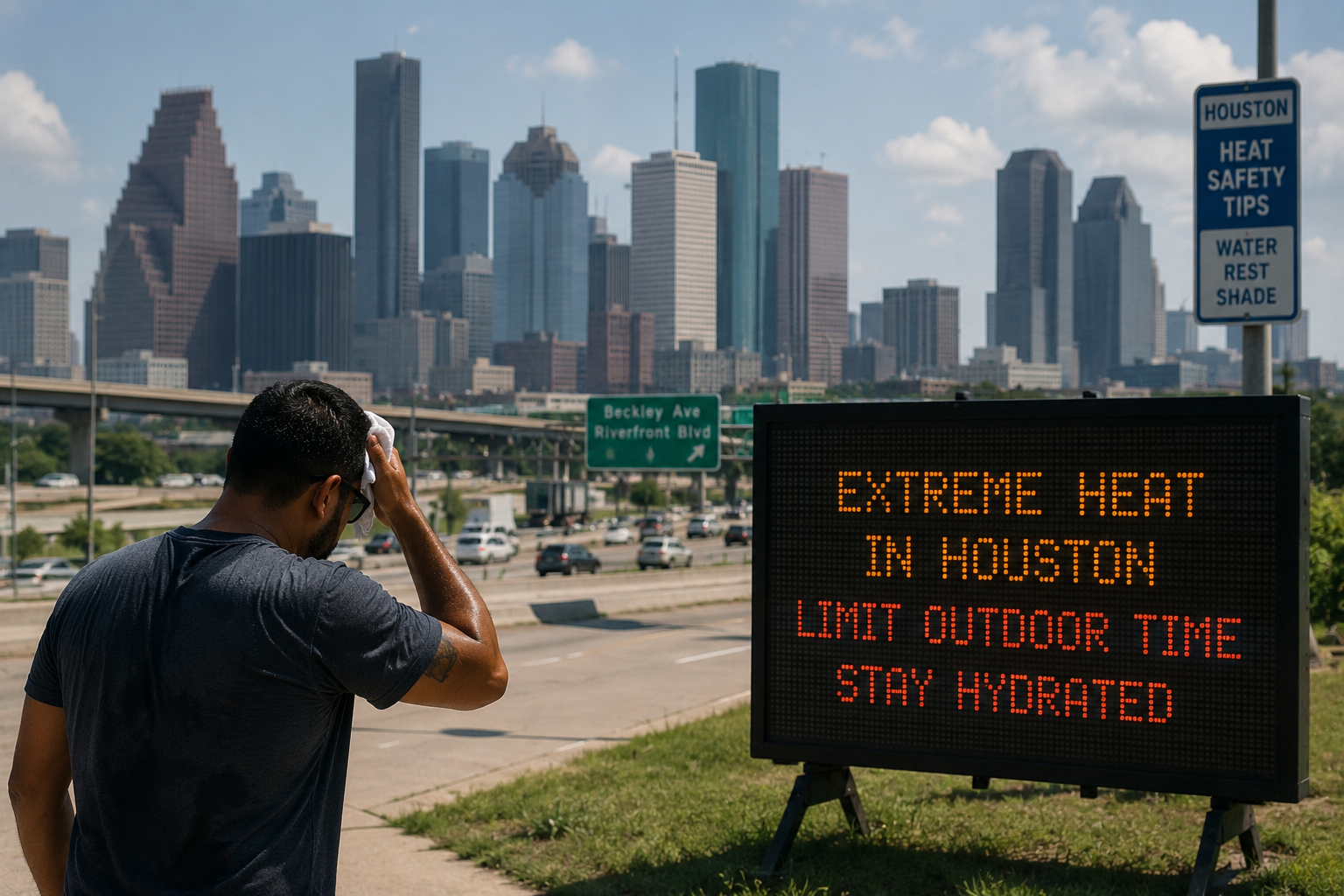
    HOUSTON — As the first days of meteorological summer descend on Southeast Texas, the Houston Health Department (HHD) and Harris County Public Health are bracing for what is shaping up to be another potentially lethal heat season. The numbers are stark: heat-related emergency room visits in Harris County have surged 329% between 2019 and 2023, according to a landmark study by Harris County Public Health. With the 2026 summer just beginning, there is no credible reason to believe that trajectory has reversed.

    The HHD has activated its annual Summer Surveillance program, an interactive dashboard that tracks heat-related illness (HRI) across Harris, Fort Bend, and Montgomery counties on a weekly basis. The dashboard is designed to identify vulnerable populations and trigger protective interventions — but as public health advocates have repeatedly warned, surveillance is only as valuable as the policy response it generates.

    A 329% Increase: What the Data Actually Tells Us

    The Harris County Public Health study, covering 2019 through 2023, is not a projection. It is a documented record of real emergency room visits by real Houstonians who required medical care because of the heat. The 329% jump over four years represents a compounding crisis — one that accelerated dramatically in 2024, when Hurricane Beryl knocked out power for up to 2.7 million customers in the middle of a heatwave. Houston-area hospitals reported about twice their normal ER patient load during that period, with more than 320 patients suffering heat-related illness — roughly triple the seasonal norm.

    The study found that older adults accounted for 39% of heat-related illness cases — a demographic that is disproportionately likely to live alone, to lack air conditioning, or to be unaware they are overheating until it is too late. Workers who labor outdoors — construction workers, landscapers, delivery drivers — represent another heavily affected group, as do children who may be left in vehicles or who lack access to air-conditioned spaces during the day.

    Dr. Jennifer Kiger of Harris County Public Health noted that the correlation between high heat index values — when temperature and humidity combine to reach life-threatening levels — and ER visits is unmistakable. Four of the past five summers in Houston ranked among the top 10 warmest on record. The National Weather Service regularly issues Excessive Heat Warnings for the region when heat indices are expected to exceed 108°F for multiple consecutive days.

    West Nile Virus: The Additional Threat

    Heat is not the only compounding risk this summer. The Texas Department of State Health Services (DSHS) has already confirmed the state’s first West Nile virus case of 2026 in a Harris County resident — diagnosed with neuroinvasive West Nile disease, the most severe and potentially fatal form of the illness. Neuroinvasive West Nile can cause encephalitis (brain swelling), meningitis, and permanent neurological damage. There is no specific treatment or vaccine.

    West Nile spreads through the bite of infected mosquitoes, which thrive in exactly the hot, standing-water conditions that Houston’s summer reliably produces. Flooding from summer storms — a near-annual occurrence — creates breeding grounds for Culex mosquitoes throughout the Houston metro. Public health officials are urging residents to eliminate standing water on their properties, use EPA-registered insect repellents, and wear long sleeves and pants during peak mosquito activity at dusk and dawn.

    The Systemic Problem: Heat Undercounting and Infrastructure Gaps

    Experts believe Texas is significantly undercounting heat-related deaths. Medical examiners frequently list the immediate physiological cause of death — cardiac arrest, organ failure, respiratory collapse — rather than the underlying heat exposure that triggered the cascade. The CDC uses Maricopa County in Arizona as its national model for heat death investigation methodology; Texas counties vary dramatically in their capacity and willingness to code heat as a contributing cause of death, which means the true toll in Houston and across Texas is almost certainly higher than official figures reflect.

    The infrastructure problem is equally acute. After Hurricane Beryl’s 2024 devastation exposed the fragility of CenterPoint Energy’s grid — leaving half a million people without power in triple-digit heat for more than a week — calls for accountability were loud but action was slow. The city’s cooling center network, while improved, remains inadequate for the scale of need: not all centers are open 24 hours, and transportation access to them remains a major barrier for the elderly, the disabled, and the unhoused.

    What Houston Residents Must Do This Summer

    The Houston Health Department’s advice for the 2026 summer heat season is urgent and practical:

    • Never leave children, elderly persons, or pets in parked vehicles — even briefly.

    • Check on elderly neighbors, especially those living alone or without air conditioning.

    • If your home loses power during a heat event, go to a cooling center immediately. Find locations at the Houston Office of Emergency Management website.

    • Drink water consistently throughout the day — do not wait until you feel thirsty, especially during physical activity.

    • Know the signs of heat exhaustion (heavy sweating, weakness, cold/pale/clammy skin, weak pulse, nausea) and heat stroke (hot/red/dry skin, rapid/strong pulse, unconsciousness), which is a medical emergency requiring immediate 911 contact.

    Monitor the Houston Summer Surveillance dashboard at houstonhealth.org for weekly updates on heat-related illness trends across the region.

    Conclusion: Houston Is Running Out of Time to Treat Heat as a Public Health Emergency

    A 329% surge in ER visits in four years is not a weather story. It is a public health emergency with a predictable, data-confirmed trajectory. The city of Houston and Harris County have surveillance tools, a published Summer Surveillance program, and years of mortality data. What has been slower to materialize is the political will and the infrastructure investment to match the scale of the crisis — particularly for the city’s most vulnerable residents, who are disproportionately low-income, elderly, or living without stable housing.

    As June approaches, the window for preparedness is closing. Houston’s emergency rooms deserve more than a summer of predictable overcrowding. The residents who end up in them deserve more than reactive care after a preventable crisis.

    RELATED ON MEDICALDAILY.COM

    Houston’s Deadly Heat Season Is About to Begin — and the City’s ERs Are Already Behind

    • Phoenix Heat Deaths: Maricopa County Confirms First Fatality of 2026

    • West Nile Virus: What You Need to Know This Summer

    • Climate Change and Urban Heat Islands: How American Cities Are Becoming Death Traps

    Source link