Tag: Veterans

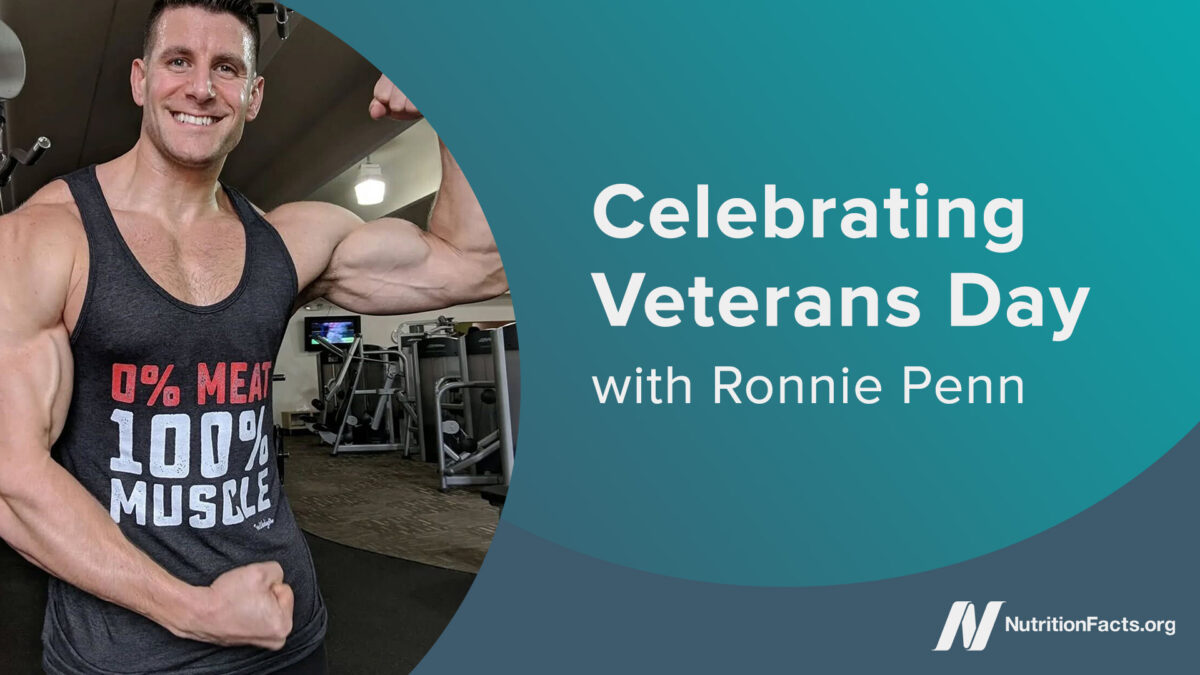
  • Celebrating Veterans Day with Ronnie Penn

    Celebrating Veterans Day with Ronnie Penn

    We had the pleasure of talking with Ronnie Penn about his military service, his work as a chef and a coach, and what Veterans Day means to him. We hope you enjoy this interview. 


    Thank you for your service, Ronnie. We’re honored to speak with you today. Can you start by sharing a bit about your background? What inspired you to enlist, and when did your military journey begin?

    I grew up wanting to serve something bigger than myself, and the Marine Corps gave me that opportunity. I enlisted in 2004 and deployed to Iraq during Operation Iraqi Freedom and to Afghanistan from 2012 to 2014. Later, I served in the Coast Guard as a chef, which opened a whole new chapter in how I looked deeper into nutrition. Service taught me discipline, resilience, and the importance of teamwork—qualities I carry into everything I do today.


    How did your time in the military shape who you are today? Is there anything in particular about your service that you would like to share?

    The military taught me to stay calm under pressure and adapt quickly. Whether it was on deployment overseas or working with my shipmates in the galley, I learned how much impact food, mindset, and discipline can have on performance and morale. Those lessons shaped who I am now—not only as a veteran, but also as a coach who helps others take control of their health.


    Were there any habits or disciplines from your military experience that helped in your transition to plant-based living or in your work today as a coach?

    Two habits stuck with me: structure and accountability. In the Marines, every detail mattered. That same mindset helps me stick to meal prep, training schedules, and coaching clients. It also made the transition to plant-based eating easier because I was already used to planning ahead and being intentional about what I put into my body.


    You’ve spoken about health issues that arose during competition prep, which ultimately led you to switch to a plant-based diet. What symptoms were you experiencing at the time, and what physical or medical changes did you notice after the transition?

    When I was competing in bodybuilding, I pushed my body hard—lots of animal protein, supplements, and restrictive dieting. Over time, I developed digestive issues and constant fatigue. Switching to a whole food, plant-based diet changed everything. My digestion improved, and my energy came back. It was eye-opening to see how quickly the body can heal when you give it the right fuel.


    Did you encounter any challenges accessing or preparing plant-based foods during active service? How did you make it work in that environment?

    Back then, plant-based options were limited, especially on deployment. I loaded up on oatmeal, beans, rice, fruits, and vegetables whenever I could, and I had to get creative, too. I learned how to make simple meals with what was available, and that creativity carried into my role as a chef in the Coast Guard.


    Were there any particularly memorable reactions from your shipmates or peers when you introduced them to plant-based meals as a chef in the Coast Guard?

    At first, my shipmates were skeptical. But once I started cooking hearty meals, like lentil stews, veggie burritos, or black bean burgers, they were surprised by how satisfying plant-based food could be. I still remember one crew member saying, “I didn’t even miss the meat.” Moments like that showed me how powerful food can be in changing perceptions.


    You’ve become a vocal advocate for plant-based eating in high-performance settings. Are there any particular studies or sources that informed or reinforced your choices?

    The work of Dr. Greger and NutritionFacts.org has had a huge impact on me. I also leaned on research from the Physicians Committee for Responsible Medicine (PCRM) and books like The China Study. Seeing the science laid out gave me confidence that a plant-based diet wasn’t just personal preference; it was evidence-based. Also, the Netflix documentaries What the Health and Forks Over Knives were also extremely effective influences.


    In your opinion, how can education about preparing whole plant foods be a path forward for people to achieve better health?

    Education is the key. When people learn how to prepare whole plant foods in simple, tasty ways, it removes the intimidation factor. Once they see how it can lower blood pressure, improve energy, and even prevent chronic disease, it clicks. Food literacy is one of the most powerful tools we have for better health.


    Please tell us about your online personal training program and app. What inspired you to start these projects, and how do they help you reach more people with your message?

    I started my online fitness coaching because I wanted to reach people beyond the gym. Not everyone can afford a trainer, but most people have a smartphone. Through my training app, I provide meal plans, workout routines, and a grocery list with accountability check-ins. It’s a way to scale what I do—helping people take small, daily steps toward a healthier life.


    Lastly, what does Veterans Day mean to you? Is there anything you would like to share with your fellow veterans?

    Veterans Day is a moment of reflection for me. It’s about honoring the sacrifices of those who served, as well as reminding myself to live in a way that makes that service meaningful. I want to encourage other veterans to take care of themselves, not just physically, but mentally and emotionally, too. We served our country; now it’s time to serve ourselves by living healthy and purposeful lives.


    To learn more about Ronnie, visit his website: https://www.ronniepenn.com/


    Source link

  • Democratic Veterans Could Be Refused Treatment Under Trump’s New Rules for VA Hospitals: Report

    Democratic Veterans Could Be Refused Treatment Under Trump’s New Rules for VA Hospitals: Report

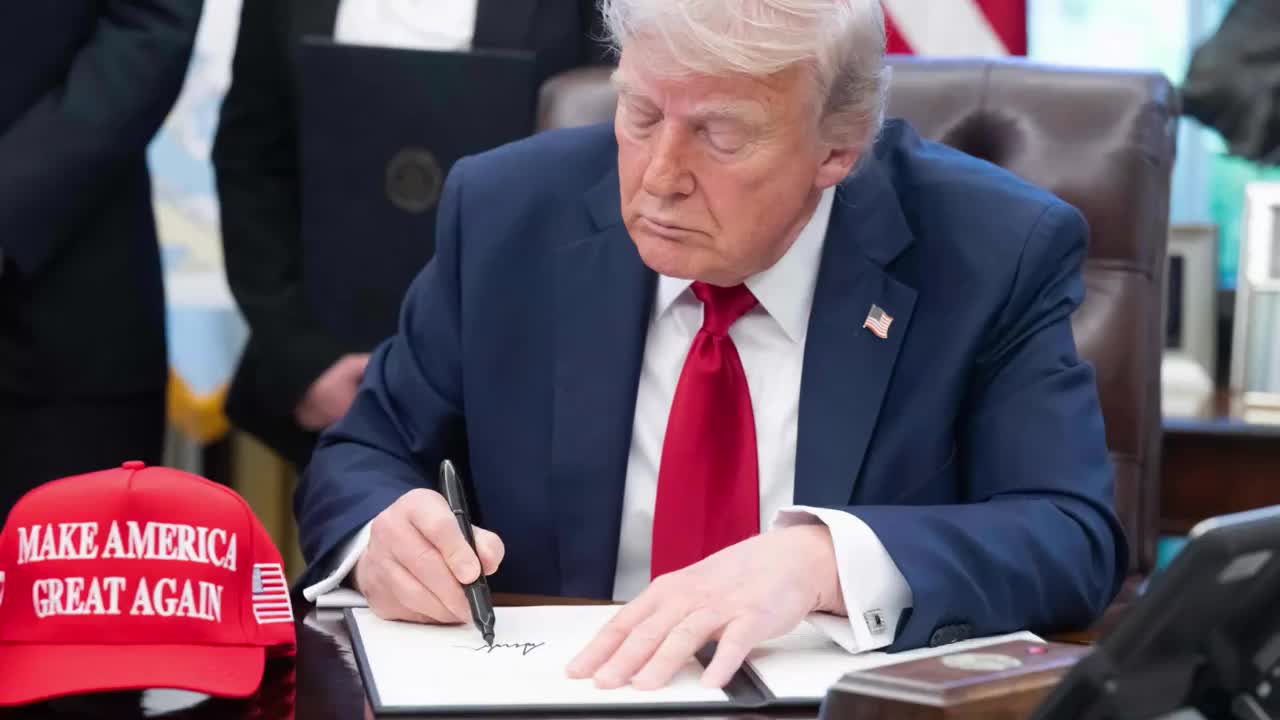
    New guidelines implemented under an executive order by President Donald Trump now allow VA hospital staff to refuse healthcare to veterans based on political affiliation and marital status, prompting concerns that Democratic and unmarried veterans may be denied treatment.

    On January 30, Trump signed an executive order titled “Defending Women from Gender Ideology Extremism and Restoring Biological Truth to the Federal Government.” While its primary aim was to curtail federal protections for transgender individuals, the order also triggered sweeping changes within the Department of Veterans Affairs (VA), according to the Guardian.

    The VA, which serves over 9 million veterans across more than 170 hospitals and 1,000 clinics, revised its internal bylaws to strip longstanding protections against discrimination based on political party, marital status, sexual orientation and national origin.

    The updated policies allow doctors, psychologists, dentists and other healthcare workers at VA hospitals to refuse treatment to veterans based on characteristics not explicitly protected by federal law. While veterans are still legally entitled to care, there is now no rule preventing staff from declining service to individuals based on their political beliefs or whether they are unmarried.

    Internal documents reviewed by the outlet confirm that the changes are already in effect at some VA centers. The VA’s press secretary confirmed the revisions were made to align with Trump’s executive order but did not clarify what federal law required such shifts.

    The new rules have drawn sharp criticism from medical experts and ethics professionals. Dr. Kenneth Kizer, the VA’s top health official, warned the policy could allow providers to deny care to patients based on rape allegations, political activity or substance use. Dr. Arthur Caplan of NYU’s Grossman School of Medicine called the changes “unethical” and “an effort to exert political control over the VA medical staff.”

    Originally published on Latin Times

    Source link

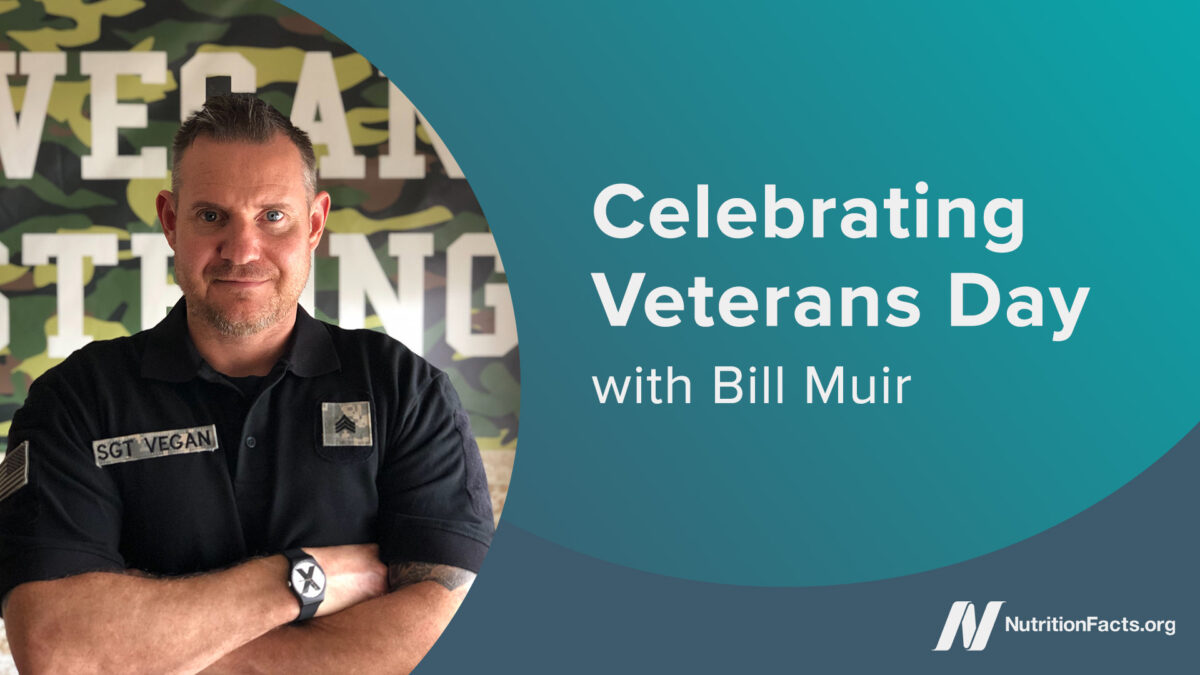
  • Celebrating Veterans Day with Bill Muir

    Celebrating Veterans Day with Bill Muir

    We had the pleasure of talking with Bill Muir about his work in the military and as a Registered Nurse, food access, his book, and Veterans Day. We hope you enjoy this interview.


    Thank you for your service. We are grateful for the opportunity to interview you. Please tell us about yourself and your background. Why did you decide to join the military, and when did you enlist?

    Thank you very much! Hi, everyone. I’m Bill Muir, aka SGT VEGAN. I’m a combat veteran, RN, and 32-year vegan. I joined the U.S. Army after 9/11 to serve my country in its time of need. I had been living in Japan for about eight years at the time the attack happened, and, as an expat, it affected me very deeply. I joined the military because I thought I would be able to make a difference and help save lives, both American and Afghan, if I joined during war.

    What branch of the military were you in? What was your job? Where did you serve?

    I was a U.S. Army Paratrooper and served with the 173rd Airborne Brigade as a combat medic. I did a tour in Afghanistan from 2005 to 2006.

    What was your experience like eating a plant-based diet while serving? Did you experience particular challenges with food access? If so, how did you overcome them?

    Being vegan in the military really depends on where you are and what you are doing. Basic training was completely awful––not because training was hard, but because I was starving all the time. After bootcamp, things got better and I put the weight back on. Being stationed in Italy with the 173rd was amazing! I actually got kind of fat despite all the running I was doing, because I was eating vegan pasta, vegan pizza, and vegan gelato every day. When I deployed, I was very worried I would go back to starvation mode, but, luckily, I found a website called anysoldier.com that sends deployed service people what they need. I’ve heard conditions for people on plant-based diets have gotten better, but until there are designated vegan MRES (field rations) and plant-based options in all military cafeterias, it will be difficult to be plant-based in the military.

    Why was it important to you to remain plant-based during your military career?

    To me, being vegan meant living my ethics. I think remaining true to something I believe in while in the military, especially while in a warzone, was also about my attempt to hold on to my identity.

    How did your time in the military shape who you are today? Is there anything in particular about your service that you would like to share?

    No matter who you are, being in the military will change you almost down to a cellular level. I know that’s a popular trope in every movie and TV show featuring the military, but somehow I wasn’t expecting that would include me as well.

    After your military service, you earned a certificate in Vegan Culinary Arts from Atlantic Union College. In your opinion, how can education about preparing whole plant foods be a path forward for people to achieve better health?

    It can be huge, but people have to want to change. A vast majority of my patients have checked out and given up on trying to be healthy. I’m just trying to do the best I can to keep them from falling or dying on my shift. There is still a lot of anti-vegan propaganda in the United States, and, unfortunately, a lot of veterans still believe that somehow eating dead animals makes you more masculine.

    After you transitioned out of the military, you became a Registered Nurse. What has your experience been like working in the medical field and what area of nursing is your specialty?

    Working for Veterans Affairs (VA) as an RN has been both a blessing and a curse. On one hand, I feel lucky to be able to help my fellow veterans in their time of need, in much the same way as I joined the military in a time of war. On the other hand, working with sick and dying people takes its toll on you both physically and mentally. All in all, I feel lucky to have a job doing something that matters, but sometimes I wish I had chosen an easier profession.

    Do you still work for a VA hospital? Have you seen conditions that could be preventable with healthy lifestyle interventions, like whole food, plant-based eating?

    I work on a VA Medical/Surgical floor that has heart monitors. The vast majority of cardiac issues are lifestyle-related, meaning the patients’ hearts aren’t working the way they should because of unhealthy diets, smoking, drinking, or drugs. While we can’t live forever, we can live better, longer, if we just make simple lifestyle adjustments. The top three? Go vegan, exercise daily, and don’t smoke.

    Please tell us about your book Vegan Strong. What inspired you to write it?

    After I went to culinary school, I planned to open a restaurant. Unfortunately, my timing wasn’t great. It was 2008 and the economy was on the rocks, so I shelved that dream and made the practical choice to become a Registered Nurse. I didn’t know what I was going to do with all of my knowledge of plant-based health and plant-based living until, one day, I had an idea. I would write a book about how to be healthy and vegan, but style it like an Army Field Manual. 

    Lastly, what does Veterans Day mean to you? Is there anything you would like to share with your fellow veterans?

    Veterans Day is our day, so as a veteran, if you want it to be about getting some free meals, go for it. If you want it to be about meaningful reflection, that’s cool, too. We are around 6 percent of the population, and if you served during wartime, that number is even smaller. Eat right, take care of yourself, and if you need help, the VA is always there for you. GO VEGAN AND STAY VEGAN STRONG!

    For more information about my work and latest updates, visit my website and follow me on social media at IG @sgt_vegan, and Facebook.


    Source link