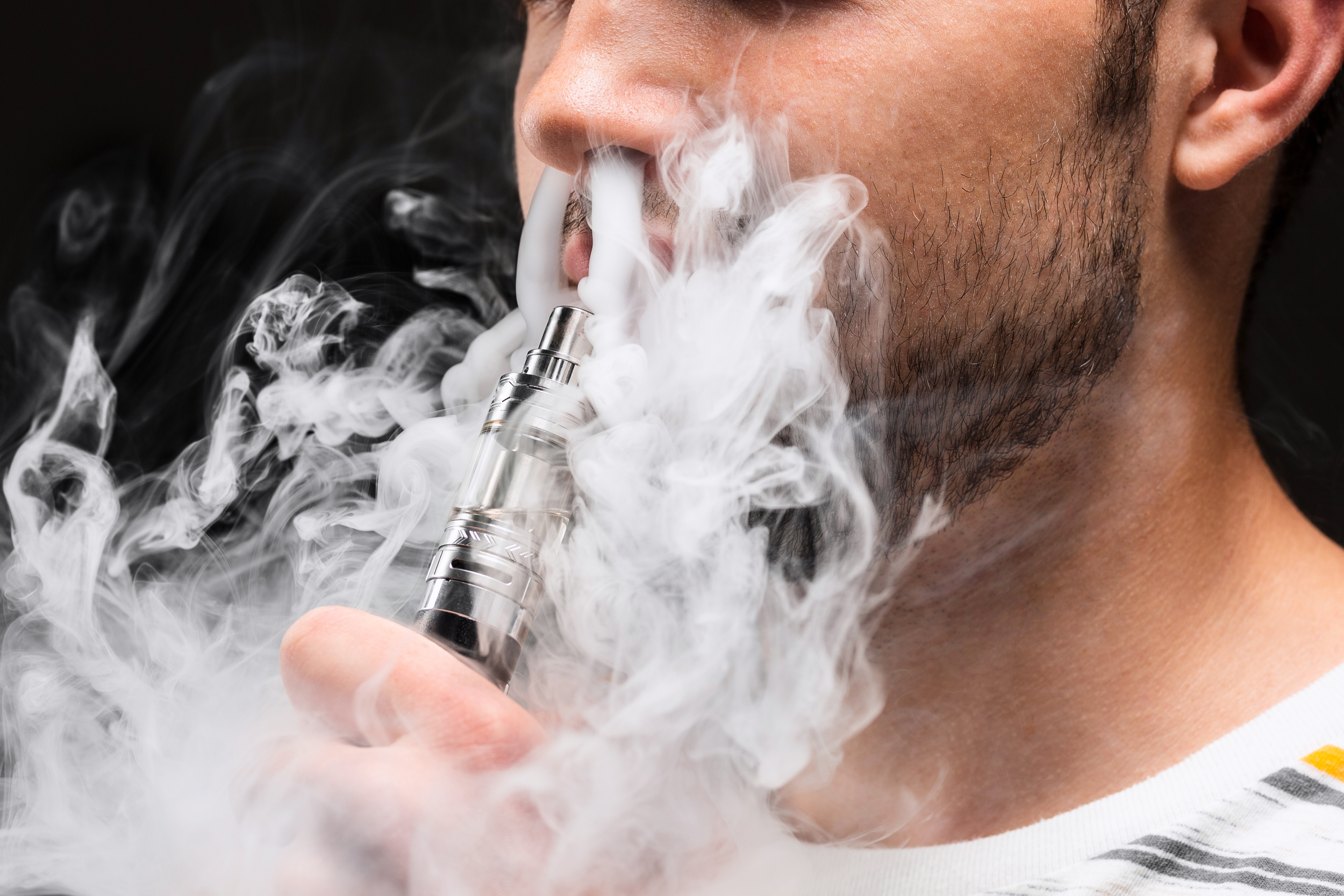
Vaping usually sits in the same conversations about habits and health risks as traditional tobacco products, not medical prescriptions. That makes it easy to miss how the same technology is used under medical supervision. In regulated care, vaping can function as a delivery method shaped by clinical rules and evidence standards rather than a personal choice.
Vaping has taken the world by storm, and in healthcare circles, it is now spoken about with the same caution as cigarette smoking. This makes it confusing when vaping is mentioned positively in a medical setting. However, in healthcare, delivery methods are chosen for control and predictability. Medical cannabis follows that logic, where the form of treatment matters because it affects how care is managed and reviewed by clinicians.
When Vaping Becomes a Prescribed Delivery Method
In clinical care, vaping is used as a practical way to deliver prescribed cannabis. It is considered alongside other formats based on how clearly dose and timing can be controlled. The decision sits with specialist clinicians and forms part of a wider treatment plan, rather than something selected casually.
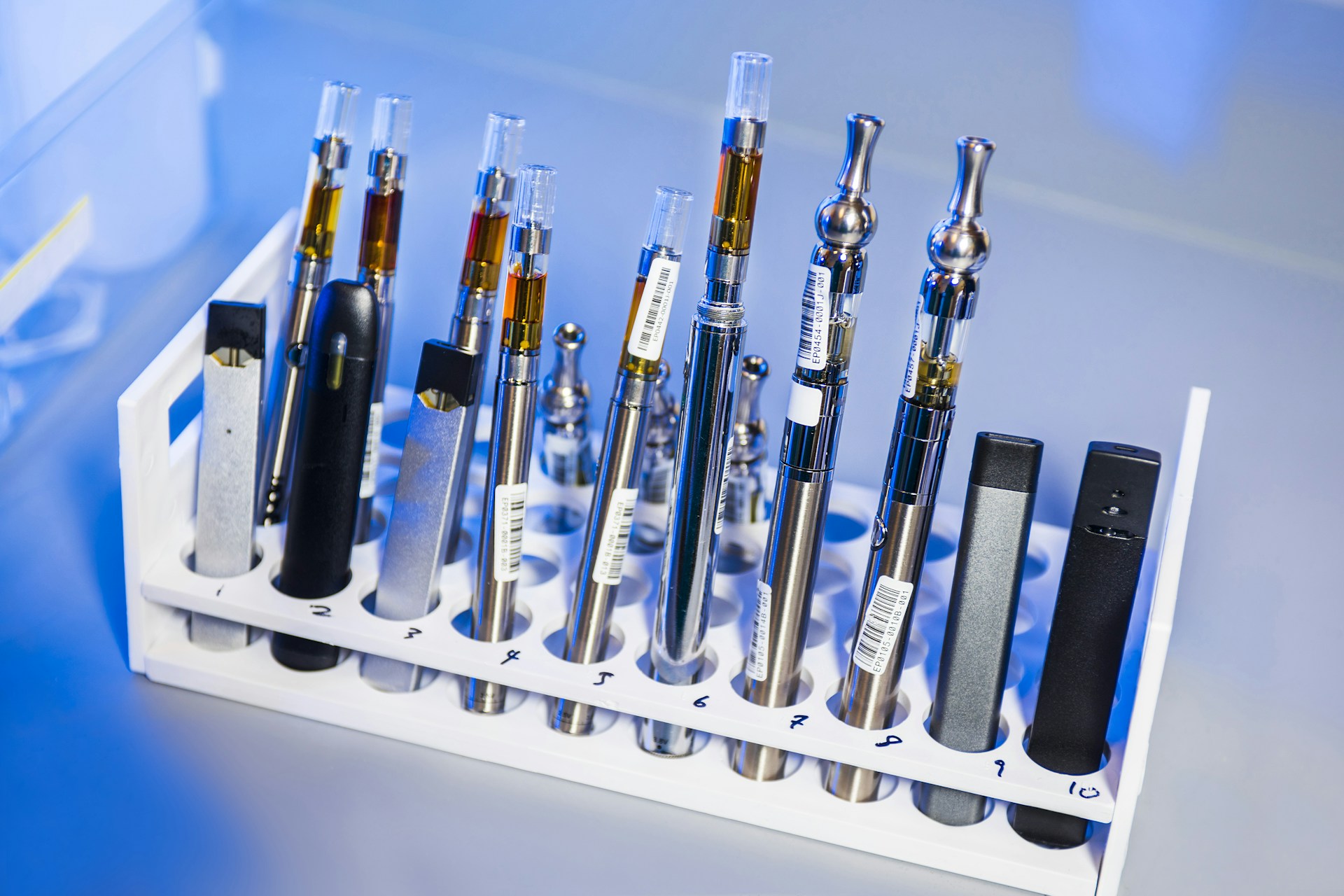
A THC vape in this setting is prescribed under medical supervision and supplied through regulated channels. Its role is tied to consistency and monitoring, with treatment reviewed and adjusted over time. The method is treated as a medical tool, judged by how it fits into supervised care rather than how it is viewed outside healthcare.
Clinical Oversight Changes How Products Are Evaluated
In prescribed medical care, products are assessed in a different way than consumer health items. Clinicians look at how a product is used, how reliably it performs, and how easily it can be reviewed. That applies to medical cannabis in the same way it applies to other prescribed treatments, from injectable medications like insulin to normal tablets and capsules. The focus stays on safety, consistency, and whether the format supports ongoing clinical decision-making.
Guidance on medical cannabis in the UK places clear limits around who can prescribe, how treatment is monitored, and when changes are made. This framework shapes how products are judged, including vaping formats. Decisions are not based on preference or popularity, but on whether a delivery method fits within specialist oversight and can be adjusted responsibly as treatment progresses.
Why Public Reviews and Medical Context Often Collide
Public review platforms play a role in how people assess information about cannabis oils, especially outside clinical settings. Reviews tend to focus on availability, presentation, and reported experience, which can be useful for orientation. At the same time, prescribed products operate within a different framework that includes assessment, regulation, and ongoing review.
This difference matters when reading cannabis oil reviews UK that place medical clinics alongside consumer products. A listing can signal visibility and trust, but it does not explain how prescribing decisions are made or how treatment is monitored. Reviews reflect public perspective, while clinical care follows specialist oversight and regulated standards that sit beyond what a review format can capture.
Regulation and Safeguards Define Medical Use
Medical cannabis in the UK operates inside a legal framework that sets clear limits on prescribing and supply. Only specialist clinicians can initiate treatment, and products must meet defined regulatory standards. These rules exist to ensure that decisions are based on clinical judgement rather than availability or demand.
Government guidance outlines how medical cannabis is controlled, prescribed, and reviewed within the healthcare system. This includes oversight of product quality, prescribing responsibility, and ongoing patient review. Vaping formats are treated no differently from other prescribed options. Their use is shaped by regulation and safeguards, not by trends or consumer interest.
Evidence Standards Differ between Medical Treatment and Supplements
Multivitamins are sold as everyday health products and are used without clinical assessment or follow-up. They are taken at the reader’s discretion, with evidence discussed in general terms and responsibility resting with the individual. Oversight is limited, and products remain available regardless of how strong or weak the supporting data may be.
Questions around whether daily multivitamins are backed by solid evidence illustrate how widely used health products can exist outside prescription standards. Prescribed medical cannabis is handled differently. Products are issued through specialist care, reviewed over time, and adjusted when necessary. Delivery methods, including vaping, are assessed within regulated treatment rather than general health discussion.
Drawing a Clear Line between Treatment and Trend
Vaping looks the same at a glance, but context changes what it means. In healthcare, delivery methods are judged by control, oversight, and how they fit into ongoing care. Medical cannabis is prescribed within that structure, where format is part of clinical decision-making rather than personal expression. Confusion tends to arise when medical treatment is viewed through a consumer lens. Keeping the distinction clear matters. Prescribed care is shaped by regulation, review, and responsibility, while lifestyle choices are not. The difference is not subtle, even if the tools appear similar.