Tag: Vaccine

  • RSV Vaccine Effective In Cutting Hospitalization In Older Adults, Immunocompromised Individuals: Study

    RSV Vaccine Effective In Cutting Hospitalization In Older Adults, Immunocompromised Individuals: Study

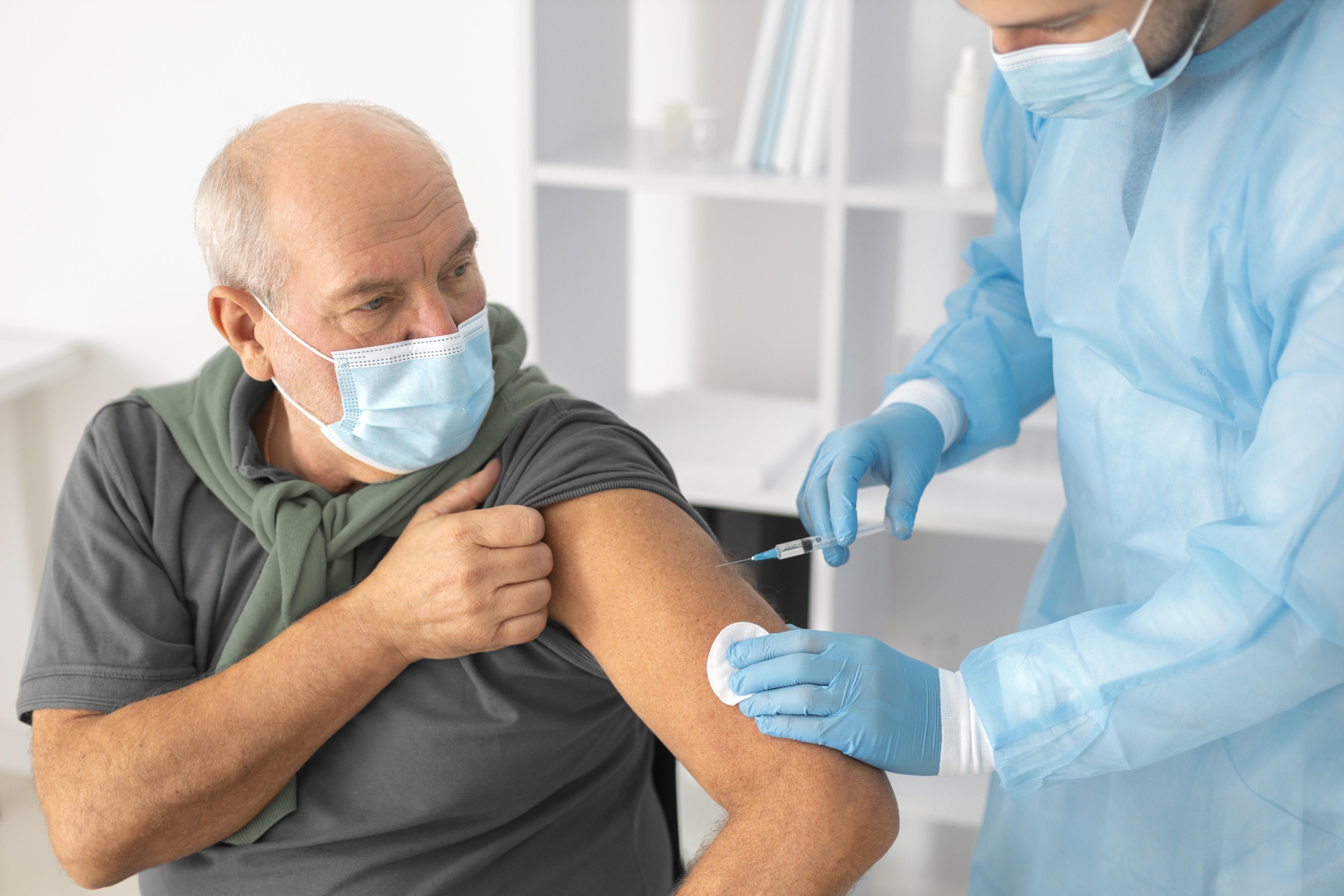
    Researchers have now found that the vaccine against Respiratory Syncytial Virus (RSV) can prevent hospitalization in a significant majority of older adults and immunocompromised individuals.

    The latest study published in the Lancet journal analyzed the effectiveness of the RSV vaccine in U.S. adults aged 60 and older using large-scale data from 36,706 patients. The researchers looked at hospital and emergency room visits for RSV-like illnesses between October 2023 and March 2024 across eight U.S. states. They then compared vaccination rates between patients who tested positive for RSV and those who tested negative while adjusting for factors like age, sex, race, underlying health conditions, and location. There were 3,275 vaccinated patients in the study.

    The analysis showed that the RSV vaccine is highly effective, reducing the risk of hospitalization due to infection complications by 80%. Even among typically more vulnerable immunocompromised individuals, the vaccine was 73% effective at preventing hospitalization.

    “No vaccine is 100 percent effective. An 80 percent vaccine effectiveness rate is quite impressive and higher than we see, for example, with the influenza vaccine,” study co-author, Brian Dixon said in a statement.

    “The bottom line is that using real-world data from electronic medical records routinely captured in care for people from diverse walks of life we found that having the vaccine was highly protective against hospitalization, severe illness and death,” Dixon said.

    As per the Centers for Disease Control and Prevention (CDC) guidelines, everyone aged 75 and older is recommended to take at least one dose of the RSV vaccine, while adults aged 60 to 74 should consider it if they are at higher risk of severe RSV. This includes individuals with chronic heart or lung diseases, severe obesity, weakened immune systems, certain diabetes conditions, or those living in nursing homes.

    To protect infants from severe RSV, two options are available: Pfizer’s Abrysvo vaccine given to pregnant women or an RSV antibody treatment given to infants after birth.

    As of October 5, 2024, the CDC estimates that 36.9% of adults aged 75 and older have received an RSV vaccine. Among adults aged 60 to 74 with high-risk conditions for RSV, about 29% have been vaccinated.
    Source link

  • COVID-19 Vaccine Linked To Elevated Risk Of Facial Palsy: Study

    COVID-19 Vaccine Linked To Elevated Risk Of Facial Palsy: Study

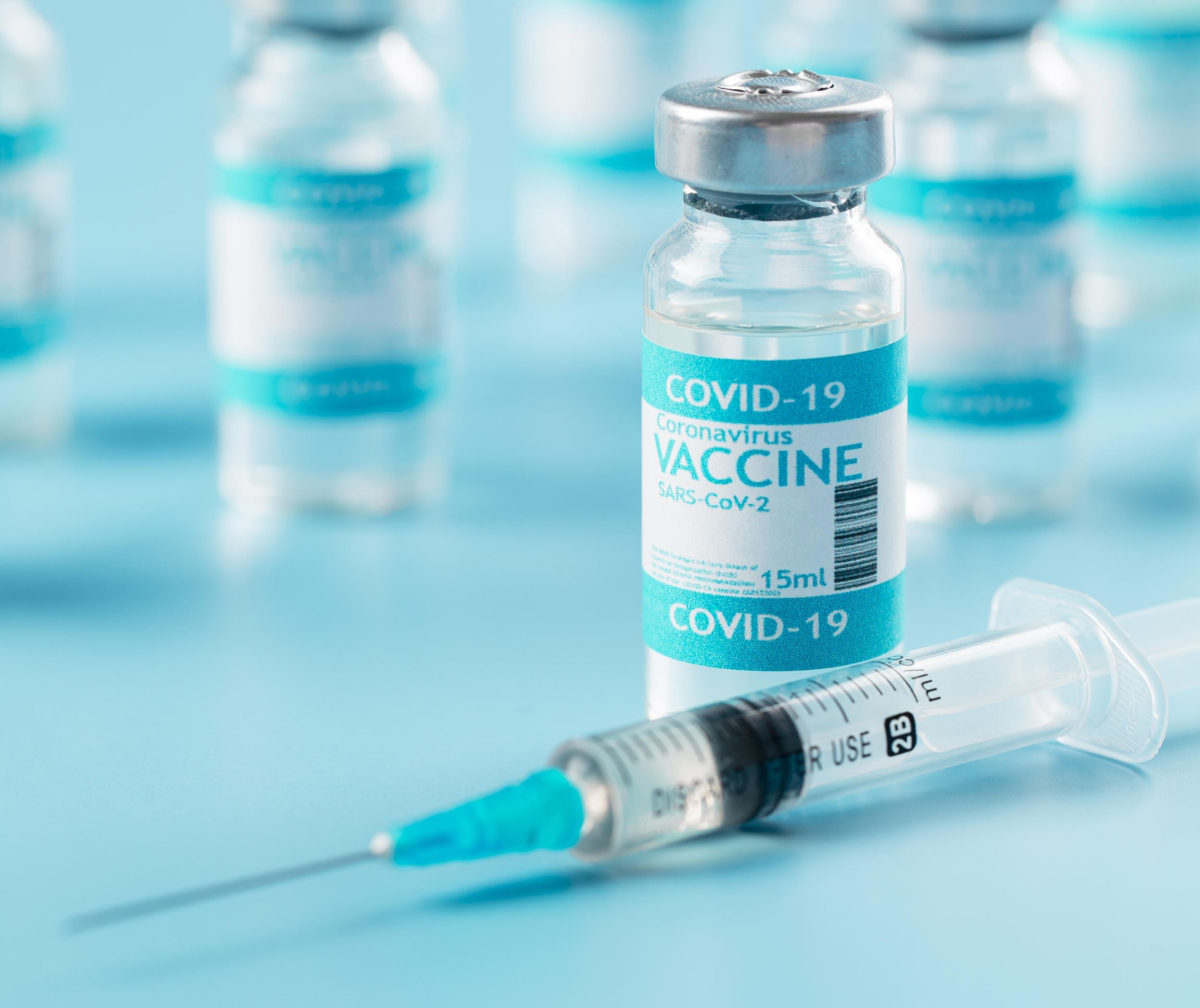
    Researchers have found that COVID-19 vaccination is linked to an elevated risk of facial palsy, with the risk particularly high within 28 days of taking the shot.

    Facial palsy, also known as Bell’s palsy, leads to temporary weakness or paralysis of the facial muscles, resulting in drooping on one side of the face and difficulty making facial expressions. Although the exact cause of the condition is not known, experts believe that certain viral infections, autoimmune mechanisms, or vaccination can be potential triggers.

    Although the pivotal clinical trials during the development of COVID-19 vaccines revealed no severe safety concerns, there has been an imbalance in the incidence of facial palsy among vaccinated individuals compared to the general population. This prompted the researchers to conduct a large-scale study involving over 44 million patients in South Korea to investigate the risk of facial palsy among individuals vaccinated against COVID-19.

    The researchers examined a national health information database of individuals who received more than one dose of the COVID-19 vaccine and were then diagnosed with facial palsy within 240 days post-vaccination.

    When the incidence of facial palsy within 1–28 post-vaccination was compared to a control window (the remainder of the 240-day observation period), the researchers noted that there were 5,211 cases within the risk window and 10,531 cases within the control window.

    The study revealed a 12% increase in the risk of facial palsy within 1 to 28 days after any COVID-19 vaccine dose. The researchers also noted that the risk increased regardless of whether individuals received homologous or heterologous vaccines.

    While the second dose showed a 7% higher risk, the combination of the first and second doses indicated an 8% increase. However, no increased risk was associated with the third dose.

    “Facial Palsy (FP) risk increased within 28 days postvaccination, primarily after first and second doses, and was observed for both mRNA and viral vaccines. Clinicians should carefully assess the FP risk-benefit profile associated with the COVID-19 vaccines and monitor neurologic signs after vaccination,” the researchers wrote in a news release.

    While the exact reason for facial palsy after vaccination is unclear, researchers suggest possible explanations.

    One explanation is that mRNA vaccines use lipid nanoparticles to deliver SARS-CoV-2 spike antigen which triggers an immune response that can lead to the release of proinflammatory cytokines. This response may damage the myelin sheath and potentially result in facial palsy.

    In the case of viral vector vaccines, they are designed to make antibodies against the virus’s proteins. Since these antibodies are similar to proteins in the nerves, they may mistakenly attack the myelin resulting in nerve damage.

    Researchers also noted that COVID-19 infection is associated with a higher risk of facial palsy. Recent studies suggest that this increased risk may be due to nerve compression resulting from inflammation triggered by the virus.

    Source link