Tag: Understanding

  • Understanding Cancer and Why Some Types are More Common Than Others

    Understanding Cancer and Why Some Types are More Common Than Others

    Cancer affects millions of people each year, and a large share of these cases come from just a few types: breast, prostate, lung, and colon cancer. These cancers are common because they involve large, hormonally active organs that are exposed to everyday lifestyle and environmental factors over many years.

    Understanding why they occur so often helps explain the statistics and highlights where prevention and early detection matter most.

    What Makes a Type of Cancer “Common”?

    When a cancer is called “common,” it usually means it causes many new cases in a population each year or carries a high lifetime risk. Breast, prostate, lung, and colon cancer rank near the top in many countries, especially where people live longer and lifestyles include less movement and more processed foods.

    Aging is crucial, because cells that divide over many decades have more chances to accumulate DNA damage that can lead to cancer.

    Organs such as the breast, prostate, lung, and colon are biologically active and constantly exposed. Breast and prostate tissues respond strongly to hormones, while lungs and the colon directly contact air, smoke, pollutants, and food contents.

    Over time, repeated injury and repair in these tissues increase the odds that abnormal cells will appear. Screening programs that focus on these organs also make them more visible in cancer statistics, as early and mild cases are more likely to be found.

    Breast Cancer Basics

    Breast cancer begins when cells in the breast grow in an uncontrolled way, often starting in ducts or lobules that carry or produce milk. It is the most frequently diagnosed cancer in women worldwide, and its high numbers reflect both widespread breast tissue and longer life expectancy.

    Hormonal exposure is a major factor. Longer lifetime exposure to estrogen and progesterone, through early menstruation, late menopause, or hormone therapy, can raise risk.

    Family history and inherited gene changes also matter. Lifestyle factors such as obesity, alcohol use, and lack of physical activity further influence breast cancer risk.

    While not all risk can be removed, maintaining a healthy weight, limiting alcohol, exercising, and following recommended mammography schedules support earlier detection and lower overall risk.

    Prostate Cancer Basics

    Prostate cancer develops in the prostate gland, which sits below the bladder and contributes to seminal fluid in men. It is one of the most common cancers in men, with risk rising sharply with age. Many older men develop small prostate cancers, though not all will progress to serious disease.

    Male sex hormones (androgens) strongly affect prostate cells. Over decades, hormonal stimulation and cell turnover increase the chances that harmful mutations will arise. A family history of prostate cancer and inherited gene changes raise risk further. Diet, obesity, and chronic inflammation may also play a role.

    Screening with prostate-specific antigen (PSA) tests and examinations can detect prostate cancer earlier, but there is ongoing discussion about balancing early detection with the risk of overdiagnosis and overtreatment, according to the Centers for Disease Control and Prevention.

    Lung Cancer Basics

    Lung cancer starts in cells of the lungs, usually in the airways or air sacs. It is among the most common cancers globally and a leading cause of cancer-related death. Its frequency is closely tied to tobacco use, although air pollution, occupational exposures, and radon also contribute.

    Because lungs are in constant contact with inhaled air, they are directly exposed to harmful substances over long periods.

    Smoking remains the dominant cause of lung cancer. The carcinogens in cigarette smoke repeatedly damage lung cells, and the repair process can lock DNA damage into permanent mutations. Secondhand smoke and other pollutants also increase risk.

    People who never smoke can still develop lung cancer, but patterns of disease follow smoking rates in most populations. Avoiding tobacco, supporting smoke-free environments, and seeking medical review for persistent cough or breathing changes are key steps for lowering risk and improving early detection.

    Colon Cancer Basics

    Colon cancer, often grouped with rectal cancer as colorectal cancer, affects the large intestine, where water is absorbed and waste forms. It is one of the most common cancers and a leading cause of cancer death, yet it is also highly preventable through screening.

    The cells lining the colon are exposed for hours each day to digested food and its byproducts. Diets high in red and processed meat and low in fiber, combined with obesity, inactivity, alcohol use, and smoking, all raise colon cancer risk.

    Age is a major driver, with most cases historically occurring after 50, though rates in younger adults are rising in some regions. Screening tests such as colonoscopy and stool-based checks can identify and remove precancerous polyps, preventing many cases of invasive colon cancer, as per Mayo Clinic.

    Why These Four Cancers Are So Common

    Breast, prostate, lung, and colon cancer share several risk patterns. Tobacco use, excess body weight, low physical activity, alcohol consumption, and diets rich in processed foods all contribute to multiple cancer types.

    These lifestyle factors act on tissues that are hormone-sensitive or constantly exposed to environmental influences, especially as people age.

    These cancers are also the focus of many research and screening efforts, which increases detection of early-stage disease.

    Only a portion of risk is strictly inherited; in most people, genes, environment, and lifestyle interact. Although no single measure can fully prevent cancer, changes at the individual and population levels can meaningfully reduce the burden of breast, prostate, lung, and colon cancer.

    Taking Charge of Cancer Risk: Breast, Prostate, Lung, and Colon Cancer Awareness

    Cancer will remain a major health challenge, and breast, prostate, lung, and colon cancer will continue to represent a large share of diagnoses.

    Still, understanding why these cancers are so common highlights the importance of avoiding tobacco, staying active, maintaining a healthy weight, choosing more whole foods and fewer processed meats, and limiting alcohol.

    Awareness of how cancer develops in the breast, prostate, lung, and colon helps people make more informed choices about screening and everyday habits. Following recommended mammograms, colon tests, and appropriate prostate or lung screening where indicated can lead to earlier detection and better outcomes.

    Keeping cancer, including breast, prostate, lung, and colon cancer, in mind as part of long-term health planning opens room for prevention, vigilance, and timely care.

    Frequently Asked Questions

    1. Can someone have more than one of these cancers in their lifetime?

    Yes. A person can develop more than one primary cancer, either at the same time or years apart, especially if they have strong genetic risk factors, significant lifestyle exposures, or are living longer after successful treatment.

    2. Do breast, prostate, lung, and colon cancer share any warning signs?

    They each have specific symptoms, but shared warning signs can include unexplained weight loss, persistent fatigue, and pain that does not improve. Any ongoing change in the body that is unusual for the person should be checked by a doctor.

    3. Is it possible to have cancer without any symptoms?

    Yes. Early-stage breast, prostate, lung, or colon cancer may cause little or no noticeable symptoms. This is one reason screening tests are recommended for people in certain age or risk groups.

    4. Does regular exercise lower the risk of all four of these cancers?

    Regular physical activity is linked to a lower risk of several cancers, including breast and colon cancer, and it helps manage weight and hormone levels. While it cannot remove risk completely, it is a useful, broad protective factor.


    Source link

  • Amy Trahey on Rethinking Autism Within the Family and the Power of Understanding What Society Often Misreads

    Amy Trahey on Rethinking Autism Within the Family and the Power of Understanding What Society Often Misreads

    The month of April marks Autism Awareness Month, a time to recognize the spectrum. Yet, Amy Trahey, founder of Great Lakes Engineering Group, insists that awareness remains incomplete without understanding. “There is still a lot of work to be done,” Trahey says. “People think they know what autism is, but the reality for families and individuals living with it is far more complex. Awareness without understanding doesn’t help anyone; it needs to come with empathy and support.”

    Recent data underscores the scale and urgency of that gap. According to recent studies, approximately 1 in 31 children has been identified with autism spectrum disorder. Although increased diagnosis rates often reflect better screening and broader definitions, Trahey insists that it doesn’t translate into a nuanced understanding of the condition.

    For many families, the challenge begins not with the diagnosis itself, but with the weight of assumptions that come with it. “A diagnosis doesn’t come with a roadmap. What you’ve been told, what you’ve heard, what you think autism is, it doesn’t prepare you for what it actually means inside your home,” she explains.

    The Trahey Family

    Her experience began with Quinn, her eldest son’s diagnosis at two and a half years old, a moment that arrived when she was pregnant with her second child. At the time, she was forced to process clinical information, statistical probabilities, and emotional uncertainty all at once. She learned about the increased likelihood of autism in a second male child, which carried an immense psychological weight. “You hear the probabilities, especially with another boy on the way, and it’s terrifying. You start thinking about worst-case scenarios because that’s what the world has taught you to expect,” she says.

    That expectation, she explains, is often built on incomplete or outdated perceptions. In her experience, autism is still too frequently framed through limitation, with less attention given to capability, intelligence, and individuality. Trahey came upon that realization gradually as she began to understand her son beyond the diagnosis itself.

    “He is gifted,” she says. “He is brilliant in ways that don’t always come out in traditional communication. People make assumptions because they don’t see it immediately, and if they see what they don’t understand, they label it and miss what’s actually there. Intelligence doesn’t disappear just because expression looks different.”

    Communication became one of the earliest and most defining challenges. Like many children on the spectrum, her son initially struggled with verbal expression, creating a disconnect between what he understood and what he could convey. Bridging that gap, she recalls, required structured intervention, including visual communication systems, repetition, and carefully designed routines that translated abstract needs into tangible choices.

    Trahey explains, “You break everything down into something manageable. You meet them where they are, and then you build from there. It takes time, patience, and a willingness to learn a different language.”

    Progress came in small and meaningful steps, including pointing to indicate a choice instead of withdrawing, using pictures to communicate wants, forming words after long stretches of silence, and gradually holding eye contact longer. “Every small step matters. What looks ordinary to someone else can represent years of work,” she says.

    Quinn Trahey

    Sensory sensitivities added another layer of complexity. Trahey explains that what feels ordinary to most, like a brightly lit store, a noisy event, or a crowded room, could be overwhelming for her son. Yet instead of sheltering him from these experiences, she chose the path of empowering him, giving him tools to engage with the world in ways that worked for him. Headphones to manage noise or weighted vests to ease anxiety were strategies she believed could help him navigate each situation confidently.

    “You don’t remove them from the world; they don’t need that. What they need is just a couple more tools in their toolbox to be able to take the sensory overload,” she adds.

    Trahey emphasizes that advocacy is central to creating lasting inclusion. In the early stages, she notes that parents often bear the responsibility of interpreting needs, navigating challenges, addressing misconceptions, and securing the right support. As children grow, she says the focus must shift toward fostering independence, helping them develop the skills to express their own needs and advocate for themselves. “I will always advocate for my son,” she says. “But he also needs to learn how to speak for himself in a way that people can understand. That’s where growth happens.”

    Emerging technologies, she notes, are facilitating that self-sufficiency, transforming how individuals on the spectrum navigate communication. “Technology is giving people a voice who didn’t have one before,” she says. “It’s opening doors that were closed for a long time.”

    Tools such as AI-assisted platforms and other assistive technologies can help those who struggle with verbal expression convey complex thoughts, emotions, and preferences in ways that were previously difficult or impossible. From her perspective, these innovations can create new opportunities for connection and allow individuals to participate more fully in life on their own terms. Still, Trahey argues that while tools can enable communication, acceptance determines whether that communication is heard and valued.

    Misconceptions continue to shape how autism is perceived in schools, workplaces, and public spaces. According to her, the tendency to equate difference with deficiency can limit opportunity and reinforce barriers that extend beyond childhood. “Being on the spectrum doesn’t mean you can’t have relationships, build a career, or contribute meaningfully,” she says. “It means your path might look different, and that difference deserves respect.”

    Her son’s development reflects that perspective. She notes how deep interests, what she refers to as “splinter skills,” have provided a foundation for engagement, allowing him to connect with others through subjects he understands deeply. She says, “You use what they love to expand their world. That’s how you build confidence and create opportunities for engagement.”

    Autism Awareness Month, in Trahey’s view, should prompt more than surface-level recognition. She emphasizes that meaningful change begins with individual reflection. “Ask yourself what you think you know,” she says. “Ask where that understanding came from, and whether it’s actually true.”

    Trahey believes that families navigating autism live within a reality that is often misunderstood from the outside. Understanding, in that sense, becomes an active responsibility. It asks for humility and a willingness to overlook assumptions. For Trahey, that shift holds the potential to reshape how autism is perceived, and how individuals on the spectrum can be supported, included, and valued in the world around them.

    “Be aware. Have empathy. Learn about it,” Trahey says. “Because even if it doesn’t affect you directly, it will touch someone you care about.”

    Source link

  • Understanding Contagious School Sores Symptoms and Treatment Options

    Understanding Contagious School Sores Symptoms and Treatment Options

    Impetigo in children is a common but highly contagious skin infection that many parents encounter in toddlers and school‑aged kids. Often called “school sores,” it usually appears as red, itchy sores or blisters that crust over with a distinctive honey‑colored cover.

    While it is usually mild and treatable, understanding what it is, how it spreads, and when to seek medical care can help families manage it safely and reduce the risk to others.

    What Is Impetigo in Children?

    Impetigo in children is a superficial bacterial infection that affects the top layers of the skin. It is among the most common skin conditions in young children, especially those between 2 and 5 years old. The infection is highly contagious and can spread quickly in close‑contact environments such as homes, daycare centers, and elementary schools.

    Because it often appears in groups at school or on organized sports teams, many communities refer to it as “school sores.” The two main types are non‑bullous and bullous impetigo.

    Non‑bullous is more common and usually starts around the nose and mouth, while bullous impetigo tends to form larger, fragile blisters on the trunk or limbs. Both types are forms of impetigo in children contagious skin infection that respond well to early treatment.

    What Causes Impetigo in Kids?

    Impetigo is caused by bacteria that enter the skin through even the smallest breaks. The most common culprits are Staphylococcus aureus and Group A Streptococcus bacteria.

    These organisms are frequently present on the skin or in the nose and throat of healthy people, but they can trigger infection when they gain access through a cut, scratch, insect bite, or irritated area such as eczema.

    This explains why impetigo causes staph strep infection among children who may already have minor skin injuries or rashes. The bacteria multiply locally, leading to inflammation, blistering, and crusting.

    In some cases, impetigo develops after a child has had another skin condition, such as chickenpox or poison ivy, which leaves many open areas for bacteria to invade.

    How Contagious Is Impetigo in Children?

    Impetigo is one of the most contagious skin infections in childhood. The infection spreads primarily through direct skin‑to‑skin contact or by touching contaminated objects such as towels, clothing, bedding, washcloths, or toys.

    Because children often share items and play in close physical contact, the risk of transmission is high in daycare centers, playgrounds, and sports teams.

    An infected child can pass the bacteria to siblings, caregivers, and classmates even before the sores appear clearly. The infection remains contagious until the sores are either healed or have been treated with appropriate therapy for at least 24–48 hours.

    This is why many health guidelines recommend that children stay home from school or daycare until treatment has started and the lesions are covered or drying up.

    Impetigo Symptoms: What to Look For

    Recognizing impetigo in school sore symptoms helps parents seek prompt care and prevent wider spread. The infection often begins as small red spots or bumps that resemble insect bites or pimples. Within a day or two, these areas turn into blisters that may weep fluid and then form a characteristic yellow or honey‑colored crust.

    Typical locations include the face (especially around the nose and mouth), hands, forearms, and sometimes the diaper area, according to Mayo Clinic.

    The patches may be itchy or mildly painful, and children may scratch them, which can spread the infection to other parts of the body. In some cases, nearby lymph nodes may swell, and the child may feel slightly unwell, though high fever is uncommon with mild impetigo.

    How Is Impetigo Diagnosed in Children?

    In most cases, a pediatrician or dermatologist can diagnose impetigo by looking at the rash. The pattern of sores, their appearance, and the child’s age and history are usually enough to confirm the diagnosis without lab work.

    If the rash looks atypical, is not improving with standard treatment, or keeps coming back, the doctor may take a skin swab to check which bacteria are present and to guide antibiotic choice.

    It is important to distinguish impetigo from other skin conditions such as ringworm, eczema flare‑ups, or allergic rashes, all of which can look similar in the early stages. Accurate diagnosis ensures that the treatment plan matches the underlying cause and avoids unnecessary use of antibiotics.

    Impetigo Treatment Options for Kids

    Effective impetigo treatment antibiotics for kids depend on how widespread and severe the infection is.

    For limited, localized patches, topical antibiotic creams or ointments—such as those containing mupirocin or fusidic acid—are usually applied directly to the affected areas several times a day for about 5–7 days. These treatments help clear the bacteria and promote healing.

    When there are many sores, when the infection involves larger areas, or when the child has a fever or appears systemically unwell, the doctor may prescribe oral antibiotics. Common options include penicillin‑derived medicines or other antibiotics that are safe for children.

    The child should complete the full course of treatment, even if the rash improves sooner, to reduce the risk of recurrence and prevent the bacteria from becoming resistant.

    How Long Is Impetigo Contagious?

    Impetigo remains contagious as long as the sores are wet, weeping, or not fully healed. Once appropriate impetigo treatment antibiotics for kids begin, most children are no longer contagious within 24–48 hours, especially if the lesions are kept covered and personal hygiene is maintained.

    Clear guidelines from many health organizations state that children can usually return to school or daycare once they have been on antibiotics for at least one full day and the sores are beginning to dry or are covered.

    However, each school or daycare may have slightly different policies, so it helps to check their rules before sending the child back. Parents should also continue covering fresh sores and practicing thorough handwashing for all family members until the infection has fully cleared.

    Preventing Impetigo in Children

    Prevention focuses on minimizing opportunities for bacteria to enter the skin and reducing direct transmission among children. Regular handwashing with soap and water is one of the most effective measures, especially after touching the face, after playing outdoors, and before meals.

    Parents should also check for and treat minor cuts, scrapes, and insect bites promptly with gentle cleaning and appropriate antiseptic if needed.

    For children with eczema or other chronic skin conditions, following a consistent skincare routine and using prescribed treatments can help keep the skin barrier intact and less vulnerable to infection, as per Cleveland Clinic.

    At home, discourage sharing of towels, clothing, and personal items, and regularly clean frequently touched surfaces such as door handles, toys, and bathroom fixtures, especially during an outbreak.

    When to Worry: Complications and Red Flags

    Although impetigo is usually mild, complications can occur, especially if treatment is delayed or if the infection is left untreated. In some cases, the bacteria may spread deeper into the skin, causing cellulitis, or they may trigger a more serious systemic infection.

    Rarely, strep‑related impetigo can lead to kidney‑related problems known as post‑streptococcal glomerulonephritis, which may appear weeks after the skin infection has healed.

    Parents should seek urgent medical care if the child has severe pain around the sores, high fever, chills, or signs of confusion or lethargy.

    Swelling, red streaks extending from the rash, or unusually warm, tender skin also warrant prompt evaluation. Early recognition of these red flags helps ensure that children receive the right level of care quickly.

    Frequently Asked Questions

    1. Can a child get impetigo more than once?

    Yes. Because impetigo is caused by common bacteria that can recolonize the skin, children can get it again, especially if they have eczema, frequent skin injuries, or close contact with infected individuals.

    2. Is impetigo safe to bathe in the same tub as a sibling?

    It is best to avoid shared baths until the sores are healed or well covered. Use separate towels and washcloths, and keep lesions clean and covered to reduce the risk of spreading impetigo in children contagious skin infection.

    3. Can over‑the‑counter creams clear up impetigo on their own?

    Most over‑the‑counter creams are not strong enough to treat impetigo causes staph strep infection. Prescription topical or oral antibiotics are usually needed; using the wrong cream can delay proper treatment and increase spread.

    4. How long do impetigo scars usually last?

    Mild impetigo usually heals without scarring, though some dark spots may remain for a few weeks. Deep or untreated sores can leave temporary marks, but true scarring is uncommon with proper impetigo treatment antibiotics for kids and wound care.


    Source link

  • Why Blood Pressure Spikes at Night? Understanding Nocturnal Hypertension and What to Do

    Why Blood Pressure Spikes at Night? Understanding Nocturnal Hypertension and What to Do

    Blood pressure naturally fluctuates throughout the day, typically dipping at night during sleep. However, some individuals experience nocturnal hypertension, where blood pressure rises instead of falling. These blood pressure spikes at night can be more harmful than daytime hypertension because they are often silent and go unnoticed, yet they significantly increase the risk of heart attack, stroke, and kidney disease.

    Nocturnal hypertension can occur in otherwise healthy adults or in individuals with known cardiovascular risks. Understanding the underlying causes, symptoms, and treatment options is crucial for preventing long-term complications. By recognizing patterns in nighttime blood pressure changes, patients and healthcare providers can tailor strategies to reduce cardiovascular risk and improve overall health.

    Causes and Symptoms of Nighttime Blood Pressure Spikes

    Several factors contribute to nocturnal hypertension, ranging from lifestyle habits to medical conditions. Identifying these causes is key to managing and preventing blood pressure spikes at night.

    Common Causes

    1. Sleep Apnea: Obstructive sleep apnea causes intermittent drops in oxygen levels during sleep, triggering the sympathetic nervous system and leading to nighttime blood pressure elevations. According to the American Heart Association, sleep apnea is strongly associated with nocturnal hypertension and can exacerbate cardiovascular risk if untreated.
    2. Kidney Disease: Chronic kidney disease can impair sodium and fluid balance, contributing to sustained nighttime blood pressure increases.
    3. Diabetes: Individuals with diabetes are prone to autonomic dysfunction, which can interfere with the normal nocturnal dip in blood pressure.
    4. High Salt Intake and Sedentary Lifestyle: Diets high in sodium and lack of physical activity increase the likelihood of elevated nighttime blood pressure.
    5. Stress and Hormonal Factors: Chronic stress and imbalances in hormones such as cortisol may elevate nocturnal blood pressure.

    Symptoms to Watch For

    Nocturnal hypertension is often asymptomatic, but some individuals may notice subtle signs, including:

    • Frequent nighttime urination (nocturia)
    • Disrupted sleep or insomnia
    • Loud snoring or gasping during sleep
    • Morning headaches or dizziness

    According to a study published by the National Institutes of Health, these symptoms, particularly when combined with daytime hypertension, warrant evaluation with ambulatory blood pressure monitoring to detect nighttime spikes.

    Managing and Preventing Blood Pressure Spikes at Night

    Lifestyle Modifications

    Managing blood pressure spikes at night often starts with lifestyle changes:

    • Regular Exercise: Engaging in moderate-intensity aerobic activity helps improve blood vessel health and lowers overall blood pressure.
    • Salt Reduction: Limiting sodium intake helps prevent fluid retention and nighttime elevations.
    • Weight Management: Maintaining a healthy weight reduces strain on the heart and kidneys.
    • Stress Control: Mindfulness, meditation, and relaxation techniques can help normalize sympathetic nervous system activity during sleep.
    • Improved Sleep Quality: Addressing sleep apnea with CPAP therapy, avoiding late caffeine, and establishing consistent sleep schedules can restore normal nocturnal blood pressure patterns.

    Medical Interventions

    When lifestyle measures are insufficient, medical treatment may be necessary:

    • Antihypertensive Medications: The timing of medications can be adjusted to optimize their effect during the nighttime. For example, some ACE inhibitors or ARBs may be taken in the evening to counter nocturnal elevations.
    • Ambulatory Blood Pressure Monitoring (ABPM): This tool provides 24-hour readings to detect hidden nocturnal spikes. According to Mayo Clinic research, ABPM is the gold standard for diagnosing nocturnal hypertension and tailoring treatment plans.

    Conclusion

    Nocturnal hypertension is a serious condition that often goes undetected but poses significant cardiovascular risks. Understanding the causes—from sleep apnea and kidney disease to stress and dietary factors—helps individuals recognize potential triggers of nighttime blood pressure spikes. Symptoms like frequent nighttime urination, snoring, and morning headaches should prompt evaluation with ambulatory monitoring.

    Management involves a combination of lifestyle modifications, improved sleep, stress control, and, when necessary, appropriately timed antihypertensive medications. Early detection and proactive treatment can prevent long-term complications, reduce cardiovascular risk, and improve overall health. By staying vigilant and consulting healthcare professionals, patients can keep blood pressure spikes at night under control and protect their heart, kidneys, and brain from the consequences of untreated nocturnal hypertension.

    Frequently Asked Questions

    1. Can stress cause nighttime blood pressure spikes?

    Yes. Chronic stress can activate the sympathetic nervous system, increasing blood pressure even during sleep. Techniques such as meditation, deep breathing, and counseling can help mitigate this effect.

    2. How is nocturnal hypertension diagnosed?

    Nocturnal hypertension is most accurately detected using ambulatory blood pressure monitoring, which records blood pressure at regular intervals over 24 hours, including during sleep.

    3. What are the risks of untreated nocturnal hypertension?

    Untreated nocturnal hypertension significantly increases the risk of heart attack, stroke, kidney disease, and overall cardiovascular mortality. Nighttime blood pressure is a stronger predictor of cardiovascular events than daytime readings.

    4. Can lifestyle changes alone normalize nighttime blood pressure?

    For some individuals, lifestyle changes such as reducing sodium, exercising regularly, and improving sleep can lower nighttime blood pressure. However, others may require medication to achieve optimal control.


    Source link

  • Understanding GERD Symptoms, Acid Reflux Causes, and Effective Heartburn Treatment

    Understanding GERD Symptoms, Acid Reflux Causes, and Effective Heartburn Treatment

    Gastroesophageal reflux disease (GERD) and acid reflux are related digestive conditions involving the backflow of stomach contents into the esophagus. Acid reflux causes occasional backflow, resulting in heartburn, whereas GERD is a chronic, more serious condition. Understanding the difference is important because frequent reflux symptoms often signal GERD, which can cause esophageal damage if untreated.​

    What is Acid Reflux?

    Acid reflux occurs when stomach acid flows backward into the esophagus, causing symptoms such as heartburn and a burning chest sensation. Occasional acid reflux is common and usually triggered by factors such as certain foods, obesity, smoking, pregnancy, or medications. Acid reflux causes discomfort, but when it occurs infrequently, it typically does not damage the esophagus. Common causes of acid reflux include fatty, spicy, or acidic foods, caffeine, alcohol, and overeating.​

    What is GERD?

    GERD is a chronic form of acid reflux occurring more than twice a week and often causing symptoms severe enough to impact everyday life. It results from a weakened lower esophageal sphincter (LES) that prevents typical acid backflow. GERD symptoms include frequent heartburn, acid regurgitation reaching the throat, chest pain, difficulty swallowing, chronic cough, and hoarseness, according to the World Health Organization. If untreated, GERD can lead to complications such as esophageal inflammation and tissue damage, differentiating it from simple acid reflux.​

    Symptoms of GERD vs. Acid Reflux

    Acid reflux symptoms are occasional heartburn, mild regurgitation, and brief chest discomfort.

    GERD symptoms are more persistent and include frequent heartburn, acid reflux reaching the throat or mouth, chronic cough, hoarseness, difficulty swallowing, chest pain, and the feeling of a lump in the throat. These symptoms significantly affect quality of life and warrant medical evaluation.​

    Causes of Acid Reflux and GERD

    Acid reflux causes include lifestyle and dietary factors such as eating trigger foods, smoking, and obesity. GERD shares these causes but also involves anatomical factors like a weakened LES or hiatal hernia. Additional risk factors include pregnancy and medications that relax the LES. Recognizing the causes of acid reflux is essential to prevent it from developing into GERD.​

    Why the Difference Matters

    Distinguishing acid reflux from GERD is critical because chronic GERD can lead to esophageal ulcers, strictures (narrowing), Barrett’s esophagus (a precancerous change), and impaired swallowing. Untreated GERD increases the risk of esophageal cancer. Acid reflux, when occasional and mild, mainly causes discomfort but rarely damages the esophagus. Accurate diagnosis ensures appropriate treatment and prevents serious complications.​

    Heartburn Treatment and Managing GERD

    For occasional acid reflux, lifestyle modifications are effective:

    • Avoid trigger foods and beverages
    • Eat smaller meals and avoid eating late at night
    • Maintain a healthy weight and elevate the head of the bed
    • Quit smoking

    Over-the-counter heartburn treatment includes antacids, H2 blockers, and proton pump inhibitors (PPIs). For GERD, doctors may prescribe higher doses of PPIs and recommend surgery or endoscopic procedures if needed. Persistent symptoms, difficulty swallowing, or chest pain need prompt medical attention to prevent complications.​

    Long-Term Complications of Untreated GERD

    Chronic GERD can cause persistent inflammation of the esophagus (esophagitis), leading to ulcerations and bleeding. Over time, scar tissue may form, causing esophageal strictures that narrow the passageway and make swallowing difficult.

    Barrett’s esophagus is a serious complication where the regular esophageal lining changes, increasing the risk of esophageal adenocarcinoma, a type of cancer. GERD may also cause extra-esophageal symptoms like chronic cough, asthma exacerbations, laryngitis, sinus infections, and dental erosion due to acid exposure.​

    The mechanisms underlying GERD complications involve inflammatory responses initiated by acid injury, with cytokines and immune cells contributing to esophageal tissue damage. These effects underline the importance of controlling acid reflux to prevent progression.

    Though proton pump inhibitors effectively manage symptoms and promote healing, long-term GERD management may be necessary, especially for severe esophagitis or Barrett’s esophagus. Patients should use the lowest effective dose of medication and be monitored regularly.​

    Additional Advice for Managing GERD

    Patients with GERD can improve their quality of life by combining medical treatment with lifestyle changes, as per Mayo Clinic. Weight loss is strongly recommended for overweight individuals to reduce intra-abdominal pressure that promotes reflux.

    Avoiding tight clothing around the abdomen and reducing alcohol consumption also helps. Elevating the head of the bed by 6 to 8 inches can prevent nighttime reflux, improving sleep and reducing esophageal irritation. Addressing these habits early limits disease progression and minimizes long-term complications.​

    Frequently Asked Questions

    1. How does GERD affect a person’s quality of life beyond digestive symptoms?

    GERD can significantly impair quality of life by disrupting sleep due to nighttime reflux, causing fatigue, and reducing daily productivity. It may also affect social interactions and physical activity because of discomfort and worry about symptom flare-ups. Psychological impacts such as anxiety and depression have been reported more frequently in GERD patients, likely due to chronic symptom burden and impaired well-being.

    2. Can acid reflux or GERD symptoms lead to respiratory problems?

    Yes, reflux of stomach acid can irritate the airways and lungs, leading to respiratory symptoms such as chronic cough, asthma exacerbations, hoarseness, and even pneumonia in severe cases. This happens when acid enters the throat or airway, causing inflammation. People with chronic cough or asthma not responding to typical treatments may be evaluated for underlying GERD.

    3. Are there any dietary supplements or natural remedies proven to help with GERD symptoms?

    Some supplements, such as ginger, aloe vera, and melatonin, have shown potential benefits for reducing GERD symptoms, but the evidence remains limited and inconsistent. Dietary changes remain the cornerstone of symptom control. Patients should always consult healthcare providers before trying supplements, primarily because some may interact with medications or worsen acid reflux.

    4. How do doctors diagnose GERD if symptoms overlap with other conditions?

    Diagnosis starts with a thorough medical history and symptom evaluation. When symptoms persist or are severe, tests such as upper endoscopy, ambulatory pH monitoring (to measure esophageal acid exposure), and esophageal manometry (to assess esophageal motility and LES function) may be performed. This helps distinguish GERD from other causes, such as functional heartburn, esophageal motility disorders, or cardiac conditions.


    Source link

  • The Science of Stress Relief: Understanding and Overcoming Anxiety

    The Science of Stress Relief: Understanding and Overcoming Anxiety

    Introduction to Stress Relief

    Stress is an inherent part of life, and it can have a profound impact on both physical and mental health. Chronic stress can lead to anxiety, depression, and a host of other health problems, including diabetes, hypertension, and a weakened immune system. The science of stress relief is a multidisciplinary field that draws on psychology, neurobiology, and physiology to understand the mechanisms of stress and develop effective strategies for managing and overcoming it. In this article, we will delve into the science of stress relief, exploring the causes and consequences of stress, the physiological and psychological responses to stress, and the most effective techniques for reducing stress and anxiety.

    The Physiology of Stress

    When we perceive a threat, whether physical or emotional, our body’s "fight or flight" response is triggered, releasing stress hormones like cortisol and adrenaline into our system. These hormones prepare our body to either confront the threat or flee from it, causing a range of physiological changes, including increased heart rate, blood pressure, and respiration. While this response is necessary for survival, chronic activation of the stress response can have deleterious effects on our health, including weight gain, insomnia, and digestive problems.

    The Psychology of Stress

    Stress is not just a physiological response; it also has a profound psychological component. When we experience stress, our brain’s amygdala, which processes emotions, is activated, leading to feelings of anxiety, fear, and apprehension. Chronic stress can also affect our mood, motivation, and cognitive function, making it difficult to concentrate, make decisions, and enjoy activities we once found pleasurable. Furthermore, stress can exacerbate underlying mental health conditions, such as depression, anxiety disorders, and post-traumatic stress disorder (PTSD).

    The Impact of Stress on Mental Health

    The impact of stress on mental health cannot be overstated. Chronic stress can lead to the development of anxiety disorders, including generalized anxiety disorder, panic disorder, and social anxiety disorder. It can also contribute to the development of depressive disorders, including major depressive disorder and dysthymic disorder. Moreover, stress can exacerbate symptoms of PTSD, making it challenging for individuals to recover from traumatic experiences.

    Effective Stress Relief Techniques

    Fortunately, there are many effective techniques for reducing stress and anxiety. These include:

    • Mindfulness Meditation: Mindfulness meditation involves focusing on the present moment, without judgment or distraction. Regular mindfulness practice can reduce stress, anxiety, and depression, while improving emotional regulation, cognitive function, and overall well-being.
    • Exercise: Exercise is a natural stress-reliever, reducing anxiety and depression by releasing endorphins, also known as "feel-good" hormones. Regular physical activity can also improve sleep quality, boost self-esteem, and enhance cognitive function.
    • Deep Breathing: Deep breathing techniques, such as diaphragmatic breathing, can help reduce stress and anxiety by slowing down heart rate, lowering blood pressure, and promoting relaxation.
    • Yoga: Yoga combines physical movement, deep breathing, and meditation to reduce stress, anxiety, and depression. Regular yoga practice can also improve flexibility, balance, and overall physical health.
    • Social Support: Social support from friends, family, or a therapist can provide emotional support, reduce feelings of loneliness and isolation, and help individuals develop coping strategies for managing stress.

    The Role of Nutrition in Stress Relief

    Nutrition plays a critical role in stress relief, as a healthy diet can provide the necessary fuel for our body to manage stress. Foods rich in omega-3 fatty acids, such as salmon, walnuts, and chia seeds, can reduce inflammation and promote brain health. Complex carbohydrates, such as whole grains, fruits, and vegetables, can help regulate blood sugar levels and provide a sense of fullness and satisfaction. Additionally, foods high in vitamin C, such as citrus fruits, bell peppers, and leafy greens, can help reduce cortisol levels and promote relaxation.

    The Benefits of Sleep for Stress Relief

    Sleep is essential for stress relief, as it allows our body to repair and rejuvenate itself. During sleep, our body repairs damaged cells, builds bone and muscle, and strengthens our immune system. Chronic sleep deprivation can lead to increased stress, anxiety, and depression, while also impairing cognitive function, mood, and overall well-being. Establishing a consistent sleep schedule, avoiding caffeine and electronics before bedtime, and creating a relaxing sleep environment can help improve sleep quality and reduce stress.

    Conclusion

    In conclusion, the science of stress relief is a complex and multifaceted field that draws on psychology, neurobiology, and physiology to understand the mechanisms of stress and develop effective strategies for managing and overcoming it. By understanding the causes and consequences of stress, the physiological and psychological responses to stress, and the most effective techniques for reducing stress and anxiety, individuals can take control of their mental and physical health. Whether through mindfulness meditation, exercise, deep breathing, yoga, social support, nutrition, or sleep, there are many effective ways to reduce stress and promote overall well-being.

    FAQs

    Q: What are the most common causes of stress?

    A: The most common causes of stress include work-related stress, financial stress, relationship stress, health-related stress, and trauma.

    Q: How can I reduce stress and anxiety?

    A: Effective stress relief techniques include mindfulness meditation, exercise, deep breathing, yoga, social support, nutrition, and sleep.

    Q: Can stress lead to mental health problems?

    A: Yes, chronic stress can lead to the development of anxiety disorders, depressive disorders, and post-traumatic stress disorder (PTSD).

    Q: How can I improve my sleep quality to reduce stress?

    A: Establishing a consistent sleep schedule, avoiding caffeine and electronics before bedtime, and creating a relaxing sleep environment can help improve sleep quality and reduce stress.

    Q: What role does nutrition play in stress relief?

    A: Nutrition plays a critical role in stress relief, as a healthy diet can provide the necessary fuel for our body to manage stress. Foods rich in omega-3 fatty acids, complex carbohydrates, and vitamin C can help reduce inflammation, promote brain health, and regulate blood sugar levels.

    Q: Can exercise reduce stress and anxiety?

    A: Yes, exercise is a natural stress-reliever, reducing anxiety and depression by releasing endorphins, also known as "feel-good" hormones. Regular physical activity can also improve sleep quality, boost self-esteem, and enhance cognitive function.

    Q: How can I find social support to reduce stress?

    A: Social support can be found through friends, family, or a therapist. Joining a social group or club, volunteering, or participating in community activities can also provide opportunities for social connection and support.

    Q: Can mindfulness meditation reduce stress and anxiety?

    A: Yes, mindfulness meditation can reduce stress, anxiety, and depression, while improving emotional regulation, cognitive function, and overall well-being. Regular mindfulness practice can also reduce symptoms of PTSD and improve sleep quality.

  • An Interbeing Meditation for Connection and Understanding

    An Interbeing Meditation for Connection and Understanding

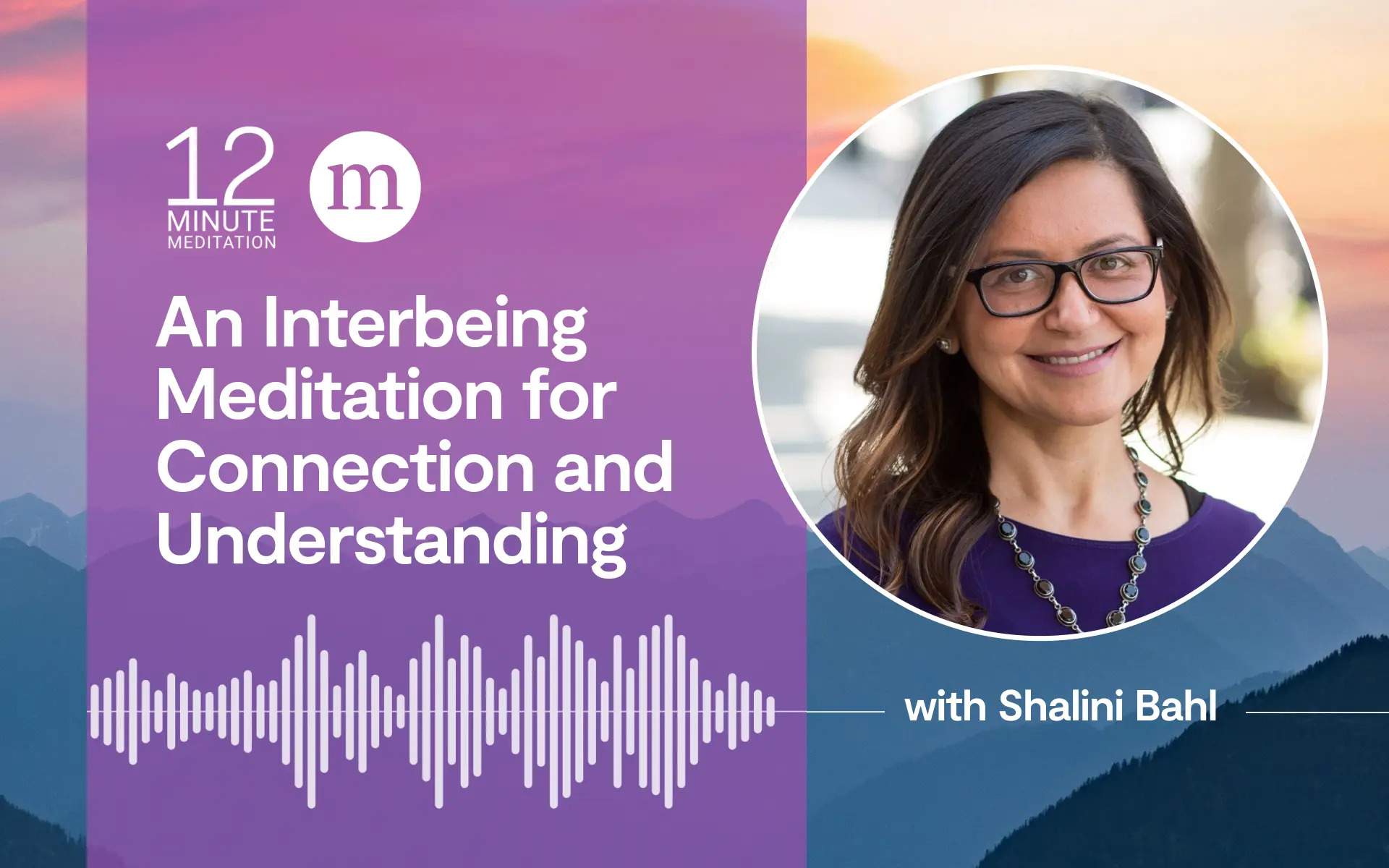
    In this guided interbeing meditation, Shalini Bahl explores our interdependence as a pathway to better understanding, compassion, and cooperation, especially when conflict feels overwhelming.

    Summary

    • Through the practice of interbeing meditation, we explore our inherent connection to the whole world.
    • Interbeing is one word for our basic interconnectedness and interdependence as living beings.
    • When we consider both our own needs and the needs of other people, we can be more understanding and kind, even during difficult interactions.

    If you’ve faced challenging or polarizing conversations lately, you likely know how difficult it can be to connect and cooperate with the person on the other side of that interaction.

    In today’s guided interbeing meditation, Dr. Shalini Bahl invites us to explore our innate interconnectedness by recognizing our needs and those of others, so that we can be empowered to work together in new and creative ways that benefit all involved.

    An Interbeing Meditation for Connection and Understanding

    Read and practice the guided meditation script below, pausing after each paragraph. Or listen to the audio practice.

    1. Welcome to Interbeing, a guided practice for connection and understanding. Zen master and peace activist Thich Nhat Hanh coined the word interbeing to describe a basic interconnectedness and interdependence as living beings. This practice invites us to explore this interconnectedness, especially when facing challenging conversations or polarizing situations. By recognizing our needs and those of others, we can foster greater understanding. This compassionate awareness can empower us to work together in new and creative ways that benefit all involved. 
    2. Let’s begin by coming to a comfortable sitting posture that allows you to be alert and relaxed. Gently close your eyes, or simply soften your gaze. Rest your awareness on the breath moving in and out of your body, naturally and effortlessly. Invite your mind to be here with your breath and body. Feel the spaciousness in your chest with each inhale and exhale. 
    3. Now picture a vast open sky filled with white fluffy clouds. See these clouds gathering to become larger and darker, heavy with life-giving rain. Feel the cool drops falling, sinking deep into the earth below. Sense the trees drinking deeply, their roots reaching deep down into the earth and the branches lifting towards the sky. 
    4. Think of these trees, well nourished by the rain water, by this earth, offering their fibers to be transformed into the very paper we use in our everyday lives. Just as this rain nourishes the earth and the earth nourishes the trees, so too are we nourished by this web of life around us. Each breath we take connects us to the trees, the rain, the earth, and all living beings. 
    5. Take a few moments to connect with this sense of awe and wonder in whatever way feels most authentic to you. Sense this interconnectedness with this web of life and all beings. 
    6. In this spirit of interbeing, bring to mind someone you are or will be interacting with—at home, work, or in your community—for whom you want to feel compassion. This could be someone you want to connect with more deeply as someone you’re having a conflict with. 
    7. Once you have the person and this interaction in mind, return to your present moment. Experience the breath moving in and out of your body. If your mind feels especially active today, place one hand on your chest and one hand on your belly as you feel the rising and falling of your body under the gentle touch of your hands. 
    8. Every time your mind wanders away, which it will, bring it back with kindness to your breath moving in and out of your body. Once your mind is stabilized, listen within to your needs in this interaction. Quietly ask yourself, What are my needs in this interaction? Stay here with kindness without forcing an answer. Listen then with patience. What would you like to get from this interaction? What are your needs? What are your intentions? What would you like to see happen? 
    9. Don’t go with the first response. Wait. Listen. Notice any kind of rushing judgments or fears. About what you may discover, making space for it all. Allow yourself to see, to feel whatever is your experience.  
    10. Feel free to pause this recording and journal or if you need a little more time. Once you feel ready, quietly ask yourself the following: What are the other person’s needs? Again, no need to search for answers. Just make room in your mind and your heart to listen within. 
    11. What is coming up for you as you make room for the other person’s perspectives? Their lived experiences? What might be going on for the other person, and what are their needs? If possible, see that person, the whole person beyond the situation. The ways in which they, too, care about the things that you care about. The ways that they, too, have suffered, just like you have in your life. 
    12. You’re not assuming you know everything. You’re just trusting yourself to know what you need to know. All we’re doing is making room, with the intention to see this other person. 
    13. When you find yourself overly distracted, or getting into a thinking mode, return to your breath. Your breath is an anchor to your natural place of connection with your body, yourself, and others. From this place of connection, open your mind to listen to the other person’s needs. 
    14. Again, if you like, you can pause this recording to do some journaling. Even the subtlest of shifts in your perspective can have a big impact on how you show up. 
    15. Based on your reflection today, how might you show up for yourself and the other person? Take some time to create an intention for showing up with understanding and kindness. And before you begin your interaction with that person, remember to return to your contemplation of interbeing, your intentions, and trusting your natural goodness. May this interbeing meditation help us navigate challenging interactions with grace, compassion, and wisdom. May our practice together benefit us and all beings. 


    Source link

  • Unlocking the Secrets of Body Composition: A Comprehensive Guide to Understanding Your Body Fat Percentage

    Unlocking the Secrets of Body Composition: A Comprehensive Guide to Understanding Your Body Fat Percentage

    Body composition analysis has become a crucial aspect of understanding one’s overall health and fitness. Measuring body fat percentage is a vital step in achieving and maintaining a healthy lifestyle. However, many people are still unsure of how to accurately determine their body fat percentage. In this comprehensive guide, we will demystify the process of body composition analysis, and provide a step-by-step approach to unlocking the secrets of your body’s composition.

    Understanding Body Composition

    Body composition refers to the makeup of our bodies, comprising of fat, lean tissue, and water. A healthy body composition is a delicate balance of these three components, with a suitable amount of body fat for optimal overall health and function. The ideal body fat percentage varies depending on factors such as age, sex, and activity level. For adults, a general guideline suggests the following body fat percentages:

    • For men, 3-5% for lean athletes and 10-13% for non-athletes
    • For women, 12-18% for lean athletes and 20-25% for non-athletes

    Body Fat Measurement Methods

    There are several ways to measure body fat percentage, each with its own advantages and limitations. The most common methods include:

    • Skinfold Calipers: This non-invasive method involves pinching the skin at specific points on the body to measure fat thickness. It is relatively inexpensive, yet may not be as accurate as other methods.
    • Dual-Energy X-ray Absorptiometry (DEXA): This is a more advanced method that uses low-level X-rays to measure bone and soft tissue density. It is a more accurate and in-depth assessment, but requires a significant investment in equipment.
    • Hydrostatic Weighing: This method involves measuring body density using water and a scale. It is accurate, but requires a specialized tank and trained personnel, making it less accessible.
    • Air Displacement Plethysmography (ADP): This method uses a chamber to measure body volume by displacing air. It is similarly accurate to hydrostatic weighing, but also requires specialized equipment.

    Understanding the Measurements

    Results from body fat measurements are typically expressed as a percentage, with higher percentages indicating a higher proportion of body fat. Interpreting the results requires understanding the different types of fat, including:

    • Subcutaneous fat: The visible fat that lies just beneath the skin, often referred to as "pinchable" fat.
    • Visceral fat: The fat that surrounds organs in the abdominal cavity, associated with increased health risks.
    • Upper body fat: Fat distributed throughout the upper body, including the arms, chest, and back.
    • Lower body fat: Fat stored in the hips, thighs, and legs.

    Factors Affecting Body Fat Percentage

    A number of factors can impact body fat percentage, including:

    • Genetics: Hereditary predispositions to fat storage
    • Diet: Consuming high amounts of sugar, refined carbohydrates, and saturated fats
    • Lack of physical activity: Reduced caloric expenditure and increased fat storage
    • Hormones: Changes in hormone levels, such as those associated with menopause or thyroid disorders
    • Aging: Naturally increasing body fat with age

    Balancing Body Fat Percentage

    Achieving a healthy body fat percentage requires a comprehensive approach, including:

    • Nutrition: Focus on whole, unprocessed foods, with an emphasis on lean protein, complex carbohydrates, and healthy fats
    • Exercise: Engage in regular, moderate-intensity physical activity, including strength training and cardio
    • Stress Management: Practice stress-reducing techniques, such as meditation and deep breathing
    • Sleep: Prioritize 7-9 hours of sleep each night

    Conclusion

    Uncovering the secrets of body composition requires a combination of education, self-awareness, and practical application. By understanding the different methods of measurement, interpreting results, and addressing factors that impact body fat percentage, individuals can take control of their overall health and well-being.

    Frequently Asked Questions

    • What is the most accurate method of body fat measurement?

      • DEXA is generally considered the most accurate method, but also the most expensive and equipment-intensive.
    • Can body fat percentage changes be tracked over time?

      • Yes, regular measurements and monitoring can help track progress and make adjustments to achieve a healthier body composition.
    • How can I maintain a healthy body fat percentage?

      • A balanced diet, regular exercise, stress management, and sufficient sleep are all crucial components of a healthy lifestyle.

    By embracing a holistic approach to body composition analysis, individuals can unlock the secrets of their body’s complex composition and take the first steps towards a healthier, more balanced life.

    unlocking-the-secrets-of-body-composition-a-comprehensive-guide-to-understanding-your-body-fat-percentage

  • Collective Healing Starts with Deeper Understanding

    Collective Healing Starts with Deeper Understanding

    In today’s interconnected yet paradoxically divided world, the path to understanding each other requires more than just good intentions or calls for unity. While practices like loving-kindness meditation can help soften our hearts, true bridge-building demands something more: the cultivation of a deeper understanding.

    What Is Deeper Understanding?

    Mindfulness practices, including compassion meditations, settle the mind and prepare us to see the bigger picture beyond our immediate judgments. Yet a common mistake we all make is that once we feel calmer, we rush back into our worlds and don’t make time to gain a deeper understanding of the dissatisfactory situations we find ourselves in. If we don’t know the root causes for these situations, we can’t find the right solutions to resolve them.

    Meditation is an important first step. It’s like shining a light on the surface of a lake—it illuminates our immediate thoughts, reactions, and judgments without our getting caught in them. This initial glimpse brings us closer to our present moment experience and is a starting point for discovering what is underlying our reactions.

    Deep understanding is like diving below the illuminated surface to deeper waters, where light gradually dims. Through patient listening to ourselves and others, we begin to uncover hidden layers of meaning:

    • The root causes of our behaviors
    • The subtle biases that shape our views
    • Our needs and intentions
    • The complex web of interconnections between our experiences

    As we venture deeper, each level reveals new insights previously concealed from view, from our personal patterns to our shared human experiences.

    When we take time to listen with genuine openness, we can trace surface reactions back to their sources, examining the assumptions and beliefs that lie in deeper waters. This patient exploration helps us understand not just the immediate situation, but the broader context that created it: the historical patterns that shaped it, the various perspectives that surround it, and the potential consequences of our responses to it.

    This process of illumination and deep listening creates space for transformation. By understanding both what floats on the surface and what lies in the depths, we can begin to shift our habitual patterns and make choices that arise from genuine wisdom rather than reactive impulses.

    The Power of Understanding

    We are all shaped by our experiences, fears, and hopes. Our inherent biases may cloud our ability to see our interconnectedness, but they don’t negate it. The path forward isn’t about eliminating differences—it’s about building bridges of understanding across them.

    The path forward isn’t about eliminating differences—it’s about building bridges of understanding across them.

    What might change if we could:

    • Stop rushing to judgment and truly listen?
    • See our own fears reflected in others?
    • Recognize that everyone is acting from their best understanding?
    • Look beyond political labels to our shared humanity?
    • Address the root causes of our divisiveness?

    Pausing to step back for a deeper understanding is particularly important in the modern world to step out of our echo chambers.

    The Echo Chamber Effect

    Our modern information landscape often amplifies our differences while obscuring our common humanity. Social media algorithms, targeted advertising, and news feeds tend to create echo chambers where we mainly encounter views that confirm our existing beliefs (known as confirmation bias). This is not to say that there aren’t real and significant disagreements around some social and political issues. Yet in many cases, this digital architecture of division can transform different lifestyle choices or policy preferences into seemingly unbridgeable moral chasms.

    Breaking free from these echo chambers requires both personal boundaries and intentional engagement. While working with a group of researchers, I studied the lived experiences of young Black women to understand how to navigate these digital spaces more effectively. Together, we created educational materials including a freely downloadable handbook—“The Intentional User”—for empowered social media use.

    While the handbook was designed for young Black women, it contains useful strategies and skills for everyone to benefit from the opportunities social networks offer for skill building, connecting, and getting our message out while creating boundaries to protect our time and psychological well-being. The handbook also shares crucial skills—curiosity and compassion—for engaging across differences, helping users step outside their algorithmic bubbles while maintaining healthy digital boundaries.

    This dual approach—setting personal limits while reaching across divides—offers a path toward using social media in service of both individual growth and broader understanding. However, shifting the ways we engage with social media is only the beginning.

    Deeper Understanding to Intentional Action: A Three-Step Framework for Collective Healing

    In polarized times, meaningful change starts with how we show up in our communities. We don’t have to wait for the elections or the next big incident to start taking action, individually and collectively.

    If the above statement feels impossible for you right now, know that it’s OK to feel this way. When emotions run high and uncertainty prevails, we first need a framework for processing our experience and beginning to heal within. And, as we know, true healing also calls us to move beyond self-care to engage in dialogue and intentional action based on deeper understanding.

    Below, I share a mindful framework to return, listen, and begin taking practical steps to move from division to connection. The three steps are cyclical and work together.

    Step 1: Return to Non-Judging Awareness

    The first step, before responding on the spot or making decisions, is to return to our non-judging awareness of our present moment experience. Depending upon the situation and available time, choose from mindfulness-based practices such as the ones below:

    i. Pause and Center

    This is an invitation to simply pause and return to centered awareness before responding:

    • Take a few conscious breaths. 
    • Feel the breath moving and creating spaciousness in your body
    • Ground yourself physically—for example, feel your feet on the ground
    • Practice mindful walking, stretching, or being in nature

    ii. Inner Awareness 

    Turn your attention towards your inner experience with non-judgment and curiosity: 

    • Notice physical sensations (tension, racing heart, clenched jaw)
    • Observe thoughts without getting caught in them 
    • Name emotions as they arise, without trying to avoid, justify, or fix them (“There’s anger,” “There’s fear”)
    • Watch for automatic reactions and habitual patterns

    iii. External Awareness

    Once you feel centered in your own experience, direct your attention outward, with non-judgment and curiosity:

    • Observe others’ facial expressions and body language
    • Notice tone of voice and choice of words
    • Pay attention to the broader environment and context
    • Watch for collective emotions in groups
    • Notice what’s being said and what’s left unsaid

    Step 2: Listen for Deeper Understanding

    Once we feel connected with our inner and outer awareness, we can start to listen for a deeper understanding beyond surface reactions. When we hear someone express views that differ from ours, our first instinct might be to argue or dismiss. Instead, try these approaches:

        i. Practice Active Listening

    We use the filters, or default biases, shaped by our past conditioning to listen and react. It is helpful to rehearse strategies for disrupting your default biases and listen with an open mind:

    • Count to five before responding
    • Use phrases like “Help me understand…”
    •  Use phrases like “What I hear you saying is…” to check understanding
    •  Notice when you’re planning a rebuttal instead of truly hearing
    • Ask follow-up questions that deepen understanding rather than pose a challenge

         ii. Acknowledge Valid Concerns and Shared Values

    In my capacity as a town councilor, I worked in a community that was highly polarized on many critical issues. Yet, we shared legitimate fears of change and uncertainty, along with care for our loved ones and the community. In that, we were more similar than different. Experiment with the following suggestions:

    • Instead of “They don’t understand,” ask “What experiences shaped their view?”
    • Shift from “They’re wrong,” to “They’re responding based on their lived experiences”
    • Focus on common desires: safe communities, good schools, economic security
    • Identify mutual concerns: healthcare costs, environmental changes, children’s future

    Instead of “They don’t understand,” ask “What experiences shaped their view?”

       iii. Move Beyond Stereotypes

    No matter how good our intentions are to view situations in a balanced way, each of us brings a conditioned lens which automatically focuses on certain aspects of the situation while leaving out others. Here are a few practical ways to disrupt our stereotypes:

    • Question your assumptions about “those people”
    • Look for individual stories behind group labels
    • Remember times your own views have evolved
    • Seek out diverse perspectives intentionally
    • Notice binary thinking and expand possibilities

       iv. Explore Creative Solutions  

    When we let go of our attachments to our beliefs and assumptions, we make room for new possibilities. Trust that you will know what you need to know. Here are a few suggestions to engage fully and intentionally:

    • Engage with both/and instead of either/or thinking to explore new possibilities
    • Consider multiple truths existing together
    • Focus on shared aspirations
    • Build on others’ ideas

    Step 3: Begin Taking Action

    While our good intentions and deepening understanding are essential, the challenges we face call for engaged action aligned with our intentions and insights for collective healing. In our fast-paced, polarized culture, it’s natural to feel overwhelmed and step back from difficult situations. We might find ourselves avoiding uncomfortable conversations or disengaging from collective challenges that feel too complex or contentious.

    The challenges we face call for engaged action aligned with our intentions and insights for collective healing.

    Yet each of us has the capacity to contribute to positive change, even in small ways. By bringing mindful awareness and a deeper understanding to our various roles—as consumers, leaders, and community members—we can take meaningful steps toward building more connected communities. Here are some practical ways to begin:

    As Conscious Consumers

    Often, we may not see how our daily choices as consumers connect to our deeper values and impact our communities. Yet each purchase we make is an opportunity to support the kind of world we want to create. Our spending decisions ripple out to affect local cultures, environments, and the well-being of our neighbors. 

    Even in times of national division, we can strengthen our local communities through mindful choices about where and how we spend our resources. Here are some ways to align our consumer choices with our values:

    • Support local businesses across community divides
    • Join community-supported agriculture programs
    • Use local financial services that reinvest in your area
    • Participate in resource-sharing networks
    • Consider the values and consequences of the business on suppliers, employees, consumers, and the environment before giving your purchase dollars and attention to that business

    As Leaders

    Leaders have unique opportunities to create environments that foster understanding and bridge divides. Whether leading teams, organizations, or community initiatives, we can use our influence to build structures that support both individual growth and collective healing. Drawing from a deeper understanding of different perspectives and needs, here are ways to lead with intention for collective healing and growth:

    • Model respectful disagreement
    • Build diverse, inclusive teams that bring multiple viewpoints together
    • Create forums for open discussion
    • Implement fair policies that respect different viewpoints
    • Make time and space for developing skills for deeper understanding through workshops, training, and practice sessions
    • Allocate resources for ongoing learning and healing practices within the organization

    As Community Members

    We can seek out opportunities to build bridges across divides by aligning our thoughts, speech, and actions with our insights and intentions based on a deeper understanding of our shared humanity and unique journeys:

    • Join cross-cultural community projects
    • Participate in local government meetings
    • Start neighborhood initiatives that require cooperation
    • Create and join spaces for regular dialogue

    Moving Forward

    True resilience grows through consistent, intentional action emerging from a calm mind and deeper understanding. Each time we return to our non-judging awareness, listen deeply for a deeper understanding, and begin taking action, we create ripples of positive change throughout our communities. The goal isn’t to eliminate differences but to create spaces where differences contribute to our collective strength.

    Remember: Small actions, emerging from deeper understanding and repeated consistently, create lasting change. Start where you are, with what you have, and build from there. Each step toward understanding, no matter how small, contributes to our collective healing.


    Source link

  • Empathy and Understanding

    Empathy and Understanding

    Empathy and Understanding: The Key to Effective Communication

    Empathy and understanding are two essential elements that are often overlooked in today’s fast-paced world. In a society that values efficiency and productivity above all else, it’s easy to forget the importance of connecting with others on a deeper level. However, empathy and understanding are the building blocks of effective communication, and they’re essential for building strong relationships, resolving conflicts, and creating a more harmonious society.

    What is Empathy?

    Empathy is the ability to understand and share the feelings of another person. It’s the capacity to put yourself in someone else’s shoes and see things from their perspective. Empathy is not the same as sympathy, which is feeling sorry for someone without fully understanding their experience. Empathy is about understanding the emotions and motivations behind someone’s words and actions.

    The Power of Empathy

    When we practice empathy, we’re able to create a deeper connection with others. We’re able to see that we’re not so different after all, and that everyone has their own struggles and challenges. This can lead to a sense of compassion and understanding, which can be incredibly powerful in resolving conflicts and building strong relationships.

    What is Understanding?

    Understanding is the ability to grasp the meaning and significance of something. It’s about taking the time to learn about someone’s experiences, perspectives, and values, and using that knowledge to inform our interactions with them. Understanding is not just about agreeing with someone’s opinions or beliefs, it’s about taking the time to learn and grow.

    The Importance of Understanding

    Understanding is essential for effective communication. When we take the time to learn about someone’s experiences and perspectives, we’re better able to communicate with them in a way that is meaningful and relevant. Understanding is also essential for building trust and rapport, as it shows that we value and respect the other person’s thoughts and feelings.

    How to Practice Empathy and Understanding

    So, how can we practice empathy and understanding in our daily lives? Here are a few tips:

    • Listen actively: Take the time to listen to others without interrupting or judging. Try to see things from their perspective.
    • Ask open-ended questions: Ask questions that encourage the other person to share their thoughts and feelings.
    • Avoid giving unsolicited advice: Sometimes, people just need someone to listen to them. Avoid giving unsolicited advice or trying to fix someone’s problems.
    • Practice mindfulness: Mindfulness can help us become more aware of our own emotions and thoughts, which can make it easier to empathize with others.
    • Seek to understand, not just agree: Make an effort to understand where someone is coming from, even if you don’t agree with their opinions or beliefs.

    The Consequences of Lack of Empathy and Understanding

    So, what happens when we lack empathy and understanding? The consequences can be devastating. When we fail to connect with others on a deeper level, we miss out on the opportunity to build strong relationships and create a more harmonious society. We also miss out on the opportunity to learn from others and grow as individuals.

    Conclusion

    Empathy and understanding are essential elements of effective communication. By practicing empathy and understanding, we can build stronger relationships, resolve conflicts more effectively, and create a more harmonious society. Remember, empathy is not just about feeling sorry for someone, it’s about understanding their emotions and motivations. Understanding is not just about agreeing with someone’s opinions, it’s about taking the time to learn and grow.

    FAQs

    Q: Is empathy the same as sympathy?
    A: No, empathy and sympathy are not the same. Empathy is the ability to understand and share the feelings of another person, while sympathy is feeling sorry for someone without fully understanding their experience.

    Q: How can I practice empathy and understanding?
    A: You can practice empathy and understanding by listening actively, asking open-ended questions, avoiding giving unsolicited advice, and practicing mindfulness.

    Q: Why is empathy and understanding important?
    A: Empathy and understanding are important because they help us build stronger relationships, resolve conflicts more effectively, and create a more harmonious society.

    Q: Can empathy and understanding be learned?
    A: Yes, empathy and understanding can be learned. With practice and effort, we can develop our ability to empathize and understand others.

    Q: How can I cultivate empathy and understanding in my daily life?
    A: You can cultivate empathy and understanding in your daily life by taking the time to listen to others, seeking to understand their perspectives and experiences, and practicing mindfulness and self-awareness.