Tag: Trump

  • Trump Elevates Glyphosate to National Defense Status Amid Safety Debate

    Trump Elevates Glyphosate to National Defense Status Amid Safety Debate

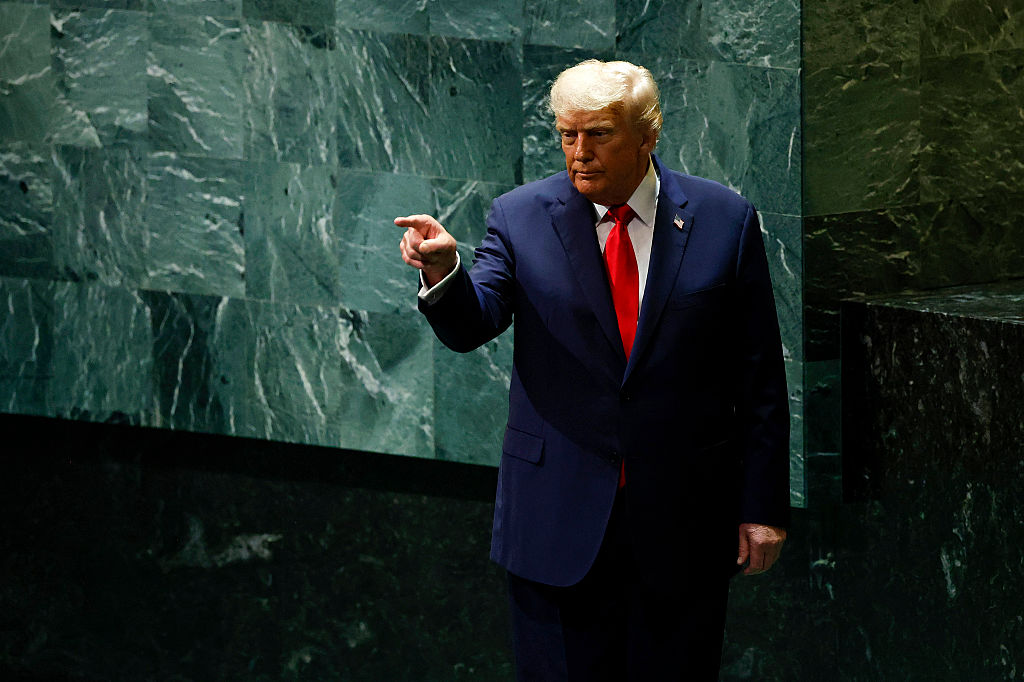
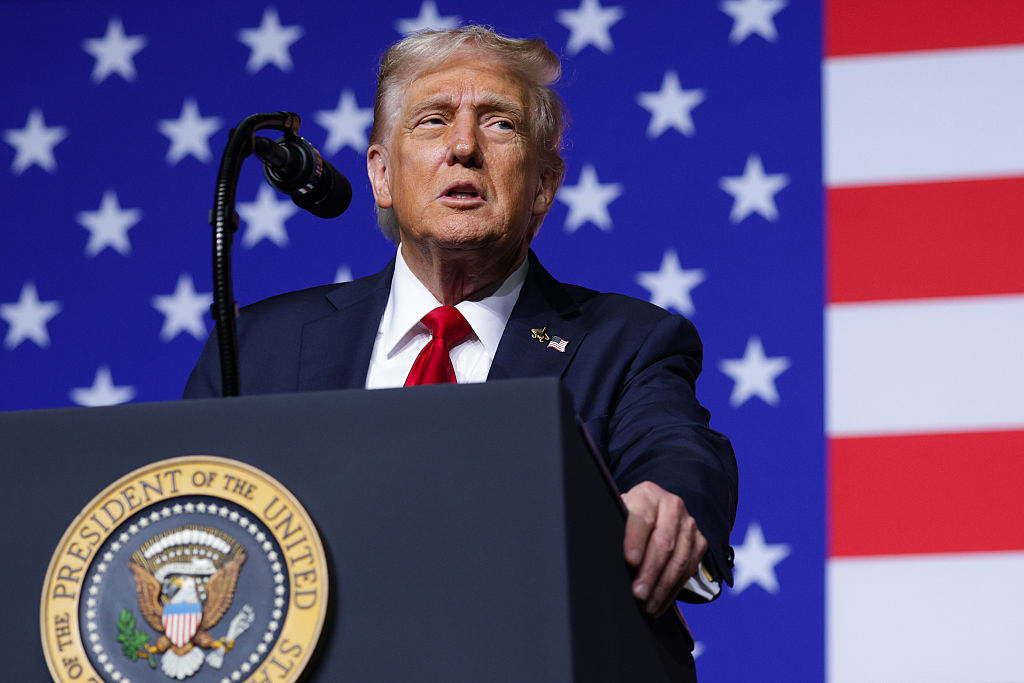
    President Donald Trump has signed an executive order declaring glyphosate‑based herbicides like Roundup, along with elemental phosphorus, essential to national defense, even as the weedkiller faces lawsuits and scientific scrutiny over potential links to cancer and other health harms. The order, issued this week under the Defense Production Act, directs federal officials to safeguard domestic production and distribution of the chemicals and warns that losing access to glyphosate would “critically jeopardize” U.S. agricultural productivity and strain the food supply.

    The directive gives the Agriculture secretary broad authority to prioritize and, if needed, direct production of elemental phosphorus and glyphosate‑based herbicides, including shielding compliant producers from rules or regulations that could threaten their financial viability. The administration frames the move as necessary to keep food affordable and support farmers who rely on glyphosate‑tolerant crops to control weeds and maintain high yields.

    Trump’s order comes as companies like Bayer’s Monsanto, maker of Roundup, continue to face litigation over claims that glyphosate exposure contributed to non‑Hodgkin lymphoma and other illnesses, leading to large settlements in recent years. Critics say the new protections could make it harder to hold manufacturers accountable for alleged health harms, especially if the order is interpreted as providing a form of legal shield for producers that follow federal directives.

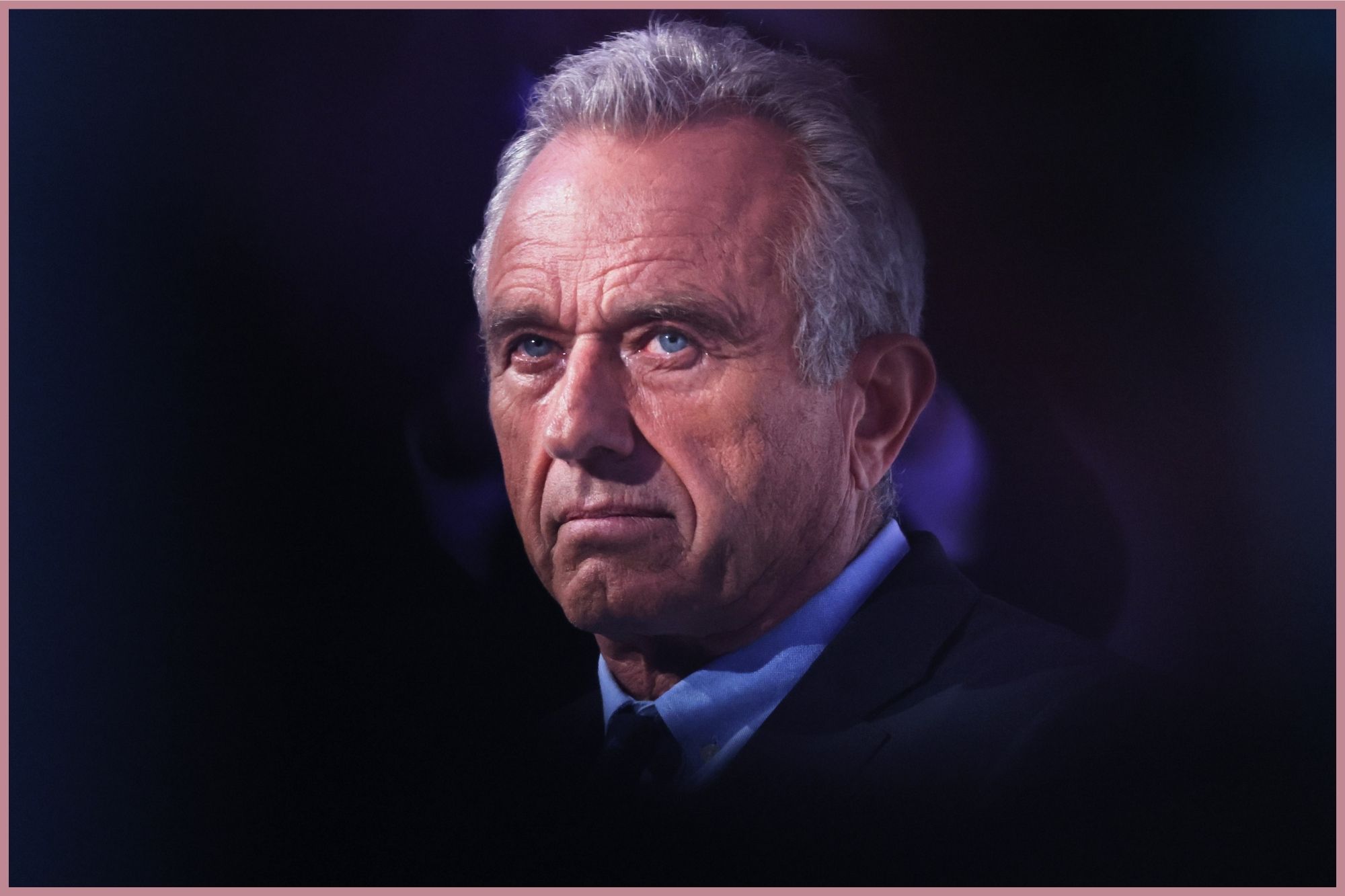
    The decision has also exposed political and ideological rifts inside the Make America Healthy Again movement, which has spotlighted concerns about pesticides and processed foods. Some health advocates aligned with Health and Human Services Secretary Robert F. Kennedy Jr. called the move a “betrayal” of earlier promises to confront dangerous agricultural chemicals, while others close to Kennedy publicly backed the order as a trade‑off to protect food and defense supply chains. Environmental groups and pesticide‑safety advocates argue the directive could lead to more glyphosate in waterways and ecosystems at a time when courts and scientists are still debating the herbicide’s risks.

    What glyphosate herbicides are

    Glyphosate is a synthetic, broad‑spectrum herbicide used to kill grasses and broadleaf weeds in large‑scale agriculture, landscaping and home yards. It blocks an enzyme in the plant shikimate pathway that is necessary for producing certain amino acids, ultimately stopping growth and killing the plant.

    Commercial glyphosate products, known as glyphosate‑based herbicides (GBHs), combine glyphosate salts with surfactants and other formulants that help the chemical stick to and penetrate leaves and improve stability. These products are applied heavily to genetically engineered “glyphosate‑tolerant” crops such as corn, soybeans and cotton, as well as around roads, rail lines and public spaces. Trump’s order describes glyphosate‑based herbicides as a “cornerstone” of U.S. agricultural productivity, emphasizing that there is no perfect one‑for‑one replacement for the chemical on today’s farms.

    Cancer and other health risks: what studies say

    In 2015, the International Agency for Research on Cancer, part of the World Health Organization, classified glyphosate as “probably carcinogenic to humans,” citing limited evidence of non‑Hodgkin lymphoma in people, sufficient evidence of cancer in experimental animals and strong mechanistic evidence for genotoxicity and oxidative stress. Several regulators, including the European Food Safety Authority, later concluded glyphosate is unlikely to pose a carcinogenic hazard at typical exposure levels, pointing to additional data and different methods for weighing animal and human studies.

    A major update of the U.S. Agricultural Health Study, which has followed pesticide applicators for decades, reported no overall association between glyphosate use and total cancer or non‑Hodgkin lymphoma, though it did observe a possible increase in acute myeloid leukemia at the highest exposure category based on relatively few cases. A separate meta‑analysis pooling several epidemiologic studies found a statistically significant link between high glyphosate exposure and non‑Hodgkin lymphoma, supporting IARC’s concern while acknowledging limitations in exposure measurement and study heterogeneity.

    A 2024 review of human health effects concluded that evidence for specific cancers remains mixed: some analyses suggest elevated risk for non‑Hodgkin lymphoma and certain leukemias at higher, mostly occupational doses, while large cohort studies often report null or weak associations. That review also noted consistent genotoxic effects in vitro and highlighted the need for better data on long‑term, low‑dose exposure experienced by the general population.

    Beyond cancer: acute and chronic side effects

    Most severe acute poisonings occur after ingestion of concentrated glyphosate formulations, often in self‑harm attempts, and can cause gastrointestinal burns, respiratory distress, cardiovascular collapse and, in some cases, death. Case series and toxicology reports indicate that surfactants in some GBHs may contribute significantly to acute toxicity, not just glyphosate itself.

    A 2022 review of toxic effects on the nervous system found that glyphosate and GBHs can cross or disrupt the blood‑brain barrier, trigger oxidative stress and neuroinflammation and alter neurotransmitter systems in animal and cell models. Human studies cited in that review linked occupational exposure to visual memory impairment in some farmer populations and raised concerns that prenatal or early‑life exposure could be associated with more severe neurodevelopmental outcomes, including autism spectrum disorder, though the authors stressed these associations are preliminary and require more robust research.​

    Experimental work and limited human data also suggest potential endocrine‑disrupting activity, liver and kidney changes and effects on gut microbiota at certain doses, but findings are inconsistent and difficult to translate to real‑world exposure. Regulatory agencies continue to maintain acceptable daily intake values, arguing that, based on current evidence, glyphosate residues permitted in food and water are not clearly linked to specific health effects in the general population, a conclusion that remains contested by some independent scientists and advocacy groups.
    Source link

  • Trump Secures Major Win as AstraZeneca Joins Pfizer in Lowering US Drug Prices

    Trump Secures Major Win as AstraZeneca Joins Pfizer in Lowering US Drug Prices

    President Donald Trump secured a major victory Friday as AstraZeneca agreed to lower its prescription drug prices for Medicaid—a move that follows a similar deal made by Pfizer and marks a center point in the administration’s push for more affordable medicine.

    According to AP, the agreement, made public during a White House Oval Office event, commits AstraZeneca to “most–favored–nation” pricing for Medicaid.

    That means the company will match the lowest drug prices offered in other wealthy nations.

    Trump celebrated the deal, saying it could lead to US prices being “the lowest price anywhere in the world.”

    AstraZeneca CEO Pascal Soriot joined Trump for the announcement. With a wry tone, he later admitted that the negotiations had been intense: the president and his team “really kept me up at night.”

    Under the new deal, AstraZeneca will also guarantee the pricing standard for newly launched drugs.

    This move follows on the heels of Pfizer’s recent agreement with the administration. Both deals build off an executive order Trump signed in May: drugmakers were given the option to voluntarily reduce prices or face tighter limits on what the government will pay.


    Trump Touts AstraZeneca’s $4.5B Deal

    Trump took a swipe at AstraZeneca’s initial resistance, quipping, “The tariffs were a big reason he came here.”

    The president also highlighted AstraZeneca’s commitment to expand production in the US by announcing a new $4.5 billion manufacturing plant in Virginia, which is just part of a $50 billion investment plan through 2030.

    That facility alone is expected to create around 3,600 US jobs.

    AstraZeneca, based in Cambridge, UK, produces treatments such as Tagrisso for lung cancer, Lynparza for ovarian cancer, and Calquence for leukemia—together generating more than $7.5 billion in US sales last year.

    While the announcements were met with praise by drug-cost advocates, some experts warn that placing all hope on the drugmakers could be risky without stronger US policies to back them up.

    Questions remain over how much patients and states will truly benefit, given that Medicaid already secures a “best price” deal and most patients don’t pay full cost out of pocket, CBS News reported.

    Trump also introduced a new initiative: a website called TrumpRx.gov, coming in January 2026.

    Patients will be able to order medications directly from Roche and AstraZeneca through the site at reduced cash prices.

    Originally published on vcpost.com


    Source link

  • Parents Express Concern After President Donald Trump Brings Back Presidential Fitness Test

    Parents Express Concern After President Donald Trump Brings Back Presidential Fitness Test

    President Donald Trump’s decision to bring back the Presidential Fitness Test has sparked intense debate among parents nationwide.

    The test, which was phased out in 2013 during former President Barack Obama’s administration, will once again require students to perform physical challenges, including the mile run, sit-ups, push-ups, and flexibility tests. Many parents remember their own experiences with the test and express serious concerns about its impact on their children’s mental health and self-esteem.

    The announcement came in July 2025 when Trump signed an executive order surrounded by professional athletes in the White House Roosevelt Room. Health and Human Services Secretary Robert F. Kennedy Jr. will oversee the program as part of the broader “Make America Healthy Again” initiative. The order states that declining physical fitness poses “a threat to the vitality and longevity of our country” and weakens America’s economy, military readiness, and national morale, according to Cronkite News.

    Concerns Among Parents

    Parents across the country are sharing their own childhood experiences with the test, and many memories are far from positive. “I remember how hurtful this program was when we were in school. Traumatic and bullying. Hopeless,” wrote Mike from Salem, New Hampshire, in response to media polls about the test’s return. Similar sentiments are echoing through social media platforms and parent groups nationwide.

    The original Presidential Fitness Test, which ran from 1966 to 2013, required students to meet specific benchmarks to earn awards. For example, a 14-year-old girl needed to run a mile in under eight minutes, complete 40 sit-and-reaches, shuttle-run in about 10 seconds, and do 47 curl-ups to qualify for recognition, among other things, 29News reported.

    Physical education expert Judy LoBianco, who worked in New Jersey schools for over two decades, believes the test can embarrass less athletic kids, make them anxious, and discourage them from pursuing fitness. She argues that modern physical education should focus on joy, social interaction, and life skills rather than competitive testing.

    Implementation Questions Remain

    Parents are also questioning the practical aspects of the revived program, as many wonder whether schools with lower-performing students will receive additional resources, better meals, and improved physical education equipment.

    The Trump administration has positioned the test as part of a broader focus on youth health, citing concerning statistics about childhood obesity and physical inactivity. Kennedy’s “Make America Healthy Again” report highlights that more than 70% of children ages six to 17 fail to meet federal guidelines for daily physical activity, as per NPR.


    Originally published on parentherald.com

    © {{Year}} ParentHerald.com All rights reserved. Do not reproduce without permission.

    Source link

  • Trump to Discuss New Autism Findings After Hinting At Major Discovery During Kirk Memorial

    Trump to Discuss New Autism Findings After Hinting At Major Discovery During Kirk Memorial

    At Charlie Kirk’s memorial, President Donald Trump veered off-script to reveal his administration had uncovered new findings on autism. He hinted that an upcoming public health briefing will examine possible links between acetaminophen, widely sold as Tylenol, and autism spectrum disorder (ASD).

    Reports suggest Trump’s remarks may also extend to cautioning pregnant women about routine acetaminophen use, signalling a controversial shift in health guidance that could spark nationwide debate.

    Trump’s planned comments are expected to highlight leucovorin, a medication traditionally used for anaemia and certain cancer treatments, as a potential therapy aimed at improving communication skills in children with autism.

    The briefing will be attended by Health Secretary Robert F. Kennedy Jr., FDA Commissioner Marty Makary, and CMS Administrator Mehmet Oz.

    Background: Tylenol and Autism Research

    The announcement arrives amid rising public concern about environmental and pharmaceutical factors contributing to autism. Tylenol, or acetaminophen, is widely used during pregnancy to reduce fever and manage pain.

    Some studies have suggested a possible association between prenatal acetaminophen exposure and developmental disorders, though findings remain inconclusive.

    Autism diagnoses in the United States have increased over the last two decades. Data from the Centers for Disease Control and Prevention indicate that 1 in 31 American 8-year-olds are now diagnosed with autism, compared with 1 in 150 in 2000.

    The administration cited environmental toxins as a possible contributor, while many experts emphasise that improved diagnosis and greater awareness are likely key drivers of the rising numbers.

    Leucovorin Highlighted as Potential Autism Treatment

    In addition to cautioning against Tylenol, the White House is expected to focus on leucovorin as a potential treatment. Early research suggests that the drug may improve communication and cognitive function in some children with autism.

    Leucovorin is a derivative of folic acid and has traditionally been used to treat certain forms of anaemia and to counteract side effects from chemotherapy.

    Experts emphasise that the research on leucovorin remains preliminary. Clinical trials are ongoing, and scientists stress that results must be interpreted cautiously before the drug can be widely recommended as a standard treatment for autism.

    Medical Community Raises Concerns

    The proposed guidance has prompted concern among health professionals. Many doctors argue that current evidence does not support a definitive link between acetaminophen use in pregnancy and autism.

    The American College of Obstetricians and Gynecologists and the American Academy of Pediatrics continue to consider acetaminophen safe when taken as directed.

    Kenvue, the manufacturer of Tylenol, released a statement asserting that there is no conclusive evidence linking acetaminophen to autism.

    Experts warn that public confusion over these claims could lead to unnecessary avoidance of the medication and potential health risks, particularly when fever management is critical during pregnancy.

    Implications for Public Health

    Trump’s announcement represents a notable shift in messaging around acetaminophen use during pregnancy. While the guidance is not legally binding, it could influence public behaviour, prenatal care practices, and media coverage.

    Healthcare providers are encouraged to discuss risks and benefits with their patients and to stay informed about ongoing research.

    Further studies on both acetaminophen exposure and potential autism treatments, including leucovorin, are expected to provide clearer guidance in the coming years. Regulatory agencies, including the FDA, are monitoring the situation closely to evaluate any policy adjustments.

    Originally published on IBTimes UK

    Source link

  • Trump Admin Set to Burn  Million of Birth Control Instead of Distributing It: Report

    Trump Admin Set to Burn $10 Million of Birth Control Instead of Distributing It: Report

    Nearly $10 million worth of contraceptives already paid for by the US are en route from Belgium to France for incineration.

    The pills, intrauterine devices and condoms have been held at a warehouse in Antwerp, Belgium, since January, following President Donald Trump’s decision to freeze foreign aid. The family planning supplies will be burnt in France following transport — an operation that will cost taxpayers an additional $167,000, according to a state department spokesperson who confirmed the decision with The Guardian.

    The administration has reportedly denied offers from family planning organizations and the United Nations to purchase and distribute the supplies to women in need. According to MSI Reproductive Choices associate director of advocacy Sarah Shaw, the government would only accept full price for the products, which her global family planning organization could not afford on top of transport.

    “It’s not just about an empty shelf,” Shaw told the Guardian. “It’s about unfulfilled potential. It’s about a girl having to drop out of school. It’s about someone having to seek an unsafe abortion and risking their lives.”

    The halt in aid is part of a broader DOGE initiative dismantling USAID .

    Earlier this month, reports revealed the Trump administration’s plans to incinerate 500 metric tons of emergency food aid—enough to feed 1.5 million starving children in Gaza for a week. The food, stored in the UAE, was deemed expired but, according to career USAID staff, could still have been distributed safely.

    The freeze in aid has also delayed delivery of mpox vaccines promised to African countries experiencing outbreaks. A Politico report found nearly 800,000 doses will expire in less than six months, making them ineligible for shipment.

    Despite objections from humanitarian organizations who argue the rigid application of the administration’s policy is hurting vulnerable populations, the White House maintains that it is protecting taxpayer funds and adhering to legal restrictions on aid to agencies that offer abortion.

    Originally published on Latin Times

    Source link

  • Trump Mocked After Push to Make ‘Mexican Coke’ American

    Trump Mocked After Push to Make ‘Mexican Coke’ American

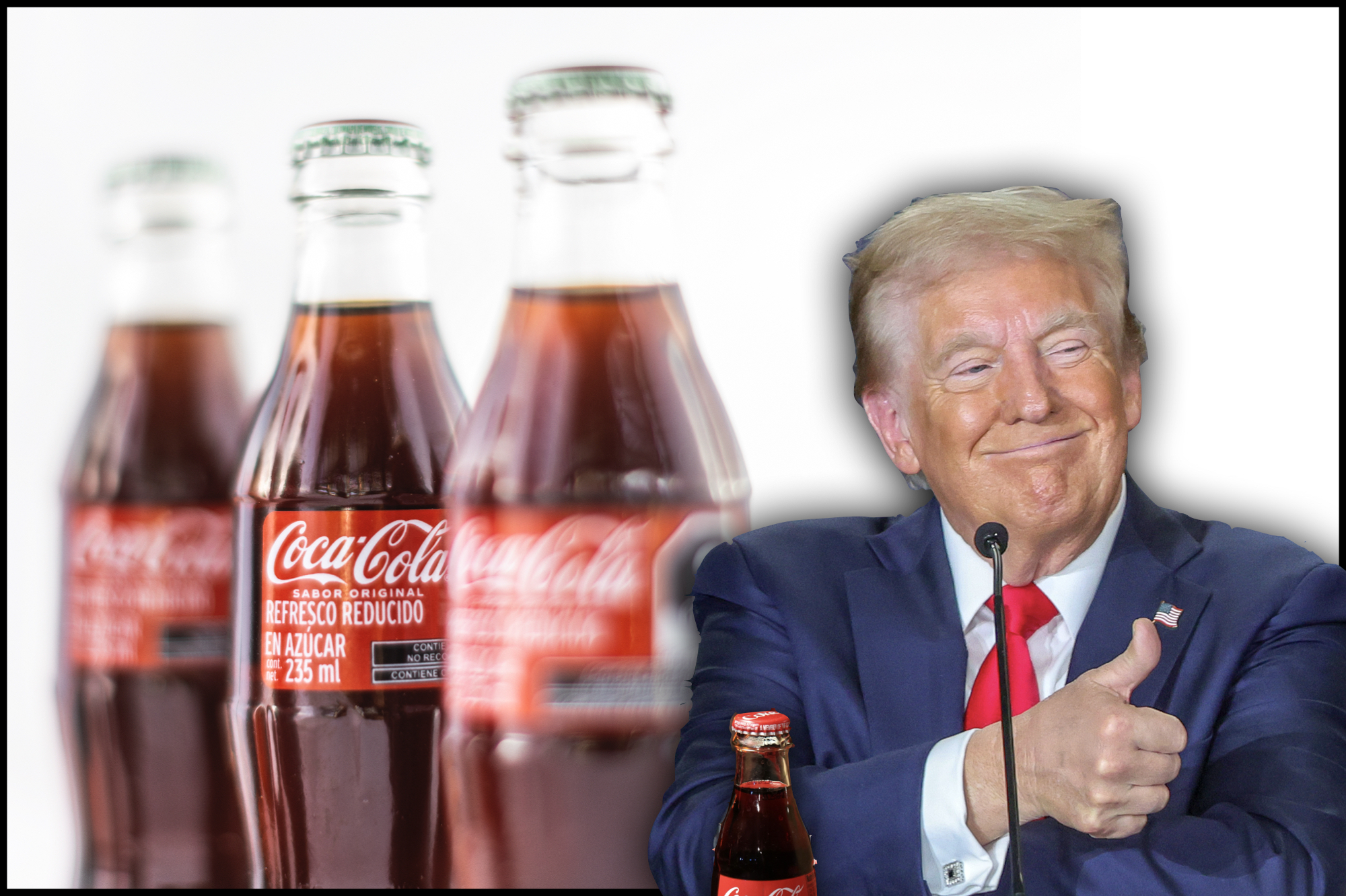
    President Donald Trump announced Wednesday that he has persuaded Coca-Cola to use cane sugar in Coke sold in the United States, making the product more like the brand’s popular Mexican import.

    “I have been speaking to Coca-Cola about using REAL Cane Sugar in Coke in the United States, and they have agreed to do so,” Trump wrote on Truth Social. “This will be a very good move by them — You’ll see. It’s just better!”

    The announcement comes amid the administration’s “Make America Healthy Again” initiative. The campaign, led by Health and Human Services Secretary Robert F. Kennedy Jr., has targeted food companies with pressure to eliminate artificial ingredients and additives.

    Standard Coca-Cola sold in the U.S. is typically sweetened with high-fructose corn syrup, while cane sugar is used in Coke sold in countries like Mexico—leading many American fans to seek out “Mexican Coke” for its taste.

    “Does he know this is called Mexican Coke?” an X user asked, while multiple users exclaimed, “Make Mexican Coke Great Again!”

    Other slogans included “Make Coke Mexican Again,” “Make Mexican Coke American Again,” and “Make American Coke Mexican Again.”


    One user pondered, “So now that Trump says it do we rename it ‘American Coke?’”

    “Trump’s ongoing madness has sparked a movement to make Mexican Coke all-American?” asked another.

    “You can buy ‘Mexican’ coke from any big box retail location in the US and have been able to for years,” noted one user, who implied Trump had been played. “They made him think this was because of him.”

    Some critics suggested the announcement was a distraction from more serious issues, including renewed public pressure on the administration to release information from the Jeffrey Epstein investigation.

    “I swear to God if Mexican Coke makes you all forget about Epstein I’m going to lose it,” wrote one user.


    Others joked about rumored drug use among First and former First Family members, adding frustrated-reaction GIFs below comments like, “Hunter Biden realizing Mexican Coke is trending because of Coca-Cola and not cocaine,” or “Don Jr. finding out Mexican Coke is made by Coca-Cola and not the cartel.”


    Trump’s supporters praised the move as part of a broader effort to reform the US food system, and even critics agree that the imported Coke made with cane sugar does in fact taste better.

    Coca-Cola has yet to comment on the announcement and no details have been released regarding a timeline for the proposed change nor which products it may apply to.

    Originally published on Latin Times

    Source link

  • Trump Pushes Debunked Theory of ‘Transgender Mice’ as He Thanks Musk for His ‘Service’

    Trump Pushes Debunked Theory of ‘Transgender Mice’ as He Thanks Musk for His ‘Service’

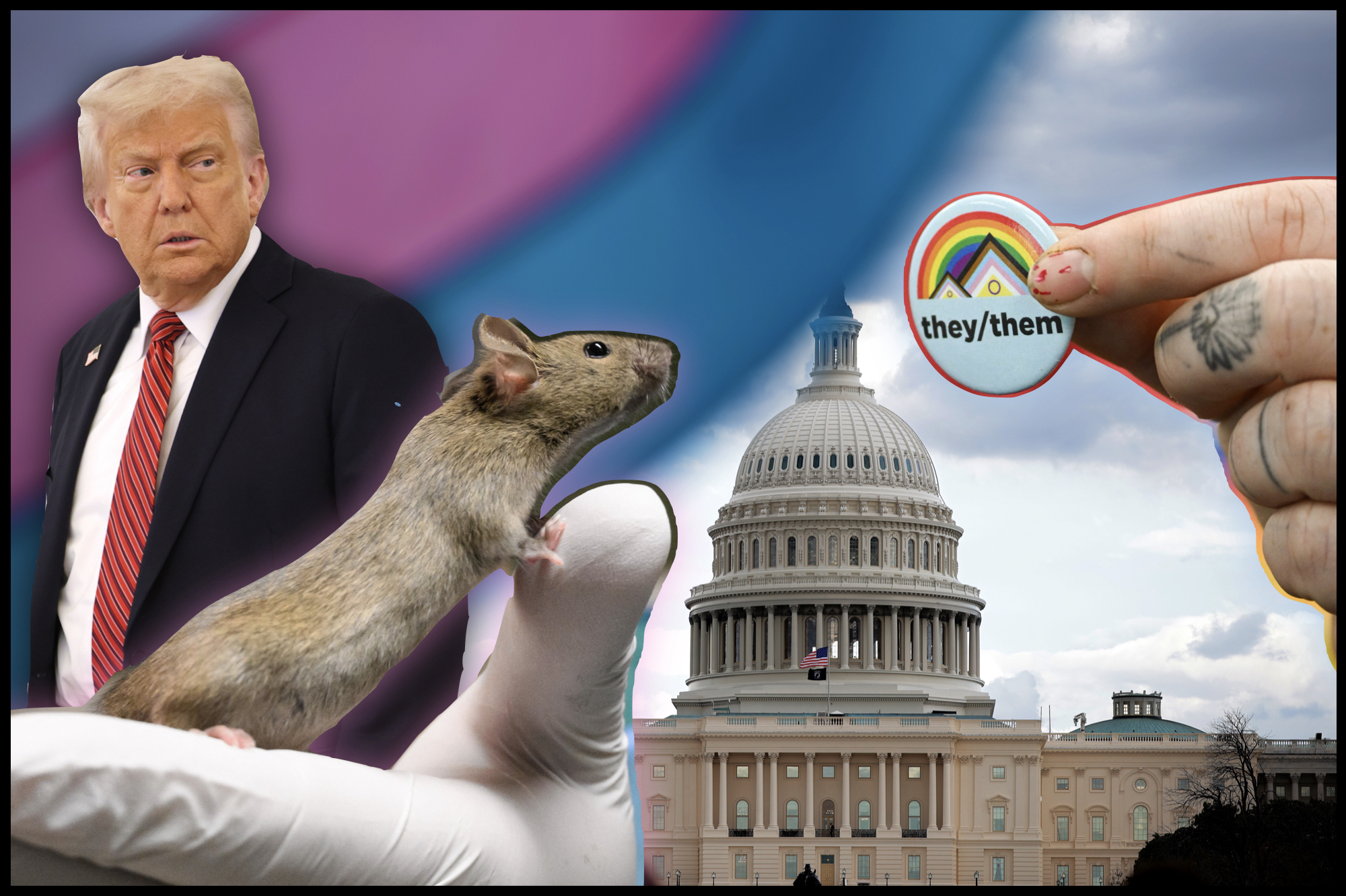
    In a press briefing on Friday President Donald Trump praised billionaire Elon Musk for his contributions to DOGE, citing a debunked claim that the government had been funding scientific research to make “transgender mice.”

    Trump referenced $8 million in federal funding supposedly saved by DOGE when the agency halted efforts to make “mice transgender.”


    “They spent $8 million on making mice transgender, and those are better than many of the others,” Trump said. “I could sit here all day and read things just like that, but we have other things to do.”

    The comments come months after Americans for Medical Progress issued a formal statement clarifying the nature of the research Trump was referring to. According to scientists, the studies in question have nothing to do with gender identity or transitioning animals, but rather investigate how hormones function in development and disease. Many of these studies involve mice models to better understand conditions like endometriosis, infertility, breast cancer, and prostate cancer.

    “Misrepresenting this work will hinder our ability to protect our children and weaken progress toward improving the health and well-being of all individuals, regardless of background or belief,” the statement said.

    The White House posted a rebuttal to fact checkers that remains live on the White House website as Trump continues to amplify the claim.

    Originally published on Latin Times

    Source link

  • Trump Revives ‘Mental Decline’ Concerns After Attempting to Leave Oval Office Before Signing Executive Order: ‘Is He OK?’

    Trump Revives ‘Mental Decline’ Concerns After Attempting to Leave Oval Office Before Signing Executive Order: ‘Is He OK?’

    President Donald Trump reignited concerns about a possible “mental decline” after attempting to leave the Oval Office without signing an executive order.

    Following a joint press conference with Health Secretary Robert F. Kennedy Jr. on Monday, Trump thanked the press and began to exit. In a clip circulating on X, someone can be heard asking him to sign the order before leaving.

    “I’ll sign that, yeah,” Trump replied before turning around to sign the executive order, which aims to lower the cost of prescription drugs for Americans.


    The incident added to mounting concerns over a series of recent missteps by the president. He previously insisted a photoshopped image of Kilmar Abrego Garcia was real, confused Harvard with Harlem, and misstated the date the Philadelphia Eagles visited the White House.

    Monday’s flub left some social media users once again questioning Trump’s mental aptitude.

    “No talks of mental decline?” one X user wondered. President Joe Biden’s mental and physical fitness was a frequent target of criticism from MAGA supporters, who used it as a rallying point in efforts to push for his removal from office.


    “His brain is broken,” a second added.

    “Is he ok,” another social media user wondered.


    “Again? This isn’t the first time,” one user declared. Trump previously exited without signing executive orders in 2017 during his first term, and, most recently, on April 2, also referred to by Trump as “Liberation Day.”


    Several social media users also labeled the president “Dementia Don,” a nickname given to the president by his critics, similar to Trump supporters’ nickname for Biden, “Sleepy Joe.”

    Originally published on Latin Times


    Source link

  • Trump Applauds 13-Year-Old Cancer Survivor After Slashing Funding for Pediatric Cancer Research

    Trump Applauds 13-Year-Old Cancer Survivor After Slashing Funding for Pediatric Cancer Research

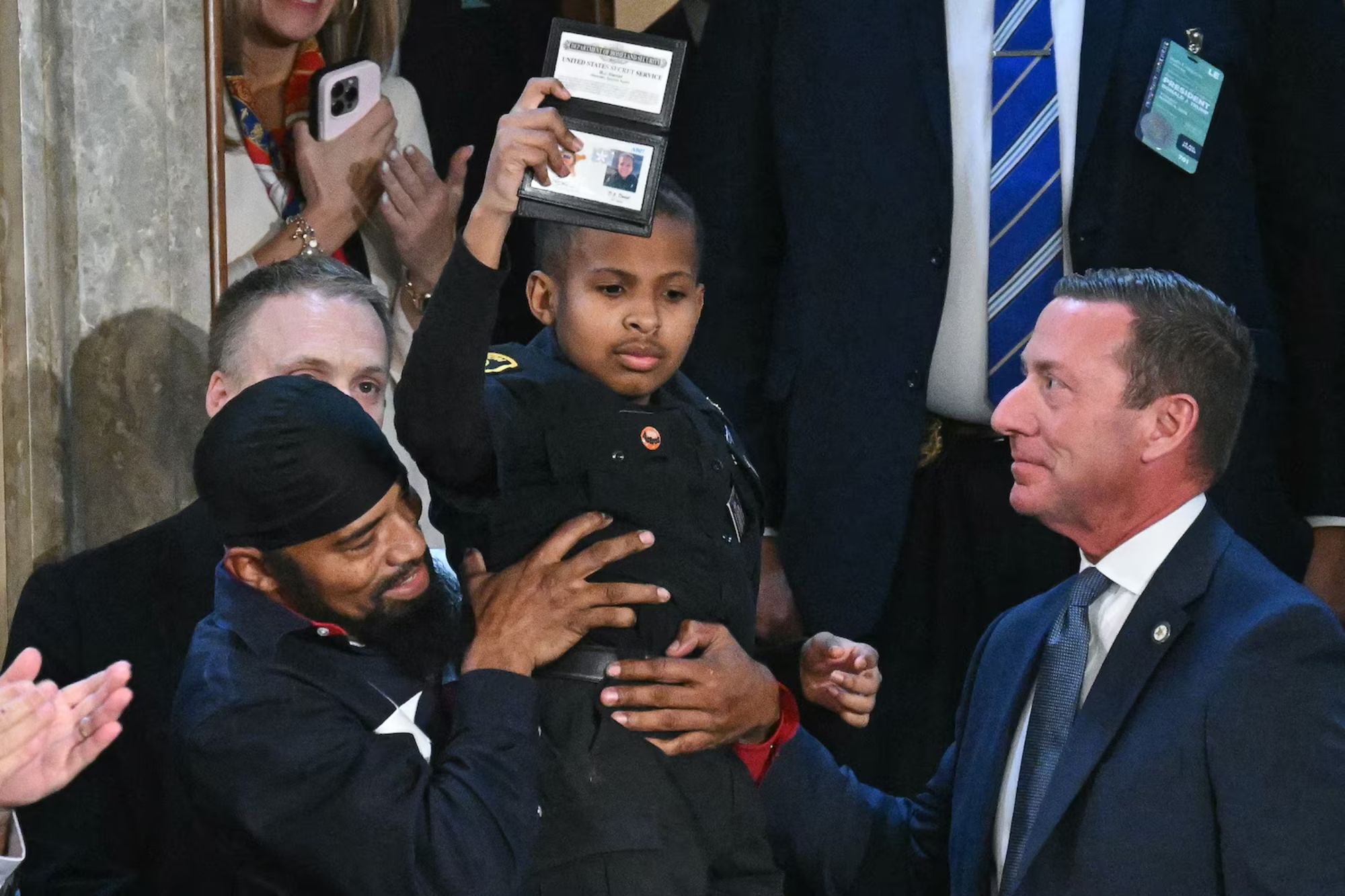
    President Donald Trump honored and applauded a young cancer survivor during his recent joint address to Congress despite his numerous attempts to cut funding for healthcare, including pediatric cancer research.

    DJ Daniel, 13, was introduced to the audience by the 47th president on Tuesday night, receiving a standing ovation from the crowd.

    “Joining us in the gallery tonight is a young man who truly loves our police,” Trump announced. “His name is DJ Daniel is 13 years old, and he has always dreamed of becoming a police officer. But in 2018, DJ was diagnosed with brain cancer. The doctors gave him five months at most to live. That was more than six years ago.”

    Daniel and his father have been trying to actualize Daniel’s dream of becoming a real police officer, Trump explained. Since they began, the child has become an honorary member of local police departments, reported ABC News.

    “Tonight, DJ, we’re going to do you the biggest honor of them all,” Trump said. “I am asking our new Secret Service Director, Sean Curran, to officially make you an agent of the United States.”

    Last month, the Trump administration attempted to enact cuts worth $4 billion for funding towards cancer research at universities, cancer centers and hospitals. He attempted to impose a policy under which indirect costs for research grants distributed by the National Institutes of Health (NIH) would be capped at 15 percent.

    Universities and research centers responded to this initiative with a lawsuit claiming that cutting this funding represented “flagrantly unlawful action” and “will devastate medical research at America’s universities.” US District Court Judge Angel Kelley ordered the administration to hold off on the cuts.

    “Once again, President Trump and Elon Musk are acting in direct violation of the law. In this case, they are causing irreparable damage to ongoing research to develop cures and treatments for cancer, Alzheimer’s disease and related dementias, ALS, Diabetes, Mental Health disorders, opioid abuse, genetic diseases, rare diseases, and other diseases and conditions affecting American families,” said Education Subcommittee Ranking Member Rosa DeLauro. “The Trump Administration is attempting to steal critical funds promised to scientific research institutions funded by the NIH, despite an explicit legal prohibition against this action.”

    “The reduction in research and care funding is a devastating setback for the pediatric cancer community, one that threatens all the progress we’ve made. This unfortunate turn of events only reinforces the urgent need for us to continue advancing care, supporting cutting-edge research, and improving conditions for pediatric cancer patients and their families,” Danielle Fragalla, the Chief Executive Officer of Pediatric Cancer Research Foundation, said.

    “At the Pediatric Cancer Research Foundation, our work has never been more critical. Through our institutional priorities—Powering Research, Equitable Care, and Survivorship & Mental Health—we are committed to driving innovating solutions that not only improve outcomes but also ensure that every child and family has access to the support they need.”

    Originally published by Latin Times.

    Source link

  • Trump Admin Cancels Key Vaccine Policy Meetings as Health and Science Agencies Prepare for RFK Jr. Takeover

    Trump Admin Cancels Key Vaccine Policy Meetings as Health and Science Agencies Prepare for RFK Jr. Takeover

    President Donald Trump’s administration has canceled a number of key vaccine policy meetings as health and science agencies prepare for Robert F. Kennedy Jr. to take over as secretary of the Department of Health and Human Services.

    A number of the National Institutes of Health’s study sections, during which fellowship and grant applications are reviewed, were canceled, potentially delaying grant distribution, Stat News reported.

    Additionally, the Presidential Advisory Council for Combating Antibiotic-Resistant Bacteria meeting, scheduled for Jan. 28-29, and a National Vaccine Advisory Committee meeting, scheduled for Feb. 20-21, were also canceled.

    “Peer review via study sections is required by law in order for the NIH to disburse most of the $40 billion annual extramural budget,” Norman E. Sharpless, a former director of the NIH’s National Cancer Institute, told Stat News.

    “If study sections and advisory council meetings are postponed for more than even a brief period, this will likely lead to interruptions in grant funding, which is bad for U.S. biomedical research.”


    An NIH spokesperson explained the cancellations are part of “a short pause to allow the new team to set up a process for review and prioritization.” Scholars, however, fear the delays and their ambiguous conclusion could have detrimental domino effects on their research.

    “If study sections don’t meet on time, then that could delay grants being distributed, which affects the ability of labs to pay their students and postdocs and staff,” Rebecca Pompano, a chemist and biomedical engineer at the University of Virginia, told Stat News. “In some cases, if there was a gap in funding, it could result in someone either not being hired at all or having to be laid off.”

    Pompano’s fears are compounded by RFK Jr.’s plans to overhaul the NIH. In the past, he has attacked the NIH for not studying the role of vaccines in autism and promised to fire “entire department” at the Food and Drug Administration, AP News reported.

    Originally published by Latin Times

    Source link