Tag: Trigger

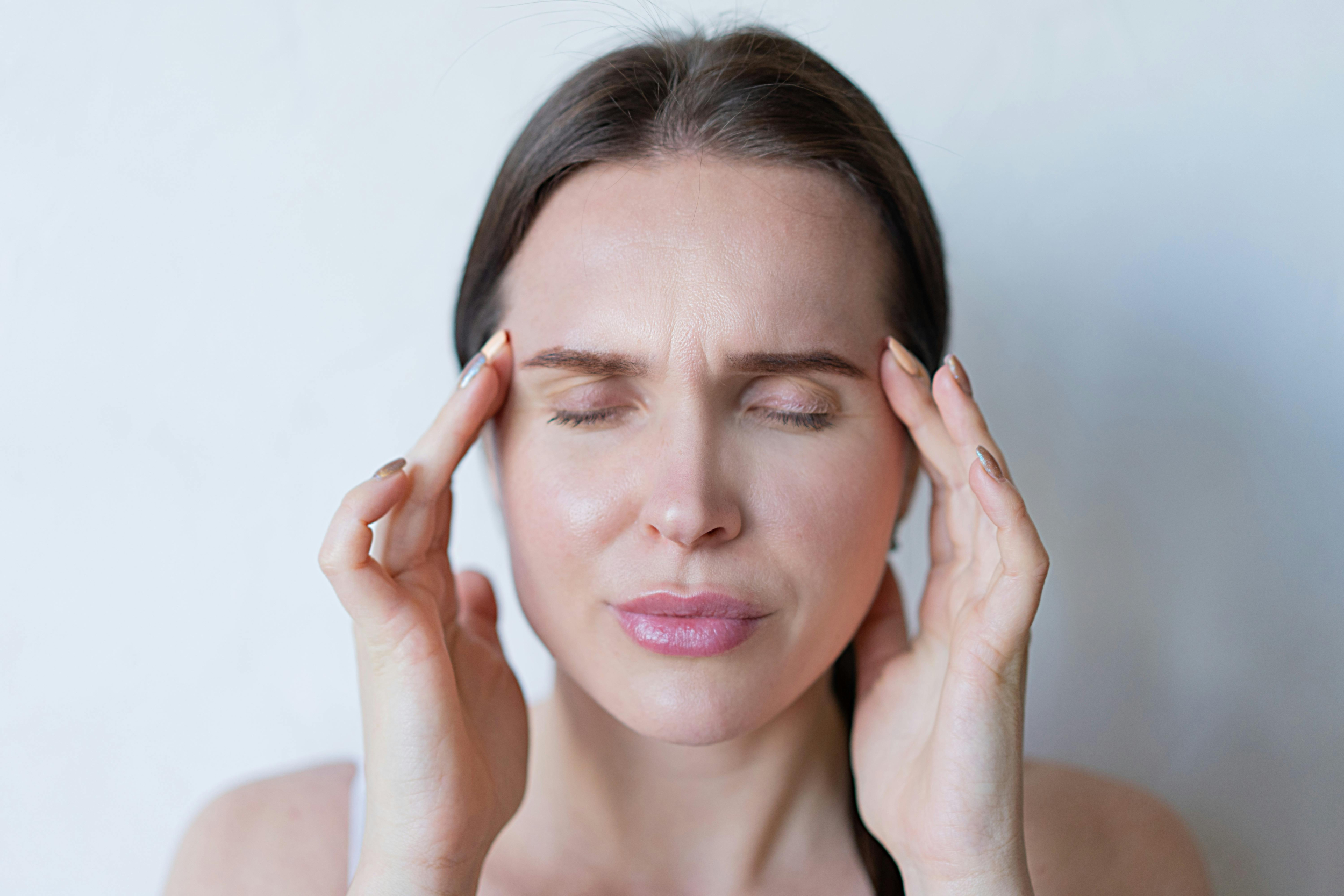
  • How Sudden Intense Exercise Can Trigger a Migraine or Headache

    How Sudden Intense Exercise Can Trigger a Migraine or Headache

    Sudden intense exercise can be a powerful way to boost fitness, but for some people, sudden exertion also brings on a pounding exertional headache or even a full-blown migraine.

    When effort ramps up too quickly, rapid changes in blood flow, blood pressure, body temperature, and hydration can work together as a strong migraine trigger. Understanding how blood pressure spikes, vasodilation, dehydration, overexertion, and heat/humidity interact can help people exercise more comfortably and safely.

    How Sudden Exertion Triggers Headache and Migraine

    An exertional headache is a headache that appears during or shortly after physical activity, especially when that activity involves sudden exertion such as sprinting, heavy lifting, or high-intensity interval training.

    The pain is often throbbing, can feel worse with ongoing effort, and may affect both sides of the head. For people with a history of migraine, the same exertion can lead to a typical migraine attack with pulsating pain, nausea, and sensitivity to light or sound.

    During intense exercise, the cardiovascular system must react quickly. Heart rate climbs, breathing speeds up, and blood pressure rises to deliver more oxygen-rich blood to the muscles and brain.

    If someone goes from rest straight into maximum effort, that sudden shift can irritate pain-sensitive structures in and around the brain. In individuals whose nervous systems are already sensitive, these abrupt changes act as a direct migraine trigger.

    Blood Pressure Spike, Vasodilation, and Pain

    One key link between sudden exertion and exertional headache is the way the body handles a sharp blood pressure spike.

    Going from light activity to all-out effort can make blood pressure climb rapidly, increasing pressure in blood vessels in the head and neck and raising intracranial pressure. For some, this pressure change alone can provoke pain.

    At the same time, the body relies on vasodilation to meet increased oxygen demand. During intense exercise, blood vessels widen to carry more blood. When vasodilation happens quickly in vessels supplying the brain, it can stretch vessel walls and nearby tissues, which contain pain-sensitive nerve fibers.

    This stretching is one suspected mechanism behind the throbbing pain of exertional headache and migraine. If vessel tone swings abruptly, from relative constriction at rest to sudden vasodilation under load, the nervous system may respond with headache.

    Breathing patterns can make this worse. Many people hold their breath while lifting or straining, a habit known as the Valsalva maneuver.

    Breath-holding increases pressure in the chest and can further elevate blood pressure and intracranial pressure. Combined with sudden exertion, this pattern can significantly raise the risk of an exertional headache or migraine trigger.

    Dehydration, Overexertion, and Workout Intensity

    Dehydration plays a major role in exercise-related headaches. When the body loses fluid through sweat and heavier breathing without adequate replacement, blood volume drops and circulation becomes less efficient, according to the World Health Organization.

    The brain is very sensitive to fluid changes. Loss of water can cause it to pull slightly away from the skull, putting tension on pain-sensitive membranes and contributing to headache. For people prone to migraine, even mild dehydration is a common migraine trigger.

    Overexertion amplifies these stresses. Pushing beyond current fitness levels, especially without a proper warm-up, forces the heart, blood vessels, and nervous system to adapt quickly. Stress hormones rise, and the body’s internal environment shifts in a short time.

    When dehydration and overexertion combine, for example, during a long, intense workout with minimal breaks or fluids, the likelihood of an exertional headache or exercise-induced migraine increases. Repeated overexertion without adequate recovery can also lower a person’s threshold for future headaches.

    Heat, Humidity, and Environmental Migraine Triggers

    Heat and humidity add another layer of challenge. Exercising in hot, humid conditions makes it harder for the body to cool itself because sweat evaporates less efficiently.

    Core body temperature can climb quickly, and the body responds by increasing vasodilation, including in vessels in the head. This heat-driven vasodilation can add to the vasodilation already caused by intense exercise, further sensitizing pain pathways.

    Many people who live with migraine notice that hot weather, sudden temperature changes, or shifts in barometric pressure can act as migraine triggers.

    When a tough workout in high heat/humidity is added on top of that sensitivity, the risk of exertional headache or migraine rises. Outdoor exercise brings additional triggers such as bright sunlight and glare, while indoor exercise in hot, poorly ventilated settings can have similar effects.

    Key Symptoms to Watch For

    Exertional headache often presents as throbbing or pulsating pain that appears during or shortly after intense activity. The pain may be felt on both sides of the head and can worsen with continued movement, bending, or straining, as per Harvard Health.

    When sudden exertion acts as a migraine trigger, symptoms may include nausea, vomiting, light and sound sensitivity, and sometimes visual aura. Severe, sudden, or unusual headaches, especially those that feel like the “worst headache ever” or come with neurological symptoms, should be evaluated by a medical professional.

    Practical Ways to Reduce Exertional Headache Risk

    Because exertional headache and exercise-induced migraine often involve multiple factors, prevention usually means making several small changes rather than relying on a single fix.

    • Start with a gradual warm-up instead of diving into maximum effort. A few minutes of low-intensity cardio and lighter sets allow heart rate, blood pressure, and vessel tone to rise more smoothly.
    • Maintain steady hydration by drinking water regularly throughout the day and during exercise. For longer or very intense sessions, especially in heat/humidity, consider adding electrolytes to replace minerals lost through sweat.
    • Adjust environmental conditions when possible. Exercising during cooler times of day, choosing shaded or indoor spaces in extreme heat, wearing breathable clothing, and taking brief rest breaks can all ease the strain of heat and humidity.
    • Pay attention to breathing and technique. Exhaling during the effort phase of a movement and inhaling during the easier phase helps reduce blood pressure spikes. Keeping the head and neck in a neutral position can also help protect blood flow to the brain.
    • Track patterns in a simple log, including workout type, intensity, duration, temperature, humidity, hydration, and any headache symptoms. Over time, this record can reveal which combinations of sudden exertion, overexertion, dehydration, and heat/humidity are most likely to act as a migraine trigger.

    Exercising Smarter With Sudden Exertion and Migraine

    For those prone to headache or migraine, sudden exertion does not have to be a permanent barrier to staying active. By respecting how blood pressure spikes, vasodilation, dehydration, overexertion, and heat/humidity interact, many people can adjust their approach and keep working out.

    Gradual warm-ups, smart pacing, good hydration, and thoughtful control of the training environment all reduce the risk of exertional headache and migraine trigger exposure. With these strategies, individuals can work toward their fitness goals while better protecting themselves from exercise-related head pain.

    Frequently Asked Questions

    1. Can exertional headaches happen during light exercise, or only with intense workouts?

    Exertional headaches are more common with high-intensity or sudden exertion, but they can still occur with lighter exercise if someone is dehydrated, overheated, or especially sensitive that day.

    2. Do exertional headaches mean someone should avoid exercise altogether?

    Not usually. Many people can keep exercising by warming up gradually, reducing peak intensity, staying hydrated, and adjusting for heat/humidity; a doctor can help tailor safe activity levels.

    3. Are exertional headaches more common in beginners or trained athletes?

    They can occur in both. Beginners may be at risk from overexertion and poor conditioning, while trained athletes can trigger them by pushing intensity, training in extreme heat, or skipping proper recovery.

    4. Can medications help prevent exertional headaches or exercise-induced migraine?

    In some cases, doctors may recommend preventive or pre-exercise medication, but this decision depends on frequency, severity, and underlying health, so it should always be discussed with a healthcare professional.


    Source link

  • What Foods Trigger Inflammation?

    What Foods Trigger Inflammation?

    Inflammatory markers can double within six hours of eating a pro-inflammatory meal. Which foods are the worst?

    Excessive inflammation may play a role in a number of leading causes of death and disability, including type 2 diabetes, obesity, and heart disease. “But what are the stimuli that jumpstart the destructive inflammatory cascade?” You typically hear about the pro-inflammatory nature of a chronic high-fat diet, but the inflammatory effect “may not be limited to chronic intake but may be evident after the consumption of a single meal.”

    Within hours after eating an unhealthy meal, inflammatory markers like interleukin-6 (IL-6) can skyrocket, doubling within six hours. The majority of studies show an increase in IL-6 after consuming a high-fat meal. But the meals they tested weren’t just filled with meat, eggs, dairy, and oil, but also junky refined carbohydrates like white flour and added sugar.

    When people are given essentially straight butter fat and no carbs, they can still get a spike in inflammation within hours, proving the added fat itself is pro-inflammatory. But when people are given straight sugar water without any fat, the result is the same, proving the added sugar is pro-inflammatory, too, as you can see below and at 1:26 in my video Foods That Cause Inflammation.

    Why should we be concerned with the inflammatory responses after unhealthy meal ingestion? Because extensive research points to the idea that “persistent low-grade inflammation is an underlying factor in several high-mortality chronic diseases and that diet can contribute to, or attenuate, that inflammation.”

    You’ll note in the graph below that IL-6 levels jumped up to about 3 pg/mL after the meal. (You can also check it out at 1:55 in my video.)

    When levels start regularly getting up to about 3 pg/mL, that’s associated with twice the risk of death. That increased risk was found across the board, compiling eight other similar studies, likely because it’s linked with increased risk of heart disease, the number one killer of men and women, even as strongly as some other major well-known risk factors like high cholesterol.

    Now, not all high-fat foods cause inflammation. More than a dozen studies combined show that whole plant foods such as nuts do not increase inflammatory markers, even when eating up to handfuls of nuts a day. In fact, spread half an avocado on a beef burger, and you may be able to blunt some of the inflammation caused by the meat—even lean meat—as you can see below and at 2:35 in my video.

    There are reviews purporting to show a drop in inflammatory markers after eating wild game, which is about as lean a meat as you can get, but that’s only compared to store-bought meat. Give people some really fatty meat and their IL-6 shoots up, as do their tumor-necrosis factor and C-reactive protein. Inflammatory, inflammatory, inflammatory—within hours of consumption. But what if you instead eat a kangaroo steak, which is extremely low in fat, similar to elk or moose? You’ll get the same strong inflammatory response within hours of eating it, as you can see below and at 3:15 in my video.

    Now, certainly less inflammatory than conventional meat you might get at the store, but pro-inflammatory nonetheless, increasing markers of inflammation within mere hours.

    Doctor’s Note

    Stay tuned for Which Foods Are Anti-Inflammatory?, up next.

    For more on diet and inflammation, see related posts below.


    Source link

  • Why They Trigger Severe Headaches and Discomfort

    Why They Trigger Severe Headaches and Discomfort

    Vision problems often cause headaches from vision problems and eye strain headaches without obvious warnings, as eyes strain to focus or align properly. Even routine activities like reading, computer work, or driving can overwork eye muscles, sending tension across temples, brows, and neck. Millions experience these discomforts, turning everyday tasks into triggers for vision-related headaches that disrupt productivity, sleep, and overall well-being.

    Uncorrected refractive errors—such as nearsightedness, farsightedness, or astigmatism—force constant lens adjustments, gradually exhausting ciliary and extraocular muscles. Dry eyes, poor lighting, or glare exacerbate the strain, often without producing symptoms until headaches intensify. Recognizing these underlying causes is the first step toward relief and preventing chronic vision-related pain.

    Why Do Vision Problems Cause Headaches?

    Headaches from vision problems arise when eyes fail to work together smoothly, forcing extra effort for the brain to process visual input. Misalignment in binocular vision dysfunction, for example, makes one eye drift slightly, requiring constant correction that fatigues eye and neck muscles, sparking eye strain headaches. Uncorrected nearsightedness or farsightedness adds accommodative stress, as internal lenses continuously adjust focus during prolonged near work, often resulting in frontal or temporal pain.

    Astigmatism further distorts light unevenly, forcing squinting that tightens scalp and neck muscles into tension-type headaches. Dry eyes, caused by infrequent blinking during digital tasks, amplify discomfort and contribute to ongoing irritation. According to a study conducted by Frontiers in Public Health, extended screen use was linked to increased eye strain and headaches, with participants showing higher rates of visual discomfort and tension-type headache development.

    Can Eye Strain Cause Headaches?

    Eye strain headaches occur when visual demands exceed the eyes’ ability to maintain focus or alignment. Digital eye strain, also called computer vision syndrome, emerges when screens sit too close, lighting produces glare, or prolonged near work forces ciliary muscles to overwork. Poor ergonomics, like monitors at improper heights, further stretches extraocular muscles, intensifying headaches.

    Other factors include convergence insufficiency, where eyes tire from crossing inward for near objects, and presbyopia in adults over 40, which increases accommodation strain. Environmental conditions, such as low humidity, dry tear films, or glare, also escalate tension and make eye strain headaches more severe. According to NVISION Eye Centers, eye strain, often resulting from prolonged screen time, reading, or driving, can lead to headaches and discomfort, though it is not always the primary cause, highlighting the importance of regular breaks, proper lighting, and addressing underlying eye conditions.

    What Vision Issues Trigger the Worst Headaches?

    Certain eyesight issues are particularly likely to produce severe vision-related headaches. Binocular vision disorders, such as vertical heterophoria, misalign the eyes slightly, demanding constant neural fusion that exhausts visual pathways. Patients often report occipital or sinus-like pain, worsened in motion or dim light.

    Unmanaged hyperopia strains the focusing system for both near and distance vision, generating cyclic headaches from accommodative spasms. Corneal conditions like keratoconus distort light and create ghosting, increasing photophobia and tension headaches. Even early glaucoma can provoke brow or temple aches, mistaken for tension headaches, delaying timely detection and treatment. According to the Centre for Sight, binocular vision disorders and irregular corneal conditions are strongly linked to severe headaches, emphasizing the importance of comprehensive eye exams for accurate diagnosis.

    Strategies to Ease Vision-Related Headaches

    Managing headaches from vision problems requires a combination of optical correction, environmental adjustments, and lifestyle practices. Key strategies include:

    • Comprehensive eye exams that assess motility, binocular function, and refractive errors.
    • Prism lenses or vision therapy to retrain eye alignment, reducing eye strain headaches by up to 70 percent.
    • Artificial tears and blink exercises to maintain corneal moisture during screen work.
    • Following the 20-20-20 rule: every 20 minutes, look at something 20 feet away for 20 seconds.
    • Blue light filters and anti-reflective coatings to minimize glare and ghosting.
    • Adjusting lighting to prevent shadows that force pupil constriction.
    • Proper ergonomics with monitor height and distance to reduce muscle fatigue.

    These measures collectively help transform silent vision strain into manageable eye care practices, preventing chronic headaches and improving overall visual comfort.

    Managing Eye Strain: Maintaining Long-Term Visual Health

    Addressing vision-related headaches goes beyond temporary relief, focusing on consistent monitoring and preventive care. Eye exams every one to two years detect early binocular issues, presbyopia, and corneal irregularities before they cause chronic pain. Integrating ergonomic setups, regular breaks, and corrective lenses supports long-term eye health. With these practices, vision-related headaches can be significantly reduced, allowing normal visual activities without persistent discomfort.

    Frequently Asked Questions

    1. Can poor posture worsen eye strain headaches?

    Yes, poor posture can increase eye strain headaches. When monitors are too high or low, neck muscles compensate, adding tension to eye muscles. This extra effort amplifies visual fatigue and pain. Adjusting posture and monitor height can significantly reduce headaches linked to eye strain.

    2. Are children at risk for vision-related headaches?

    Children can experience headaches from vision problems, often undetected because they may not report symptoms. Conditions like uncorrected nearsightedness, farsightedness, or convergence insufficiency are common causes. Eye exams are critical for early detection and intervention. Proper correction and visual exercises can prevent long-term discomfort and learning difficulties.

    3. Can glasses completely prevent vision-related headaches?

    Glasses can greatly reduce vision-related headaches if they address refractive errors correctly. They may not fully prevent headaches caused by poor ergonomics, dry eyes, or underlying binocular dysfunction. Combining glasses with environmental and lifestyle adjustments is most effective. Regular follow-ups ensure lens prescriptions remain optimal.

    4. How do blue light filters help with eye strain?

    Blue light filters reduce glare from digital screens, lessening ciliary muscle fatigue. They improve visual comfort, especially during prolonged screen use. However, they do not replace proper prescription lenses or ergonomics. Using filters alongside other strategies enhances overall eye strain management.


    Source link

  • Might Meat Trigger Parkinson’s Disease? 

    Might Meat Trigger Parkinson’s Disease? 

    What does the gut have to do with developing Parkinson’s disease?

    Parkinson’s disease is an ever-worsening neurodegenerative disorder that results in death and affects about 1 in 50 people as they get older. A small minority of cases are genetic, running in families, but 85% to 90% of cases are sporadic, meaning they seem to pop up out of nowhere. Parkinson’s is caused by the death of a certain kind of nerve cell in the brain. Once about 70% of them are gone, the symptoms start. What kills off those cells? It still isn’t completely clear, but the abnormal clumping of a protein called alpha-synuclein or α-synuclein is thought to be involved. Why? Researchers injected blended Parkinson’s brains into the heads of rats and monkeys, and Parkinson’s pathology and symptoms were induced. It can even happen when injecting just the pure, clumped α-synuclein strands themselves. How, though, do these clumps naturally end up in the brain?

    As I discuss in my video The Role Meat May Play in Triggering Parkinson’s Disease, it all seems to start in the gut. The part of the brain where the pathology often first appears is directly connected to the gut, and we have direct evidence of the spread of Parkinson’s pathology from the gastrointestinal (GI) tract to the brain: α-synuclein from brains of Parkinson’s patients is taken up in the gut wall and creeps up the vagal nerves from the gut into the brain—at least that was the case in rats. If only we could go back and look at people’s colons before they got Parkinson’s. Indeed, we can. Old colon biopsies from people who would later develop Parkinson’s were dredged up, and, years before symptoms arose, you could see the α-synuclein in their gut.

    Research supported by the Michael J. Fox Foundation has found that you can reliably distinguish the colons of patients from controls by the presence of this Parkinson’s protein lodged in the gut wall. But how did it get there in the first place? Are “vertebrate food products…a potential source of prion-like α-synuclein”? Indeed, nearly all the animals with backbones that we consume—cows, chickens, pigs, and fish—express the protein α-synuclein. So, when we eat common meat products, when we eat skeletal muscle, we’re eating nerves, blood cells, and the muscle cells themselves. Every pound of meat contains, on average, half a teaspoon of blood, and that alone could be an α-synuclein source to potentially trigger a clumping cascade of our own α-synuclein in the gut. Though “it may seem intuitive that dietary α-synuclein could seed aggregation in the gut,” this kind of buildup, what evidence do we have that it’s actually happening?

    We have some pretty interesting data. There’s a surgical procedure called a vagotomy, in which the big nerve that goes from our gut to our brain—the vagus nerve—is cut as an old-timey treatment for stomach ulcers. Would cutting communication between the gut and the brain reduce Parkinson’s risk? Apparently so, suggesting that the gut to brain’s vagal nerve may be critically involved in the development of Parkinson’s disease.

    Of course, “many people regularly consume meat and dairy products, but only a small fraction of the general population will develop PD,” Parkinson’s disease. So, there must be other factors at play that “may provide an opportunity for unwanted dietary α-synuclein to enter the host, and initiate disease.” For example, our gut becomes leakier as we age, so might that play a role? What else makes our gut leaky? “Dietary fiber deprivation has also been shown to degrade the intestinal barrier and enhance pathogen entry.” So, this raises “possibilities for food-based therapies.”

    Parkinson’s patients have significantly less Prevotella in their gut, a friendly fiber-eating flora that bolsters our intestinal barrier function. So, low levels of Prevotella are linked to a leaky gut, which has been linked to intestinal α-synuclein deposition, but fiber-rich foods may bring Prevotella levels back up. “Therefore, it is possible that by adopting a plant-based diet, in addition to the beneficial effects of phytonutrients, increasing overall fiber intake may modify gut microbiota and gut permeability [leakiness] in beneficial ways for people with PD.”

    So, does a vegan diet—one with lots of fiber and no meat—reduce risk for Parkinson’s? Parkinson’s “appears to be rare in quasi-vegan cultures,” with rates that are about five times lower in rural sub-Saharan Africa, for instance. All this time, we were thinking the benefits seen for Parkinson’s from plant-based diets were due to the antioxidants and anti-inflammatory nature of the animal-free diets, but maybe it’s also due to the increased intestinal exposure to fiber and decreased intestinal exposure to ingested nerves, muscles, and blood.

    Wasn’t that fascinating? For more on Parkinson’s, see the related posts below.


    Source link

  • ‘Don’t Push Too Hard,’ Warns Coach After Neck Artery Tear From Squats Trigger Strokes

    ‘Don’t Push Too Hard,’ Warns Coach After Neck Artery Tear From Squats Trigger Strokes

    Gym enthusiasts who pride themselves on pushing their limits for the perfect lift should take a moment to listen to the cautionary note of a gym instructor who suffered strokes after tearing her neck artery during squats.

    The 33-year-old fitness coach Bridgette Salatin from Ohio is still dealing with memory issues two years after the catastrophic stroke. Now easing back into her gym routine with lighter weights, she warns others: “Don’t push yourself too hard.”

    Salatin remembers the moment it happened; she was midway through a 70kg barbell squat when she suddenly felt dizzy, followed by a “really bad” headache. She had not eaten or slept enough the night before and had pushed her limits, holding her breath before lifting the weight.

    “When I woke up that day, I had a pain in my neck but I thought I’d probably just slept on it funny. I was squatting and I had a barbell on my back. I started to get a really bad headache,” Salatin said.

    The sharp pain shot from her shoulders to her right temple before she collapsed to the ground. Later, she learned the intense strain had torn an artery in her neck, triggering three mini-strokes.

    Doctors also diagnosed Salatin with occipital neuralgia, a painful neurological condition caused by injury or inflammation of the occipital nerves, which run through the scalp. The condition can result from pinched nerves, muscle tightness in the neck, or a head or neck injury.

    “They did a few scans on me and they said ‘you’ve had a stroke’ but how in the world does that happen at the age of 31? I felt an instant grief. I thought ‘I’ve failed myself’ and ‘am I ever going to be right again?’. I felt like I lost a sense of myself,” she recollected.

    Although months of bed rest and blood thinners helped her recover, Salatin said her life has never been the same, even two years later.

    “My short-term memory is gone and doing everyday things is hard for me. I used to teach a yoga class that was strictly on learning headstands but I can’t do that anymore,” she said.

    She now urges others to start with lighter weights and find a balance between pushing limits and avoiding injury.

    Source link

  • This Common Lifestyle Habit In Preteens May Trigger Manic Symptoms, Researchers Find

    This Common Lifestyle Habit In Preteens May Trigger Manic Symptoms, Researchers Find

    As screen time continues to surge, so do concerns about its effects on both physical and mental health. Although this lifestyle habit has adverse effects on people of all ages, a recent study has turned the spotlight on preteens, suggesting that excessive screen use through texting, watching videos, or playing video games could trigger manic symptoms in them.

    A recent large-scale study involving 9,243 children aged 10 and 11 has shed light on the potential mental health risks of excessive screen use. Published in Social Psychiatry and Psychiatric Epidemiology, the research explored how heavy engagement with social media, video games, texting, and video streaming impacts young minds.

    To better understand the link between screen time and mental health, researchers of the latest study analyzed data from the Adolescent Brain Cognitive Development (ABCD) study, the largest long-term study of brain development in the United States. They examined the typical screen habits of thousands of preteens, investigating whether excessive use of social media, video games, and texting was associated with manic or hypomanic symptoms.

    The results showed that those with excess screen time were at a greater chance of developing “inflated self-esteem, decreased need for sleep, distractibility, rapid speech, racing thoughts, and impulsivity – behaviors characteristic of manic episodes, a key feature of bipolar-spectrum disorders.”

    “Adolescence is a particularly vulnerable time for the development of bipolar-spectrum disorders. Given that earlier onset of symptoms is linked with more severe and chronic outcomes, it’s important to understand what might contribute to the onset or worsening of manic symptoms in teenagers,” said Dr. Jason Nagata, first author of the study in a news release.

    The researchers also noted that American adolescents now spend an average of over eight hours a day on screens, double the pre-pandemic average, coinciding with a rise in mental health concerns.

    “This study underscores the importance of cultivating healthy screen use habits early. Future research can help us better understand the behaviors and brain mechanisms linking screen use with manic symptoms to help inform prevention and intervention efforts,” said co-author Kyle Ganson.

    Although screen time offers educational benefits, Dr. Nagata cautions that parents should be mindful of potential risks and know the importance of balancing its use to protect mental health. “Families can develop a media plan which could include screen-free times before bedtime,” Dr. Nagata added.

    Source link

  • Depression May Trigger Severe Period Pain, Sleep Disturbances May Aggravate It: Study

    Depression May Trigger Severe Period Pain, Sleep Disturbances May Aggravate It: Study

    Severe menstrual cramps can affect a woman’s mood and her mental well-being. However, a new study reveals a surprising twist: depression may actually trigger severe period pain, with sleep deprivation worsening its severity.

    Dysmenorrhea, or severe period pain, affects around 15% of women and typically occurs just before menstruation, and subsides after a few days. If the menstrual cramps occur without any underlying condition, it is called primary dysmenorrhea. This type of period pain is often caused by high levels of prostaglandins, hormone-like substances that increase uterine contractions. Secondary dysmenorrhea, however, is caused by medical conditions like endometriosis or uterine fibroids.

    In the latest study published in Briefings in Bioinformatics, researchers discovered that depression significantly impacts primary dysmenorrhea after evaluating around 600,000 cases from European populations and 8,000 from East Asian populations, finding a strong link in both groups. The researchers also conducted a genome-wide association study and identified key genes and proteins involved in this interaction.

    “Our findings provide preliminary evidence that depression may be a cause, rather than a consequence, of dysmenorrhea as we did not find evidence that period pain increased the risk of depression,” said lead author Shuhe Liu from China’s Xi’an Jiaotong – Liverpool University.

    Another interesting observation was that sleeplessness, commonly experienced by those with depression, played a key role in connecting depression and dysmenorrhea.

    “We found that increased sleep disturbances could exacerbate menstrual pain. Addressing sleep issues may therefore be crucial in managing both conditions,” Liu said.

    However, larger studies and biological experiments are needed to fully understand the causal association between menstrual pain and depression. Meanwhile, based on the current findings, the researchers are calling for improved mental health screening for individuals suffering from dysmenorrhea. Liu explained that this could lead to more personalized treatment options, reduced stigma, and better healthcare for those affected.

    “Depression and menstrual pain significantly impact women’s lives across the world, yet their connection remains poorly understood. Our collective goal is to critically investigate these issues and improve care for women by uncovering these complex connections and finding better ways to address them,” lead author Dr. John Moraros, from the Xi’an Jiaotong-Liverpool University in China told CNN.

    Source link

  • Researchers Say They May Trigger Psoriasis

    Researchers Say They May Trigger Psoriasis

    Here’s another reason to put that bag of processed snacks aside. Ultra-processed foods, already linked to heart problems and metabolic disorders, may also trigger psoriasis, according to new research.

    Psoriasis is an autoimmune disorder that affects the skin, causing inflamed, red, raised patches that often develop into silvery scales, typically on the scalp, elbows, knees, and lower back.

    Ultra-processing involves the use of several additives, salts, oils, preservatives, and other ingredients to the food to improve its shelf life, appearance, and taste. A few examples of ultra-processed food are frozen meals, processed meats, soft drinks, sweetened breakfasts, packaged chips, cakes, pretzels, and cookies.

    Earlier studies have shown that frequent consumption of ultra-processed food raises the risk of insomnia, heart disease, cancer, and premature death. It is also linked to elevated risk of obesity and inflammatory bowel disease.

    While common known triggers of psoriasis include stress, certain medications, skin injuries, strep infections, smoking, and alcohol use, the latest study explored the connection between ultra-processed food consumption and psoriasis incidence.

    To establish the link, a research team led by Dr. Emilie Sbidian, a dermatologist at Henri-Mondor Hospital in Créteil, France, examined data from over 18,500 individuals in a health database. Among this cohort, 1,825 had psoriasis, with 802 cases considered “active.” The participant’s food intake, particularly the consumption of ultra-processed food items was recorded using questionnaires.

    Analysis revealed a significant finding: among those with active psoriasis, 36% were in the highest third of daily ultra-processed food intake when compared to individuals who had never experienced psoriasis. The association remained significant even after adjusting for factors such as age, alcohol intake, body mass index, and other underlying health conditions.

    “Results of this study showed an association between high ultra-processed food intake and active psoriasis status,” researchers concluded.

    However, the researchers caution that the findings are based on an observational study, which only demonstrates a correlation and cannot establish a definitive cause-and-effect relationship between ultra-processed food consumption and psoriasis.

    “More large-scale studies are needed to investigate the role of [ultra-processed food] intake in psoriasis onset,” the researchers wrote.

    Since the study population consisted of a relatively healthier cohort compared to the general French population, the findings may not be fully representative. Also, another limitation of the study is the potential misclassification of psoriasis, as it relied on self-reported data.

    Source link