
Tag: Tools

  • Mindfulness and Hypnosis: Tools for Navigating Chronic Illness

    Mindfulness and Hypnosis: Tools for Navigating Chronic Illness

    Several years ago, I experienced what at the time I did not realize was the beginning of a life-changing journey into chronic illness. 

    It started with noticing shortness of breath when I bent over to pick something up off the floor, and rapidly snowballed. It felt as if I had stepped into an alternate reality, where I went from being a healthy person whose life was punctuated with hiking, dancing, and travel, to someone whose body would no longer cooperate with life. At my worst, my heart rate spiked throughout the day and night to levels that would send healthy friends running to the ER. I was exhausted and at times too weak to walk.

    Already a Buddhist meditation teacher and hypnotherapist, I found myself on a crash course in treating a complex medical condition and learning how to live a meaningful life inside a body that had fundamentally changed.

    This was the beginning of a complex condition involving almost every system in my body, eventually traced back to my time living in a small cottage that unknowingly housed an uninvited tenant: black mold. At the time, I couldn’t have imagined how profoundly this experience would change my body, my life, and my work.

    Already a Buddhist meditation teacher and hypnotherapist, I found myself on a crash course in treating a complex medical condition and learning how to live a meaningful life inside a body that had fundamentally changed. 

    Over the years that followed, I worked to carve out spaces of healing, resilience, and joy, rebuilding a life that in many ways felt happier and more free than the one I had lost. I also found myself supporting more clients navigating complex illnesses themselves. Again and again, I saw how mindfulness and hypnosis could help people feel a renewed sense of hope, agency, and capacity to relate to their lives and bodies differently.

    A Nervous System Mobilizing Against Threat

    When we live with chronic illness or pain, it can often feel like we are stuck on high alert—and with good reason. The body is designed to detect danger and mobilize quickly against threat. We have survived across generations of human evolution because of this finely honed system. It’s an incredible gift—until it’s not.

    Pain, stress, illness, and other issues can send signals throughout our body communicating that something is profoundly wrong. It’s our system’s way of saying, “Hey! Stop! Please take care of me.” 

    Maladaptive neuroplasticity” happens when the body and mind begin to reorganize in order to address the ongoing threat that is occurring. Unfortunately, we don’t always reorganize in a way that helps us long-term or feels particularly good. To our brain and body, it’s about one thing and one thing alone: our survival. 

    But in chronic conditions occurring over time, this repeated activation can make our nervous system extra sensitive to threat. Our body’s warning system begins to fire over and over, responding to even small changes in posture, environment, or life conditions as if they were a five alarm fire. This is part of why hypnosis and meditation have been shown to be highly supportive for chronic illness and pain, when used in complement with appropriate medical care.

    You’ve probably heard the term “neurons that fire together wire together,” meaning that when we repeat anything over and over, we build strong neural pathways that operate automatically. This trait is fantastic in so many situations: we effortlessly remember how to drive a car, we see the face of someone we love and a feeling of warmth washes over us, we wake up and go to our meditation cushion because it’s a habitual part of our routine.

    Our brains are incredibly efficient. They want to save energy, so they create shortcuts to do so. This is often helpful, but when it comes to chronic pain and illness, this can result in heightened sensitivity, and what some researchers call maladaptive neuroplasticity

    What does that mean for us? Essentially, the body and mind begin to reorganize in order to address the ongoing threat that is occurring. Unfortunately, we don’t always reorganize in a way that helps us long-term or feels particularly good. To our brain and body, it’s about one thing and one thing alone: our survival.

    Over time, an inner algorithm is created in the brain, body, and nervous system: We get exposed to a trigger or feel the beginning of the symptom and automatically, a cascade of chemical, physiological, and emotional responses fire up within a fraction of a second. Emotions are heightened, thought loops start spinning, discomfort worsens, and the neural pathways connecting things like fear, grief, hopelessness, frustration, and physical symptoms grow stronger. 

    The wonderful thing about neuroplasticity is that you have agency over more of this process than you might imagine, especially when it comes to navigating habitual thoughts and reactions, distress, and overwhelm.

    Neuroplasticity Means You Have More Power Than You Know

    It’s understandable that these processes can feel big, automatic, and beyond our control, but that’s not the full picture. The wonderful thing about neuroplasticity is that you have agency over more of this process than you might imagine, especially when it comes to navigating habitual thoughts and reactions, distress, and overwhelm.

    This is where mindfulness and hypnosis can offer real support. Both practices help you notice when the alarm bells start going off, so that you can interrupt the cascade of reactivity and learn to steer it in a different direction. Through relaxation, breath, focused attention, visualization, and active work with the subconscious mind, you can begin to support the nervous system and create space where triggers, symptoms, and recurring attitudes and thoughts can be met and worked with. 

    The more you practice cultivating and resting in qualities like safety, compassion, kindness, and relaxation, the more hardwired and automatic they become. Just like you’ve strengthened the muscles of stress and overwhelm, you can strengthen the muscles of ease, trust, and permission to rest and take care of yourself.

    One of my clients has described this process as being able to access her “own little sanctuary”—a place where even in the midst of years-long, complex illness, she is able to rest, remember her wholeness, and feel relief. With that, her sleep has significantly improved along with her overall sense of hope, personal power, and wellbeing.

    Addressing the Whole Person

    Of course, this does not mean thinking we can just “meditate away” a condition that needs treatment. These practices are best done in conjunction with medical care, because they allow us to navigate the full spectrum of our experience—from stress around doctor’s appointments and treatment protocols, to changes in our relationships and career, to celebrating the wins and progress when they do come. Living with pain and illness touches our bodies but also our identities, spirituality, and outlook on the world. These practices can allow us to show up for all parts of it. 

    Adding meditation and hypnosis to our chronic illness care regimen can reveal that we have more power than we think: the ability to interrupt familiar thought loops, to create moments of relief and inner safety, and even to reshape the emotions, beliefs, and patterns that can make life with chronic illness feel harder than it already is.

    Adding meditation and hypnosis to our chronic illness care regimen can reveal that we have more power than we think: the ability to interrupt familiar thought loops, to create moments of relief and inner safety, and even to reshape the emotions, beliefs, and patterns that can make life with chronic illness feel harder than it already is.

    This is so powerful because in the type of mind states available through meditation and hypnosis, the mind becomes more flexible, creative, and adaptive. In fact, early research suggests that mind-body practices like meditation and hypnosis may influence brain-derived neurotrophic factor (BDNF), a molecule linked to neuroplasticity, learning, pain modulation, and the nervous system’s capacity to adapt in response to stress. 

    When we add these practices to our toolbox, we are partnering with the subconscious mind so that we can remodel our relationship to illness from the inside out.



    Source link

  • AI Therapy and AI Mental Health Tools Are Rising Fast, but the Ethics of AI in Healthcare Still Matter

    AI Therapy and AI Mental Health Tools Are Rising Fast, but the Ethics of AI in Healthcare Still Matter

    Artificial intelligence is becoming a bigger part of everyday healthcare, and mental health is no exception. AI therapy tools, chatbot counselors, and emotional wellness apps are now used by millions of people seeking quick and affordable support. Supporters believe AI mental health systems could improve access to care, especially in areas where therapists are difficult to reach. Critics, however, warn that the ethics of AI in healthcare cannot be ignored as these technologies become more advanced.

    Why AI Therapy Is Growing So Quickly

    The conversation around AI therapy has grown rapidly in recent years. Universities, psychologists, and healthcare organizations continue studying how artificial intelligence affects emotional well-being, patient safety, and privacy. A recent discussion published by The Conversation highlighted concerns that innovation in mental healthcare may be moving faster than ethical protections. Researchers emphasized that while AI can provide useful support tools, human oversight remains essential.

    AI therapy refers to digital systems that use artificial intelligence to simulate supportive conversations, analyze emotions, or guide users through mental health exercises. Many platforms rely on techniques based on cognitive behavioral therapy (CBT), mindfulness training, and mood tracking. Several factors are driving the popularity of AI mental health tools:

    1. Lower costs compared to traditional therapy
    2. 24/7 access to emotional support
    3. Faster responses during stressful moments
    4. Increased awareness about mental health
    5. Greater privacy for users uncomfortable with face-to-face conversations

    For many users, AI therapy feels less intimidating than speaking directly to another person. Some individuals also appreciate the convenience of receiving support through a smartphone at any time of day.

    Research from the National Institutes of Health has shown that certain AI-assisted CBT tools may help reduce symptoms of mild anxiety and stress for some users. Meanwhile, organizations like the American Psychological Association continue monitoring how artificial intelligence may shape the future of mental healthcare.

    Still, experts repeatedly stress that AI mental health systems should not be viewed as replacements for licensed professionals.

    The Biggest Risks Behind AI Mental Health Tools

    Although AI therapy may offer benefits, ethical concerns continue to grow. Mental health experts warn that emotional support technologies carry unique risks because users often rely on them during vulnerable moments.

    Privacy and Data Security Concerns

    Mental health conversations contain highly personal information. Users may discuss trauma, relationship struggles, medications, or suicidal thoughts with AI systems. This raises important questions:

    • Who owns the data shared with AI therapy apps?
    • Can emotional conversations be stored or sold?
    • How secure are mental health platforms from data breaches?
    • Are users fully aware of how their information is being used?

    Privacy advocates argue that emotional and psychological data deserves stronger protections than ordinary app activity. The ethics of AI in healthcare increasingly focuses on ensuring that sensitive mental health information is handled responsibly.

    According to a report discussed by Stanford’s Human-Centered Artificial Intelligence Institute, public trust in AI healthcare tools could decline if users believe their private information is being exploited.

    AI Can Still Make Harmful Mistakes

    Another major concern is the possibility of AI systems generating unsafe or inaccurate advice. Artificial intelligence can produce convincing responses even when the information is incorrect.
    Potential risks include:

    • Misinterpreting emotional distress
    • Providing inappropriate coping advice
    • Failing to recognize crisis situations
    • Encouraging emotional dependency
    • Generating misleading mental health information

    Unlike licensed therapists, AI chatbots do not truly understand human emotions or life experiences. They rely on patterns in training data rather than genuine empathy.

    Researchers from Brown University and other institutions have warned that some AI mental health tools may struggle to respond safely when users discuss self-harm or suicidal thoughts. This remains one of the biggest challenges facing AI therapy development.

    Why Human Therapists Still Matter

    One reason mental health experts remain cautious is that therapy involves far more than answering questions. Human therapists interpret body language, emotional tone, trauma history, and social context during treatment. AI mental health systems currently lack several important human qualities:

    • Emotional intuition
    • Genuine empathy
    • Cultural understanding
    • Ethical judgment
    • Real-world experience

    Mental healthcare often involves complicated emotional situations that require careful interpretation. Conditions such as severe depression, PTSD, addiction, eating disorders, or psychosis usually require trained professionals rather than automated systems.

    Many psychologists believe AI therapy works best as a support tool instead of a replacement for human care. For example, AI systems may help users track moods, complete journaling exercises, or practice CBT techniques between therapy sessions.

    Hybrid care models are becoming more common, where AI assists therapists rather than replacing them entirely. This allows technology to improve accessibility while keeping licensed professionals involved in diagnosis and treatment decisions.

    The World Health Organization has also raised concerns about ensuring that AI healthcare technologies remain ethical, transparent, and safe for patients worldwide.

    Building Ethical AI Therapy for the Future

    As AI mental health technology evolves, many experts believe stronger regulation and accountability will become necessary. Innovation alone is not enough if patient safety is overlooked. Responsible AI therapy systems should include:

    1. Clear disclosure that users are interacting with AI
    2. Human oversight from qualified professionals
    3. Strong privacy protections for mental health data
    4. Independent safety testing
    5. Crisis response safeguards for vulnerable users
    6. Fair and unbiased training data

    Another important issue involves bias in AI systems. If mental health tools are trained using limited or unbalanced datasets, they may respond unfairly to certain cultural or demographic groups. Researchers continue studying how bias may affect recommendations, diagnoses, and emotional interpretation.

    The ethics of AI in healthcare also includes transparency. Users should understand what AI systems can and cannot do. Overpromising the capabilities of AI therapy may create unrealistic expectations or delay proper medical care.

    Despite concerns, many specialists still believe AI mental health tools could provide meaningful benefits if used responsibly. In regions facing therapist shortages or overwhelmed healthcare systems, artificial intelligence may help connect more people to basic emotional support resources.

    The challenge moving forward will be balancing innovation with ethical responsibility. Mental health care requires trust, compassion, and accountability, which means technology companies, healthcare providers, and regulators must work together carefully.

    The Future of AI Mental Health Depends on Trust

    AI therapy will likely remain part of the future mental healthcare landscape. Advances in artificial intelligence may continue improving accessibility, personalization, and early emotional support tools. For some individuals, these systems may provide comfort during stressful periods or encourage people to seek professional help sooner.

    At the same time, experts continue warning that mental healthcare cannot be treated like ordinary consumer technology. Emotional well-being involves deeply personal experiences that require careful ethical consideration.

    The future success of AI mental health systems may depend less on how advanced the technology becomes and more on how responsibly it is developed. Innovation in healthcare can improve lives, but patient safety, privacy, and human dignity must remain the highest priorities.

    Frequently Asked Questions

    1. What is AI therapy?

    AI therapy refers to digital mental health tools that use artificial intelligence to simulate supportive conversations, provide coping exercises, track emotions, or guide users through techniques like cognitive behavioral therapy.

    2. Can AI replace human therapists?

    Most mental health experts do not believe AI can fully replace human therapists. AI may assist with emotional support and self-help tools, but licensed professionals are still essential for diagnosis, trauma care, and crisis intervention.

    3. Is AI mental health support safe?

    AI mental health tools may help some users manage stress or anxiety, but there are still concerns about privacy, misinformation, and unsafe responses during emotional crises. Human oversight remains important.

    4. Why is the ethics of AI in healthcare important?

    The ethics of AI in healthcare focuses on protecting patient privacy, ensuring fairness, preventing harmful outcomes, and maintaining trust as artificial intelligence becomes more involved in medical and mental health services.


    Originally published on counselheal.com

    Source link

  • Ready-to-use education tools

    Ready-to-use education tools

    Please note images should be used in their entirety and not be edited Adult quiz (with answers) Download here Adult quiz (without answers) Download here Please note images should be used in their…

    Source

    Source link

  • Key Tools and Strategies Residents Medical Provides for Aspiring Doctors Facing OSCE and Beyond

    Key Tools and Strategies Residents Medical Provides for Aspiring Doctors Facing OSCE and Beyond

    Dr. Michael Everest, founder of residency placement agency Residents Medical, has seen firsthand that the path to residency is simpler for some than it is for others. Those from developing countries often faced significant roadblocks, and that realization inspired him to create an industry-leading medical residency placement company.

    “What motivated me to create Residents Medical was the realization of the inherent bias and favoritism that exists toward certain races in medical schools, particularly when it comes to international doctors,” he says.

    “I saw the need to level the playing field and address the significant doctor shortage,” he continued. “To achieve this, I founded a foundation aimed at assisting international doctors and created a pathway to give them a fair chance.”

    Residents Medical gives international doctors that fair chance by offering personalized guidance, test preparation help, educational resources, and even real-world clinical placements to help maximize medical graduates’ chances of securing a residency.

    Clients can sign up for comprehensive programs that include digital curricula, hands-on externships, interview coaching, and even personalized residency application help.

    “When you have limited positions and thousands of applicants, many from prestigious institutions, it becomes challenging for individuals from countries like Sierra Leone or India to compete,” Dr. Everest says. “I sought to create opportunities and integrate these doctors into a program that provides the necessary support and test preparation.”

    What does that test preparation look like? Residents Medical clients can benefit from the guidance of physician mentors, but the platform also integrates cutting-edge AI tools that give students the benefits of on-demand objective structured clinical examination (OSCE) prep and a 24/7 study buddy.

    Recent research has highlighted AI’s promise as a preparatory tool for OSCEs, which are essential when it comes to evaluating clinical skills.

    However, because they’re time- and resource-intensive, they tend to be few and far between. They’re also incredibly difficult to prepare for — you can’t exactly set up multiple clinical stations as easily as you can review a textbook chapter.

    While AI models can’t perfectly replicate the clinical experience, they offer students an unprecedented opportunity to prepare for OSCEs and other essential tests. And thanks to its recent partnership with edYOU Technologies, Residents Medical puts a human face on AI — literally.

    Instead of relying on chatbots, Residents Medical relies on a team of “AI beings.” “I’ve developed advanced AI beings that mimic human life and hold natural conversational abilities,” Dr. Everest says.

    “These AI entities are so realistic that having a conversation with them feels just like talking to me. Everything is interactive, with no pre-recorded responses,” he elaborated.

    Members of Residents Medical can experience personalized study guidance from Hannah, edYOU’s flagship AI being. Because Hannah and the other AI beings communicate as humans would, you can use your study companion in the same way that you’d collaborate with a human study buddy.

    These AI beings can be especially useful when it comes to OSCE prep. They can help you identify gaps in your knowledge and even pose as example patients.

    By practicing clinical “role-play” and then receiving feedback, you can sharpen your clinical abilities. That’s a good thing if you have an OSCE looming, but even if you don’t, building better communication skills is always a good thing for a clinician.

    AI beings might be able to quiz you on your knowledge or help you practice clinical situations, but sometimes, informal interactions turn out to be the most beneficial.

    If you’re having trouble grasping a particular concept, you can discuss it with your virtual study companion just like you would with a human one. This feature can be especially helpful during late-night study sessions when you can’t reach a friend or colleague.

    It’s easy to prematurely dismiss AI in medical education as an impersonal solution. But as you’ll see if you have a chat with Hannah, the integration of AI beings follows Residents Medical’s mission of treating each client as unique.

    “What truly differentiates us is the integration of the individual,” Dr. Everest says. “We move away from treating applicants as mere numerical statistics out of thousands, and instead, we emphasize understanding the person behind the application.”

    That focus on truly understanding the individual is precisely what allows Residents Medical to boost even disadvantaged students’ chances of securing a residency.

    While guidance from human professionals will always be an integral part of the company’s services, individualized AI study companions are bringing in a level of customization never seen before.


    Source link

  • Essential Tools For Monitoring Oxygen Levels And Heart Rate

    Essential Tools For Monitoring Oxygen Levels And Heart Rate

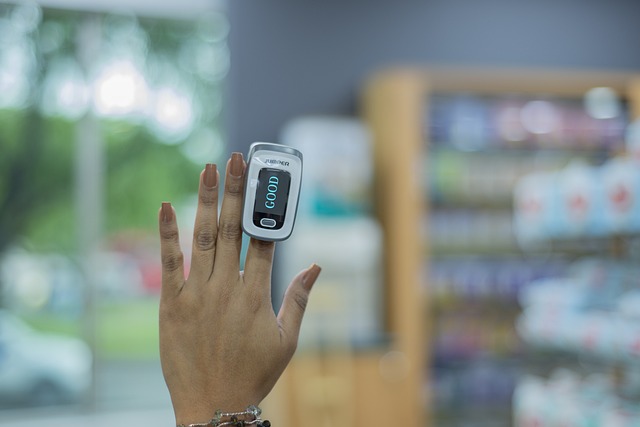
    Pulse oximeters are small, non-invasive devices used to measure the oxygen saturation level (SpO2) in the blood. It utilizes light beams to assess how much oxygen is being carried by the hemoglobin in red blood cells by attaching the device to a fingertip, earlobe, or other thin-skinned areas. This measurement helps gauge how efficiently oxygen is being delivered throughout the body, providing an essential metric for respiratory and cardiovascular health.

    The technology behind pulse oximeters is relatively straightforward. The device emits light through the skin and measures how much of it is absorbed by the blood. Oxygenated blood absorbs light differently than deoxygenated blood, allowing the oximeter to calculate the percentage of oxygen saturation. Most healthy individuals will have an oxygen saturation of 95% to 100%. If levels fall below this range, it could indicate a respiratory or circulatory issue that needs attention.

    Uses of Pulse Oximeters

    Pulse oximeters are essential tools in various medical fields. They are commonly used in hospitals and clinical settings, especially in situations involving respiratory conditions, anesthesia, or during surgeries. However, they have also become important for home use, particularly for individuals managing chronic conditions like COPD (chronic obstructive pulmonary disease), asthma, or COVID-19, which can affect lung function.

    For athletes, particularly those engaged in high-altitude sports, a pulse oximeter can monitor how their body adapts to reduced oxygen availability in the environment. In sleep medicine, pulse oximeters are sometimes used to monitor oxygen levels in individuals with suspected sleep apnea, a condition that disrupts breathing during sleep.

    Furthermore, with the growing emphasis on personal health monitoring, many fitness enthusiasts and general users have started to incorporate pulse oximeters into their wellness routines. Having immediate access to oxygen saturation levels provides valuable insights into how well their body is functioning, particularly during physical activity.

    Who Should Use Pulse Oximeters?

    Pulse oximeters are beneficial for a wide range of individuals. People with chronic lung or heart conditions can use pulse oximeters to track their oxygen saturation regularly and ensure that their body is receiving enough oxygen. It’s particularly useful for individuals diagnosed with conditions such as:

    Chronic Obstructive Pulmonary Disease (COPD): Monitoring blood oxygen levels can help prevent dangerous drops in oxygen, which is critical in managing this condition.

    Asthma: Asthma patients can benefit from real-time oxygen measurements, especially during asthma attacks when breathing is restricted.

    Heart Failure: Individuals with heart failure can use pulse oximeters to check if their heart is pumping enough oxygenated blood to meet their body’s needs.

    COVID-19: During the pandemic, pulse oximeters gained widespread usage for monitoring blood oxygen levels in COVID-19 patients, as low oxygen saturation can be an early warning sign of deteriorating respiratory function.

    Additionally, healthcare professionals recommend pulse oximeters for individuals undergoing oxygen therapy, those recovering from surgeries involving anesthesia, and people with conditions like pneumonia or sleep apnea. Even healthy individuals, such as athletes or travelers going to high-altitude destinations, can benefit from using pulse oximeters.

    How to Use a Pulse Oximeter

    Using a pulse oximeter is simple and quick. The device is clipped onto a finger, toe, or earlobe, where it shines a light through the skin to measure the amount of oxygen in the blood. Here’s a step-by-step guide on how to use one:

    Prepare the Device: Ensure the pulse oximeter is charged or has functioning batteries. Turn it on before attaching it to your finger or earlobe.

    Placement: For most models, placing the pulse oximeter on the index or middle finger is ideal. Make sure the finger is clean and dry, as dirt or moisture can affect the accuracy of the reading.

    Wait for Results: The device will display a percentage representing the oxygen saturation (SpO2) level. A typical reading should be between 95% and 100% in healthy individuals.

    Monitor Pulse Rate: Alongside oxygen levels, the pulse oximeter will also show your pulse rate. Monitoring both metrics together can give a comprehensive view of your cardiovascular and respiratory health.

    Interpret Results: Readings below 90% should prompt immediate medical attention. However, in chronic conditions like COPD, healthcare providers may advise different thresholds based on individual health needs.

    Now that we’ve established what pulse oximeters are, their uses, and how to use them, let’s explore the 25 Best Pulse Oximeters available today.

    25 Best Pulse Oximeters

    The market for pulse oximeters has grown significantly, with various options offering different features, price ranges, and levels of accuracy. Below are the 25 best pulse oximeters that provide reliable oxygen saturation monitoring. Each of these pulse oximeters has been selected based on factors such as accuracy, ease of use, and customer feedback.

    1. Zacurate 500BL Fingertip Pulse Oximeter

    The Zacurate 500BL Fingertip Pulse Oximeter is a compact and reliable device for measuring blood oxygen saturation (SpO2) and pulse rate. With a large LED display, it provides clear readings within 10 seconds, making it ideal for athletes and health-conscious individuals. The oximeter is easy to use, featuring a simple clip-on design and a smart spring system to accommodate a variety of finger sizes. It includes two AAA batteries for immediate use and offers a 12-month warranty. This model is well-suited for anyone needing accurate, on-the-go health monitoring.

    2. iHealth AIR Rechargeable Fingertip Pulse Oximeter

    The iHealth AIR Rechargeable Fingertip Pulse Oximeter offers accurate and reliable measurements of blood oxygen saturation (SpO2), pulse rate, and pulse strength. Trusted by telemedicine programs, it features a large digital LED screen and pairs with the iHealth MyVitals app for tracking data over time. Its built-in rechargeable battery eliminates the need for frequent replacements, allowing up to 300 uses per charge. Advanced features like the plethysmograph and perfusion index ensure measurement stability. Compact and portable, this oximeter is ideal for home use and fitness monitoring.

    3. Vibeat Fingertip Pulse Oximeter

    The Vibeat Fingertip Pulse Oximeter is a reliable means of monitoring blood oxygen saturation and pulse rate. It utilizes infrared photoplethysmograph technology for high-precision measurements. The device is designed for ease of use; simply wear it on your fingertip to get instant readings on its OLED screen. It features a warning function that alerts users with a buzzer if readings fall outside preset thresholds. The oximeter includes built-in memory capable of storing up to 12 records, and a spot-check mode that offers pulse rhythm analysis. It operates on two AAA batteries, which are included, with an estimated battery life of one year.

    4. Fingertip Pulse Oximeter by Santamedical

    The Fingertip Pulse Oximeter by Santamedical gives accurate and reliable SpO2, pulse rate, and pulse strength readings within 8-10 seconds. Its portable design, complete with an LED display and a pulse bar graph, makes it convenient for both home and outdoor use. The device is designed to accommodate various finger sizes and is suitable for all ages, using latex-free silicone material. It comes with essential accessories, including batteries, a carry case, and a neck/wrist cord. Ideal for sports and aviation use, this pulse oximeter provides quick, consistent measurements, backed by a one-year warranty.

    5. Zacurate Pro Series 500DL Fingertip Pulse Oximeter

    The Zacurate Pro Series 500DL Fingertip Pulse Oximeter provides accurate readings of blood oxygen saturation (SpO2) and pulse rate, with a display range of 70-100% for SpO2 and 30-250 BPM for pulse rate. This device features a large digital LED display that ensures easy readability. The pulse oximeter is designed to accommodate a wide range of finger sizes thanks to its SMART Spring System, making it suitable for users aged 12 and up. The unit includes two AAA batteries, a silicone cover for protection, and a lanyard for portability. It comes with a 12-month warranty and U.S.-based technical support.

    6. Santamedical Dual Color OLED Pulse Oximeter

    The Santamedical Dual Color OLED Pulse Oximeter features a bright OLED display and provides clear readings in various lighting conditions. The device accommodates a wide range of finger sizes, making it suitable for both children and adults. With a measuring range of 70-100% for SpO2 and 30-250 bpm for pulse rate, it delivers accurate results, essential for users in sports or aviation. The oximeter includes two AAA batteries, a protective case, a lanyard, and a user manual. Its compact design and ease of use contribute to its high user satisfaction rating.

    7. Innovo Deluxe iP900AP Fingertip Pulse Oximeter

    The Innovo Deluxe iP900AP Fingertip Pulse Oximeter is a well-regarded device for measuring blood oxygen saturation and pulse rate. It features an advanced LED and sensor, providing accurate readings even at low blood perfusion levels. This model includes a plethysmograph and perfusion index to enhance measurement reliability. The device’s upgraded hardware and software offer additional features such as an auditory alarm, pulse detection beeps, and adjustable display brightness. Suitable for various uses, including sports, aviation, and home monitoring, it is user-friendly and comes with batteries and a lanyard.

    8. FL400 Pulse Oximeter Fingertip

    The FL400 Pulse Oximeter Fingertip delivers quick and precise readings within approximately 24 seconds, thanks to its updated technology. The device includes a carrying case, lanyard, and batteries (2 AAA), ensuring convenient portability and immediate use. It boasts a 4.6-star rating from over 44,000 users, reflecting its reliability. The inclusion of a warranty provides additional assurance of its quality. Ideal for personal health monitoring, the FL400’s ease of use and accuracy make it a valuable tool for maintaining awareness of one’s oxygen saturation levels.

    9. Beurer Bluetooth Digital Fingertip Pulse Oximeter (model PO60)

    The Beurer Bluetooth Digital Fingertip Pulse Oximeter (model PO60) provides reliable monitoring of blood oxygen saturation and pulse rate. It measures SpO2 levels from 70% to 100% and pulse rates from 30 to 250 bpm. Equipped with Bluetooth functionality, it syncs with the HealthCoach app to store up to 100 measurements. The device features a bright color LED display with automatic screen rotation for ease of use from any angle. It includes a lanyard, a protective storage bag, and batteries, making it ready for immediate use. This oximeter is suitable for both medical and fitness purposes, delivering accurate readings quickly.

    10. iProven Blood Oxygen Monitor Fingertip

    The iProven Blood Oxygen Monitor gives accurate measurements of oxygen saturation (SpO2), pulse rate, respiratory rate, and perfusion index (PI). This device offers real-time updates and delivers results in under 10 seconds. It features an OLED screen that allows users to adjust settings and view data clearly. The included lanyard and AAA batteries, with a battery life of up to two years, enhance its portability and convenience. The monitor comes with a storage pouch and an instruction manual.

    11. CONTEC LED CMS50M Pulse Oximeter

    The CONTEC LED CMS50M Pulse Oximeter provides quick and accurate measurements of blood oxygen saturation (SpO2) and pulse rate. With a user-friendly LED display, it shows results clearly and efficiently. This compact device, weighing approximately 50 grams with batteries, is designed for ease of use; simply insert your finger into the testing chamber to receive results. The oximeter features a comfortable silica gel clip, accommodates various finger sizes, and offers a battery life of 20-30 hours with automatic power-off. The included neck/wrist cord adds to its portability.

    12. Mibest OLED Finger Pulse Oximeter

    The Mibest OLED Finger Pulse Oximeter helps monitor oxygen saturation levels with ease. With a measurement accuracy of +/-2%, this device provides SpO2 readings in just 10 seconds, displaying results on a clear OLED screen. It features dual color options—white and silver—and includes adjustable brightness, six display modes, and a battery life of up to 40 hours on two AAA batteries. Designed for non-medical use, it’s suitable for sports and aviation enthusiasts. The device is easy to operate with a single button and comes with a protective pouch, instruction manual, and neck lanyard.

    13. Zacurate Children Digital Fingertip Pulse Oximeter

    The Zacurate Children Digital Fingertip Pulse Oximeter is specifically tailored for children aged two years and older. It provides straightforward operation with a single-button control to measure blood oxygen saturation (SpO2) and pulse rate. This device features a patented multi-directional OLED display that allows for flexible viewing angles, making it easier for caregivers to monitor readings. Additionally, the pulse oximeter includes a plethysmograph to assess blood flow, enhancing the accuracy of measurements. The unit is powered by two AAA batteries, which are included, and comes with a silicon cover, pouch, and lanyard for protection and convenience.

    14. Berrcom Pulse Oximeter

    The Berrcom Pulse Oximeter gives accurate blood oxygen and pulse rate measurements with an accuracy of +/- 2%. It provides readings within 8 seconds, displaying results on a clear LED screen. The device features a user-friendly, one-button operation and automatically powers off after 30 seconds to conserve battery life. The oximeter includes two AAA batteries and a lanyard for convenience. Suitable for both children and adults, it employs advanced algorithms and photoelectric detection to ensure reliable results. An audible alarm alerts users if the readings fall outside the normal range, enhancing its utility for timely health monitoring.

    15. CONTEC CMS50NA Pulse Oximeter

    The CONTEC CMS50NA Pulse Oximeter offers reliable measurements of blood oxygen saturation (SpO2) and pulse rate with a user-friendly design. It features a clear TFT display with adjustable brightness, providing quick and accurate readings. The device is lightweight at approximately 50 grams, making it portable and convenient for everyday use. It includes a silicone fingertip clip for comfort and accommodates various finger sizes. The pulse oximeter is powered by two AAA batteries, which typically last between 20 to 30 hours. It is important to note that this device is designed for sports and aviation use, not as a medical diagnostic tool.

    16. Aleshon Pulse Oximeter

    The Aleshon Pulse Oximeter is a compact, user-friendly device designed to measure blood oxygen saturation, heart rate, and other vital metrics. Featuring a high-definition 4-color TFT screen, it provides clear readings in various lighting conditions. This makes it accessible for users including those with visual impairments. The device offers quick, accurate measurements within five seconds and displays data such as SpO2, pulse rate, and perfusion index. It includes an automatic power-off feature to conserve battery life and comes with a lanyard for easy portability. Note that 2 AAA batteries are required but not included.

    17. SleepO2 Wrist Recording Pulse Oximeter by EMAY

    The SleepO2 Wrist Recording Pulse Oximeter by EMAY is a wearable device designed for continuous overnight monitoring of SpO2 and pulse rate. Weighing just 20 grams, it features a lightweight build and an ultra-soft patented finger probe, promoting comfort during sleep. The oximeter records data independently without requiring a smartphone, with a 12-hour battery life per charge. Users can access real-time readings and detailed reports via the EMAY app, which also allows for data sharing. The device’s built-in storage supports continuous tracking, and it’s rechargeable, making it a practical option for those needing consistent sleep monitoring.

    18. CMI Health Rechargeable Pulse Oximeter

    The CMI Health Rechargeable Pulse Oximeter is a dual-purpose solution for monitoring both infants and adults. Designed for continuous use with infants up to 25 lbs, it includes a foot wrap sensor with alarms for abnormal pulse rates and SpO2 levels. For adults, it provides spot-checking capabilities. The device is manufactured to CE, ISO 9001, and ISO 13485 standards, ensuring accurate readings with a pulse rate accuracy of ±2 bpm and SpO2 accuracy of ±3%. It features a rechargeable battery with a one-year lifespan and includes various accessories such as a carry case and data cables. The product comes with a one-year device warranty and a six-month sensor warranty.

    19. YIDERBO Pulse Oximeter

    The YIDERBO Pulse Oximeter has a compact, lightweight design suitable for both home use and outdoor activities. It measures blood oxygen saturation (SpO2) and pulse rate with a range of 95-100% for SpO2 and 40-240 bpm for pulse rate. The device includes two AAA batteries and features an OLED screen for clear, accurate readings. It is designed for ease of use: insert your finger, keep it still, and read the results once stable. While ideal for post-activity monitoring, it is not recommended for use during intense sports. The device comes with a lanyard, storage bag, and user manual for convenience.

    20. Zacurate 500E Premium Fingertip Pulse Oximeter

    The Zacurate 500E Premium Fingertip Pulse Oximeter is a reliable device designed for measuring blood oxygen saturation (SpO2) and pulse rate. Featuring an improved LED and sensor, it performs well even with low blood perfusion, providing accurate readings with minimal deviation from lab conditions. The oximeter offers a patented multi-directional display, allowing users to switch viewing orientations for convenience. It includes essential accessories such as a silicone cover, which helps protect the device from damage, and a lanyard for easy carrying. The package also comes with two AAA batteries, enabling immediate use.

    21. Generic Fingertip Oximeter

    The Generic Fingertip Oximeter, rated 4.5 out of 5 stars based on 597 reviews, is a reliable tool for monitoring oxygen saturation and pulse rate. It provides accurate readings in under 8 seconds, making it a practical choice for sports and aviation enthusiasts. The device features a bright LED display and a bar graph for SpO2 and pulse rate, with a battery life of approximately 12 months. It operates on two AAA batteries, which are included, and offers continuous monitoring for over 30 hours. The oximeter also includes a lanyard for convenience. It is backed by a 12-month warranty.

    22. Wellue O2Ring Pulse Oximeter

    The Wellue O2Ring Pulse Oximeter is a compact and lightweight wearable device designed for continuous monitoring of blood oxygen saturation (SpO2) and heart rate. It features a comfortable ring sensor that adapts to most fingers and provides up to 16 hours of battery life per charge. The device connects via Bluetooth to a free app and PC software, offering detailed graphical reports and trends, with the ability to mark unusual data points. It supports unlimited data storage in the app and can store up to 40 hours of data on the device itself. Note that it is intended for sports and aviation use, not for medical purposes.

    23. LPOW Fingertip Pulse Oximeter

    The LPOW Fingertip Pulse Oximeter is a reliable method for measuring blood oxygen saturation (SpO2), pulse rate, and perfusion index. It features an OLED display that provides clear, real-time readings and includes an alarm for abnormal values. The device operates with two AAA batteries, which are included and provide up to 20 hours of use. Its simple design allows users to easily clip the oximeter onto their finger and receive results within eight seconds. Ideal for sports and health enthusiasts, the pulse oximeter is also equipped with a lanyard for convenience. The device is well-regarded with a 4.6-star rating from over 4,500 reviews.

    24. Manhero Pulse Oximeter with Alarm

    The Manhero Pulse Oximeter with Alarm provides customizable alarm values and an audible beep to alert users when SpO2 levels fall below set thresholds. It accurately measures blood oxygen saturation (SpO2), pulse rate (PR), and perfusion index (Pi), displaying the results on a high-definition OLED screen. The device includes two AAA batteries and a lanyard for convenience. Its compact design and alarm features make it suitable for sports and aviation use, but it is not intended for medical purposes. The pulse oximeter’s 4-way screen rotation enhances usability for individuals of all ages and finger sizes.

    25. Dr. Talbot’s Pulse Oximeter

    Dr. Talbot’s Pulse Oximeter offers reliable oxygen saturation (SpO2) and pulse rate measurements, tested by the University of California at San Francisco for accuracy. Designed for sporting and aviation use, it includes a patented multidirectional color display for easy reading in various environments. The device is non-invasive and comfortable, suitable for both adults and children aged four and up. It comes with accessories, including a lanyard and travel pouch, and operates on two AAA batteries (included). This pulse oximeter is practical for outdoor enthusiasts and provides accurate real-time data in a compact design.

    (Disclaimer: This article is meant for informational and educational use only and is not a replacement for professional medical advice. For any health-related concerns or questions, please consult a licensed healthcare provider. Additionally, Medical Daily suggests opting for products that have been verified by independent third-party testing to ensure their quality and effectiveness. Editorial Policies & Methodology: These products are selected independently and objectively, based on online reviews, various data sources, and proprietary research.)

    Published by Medicaldaily.com

    Source link