Tag: Texas

  • Managing the Lifelong Health Consequences of a Texas Car Accident

    Managing the Lifelong Health Consequences of a Texas Car Accident

    On the vast highways and busy city streets of Texas, the aftermath of a car accident is often measured in twisted metal and immediate injury reports. However, for countless victims, the true impact is a slow-moving, lifelong health journey that unfolds over years. What seems like a “minor” injury at the scene can evolve into chronic pain, degenerative conditions, and permanent disability, fundamentally altering a person’s quality of life and financial future. Understanding these long-term health consequences is critical for Texas accident victims to secure the comprehensive medical care and legal compensation necessary to manage a future they did not choose.

    The Myth of the “Minor” Injury: Whiplash and Soft Tissue Damage

    The most underestimated long-term injuries often stem from soft tissue damage, particularly whiplash. The violent back-and-forth motion of a crash can cause tears and inflammation in the muscles, ligaments, and tendons of the neck and back. While pain might be manageable initially, without proper and prolonged treatment, it can lead to:

    • Chronic Myofascial Pain: Permanent changes in muscle tissue leading to ongoing pain, stiffness, and headaches.
    • Cervical or Lumbar Degeneration: The trauma can accelerate the wear and tear on spinal discs and facet joints, leading to early-onset arthritis, herniated discs, and spinal stenosis years later. What starts as soreness can become a debilitating condition requiring surgery.

    Traumatic Brain Injuries (TBI): The Invisible, Enduring Wound

    Even without loss of consciousness, the force of a Texas-sized collision can cause the brain to slam against the skull, resulting in a mild to moderate TBI. The long-term effects are often cognitive and emotional, not just physical. Victims may suffer from:

    • Persistent Post-Concussion Syndrome: Including headaches, dizziness, sensitivity to light, and sleep disturbances lasting for years.
    • Cognitive Deficits: Problems with memory, concentration, and executive function that impair the ability to work, manage finances, or maintain relationships.
    • Mental Health Challenges: Increased risk of depression, anxiety, and personality changes linked to both the brain injury and the trauma of the accident.

    Orthopedic Injuries: The Road to Degenerative Joint Disease

    Broken bones (fractures) and joint injuries (like to the shoulder or knee) may heal, but they rarely return to 100%. The long-term consequences include:

    • Post-Traumatic Arthritis: The damaged cartilage in a joint wears down more quickly, leading to painful, bone-on-bone arthritis that may require joint replacement surgery years ahead of the normal schedule.
    • Chronic Pain and Reduced Mobility: Limps, limited range of motion, and reliance on pain medication can become a permanent reality, affecting the ability to perform job duties, exercise, or engage in hobbies.

    The Psychological and Financial Toll of Chronic Pain

    Living with constant pain is exhausting and isolating. It can lead to “pain cycle” behaviors: avoiding activity leads to weakness, which leads to more pain. This cycle impacts mental health, family dynamics, and sexual intimacy. Financially, the long-term impact is staggering. It includes not just future medical bills for injections, therapy, and surgeries, but also:

    • Diminished Earning Capacity: The inability to return to a physically demanding job or to work the same hours due to pain and cognitive issues.
    • Early Forced Retirement.
    • The need for in-home assistance or home/vehicle modifications.

    A Texas firm that fights for these victims, The Texas Law Dog, emphasizes the necessity of a long view. “Texas insurance companies love to talk about ‘quick recovery’ from soft tissue injuries. We see the reality: clients who are still in pain five years later, facing a knee replacement at 45, or who can no longer work as a nurse or contractor. Our job is to make sure the settlement or verdict accounts for a lifetime of medical bills, pain, and lost potential, not just the bills from the first six months.”

    The Imperative of a Life Care Plan

    For serious injuries, the essential legal tool is a Life Care Plan. Created by a certified life care planner, this document is a roadmap of the victim’s future medical, therapeutic, and support needs, with associated costs. It translates lifelong health consequences into a concrete financial value, ensuring that a legal recovery is not a short-term fix but a long-term security plan. It covers everything from future surgeries and medication to pain management therapy and home health aides.

    For Texans injured in auto accidents, recognizing that their health journey may be a marathon, not a sprint, is the first step toward a just outcome. Securing legal representation that understands and can prove these long-term consequences is what bridges the gap between an immediate insurance offer and the true, lifelong cost of the crash.


    Source link

  • No Jail for Texas Mom Accused of Medical Child Abuse in Munchausen by Proxy Case

    No Jail for Texas Mom Accused of Medical Child Abuse in Munchausen by Proxy Case

    A Texas mom accused of medical child abuse in an alleged Munchausen by proxy case will face no jail time after a grand jury determined she was not faking the conditions her child has.

    Jessica Gasser had been facing charges of injury to a child and medical child abuse until her child was able to be “independently and repeatedly” diagnosed by doctors with gastroparesis and hypoglycemia, according to a press release obtained by Law&Crime.

    In what officials had claimed was a case of Munchausen by proxy, investigators in Tarrant County, Texas, alleged that Gasser had medical professionals perform “unnecessary medical procedures,” Fox 4 reported at the time of her arrest in July 2023.


    The allegations came after months of investigation following doctors’ concerns about Gasser taking her then-3-year-old child to multiple medical facilities in different states. According to court documents obtained by the outlet at the time, she allegedly told a doctor her daughter did not have gastroparesis despite listing it on a different form.

    However, Gasser’s attorneys say that the allegations arose after officials and professionals allegedly bought into a “so-called epidemic of Munchausen child abuse” for their personal benefit. The attorneys allegedly uncovered texts and emails where various professionals “boasted that they could become famous on a news program like 60 Minutes for ‘saving’ Jessica’s child,” according to the press release.

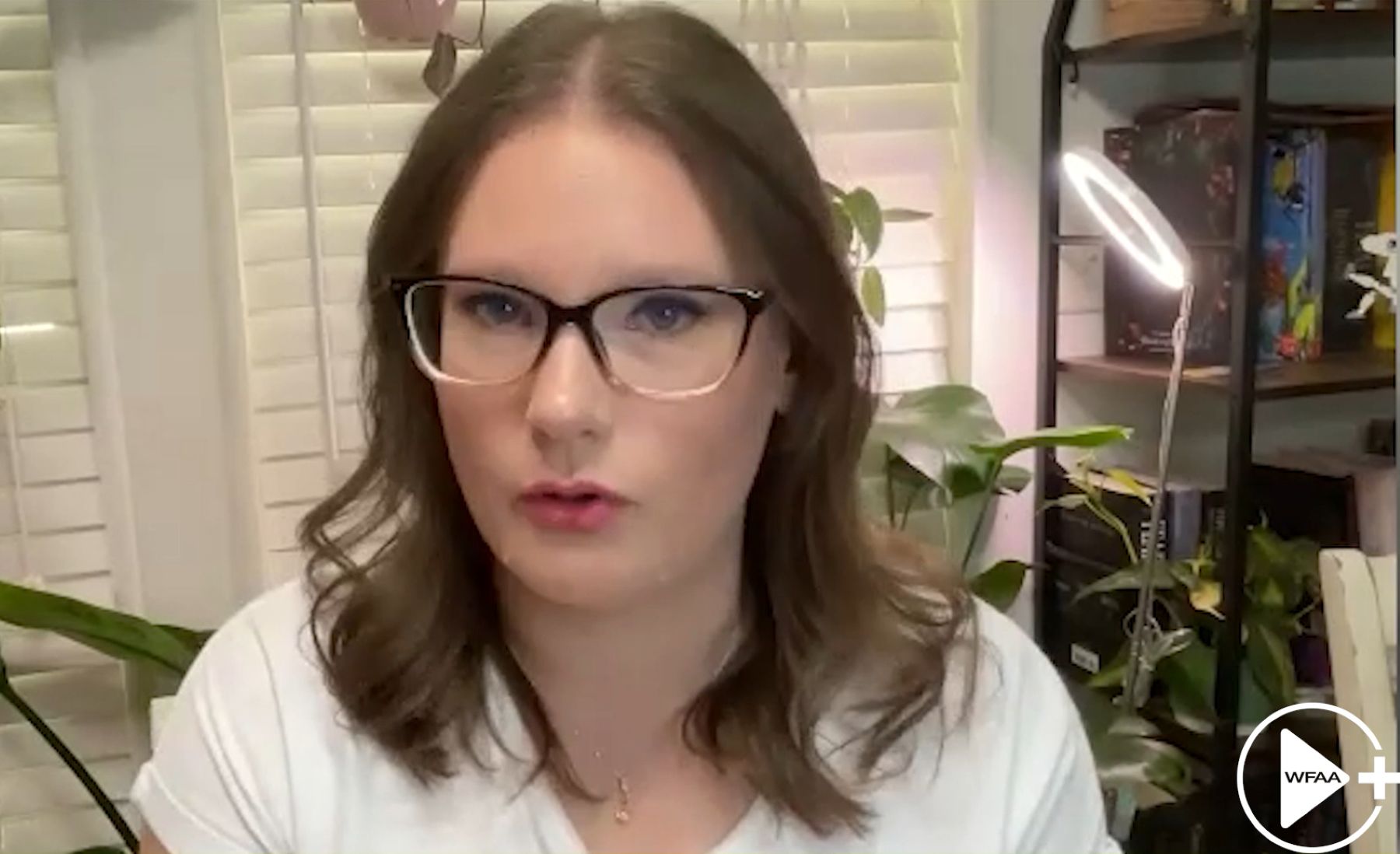
    The Tarrant County Sheriff’s Office, who was named by attorneys as one of the bodies allegedly “essentially monetizing” Gasser’s case, declined to comment about the decision to WFAA, saying, “We respect the grand jury’s decision.”

    After the grand jury decision and a case by Child Protective Services was also dropped, Gasser and her husband were reunited with their daughter, who is now almost 4.

    “Any normal parent would do exactly as I did,” Gasser told WFAA. “If no one was helping your child, what would you do? You would go to somebody else who would. That is all I did.”

    Originally published on Latin Times

    Source link

  • Texas Lawmakers Look to Make Child Vaccine Exemptions Easier for Parents as Measles Outbreak Continues

    Texas Lawmakers Look to Make Child Vaccine Exemptions Easier for Parents as Measles Outbreak Continues

    Texas lawmakers have approved a bill to simplify the vaccine exemption process for schoolchildren—just as the state contends with its worst measles outbreak in decades.

    On Sunday, the Texas Senate passed House Bill 1586 in a 23-9 vote. The legislation, authored by Rep. Lacey Hull, doesn’t alter the state’s vaccine schedule but makes it easier for parents to opt out by allowing them to download exemption forms online rather than requesting them through the mail, as reported by the Texas Tribune.

    Since 2003, Texas law has allowed parents to claim vaccine exemptions for their children based on medical, religious, or conscientious grounds. Over the years, demand for exemptions has surged, doubling from 45,900 in 2018 to over 93,000 in 2024.

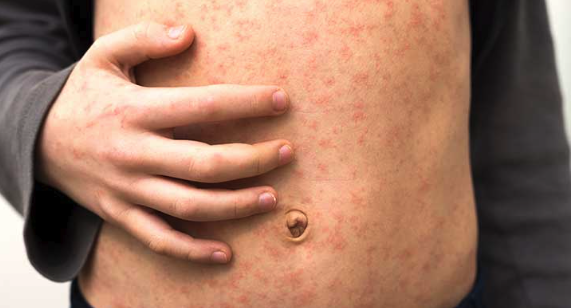
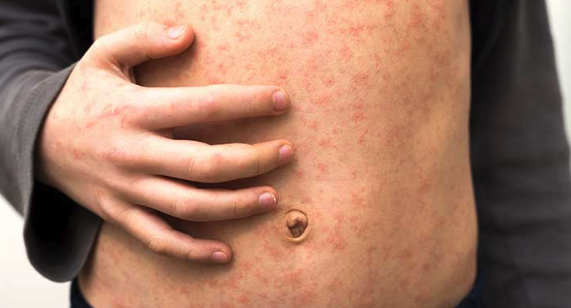
    The move to make vaccine exemptions easier comes as the state is currently experiencing a major measles outbreak, with 729 cases reported since January and two confirmed child deaths.

    Supporters, including groups like Texans for Vaccine Choice, hailed the bill as a win for parental rights and government efficiency. Meanwhile critics, including public health advocates and The Immunization Partnership, warn the bill will lead to a drop in vaccination rates and a rise in preventable diseases. They argue that easier access to exemptions will compound current health risks, especially as the state grapples with an ongoing measles crisis.

    Gov. Greg Abbott now has the final say on whether the bill becomes law.

    Originally published on Latin Times

    Source link

  • Health Officials Beg Texas Families Not to Attend ‘Measles Parties’ As Push to Get Kids Vaccinated Continues

    Health Officials Beg Texas Families Not to Attend ‘Measles Parties’ As Push to Get Kids Vaccinated Continues

    Texas health officials have pleaded with families residing within the state, urging them to avoid attending “measles parties” and ensure that their children are vaccinated in the wake of a severe measles outbreak that has already killed one child.

    “Measles parties” refer to gatherings in which attendees deliberately expose themselves to the illness within a controlled environment in order to build natural immunity instead of obtaining a vaccine, reported Dallas News.

    “It’s not good to go have measles parties … let me discourage you from doing this,” Dr. Ron Cook, chief health officer for the Texas Tech University Health Sciences Center in Lubbock, said during a Friday press briefing. “We can’t predict who is going to do poorly with measles, be hospitalized and potentially get pneumonia or encephalitis and or pass away from this.”

    Prior to the invention of the chicken pox vaccine in 1995, people would attend “chicken pox parties” for the same reasons, resulting in the rapid spreading of the illness. Measles is among the most contagious viruses globally and can severely impact those who are not vaccinated.

    As of Monday, there are nearly 150 cases of the illness in the state, according to the Texas Department of Health Services, with one unvaccinated child dying from the illness last month.

    “There are severe outcomes like pneumonia or death. There is encephalitis or inflammation of the brain. Even more rare, but it can happen … years down the road after you develop measles, you can get what is called subacute sclerosing panencephalitis, which is fatal. It is a known side effect of having measles,” Cook continued.

    Health Secretary Robert F. Kennedy Jr. has also encouraged people to get the measles vaccine following news of the outbreak, despite previously stating that the outbreak was “not unusual” during President Donald Trump’s first Cabinet meeting.

    “Ending the measles outbreak is a top priority for me and my extraordinary team,” Kennedy said in a post on X.

    Originally published by Latin Times.

    Source link

  • Measles Outbreak in Texas County With Low Vaccination Rate Multiplies, More Cases ‘Likely’

    Measles Outbreak in Texas County With Low Vaccination Rate Multiplies, More Cases ‘Likely’

    Measles is ripping through Gaines County, Texas—cases have more than tripled, and health officials warn the worst is yet to come. The highly contagious virus is spreading fast, with more infections “likely” in the days ahead.

    The Texas Department of State Health Services (DSHS) confirmed 48 cases as of this week, up from just 14 last Friday.

    “Thirteen of the patients have been hospitalized,” the agency stated in a press release. All of the cases involve individuals who are either unvaccinated or whose vaccination status is unknown.

    “The best way to prevent getting sick is to be immunized with two doses of a vaccine against measles,” DSHS advised. The Centers for Disease Control and Prevention (CDC) notes that the measles-mumps-rubella (MMR) vaccine is 97% effective at preventing infection.

    Health officials attribute the outbreak to low vaccination rates. Only 82% of kindergartners in Gaines County public schools are up to date on their shots, well below the 95% threshold required for herd immunity. The county also has an 18% exemption rate for vaccines due to religious or personal beliefs.

    “We’re trying to get out the message about how important vaccination is,” Zach Holbrooks, executive director of the South Plains Public Health District told CNN. He stressed those exposed or symptomatic should get tested at the mobile screening unit in Seminole, Texas.

    “Measles is a serious yet preventable disease,” added Dr. Jamie Felberg of the South Plains Public Health District. “Staying up to date on vaccinations is the most effective way to safeguard yourself, your loved ones, and the community.”

    “Additional cases are likely to occur in Gaines County and the surrounding communities,” DSHS warned.

    Originally published on Latin Times

    Source link

  • Measles Outbreak in Texas County With Low Vaccination Rate Multiplies, More Cases ‘Likely’

    Measles Outbreak in Texas County With Low Vaccination Rate Multiplies, More Cases ‘Likely’

    Measles is ripping through Gaines County, Texas—cases have more than tripled, and health officials warn the worst is yet to come. The highly contagious virus is spreading fast, with more infections “likely” in the days ahead.

    The Texas Department of State Health Services (DSHS) confirmed 48 cases as of this week, up from just 14 last Friday.

    “Thirteen of the patients have been hospitalized,” the agency stated in a press release. All of the cases involve individuals who are either unvaccinated or whose vaccination status is unknown.

    “The best way to prevent getting sick is to be immunized with two doses of a vaccine against measles,” DSHS advised. The Centers for Disease Control and Prevention (CDC) notes that the measles-mumps-rubella (MMR) vaccine is 97% effective at preventing infection.

    Health officials attribute the outbreak to low vaccination rates. Only 82% of kindergartners in Gaines County public schools are up to date on their shots, well below the 95% threshold required for herd immunity. The county also has an 18% exemption rate for vaccines due to religious or personal beliefs.

    “We’re trying to get out the message about how important vaccination is,” Zach Holbrooks, executive director of the South Plains Public Health District told CNN. He stressed those exposed or symptomatic should get tested at the mobile screening unit in Seminole, Texas.

    “Measles is a serious yet preventable disease,” added Dr. Jamie Felberg of the South Plains Public Health District. “Staying up to date on vaccinations is the most effective way to safeguard yourself, your loved ones, and the community.”

    “Additional cases are likely to occur in Gaines County and the surrounding communities,” DSHS warned.

    Source link

  • Texas Doctor Accused of Being High During Surgeries Loses License After Testing Positive for Cocaine

    Texas Doctor Accused of Being High During Surgeries Loses License After Testing Positive for Cocaine

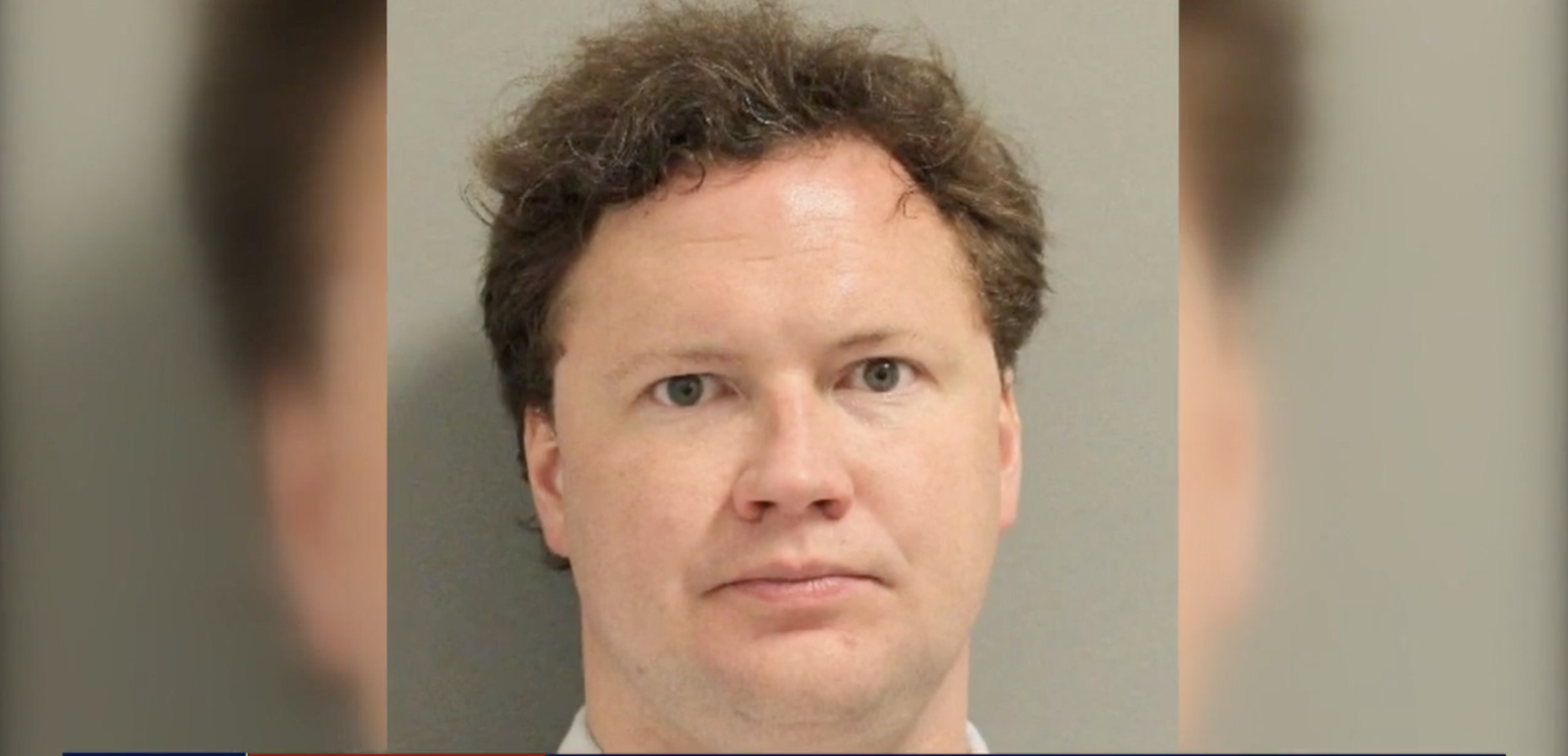
    A Houston urologist had his medical license revoked after testing positive for cocaine, following previous allegations of him performing surgeries under the influence.

    Dr. Nathan Robert Starke reportedly exhibited signs of impairment while consulting a patient before a prostate biopsy in August 2024. Records indicated he was absent for all but three minutes of one surgical procedure, despite being the attending physician, as reported by KTRK.

    By September, Houston Methodist had suspended him and later confirmed that he was no longer working at the hospital.

    After the Texas Medical Board to suspend his license in September, drug tests submitted in October indicated the presence of cocaine and kratom in Starke’s system. Kratom is a controversial supplement often associated with energy boosts and managing withdrawal symptoms, as reported by ABC13.


    Since earning his medical license in 2017, Starke’s legal troubles shadowed his career. Within a month of being licensed, he was arrested for driving under the influence. His record also includes a 2023 charge for assaulting a former girlfriend, leaving her with a chipped tooth and bruises.

    These incidents raised red flags about his fitness to practice, leading to mandated drug and alcohol screenings last year.

    “You are putting people’s lives in your hands,” a former patient told ABC13.

    Starke previously served as the head of the men’s health clinic, a position he held until the recent suspension. The hospital has since erased his profile. Houston Methodist’s Fannin Street location, where Starke performed surgeries, is currently listed online as “permanently closed.”

    What’s next for the doctor remains unclear, yet FOX26 reported that he could get his license back.

    Substance use was the leading cause of actions against U.S. physicians’ licenses, comprising 76.3% of cases between 2004 and 2020, a 2022 study found.

    Source link

  • Texas Doctor Forced to Delete TikTok Helping Undocumented Immigrants Get Healthcare After Governor Threatens to Defund Children’s Hospital

    Texas Doctor Forced to Delete TikTok Helping Undocumented Immigrants Get Healthcare After Governor Threatens to Defund Children’s Hospital

    A Texas doctor was forced to delete their TikTok about helping undocumented immigrants get healthcare after the state’s governor threatened to defund a children’s hospital.

    In the now-deleted video, Dr. Tony Pastor told viewers that they did not have to disclose their citizenship status to medical professionals when receiving care, as reported by Chron.

    The viral TikTok came following Gov. Greg Abbott’s executive order which requires public Texas hospitals receiving funding for Medicaid or the Children’s Health Insurance Program to report on health care for undocumented patients, as reported by the Austin-American Statesman.

    In the deleted TikTok, Pastor, who works as a cardiologist at Texas Children’s Hospital, said, “It has made all of us physicians and providers super uncomfortable.” He added, “No one has told us what people are going to do with this information,” as reported by HuffPost.

    It is unclear whether Pastor took the video down by his own choice or if the hospital or Baylor College of Medicine, where he also works as an assistant professor, required him to. Texas Children’s Hospital declined to give a statement to Chron.

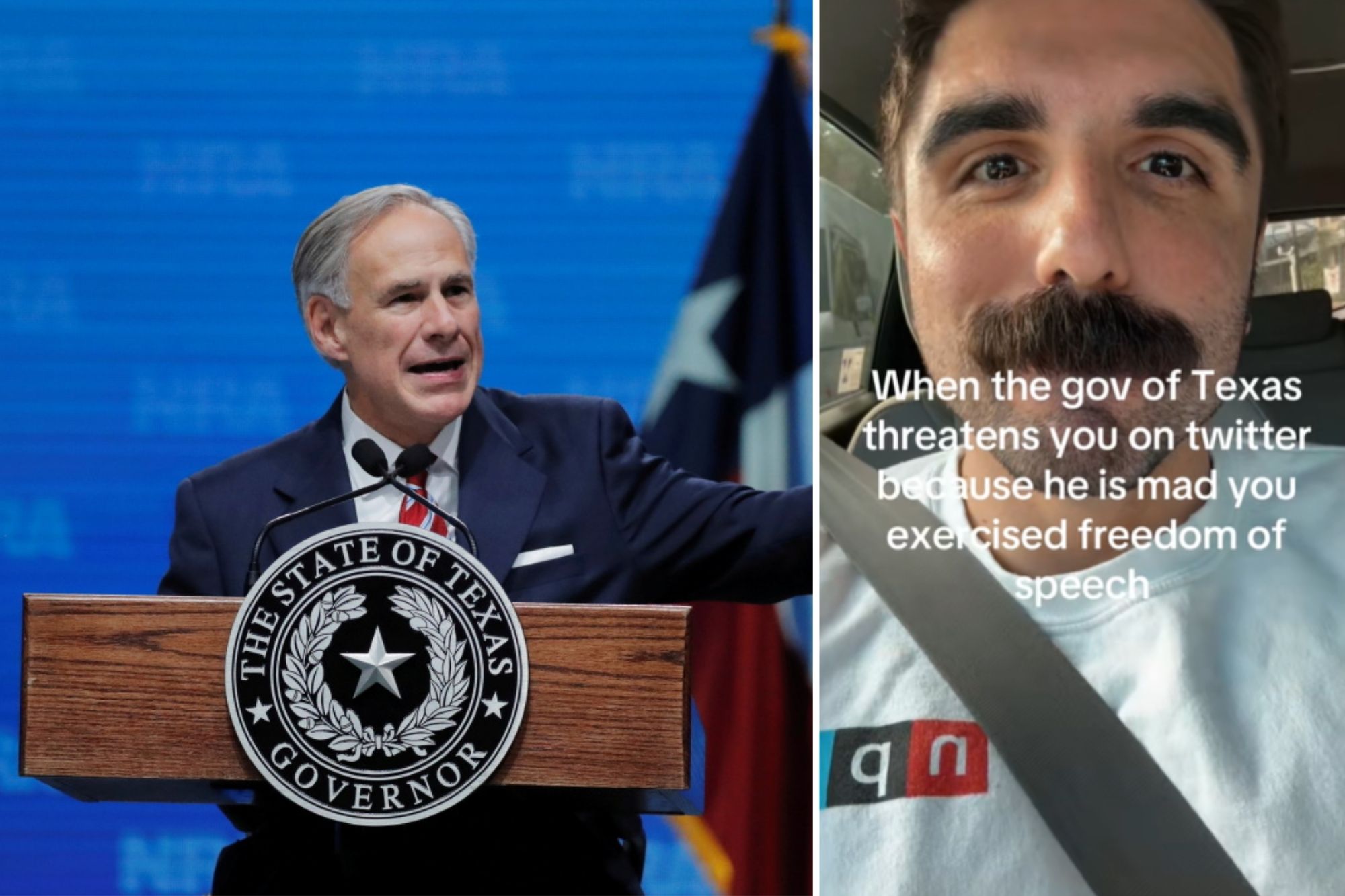
    After the November TikTok went viral, Abbott made a post to X appearing to threaten funding for the hospital Pastor works at.


    “Hey, Texas Children’s Hospital & Baylor College of Medicine this doctor is putting your Medicaid & Medicare funding at risk. You better think twice & have crystal clear records. There will be consequences for failing to follow the law in the order,” Abbott tweeted.

    Texas Children’s Hospital said in a statement obtained by MedPage Today that it “fully supports Governor Abbott’s new executive order and is in full compliance.”

    “While we recognize that individuals working at Texas Children’s hold their own personal views on many topics, those opinions do not necessarily reflect the official position of Texas Children’s Hospital,” the statement continued.


    Following the governor’s tweet, Pastor made another TikTok. Text reading, “When the gov of Texas threatens you on X because he is mad you exercised freedom of speech,” plays over the video of Pastor while the song “Popular” from the movie “Wicked” plays in the background.

    Pastor has not made any additional posts or comments surrounding the executive order.

    Originally published by Latin Times.


    Source link

  • Miscarrying Texas Mother Becomes Latest Woman to Die As Doctors Risk 99-Year Prison Sentence for Administering Life-Saving Drug

    Miscarrying Texas Mother Becomes Latest Woman to Die As Doctors Risk 99-Year Prison Sentence for Administering Life-Saving Drug

    A Texas mother became the third woman to die as a result of the state’s abortion ban when legislation prevented a doctor from administering life-saving care.

    In June of 2023, 35-year-old Porsha Ngumezi suffered a miscarriage at just 11 weeks pregnant, causing her to lose an immense amount of blood. Ngumezi, who already had young children, had been “passing large clots the size of grapefruit,” according to nurse’s notes obtained by ProPublica.

    “You need a D&C,” Hope Ngumezi, Porsha’s husband, was told by his mother who was a former physician. A dilation and curettage, also referred to as a D&C, is a common procedure by which a doctor removes the remaining tissue from a uterus in order to allow the uterus to close up and stop bleeding. The procedure addresses first-trimester miscarriages and abortions.

    However, the obstetrician on duty, Dr. Andrew Ryan Davis, gave Porsha misoprostol, a drug intended to help her body pass the tissue independently instead of administering life-saving care due to hospital policy.

    The drugs were not enough to stop the bleeding, and Porsha eventually passed away.

    Porsha’s death could have been easily prevented by a simple medical procedure that has become intertwined in state abortion laws because it is sometimes used to enact first-trimester abortions. Texas state law demands a prison sentence of up to 99 years for any doctor who violates legislation.

    Porsha’s death is the fifth preventable death caused by a lack of access to a D&C in the first trimester or a dilation and evacuation in the second. Three of these deaths occurred in Texas, according to ProPublica.

    Instead of administering D&Cs, doctors are giving patients misoprostol instead as the drug is often used to induce labor and treat postpartum hemorrhage, making it less directly related to abortion. However, the drug is not recommended to treat unstable patients.

    “Stigma and fear are there for D&Cs in a way that they are not for misoprostol,” said Dr. Alison Goulding, an OB-GYN in Houston. “Doctors assume that a D&C is not standard in Texas anymore, even in cases where it should be recommended. People are afraid: They see D&C as abortion and abortion as illegal.”

    “All Houston Methodist hospitals follow all state laws,” said a spokesperson for Houston Methodist, “including the abortion law in place in Texas.”

    Originally published by Latin Times.

    Source link

  • Texas Woman Who Briefly Died After Rare Delivery Room Complication Has No Memory of Giving Birth to Triplets

    Texas Woman Who Briefly Died After Rare Delivery Room Complication Has No Memory of Giving Birth to Triplets

    A Texas woman retained no memory of giving birth to triplets, including the 48 to 72 hours leading up to the delivery, after being clinically dead for about 45 minutes post-birth.

    Tomball resident Marisa Christie gave birth to triplets in late August, during which she faced multiple pregnancy-related complications causing her to flatline multiple times in just 45 minutes.

    “It was the toughest moment of my life going from the most beautiful experience in seeing our baby girls for the first time to ‘oh my gosh my wife is—they’re doing CPR on her’. I just remember going to the restroom and collapsing on the ground expressing myself to God,” said her husband, Dylan Christie, who had been in the delivery room at the time of the births.

    Marisa, who had already had one son before giving birth to triplets, miraculously survived the ordeal. According to her Maternal Fetal Medicine Physician, Dr. Amber Samuel, Marisa survived a rare post-birth complication called amniotic fluid embolism, a condition with a mortality rate of 80%.

    “Some exposure that causes the mom’s body to react like a really bad allergic reaction. I think they call it like 7.7 cases on 100,000,” Dr. Samuel said.

    Dylan made the call for Marisa to be administered a hysterectomy, which ultimately saved her life. However, when she recovered and woke up, she had no recollection of the delivery or the days leading up to it.

    “My family took lots of photos and videos of me when I was in the hospital, which helped a lot to kind of have reality hit,” Marisa said.

    The family has set up a GoFundMe in order to cover Marisa’s medical costs.

    Originally published by Latin Times.

    Source link