Tag: Test

  • Parents Express Concern After President Donald Trump Brings Back Presidential Fitness Test

    Parents Express Concern After President Donald Trump Brings Back Presidential Fitness Test

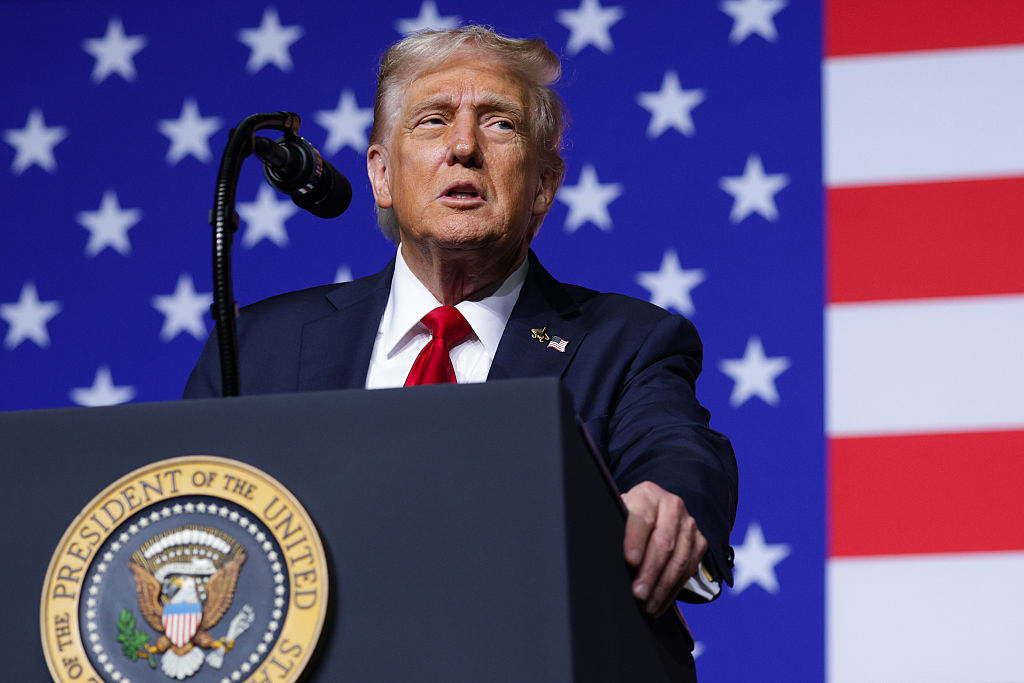
    President Donald Trump’s decision to bring back the Presidential Fitness Test has sparked intense debate among parents nationwide.

    The test, which was phased out in 2013 during former President Barack Obama’s administration, will once again require students to perform physical challenges, including the mile run, sit-ups, push-ups, and flexibility tests. Many parents remember their own experiences with the test and express serious concerns about its impact on their children’s mental health and self-esteem.

    The announcement came in July 2025 when Trump signed an executive order surrounded by professional athletes in the White House Roosevelt Room. Health and Human Services Secretary Robert F. Kennedy Jr. will oversee the program as part of the broader “Make America Healthy Again” initiative. The order states that declining physical fitness poses “a threat to the vitality and longevity of our country” and weakens America’s economy, military readiness, and national morale, according to Cronkite News.

    Concerns Among Parents

    Parents across the country are sharing their own childhood experiences with the test, and many memories are far from positive. “I remember how hurtful this program was when we were in school. Traumatic and bullying. Hopeless,” wrote Mike from Salem, New Hampshire, in response to media polls about the test’s return. Similar sentiments are echoing through social media platforms and parent groups nationwide.

    The original Presidential Fitness Test, which ran from 1966 to 2013, required students to meet specific benchmarks to earn awards. For example, a 14-year-old girl needed to run a mile in under eight minutes, complete 40 sit-and-reaches, shuttle-run in about 10 seconds, and do 47 curl-ups to qualify for recognition, among other things, 29News reported.

    Physical education expert Judy LoBianco, who worked in New Jersey schools for over two decades, believes the test can embarrass less athletic kids, make them anxious, and discourage them from pursuing fitness. She argues that modern physical education should focus on joy, social interaction, and life skills rather than competitive testing.

    Implementation Questions Remain

    Parents are also questioning the practical aspects of the revived program, as many wonder whether schools with lower-performing students will receive additional resources, better meals, and improved physical education equipment.

    The Trump administration has positioned the test as part of a broader focus on youth health, citing concerning statistics about childhood obesity and physical inactivity. Kennedy’s “Make America Healthy Again” report highlights that more than 70% of children ages six to 17 fail to meet federal guidelines for daily physical activity, as per NPR.


    Originally published on parentherald.com

    © {{Year}} ParentHerald.com All rights reserved. Do not reproduce without permission.

    Source link

  • ‘I Took a Real Test and Aced It’

    ‘I Took a Real Test and Aced It’

    On Tuesday, President Donald Trump called Rep. Alexandria Ocasio-Cortez (D-NY) “low IQ,” challenging her and Rep. Jasmine Crockett (D-TX) to take IQ tests while touting his own cognitive screening results.

    “AOC — look. I think she’s very nice. But she’s very low IQ, and we really don’t need low IQ,” Trump told reporters at the White House. “Between her and Crockett, we’re gonna give ’em both an IQ test to see who comes out best.”


    Trump, who turned 79 last month, defended his own mental acuity by citing the results of a cognitive test he took when he received his physical in April.

    “I took my test. I took a real test at Walter Reed Medical Center and I acted it,” Trump reminded reporters.

    The cognitive test taken by Trump however, did not measure his intelligence. Trump was given the Montreal Cognitive Assessment (MoCA), a screening tool used to detect early signs of dementia and other cognitive impairment. The exam includes tasks like drawing a clock and recalling a short list of words.

    According to a White House memo detailing the results of Trump’s physical, the cognitive assessment was “normal with a score of 30 out of 30.”

    But Trump has consistently touted the test as well beyond normal. “I got the highest mark, and one of the doctors said, ‘Sir, I’ve never seen anybody get that kind of — that was the highest mark,’” he said in April.

    Trump: “I took my cognitive exam as part of my physical exam, and I got the highest mark, and one of the doctors said, ‘Sir, I’ve never seen anybody get that kind of — that was the highest mark.’”

    [image or embed]

    — Aaron Rupar (@atrupar.com) April 14, 2025 at 9:09 AM


    Trump went on to say that unlike former Presidents Biden and Obama, he’s taken the cognitive test three times already, because “it’s not too tough” for him.

    When a reporter on Air Force One asked if Trump could give more information about the test, he was unable to remember details. “It’s a uhh I think it’s a pretty well known test. Whatever it is, I got every one, I got it all right,” he said.


    In a Truth social post last month, Trump referred to Ocasio-Cortez as “one of the ‘dumbest’ people in Congress for calling for his impeachment.

    “When we examine her Test Scores, we will find out that she is NOT qualified for office,” Trump continued, adding, “But, nevertheless, far more qualified than Crockett, who is a seriously Low IQ individual.”

    “AOC should be forced to take the Cognitive Test that I just completed at Walter Reed Medical Center, as part of my Physical,” Trump wrote in the June 24 post. “As the Doctor in charge said, ‘President Trump ACED it,’ meaning, I got every answer right.”

    The same day, Ocasio-Cortez responded to Trump in an X post. “Mr. President, don’t take your anger out on me – I’m just a silly girl,” she wrote.

    Trump’s attacks on Crockett as “low IQ” began even earlier. She responded to one such attack in May. “Every time you say my name, you’re reminding the world that you’re terrified of smart, bold Black women telling the truth and holding you accountable,” Crockett wrote. “So keep talking…”

    Trump’s previous use of the term “low IQ” suggest he reserves it when he’s disparaging women of color. In addition to lobbing the insult at Ocasio-Cortez and Crockett, he used the term in reference to Rep. Maxine Waters (D-CA) and former Vice President Kamala Harris.

    Neither Ocasio-Cortez nor Crockett have addressed the president’s suggestion that they undergo IQ testing or the MoCA screening.

    Originally published on Latin Times


    Source link

  • Could A Simple At-Home Smell Test Predict Risk?

    Could A Simple At-Home Smell Test Predict Risk?

    Catching Alzheimer’s early is key to slowing its progression; however, often, by the time memory loss becomes noticeable, the disease may already have progressed a long way.

    Now, researchers at Mass General Brigham have taken a major step toward earlier detection — using the sense of smell.

    Alzheimer’s currently affects nearly 7 million Americans, and that number is expected to double to 13.9 million by 2060. An even more shocking statistic is that around 90% of individuals with mild cognitive decline have never received a formal diagnosis.

    Diagnosing Alzheimer’s disease in its early stages is challenging when symptoms can be subtle and easily overlooked. There is no single definitive test to distinguish normal age-related forgetfulness from the onset of cognitive decline. Early warning signs often include memory lapses, difficulty finding words, trouble with problem-solving, and changes in mood or behavior.

    Studies have shown a connection between a declining sense of smell and dementia. The brain regions responsible for processing smells are often among the first to be impacted by Alzheimer’s, with changes beginning 15-20 years before memory issues surface.

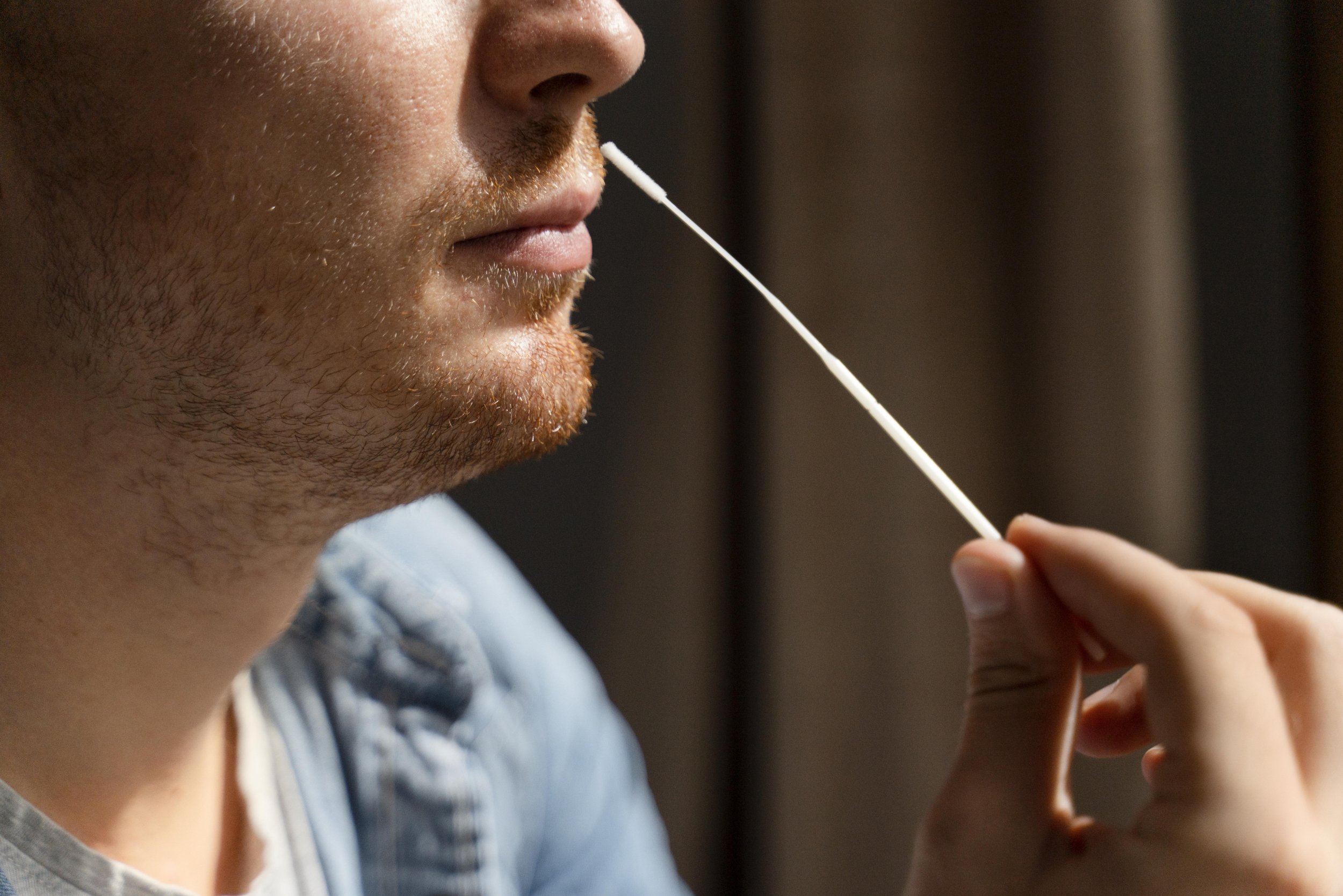
    Scientists at Mass General Brigham have now built on this knowledge to develop a simple, digital, at-home smell test called the AROMHA Brain Health Test (ABHT) that could detect Alzheimer’s years before traditional symptoms appear.

    The ABHT can evaluate a person’s ability to identify, distinguish, remember, and gauge the strength of different odors to provide clues about brain health and potential early signs of cognitive decline.

    “Early detection of cognitive impairment could help us identify people who are at risk of Alzheimer’s disease and intervene years before memory symptoms begin,” said lead study author Mark Albers, a neurologist at Massachusetts General Hospital, in a news release.

    The researchers used ABHT on different groups, including cognitively normal individuals, those with subjective cognitive complaints, and those with mild cognitive impairment. Results showed that olfactory performance declined with age, and people with mild cognitive impairment had lower scores in odor identification and discrimination compared to cognitively normal individuals, regardless of age, sex, or education.

    “Our results suggest that olfactory testing could be used in clinical research settings in different languages and among older adults to predict neurodegenerative disease and development of clinical symptoms,” Albers added.

    Source link

  • Got A Test Tomorrow? Take A Brisk Walk Now To Boost Your Memory

    Got A Test Tomorrow? Take A Brisk Walk Now To Boost Your Memory

    Regular exercise is a well-known technique to boost memory, but can the benefits of working out today can last into the next day? Researchers suggest that taking a brisk walk today could enhance your memory by tomorrow.

    Studies have shown that exercise can offer cognitive benefits shortly after a workout, but until recently, it was not clear how long these effects last. A new study published in the International Journal of Behavioral Nutrition and Physical Activity reveals that moderate to vigorous physical activity on one day can improve your performance on memory tests the following day.

    Another interesting finding was that limiting sitting time and getting at least six hours of sleep may be key factors for maximizing these cognitive benefits. More time spent being sedentary than usual was associated with poorer working memory the following day.

    “Our findings suggest that the short-term memory benefits of physical activity may last longer than previously thought, possibly to the next day instead of just a few hours after exercise. Getting more sleep, particularly deep sleep, seems to add to this memory improvement,” said lead author Dr Mikaela Bloomberg in a news release.

    “Moderate or vigorous activity means anything that gets your heart rate up – this could be brisk walking, dancing or walking up a few flights of stairs. It doesn’t have to be structured exercise,” Dr. Bloomberg said.

    So how does exercise help with memory? When you exercise, it increases blood flow to your brain and triggers the release of brain chemicals like norepinephrine and dopamine which improves functions, such as focus and memory. These changes usually last for a few hours after you work out.

    Studies have shown that some benefits of exercise, like mood improvement, can last up to 24 hours. In a previous study, researchers found that after intense exercise like high-intensity interval training cycling, brain activity in the hippocampus (a part of the brain important for memory) stayed more coordinated for up to 48 hours.

    This prompted the researchers of the latest study to look at how long will memory boost from exercise lasts in a group of 76 men and women. The participants were aged 50 to 83. They wore activity trackers for eight days and took cognitive tests each day.

    “This study provides evidence that the immediate cognitive benefits of exercise may last longer than we thought. It also suggests good sleep quality separately contributes to cognitive performance,” said co-author Professor Andrew Steptoe.

    “This was a small study and so it needs to be replicated with a larger sample of participants before we can be certain about the results,” Dr Bloomberg added.

    Source link

  • Curious About Your Aging? Here’s A Simple Test To Find Out

    Curious About Your Aging? Here’s A Simple Test To Find Out

    The speed at which a person walks and their muscle strength may indicate how well they are aging. However, researchers now say there’s an even simpler and more effective test for assessing aging: standing on one leg.

    According to the latest study published in the journal PLOS ONE, balance is a better measure of biological aging than muscle strength or gait.

    In the study, researchers tested 40 healthy individuals aged over 50 to assess various aspects of aging. The participants were divided into two equal groups: those under 65 and those 65 and older.

    Participants took walking, balance, grip strength, and knee strength tests. For the balance assessments, they stood on force plates under different conditions: with both feet on the ground and their eyes open or closed, and on one leg (dominant and non-dominant) with their eyes open. During each balance test that lasted 30 seconds, the participants were allowed to position the lifted leg as they wished.

    The researchers noted that out of all the tests, the balance test, especially tested with the nondominant leg showed the highest rate of decline with age.

    There were no age-related declines in strength tests that were specific to sex, indicating that participants’ grip and knee strength declined at a similar rate regardless of gender. Also, the gait and balance test showed no significant difference in the sexes.

    “Balance is an important measure because, in addition to muscle strength, it requires input from vision, the vestibular system and the somatosensory systems. Changes in balance are noteworthy. If you have poor balance, you’re at risk of falling, whether or not you’re moving. Falls are a severe health risk with serious consequences,” explained Kenton Kaufman, senior author of the study in a news release.

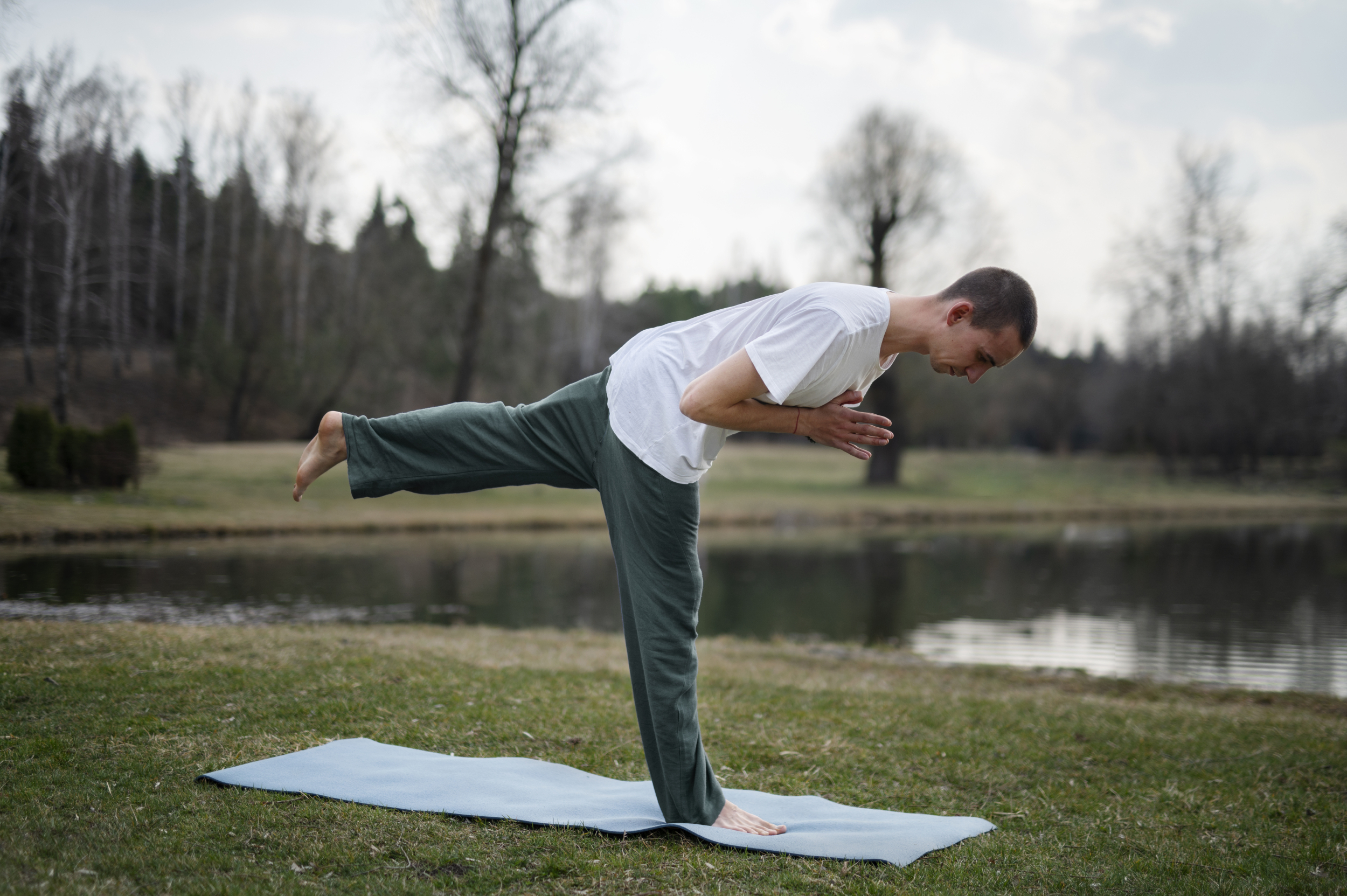
    The good news is that even for the elderly, balance is something that can be improved with constant practice. “If you can stand on one leg for 30 seconds, you are doing well. If you don’t use it, you lose it. If you use it, you maintain it. It’s easy to do. It doesn’t require special equipment, and you can do it every day,” Kaufman said.

    Source link