Tag: Techniques

  • Explore 3 Techniques in This Meditation Buffet

    Explore 3 Techniques in This Meditation Buffet

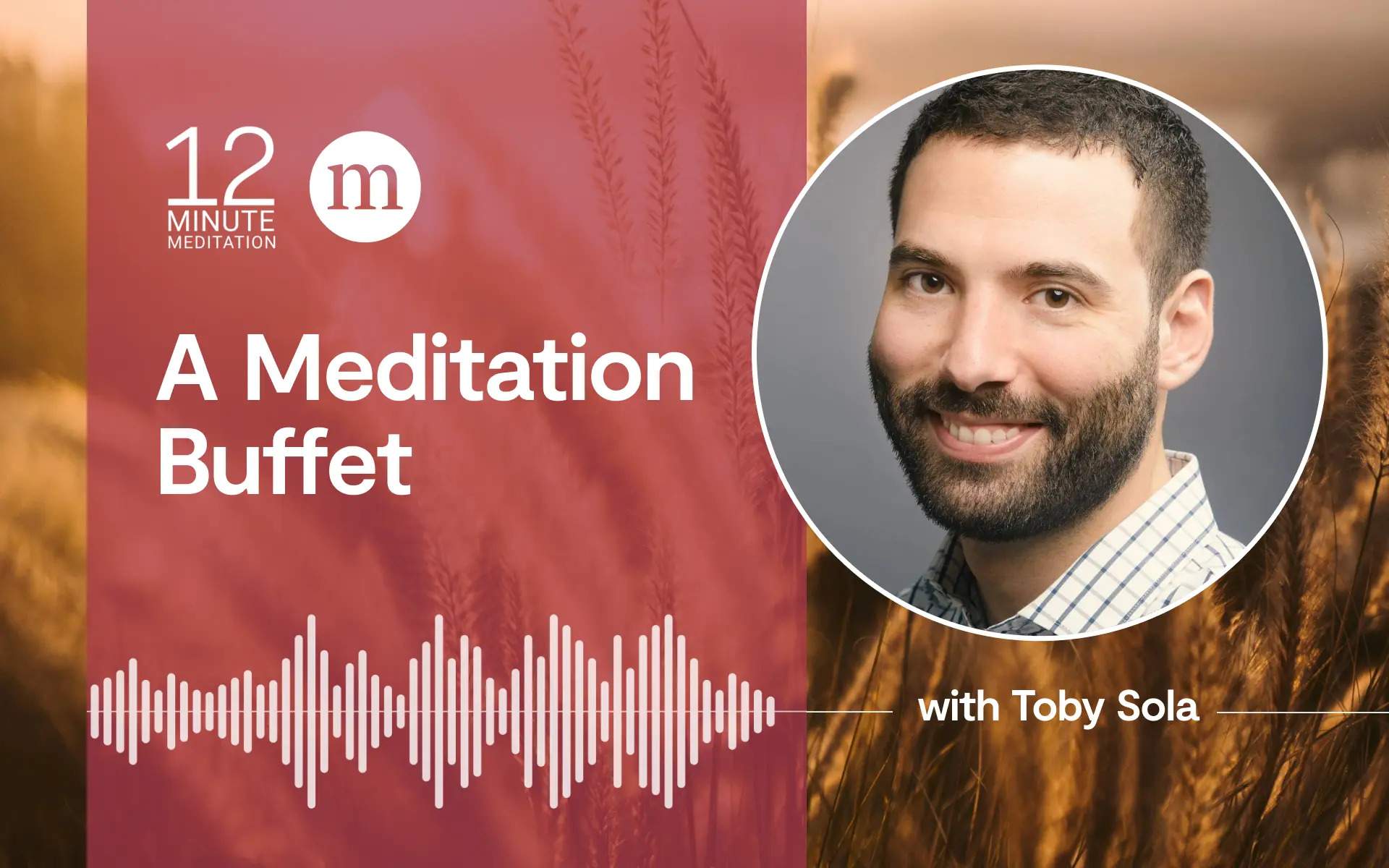
    In this week’s practice, meditation teacher Toby Sola walks us through three different types of meditations and explains what all techniques have in common.

    Have you ever wondered why there are so many different types of meditation practices, and why some of them seem to contradict each other in approach, style, or even objective?

    In today’s guided practice, meditation teacher Toby Sola walks us through three common types of meditation. Plus, he explains why the word “meditation” is very much like the word “sport”—and how all these different practices actually share the same overarching purpose.

    If you’re new to meditation or curious about trying new approaches, you’ll love this week’s practice.

    A Mindful Buffet: 3 Different Types of Meditation

    Read and practice the guided meditation script below, pausing after each paragraph. Or listen to the audio practice.

    As a meditation teacher, one of the most common questions I get goes something like this: Someone told me meditation is about focusing on your breath, but someone else told me meditation is about letting go. What gives?

    The answer to this question is simple. The word meditation is like the word sport. There are a wide variety of sports, and some sports even have contradictory rules. For example, in American soccer, you’re not allowed to touch the ball with your hands. But in basketball, you are. At the same time, there is a common thread that ties together all sports. You could say all sports develop some sort of physical strength, flexibility, and skill. Meditation is exactly the same. There is a wide variety of meditation techniques, and some of them even have contradictory instructions. But all meditation techniques develop the same core skills of concentration, clarity, and balance.

    In this meditation, I’ll give you a quick tour of three very different meditation techniques so you get a sense of what’s out there.

    1. To start, lengthen the spine. Relax the shoulders and arms. Bring your attention to what you’re hearing in your environment. Maybe you hear traffic, wind, or people talking nearby. Maybe you just hear silence. It’s all good. Just bring your attention to whatever you’re hearing.
    2. This type of practice is an example of a family of meditation techniques that I call “noting and labeling.” In noting and labeling techniques, you pick one or a few types of naturally occurring sensory experiences to focus on and simply redirect your attention if you get distracted.

      Feel free to pause the recording and give yourself extra time to practice this technique if you like.

    3. Next, we’re going to intentionally recite and focus on a positive word or phrase. Take a moment to think of a positive word or phrase. Here are some examples. The name of a positive emotion could be compassion or gratitude. An affirmation could sound like, I love you, keep going. Or, I am deserving of love. A statement about a positive behavior change could be something like, I go to the gym twice a week, or, I go to bed at 10 PM. These are just examples. Choose a word or phrase that you like. Once you’ve settled on a word or phrase, mentally repeat it over and over. Don’t say it out loud; say it to yourself in your mind.
    4. This practice is an example of a family of meditation techniques that I call “nurture positive.” In nurture positive practices, you don’t just pay attention to whatever happens to happen, like we were doing in the first part of this guidance. Instead, you intentionally create positive thoughts or feelings to focus on. Keep reciting and focusing on your phrase.

      Feel free to pause the recording and give yourself extra time to practice this technique if you like.

    5. For the third technique, we’re going to drop any kind of intentional focus. Here, you aren’t landing your attention on anything, but keeping your mind loose and unattached. If, for whatever reason, you happen to become aware of an intention to direct your attention, drop that intention. Otherwise, you don’t have to do anything.
    6. This is an example of a family of meditation techniques that I call “autofocus.” In autofocus practices, if you happen to become aware of an intention to control your attention, you drop that intention. Otherwise, you don’t have to do anything. Your experience may not be restful or particularly pleasant. It may not even seem like you’re practicing meditation at all, but you’re doing the technique perfectly when you just let whatever happens, happen.

      Feel free to pause the recording and give yourself extra time to practice this technique if you like.

    7. Notice how different, and even contradictory, the three exercises are. In the first exercise, we picked something to intentionally focus on, but we didn’t try to change it. In the second exercise, we created something positive to focus on. And in the third exercise, we dropped all intention to control our attention.
    8. This is why I say that the word meditation is like the word sport. There are a million different meditation techniques, many with contradictory instructions, but they all share the common thread of developing three core mental muscles: concentration, clarity, and balance.

    The word meditation is like the word sport. There are a million different meditation techniques, many with contradictory instructions, but they all share the common thread of developing three core mental muscles: concentration, clarity, and balance.

    1. As we wrap up, here’s the main takeaway I want you to remember. If you’re into meditation, you’ll probably listen to all sorts of guidance. If you hear instructions that contradict what you’ve heard before, that’s not a problem. Just follow along. The teacher is simply guiding you in a unique technique that you haven’t encountered before. And that’s no big deal because all the techniques develop the same core skills. Hopefully, this realization will allow you to appreciate and learn from the wide variety of meditation techniques out there. Enjoy.


    Source link

  • Crank Up Your Speed: Proven Techniques for Maximizing Your Cycling Performance

    Crank Up Your Speed: Proven Techniques for Maximizing Your Cycling Performance

    Cycling is a popular form of exercise that requires a combination of physical and mental endurance. Whether you’re a professional cyclist or a casual rider, boosting your speed and performance can be a challenging task. However, with the right techniques and mindset, it’s possible to crank up your speed and take your cycling to the next level.

    Understanding the Fundamentals

    Before we dive into the techniques for maximizing cycling performance, it’s essential to understand the basics. Cycling is a highly individualized sport, and each rider’s physiology and biomechanics are unique. However, there are some fundamental principles that apply to most cyclists.

    The key to improving your cycling performance is to focus on building your endurance, increasing your power output, and developing efficient pedaling techniques. By targeting these areas, you can improve your overall speed and efficiency on the bike.

    Building Endurance

    Endurance is a critical component of cycling, and it’s essential to build a strong foundation of aerobic fitness. This can be achieved through regular training, which helps to increase your body’s ability to utilize oxygen and nutrients.

    Here are some tips for building endurance:

    • Start with short, frequent rides and gradually increase your distance and duration over time.
    • Incorporate interval training to help improve your anaerobic endurance.
    • Join a cycling group or find a training partner to help keep you motivated and accountable.

    Increasing Power Output

    Increasing your power output is crucial for improving your cycling performance. Power output is measured by the amount of force you produce on the pedals, and this can be improved through targeted training and technique adjustments.

    Here are some tips for increasing power output:

    • Focus on explosive pedaling and try to maintain a high cadence.
    • Incorporate strength training to build your leg strength and power.
    • Use hill sprints to build your power and explosiveness.

    Developing Efficient Pedaling Techniques

    Efficient pedaling techniques can help you conserve energy and improve your overall power output. Proper pedaling technique involves using your entire leg to generate power, rather than just your toes or heels.

    Here are some tips for developing efficient pedaling techniques:

    • Focus on using your entire leg to generate power, rather than just your toes or heels.
    • Keep your knees slightly bent to help absorb shock and maintain a consistent pedaling rhythm.
    • Use a high cadence to help generate power and improve your overall efficiency.

    Putting it All Together

    By combining these fundamental principles, you can start to see significant improvements in your cycling performance. Remember, the key to success is to focus on building your endurance, increasing your power output, and developing efficient pedaling techniques.

    Here are some additional tips to help you get started:

    • Listen to your body and rest when needed – overtraining can lead to injury and stagnation.
    • Stay hydrated and fueled – proper nutrition is essential for optimal performance.
    • Explore different terrain and environments to keep your rides interesting and challenging.

    Conclusion

    By incorporating these techniques into your training, you can take your cycling performance to the next level. Remember, the key is to focus on building your endurance, increasing your power output, and developing efficient pedaling techniques.

    Whether you’re a casual rider or a professional cyclist, with the right mindset and training, you can crank up your speed and achieve your goals. So get out there and start training – your cycling performance is waiting for you!

    Frequently Asked Questions

    Q: How often should I train?
    A: It’s recommended to train at least 3-4 times per week, with at least one rest day in between.

    Q: What is the best way to improve my power output?
    A: Focus on explosive pedaling, strength training, and hill sprints to help improve your power output.

    Q: How do I know if I’m overtraining?
    A: Pay attention to your body – if you’re feeling fatigued, irritable, or experiencing muscle soreness, it may be a sign that you’re overtraining.

    Q: What is the best way to stay hydrated and fueled?
    A: Focus on consuming a balanced diet, avoiding excessive caffeine and sugar, and staying hydrated by drinking plenty of water.

    Q: What is the most common mistake amateur cyclists make?
    A: The most common mistake is not listening to their body and overtraining, which can lead to injury and stagnation.

    crank-up-your-speed-proven-techniques-for-maximizing-your-cycling-performance

  • Power of Persuasion | Conversational Hypnosis | Mind Control Techniques | Mind Control Tricks | Subliminal Persuasion

    Power of Persuasion | Conversational Hypnosis | Mind Control Techniques | Mind Control Tricks | Subliminal Persuasion

    Product Name: Power of Persuasion | Conversational Hypnosis | Mind Control Techniques | Mind Control Tricks | Subliminal Persuasion

    Click here to get Power of Persuasion | Conversational Hypnosis | Mind Control Techniques | Mind Control Tricks | Subliminal Persuasion at discounted price while it’s still available…

    All orders are protected by SSL encryption – the highest industry standard for online security from trusted vendors.

    Power of Persuasion | Conversational Hypnosis | Mind Control Techniques | Mind Control Tricks | Subliminal Persuasion is backed with a 60 Day No Questions Asked Money Back Guarantee. If within the first 60 days of receipt you are not satisfied with Wake Up Lean™, you can request a refund by sending an email to the address given inside the product and we will immediately refund your entire purchase price, with no questions asked.

    (more…)

  • 5 Simple Meditation Techniques for Reducing Stress and Anxiety

    5 Simple Meditation Techniques for Reducing Stress and Anxiety

    5 Simple Meditation Techniques for Reducing Stress and Anxiety

    Are you tired of feeling anxious and stressed out? Do you wish you could find a way to calm your mind and relax your body? Meditation may be just what you need. Meditation is a powerful tool that can help you reduce stress and anxiety by training your mind to focus, relax, and release tension. In this article, we’ll explore 5 simple meditation techniques for reducing stress and anxiety, so you can start feeling more calm and centered in no time.

    1. Body Scan Meditation

    One of the simplest and most effective meditation techniques is body scan meditation. To do this, find a quiet and comfortable place to sit or lie down, and close your eyes. Bring your attention to your toes, and start to focus on any sensations, feelings, or thoughts that arise. Slowly work your way up your body, pausing to notice any areas of tension or discomfort. As you reach each area, take a few deep breaths and imagine any tension or stress leaving your body. Continue this process until you reach the top of your head, taking a few final, deep breaths and opening your eyes when you’re ready.

    Benefits of Body Scan Meditation:

    • Reduces physical tension and discomfort
    • Helps to release stored emotions and memories
    • Increases relaxation and calmness
    • Improves sleep quality

    2. Mindful Breathing Meditation

    Mindful breathing meditation is another powerful technique for reducing stress and anxiety. To do this, find a quiet and comfortable place to sit, and close your eyes. Bring your attention to your breath, focusing on the sensation of the air moving in and out of your body. When your mind wanders, gently bring it back to your breath without judgment. Start with short periods, such as 5-10 minutes, and gradually increase the duration as you become more comfortable with the practice.

    Benefits of Mindful Breathing Meditation:

    • Reduces stress and anxiety
    • Lowers blood pressure
    • Improves sleep quality
    • Increases self-awareness

    3. Guided Imagery Meditation

    Guided imagery meditation involves using visualization techniques to create a mental scenario that promotes relaxation and calmness. To do this, find a quiet and comfortable place to sit or lie down, and close your eyes. Listen to a guided imagery recording or create your own scenario in your mind. Imagine yourself in a peaceful place, such as a beach or a forest, and engage all of your senses in the experience. Use all of your senses to create a vivid mental picture, and allow yourself to feel calm and relaxed.

    Benefits of Guided Imagery Meditation:

    • Reduces stress and anxiety
    • Improves mood
    • Increases creativity
    • Enhances problem-solving skills

    4. Loving-Kindness Meditation

    Loving-kindness meditation, also known as metta meditation, is a Buddhist practice that cultivates feelings of love and compassion towards oneself and others. To do this, find a quiet and comfortable place to sit, and close your eyes. Begin by directing loving-kindness towards yourself, repeating phrases such as "May I be happy, may I be healthy, may I be at peace." Gradually expand your circle of kindness to include others, including friends, family, and even those you may have difficulty with.

    Benefits of Loving-Kindness Meditation:

    • Increases feelings of love and compassion
    • Reduces stress and anxiety
    • Improves relationships
    • Enhances sense of well-being

    5. Walking Meditation

    Walking meditation is a simple yet powerful technique that combines physical movement with mindfulness. To do this, find a quiet and comfortable place to walk, such as a park or a peaceful path. Pay attention to the sensation of your feet touching the ground, the movement of your legs and arms, and the rhythm of your breath. Bring your attention back to the present moment whenever your mind wanders.

    Benefits of Walking Meditation:

    • Reduces stress and anxiety
    • Improves mood
    • Increases mindfulness
    • Enhances physical health

    Conclusion:

    Meditation is a powerful tool for reducing stress and anxiety, and these 5 simple techniques can help you get started. Whether you’re new to meditation or a seasoned practitioner, these techniques can help you cultivate relaxation, calmness, and inner peace. By incorporating meditation into your daily routine, you can experience a reduction in stress and anxiety, improved mood, and increased sense of well-being. So take a few minutes each day to sit, breathe, and relax – your mind and body will thank you.

    Frequently Asked Questions:

    Q: What is meditation?
    A: Meditation is a practice that involves training your mind to focus, relax, and release tension.

    Q: How do I get started with meditation?
    A: Start with short periods, such as 5-10 minutes, and gradually increase the duration as you become more comfortable with the practice.

    Q: What is the best way to meditate?
    A: There is no "right" or "wrong" way to meditate – choose a technique that resonates with you and make it a regular part of your routine.

    Q: Can meditation really reduce stress and anxiety?
    A: Yes, meditation has been shown to reduce stress and anxiety by training the mind to focus, relax, and release tension.

    Q: Can anyone meditate?
    A: Absolutely – anyone can meditate, regardless of age, ability, or experience.

    By incorporating these 5 simple meditation techniques into your daily routine, you can start to experience the benefits of reduced stress and anxiety, improved mood, and increased sense of well-being. So take a deep breath, find a quiet spot, and let the calmness begin.

  • Breathe Your Way to Better Fitness: Maximizing Your Workouts with Proper Breathing Techniques

    Breathe Your Way to Better Fitness: Maximizing Your Workouts with Proper Breathing Techniques

    The Forgotten Aspect of Fitness: How Proper Breathing Techniques Can Revolutionize Your Workouts

    In the hustle and bustle of modern fitness, many of us tend to prioritize our physical movements, neglecting a crucial component that plays a vital role in maximizing our workouts: breathing. The art of breathing is often overlooked, yet it can be the game-changer that elevates our exercise routine from mediocre to remarkable. By incorporating proper breathing techniques, we can experience improved performance, increased endurance, and enhanced overall well-being.

    Understanding the Power of Breathing

    Breathing is the foundation upon which our entire exercise experience is built. When we breathe, our bodies receive the necessary oxygen to fuel our muscles, enabling them to perform at their best. Proper breathing techniques can enhance oxygenation, reduce fatigue, and boost energy levels, ultimately resulting in more effective workouts.

    How Breathing Impacts Performance

    Research has revealed that 95% of people breathe incorrectly, using shallow, irregular breathing patterns that can lead to:

    1. Reduced oxygenation: Insufficient oxygen supply to the muscles, resulting in decreased performance and increased fatigue.
    2. Increased heart rate: Rapid breathing can cause the heart to beat faster, leading to exhaustion and decreased endurance.
    3. Inaccurate proprioception: Poor breathing can compromise the body’s ability to sense its position and movement, affecting coordination and balance.

    The Benefits of Proper Breathing Techniques

    By adopting conscious breathing exercises and incorporating them into your workout routine, you can:

    Improve Endurance

    Longer, more efficient deep breathing can:

    1. Inflate lungs: Allow for more oxygen to be stored, reducing fatigue and increasing endurance.
    2. Increase cardiopulmonary efficiency: Enhance the heart’s ability to pump blood and supply oxygen to the muscles, leading to increased exercise tolerance.
    3. Regulate pacing: Help maintain a consistent energy level, reducing the need for intense bursts of energy that can lead to burnout.

    Enhance Performance

    Conscious breathing can also increase power and speed:

    1. Boost explosive power: By storing oxygen in the diaphragm, explosive movements become more effective.
    2. Improve technique: Accurate proprioception enables better body positioning, leading to more effective movements.
    3. Optimize energy expenditure: Breathing techniques can direct energy towards the most critical muscle groups, resulting in enhanced performance.

    Reduce Stress and Injury

    Breathing exercises can also promote relaxation, reducing stress and the risk of injury:

    1. Activate parasympathetic nervous system: Engage the relaxation response, calming the body and reducing muscle tension.
    2. Reduce anxiety: Proper breathing can alleviate pre-workout jitters, promoting a clear and focused mind.
    3. Protect against overexertion: By regulating energy expenditure, avoid pushing beyond comfortable limits, reducing the risk of injury.

    Mastering the Art of Breathing: Techniques to Try

    Integrating these simple, yet powerful techniques into your workout routine can make all the difference:

    Diaphragmatic Breathing

    1. Inhale: Slowly, deeply breathe in through the nose, allowing the diaphragm to drop and the belly to rise.
    2. Hold: Hold the breath for a brief moment (1-2 seconds).
    3. Exhale: Slowly, deeply breathe out through the mouth, allowing the diaphragm to rise and the belly to drop.

    Box Breathing

    1. Inhale: Breathe in for a count of 4.
    2. Hold: Hold the breath for a count of 4.
    3. Exhale: Breathe out for a count of 4.
    4. Hold: Hold the breath for a count of 4.

    Alternate Nostril Breathing

    1. Close right nostril: Pinch the right nostril shut with the ring finger.
    2. Inhale: Breathe in through the left nostril.
    3. Close left nostril: Pinch the left nostril shut with the thumb.
    4. Exhale: Breathe out through the right nostril.

    Conclusion

    The undeniable connection between breathing and performance has been solidified. By incorporating conscious breathing techniques into your workout routine, you can revolutionize your fitness journey, experiencing enhanced endurance, improved performance, and reduced stress and injury risk. Remember, the key is consistency and patience – with practice, you’ll be breathing your way to better fitness in no time!

    FAQs

    Q: Is breathing really that important?
    A: Yes, proper breathing is essential for maximizing workouts, reducing fatigue, and improving overall performance.

    Q: What are some common breathing mistakes people make?
    A: Shallow, irregular breathing patterns, including breathing only through the mouth, and neglecting the diaphragm.

    Q: Can anyone benefit from proper breathing techniques?
    A: Absolutely! Whether you’re a novice or a seasoned athlete, incorporating conscious breathing exercises into your routine can lead to noticeable improvements.

    Q: How do I get started?
    A: Begin by educating yourself on the basics of diaphragmatic, box, and alternate nostril breathing. Start with short sessions and gradually increase duration as you become more comfortable with the techniques.

    Q: Can I use breathing techniques for relaxation and stress relief as well?
    A: Yes, breathing exercises can be used for both fitness and relaxation, promoting a sense of calm and reducing anxiety.

    breathe-your-way-to-better-fitness-maximizing-your-workouts-with-proper-breathing-techniques

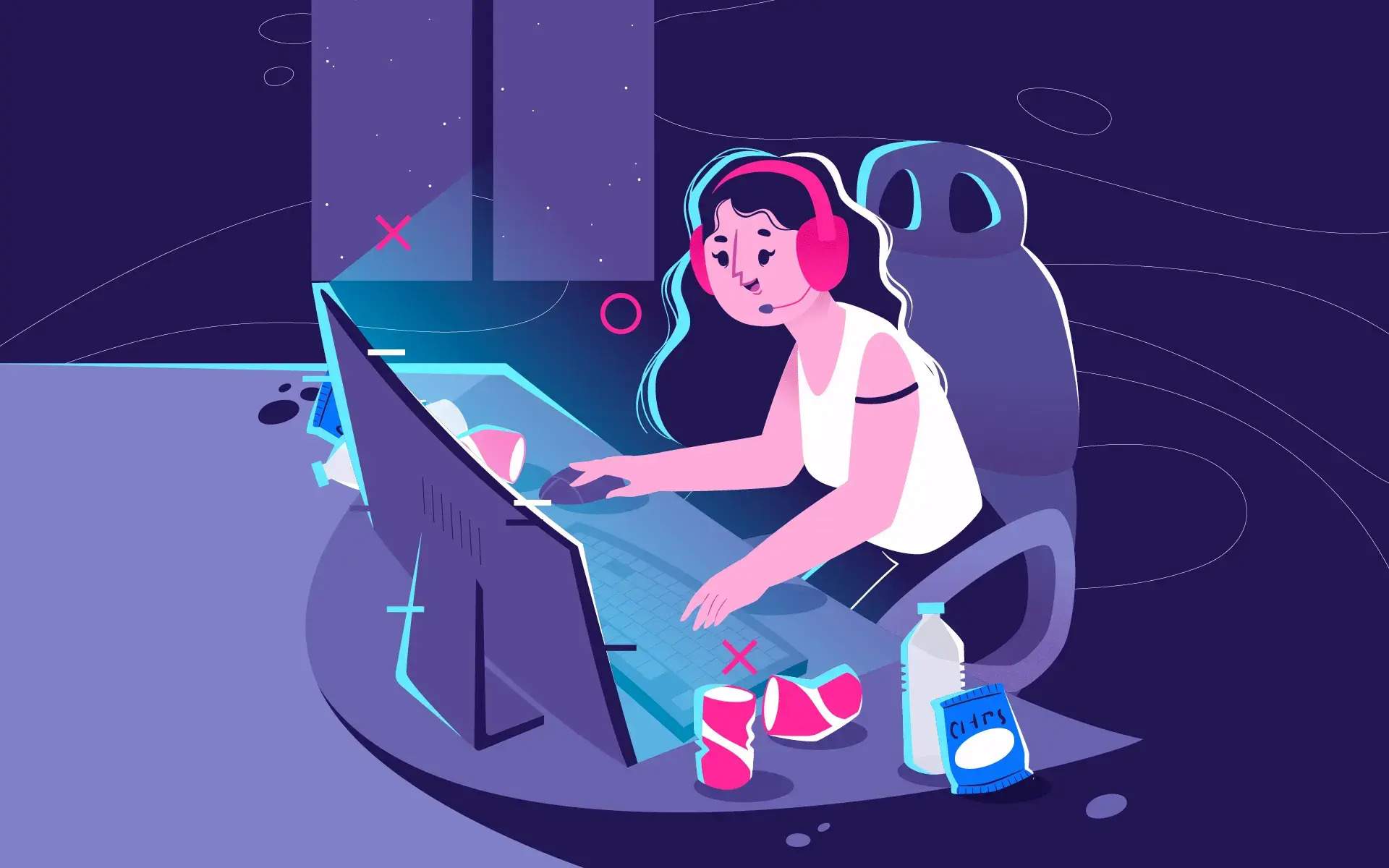
  • Game Over? Tips and Techniques for Mindful Gaming

    Game Over? Tips and Techniques for Mindful Gaming

    Playing video games can help you feel energized and engaged, but they can also be a huge drain on your well-being. Here’s an intro to gaming mindfully, using simple habits to help you keep playing (and feeling) your best.

    Video games offer endless sense-rocking pleasure, welcoming you into an incredible multiverse of art and story, the dopamine rush of points, the pure escapism of an all-consuming on-screen experience. It can be hard to pull yourself away from the screen, even when you really need to. Here’s what’s important to know: Constant sensory super-charge is like constantly revving your engine, without giving it time to cool down. Mindful strategies can help you game the game by learning how to rev down, which will help you sleep, which will help you feel less exhausted, making you stronger and more savvy in the game of life.

    In life, and in the game, when something comes your way that you don’t want and can’t avoid, you might feel powerless, cornered, or destabilized. The key to regaining strength and agility—health points, if you will—is seeing what is right in front of you, ready to be used to help you bounce back. This might include super-simple and highly effective rejuvenators like standing up once an hour, stretching and walking around the room, going to work or class, talking to people you love, petting your dog, cuddling with your goldfish, and generally maintaining your connection to the vividness of life, on and offscreen.

    The key to regaining strength and agility—health points, if you will—is seeing what is right in front of you, ready to be used to help you bounce back.

    This is mindfulness. Other mindfulness practices include the following ways to help you keep your eye on the prize when life is pwning you.

    3 Mindful Gaming Techniques

    1. A simple breath technique can help you be more present, stable, and energized, in and out of the game. Bonus points: Training yourself to focus on breathing can help when upsetting thoughts threaten to bring you down.  

    Try This: Once you take a seat at your monitor, take a moment to feel what happens when your body breathes in and out. Notice the belly rise, the back expand and any ways that you experience your body breathing. Focus your attention, as best you can, on feeling yourself breathing in and out three times.

    Level up: To bring deeper calm, engage the body’s relaxation response by experimenting with making your out-breath longer than your in-breath. Extending your out-breath soothes the parasympathetic nervous system, which will also help you feel more relaxed and focused. 

    Try breathing in for a count of three and breathing out for a count of five. Do this for three or more breaths. Find your ideal ratio: Is it two breaths in and four breaths out?  Or maybe five breaths in and seven breaths out? 

    Explore the ratio that brings you greatest calm.

    2. Tuning in to your senses is another technique that’s great for gaming. Give yourself five seconds throughout your day to intentionally focus on one or more of your senses. Five seconds of acute listening. Five seconds of feeling your body being held by the chair.

    Level Up: When you leave the familiar and welcoming world of the game, you might find it can take time to transition from that sensurround world to being able to joyfully and fully connect to life outside of the game.  Paying close attention to your senses, rather than the burbling of your mind can give you somewhere to anchor other than terrified thoughts about an uncertain future or negative chatter about the past.  Your senses can only be experienced in the here and now. If you start to feel overwhelmed in daily life, regain ground by diving into touch, taste, smell, sight, and hearing to increase a feeling of okayness.

    Try This: A 5-Second Sensory Mission 

    Explore Sound

    • Bring your attention to your ears and deeply listen to the sounds in the room for five seconds. 
    • Then, bring your attention to fully listening to the music and immersive soundscape of the video game.
    • Heighten awareness by noticing how the creators have used adaptive music and sound to create a fantastical world.  

    Seeing Is Believing

    • Look around the room or at your screen and find something that’s been right in front of your eyes this whole time, but you never noticed it. 
    • For five seconds, take in the artwork, the colors, the impressive detail. Don’t just rush by. Appreciate what you are seeing. (This helps increase the flow of dopamine, endorphins, serotonin, and oxytocin—the feel-good chemicals.)
    • Notice what happens to your busy mind when you take five seconds to tune in to what you can see, or any of your other senses. 

    3. Try a little IRL movement. Feeling fidgety? Been sitting playing all night? Just Died and waiting for the scene to load again? Don’t forget you have a body that also needs refreshing to support your AAA game. 

    Just Died and waiting for the scene to load again? Don’t forget you have a body that also needs refreshing to help support your AAA game.

    Try This: Stand up and walk around your room. While you are walking, bring your attention to the ordinary sensations of movement that you normally wouldn’t take the time to notice. Feel yourself walking: picking up a foot, moving it through the air, feeling the foot touching the ground. Just keep bringing your attention back to the feeling of picking up your foot, moving it through space, and putting it down. Easter Egg: You’ve just unlocked the synergy between body and mind. 

    Level Up: Going outside to catch at least 5-15 minutes of morning sun every day will feed your bones, help you sleep, and keep you buff.

    Try these short mindful gaming exercises, using your senses to connect you to the present, to help you to feel more alive and give you more game. Feel your feet touching the ground as you walk to your gaming chair. Be gently alert, because going gently allows you to be more precise and takes a lot less energy than wasting fire power that isn’t needed. You are cultivating mindfulness and focus by gathering your energy before you even sit down. Well Played.


    Source link

  • Calm Down, Girl!: Proven Techniques for Women to Reduce Stress and Anxiety

    Calm Down, Girl!: Proven Techniques for Women to Reduce Stress and Anxiety

    Calm Down, Girl!: Proven Techniques for Women to Reduce Stress and Anxiety

    As women, we’re often expected to wear multiple hats and juggle multiple responsibilities at once. Whether it’s work, family, or social life, we’re constantly running on high alert, making it easy to feel overwhelmed and stressed. According to the American Psychological Association, women are more likely than men to experience stress and anxiety, and it can have serious consequences on our mental and physical health if left unchecked.

    In this article, we’ll explore proven techniques for women to reduce stress and anxiety and find a sense of calm in their busy lives. From mindfulness and meditation to self-care and boundary setting, we’ll cover the most effective strategies to help you calm down and live a more balanced life.

    Mindfulness and Meditation: A Path to Serenity

    Mindfulness and meditation are powerful tools that can help reduce stress and anxiety by training your brain to focus on the present moment. When we’re mindful, we’re aware of our thoughts, feelings, and bodily sensations without judgment, allowing us to respond to challenging situations rather than react impulsively.

    Here are some tips for incorporating mindfulness and meditation into your daily routine:

    • Start small: Begin with short sessions of 5-10 minutes a day and gradually increase as you become more comfortable with the practice.
    • Find a quiet space: Identify a quiet, comfortable space where you can sit and practice without distractions.
    • Focus on your breath: Pay attention to your breath, noticing the sensation of the air moving in and out of your body.
    • Be gentle with yourself: Remember that it’s okay if your mind wanders – simply acknowledge the thought and gently bring your attention back to your breath.

    Self-Care: Nurturing Your Mind, Body, and Spirit

    Self-care is an essential component of reducing stress and anxiety. When we prioritize our own needs, we’re better equipped to handle the demands of life. Here are some self-care practices to try:

    • Get moving: Regular exercise can help reduce stress and anxiety by releasing endorphins, also known as "feel-good" hormones.
    • Practice relaxation techniques: Techniques like deep breathing, progressive muscle relaxation, and visualization can help calm your mind and body.
    • Get enough sleep: Aim for 7-9 hours of sleep per night to help your body and mind recharge.
    • Connect with nature: Spend time outdoors, whether it’s taking a walk, hiking, or simply sitting in a park.

    Boundary Setting: Protecting Your Time and Energy

    Setting healthy boundaries is crucial for reducing stress and anxiety. When we learn to say "no" and prioritize our own needs, we’re better able to manage our time and energy. Here are some tips for setting boundaries:

    • Learn to say no: Practice saying "no" without explanation or apology. Remember, it’s okay to prioritize your own needs.
    • Set boundaries with technology: Establish technology-free zones and times, such as during meals or before bed.
    • Communicate your needs: Express your needs and boundaries clearly with others, whether it’s a friend, family member, or colleague.

    Social Support: Connecting with Others

    Social support is a powerful tool for reducing stress and anxiety. When we feel connected to others, we’re less likely to feel isolated and overwhelmed. Here are some ways to connect with others:

    • Join a social group: Find a book club, fitness class, or volunteer group that aligns with your interests.
    • Practice gratitude: Write down three things you’re grateful for each day, and share them with a friend or family member.
    • Schedule social time: Make time for social activities, whether it’s meeting a friend for coffee or attending a community event.

    Conclusion

    Reducing stress and anxiety is not a one-size-fits-all solution. What works for one woman may not work for another. The key is to experiment with different techniques and find what works best for you. By incorporating mindfulness, meditation, self-care, boundary setting, and social support into your daily routine, you can find a sense of calm and balance in your busy life.

    Remember, taking care of your mental and emotional well-being is essential for living a happy, healthy life. By prioritizing your own needs and well-being, you’ll be better equipped to handle the demands of life and find a sense of peace and contentment.

    Frequently Asked Questions

    Q: What are some signs of stress and anxiety in women?

    A: Common signs of stress and anxiety in women include fatigue, mood swings, irritability, headaches, and insomnia.

    Q: How can I start practicing mindfulness and meditation?

    A: Start by committing to a daily practice of 5-10 minutes a day. You can use a guided meditation app or simply focus on your breath.

    Q: Why is self-care important?

    A: Self-care is essential for reducing stress and anxiety by prioritizing your own needs and well-being. When you take care of yourself, you’re better equipped to handle the demands of life.

    Q: How can I set healthy boundaries with others?

    A: Learn to say "no" without explanation or apology, and express your needs and boundaries clearly with others. Remember, setting healthy boundaries is a sign of self-respect and self-care.

    Q: What are some healthy ways to cope with stress and anxiety?

    A: Healthy coping mechanisms include mindfulness, meditation, exercise, and social support. Avoid unhealthy coping mechanisms like substance abuse or avoidance.

  • Unleash Your Inner Genius: 10 Techniques to Boost Your Creativity

    Unleash Your Inner Genius: 10 Techniques to Boost Your Creativity

    Unleash Your Inner Genius: 10 Techniques to Boost Your Creativity

    Are you feeling stuck in a creative rut? Do you struggle to come up with new and innovative ideas? You’re not alone. Many people experience a dip in creativity at some point in their lives, but the good news is that it can be easily overcome. By incorporating a few simple techniques into your daily routine, you can unlock your inner genius and unleash a flood of creative ideas.

    In this article, we’ll explore 10 techniques to boost your creativity and get your creative juices flowing again. From meditation to free writing, we’ll cover a range of methods to help you tap into your inner genius and achieve your creative goals.

    1. Meditation: The Foundation of Creativity

    Meditation is often touted as a way to reduce stress and improve focus, but it’s also a powerful tool for boosting creativity. By quieting the mind and focusing on the present moment, you can tap into your inner source of inspiration and unlock your full creative potential.

    To incorporate meditation into your daily routine, start by setting aside 10-15 minutes each day to sit quietly and focus on your breath. You can use a guided meditation app or simply sit in silence, letting your thoughts pass by without judgment.

    2. Free Writing: The Key to Unleashing Your Inner Genius

    Free writing is a technique that involves writing down your thoughts and ideas without stopping to think or edit. It’s a great way to tap into your subconscious mind and uncover new and innovative ideas.

    To try free writing, set a timer for 10-15 minutes and start writing without stopping. Write down whatever comes to mind, without worrying about grammar, spelling, or coherence. Don’t worry if your writing is messy or doesn’t make sense – the goal is to keep the words flowing and tap into your creative subconscious.

    3. Daydreaming: The Power of Mind-Wandering

    Daydreaming is often seen as a waste of time, but it’s actually a powerful tool for boosting creativity. By allowing your mind to wander and explore new ideas, you can tap into your inner genius and come up with innovative solutions to problems.

    To incorporate daydreaming into your daily routine, set aside 10-15 minutes each day to simply sit back and let your mind wander. Don’t worry about distractions or interruptions – the goal is to allow yourself to fully immerse in the daydream and tap into your creative subconscious.

    4. Change Your Environment: The Power of New Experiences

    Changing your environment can be a powerful way to boost creativity. By exposing yourself to new sights, sounds, and experiences, you can stimulate your mind and tap into your inner genius.

    To try this technique, try something new and exciting each day. It could be as simple as trying a new restaurant or taking a different route to work. The key is to keep your mind engaged and stimulated, and to expose yourself to new and unexpected experiences.

    5. Take Breaks: The Importance of Rest and Relaxation

    Taking breaks is essential for boosting creativity. By giving your mind a chance to rest and recharge, you can come back to your work with fresh eyes and a clear mind.

    To incorporate breaks into your daily routine, try taking a 10-15 minute break every hour. Use this time to stretch, move around, and clear your mind. You can also try activities like meditation, deep breathing, or yoga to help you relax and recharge.

    6. Seek Out Inspiration: The Power of Other Creatives

    Seeking out inspiration from other creatives can be a powerful way to boost your own creativity. By surrounding yourself with talented and innovative individuals, you can tap into their energy and creativity and come up with new and innovative ideas.

    To try this technique, attend conferences, workshops, and other events where creatives gather. You can also follow other creatives on social media and engage with their work and ideas. The key is to stay open-minded and receptive to new ideas and perspectives.

    7. Practice Mindfulness: The Key to Focused Creativity

    Mindfulness is the practice of being fully present and engaged in the current moment. By practicing mindfulness, you can improve your focus and concentration, and tap into your inner genius.

    To incorporate mindfulness into your daily routine, try meditation or deep breathing exercises. You can also try mindfulness exercises like body scan or walking meditation to help you stay present and focused.

    8. Get Moving: The Power of Exercise

    Exercise is often touted as a way to improve physical health, but it’s also a powerful tool for boosting creativity. By getting your body moving, you can stimulate your mind and tap into your inner genius.

    To try this technique, try incorporating exercise into your daily routine. It could be as simple as taking a short walk or doing a few jumping jacks. The key is to keep your body moving and your mind engaged.

    9. Embrace Failure: The Power of Risk-Taking

    Embracing failure is a key part of the creative process. By taking risks and stepping outside of your comfort zone, you can tap into your inner genius and come up with innovative solutions to problems.

    To try this technique, try taking a risk each day. It could be as simple as trying a new recipe or taking a different route to work. The key is to stay open-minded and receptive to new experiences and outcomes.

    10. Practice Gratitude: The Key to Unlocking Your Inner Genius

    Practicing gratitude is a powerful way to boost creativity. By focusing on the things you’re thankful for, you can tap into your inner source of inspiration and come up with new and innovative ideas.

    To incorporate gratitude into your daily routine, try keeping a gratitude journal. Write down three things you’re thankful for each day, and reflect on why they’re important to you. The key is to stay focused on the positive and cultivate a sense of appreciation and gratitude.

    Conclusion

    Boosting creativity is a process that takes time and practice, but it’s worth it. By incorporating these 10 techniques into your daily routine, you can tap into your inner genius and achieve your creative goals. Remember to stay open-minded, receptive, and patient, and to always keep your mind engaged and stimulated.

    FAQs

    Q: What if I’m not naturally creative?
    A: Creativity is not just for those who are naturally talented. With practice and patience, anyone can tap into their inner genius and come up with new and innovative ideas.

    Q: How do I know if I’m being creative?
    A: Creativity is often characterized by new and innovative ideas, and a sense of excitement and engagement. If you’re feeling stuck or uninspired, try incorporating one of the techniques above into your daily routine to get your creative juices flowing again.

    Q: Can I combine these techniques?
    A: Yes! Many of these techniques can be combined to create a powerful creative practice. For example, you could try combining meditation and free writing to tap into your inner genius and come up with new and innovative ideas.

    Q: How long does it take to see results?
    A: It may take some time to see results, as creativity is a process that requires patience and practice. Stick with it, and you’ll start to see your creativity and inspiration grow over time.

  • How to Recover from Burnout: Effective Techniques to Reclaim Your Well-being

    How to Recover from Burnout: Effective Techniques to Reclaim Your Well-being

    Are you feeling completely drained? Burnout recovery is possible with the right steps to help you recover. This article covers practical tips on how to recover from burnout, helping you get back your energy and motivation. Let’s start your journey to feeling better with Mindful article below

    Key Takeaways

    • Burnout is a state of emotional and physical exhaustion caused by prolonged stress, and early recognition and intervention are crucial to prevent its severe long-term effects.
    • Common symptoms of burnout include feelings of failure, self-doubt, physical tiredness, frequent illnesses, and cognitive issues like forgetfulness and difficulty focusing.
    • Effective recovery strategies for burnout involve prioritizing quality sleep, managing stress through mindfulness and relaxation techniques, incorporating regular physical activity, and maintaining a balanced lifestyle with clear boundaries and seeking support from loved ones and professionals.

    Understanding Burnout

    Burnout is more than just feeling tired after a long day; it’s a state of emotional exhaustion brought on by prolonged or intense stress. When experiencing burnout, one may feel overwhelmed, emotionally drained, and unable to meet constant demands. Unlike regular stress, which results from too much pressure, burnout is characterized by too little motivation or care, making it a unique and debilitating condition caused by overwhelming stress.

    The consequences of burnout are far-reaching. It can reduce productivity, sap energy, and lead to feelings of helplessness and hopelessness. Left unaddressed, burnout can cause long-term physical changes, making individuals more susceptible to illnesses. Preventing the severe stages of burnout necessitates early recognition and intervention., which can lead to chronic mental, physical, and emotional health issues.

    Stages of burnout

    Burnout typically progresses through several stages, each characterized by different symptoms and intensities:

    1. Honeymoon Phase: At the beginning, you feel enthusiastic and committed, often taking on more responsibilities. However, you might start neglecting your own needs and ignore signs of stress.
    2. Onset of Stress: As stress builds, you may begin to notice signs like irritability, anxiety, and difficulty focusing. Physical symptoms such as headaches or fatigue may also start to appear. Productivity may begin to decline, and you might feel overwhelmed.
    3. Chronic Stress: In this stage, stress becomes persistent. Symptoms intensify and become more frequent. You may experience persistent tiredness, resentment, and a decline in work performance. This stage is marked by a noticeable shift in attitude, often toward negativity and cynicism.
    4. Burnout: At this stage, symptoms are severe and can include chronic exhaustion, detachment, and feelings of helplessness or hopelessness. Physical symptoms may include insomnia, gastrointestinal issues, and increased vulnerability to illness. Emotional symptoms might include apathy, self-doubt, and a sense of failure.
    5. Habitual Burnout: In the final stage, burnout becomes a persistent state of being. The symptoms become embedded in your daily life, significantly affecting your physical and mental health. Chronic mental health issues like depression and anxiety can develop, and there’s often a significant decrease in motivation and overall life satisfaction.

    Common Burnout Symptoms

    Recognizing the symptoms of burnout early can be the key to preventing it from worsening. Burnout manifests in various emotional, physical, and cognitive signs. Some common symptoms include:

    • Emotional Exhaustion: Feeling drained, overwhelmed, and emotionally worn out.
    • Physical Fatigue: Persistent tiredness that doesn’t go away even with rest.
    • Decreased Performance: Struggling to focus, forgetfulness, and a drop in productivity.
    • Detachment or Cynicism: Feeling disconnected from work or people, or becoming increasingly negative.
    • Loss of Motivation: Lack of enthusiasm or interest in activities you once enjoyed.
    • Increased Irritability: Becoming easily frustrated or angry over small things.
    • Sleep Problems: Trouble falling asleep, staying asleep, or getting restful sleep.
    • Frequent Illnesses: Weakened immune system leading to more frequent colds or other illnesses.
    • Changes in Appetite: Eating too much or too little.
    • Feelings of Failure or Self-Doubt: Constantly questioning your abilities and feeling inadequate.

    These symptoms often contribute to a sense of being overwhelmed and disengaged from responsibilities. It’s important to address these symptoms and take steps to prevent burnout.

    Physically, burnout can present as extreme tiredness, frequent illnesses, headaches, and muscle pain. These physical symptoms can be subtle at first, often confused with regular stress or even advancing to physical and emotional exhaustion if left unchecked. Cognitive symptoms include difficulty focusing, forgetfulness, and a general decline in cognitive function, which can further exacerbate feelings of inadequacy and frustration.

    Regularly checking in with yourself is a valuable practice. by asking questions like: How is your body feeling physically? Are you holding tension anywhere? Are you getting enough quality sleep and eating well? These reflective questions can help you identify early signs of burnout and take proactive steps towards recovery.

    How to recovery from burnout

    Acknowledging that you are experiencing burnout is the initial step towards recovery. Being open and honest with yourself about your feelings is significant. in order to begin the healing process. After acknowledging the problem, creating some distance between yourself and your stressors is key.

    This might involve taking a leave of absence or simply enjoying a mental health day. Prioritizing your health, whether that means getting extra sleep or engaging in your favorite activities, is key to recovery.

    Recovery from burnout involves several strategies, each aimed at improving different aspects of your well-being. Some key strategies include:

    • Prioritizing quality sleep
    • Managing stress effectively
    • Incorporating physical activity into your routine
    • Practicing mindfulness and relaxation techniques

    By implementing these techniques, you can support your journey towards healing and rejuvenation.

    1. Prioritizing Quality Sleep

    Quality sleep is a cornerstone of burnout recovery. Proper sleep not only improves overall well-being but also reduces the risk of depression and alleviates many physical symptoms associated with burnout. When sleep is neglected, emotional and physical symptoms of burnout are amplified, making recovery even more challenging. Aim for 7–9 hours of quality sleep each night to support your recovery process.

    Prioritizing quality sleep can lead to a significant improvement in your mood, boost energy levels, and enhance cognitive function, all of which are vital for recovering from burnout.

    Establishing a Sleep Routine

    To improve sleep quality, a conducive sleep environment is necessary. Ensure your bedroom is dark, cool, and quiet to promote good sleep hygiene. Additionally, developing a wind-down routine, such as reading, taking a bath, or listening to relaxing music, can help signal your body that it’s time to sleep.

    If you find yourself unable to sleep after 20 minutes, it’s advisable to get out of bed and engage in a quiet activity until you feel sleepy. Establishing these habits can significantly enhance your ability to get restful sleep, which is critical for burnout recovery.

    2. Managing Stress Effectively

    Burnout recovery heavily relies on effective stress management. Here are some strategies to help manage stress levels:

    • Distancing yourself from stressors
    • Maintaining a balanced lifestyle
    • Seeking support from loved ones or professionals
    • Taking regular breaks
    • Establishing balanced routines

    These stress management techniques are essential in dealing with minor stress symptoms and promoting overall well-being.

    Incorporating daily routines like:

    • Meditation
    • Exercise
    • Deep breathing
    • Mindful movement

    Can effectively reduce stress levels. Reframing your time after the workday as an investment in long-term well-being can help manage stress more effectively. Balancing stressful activities with scheduled moments of rest or reflection aids in the recovery process.

    Mental health therapy can be particularly beneficial in understanding the effects of chronic stress on thoughts and behaviors. It offers tools and strategies to manage stress and provides personalized recommendations to suit individual needs.

    3. Mindfulness Practices

    Mindfulness practices can be a powerful tool to significantly reduce feelings of stress and anxiety, improving coping skills during burnout recovery. Regular mindfulness meditation, journaling, or deep breathing exercises help manage stress effectively and enhance overall well-being.

    Mindfulness activities provide a sense of calm and clarity, allowing you to better handle the pressures of daily life. By incorporating these practices into your routine, you can reduce stress and improve your emotional and mental resilience.

    4. Incorporating Physical Activity

    As an effective tool in overcoming burnout, regular physical activity offers numerous mental health benefits. A single 30-minute session of moderate exercise can significantly improve mood and boost motivation by releasing endorphins, the feel-good neurotransmitters. Exercise also aids in cognitive regeneration, helping the recovery of cognitive processes and the central nervous system.

    Physical activity increases blood flow to the brain, particularly the hippocampus, which improves learning and memory. Incorporating exercise into your routine not only benefits your physical health but also supports your mental well-being, aiding in burnout recovery.

    Types of Exercise for Recovery

    Engaging in various types of exercise can help alleviate stress and aid in burnout recovery. Some examples include:

    • Yoga: combines moderate activity with mindfulness and meditation, making it highly beneficial.
    • Walking: an excellent low-intensity exercise that promotes relaxation and enjoyment.
    • Biking: another low-intensity exercise that can be done outdoors, providing both physical and mental benefits.

    HIIT workouts incorporate intense activity followed by active recovery, offering variety and cognitive engagement, which is beneficial in managing burnout symptoms. Running, especially with varied intensity, is also effective for managing stress and improving overall well-being.

    5. Setting Boundaries

    To manage stress and prevent burnout, setting clear boundaries is essential for maintaining work life balance. Ensuring that work and personal life do not overlap helps protect mental health and well-being. Boundaries allow for adequate rest and personal time for activities that replenish energy, preventing feelings of overwhelm and stress.

    Learning to say no to unreasonable demands and prioritizing personal well-being is vital in preventing future burnout. By establishing clear expectations and limits, you can improve self-esteem, self-respect, and maintain healthier relationships.

    6. Saying No and Delegating Tasks

    To manage workload and reduce stress, it’s necessary to learn to say no and delegate tasks. Consistently saying no to additional tasks when overwhelmed helps maintain boundaries and prevent burnout. Delegating tasks can help manage stress by reducing workload and allowing focus on more critical activities.

    Discussing workload priorities with managers is essential to reduce excessive demands and prevent burnout. By managing your workload effectively, you can prevent negative feelings of overwhelm and protect your well-being.

    7. Building a Support Network

    In recovery from burnout, seeking support from friends, family, and professionals is key. A strong support network provides emotional assistance and practical advice, positively influencing the speed of recovery. Staying connected with loved ones offers emotional support and a sense of belonging, which are important during burnout recovery.

    Support networks help individuals feel understood and less isolated. Acknowledging your feelings and those of others can build true connections and reduce burnout.

    8. Staying Connected with Your Loved Ones

    Burnout recovery benefits from maintaining connections with family and friends, which provides emotional support and a sense of belonging. Some ways to spend quality time with loved ones include:

    • Going for a walk in the park
    • Catching up over coffee
    • Having a movie night at home
    • Going out for a meal together

    These activities can aid in fostering positive emotions and emotional recovery from burnout.

    Regularly scheduled check-ins with family members and loved ones can maintain emotional bonds and provide consistent support. Engaging in shared activities with family and friends can strengthen relationships and provide a needed sense of normalcy.

    9. Practicing Self-Care

    In burnout recovery, a key aspect of self-care is prioritizing physical and mental health. Shifting focus from work-related productivity to general well-being can be beneficial during burnout recovery. Some strategies to prioritize physical and mental health include:

    • Using paid time off (PTO)
    • Disconnecting from the workplace
    • Engaging in regular exercise
    • Practicing mindfulness and relaxation techniques
    • Seeking support from friends, family, or a therapist

    These strategies can help reduce stress levels and promote overall well-being during burnout recovery.

    Scheduling regular time for hobbies or enjoyable activities brings joy and reduces stress, which is vital for effective self-care. By prioritizing self-care, you can enhance your overall well-being and support your recovery process.

    10. Engaging in Enjoyable Activities

    Participating in activities that bring joy and relaxation can significantly aid in recovering from burnout. Activities such as listening to music or cooking at home support relaxation and enhance overall well-being.

    Pursuing enjoyable activities is essential for fostering joy and relaxation, which can significantly aid in recovering from burnout. Prioritizing these activities can help restore balance and improve your emotional well-being.

    11. Seeking Professional Help

    For burnout recovery, counseling and therapy can offer long-term stress-management strategies and personalized recommendations. Burnout can evolve into depression if not managed properly, making counseling services essential.

    Therapists and counselors are able to offer tools and strategies to help manage stress. They can provide personalized recommendations tailored to individual needs. Some workplaces may offer counseling through their HR department, providing additional support for employees experiencing burnout.

    12. Healthy Eating and Hydration

    For mental and physical health, cognitive function, and burnout recovery, a balanced diet and proper hydration are crucial. Drinking enough water is crucial for maintaining optimal brain function and concentration levels.

    Dehydration can negatively affect energy levels, self-esteem, short-term memory, and attention. Eating water-rich fruits and vegetables like watermelon, zucchini, and celery can contribute to daily water intake and support overall well-being.

    Nutritional Tips for Recovery

    Consuming antioxidant-rich foods, lean proteins, and magnesium-rich foods can help regulate stress and support you from burnout recovery. Some examples of these foods include:

    • Berries
    • Nuts
    • Leafy greens
    • Fish
    • Chicken
    • Whole grains

    These foods are rich in antioxidants, which can help you reduce oxidative stress.

    Including lean proteins in meals can help maintain energy levels and muscle health. Some examples of lean proteins include:

    • Chicken breast
    • Turkey breast
    • Fish (such as salmon or tuna)
    • Greek yogurt

    Magnesium-rich foods, such as spinach and almonds, can help regulate stress and anxiety, supporting the recovery process.

    13. Reassessing Priorities and Goals

    Burnout recovery can be aided by reflecting on personal values and adjusting goals to align with personal and professional aspirations. Burnout often signals that something in life is misaligned with personal values, requiring a reflection and adjustment of goals. Taking time to think about and reassess priorities is essential for creating a healthier and more balanced lifestyle.

    Reassessing priorities and goals involves:

    • Identifying what’s truly important to you
    • Aligning them with your personal and professional aspirations
    • Adjusting current goals or setting new ones that better reflect personal values

    This can aid in recovery from burnout.

    Frequently Questions Asked from Burnout recovery

    How long does it typically take to recover from burnout?

    Recovering from burnout can take weeks to months, depending on the severity of the burnout and the individual’s commitment to recovery strategies.

    How is exhaustion different from burnout?

    The main difference between exhaustion and burnout is that exhaustion is extreme tiredness, while burnout is emotional, physical, and mental exhaustion caused by prolonged stress.

    What are the common signs of burnout in the workplace?

    If you are experiencing reduced performance, feeling overwhelmed, lack of engagement, and emotional exhaustion at work, these could be signs of burnout. It’s important to address these symptoms before they escalate.

    When should you consider seeking professional help for burnout?

    Seek professional help for burnout when self-care and recovery strategies are not helping, or when burnout symptoms start severely affecting your daily life. It’s important to reach out to a counselor or therapist to get the necessary support.

    Is burnout the same as anxiety ?

    Burnout and anxiety are not the same, though they share some symptoms. Burnout is a state of exhaustion from prolonged stress, often work-related, while anxiety involves excessive worry and fear, with a broader range of triggers. Treatment approaches differ, so it’s important to distinguish between the two.

    Can burnout make you sick ?

    Yes, burnout can make you sick. The chronic stress associated with burnout can weaken the immune system, leading to increased susceptibility to illnesses like colds and infections. It can also contribute to physical symptoms such as headaches, digestive issues, and sleep disturbances. Prolonged burnout may exacerbate conditions like hypertension, heart disease, and depression, highlighting the importance of addressing burnout early to maintain overall health.
    Source link