
Tag: Surface

  • What Happens Beneath the Surface After Strain or Injury

    What Happens Beneath the Surface After Strain or Injury

    When the body experiences strain or injury, the effects are not always immediately visible. A pulled muscle, joint stress, or even minor repetitive strain can feel localized, but beneath the surface, a complex biological process begins almost instantly.

    Tissue repair is not a single event. It is a coordinated response involving inflammation, cellular signaling, and gradual rebuilding. Understanding how this process unfolds provides valuable insight into why recovery takes time, and why it does not always follow a predictable path.

    The Immediate Response: Inflammation as Protection

    The first stage of tissue repair begins within minutes. When cells are damaged, the body initiates an inflammatory response. Blood flow increases to the affected area, bringing immune cells that help clear damaged tissue and protect against further harm.

    Although inflammation is often associated with discomfort, it plays a critical role in healing. Without it, the body would not be able to initiate repair effectively.

    However, this phase must remain balanced. Excessive or prolonged inflammation can slow recovery, while insufficient response can delay the healing process altogether.

    Cellular Communication and Repair Signals

    Once the initial inflammatory response is underway, the body shifts toward repair. Cells release signaling molecules that coordinate the rebuilding process, guiding new tissue formation and restoring function.

    Fibroblasts, a type of connective tissue cell, begin producing collagen, the structural protein that helps repair damaged areas. At the same time, new blood vessels form in a process known as angiogenesis, improving circulation and nutrient delivery.

    This phase is gradual. It requires time, consistency, and the right internal conditions to progress effectively.

    Supporting the Body’s Natural Healing Processes

    Traditional approaches to recovery have focused on rest, gradual movement, and symptom management. While these remain essential, there is growing interest in methods that support the body’s internal repair mechanisms more directly.

    Rather than addressing only the surface-level effects of injury, these approaches aim to enhance the underlying biological processes that drive healing.

    Within this evolving landscape, approaches such as SoftWave regenerative therapy are part of a broader category of non-invasive treatments designed to stimulate tissue response and improve circulation. By encouraging cellular activity and supporting regenerative pathways, these methods reflect a shift toward working with the body’s natural systems rather than bypassing them.

    Why Recovery Isn’t Always Linear

    Freepik

    One of the most misunderstood aspects of healing is that it rarely follows a straight line. Progress can vary depending on multiple factors, including age, activity level, overall health, and how the injury is managed.

    Some days may feel like improvement, while others bring stiffness or discomfort. This variability is part of the process, reflecting the body’s ongoing adjustments as it repairs and adapts.

    External factors, such as stress, sleep quality, and physical activity, can also influence how efficiently the body moves through each stage of recovery.

    The Role of Circulation in Tissue Repair

    Circulation is central to recovery. Blood delivers oxygen, nutrients, and signaling molecules that are essential for tissue repair. When circulation is limited, healing can slow.

    This is why movement, when appropriate, often plays a role in recovery. Gentle activity helps maintain blood flow, supporting the delivery of resources needed for repair.

    At the same time, therapies that enhance circulation at a targeted level are gaining attention as part of comprehensive recovery strategies.

    Balancing Activity and Recovery

    A key challenge in tissue repair is finding the right balance between activity and rest. Too much strain can disrupt healing, while too little movement can lead to stiffness and reduced function.

    This balance is dynamic. It changes depending on the stage of recovery and the individual’s overall condition. Understanding how to adjust activity levels accordingly is an important part of supporting long-term outcomes.

    Connecting Research to Everyday Health

    Scientific understanding of tissue repair continues to evolve. Advances in biology, physiology, and medical technology are expanding how we approach recovery and long-term health, alongside broader healthcare shifts highlighted in initiatives like hospital nutrition and patient care reforms.

    These developments are increasingly reflected in broader health discussions, where emerging treatments and research insights are explored in ways that connect scientific knowledge to everyday experience. Looking at how vitality, recovery, and performance are being addressed in modern health conversations provides valuable context for understanding how these processes translate into real-world outcomes.

    A Deeper Perspective on Healing

    Healing is often thought of as a return to normal, but in many cases, it is also an opportunity for adaptation. The body does not simply repair, it adjusts, reinforcing structures and improving resilience.

    This perspective shifts how recovery is viewed. It is not just about fixing what was damaged, but about supporting the body as it rebuilds and strengthens over time.

    By understanding what happens beneath the surface, individuals can approach recovery with greater awareness and patience, recognizing that healing is not just a process, but a progression shaped by biology, behavior, and the environment in which it occurs.
    Source link

  • The Experience Signals Healthcare Teams Might Be Missing and How AI-Assisted Workflows Surface Them Earlier

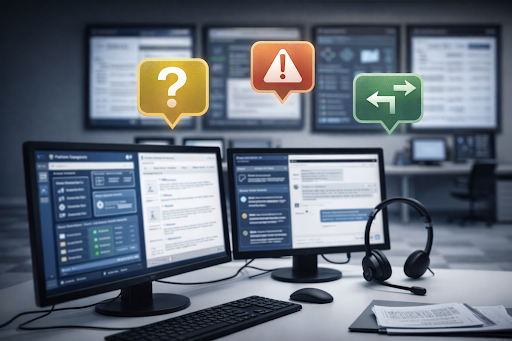
    The Experience Signals Healthcare Teams Might Be Missing and How AI-Assisted Workflows Surface Them Earlier

    Many healthcare teams rely on surveys and outcomes data to assess experience. But some of the most predictive signals appear earlier, in everyday interactions that traditional systems overlook.

    Healthcare organizations collect more experience data than ever before. Surveys measure satisfaction. Dashboards track usage. Quality programs score performance.

    Yet many teams still find themselves reacting late to disengagement, escalation, or breakdowns in trust.

    The reason, experts say, is not a lack of data but a narrow definition of what counts as a signal. Some of the most consequential indicators of experience risk emerge before complaints are filed or metrics move. They appear in routine interactions that feel ordinary until patterns form.

    At Transcom, a global provider of healthcare CX advisory and support services, these signals are increasingly treated as early warnings rather than background noise.

    Why Traditional Experience Measures Fall Short

    Surveys and performance metrics capture how people feel after an interaction ends. They are less effective at showing how confident or confused people feel while navigating care.

    Research published in JAMA Network Open in 2024 found that patient-reported experience measures often lag behind behavioral changes that precede missed care or disengagement (JAMA Network Open, 2024).

    By the time dissatisfaction appears in scores, behavior has already shifted.

    According to Travis Coates, CEO of Americas and Asia at Transcom, experience strain often becomes visible first in how people seek help.

    “Repeated inquiries on the same topic usually reflect unclear communication or fragmented processes,” Coates said. “Those are early warning signs that experience quality and ratings performance are at risk.”

    The Experience Signals Teams Often Overlook

    Healthcare teams interact with early signals every day without labeling them as such. These indicators tend to surface across support, messaging, and navigation touchpoints.

    Commonly missed signals include:

    • Members contacting support multiple times for the same clarification
    • Hesitation or uncertainty when confirming next steps
    • Channel switching to seek reassurance rather than new information
    • Longer interactions driven by explanation rather than resolution
    • Tasks that are started but not completed digitally

    Individually, these moments appear routine. In combination, they point to rising effort and declining confidence.

    A 2023 survey reported that 44% of U.S. adults said they had skipped or delayed needed care in the past two years, citing cost, complexity, and confusing logistics as common barriers even when care was technically accessible (TIME, 2023).

    Why These Signals Matter More Now

    Healthcare systems are under pressure to do more with constrained resources. When experience friction goes undetected, it often resurfaces later as higher call volume, missed appointments, or avoidable escalation.

    The Centers for Disease Control and Prevention has linked delays in care and missed follow-ups to downstream cost and poorer outcomes, particularly for chronic and behavioral health conditions (CDC, 2023).

    Experience signals offer a chance to intervene earlier, when clarification and guidance are still effective.

    How AI-assisted Workflows Change Timing

    AI does not replace human judgment or frontline teams. Its value lies in surfacing patterns that are difficult to see at scale.

    When AI is applied to interaction data, messaging content, and workflow paths, it can highlight where experience strain is forming at scale.

    These systems help teams identify:

    • Where instructions consistently trigger follow-up questions
    • Which steps generate repeated confusion across channels
    • When effort increases before outcomes decline
    • How experience risk clusters around specific workflows

    According to Coates, this shifts experience management from reaction to anticipation.

    “Frontline teams are the earliest indicators of where experiences start to strain,” Coates said. “They encounter confusion before it ever appears in dashboards.”

    What Early Visibility Enables

    Seeing experience signals earlier allows healthcare teams to act before trust erodes.

    Organizations can:

    • Clarify instructions before confusion compounds
    • Align digital and live guidance around the same expectations
    • Reduce avoidable follow-ups and escalations
    • Protect continuity of care without adding staff

    A 2024 report from National Academy of Medicine emphasized that reducing cognitive and administrative burden is central to improving experience and system performance simultaneously (NAM, 2024).

    From Measurement to Understanding

    Experience is not only about satisfaction. It is about whether people know what to do next and feel confident doing it.

    AI-assisted workflows help healthcare teams move beyond measuring outcomes to understanding behavior. They surface signals that have always been present, but rarely captured.

    The systems that adapt fastest will be those that treat everyday interactions as data with meaning, not noise.

    FAQs

    What are experience signals in healthcare?

    They are behavioral patterns that indicate confidence, confusion, or rising effort during care navigation.

    Why do traditional surveys miss experience risk?

    Because they capture sentiment after interactions rather than behavior during them.

    How can AI surface experience signals earlier?

    By analyzing patterns across interactions, messages, and workflows at scale.

    Why does early detection matter for care delivery?

    It allows teams to intervene before disengagement or escalation occurs.

    Are experience signals different from satisfaction scores?

    Yes. Signals reflect behavior in real time, while scores reflect reflection afterward.

    Source link